DANDIES IN THE MALL

From the Journal of Mrs. Arbuthnot, May 26, 1821


      I took a long ride into the country with Mr. Arbuthnot and the Duke of Wellington. The ladies and dandies have taken to ride in the Mall in St. James’s Park in such numbers as to be quite a nuisance. Yesterday I am sure there must have been above 100, and in that narrow road it is really dangerous. I have therefore taken to ride into the country, and we went today over the Vauxhall Bridge, by Brixton and Tooting round to Wandsworth and home by Chelsea, a beautiful ride thro’ a pretty part of Surrey, all looking right and happy, altho’ we are told every day that we are ruined and starving . . . . . 


THE DUKE OF WELLINGTON TOUR – VIDEO HIGHLIGHTS – PART 11

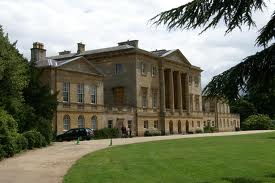
BASILDON PARK


Basildon Park


After leaving Stratfield Saye, our group will travel to nearby Basildon Park for a private tour of this stately home.
From their website:

Basildon Park, a Georgian mansion surrounded by parkland, was loving rescued by Lord and Lady Iliffe in the mid 1950s. The house you see today is a re-creation and restoration of the 18th-century mansion. They restored the elegant interior and scoured the country salvaging 18th-century architectural fixtures and fittings. Lord and Lady Iliffe filled their comfortable new home with fine paintings, fabrics and furniture, which can still be enjoyed by you today. Make the most of your visit by treating yourself to a cream tea, experience the nostalgia of our 1950s kitchen, or stretch your legs following one of our waymarked trails through the 400 acres of historic parkland.

Basildon Park was originally built for Sir Francis Sykes and you can read the entire history of Sykes, his waning fortunes and the history of the house here. The Regency history of Basildon Park is interesting and I quote from Wikipedia as follows:
“On Sir Francis Sykes’ death, Basildon was inherited by his son, Sir Francis Sykes (2nd Baronet) who died a few weeks later. The house then passed to his grandson, the five-year old Sir Francis (3rd Baronet). By this time, the Sykes fortune was almost spent and Basildon was already mortgaged. The family finances suffered further as a result of the 3rd Baronet’s association with the extravagant Prince Regent. Aged just 14, he entertained the Prince at Basildon. As a result of the Prince’s occupation of the North side of the second floor, where the best bedrooms are located, for many years afterwards this range of rooms were known as `The Regent’s Side’ as opposed to the family’s less formal rooms on the South side of the floor. From the late 1820s, Sykes was suffering serious financial problems, and in 1829, the estate was placed on the market. The house was not quickly sold, as Sykes refused to accept any price less than £100,000. During this period, the house was often let. However, Sykes and his family were in residence between 1834 and 1835 when the future Prime Minister Benjamin Disraeli was a house-guest at Basildon. Disraeli, who was the lover of Sykes’ wife Henrietta, immortalised her along with some descriptions of Basildon and its rooms in his novel, Henrietta Temple: A Love Story. Another romantic attachment of Lady Sykes was to result in her husband being immortalised in a novel, this time in a less flattering light. Lady Sykes had been conducting an affair with the painter Daniel Maclise. Her husband publicly denounced Maclise, causing an unacceptable high society scandal. As a result, Charles Dickens, a friend of Maclise, then writing Oliver Twist, based his villainous and cruel character Bill Sikes on Sir Francis.”
Basildon Park’s literary connections did not end with Disraeli and Dickens – the house was used as the setting for Netherfield Park during the filming of  the 2005 version of Jane Austen’s Pride and Prejudice. You can watch a short video about the filming at Basildon Park here. The house was used as a set for another Keira Knightley film, The Duchess, in 2008. 
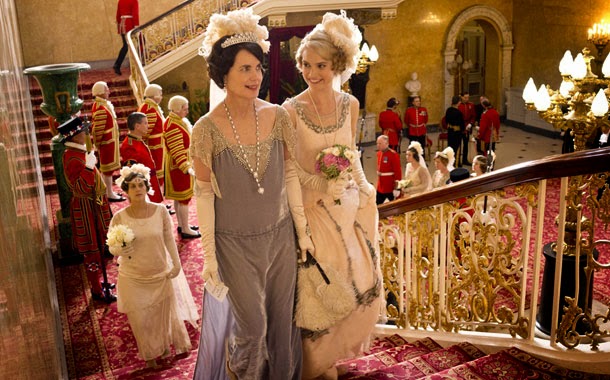
Downton Abbey Basildon Park
The interiors of Basildon Park were most recently used as the Crawley family’s London residence, Grantham House, and the elegant Georgian mansion was at the heart of the unfolding story as the family prepared for Rose’s coming out ball in the capital. Basildon Park played host to all of the much loved regular characters from the show as well as Shirley MacLaine who reprises her role as Martha Levinson and Paul Giamatti who joins the cast as Cora’s playboy brother, Harold. The episode was part of Downton Abbey’s 2013 Christmas special. You can watch a video of which rooms were used in the filming and short clips from the Special here. 
You can take a half hour video tour of Basildon Park, it’s interiors and learn about it’s history and occupants here. 
FIND COMPLETE ITINERARY FOR 

THE DUKE OF WELLINGTON TOUR – VIDEO HIGHLIGHTS – PART 9

HIGHCLERE CASTLE


Highclere Castle Victorian

One of the stops along the route of The Duke of Wellington Tour that we’re looking forward to visiting is Highclere Castle, home of the Earls of Carnarvon. In addition to the fabulous interiors, we’ll also be viewing the Egyptian collection, comprised of artifacts from King Tut’s tomb, the discovery of which was funded by the 5th Earl of Carnarvon. I’m particularly interested in walking the grounds and seeing the park, designed by Capability Brown. Here are a few video highlights of what we’ll be seeing at Highclere –
The 8th Countess of Carnarvon discusses The Real Downton Abbey and offers a tour of the Castle here.
Follow the Countess through more rooms in the Castle here.
Footage of the exteriors, grounds and secret garden here.
If you were invited to spend the weekend at Downton Abbey’s Highclere Castle a hundred years ago,
would you know what to wear, how to act, which fork to use? Michael Bertolini, Curator and President of the Warwick (NY) Historical Society gives an informative Talk on Downton Abbey-style living.  (1 hour)
For absolutely stunning scenery of the countryside surrounding Highclere Castle, you can watch this five minute video – The Wayfarers Walking Vacations “Downton Abbey” walk .
Victoria will be writing next weeks “Video Highlights” post, in which she’ll bring you clips of the flip side of Highclere Castle – Downton Abbey. Until then, here’s a very funny bit of silliness put together for Red Nose Day 2011 called “Uptown Downstairs Abbey.


COMPLETE DETAILS OF 

THE DUKE OF WELLINGTON TOUR

CAN BE FOUND HERE.

A PINTEREST POST

Swans Bishop's Palace Wells

Here’s another great photo I found on Pinterest recently of the swans at the Bishop’s Palace in Wells, who ring a bell when they want to be fed. The things one learns on Pinterest!

From the Bishop’s Palace website, where you’ll also see a live streaming “Swan Cam”:

The Bishop’s Palace is world famous for its swans who ring a bell alongside the gatehouse when they want food. The swans are trained to pull on a rope which sounds the bell ringing and sends the Palace Caretakers, Paul and Carol Arblaster running to fetch some bread and open the window to feed them. Perhaps you will be lucky enough to see them do this when you visit!

Swans at the Palace were first taught to ring a bell for food by the daughter of Bishop Hervey in the 1870s and the tradition continues to this day. Bread is tied in clumps to the rope attracting the swans to nibble at it and pull it off, when they do this the bell rings. Gradually less and less bread is tied onto the rope as they begin to understand that by pulling the rope and hearing the bell means food will soon follow.

Rest assured, the swans and ducks all get a lot of attention from tourists and staff around The Bishop’s Palace should Paul and Carol be away from the bell so they don’t go hungry, they also feed off the moat silt bed and surrounding environment.

You can watch a YouTube video of the swans ringing the bell here.

IN THE GARDEN WITH KRISTINE

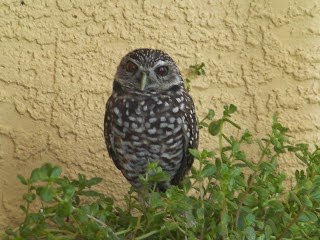
You may remember a previous post I did about the burrowing owl who had taken up residence on our front porch a few years ago, which you can read here.

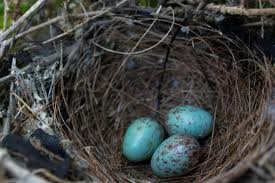
This year, a pair of Northern Mockingbirds took up residence and constructed a nest in the shrubbery beside our driveway. Hubby and I kept an eye on the pair, fascinated as they built the nest and, soon after, deposited three, small, blue, speckled eggs within.

Every so often, we’d stand on tiptoe and peer down into the nest to see if any progress had been made. Before long, Hubby reported that two of the eggs had hatched. Did I want to go see the babies? No, I told him. I didn’t want to do anything that might spook the parents away from the nest.

Next day, Hubby reported that he thought one of the babies had died. This did prompt me to peek into the nest. One of the babies – pink and featherless, was moving slightly. The second bird simply lay there in the nest, unmoving.

Hhhhmmm. I told Hubby to leave the nest alone; that maybe something was wrong with the baby bird and that the parents would deal with it as nature dictated, but that we shouldn’t interfere with it.

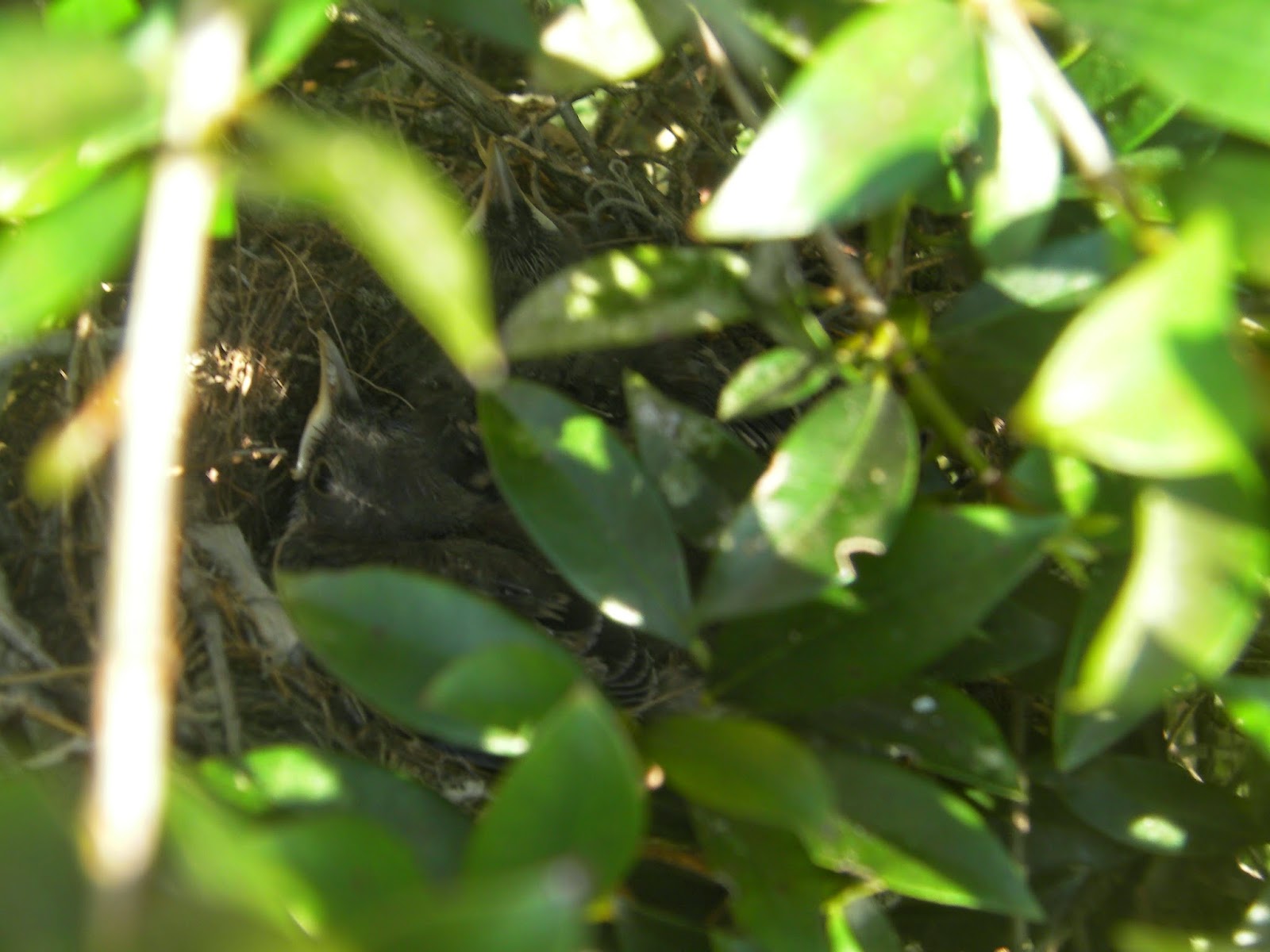
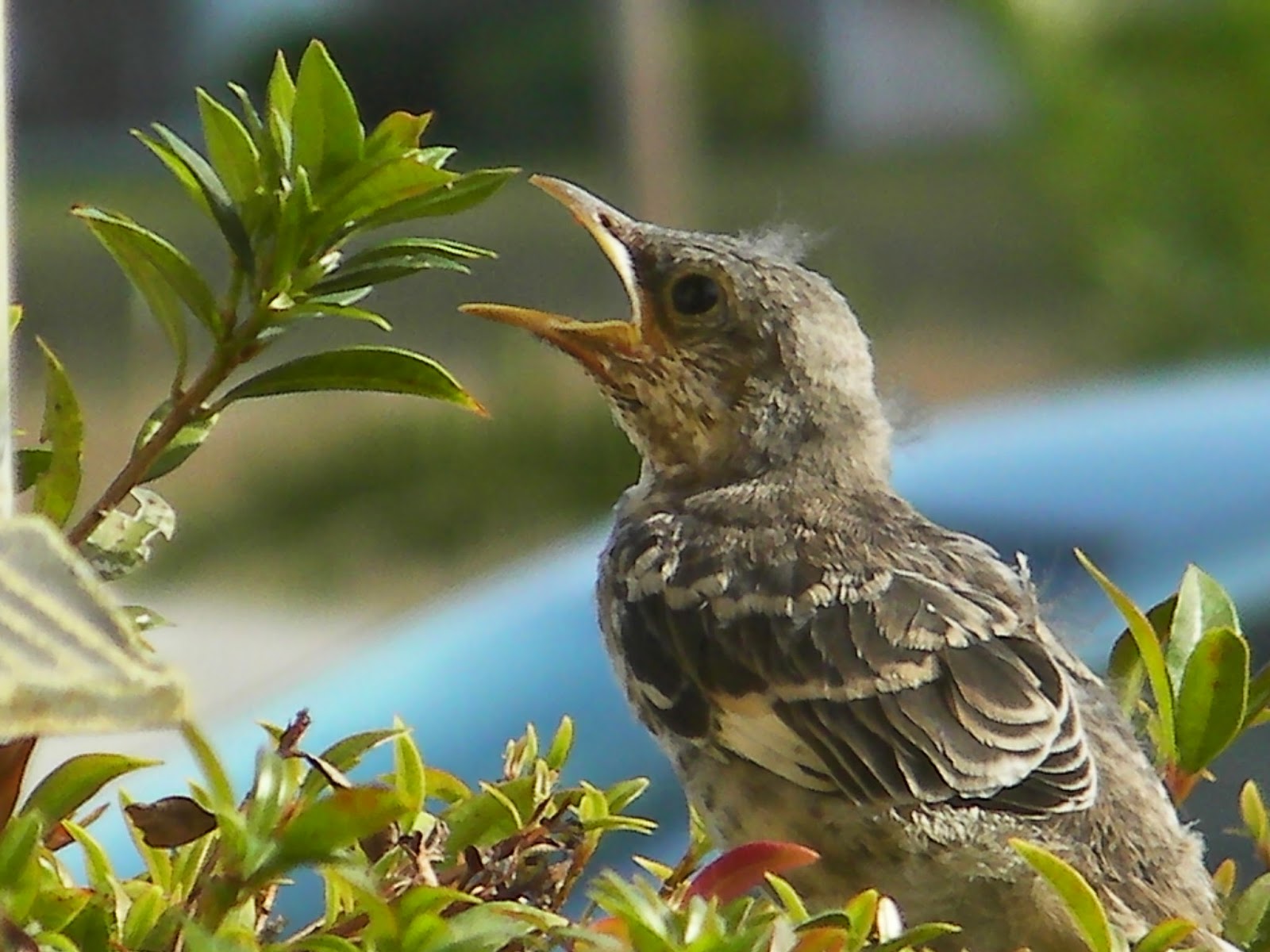
Two days later, I dared to peek at the nest again and this is what I saw – two healthy baby birds. Now with feathers. And hungry, opened mouths. The bird we’d thought was ill or dead had apparently simply been sleeping. Joy!

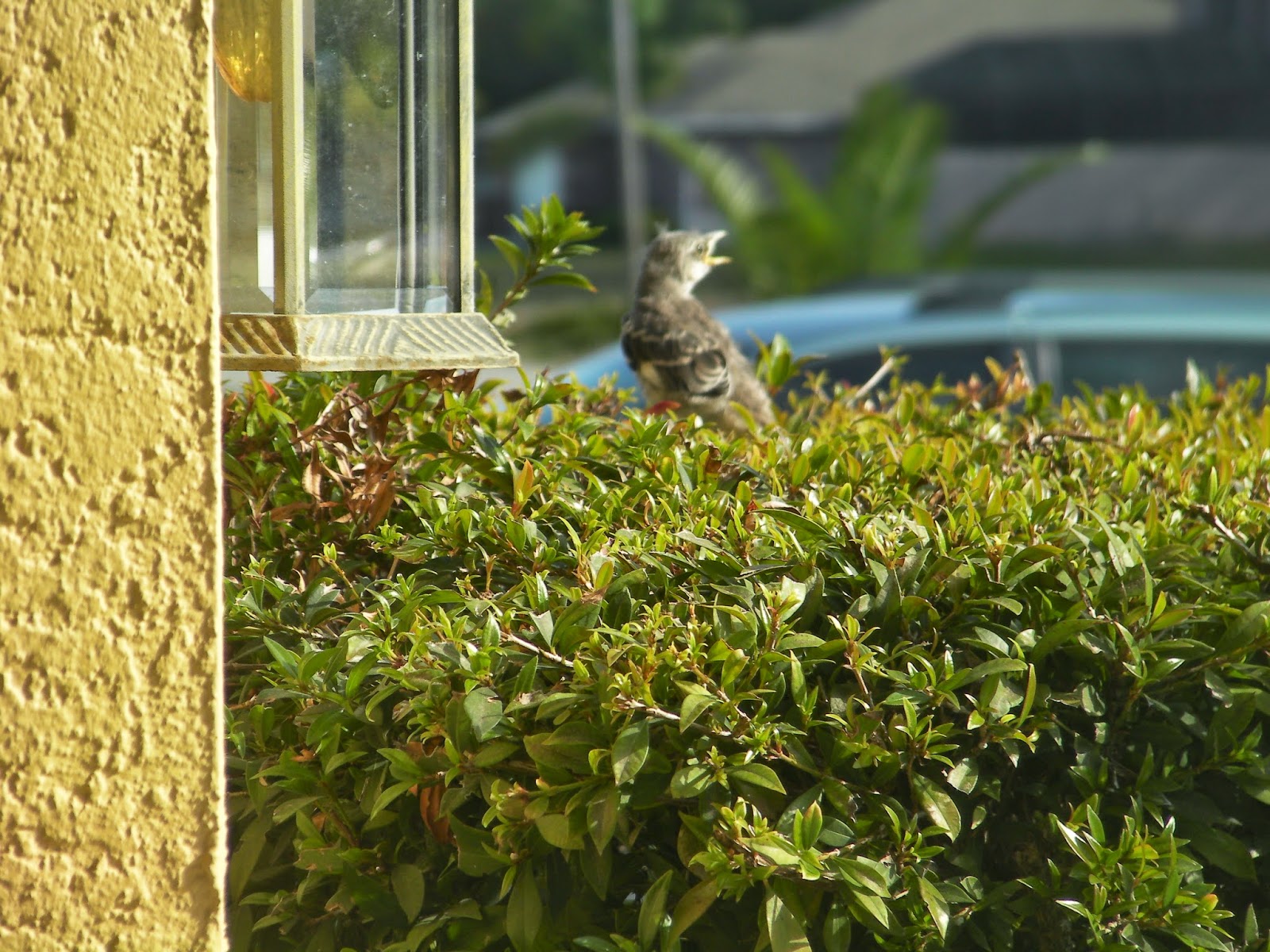
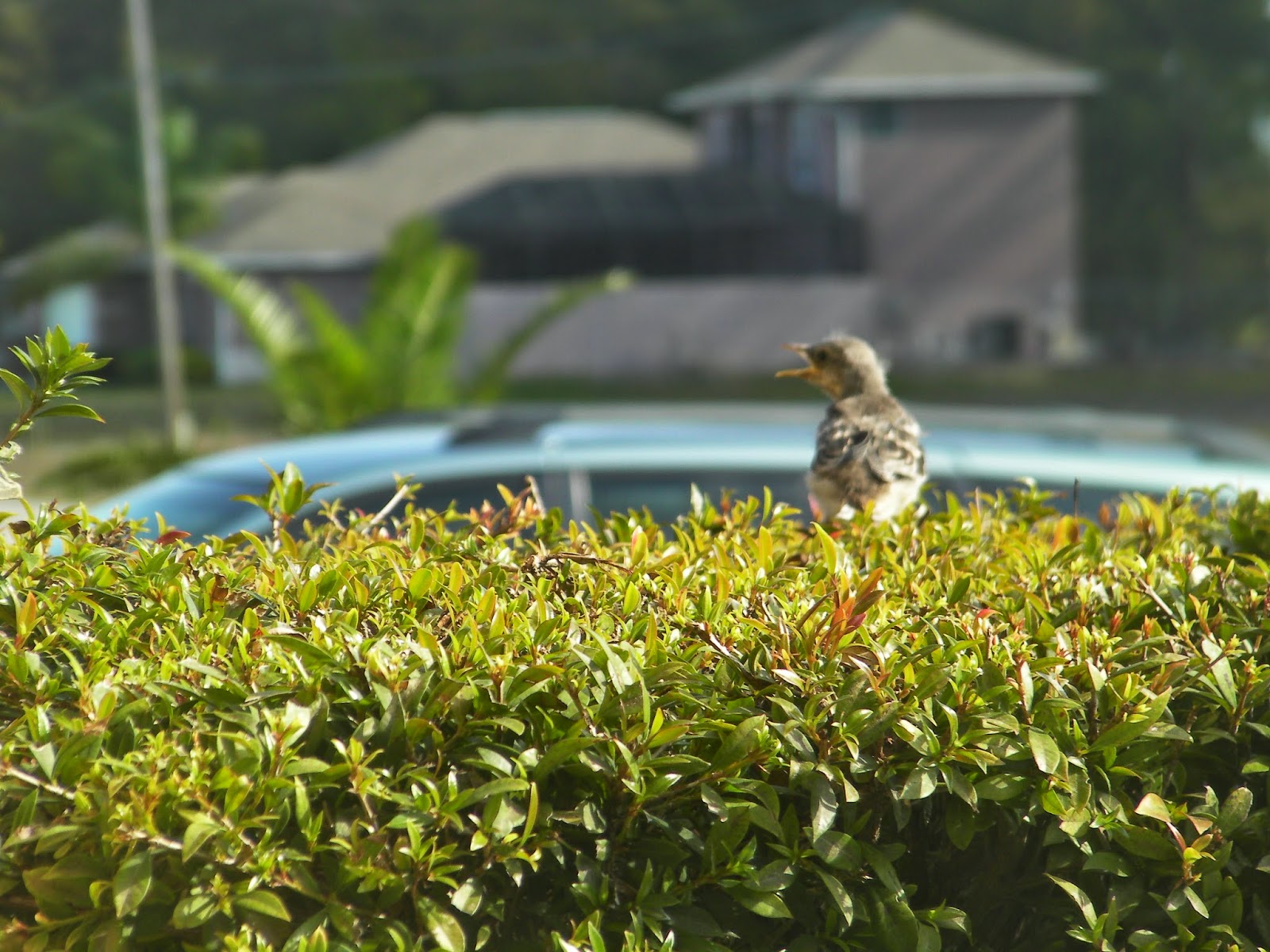
We continued to peek at the babies over the next few days, until one day I looked, only to find that there was just one baby bird in the nest. Had the second fallen out? Fallen victim to prey? Panic set in until a movement caught my eye and I realized that the second bird had already left the nest and was sitting on a branch within the shrubbery.

By the time we checked in the next day, the babies were both venturing out of the nest, and out of the shrubbery, ready to greet the big, wide world as their parents watched from the telephone wire above.

Spring has indeed sprung – enjoy!