Category: Kristine Hughes
A TOUR GUIDE IN ENGLAND: BOOKS KRISTINE SAW ALONG THE WAY

DO YOU KNOW ABOUT? THE LONDON LIBRARY
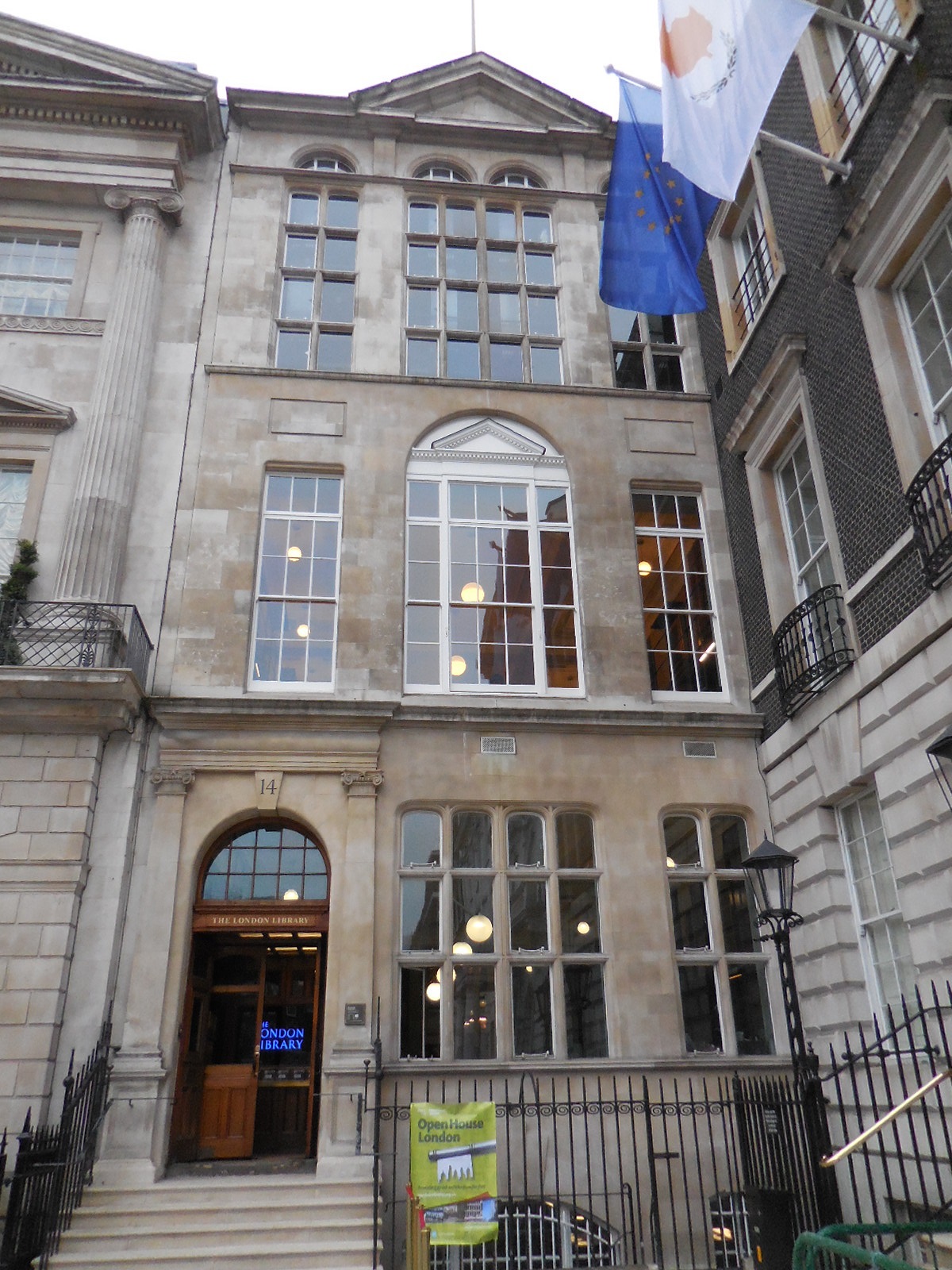
Aaah, the London Library. The Holy Grail of research libraries as far as most historians are concerned. The oh so hard to get into Valhalla of archives. Such is the mystique that has been built up about the Library, one is certain that access into it’s hallowed halls is as difficult to attain as a ticket to Almack’s had once been. So, when Victoria and I were in London in September over Open Houses Weekend, we put the London Library in St. James’s Square at the top of our list. This would be our chance to finally see the inside of this venerable institution. Unfortunately, we didn’t know that one had to sign up for the Library tour prior to the date, but the very nice lady at the reception desk invited us to take a seat and to wait for the next tour to start. If the anticipated numbers did not show up, we would be more than welcome to join the group.
So we waited. And we eagerly eyed all who entered. Surely, we’d see the likes of world famous historians, household name authors and mayhap an Oxford don or two. Not a bit of it – everyone who entered the Library looked quite ordinary. Many of them looked to be students. When a pair of particularly young seeming male students walked by, Victoria whispered, “How do you think they got in here?”
“Don’t know,” I whispered back. “How did any of these people get in here?”
“The entrance fee is supposed to be really expensive, and besides that, you have to provide references. What sort of references could a pair of seventeen year olds have?”
“I think you’re making it harder than it really is to get in here. I mean, we have references.”
“We do?”
“Yes,” I hissed, “of course we do. We’re both published authors, aren’t we? And we have the blog, which has been up and running on a regular basis for six years now. That should demonstrate a serious academic bent. At the very least it proves that our interest in researching 19th century Britain is more than a passing fancy.”
“I don’t know,” Victoria said, “I think you have to have like three references from people who are already members of the Library.”
“Are you sure? Maybe you’re confusing it with White’s Club.”
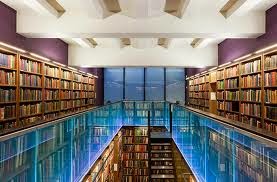
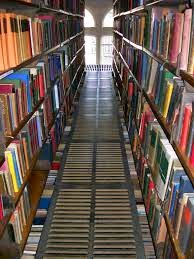
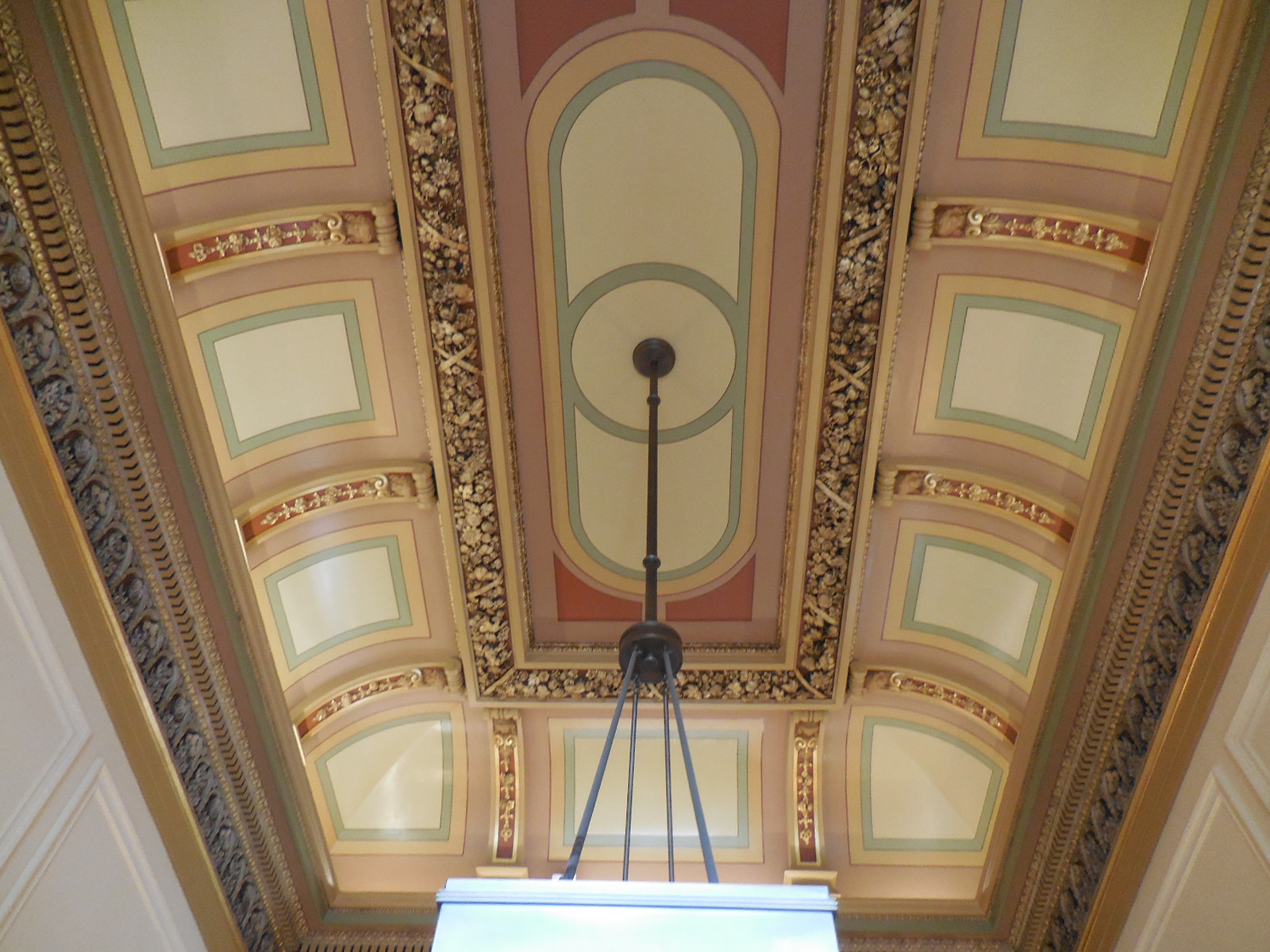
The next tour group began to form and, miraculously, Victoria and I both got in. Joy! I must say, we really were given a behind the scenes tour: we were shown through many of the rooms and miles of stacks. We went up floor by floor to the attics and down again to the basement, all the while being surrounded by books we longed to get our hands on. The pictures below will give you some idea of the Library’s holdings.
Upon our return to the States, I went online to seriously investigate exactly what membership in the London Library involved. Unsurprisingly, I soon got distracted – the Library has an online catalogue of its holdings called Catalyst, that will not only search for books and journals in the Library, but will also search for titles and in many cases the content of the Library’s eJournal and database collections, as well. So, again unsurprisingly, I searched for the Duke of Wellington.
And got 6,614 results.
I also found online guides to various collections: The Food and Drink Collection, A Guide to the French Collections, Guide to the Topography Collections. Many more can be found on the Library’s website.
At long last, I got around to the membership page – Individual annual memberships are £485 or forty pounds per month. Victoria was correct, you do need a reference, or Referee, but they do not necessarily have to be a Library member:
Referee: Applicants are asked to give the name of a referee, who should be someone to whom you are known personally (but not someone living at the same address) and whose position can be verified if necessary (e.g. a member of a prof
essional body, an academic, teacher, current member of the Library etc.).
And there are alternatives to an annual membership for those who are just visiting the UK, shown below. Can’t wait to let Victoria know – we actually do know several people in the UK who might vet us and we could always split the membership fees and share the online membership. Now it’s just a question of how long it will take me to get through over six thousand results for the Duke of Wellington.

-
A limited number of temporary tickets are made available for non-members who wish to consult specific material from the Library’s collections which is not available in other publicly accessible national, specialist or public libraries
-
Daily tickets £15.00. Weekly tickets £50.00. (Cash or cheque payment only)
-
Advance booking required
-
Tickets are for reference use of the Library only
-
Applicants will need to produce two identification documents – one including a photo (eg passport, driving licence, travel card, student card, ID card) and one including confirmation of their current address (eg driving licence, recent bank statement or utility bill, official letter). Visitors to the UK are required to produce confirmation of their address while in the UK.
-
Contact Book Enquiries in the first instance to enquire about the materials you wish to consult. Contact Reception thereafter to make a booking
Temporary Overseas Visitors Membership

-
£243.00 for 4 months
-
Available for visitors from overseas with no permanent address in the United Kingdom. In addition to the subscription fee a deposit of £243.00 is payable on admission, refundable at the expiry of the membership, or earlier, provided that the membership card is surrendered and that all loans have been returned
LOOSE IN LONDON: OPEN HOUSE WEEKEND 74 ST. JAMES'S STREET
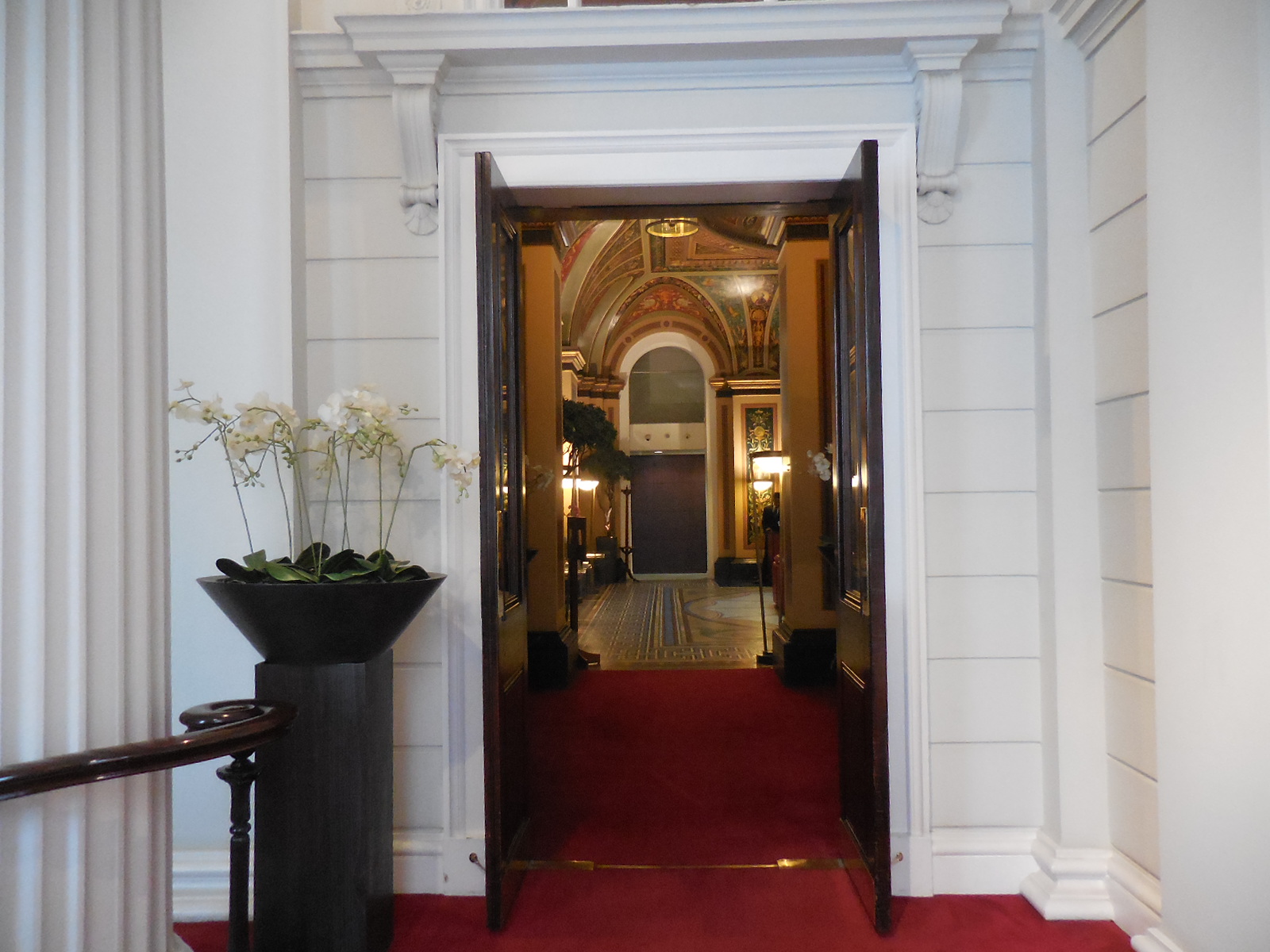
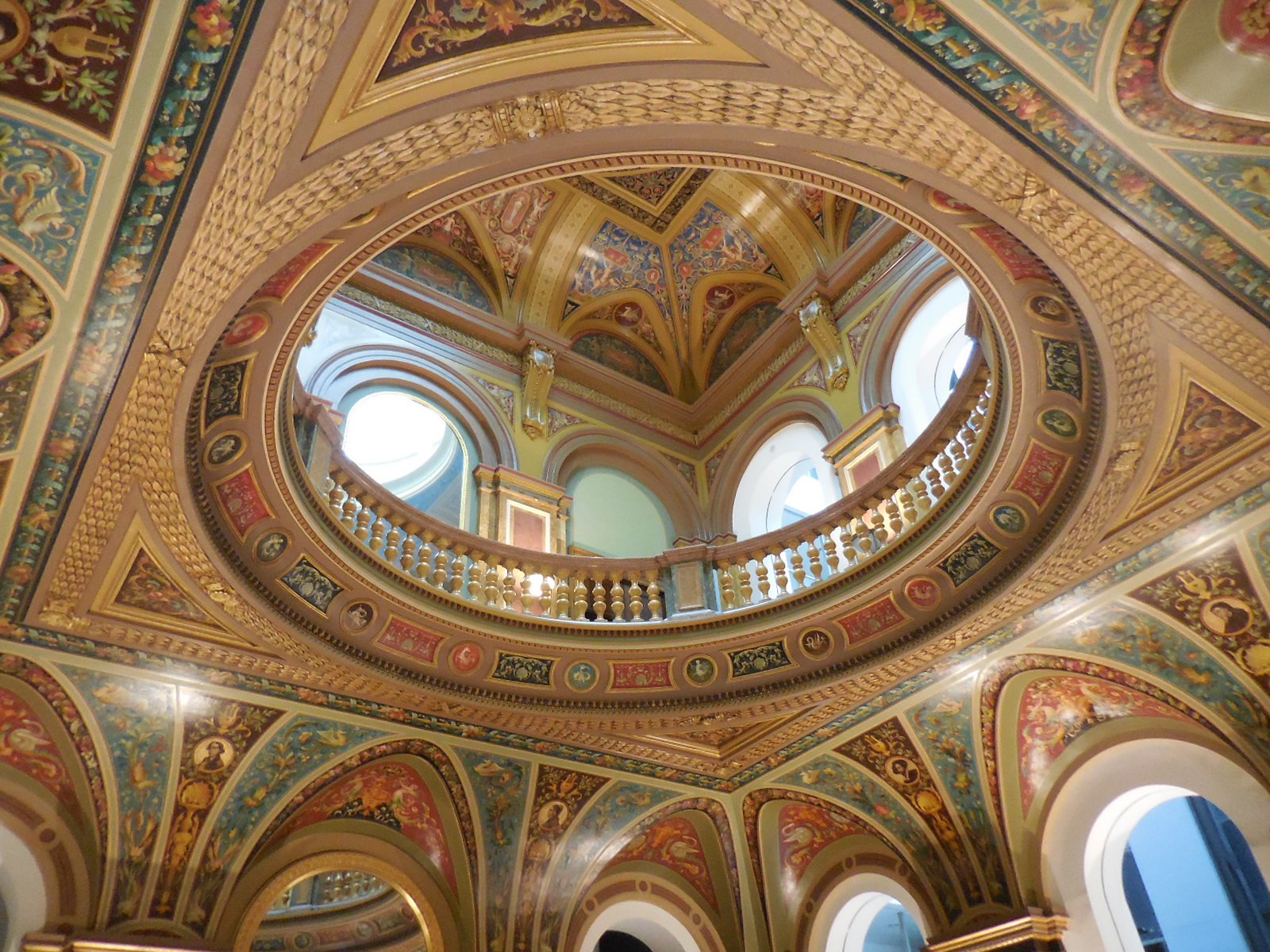
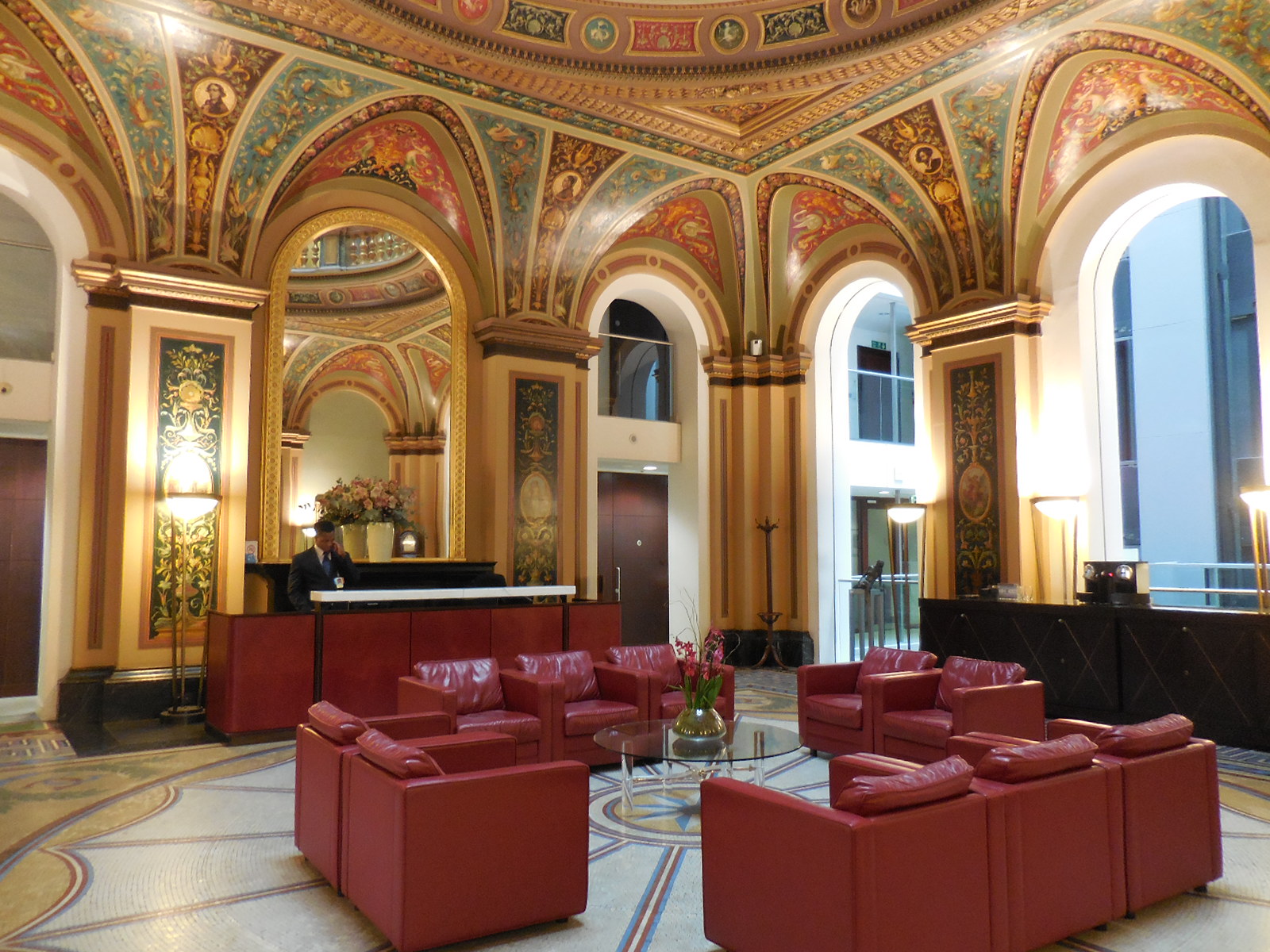
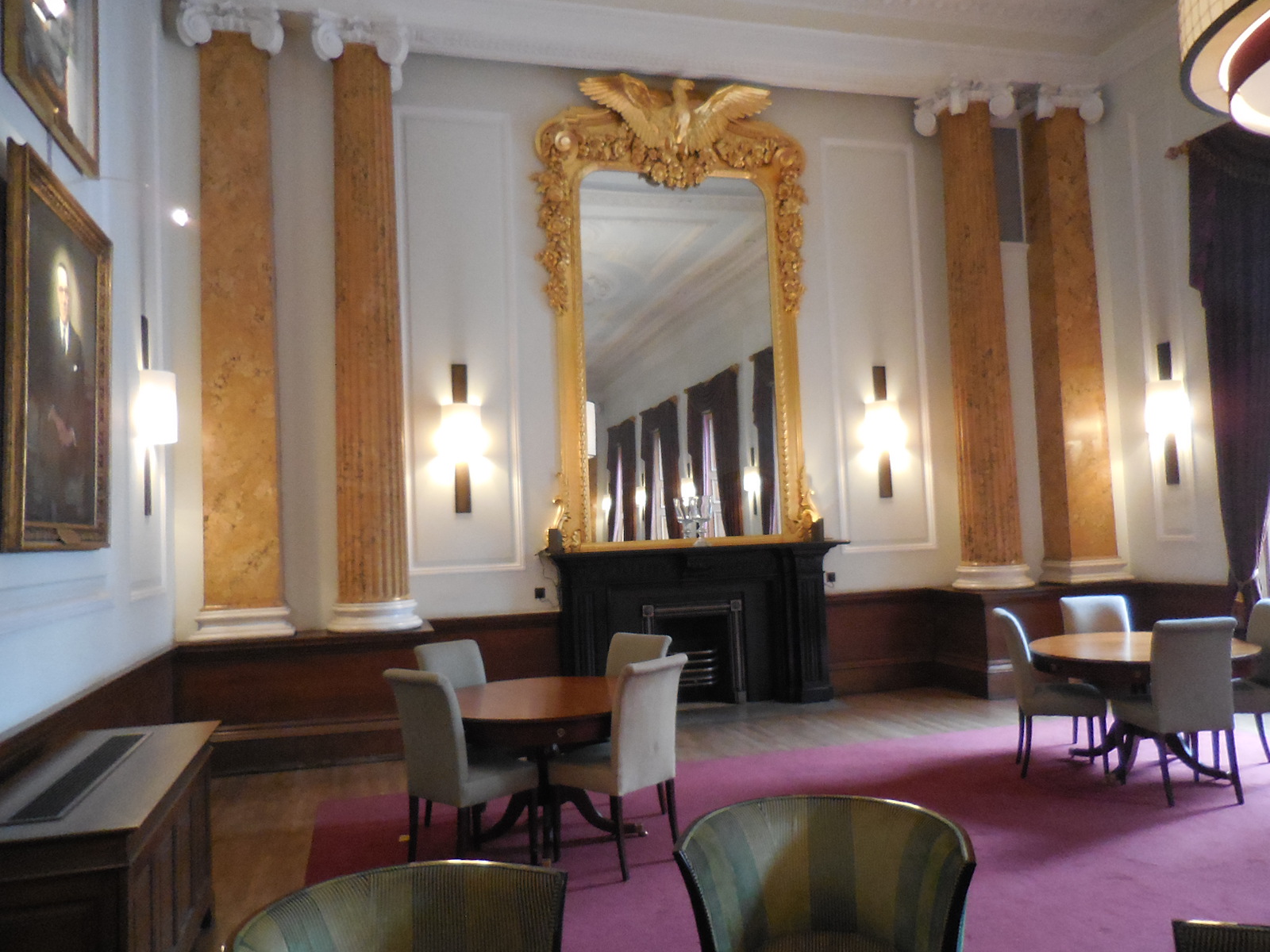
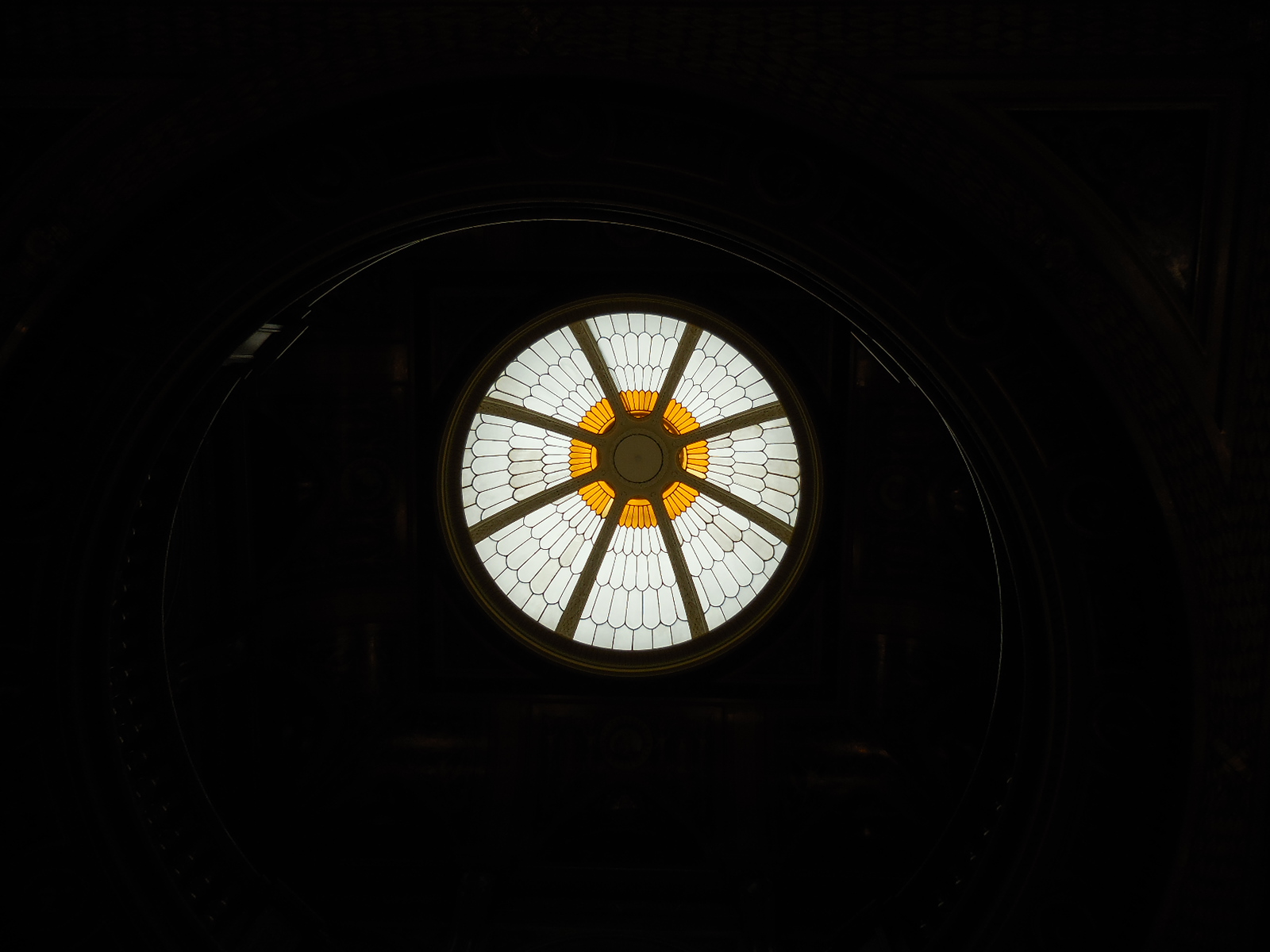
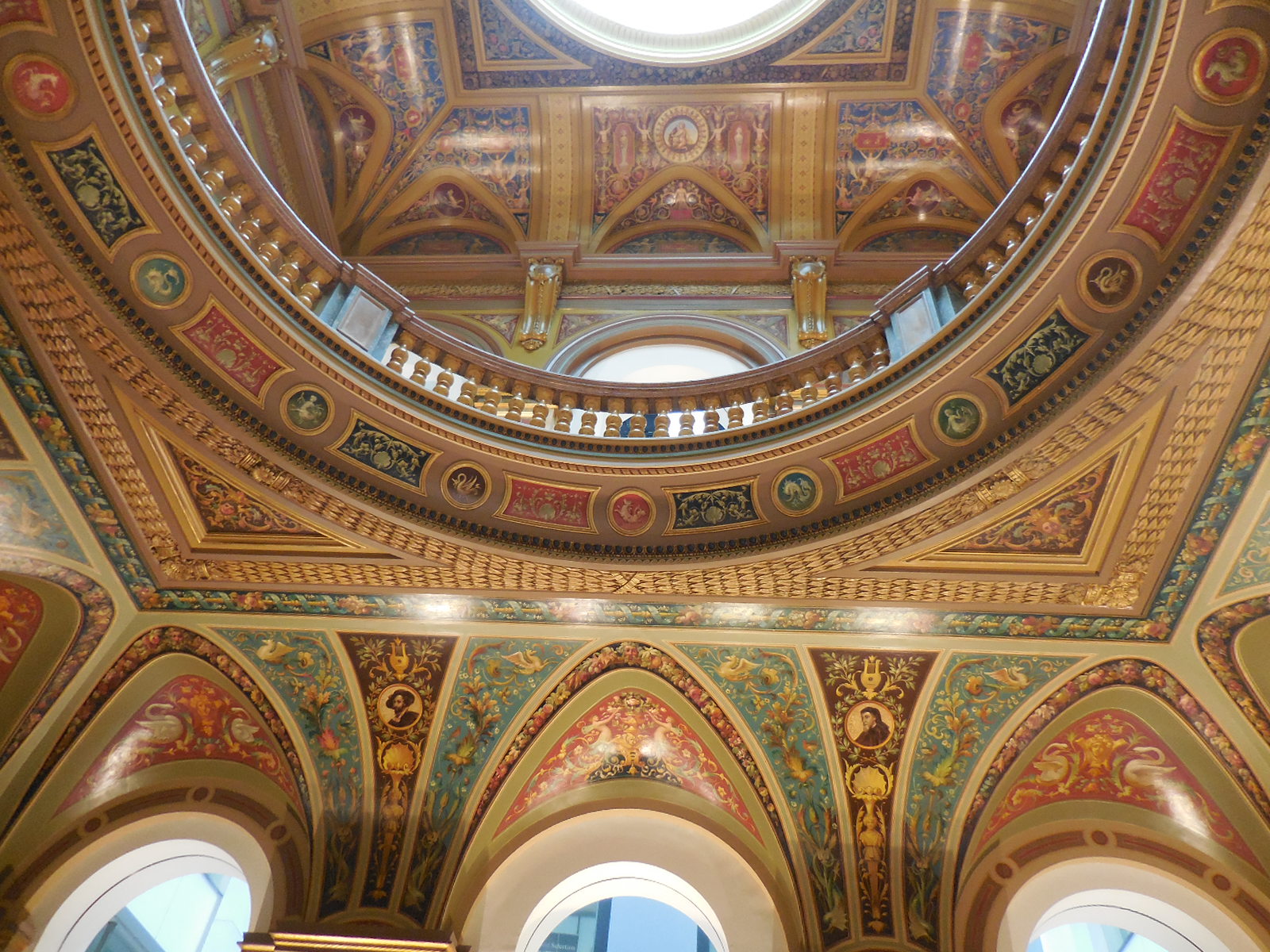
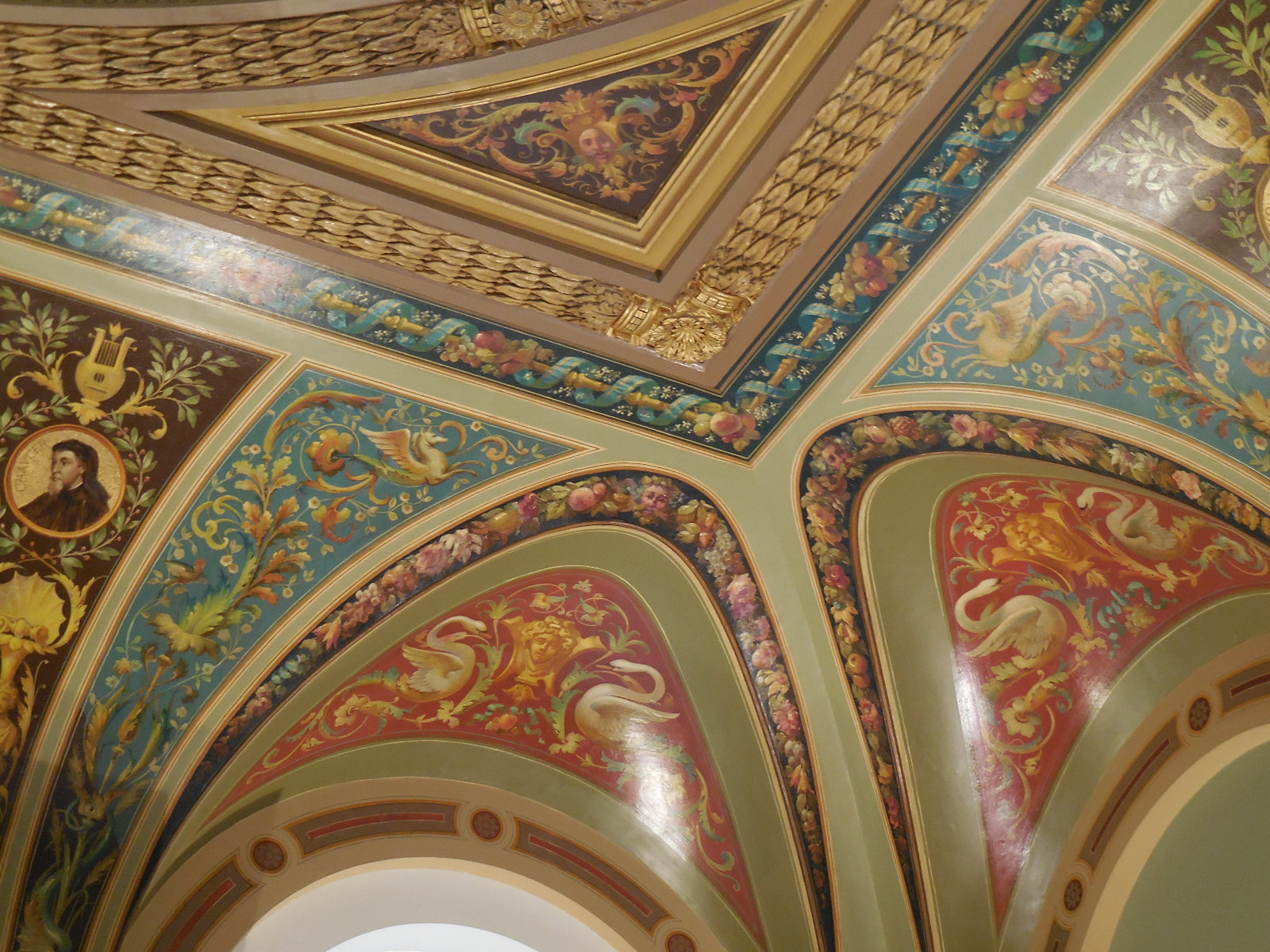
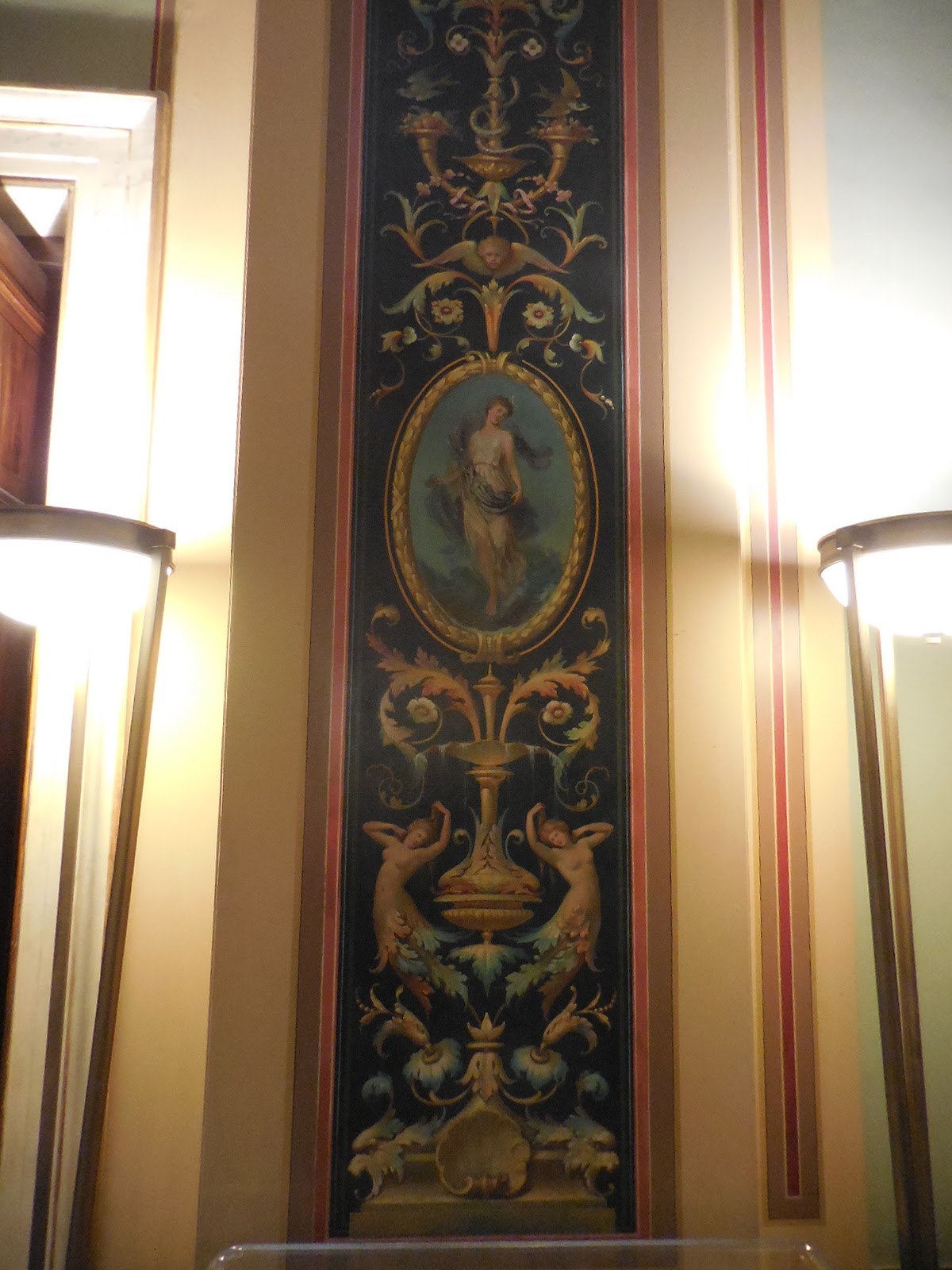
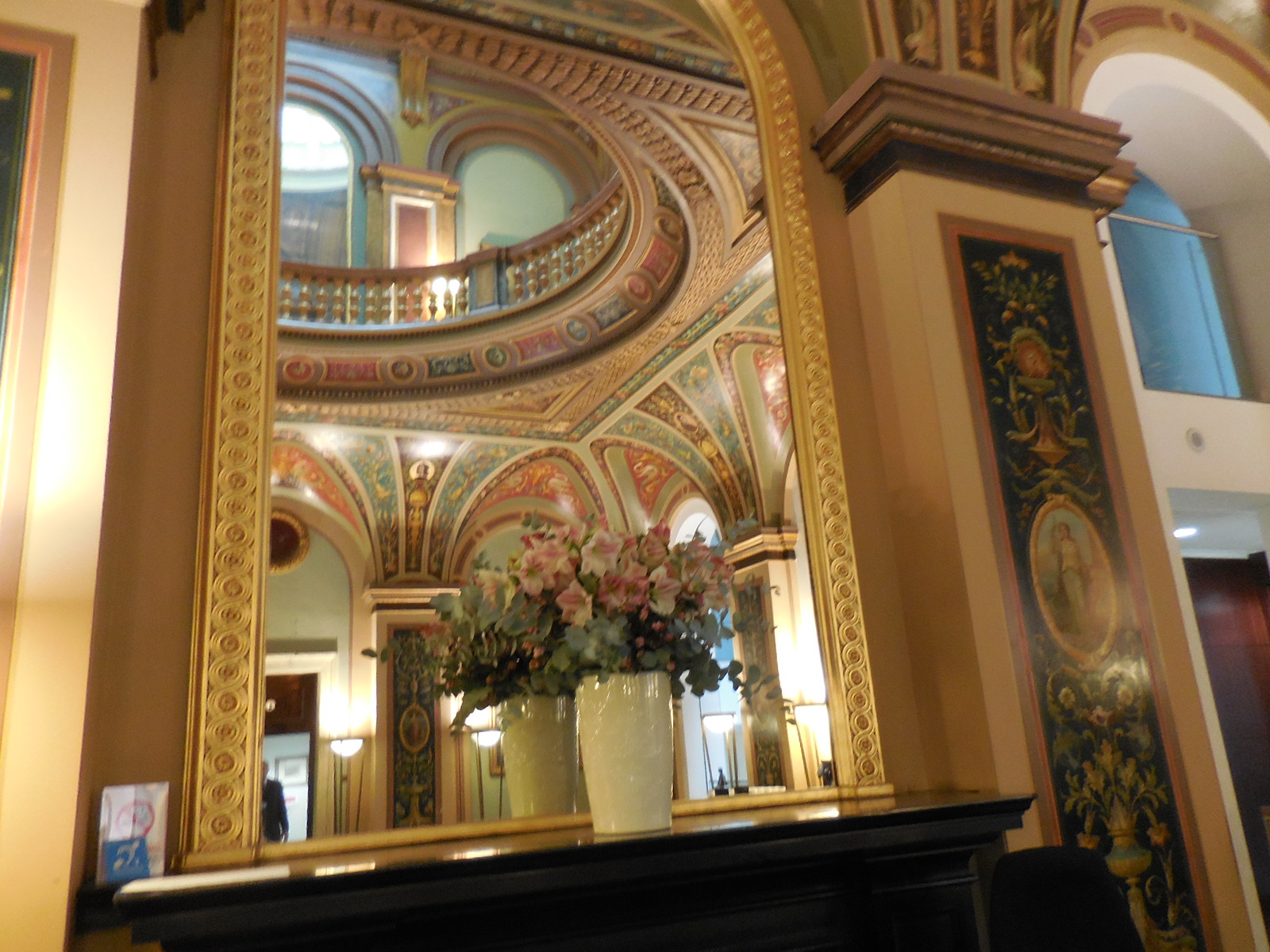
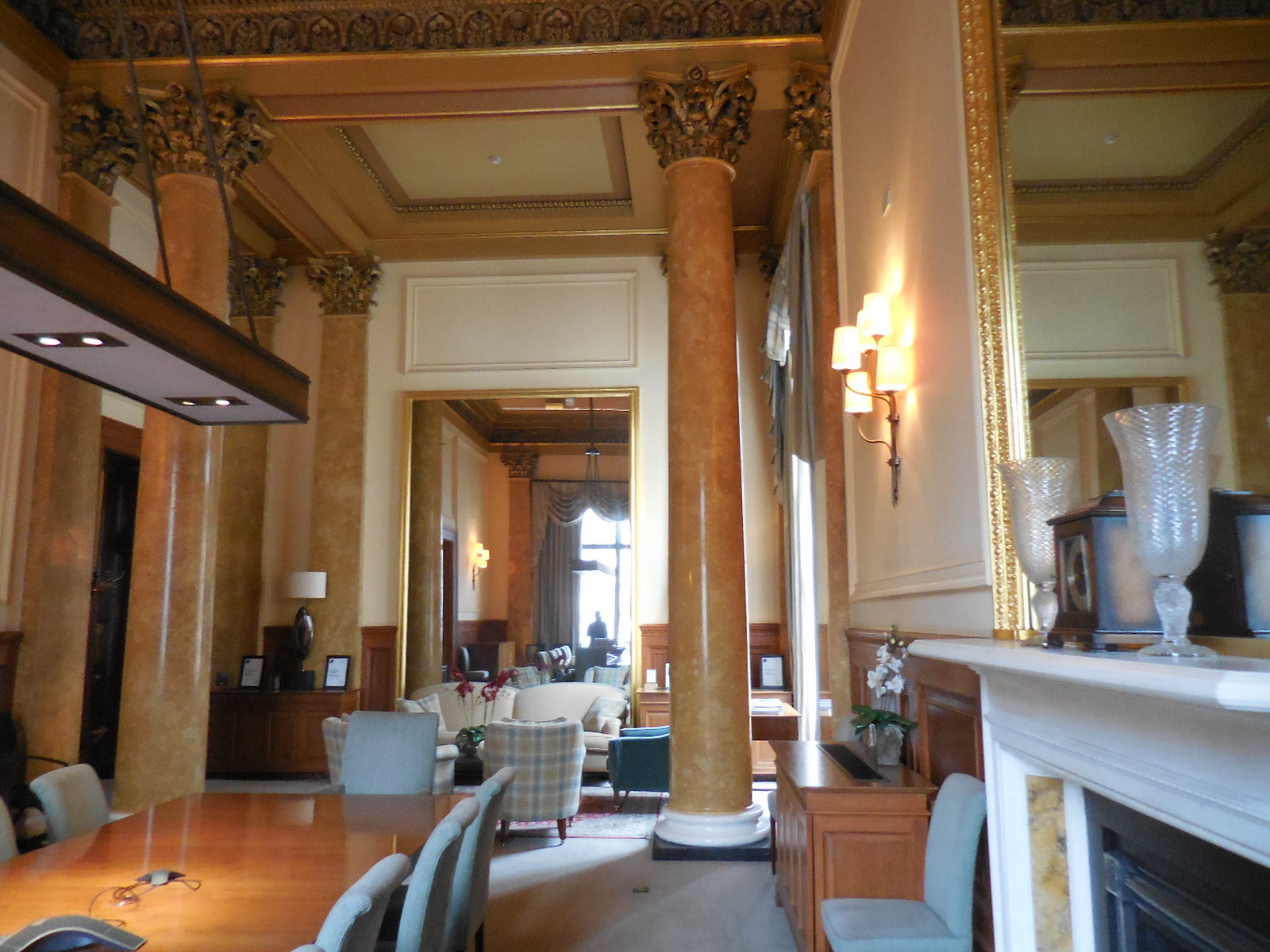
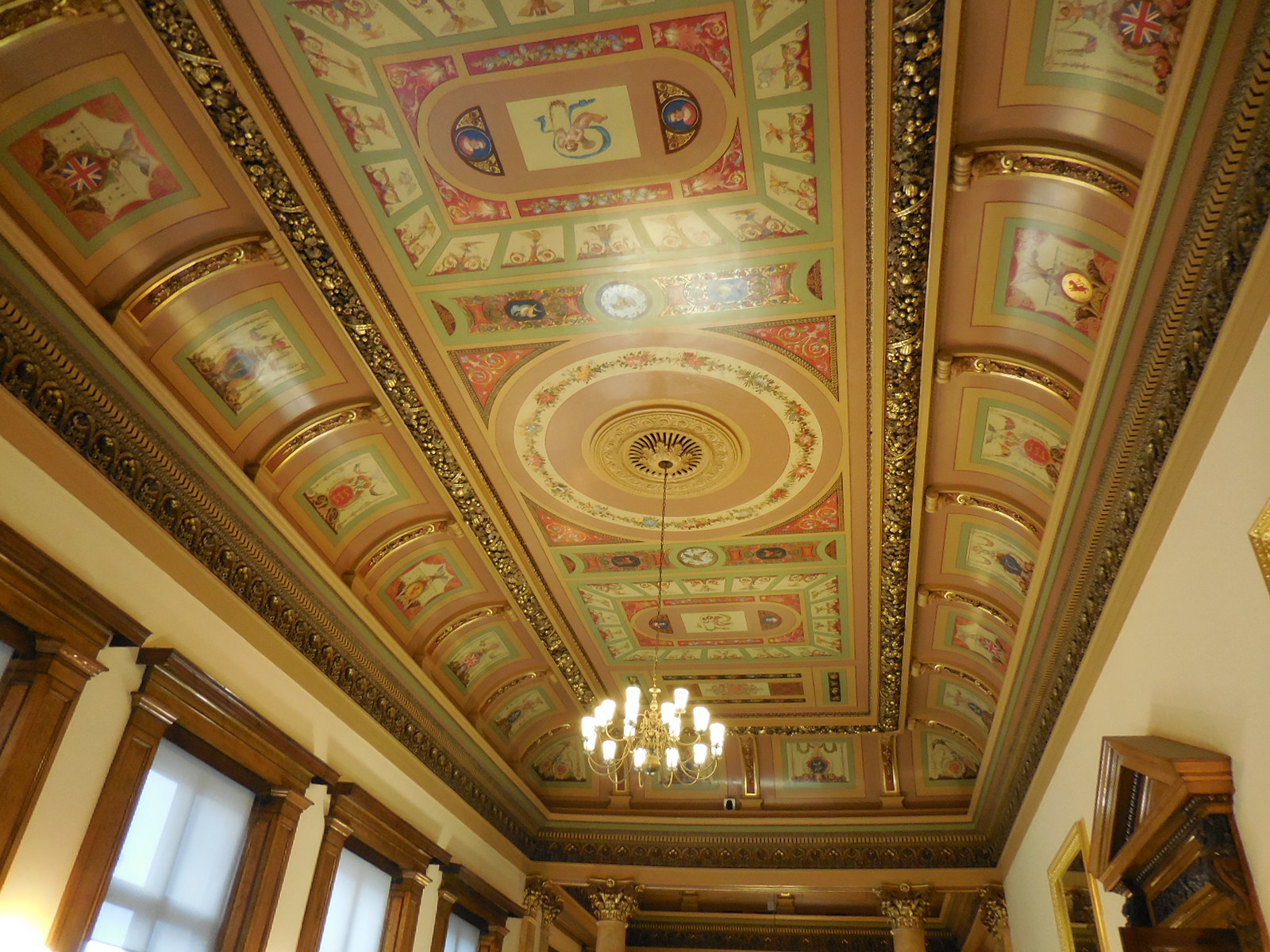
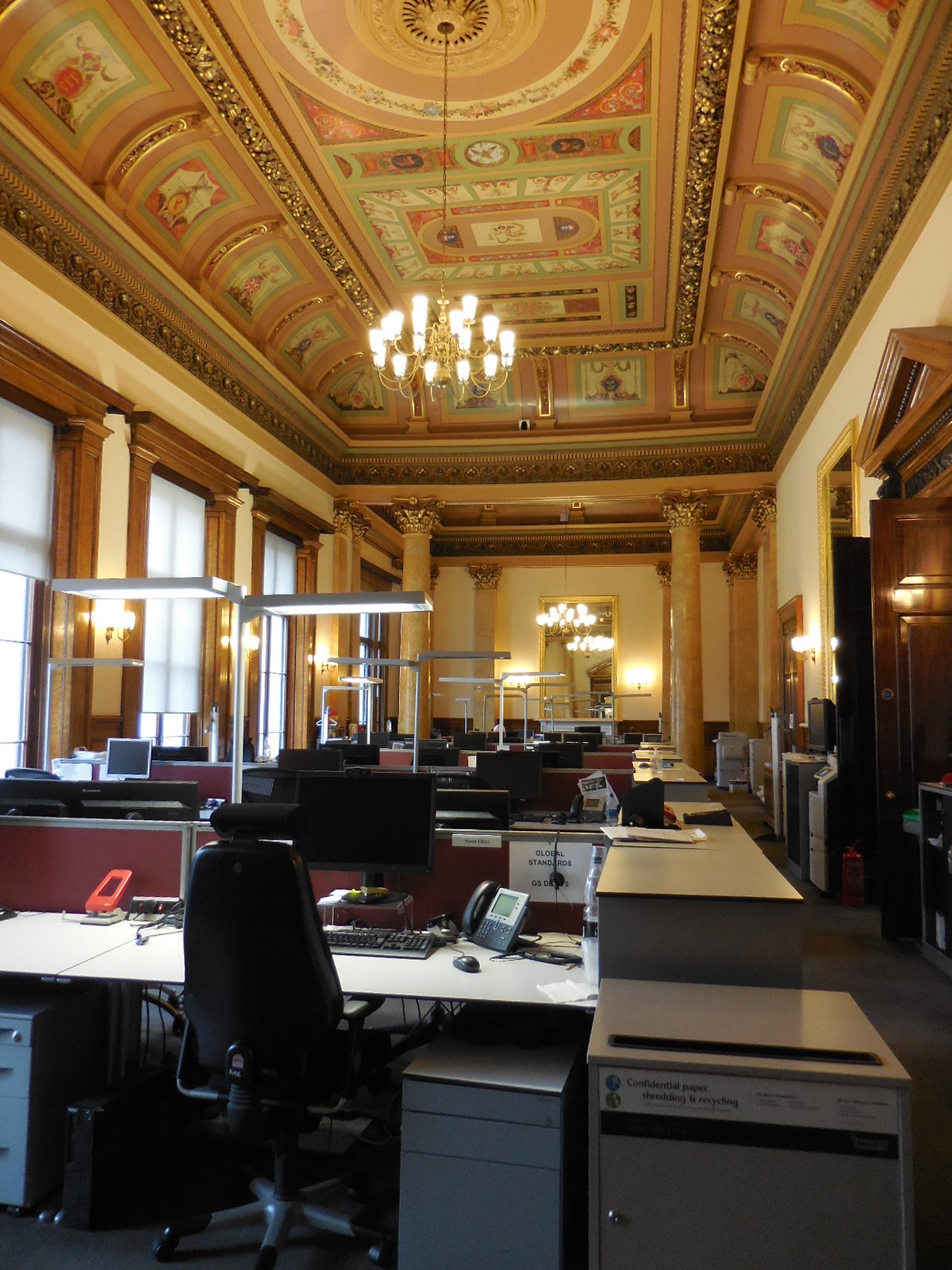
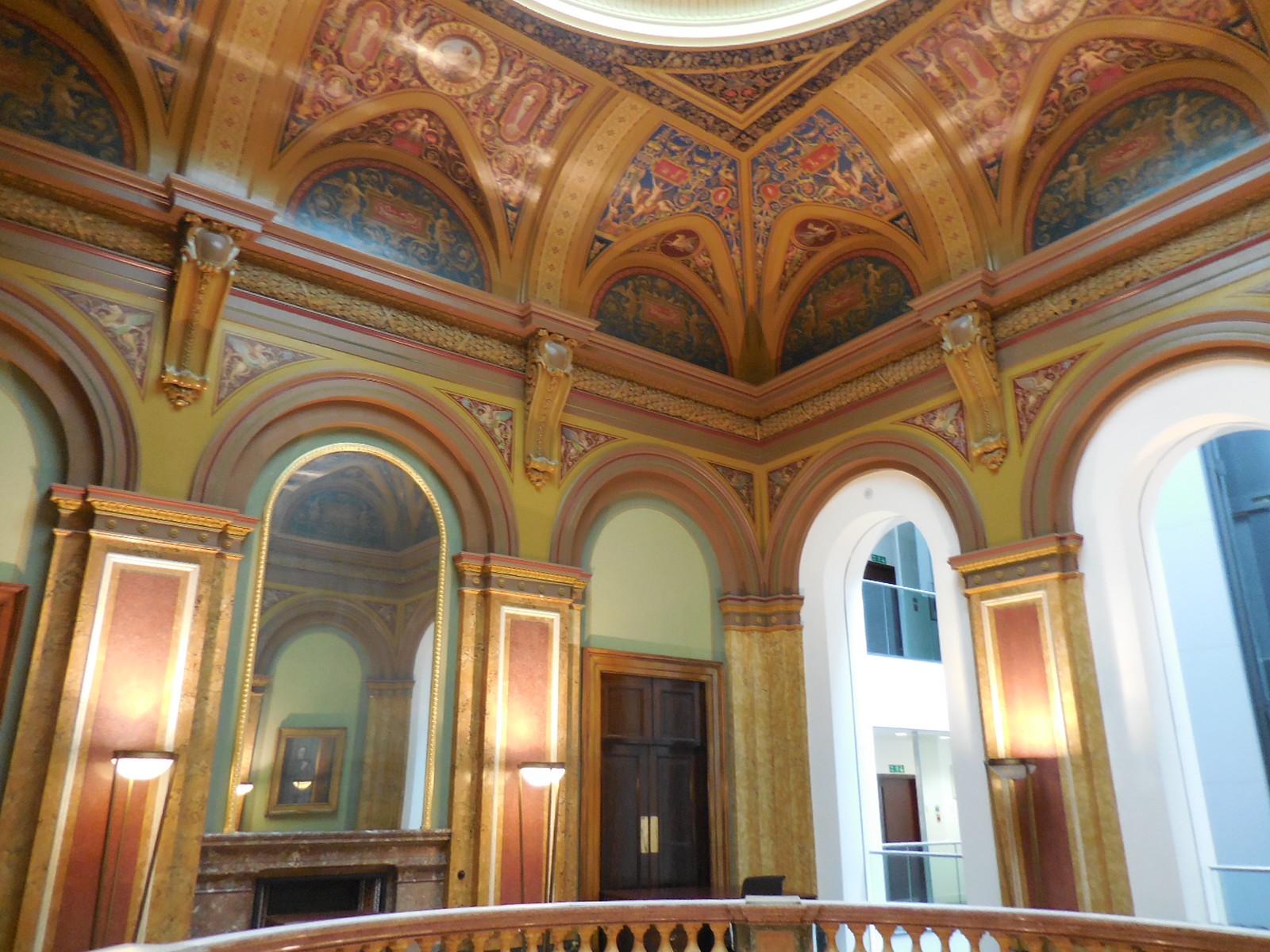
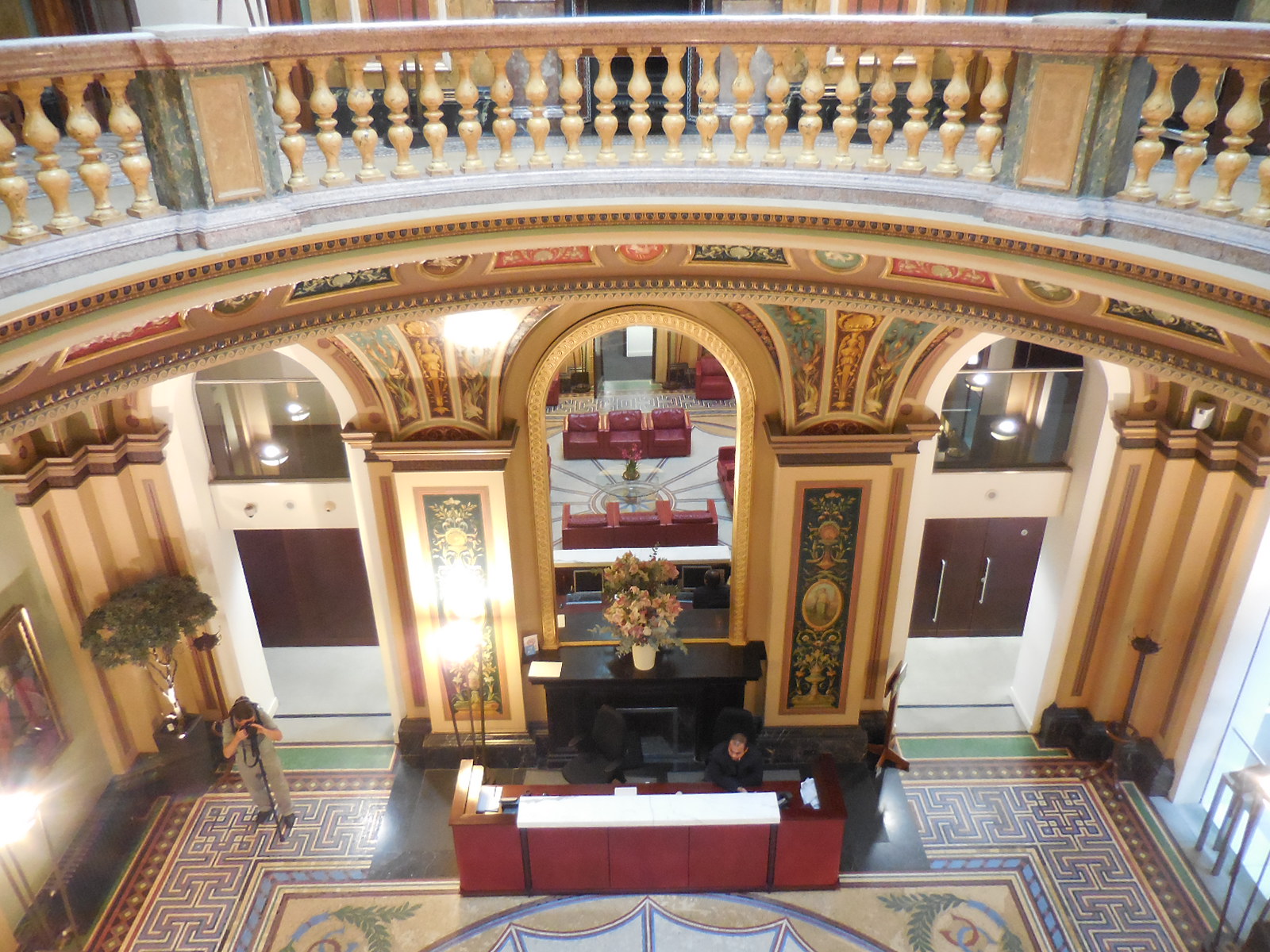
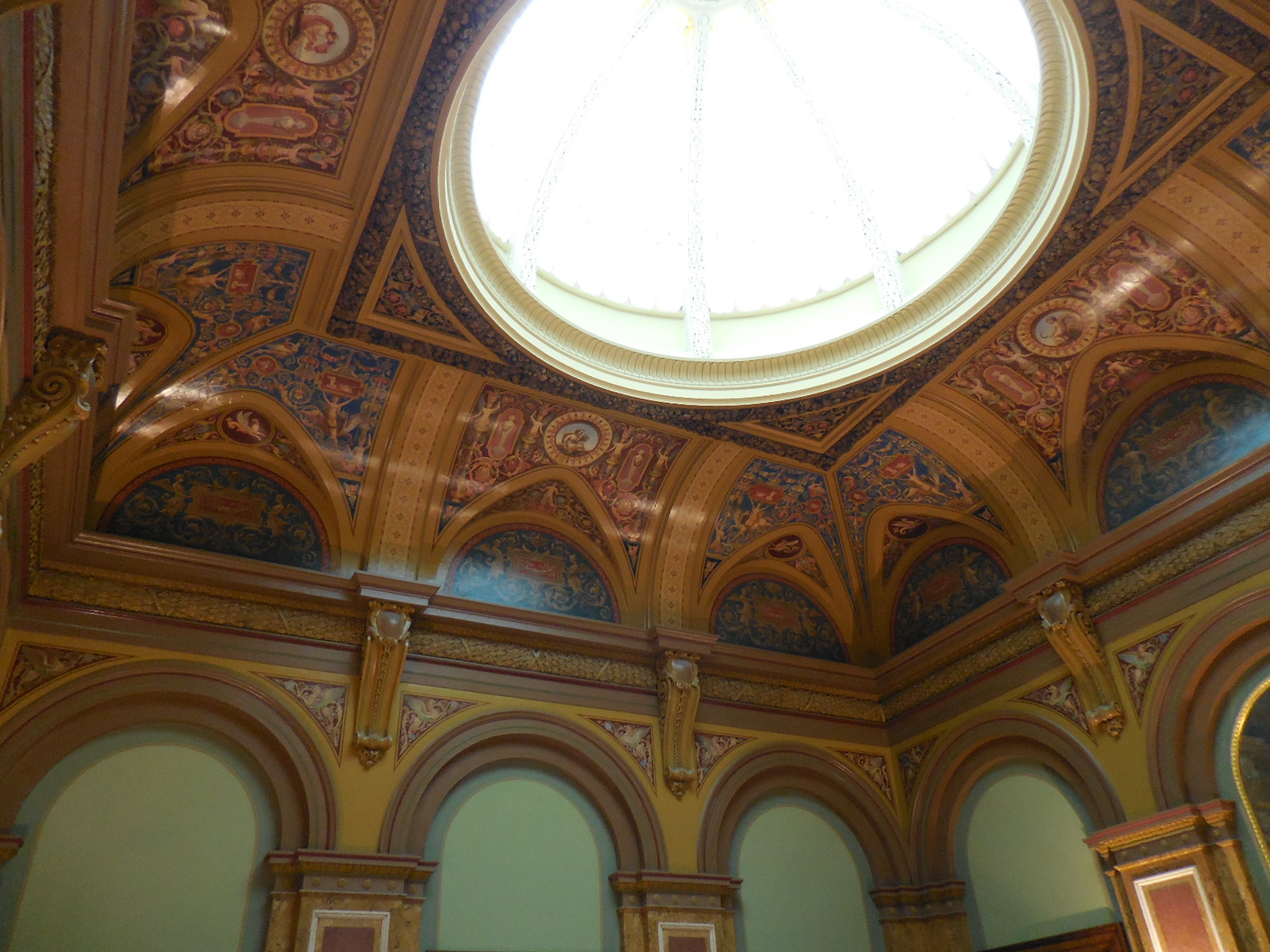
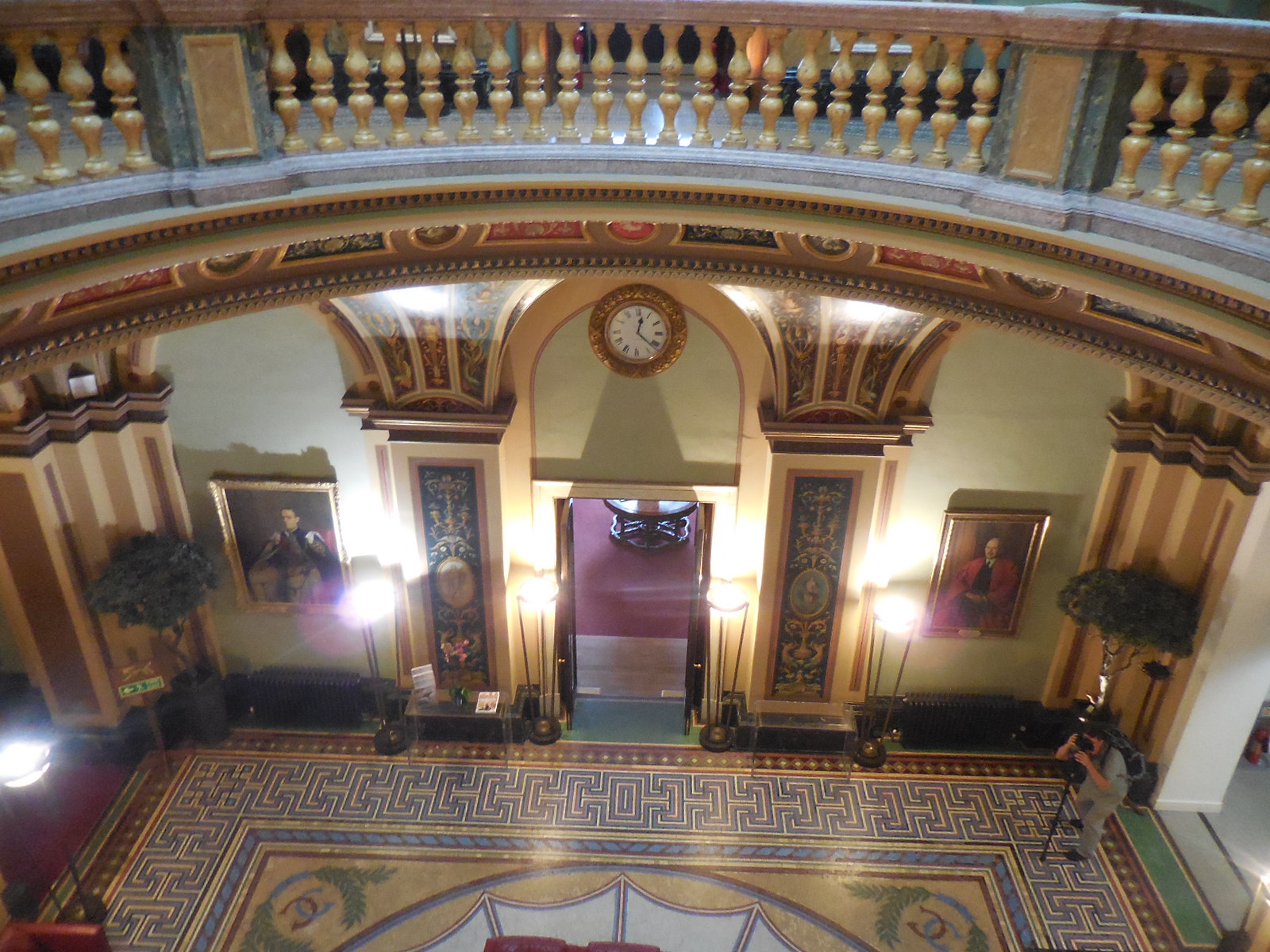
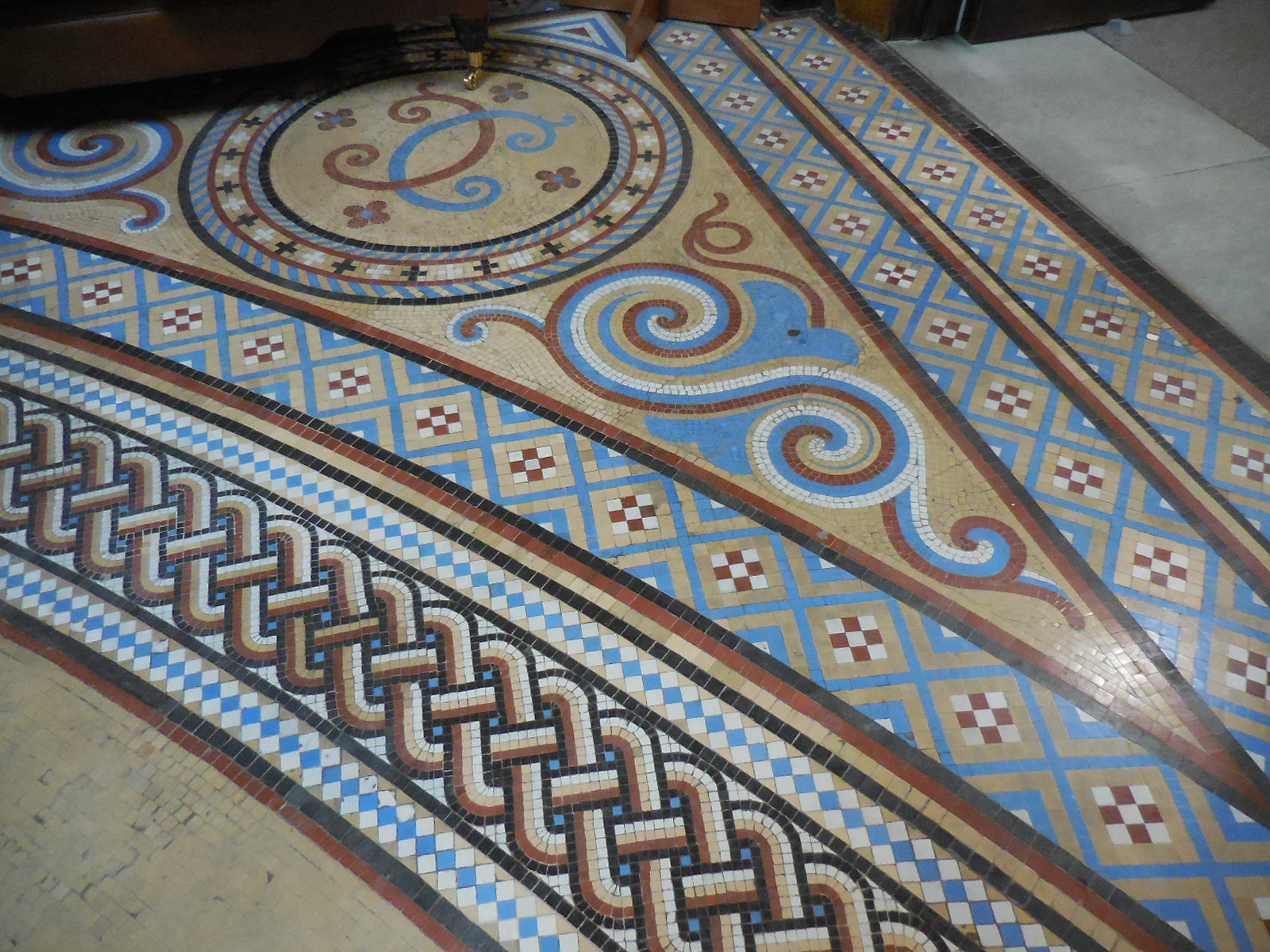
74 St. James Street is an amazing building, now part of a international bank which has preserved the colorful interior. Victoria here, telling you that Kristine and I could hardly believe our eyes after already visiting three lavish mansions during the 2014 Open City London days…in 2016, the Open weekend will be Saturday and Sunday, September 17 and 18.
74 St. James’s Street was the site of the old Conservative Club, now dissolved. Construction started in 1843, In 1950 it merged with the Bath Club, and was disbanded in 1981. From 1845 until 1959, the club occupied a building at 74 St James’s Street.and although the club moved out a century later, the building went on to be home to McKinsey and Co. in the early 1970s, and now houses the London office of HSBC Private Bank.
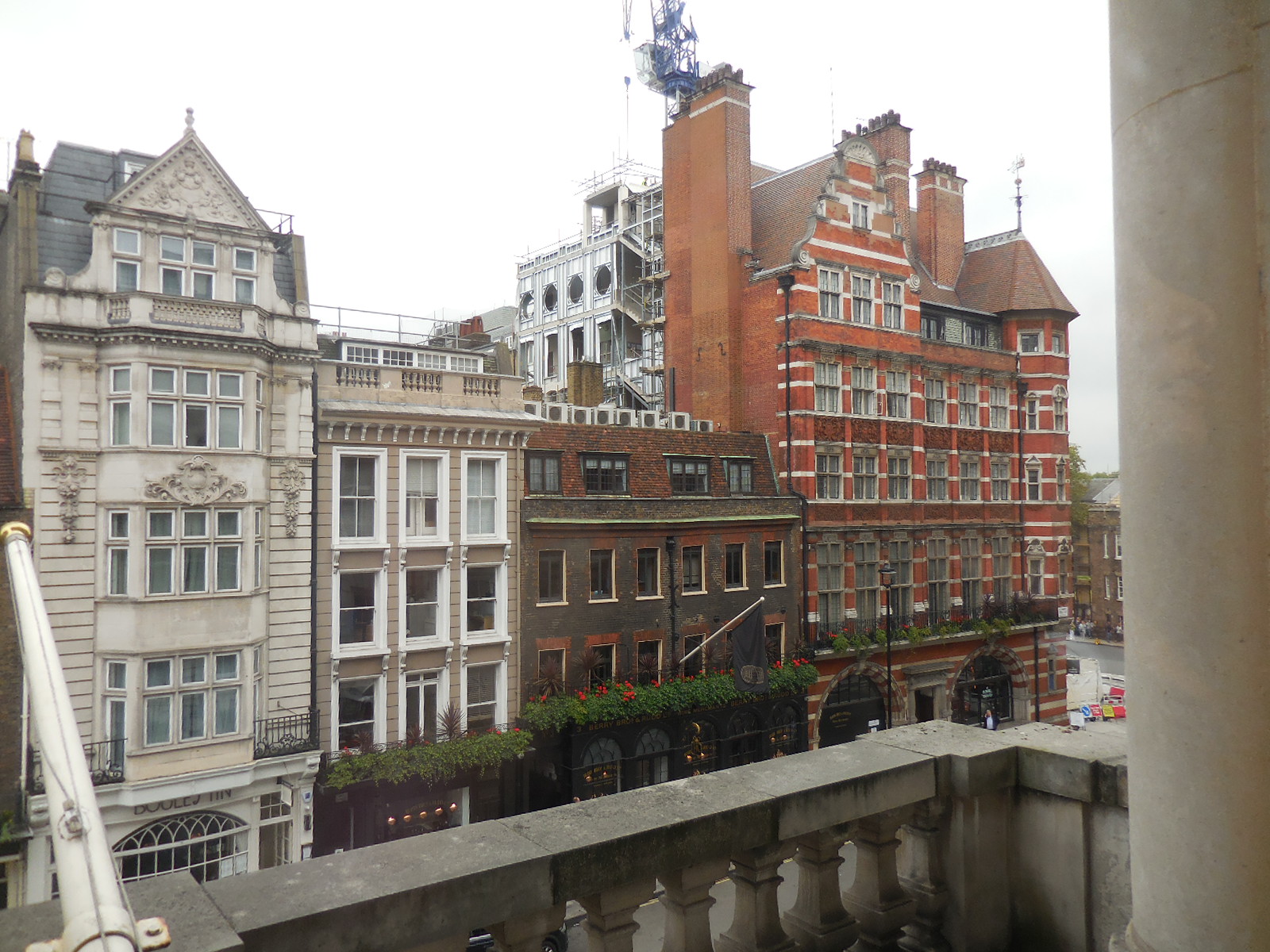
Prior to the Conservative Club’s occupation of the site, there stood on that corner a range of low buildings derived from the country estate of Sir William Pulteney. The original complex had been converted during the 18th century into shops, taverns and pieds-a-terre. The principal establishment on the site was the Thatched House Tavern, located in the upper stories of the shops lining St. James’s Street and set back from the building line so that the roof of the one-story shops formed a balcony overlooking St. James’s for the drinkers and as a vantage point for watching special events, such as the Duke of York’s funeral procession.
The tavern was much frequented by clubs and societies: the Society of Dilettanti, the Noblemen and Gentlemen’s Catch Club and the Royal Yacht Squadron, to name a few. A narrow lane at right angles to St. James’s, running through the middle of the site, gave access by a side door to the tavern and led on through to a small court (Thatched House Court) behind it. The Court was of small by pretty houses providing London apartments for people of fashion such as Edward Gibbon, who lived there until his death in 1894.
The new building built on the site by the Conservative Club at a cost of twenty nine thousand pounds was completed in 1845. The proportions of the saloon were injured in 1951 by the removal of the grand staircase, which led out of the middle door
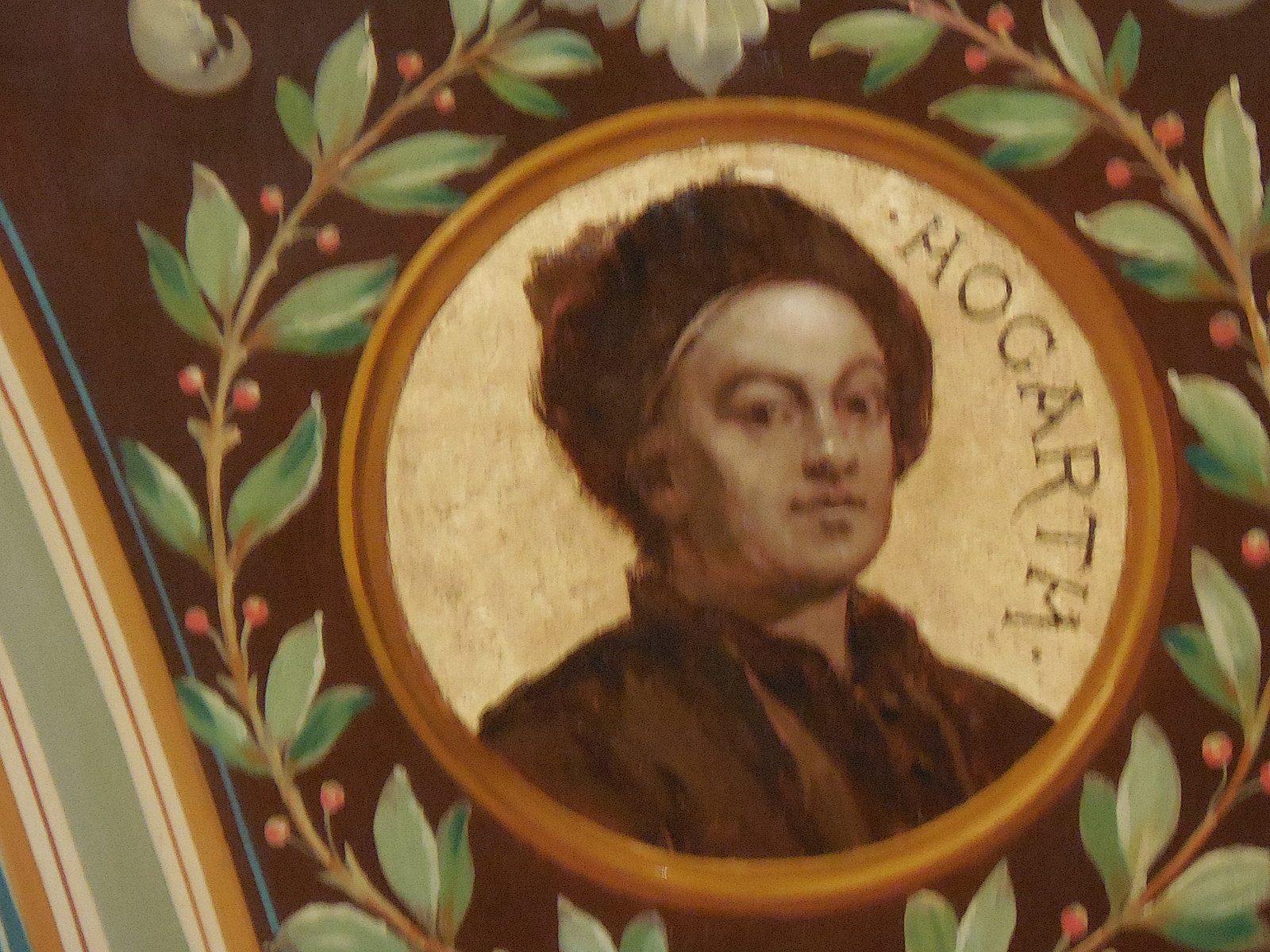
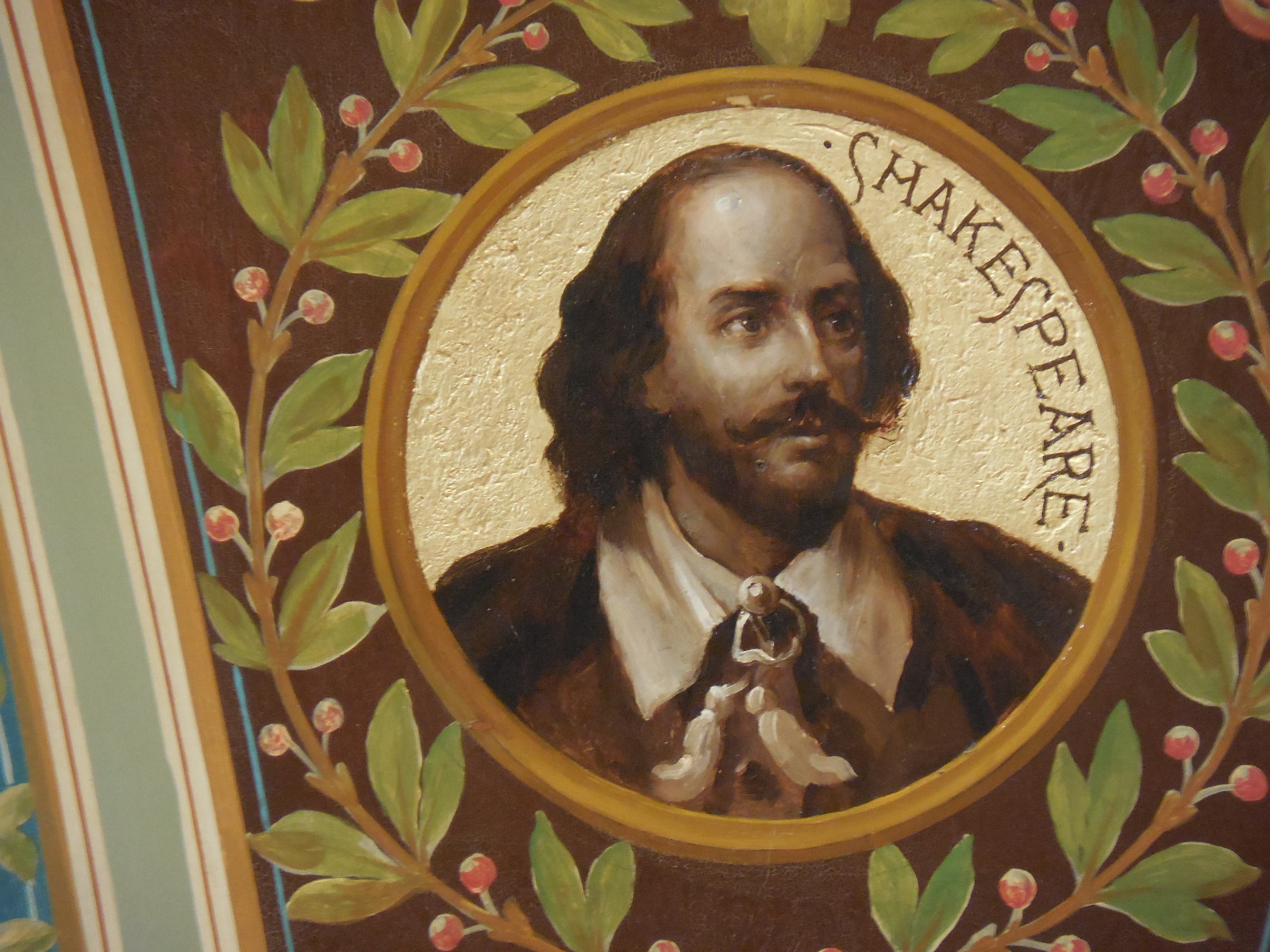
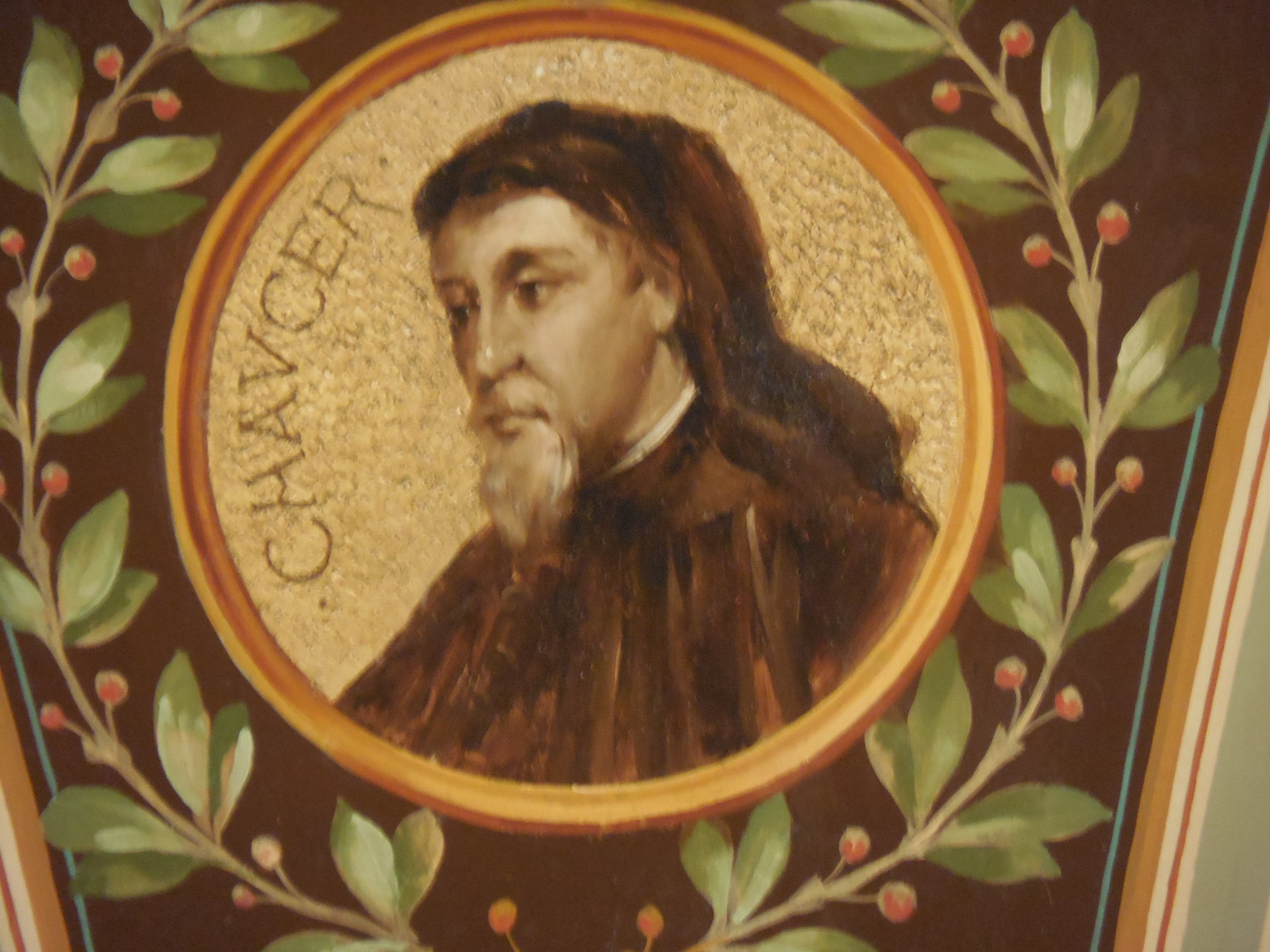
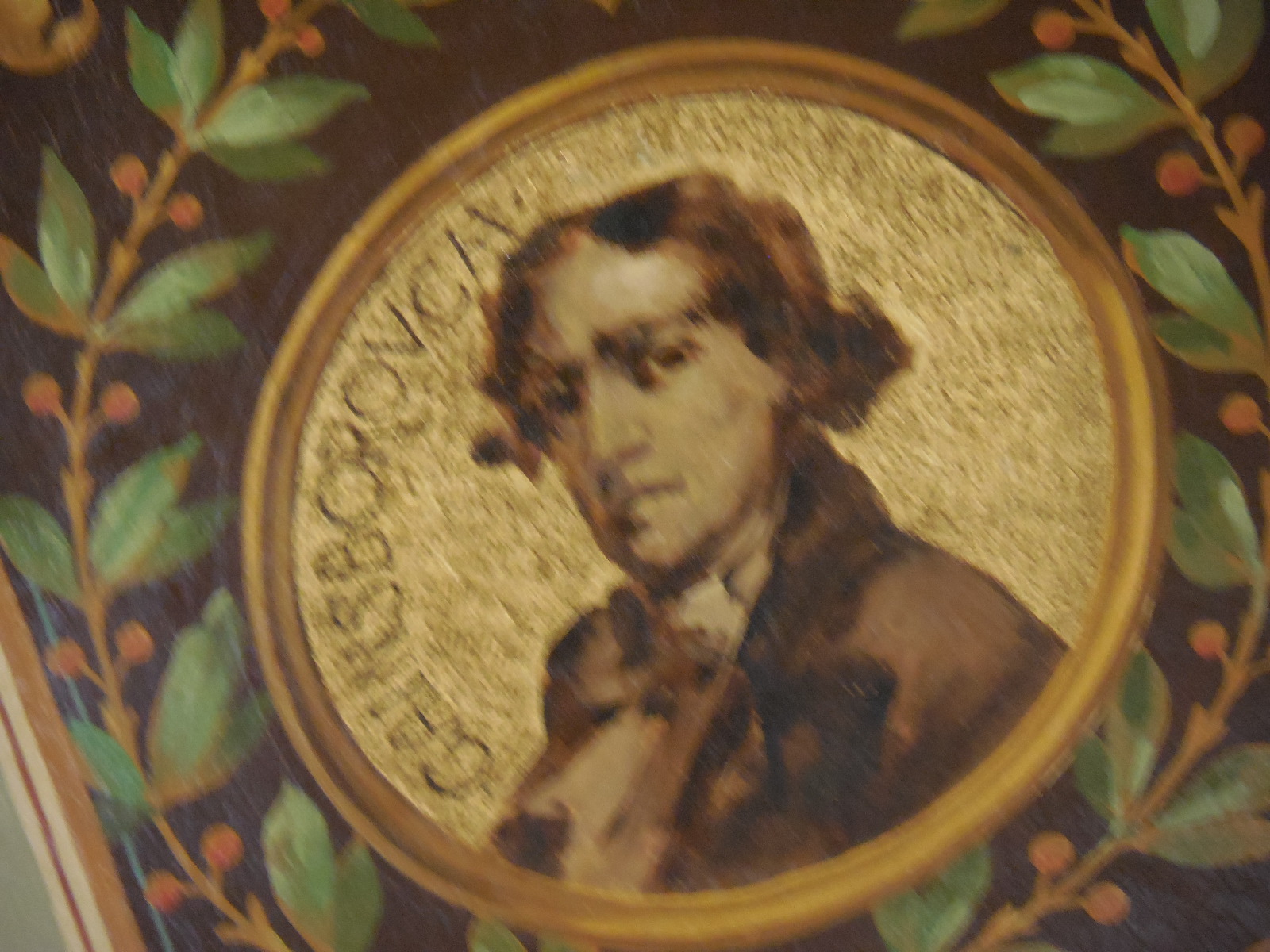
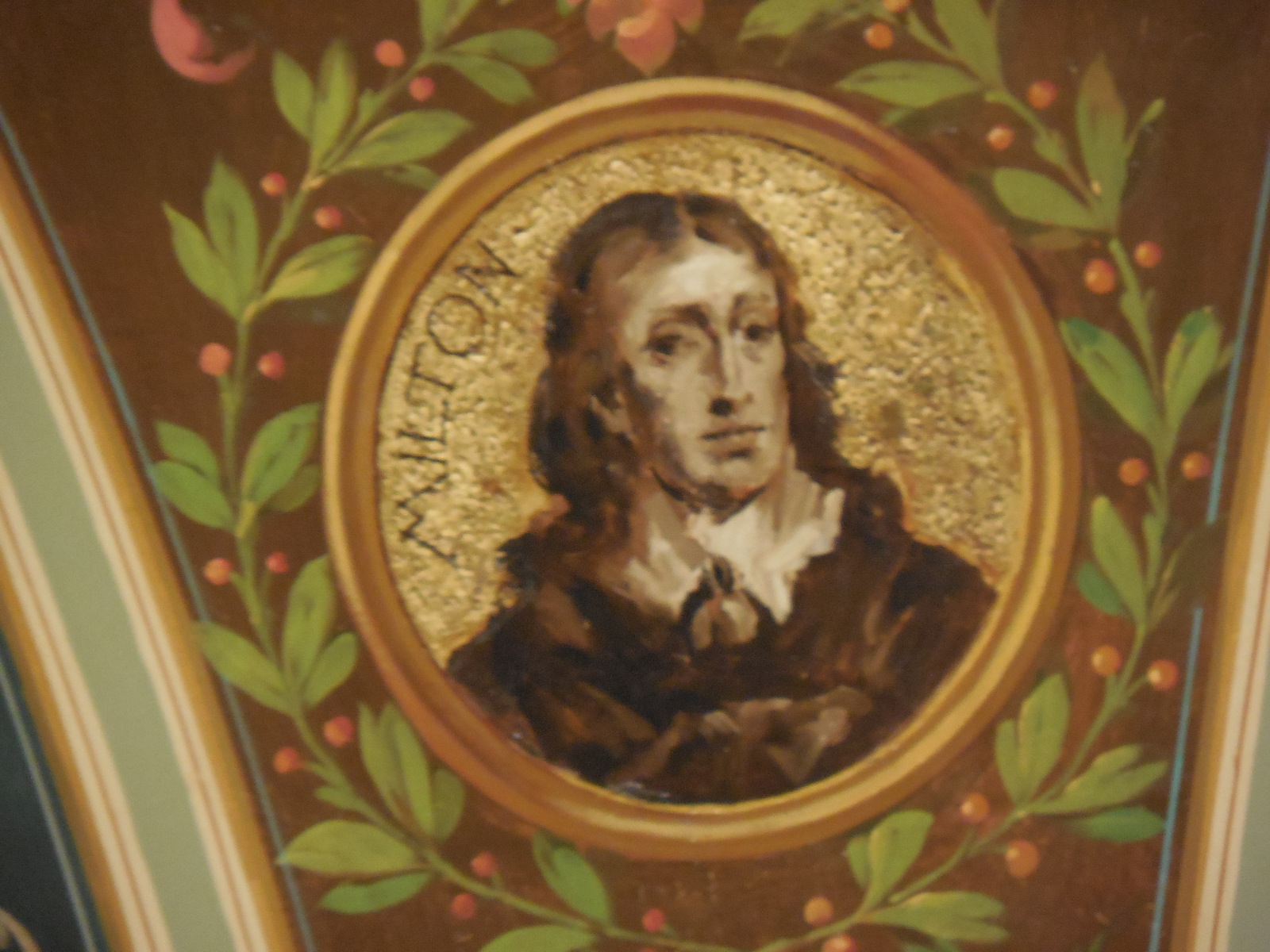
The series of portrait medallions honor the great artists and writers of Britain.
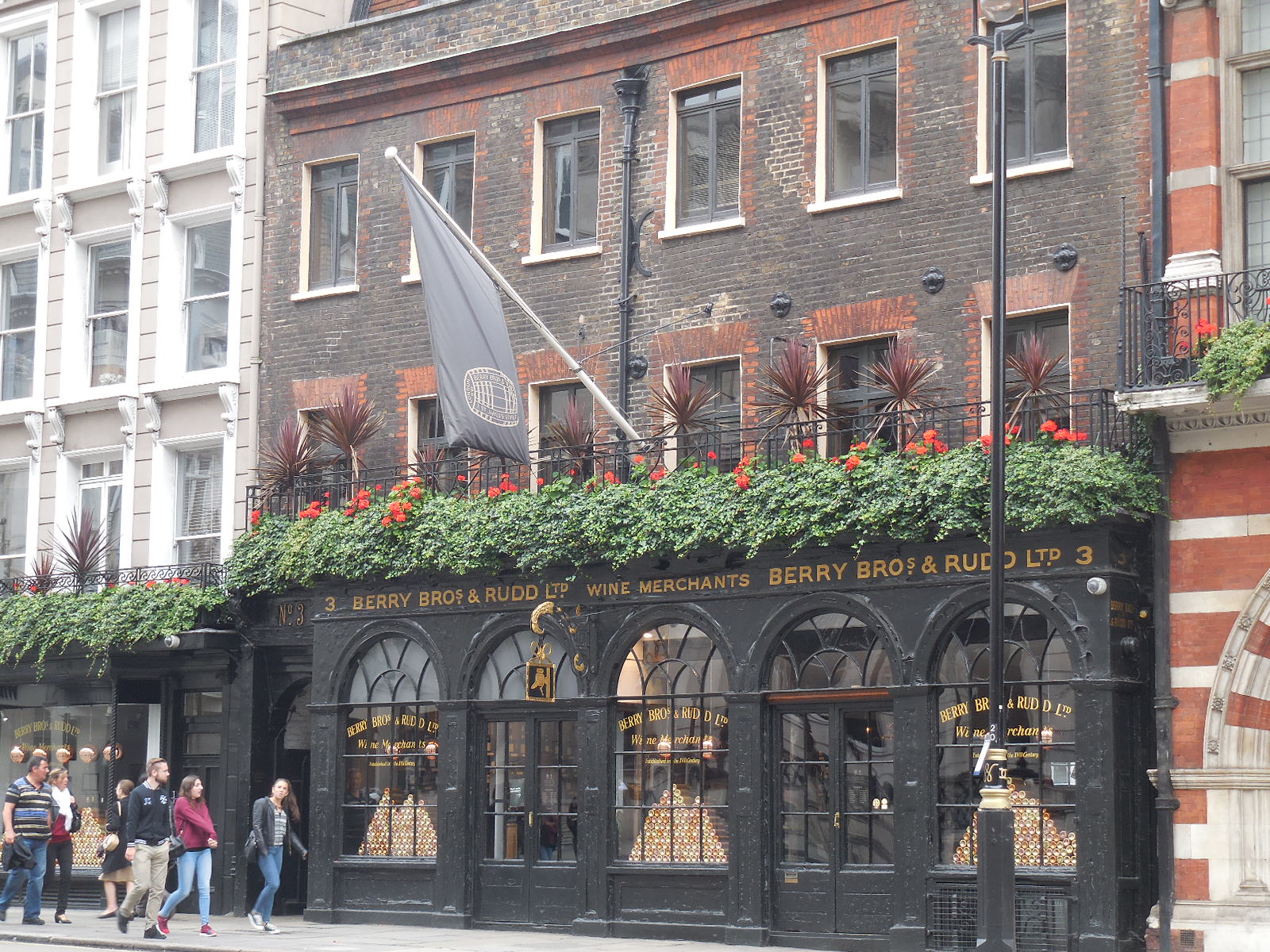
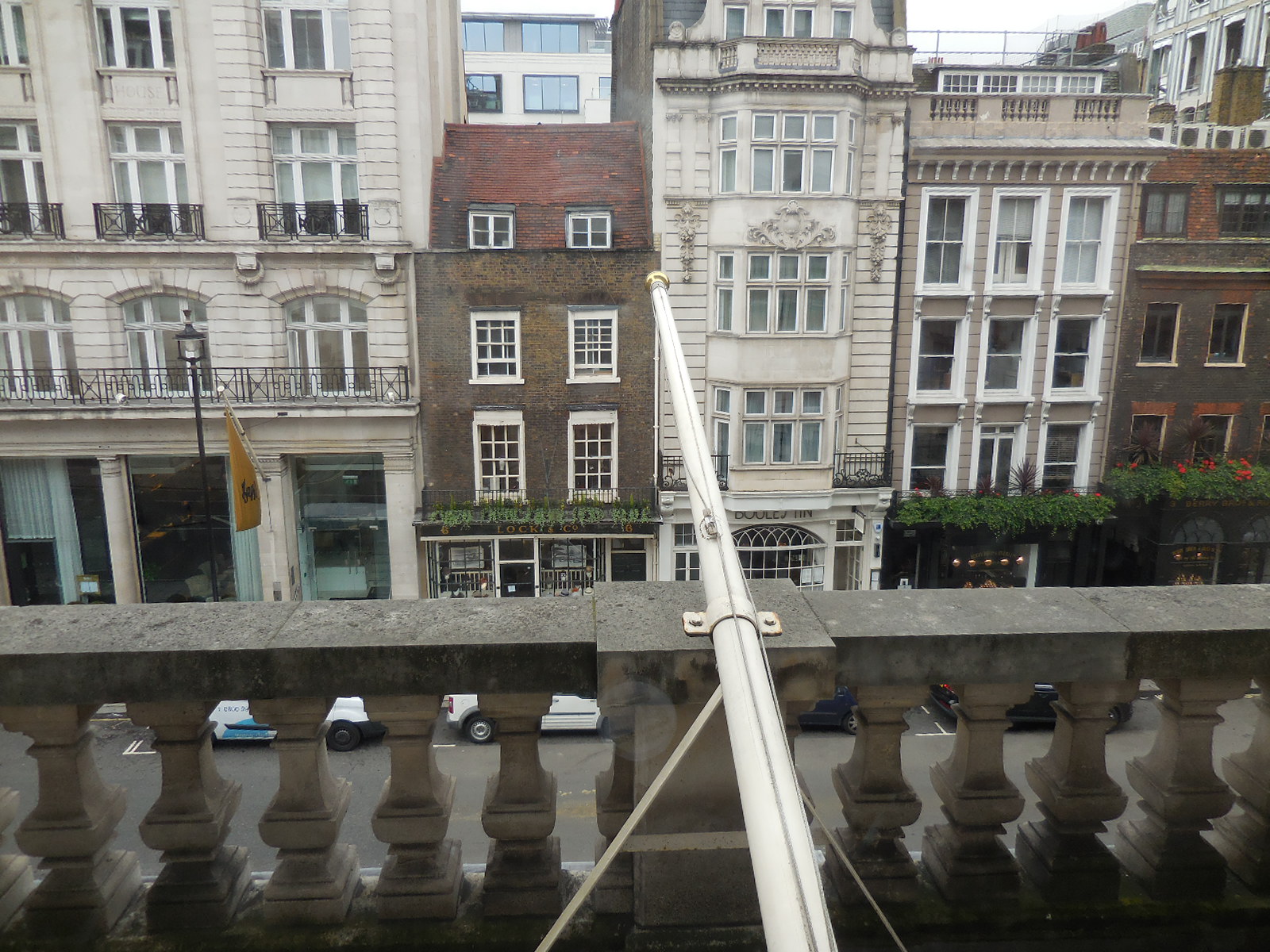
We stood on the balcony and looked across St. James Street to the famous wine dealer, Berry Brothers and Rudd.
OPEN CITY DAYS: MARLBOROUGH HOUSE
VISITING MARLBOROUGH HOUSE
Walking from Carlton House Terrace along Pall Mall
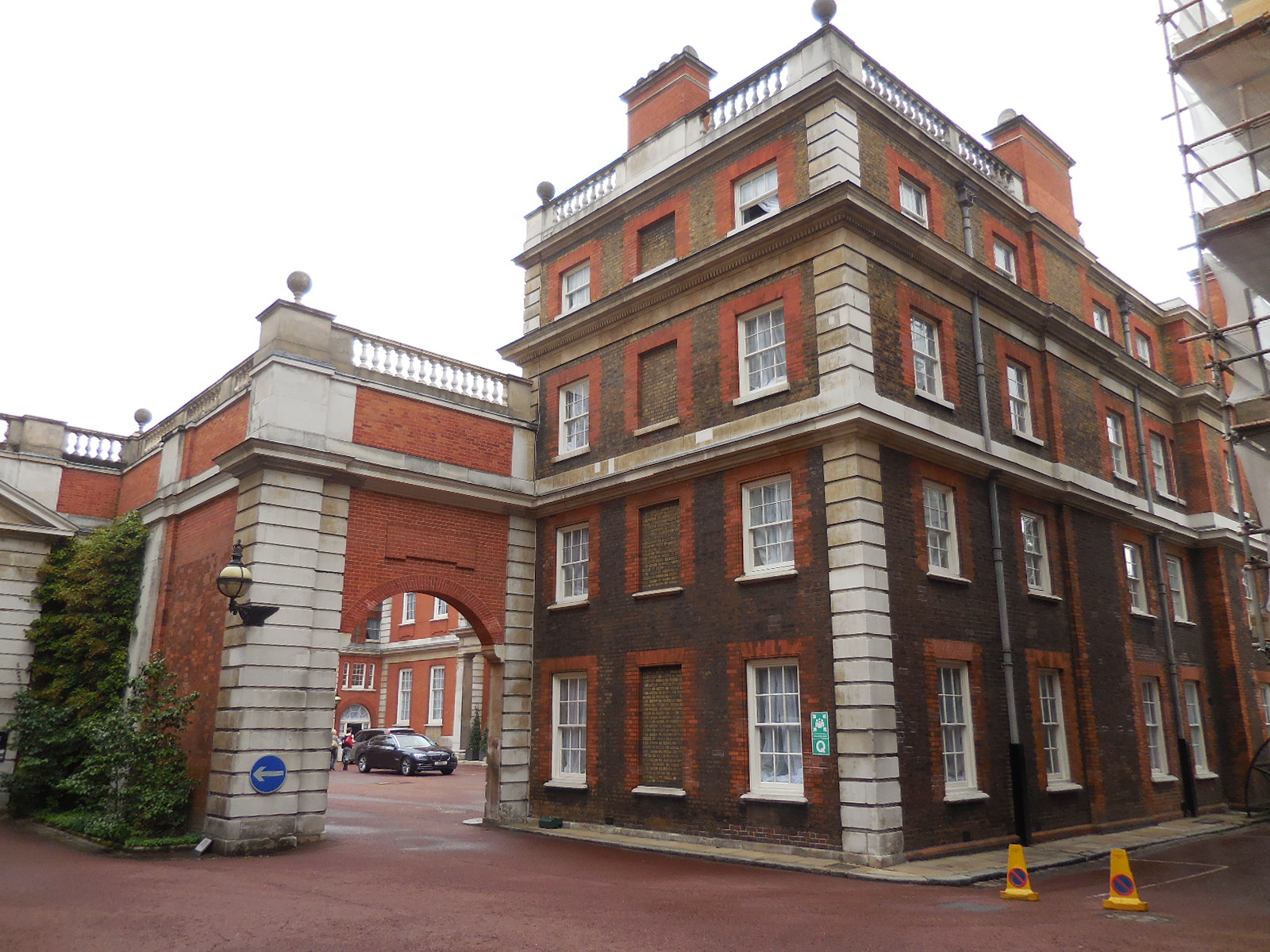
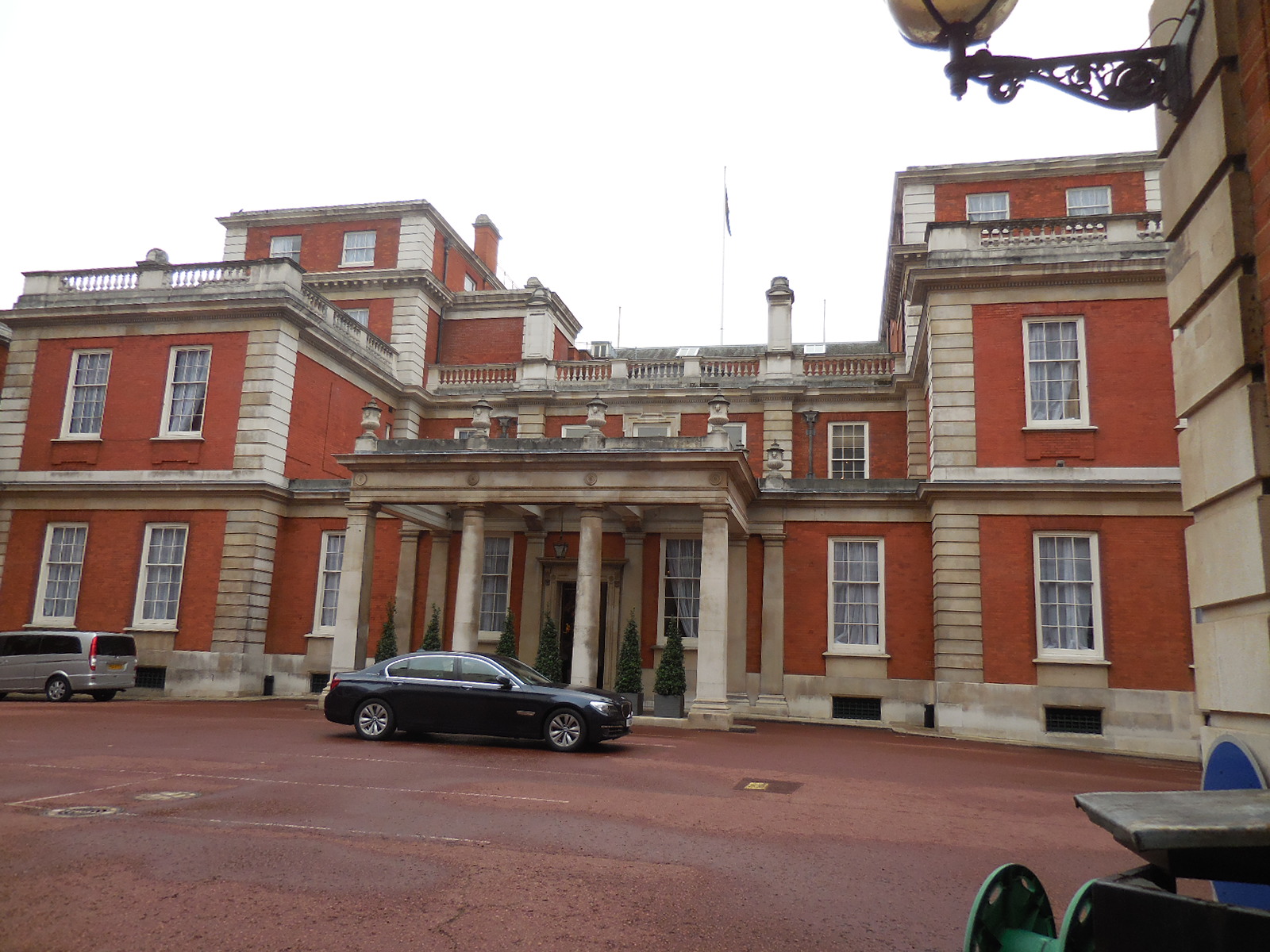
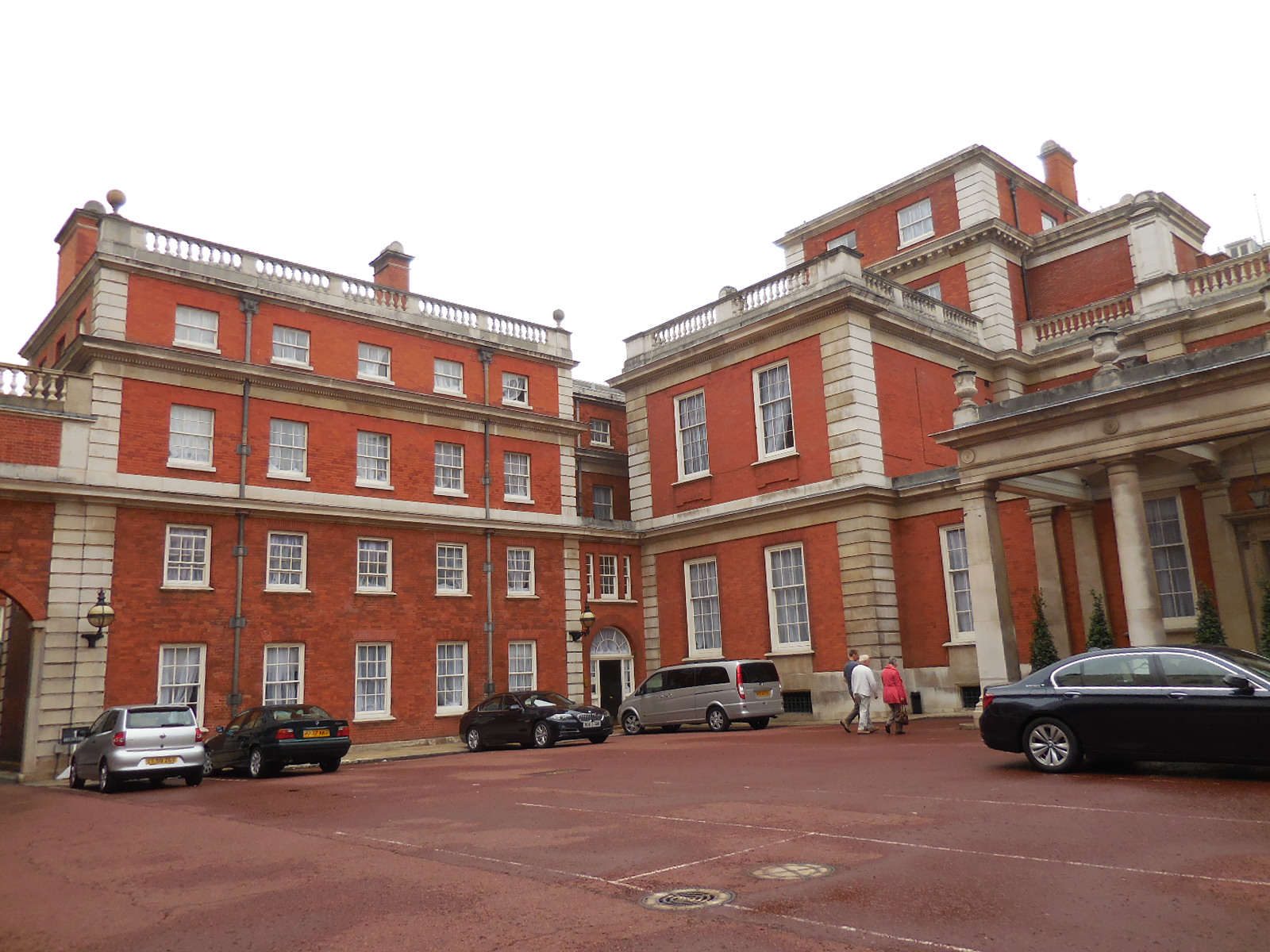
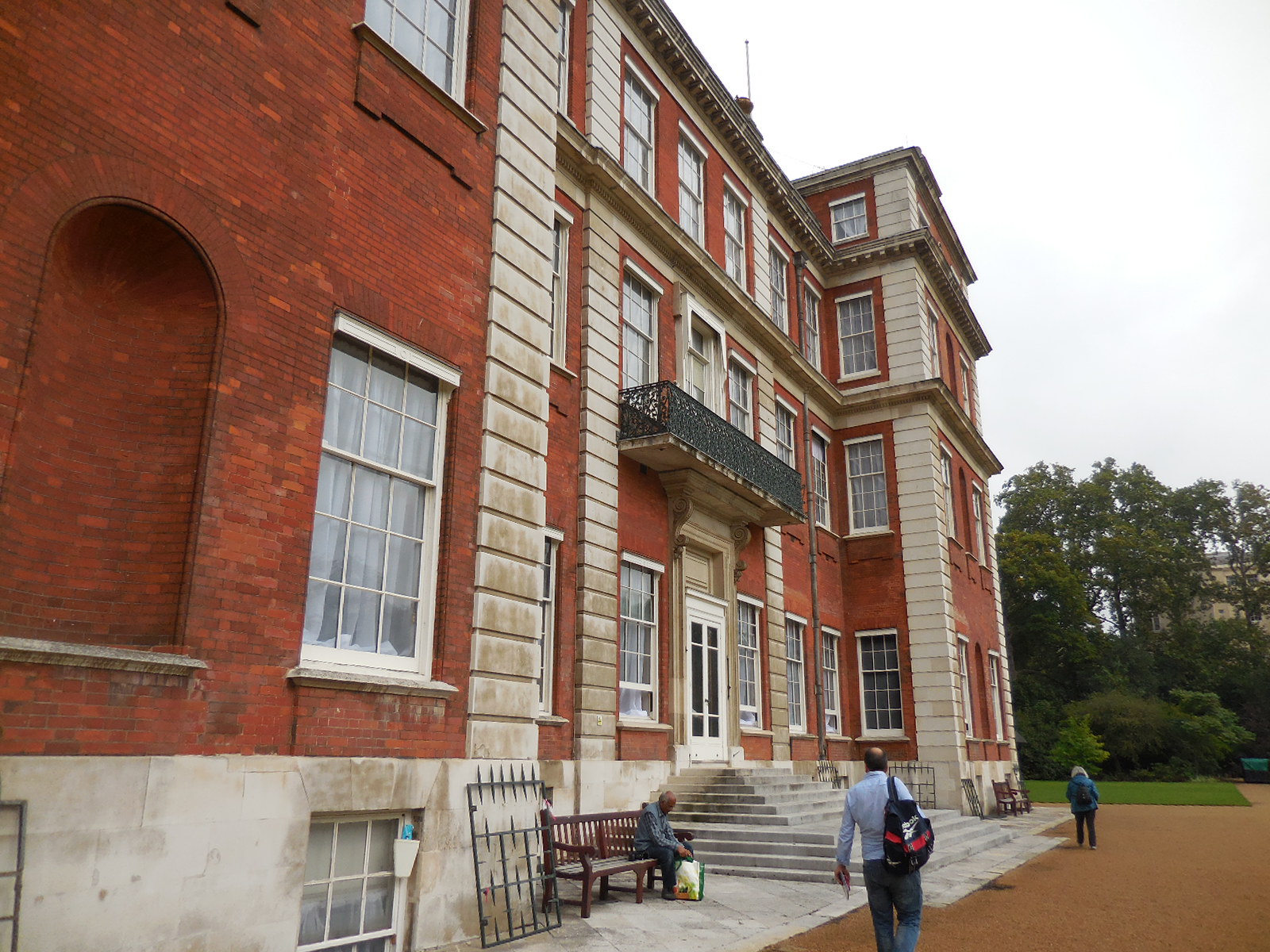
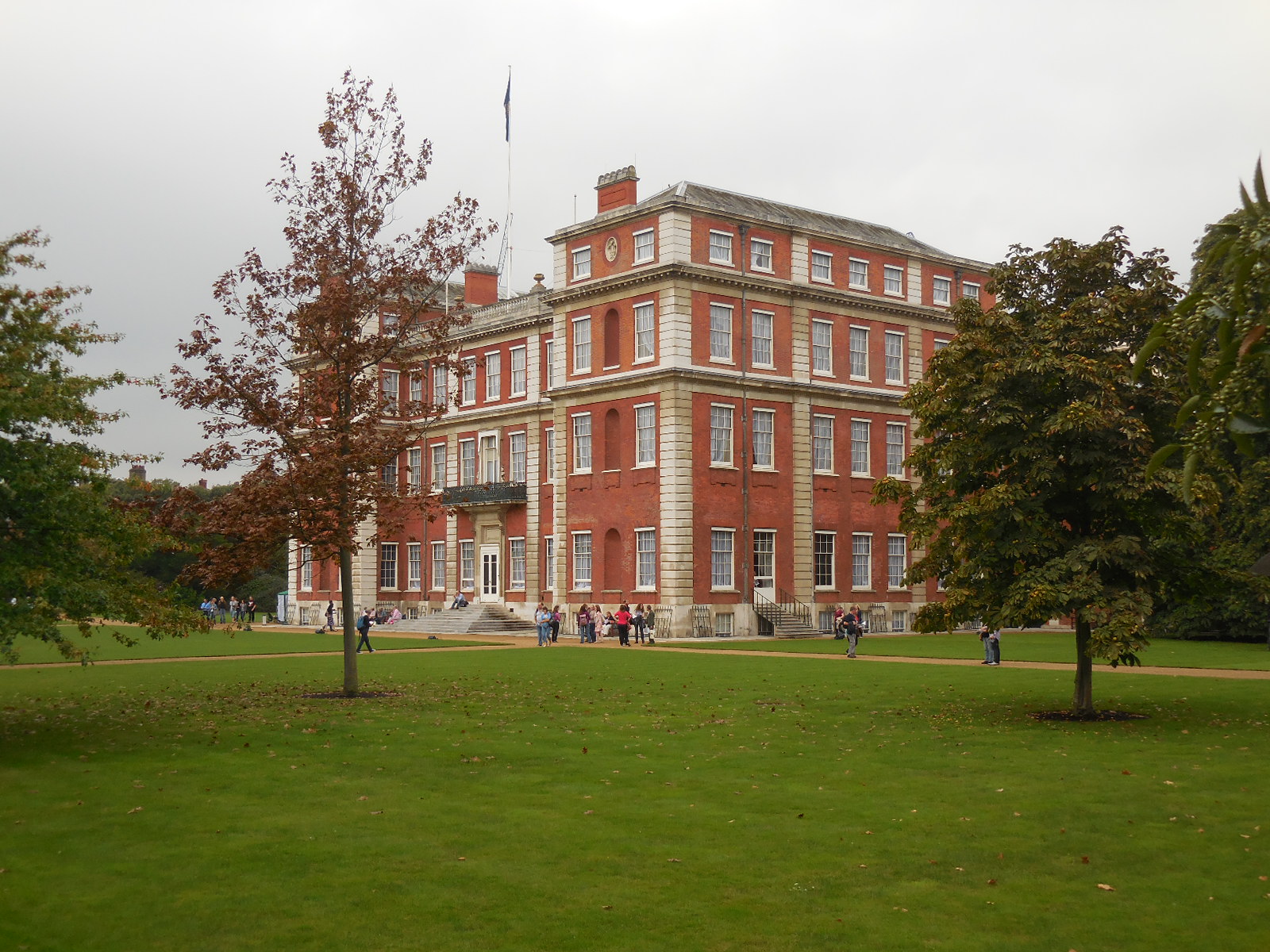
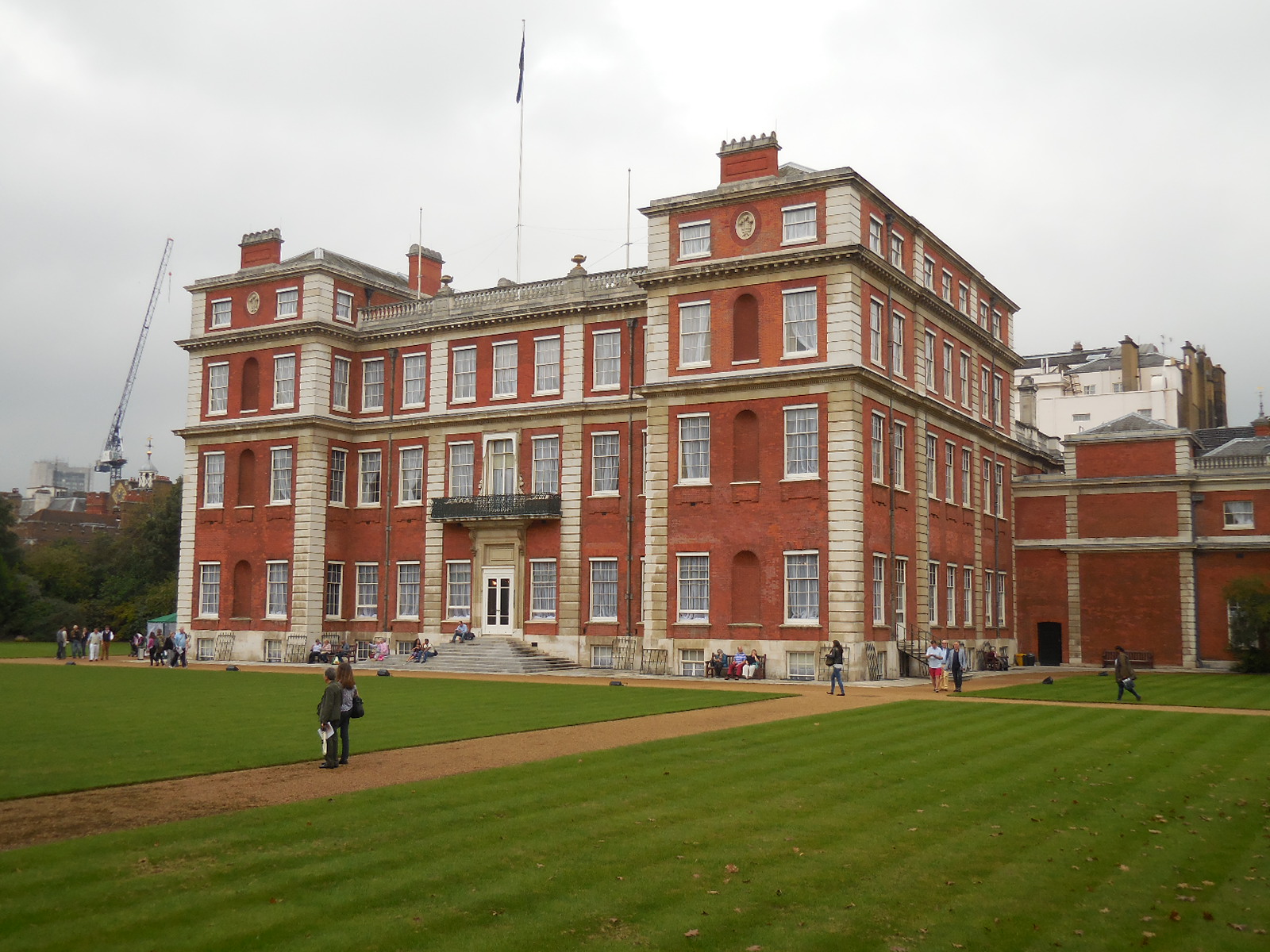
Marlborough House was built for the Duke of Marlborough in 1709–11 on the site of the St James’s Palace pheasantry. Sir Christopher Wren designed the house, though plans were drawn by his son, Christopher Wren the younger. The red Dutch bricks of the walls were ballast returning on vessels which transported soldiers to Holland to fight under the Duke of Marlborough.
Beginning about 1817, members of the royal family resided here, Edward, Prince of Wales (later Edward VII) and his wife, Alexandra of Denmark moved in in the 1860’s, and the society that assembled around this couple became known as the Marlborough House Set.
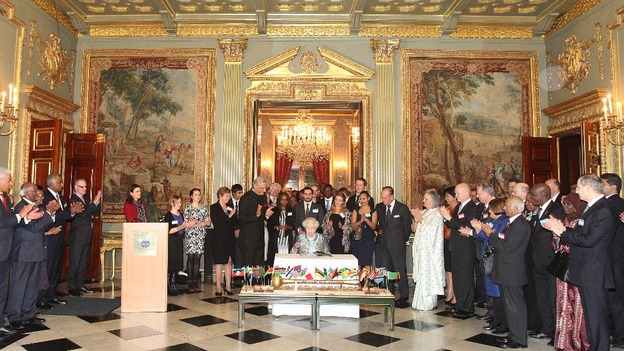
In 1959 Marlborough House became the Commonwealth Secretariat and the Commonwealth Foundation. Sadly, no photos were allowed inside, but the central hall can be found on the internet.
th Meeting