

JANE AUSTEN’S BIRTHDAY CELEBRATION A LITTLE EARLY…
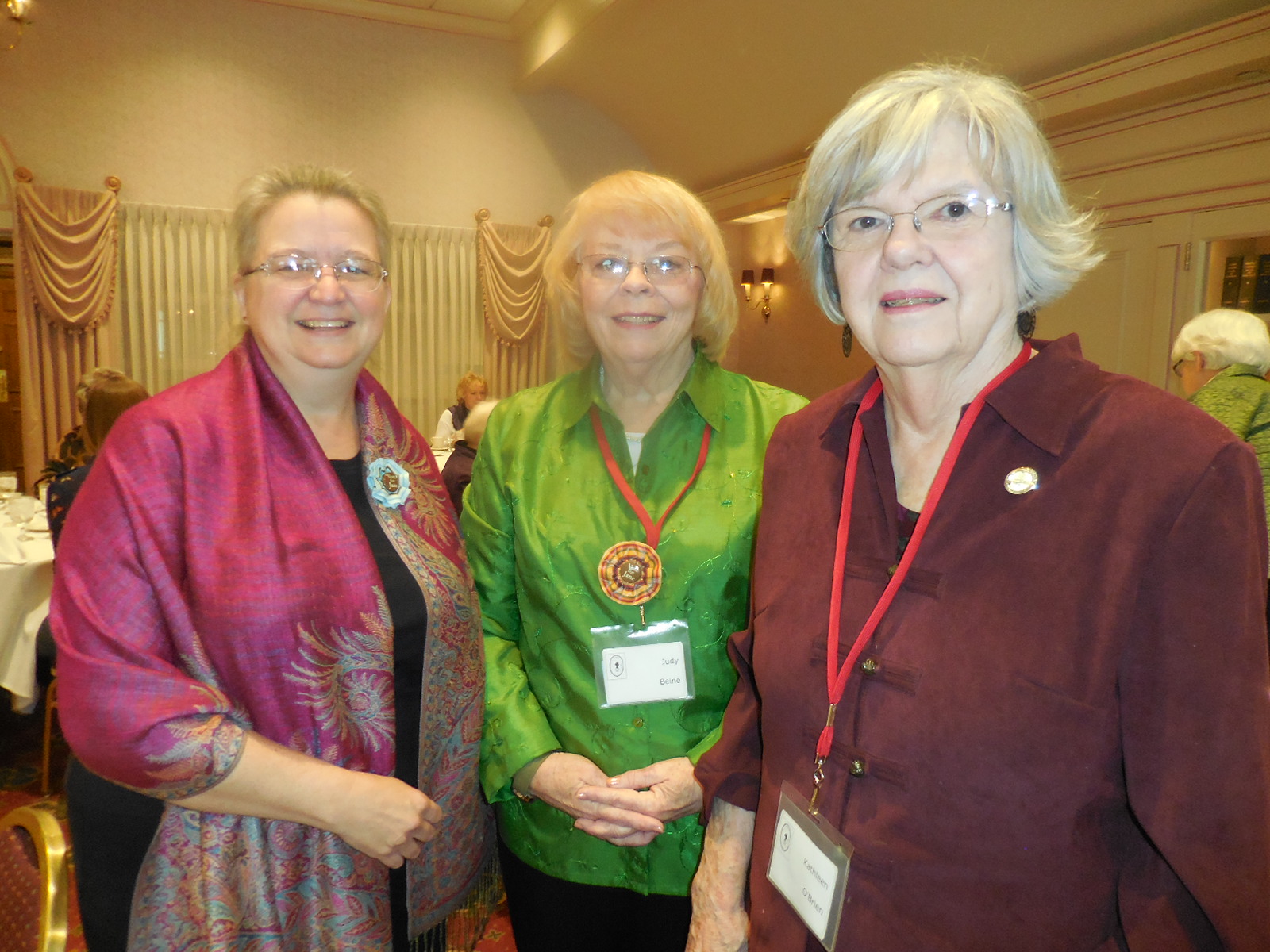
Yes, JASNA-WI pushed ahead a month or so so that we could hear the Jane Austen Society of North America’s President Claire Bellanti address us. The weather cooperated and it was a sunny and warm day for our usually dreary November in Wisconsin. I guess Claire brought her California weather along for the trip.




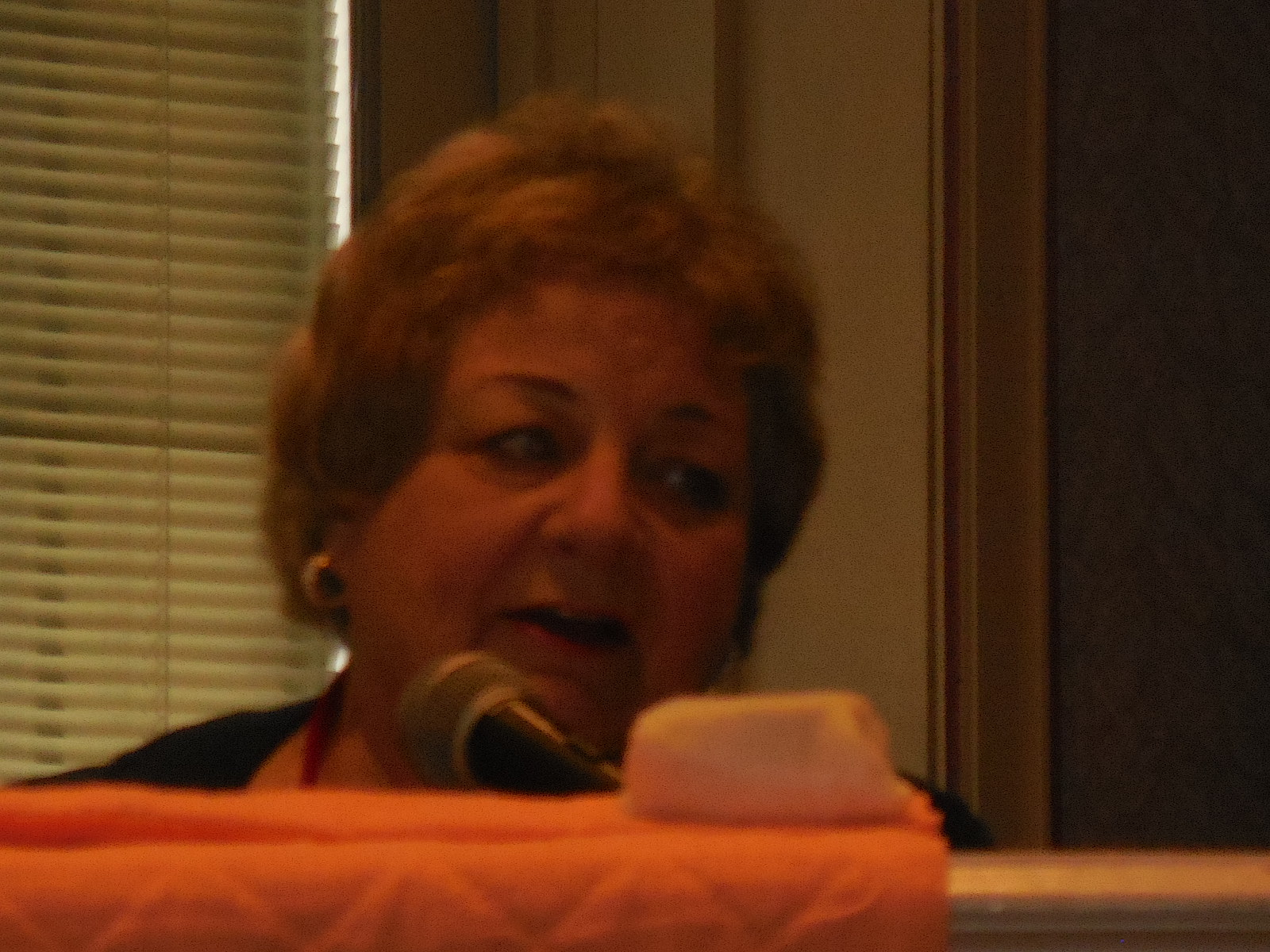
“You Can Get a Parasol at Whitby’s”: Circulating Libraries in Jane Austen’s Time

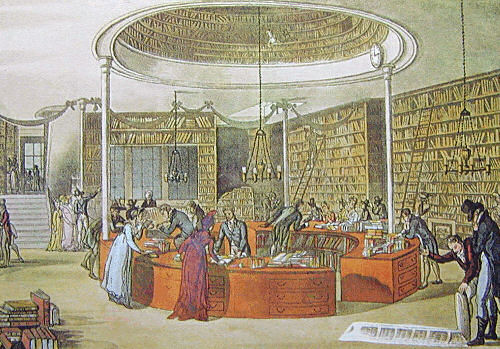

Ms. Bellanti distributed a list of library references found in Jane Austen’s six novels along with Sanditon, the unfinished work. For Austen, the library was an essential of life, and so it was for her characters.

In conclusion, Ms. Bellanti suggested that in moving her publication to John Murray in 1816, Jane Austen and Henry Austen may have ensured that her novels were taken seriously, for Murray was a serious and distinguished publisher of fine works of both fiction and nonfiction.
In honor of the topic of the day, libraries, Susan Flaherty created favors for all with illustrations from Austen;s novels and a “gone but not forgotten” checkout card we all loved to see again.
Great idea, Susan.

Thank you Claire Bellanti, President of JASNA, for taking the time to share our celebration of our favorite author’s 240th birthday.

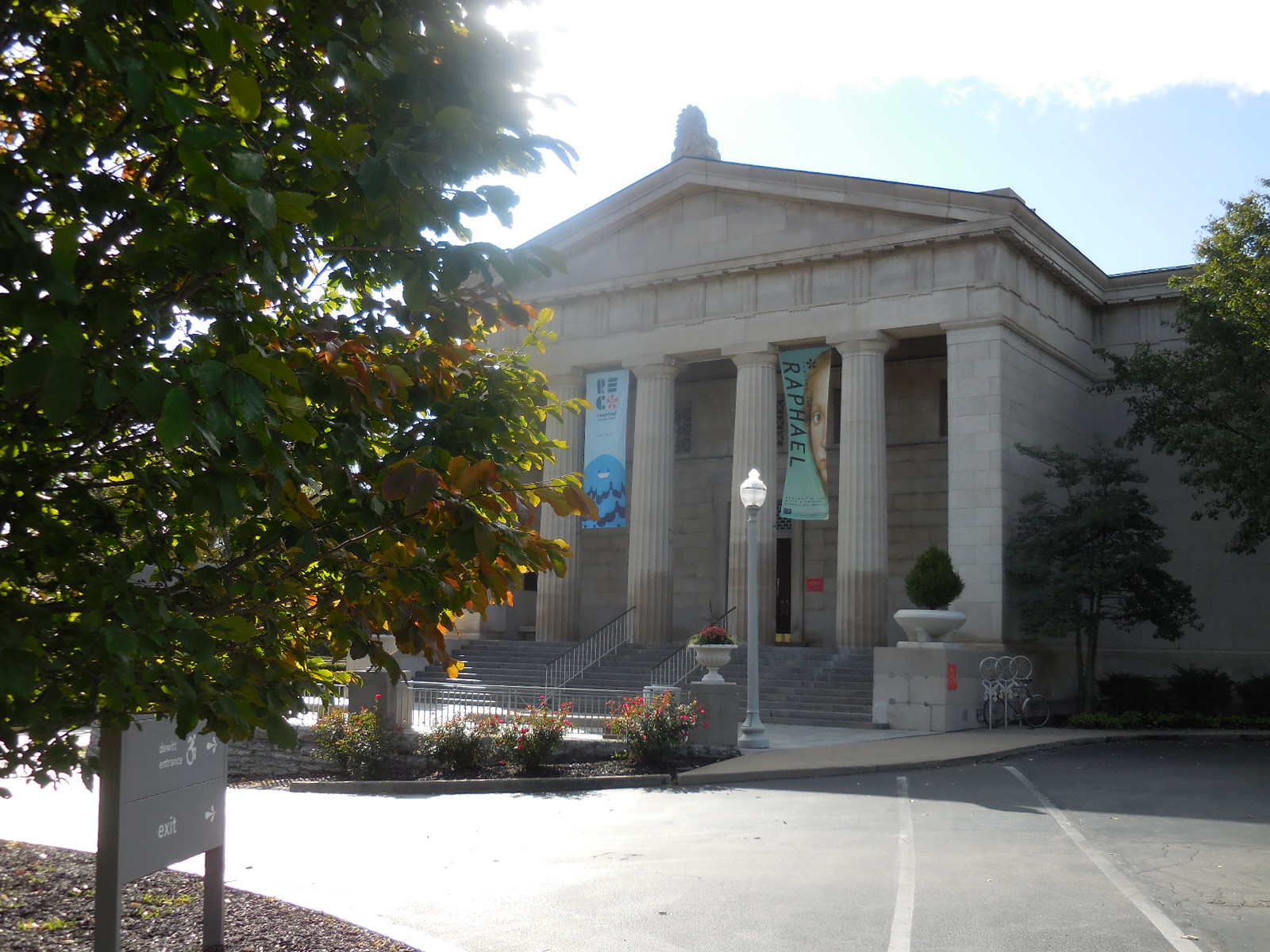
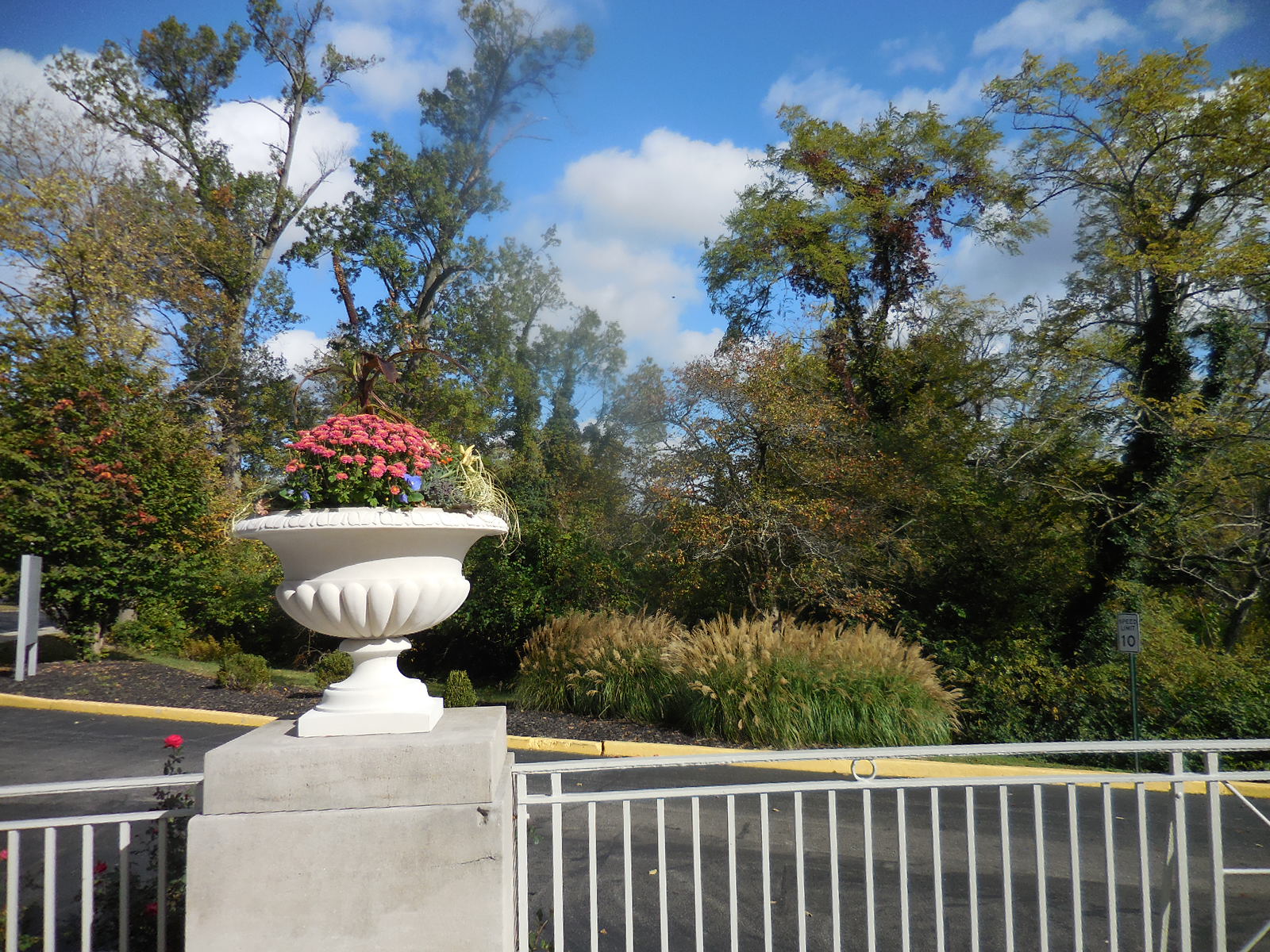
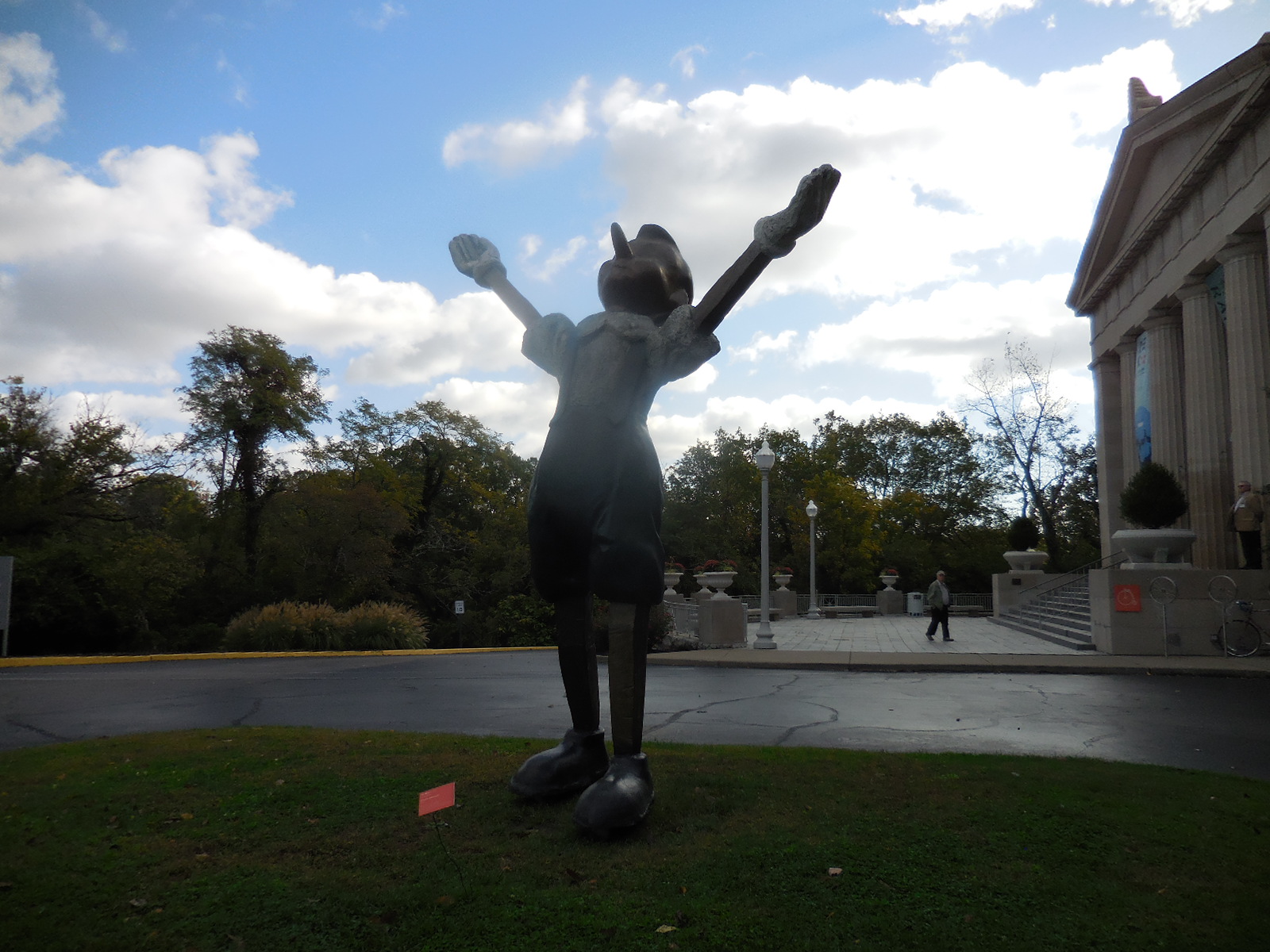
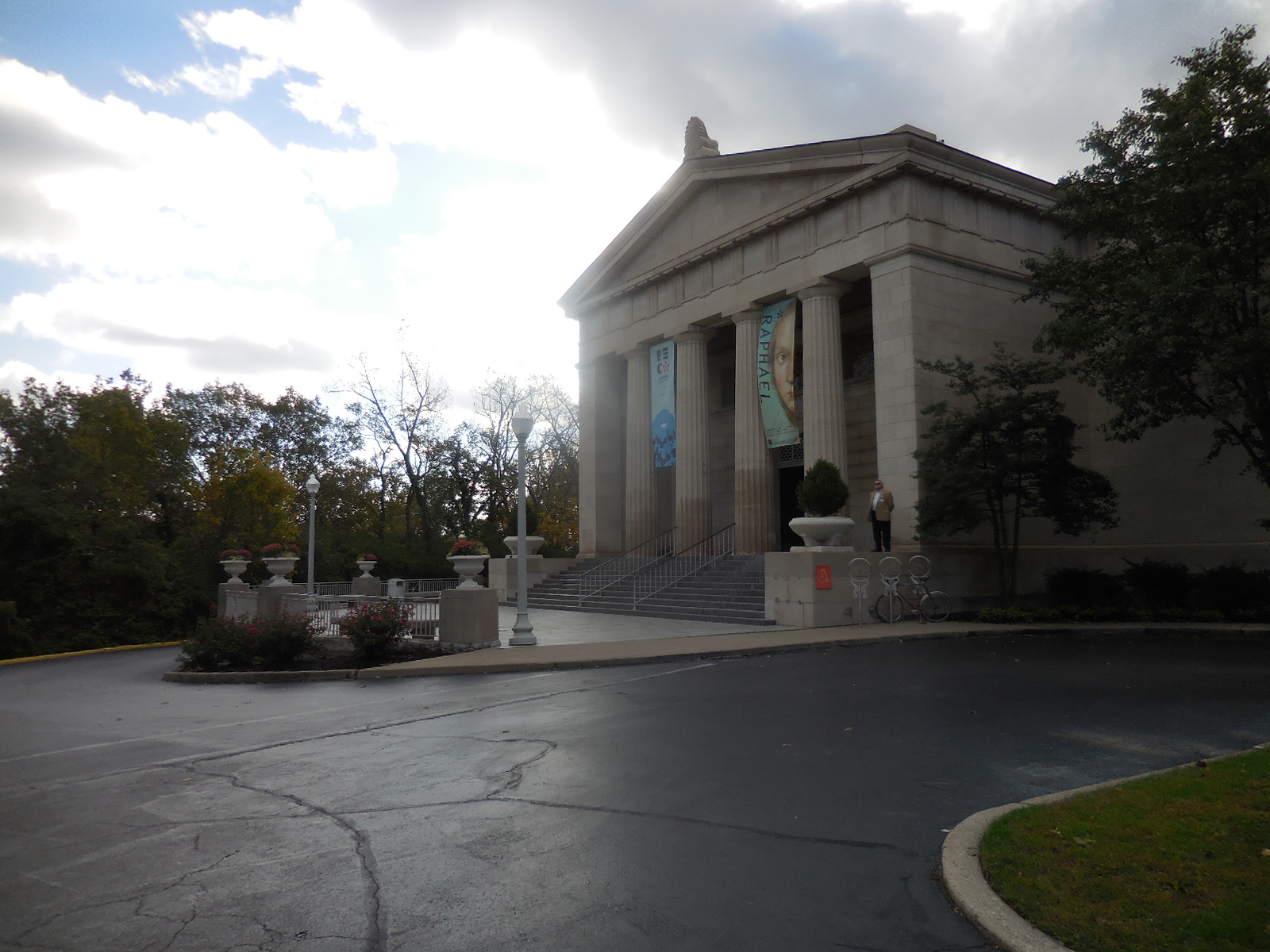
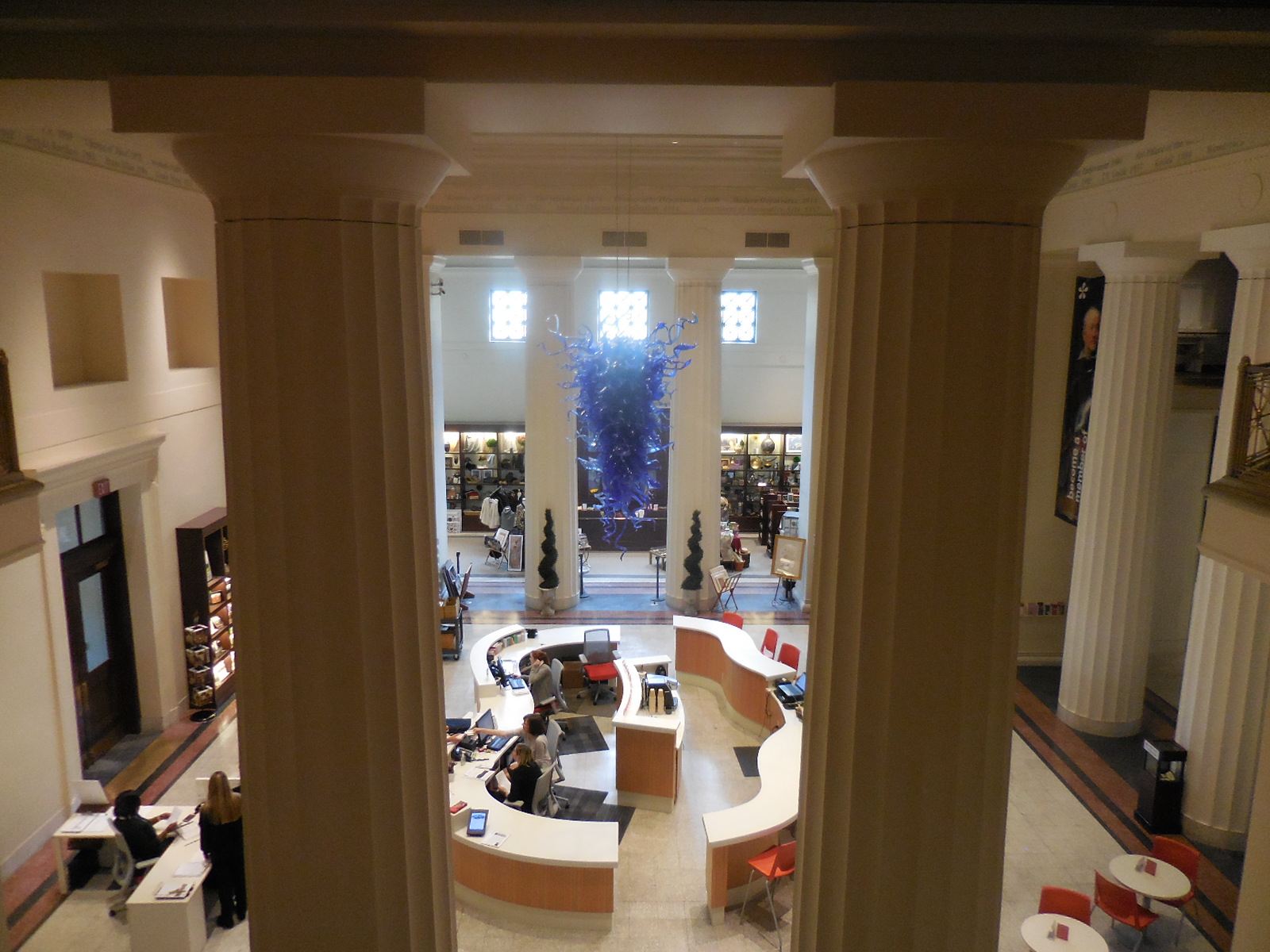
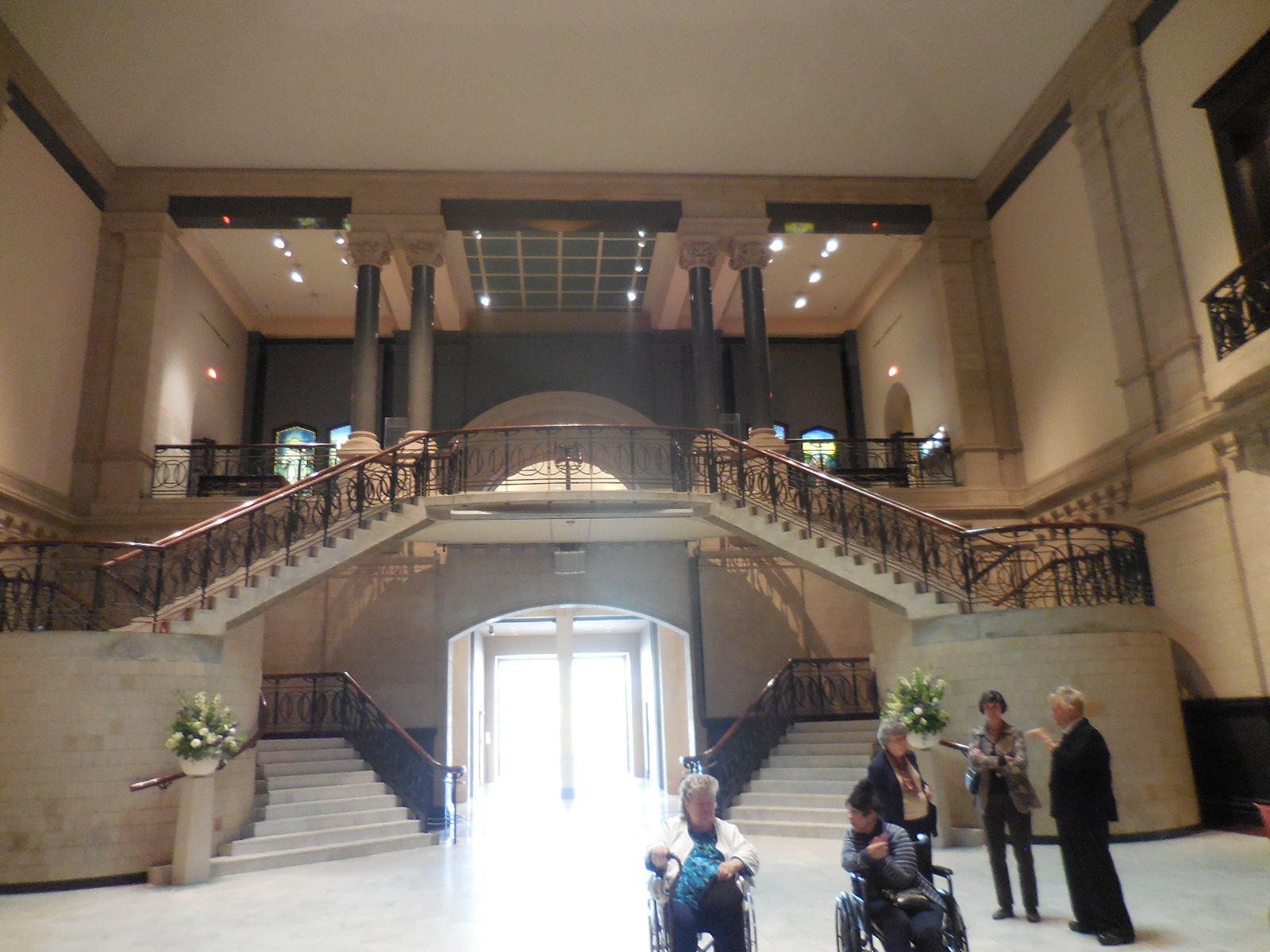
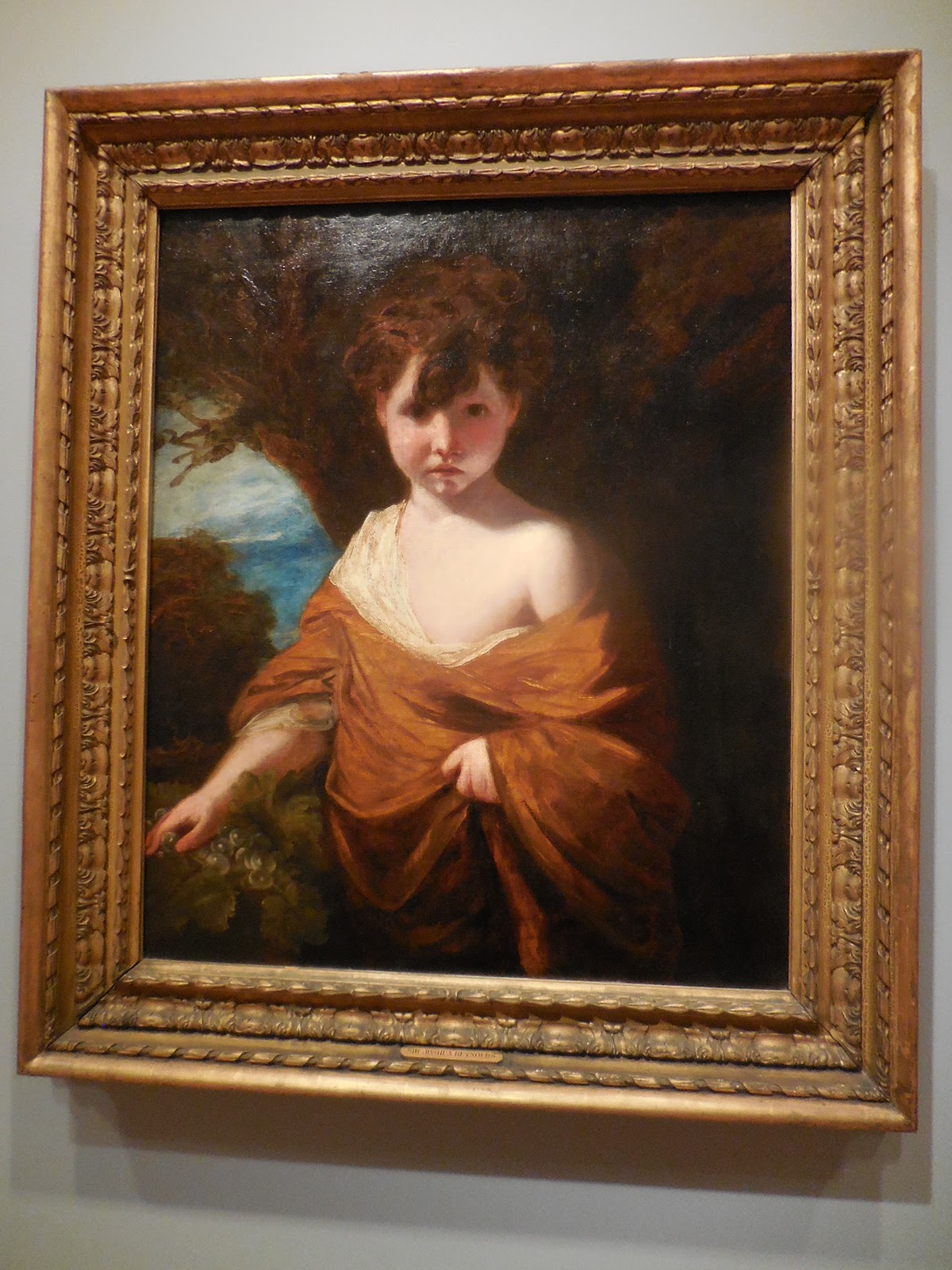
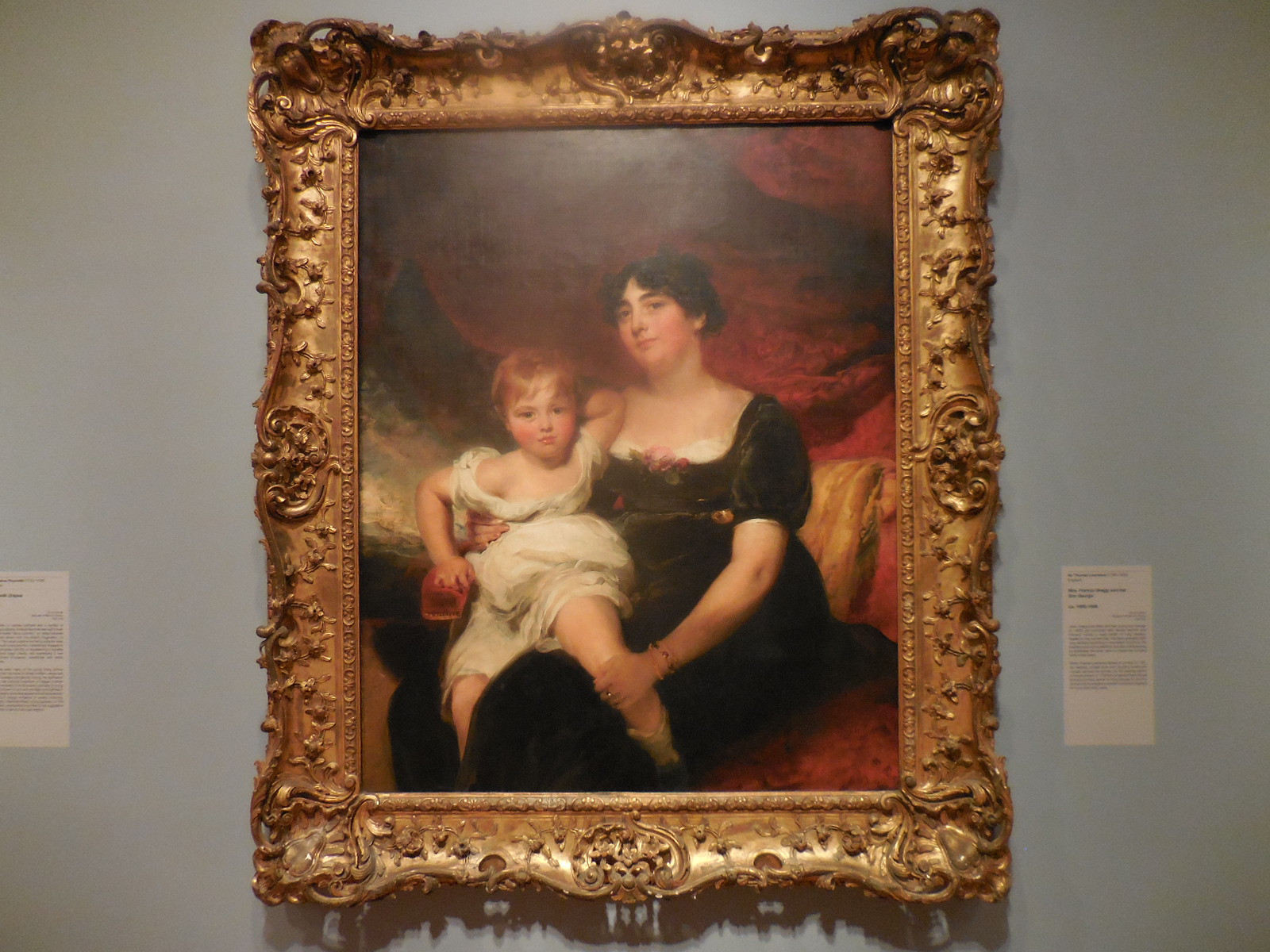
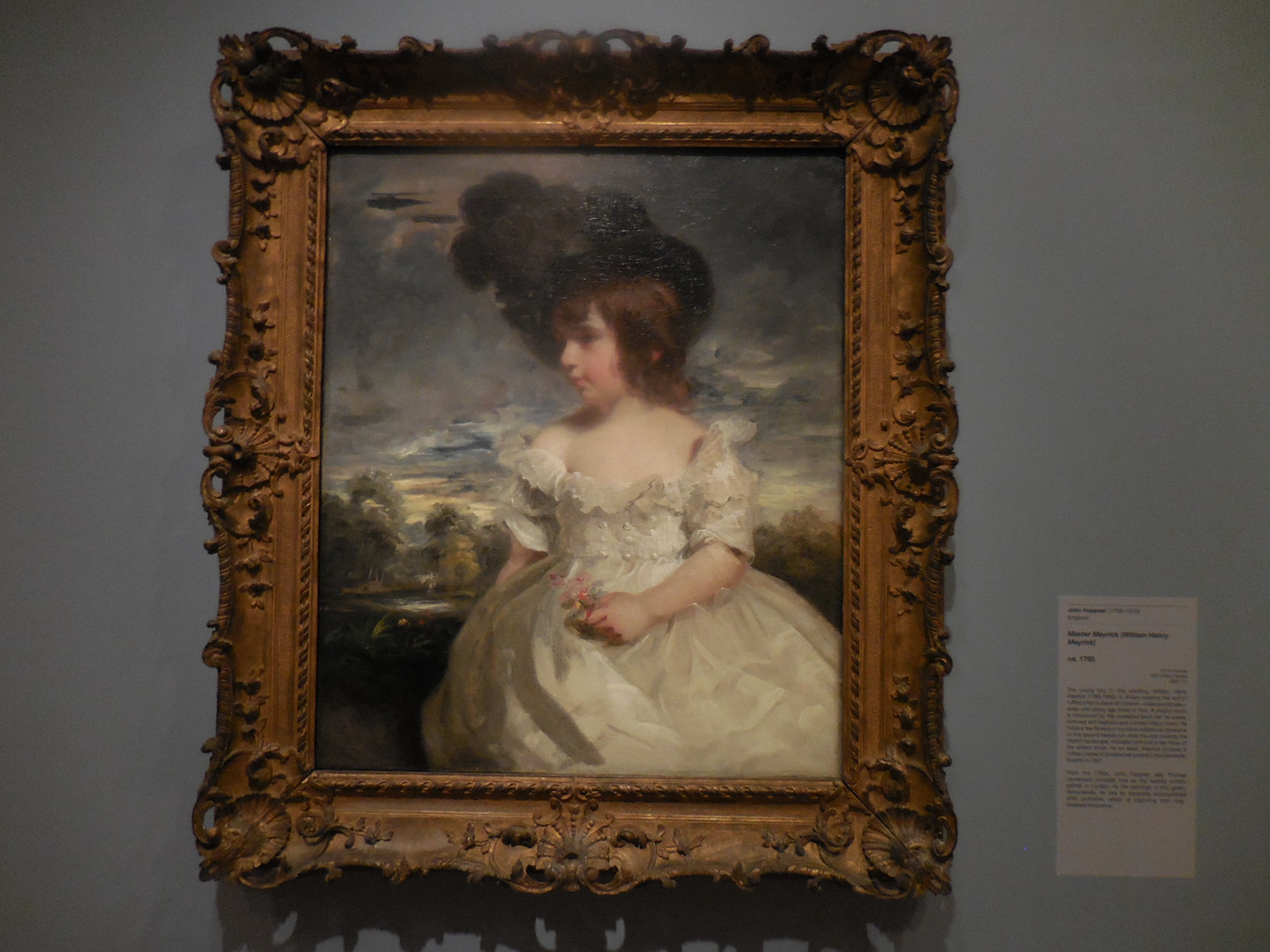
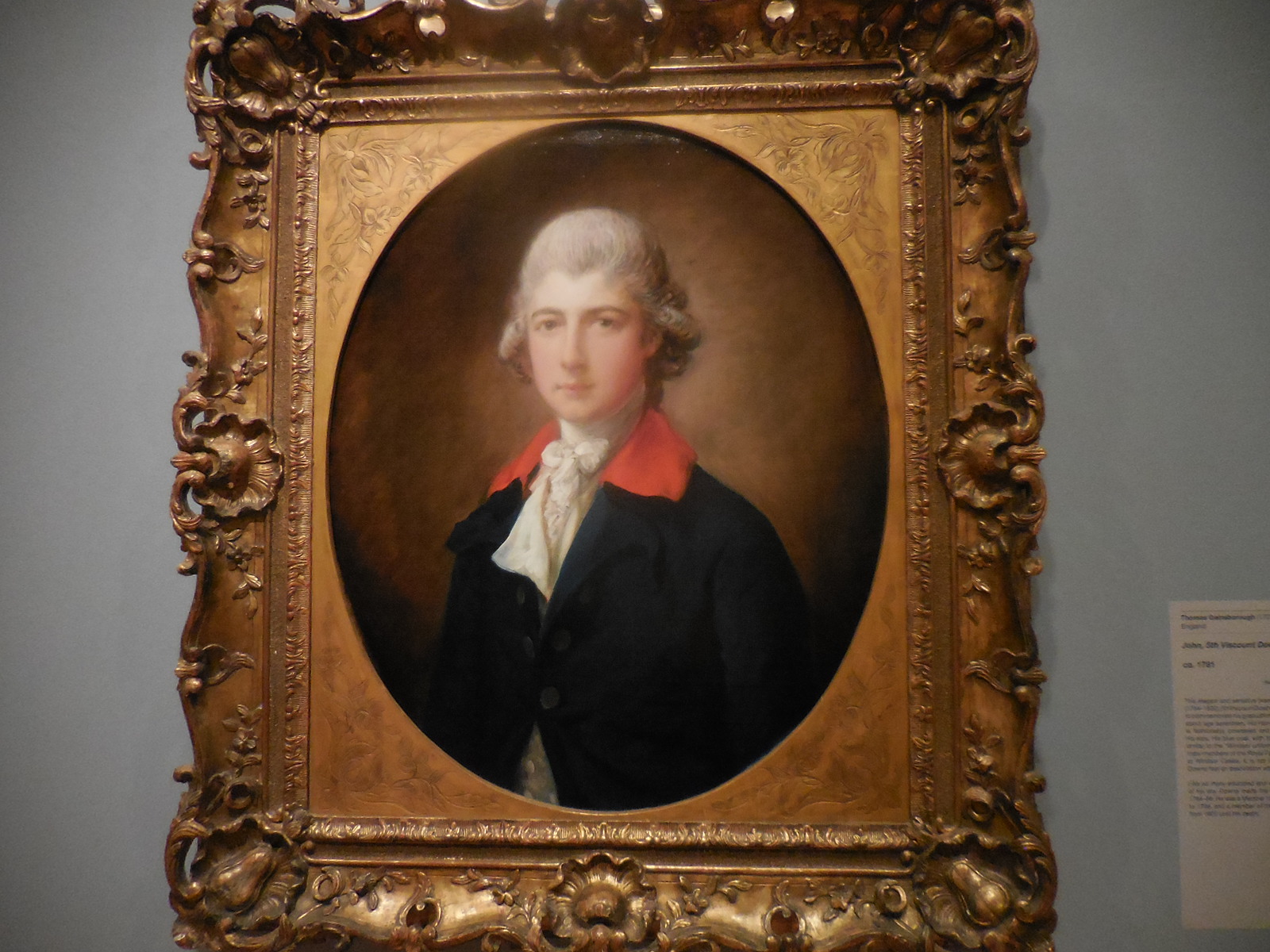
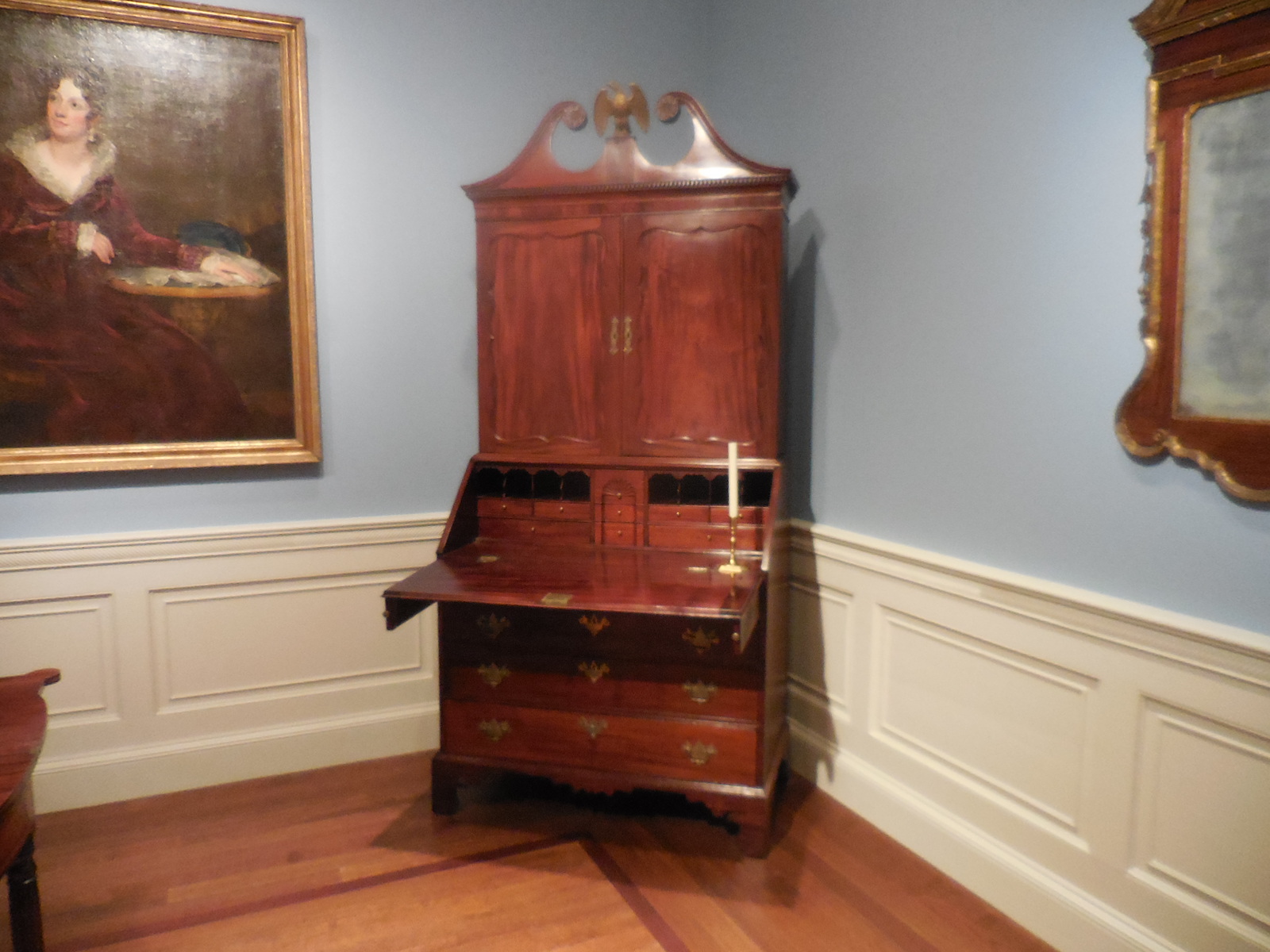
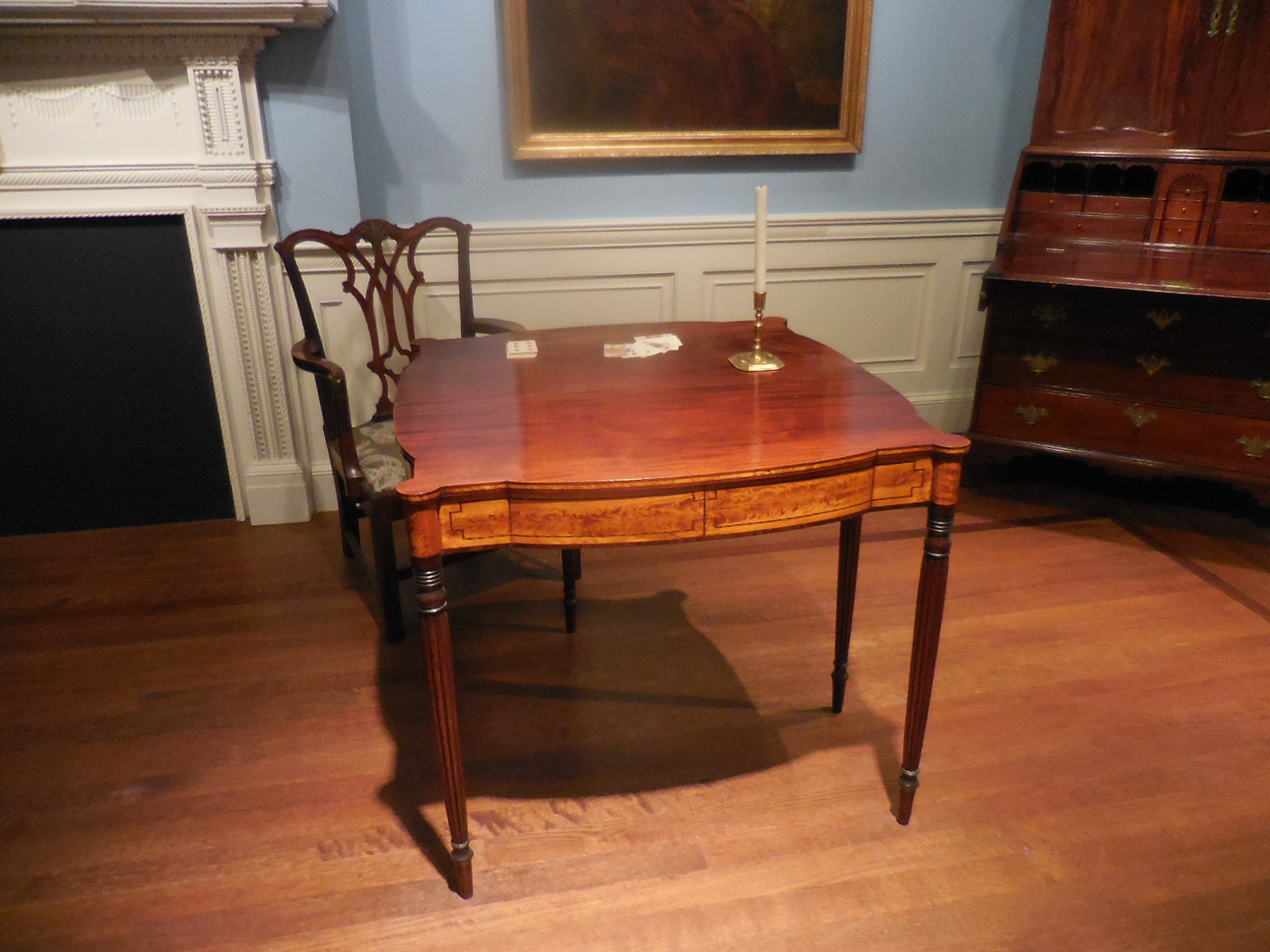
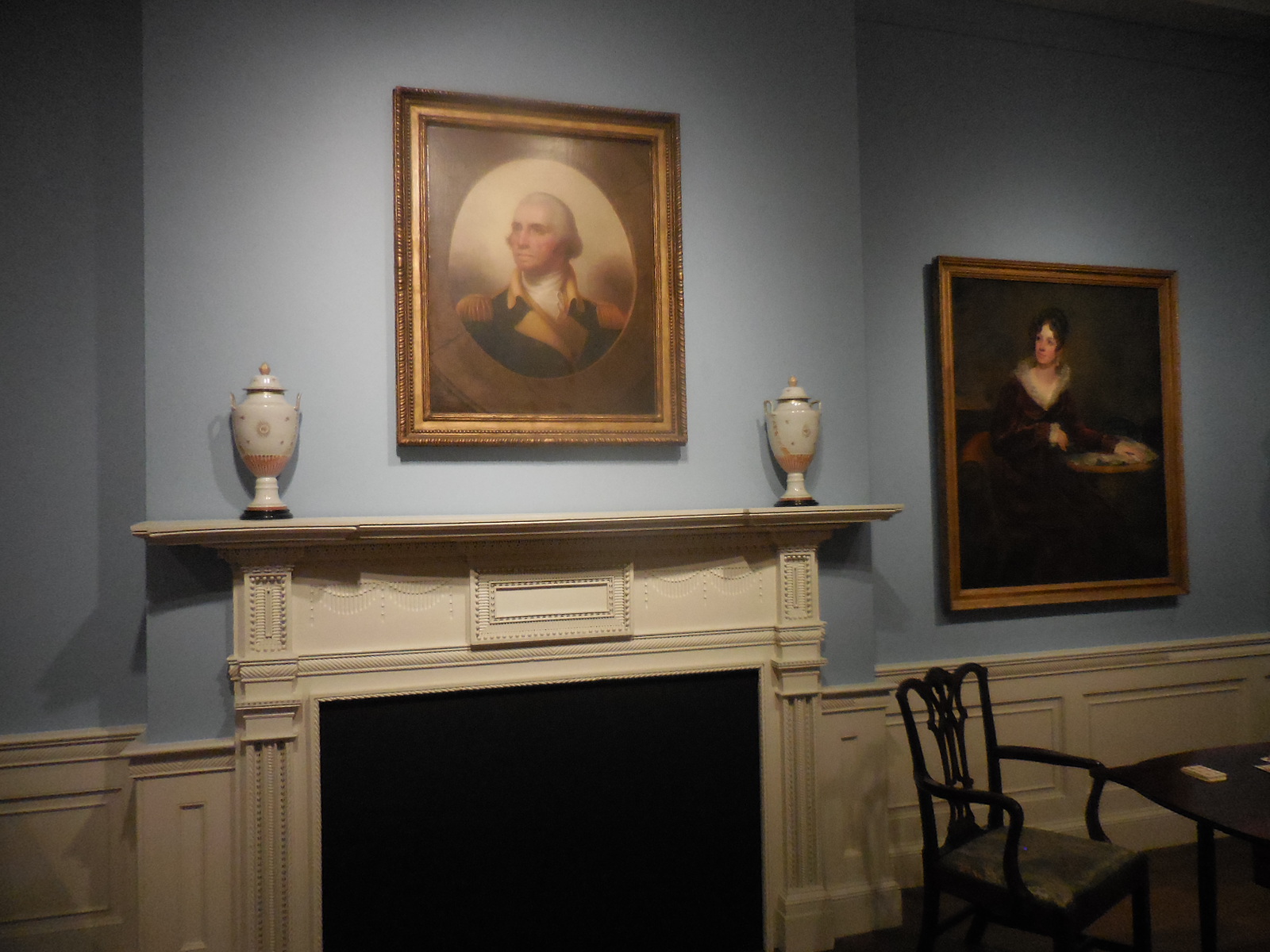
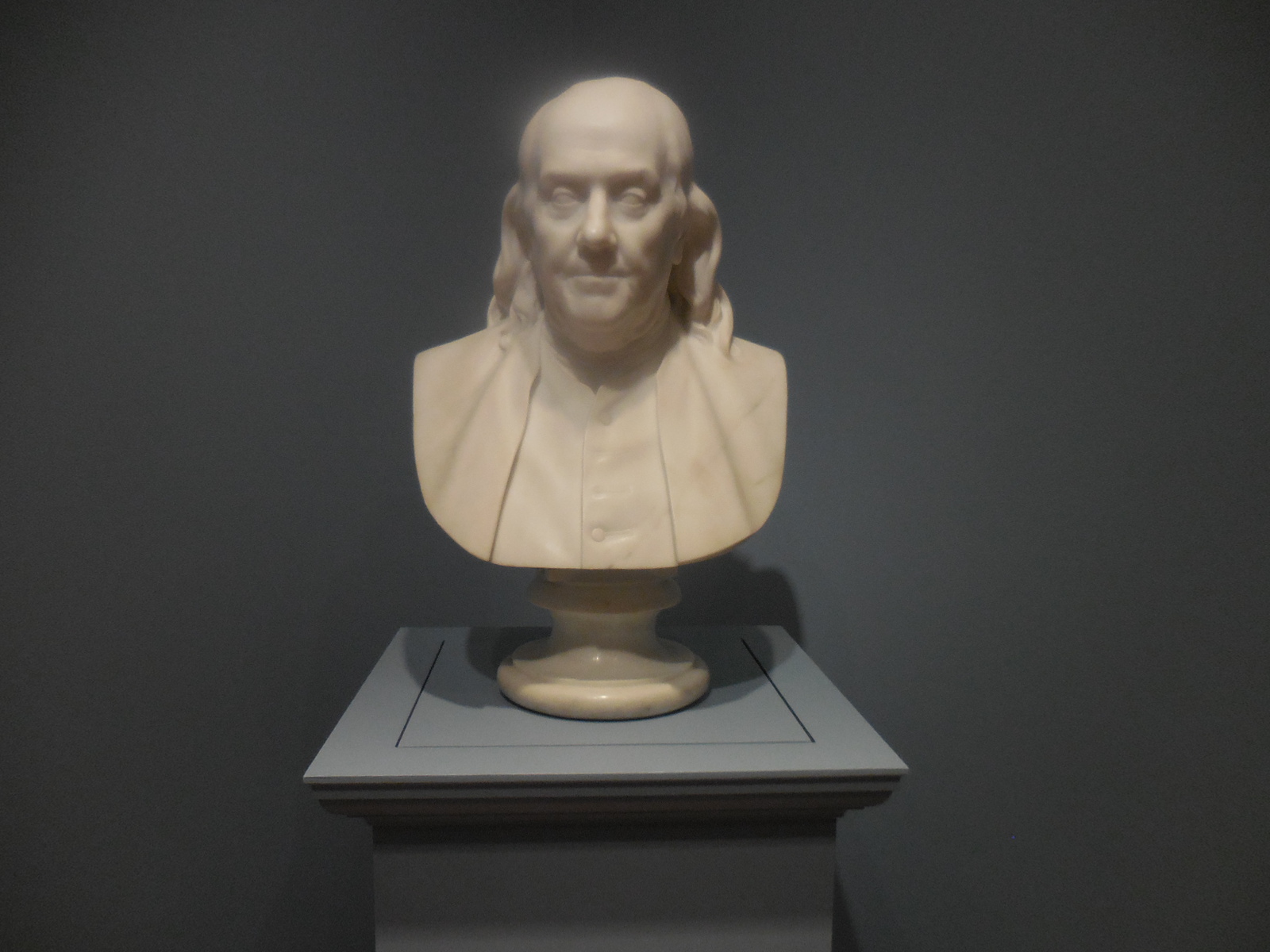
Victoria here. Following the meeting of the Jane Austen Society of North America in Louisville, Ed and I spent a day at the Kentucky Horse Park in Lexington, then drove to Cincinnati. The art museum was a goal of mine for a long time, since they had a fine exhibit of Gainsborough portraits in 2010 that I could not travel to see. So the next day, I decided to take a look!
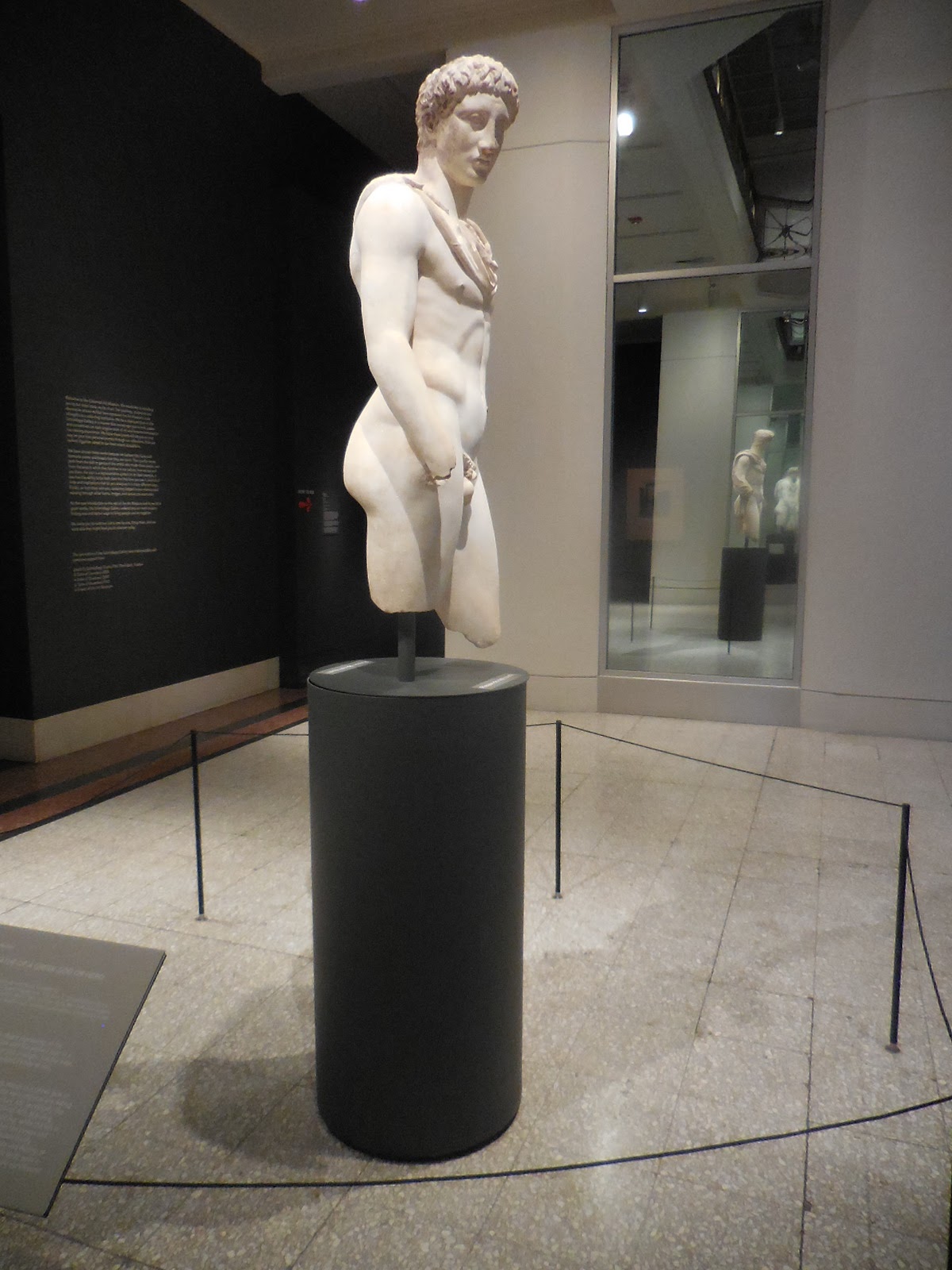
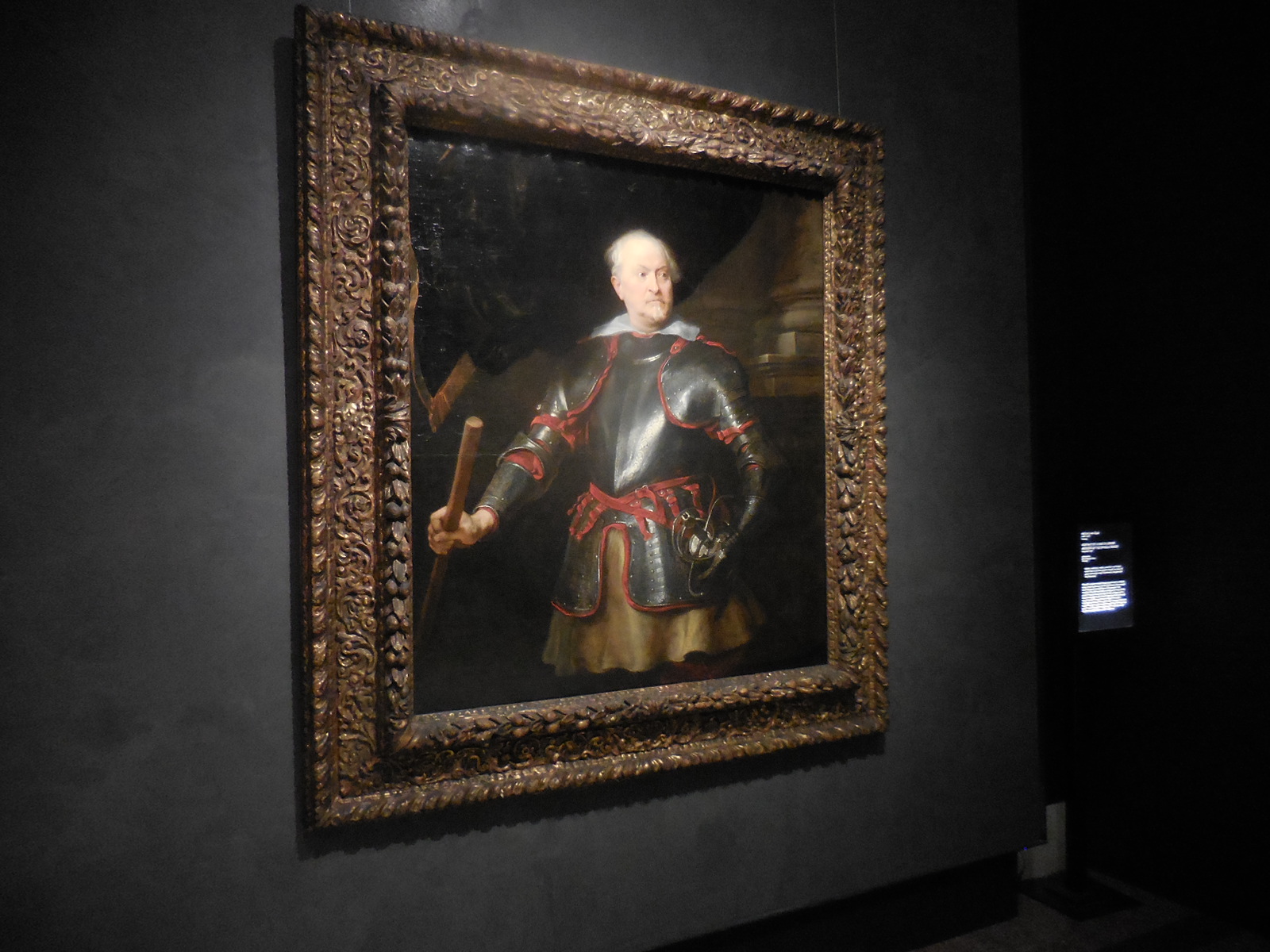
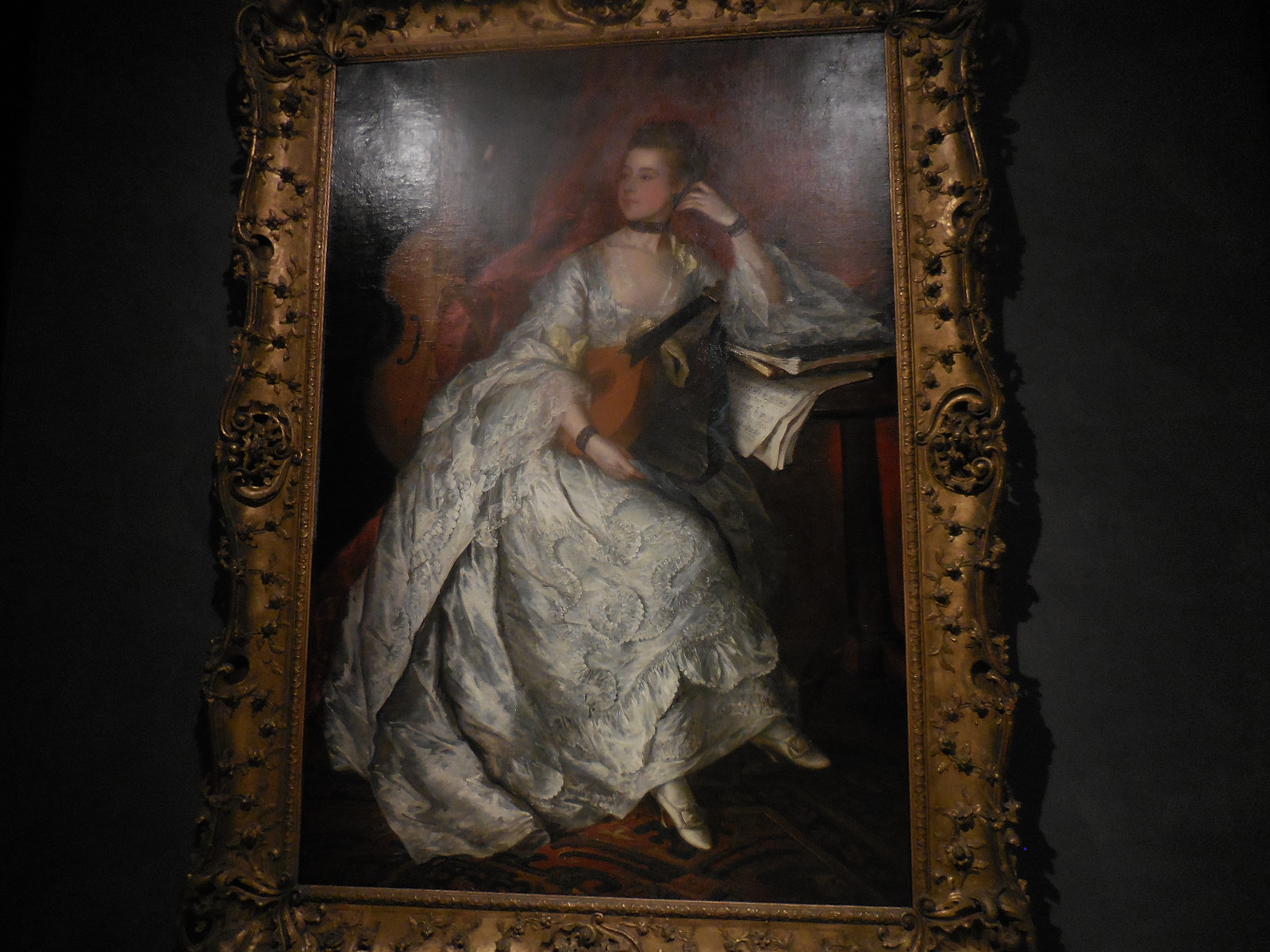


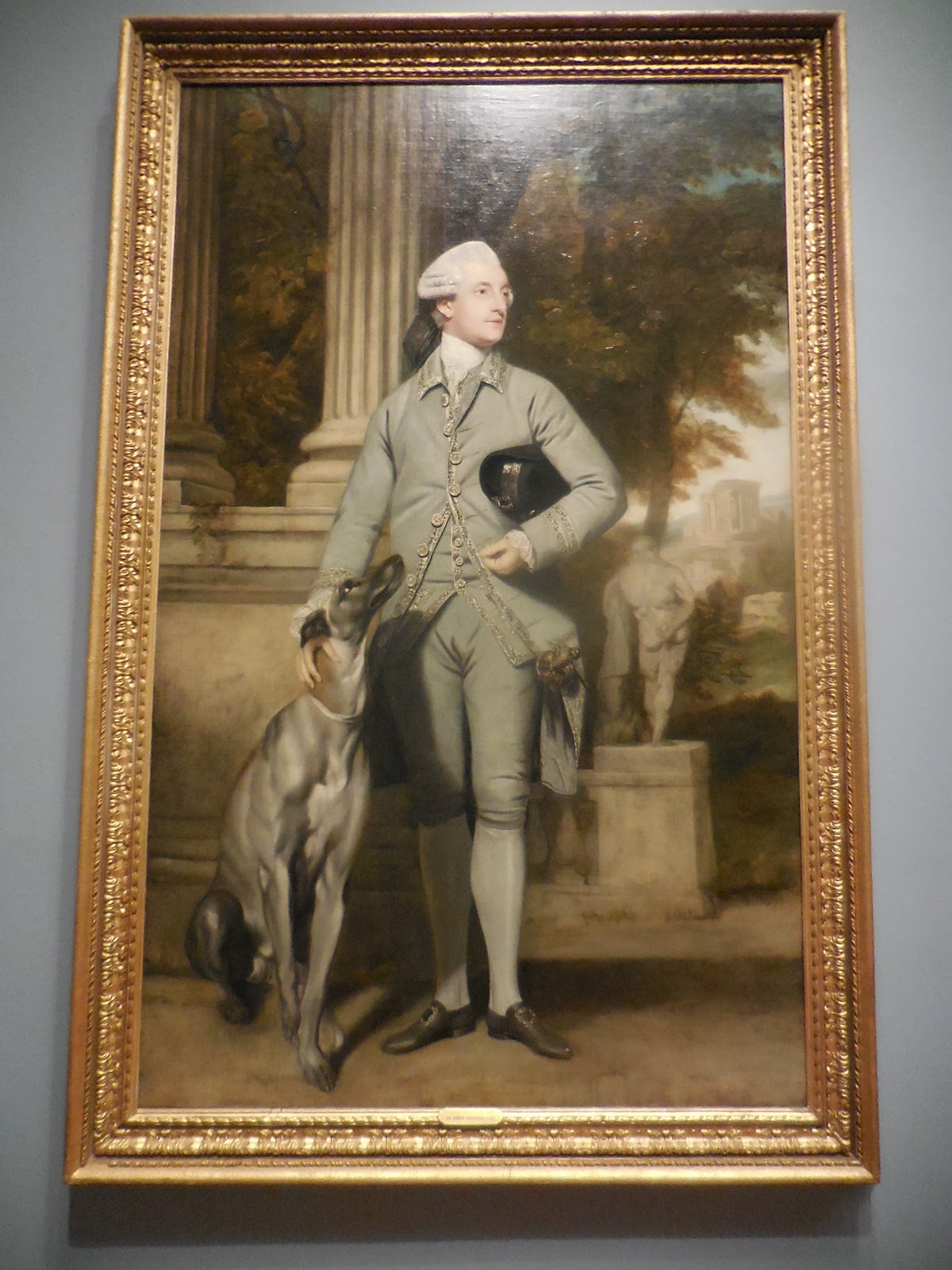

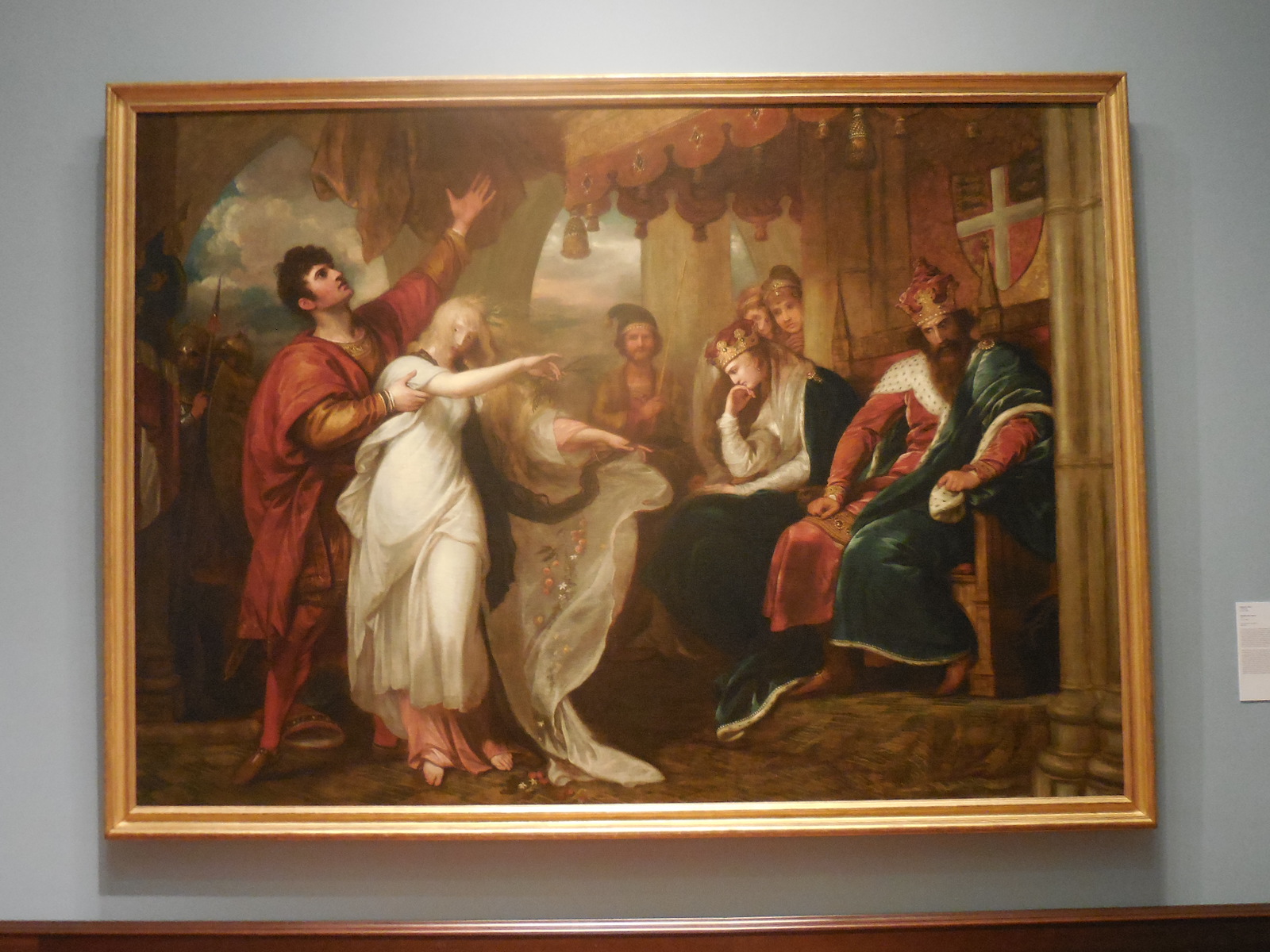
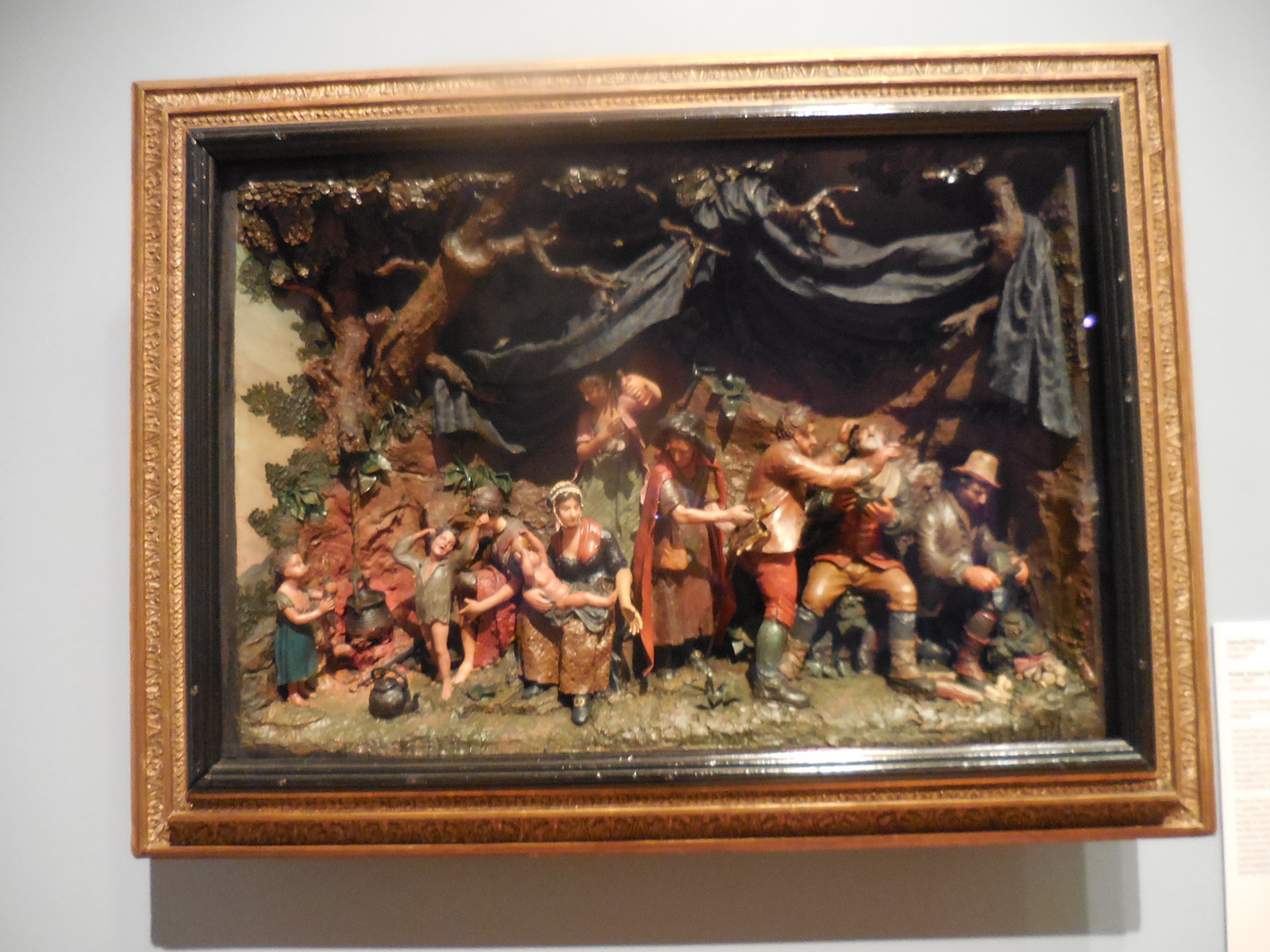
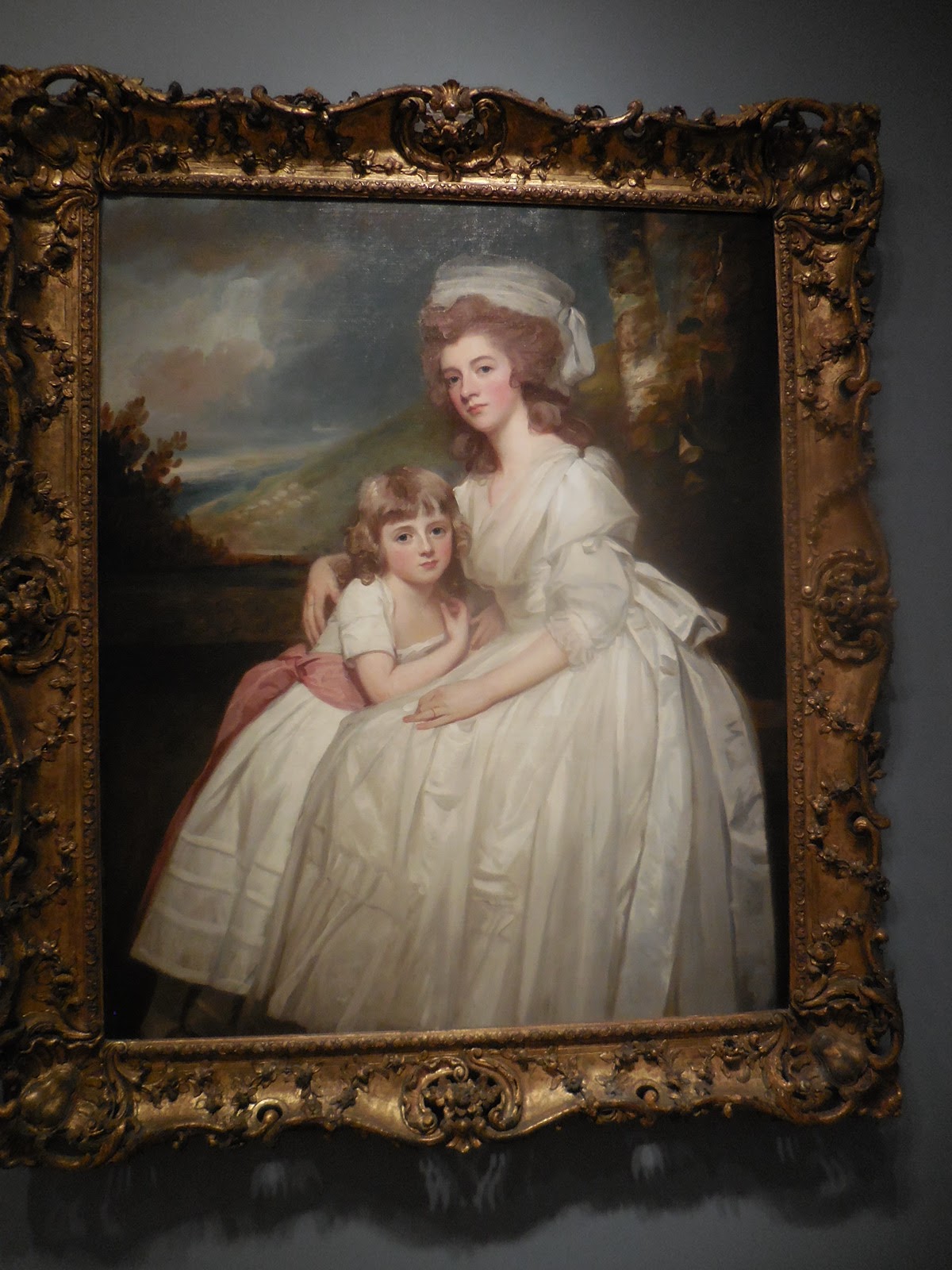
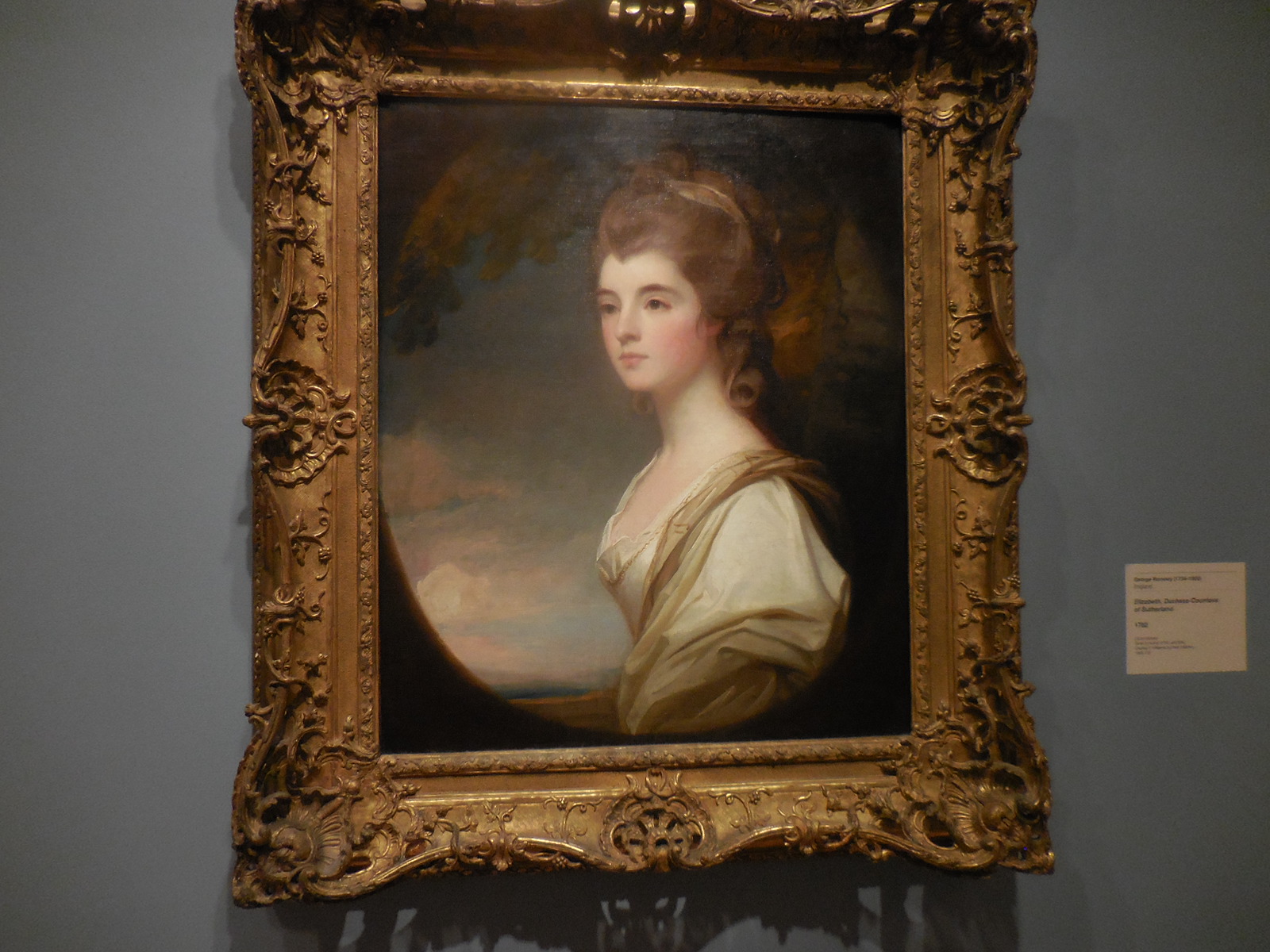
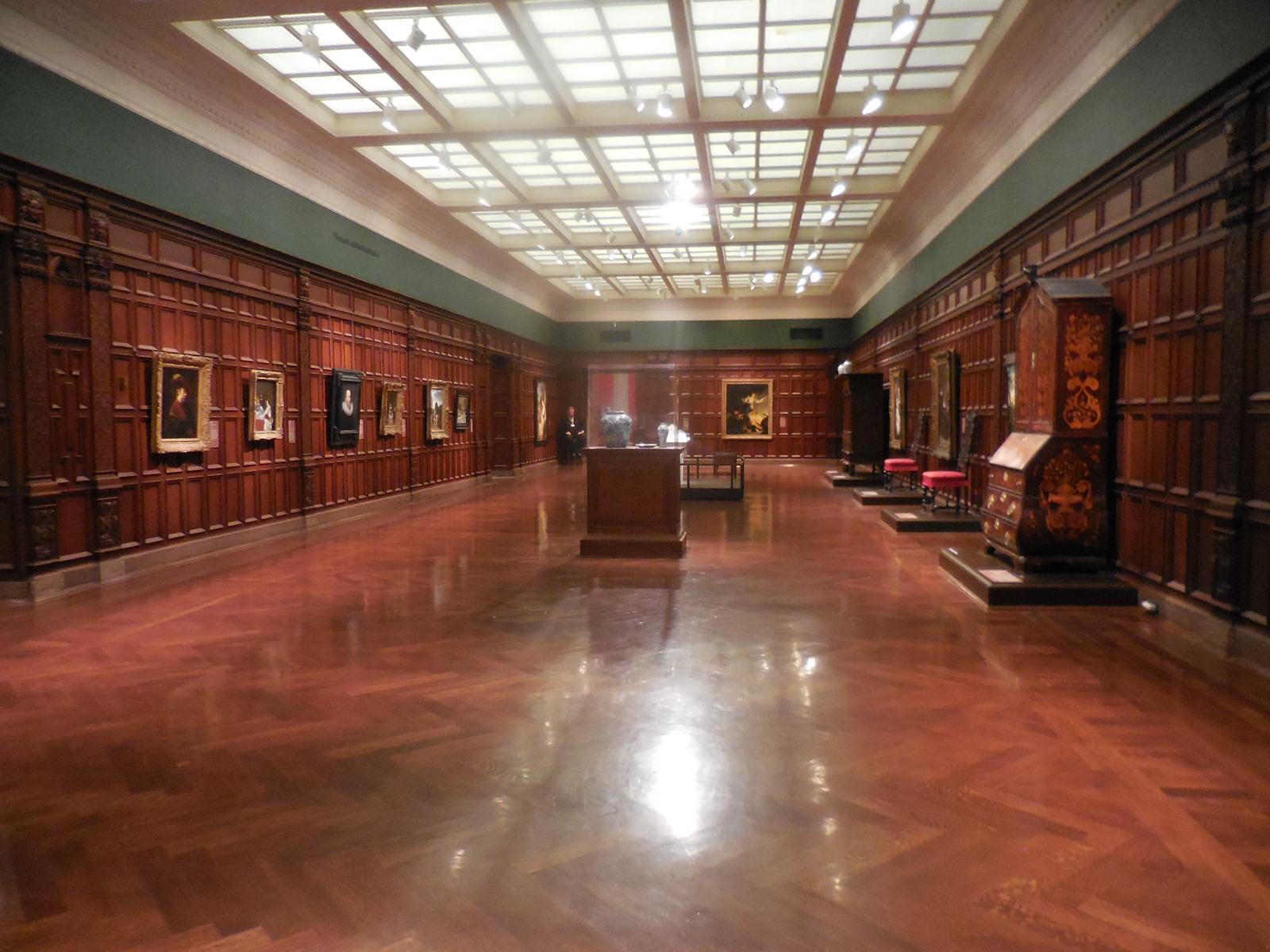
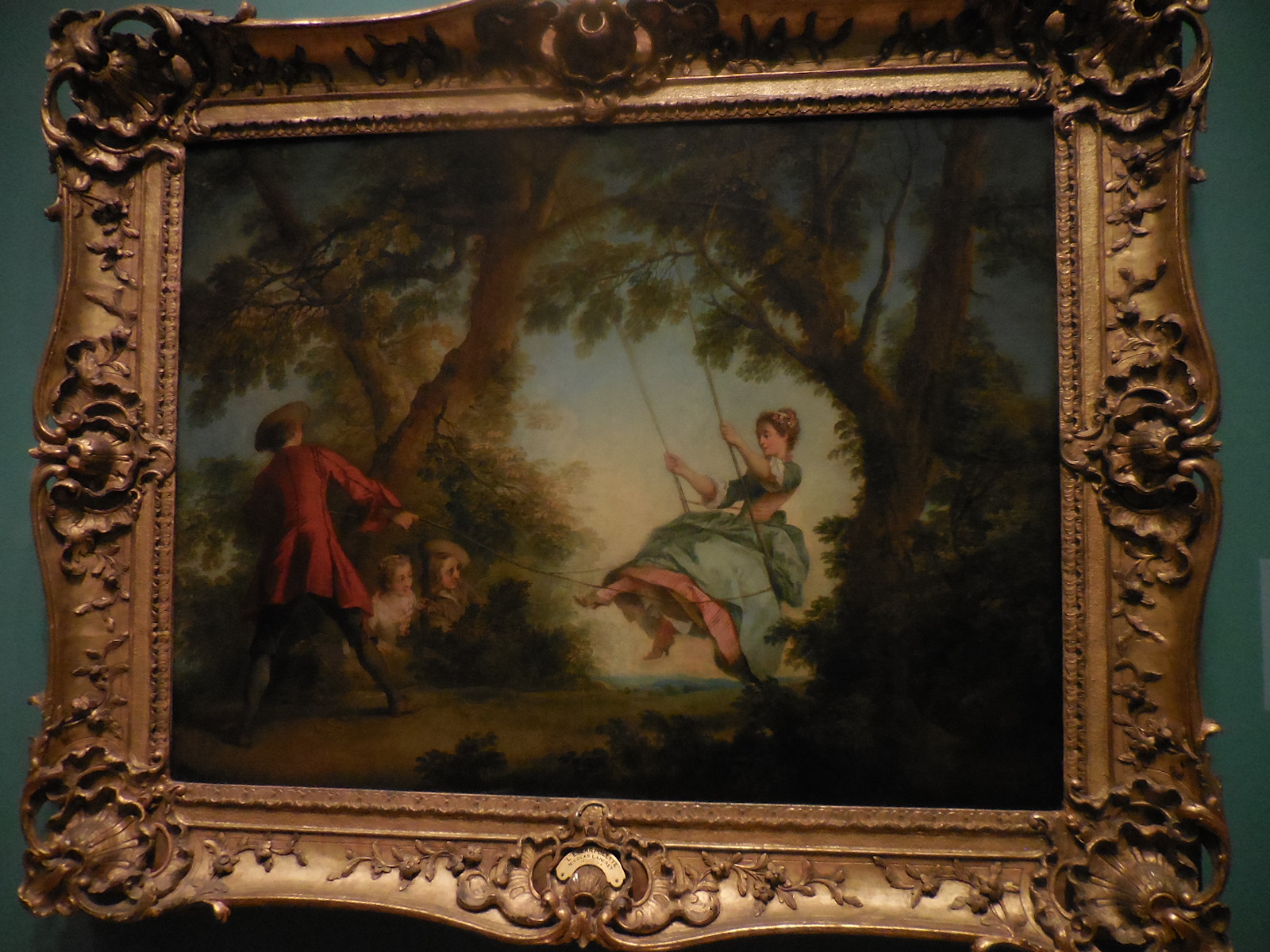
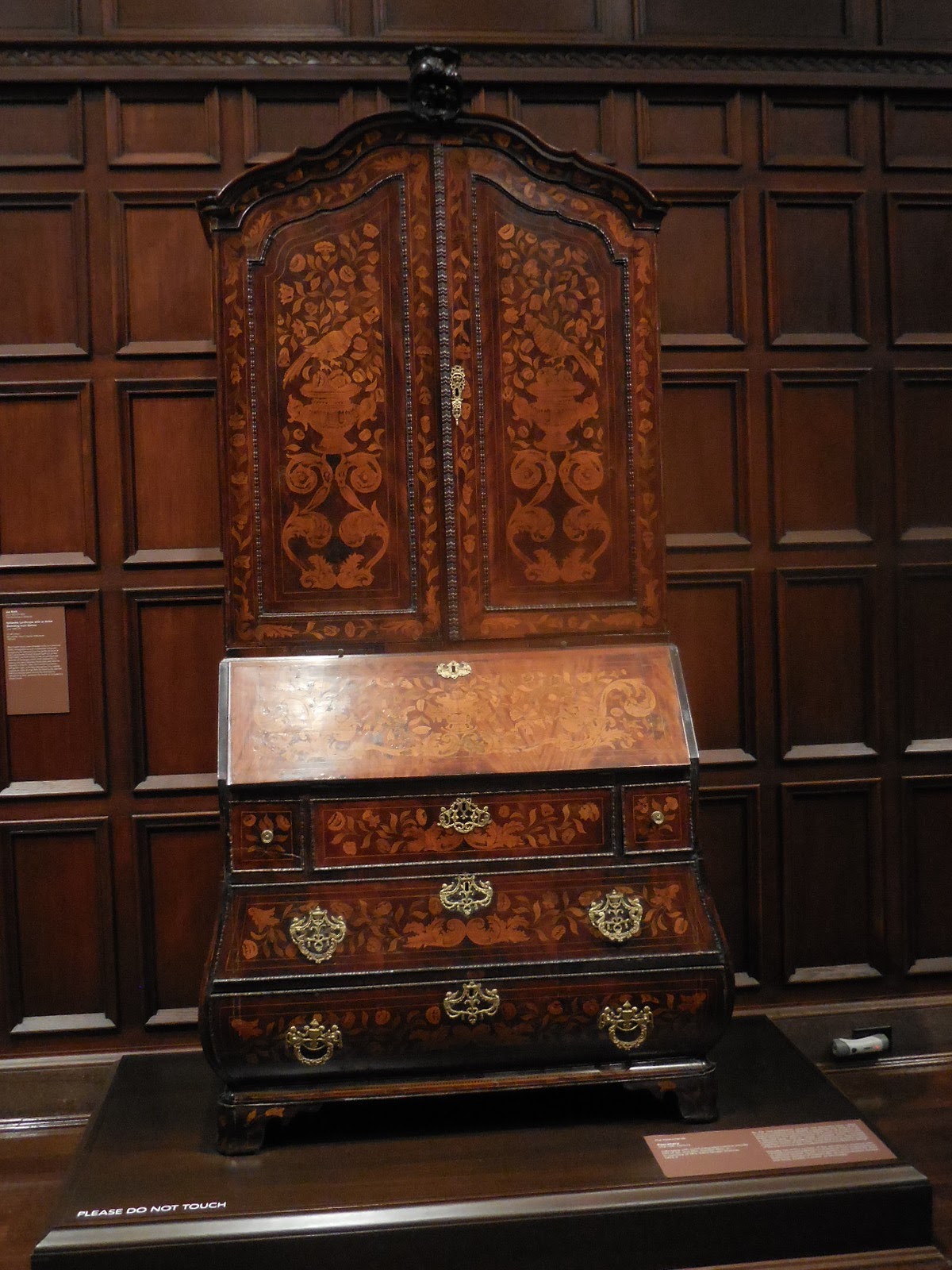
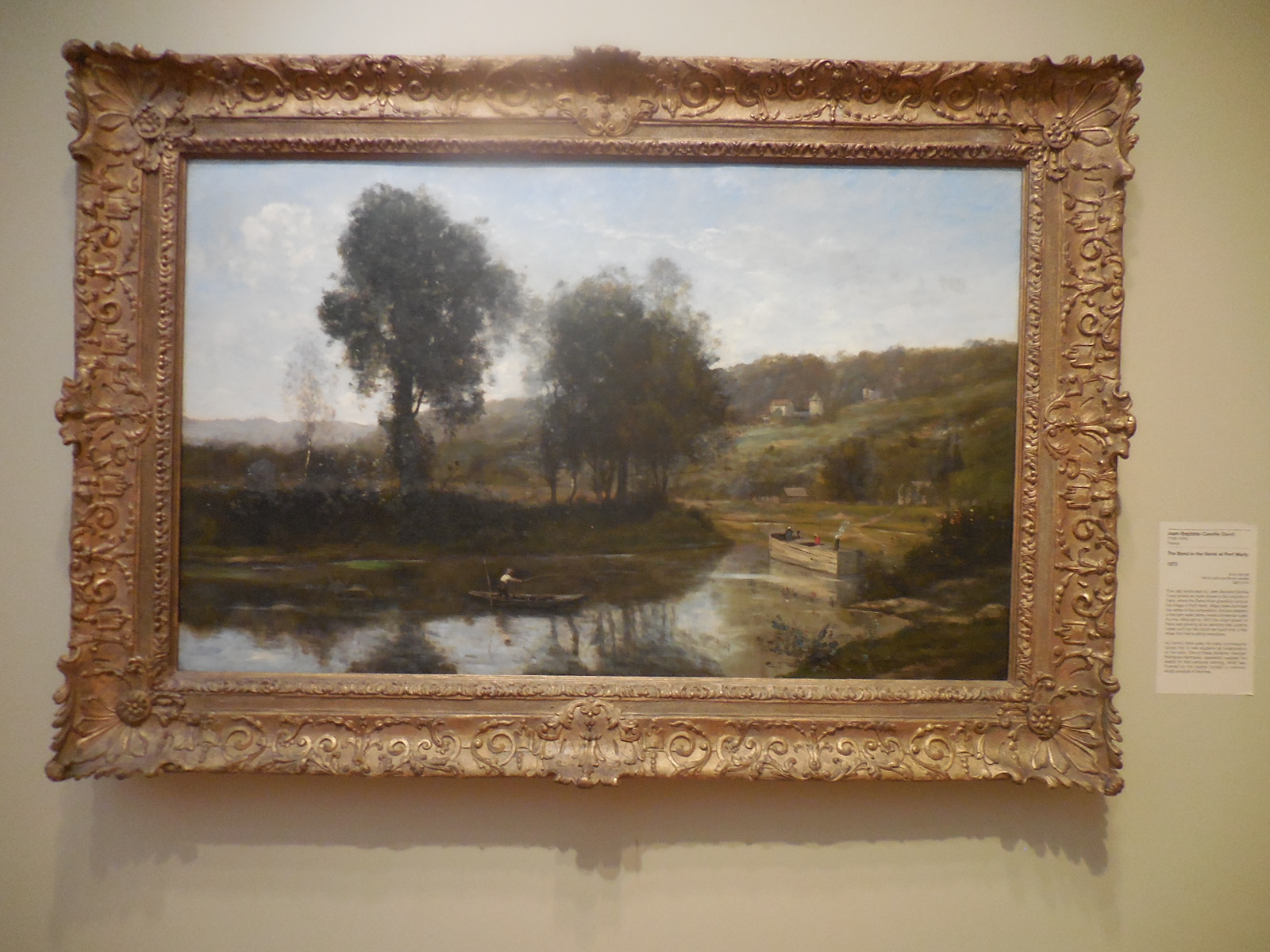
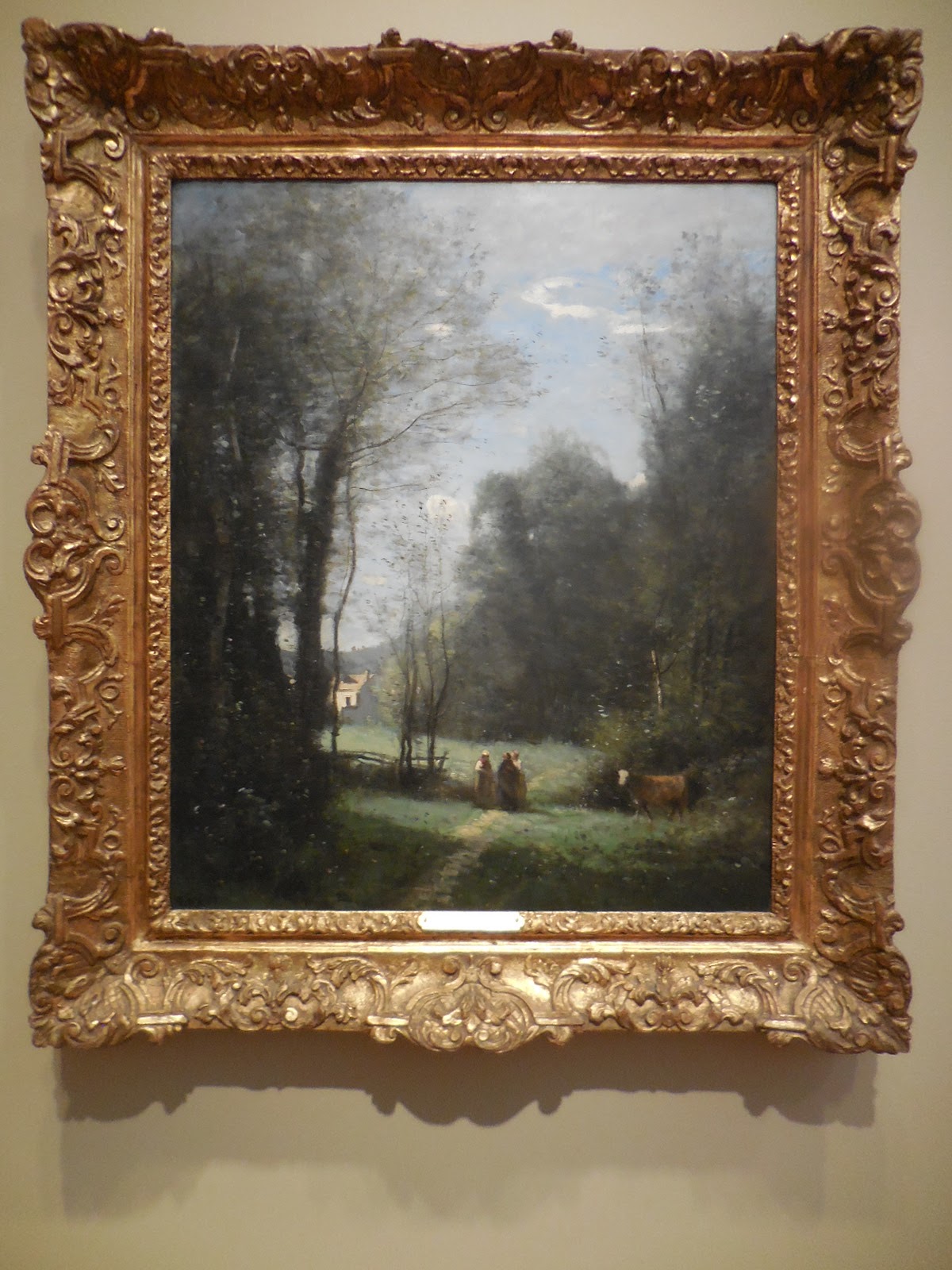
Though it’s considerably later than the Georgian period in Europe and the U.S., I enjoyed seeing these two lovely landscapes by Corot, recalling the day long ago when a pal and I traipsed all over the Louvre looking for the Barbizon School — and found literally hundreds of examples eventually, by which time we were really too exhausted to do more than stumble to a bench and stare at them from a distance.

The exhibition is entitled “Sublime Beauty: Raphael’s Portrait of a Lady with a Unicorn” and will run until January 03, 2016. Here is the museum’s description: “The Cincinnati Art Museum and the Fine Arts Museums of San Francisco in collaboration with the Foundation for Italian Art and Culture, presents Raphael’s Portrait of Lady with a Unicorn on loan from the Galleria Borghese in Rome. Painted about 1505, this mysterious blond and blue-eyed sitter epitomizes Raphael’s excellence in female portraiture during his Florentine period.”
For more, click here.
And to conclude, later in the day, we drove through Chicago under the usual signs!

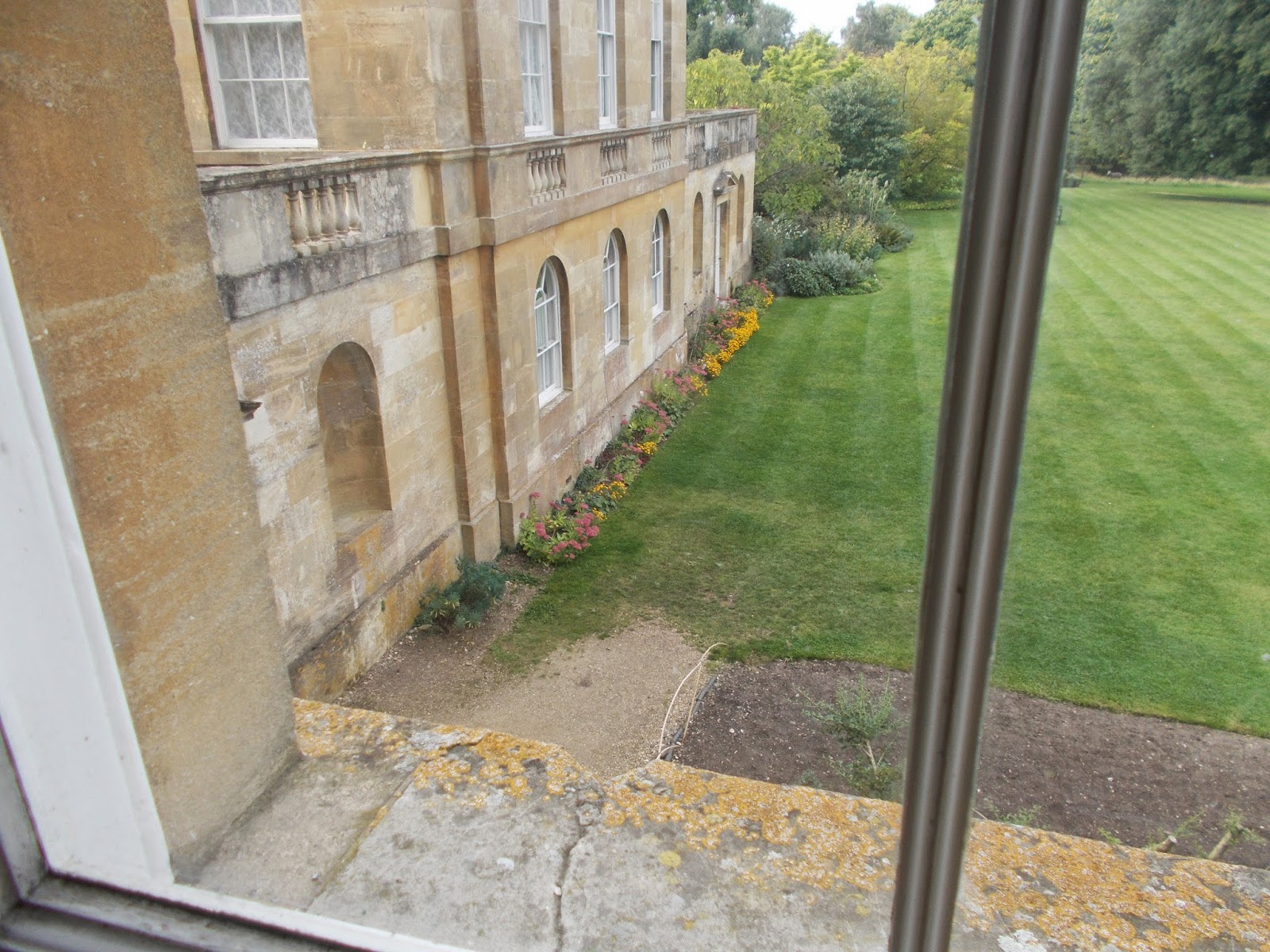
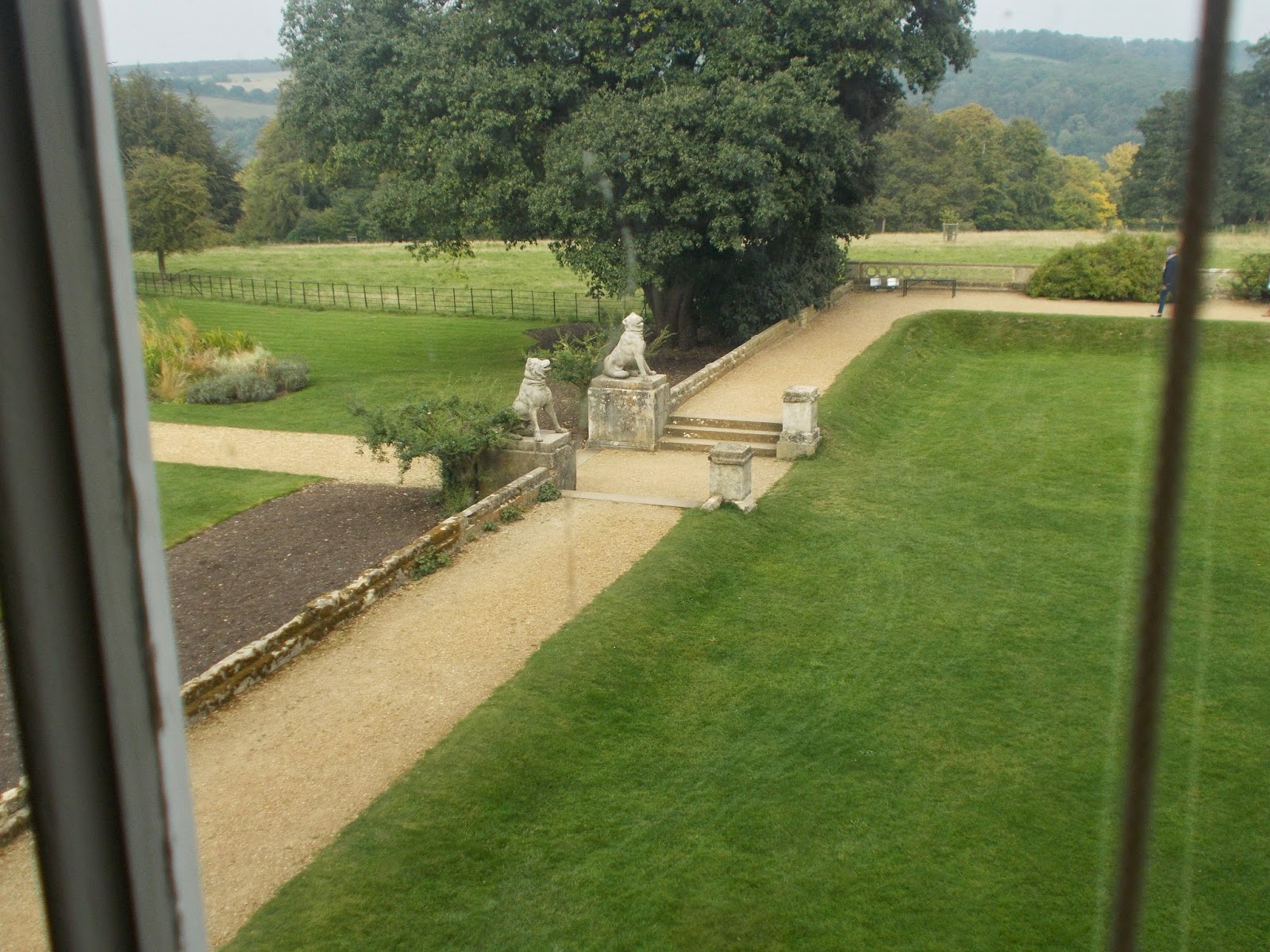
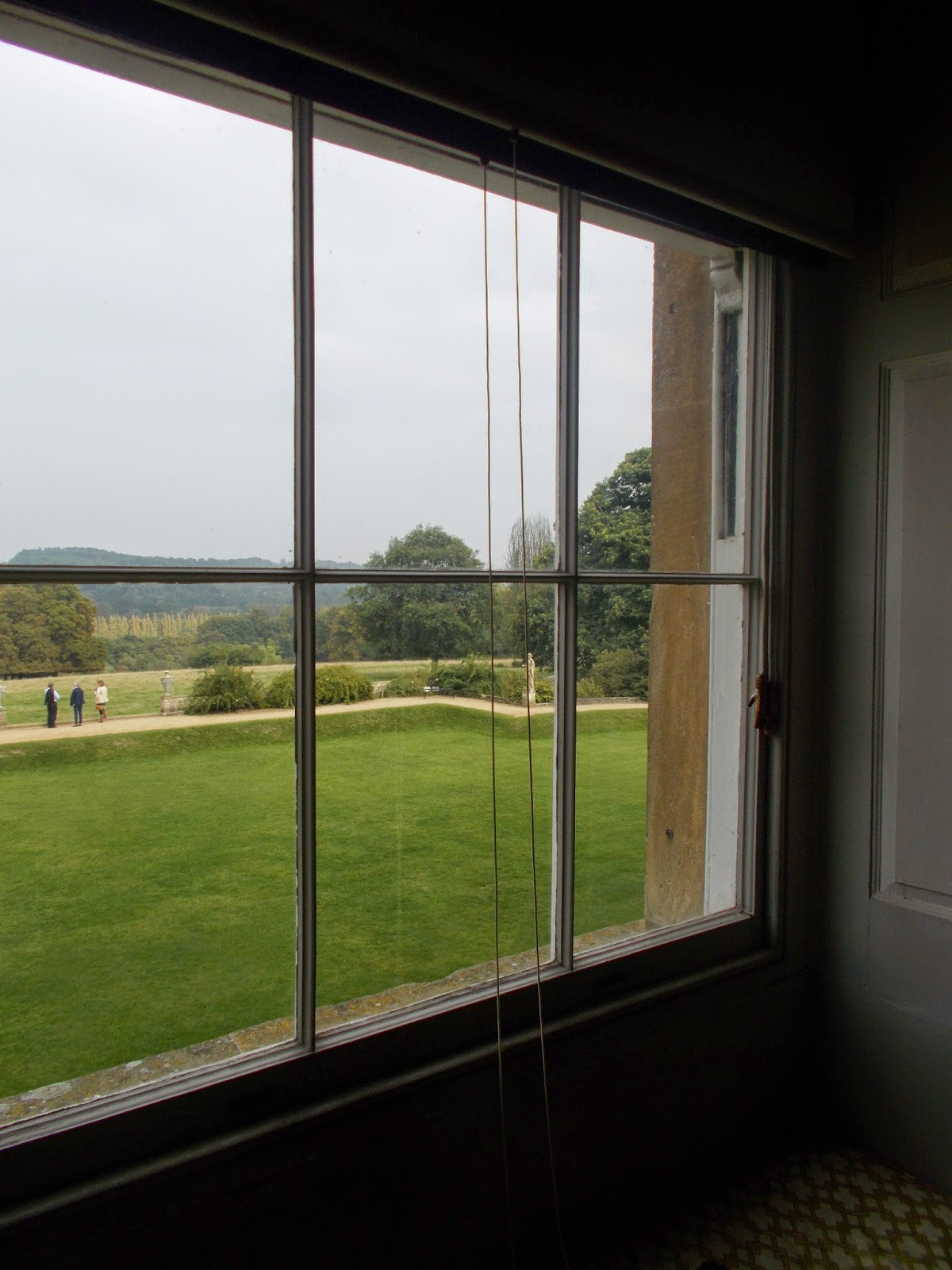
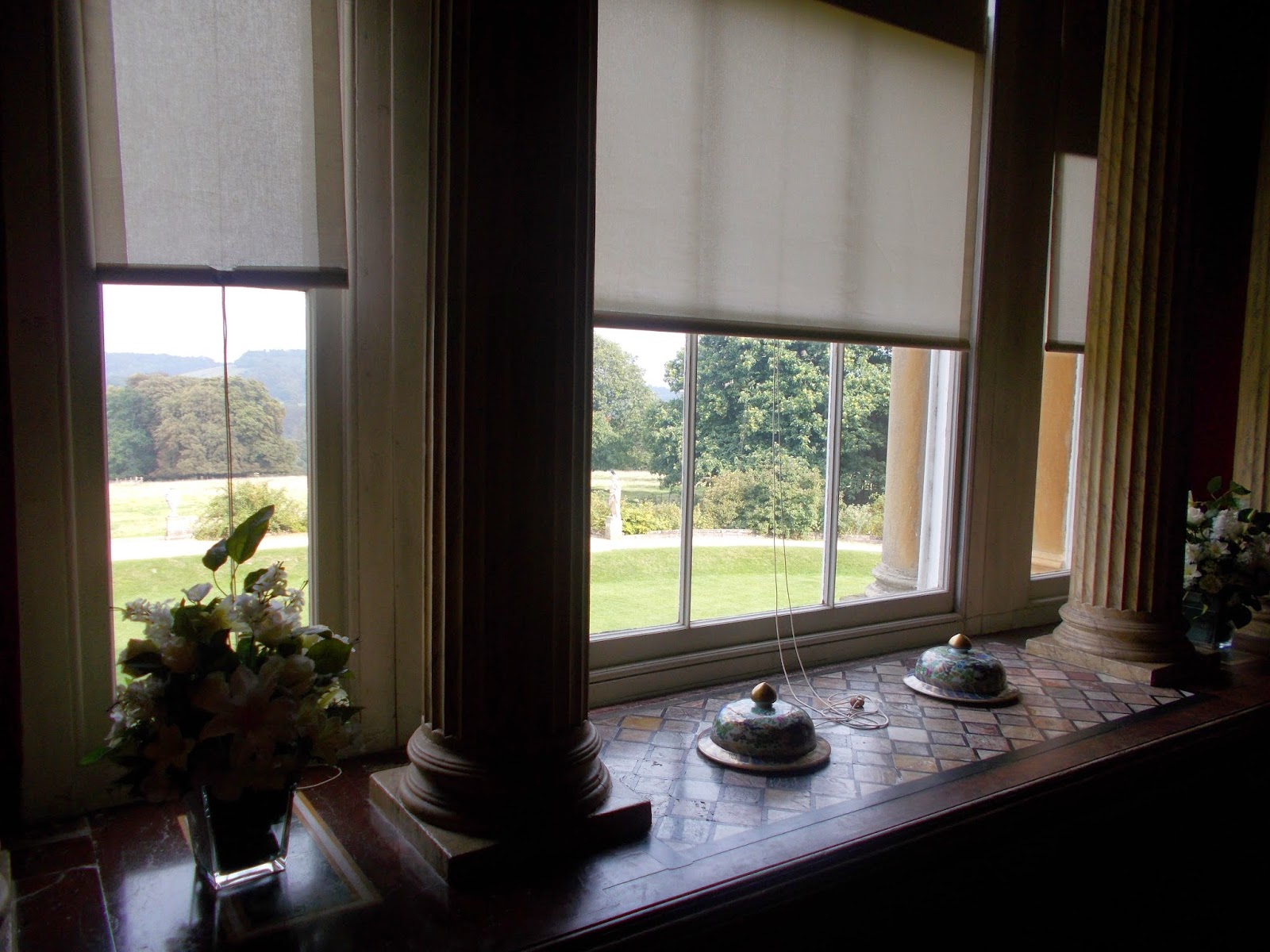
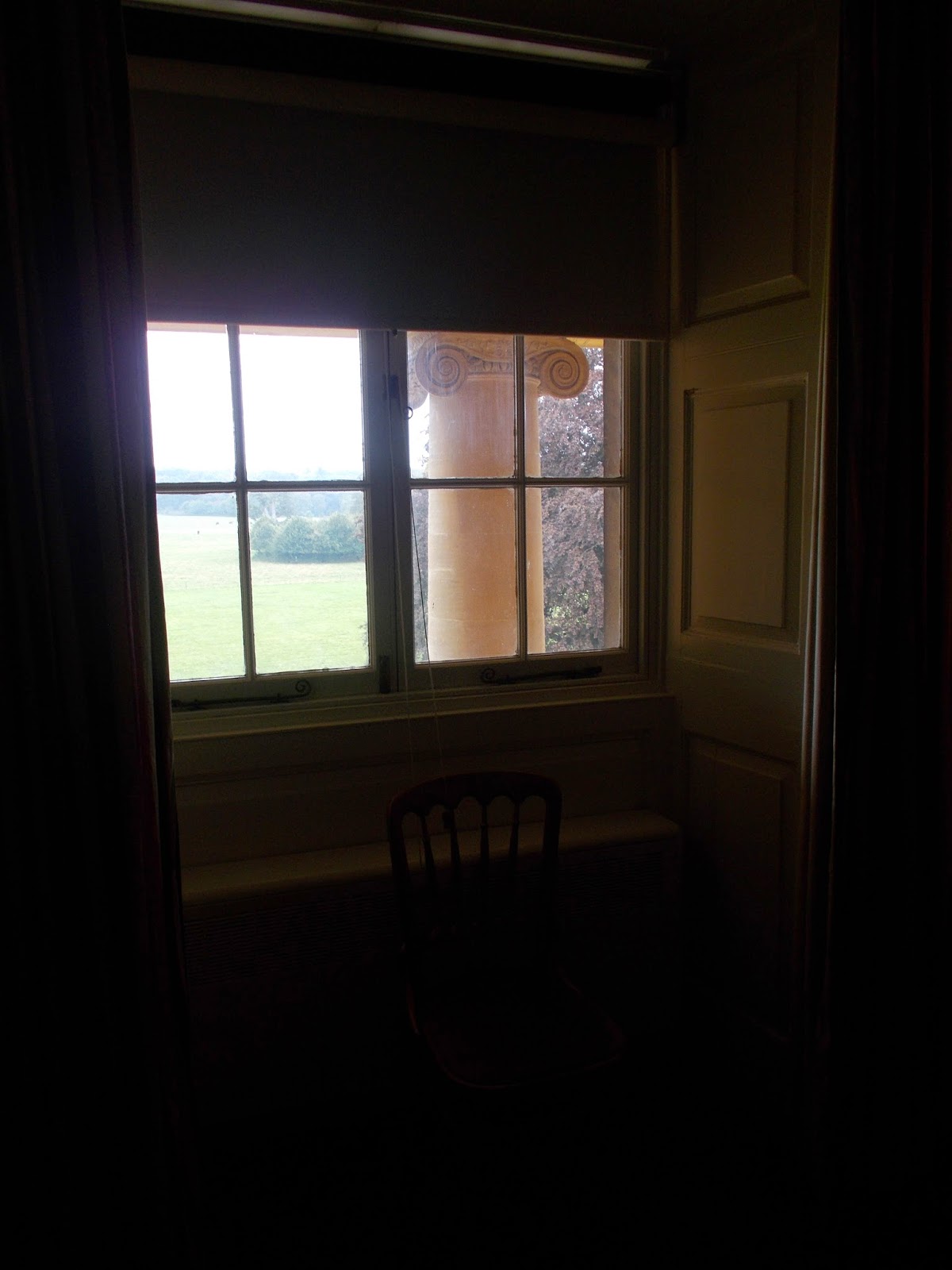
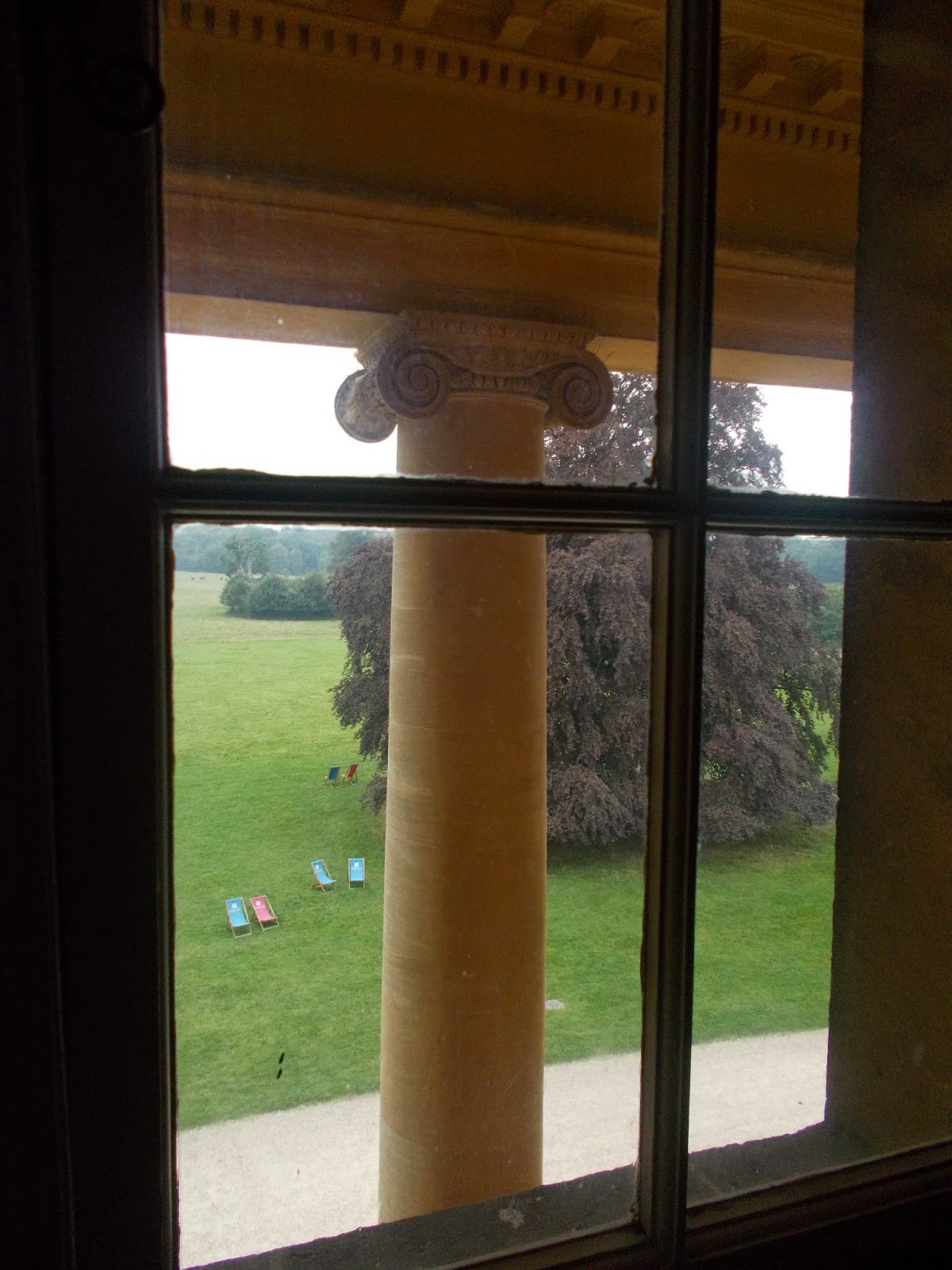
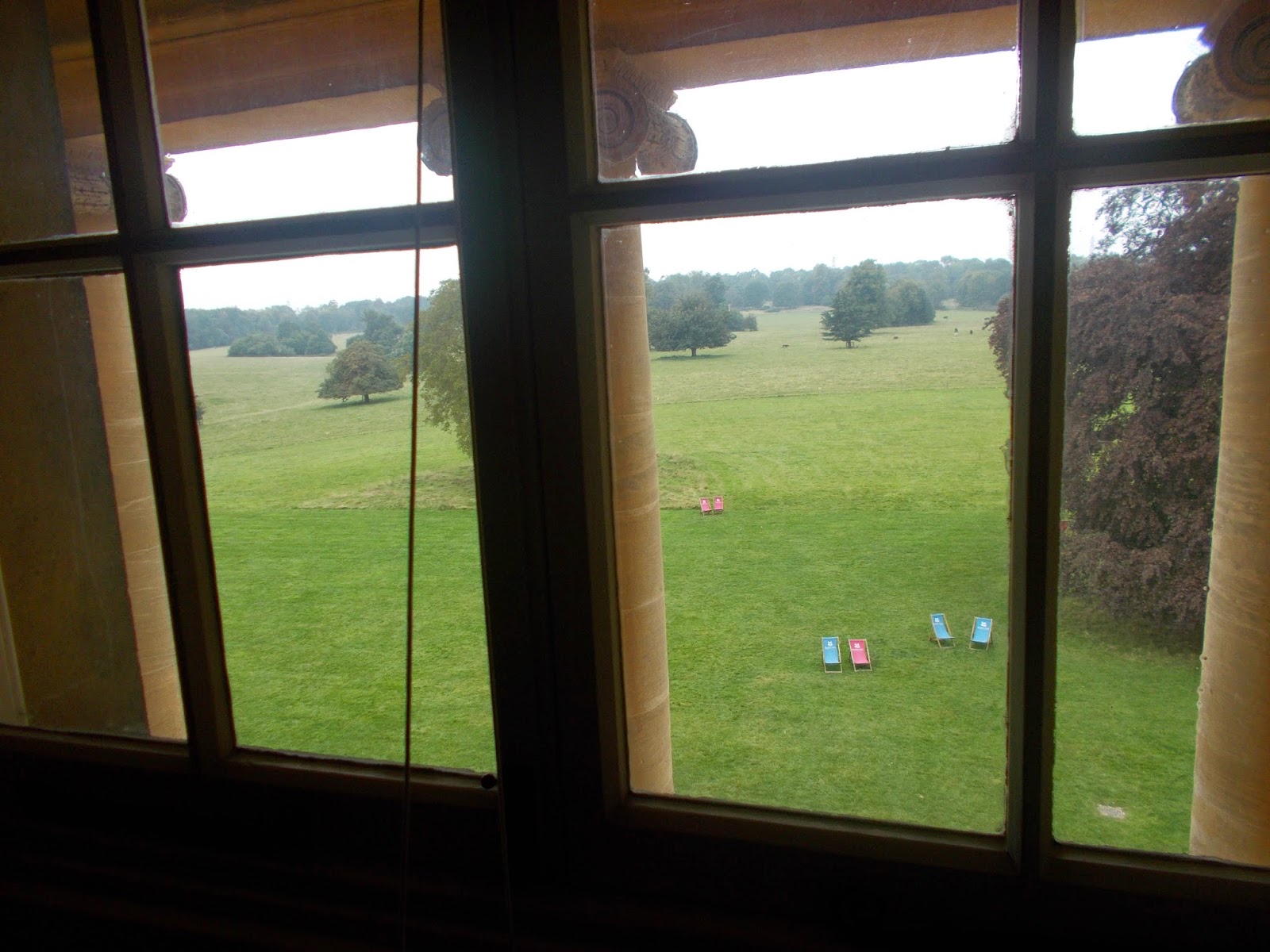
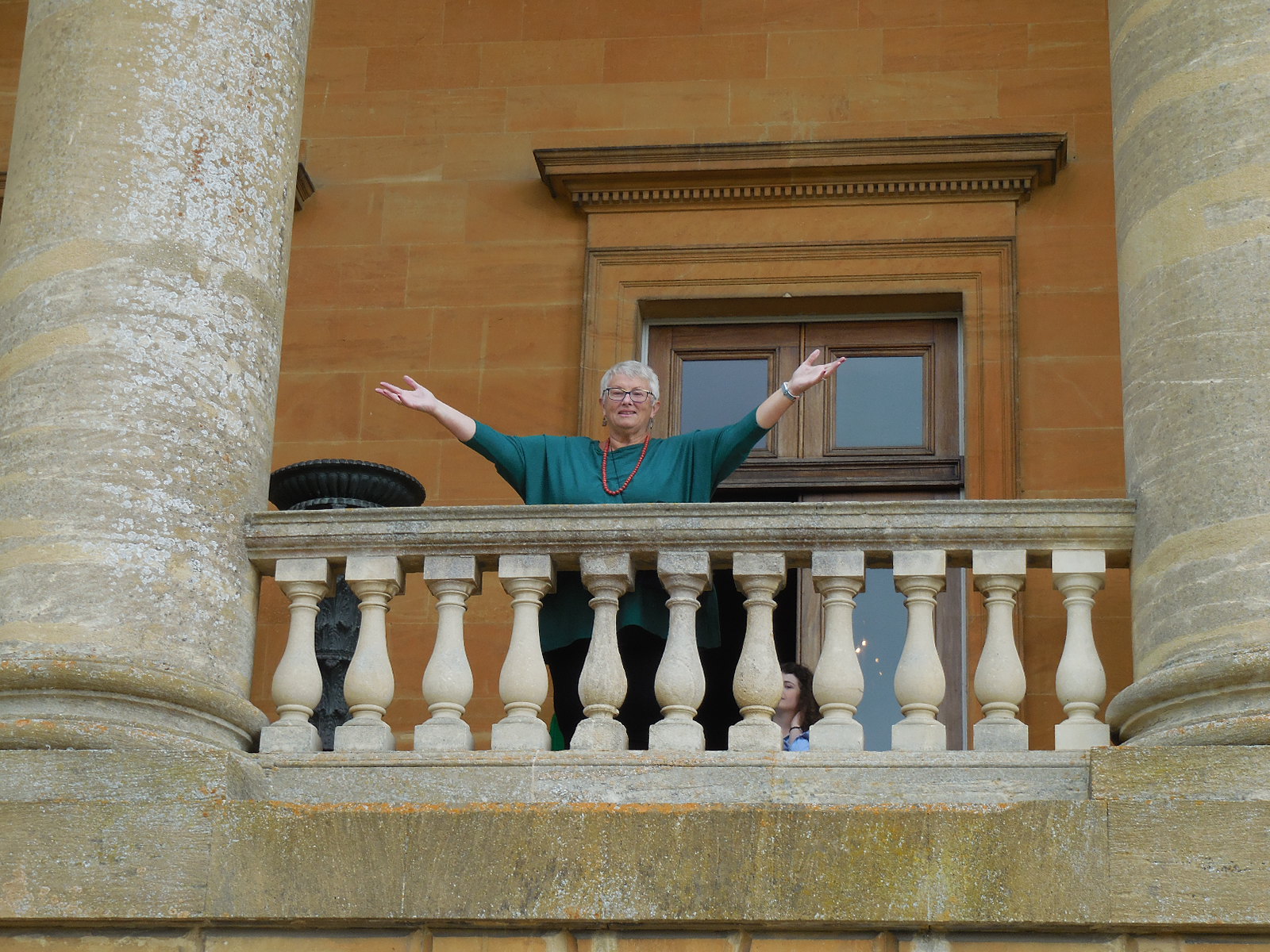
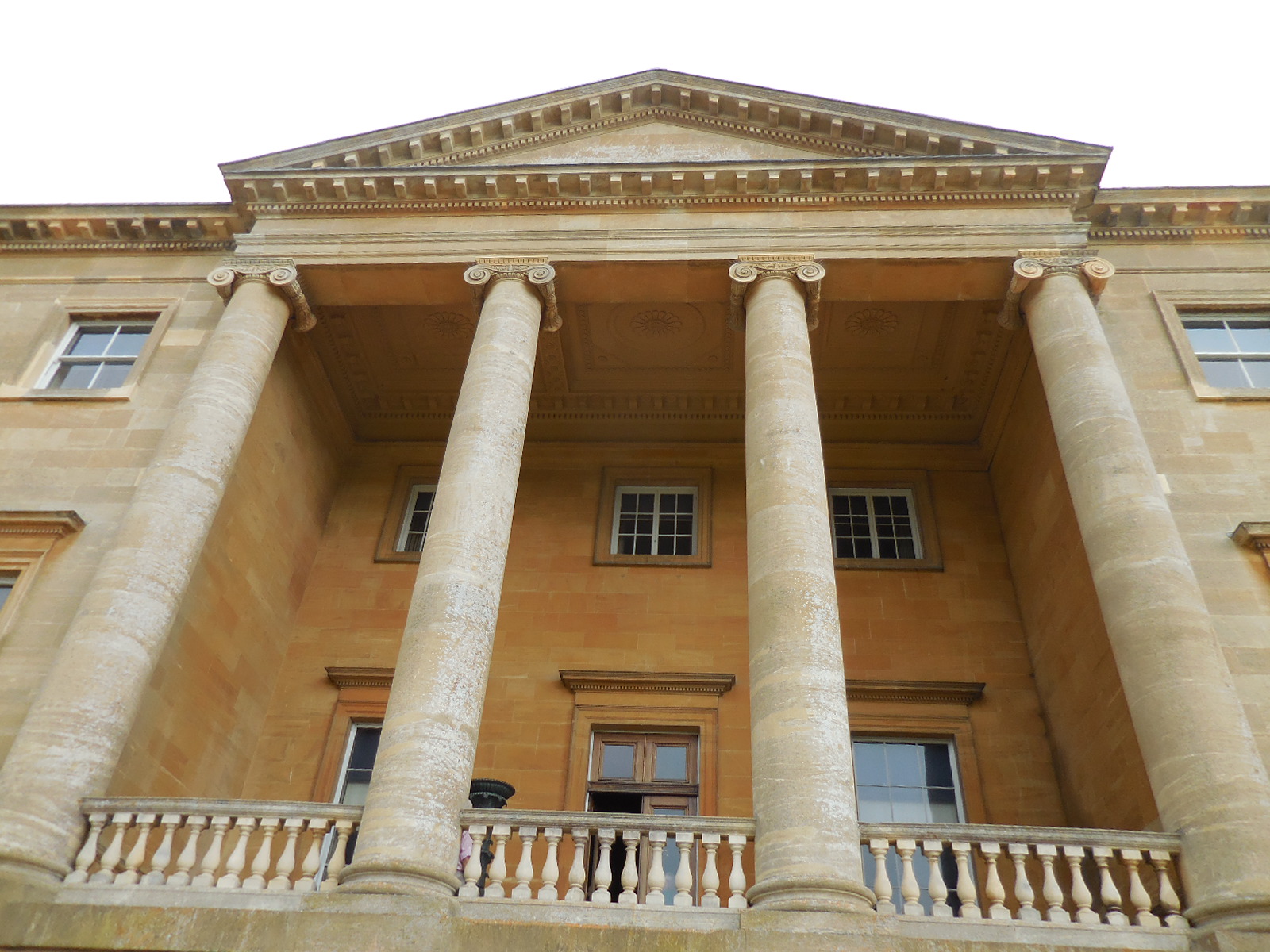
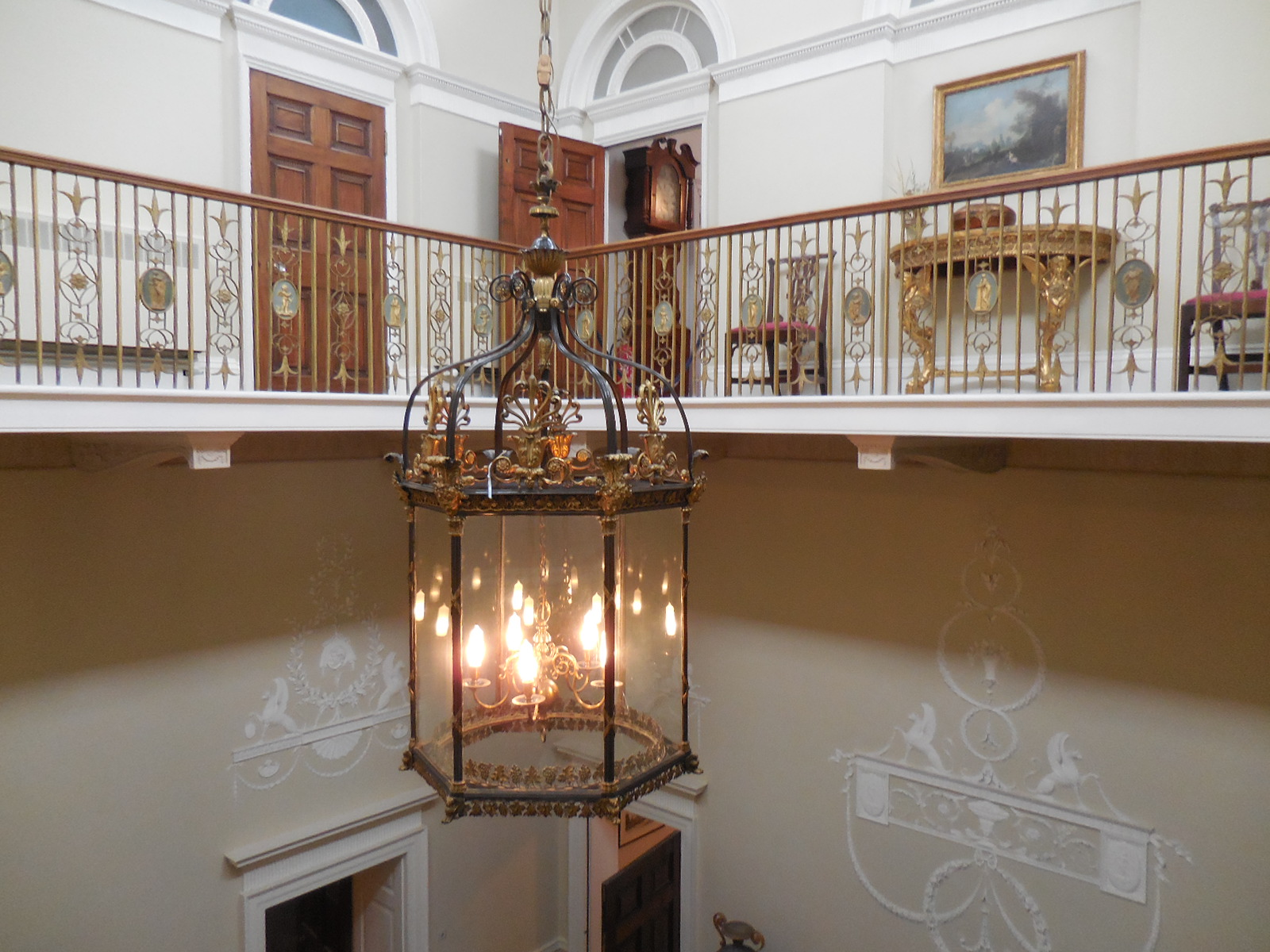
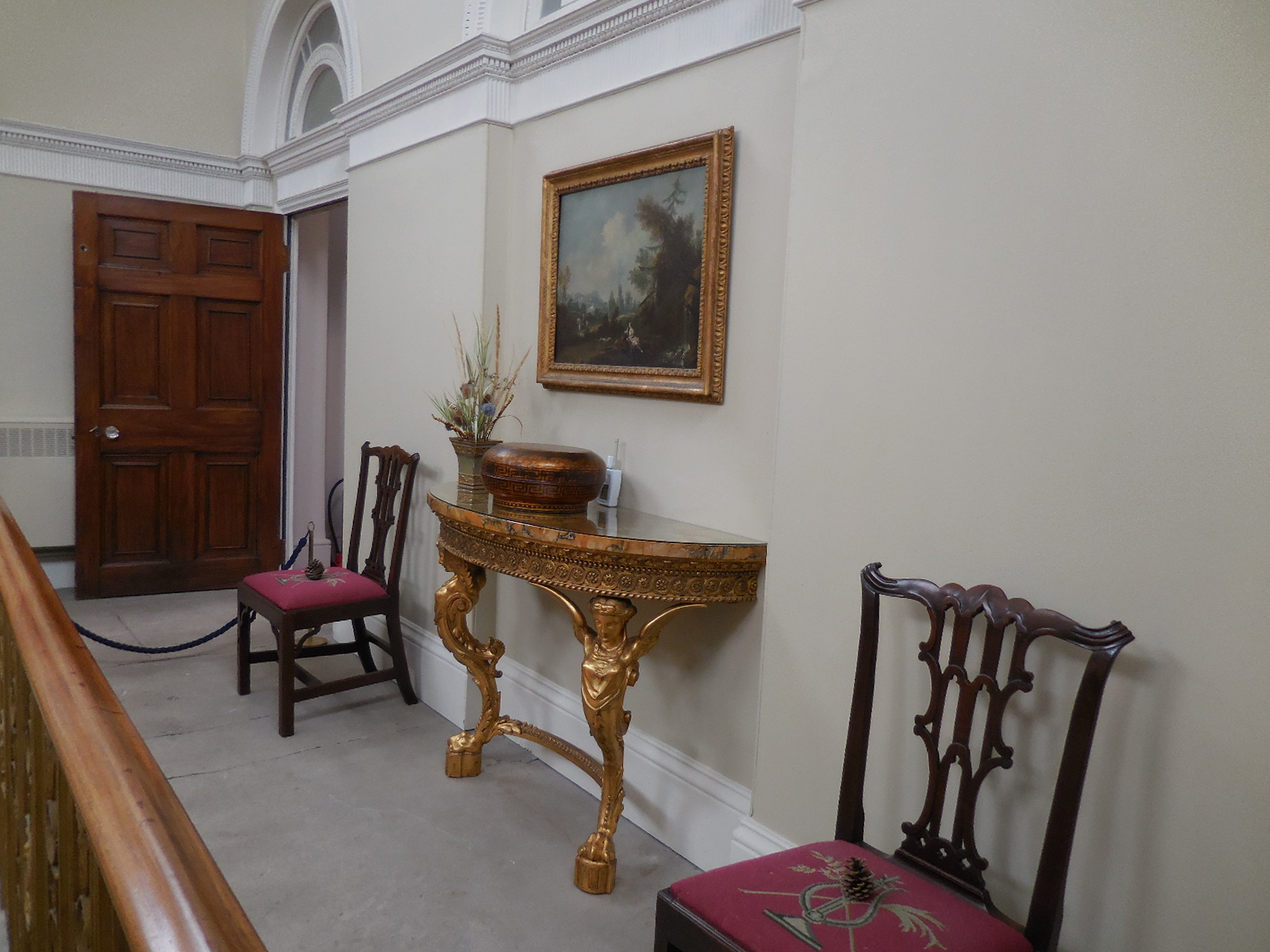
Victoria here. This trip in September 2014, my second visit to Basildon, was indeed a delight. Not only was I with a wonderful group on the Duke of Wellington Tour; the National Trust now allows non-flash photographs and I went wild with snapping with both my camera and my phone.
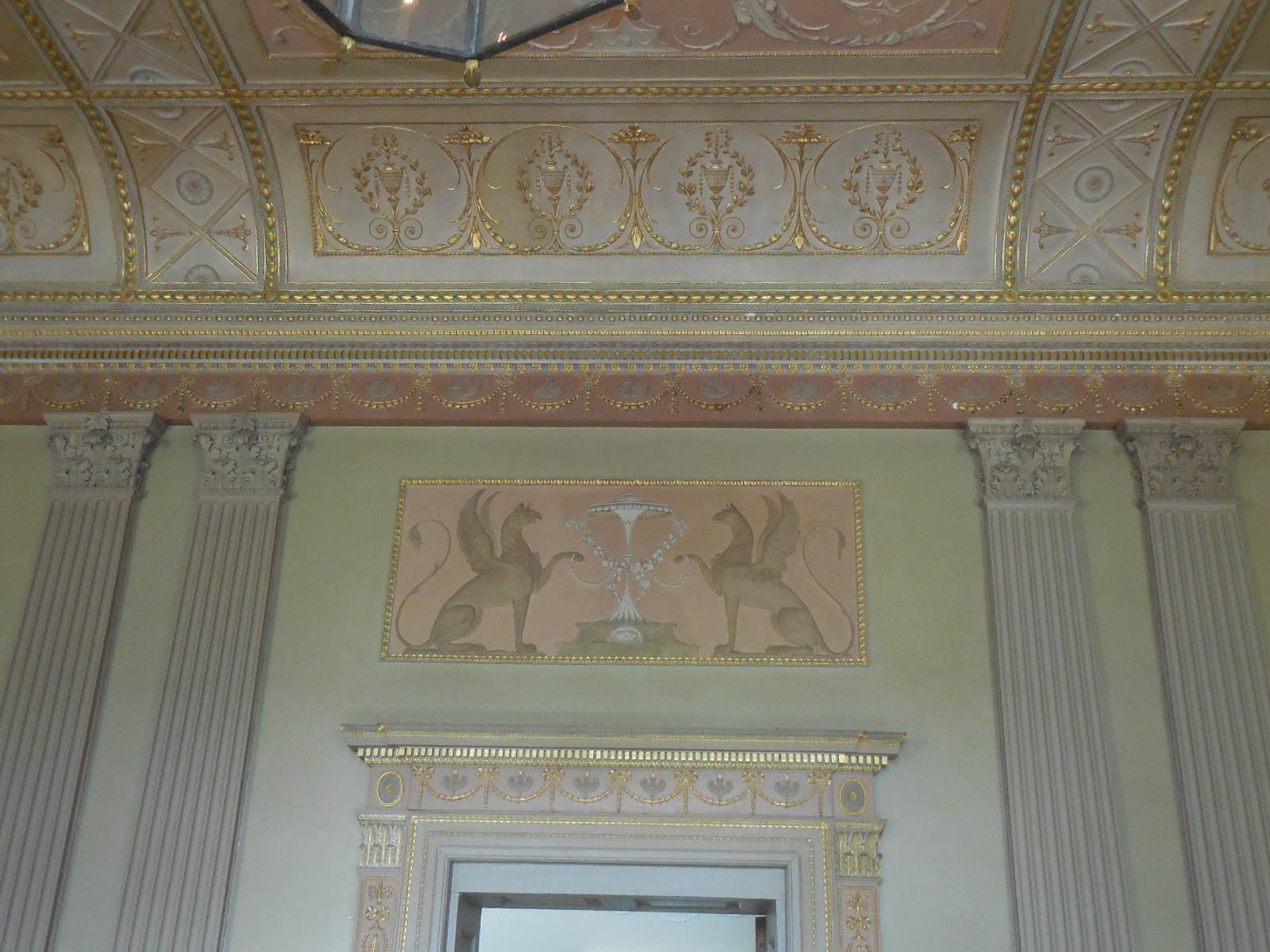
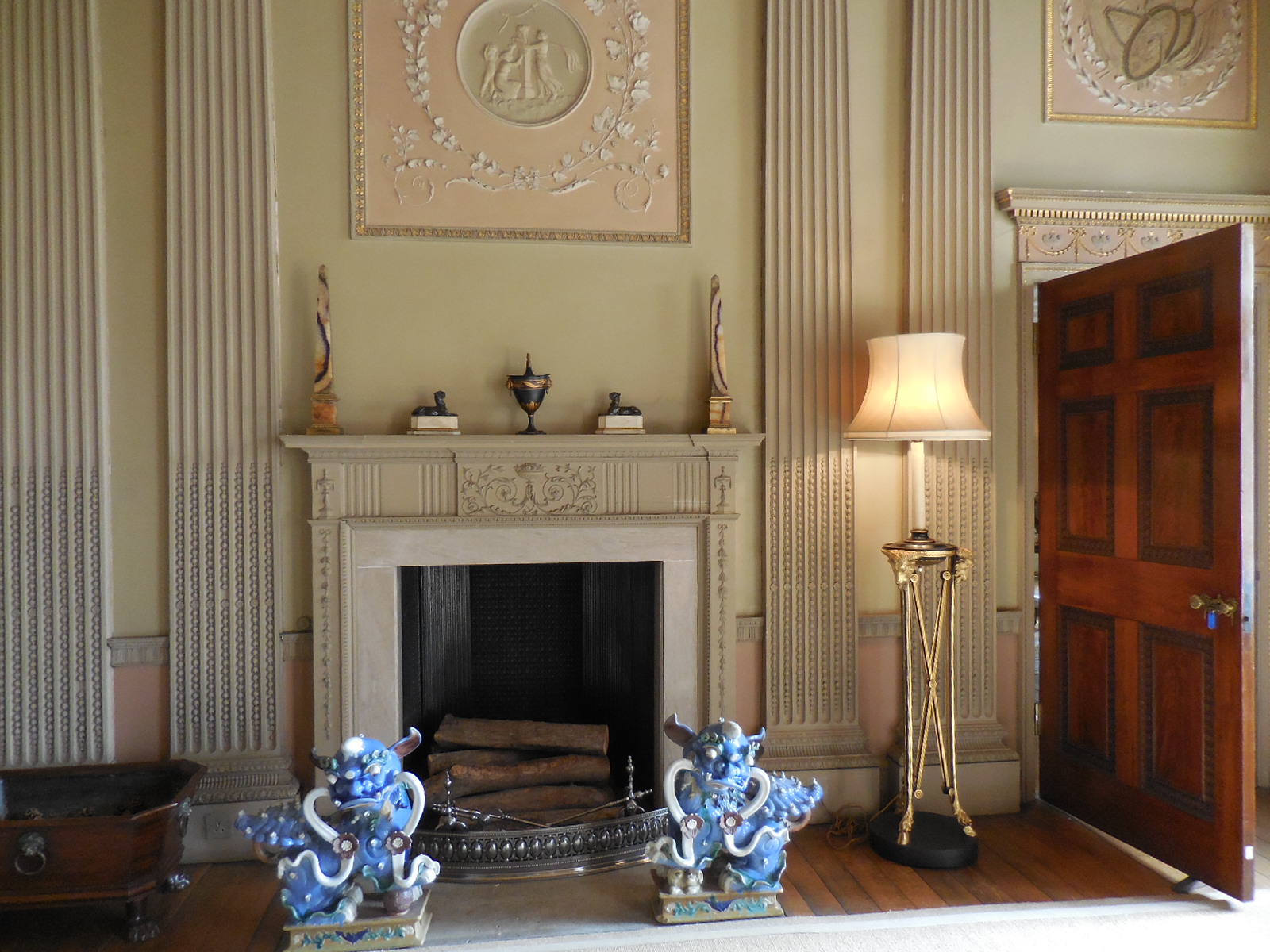

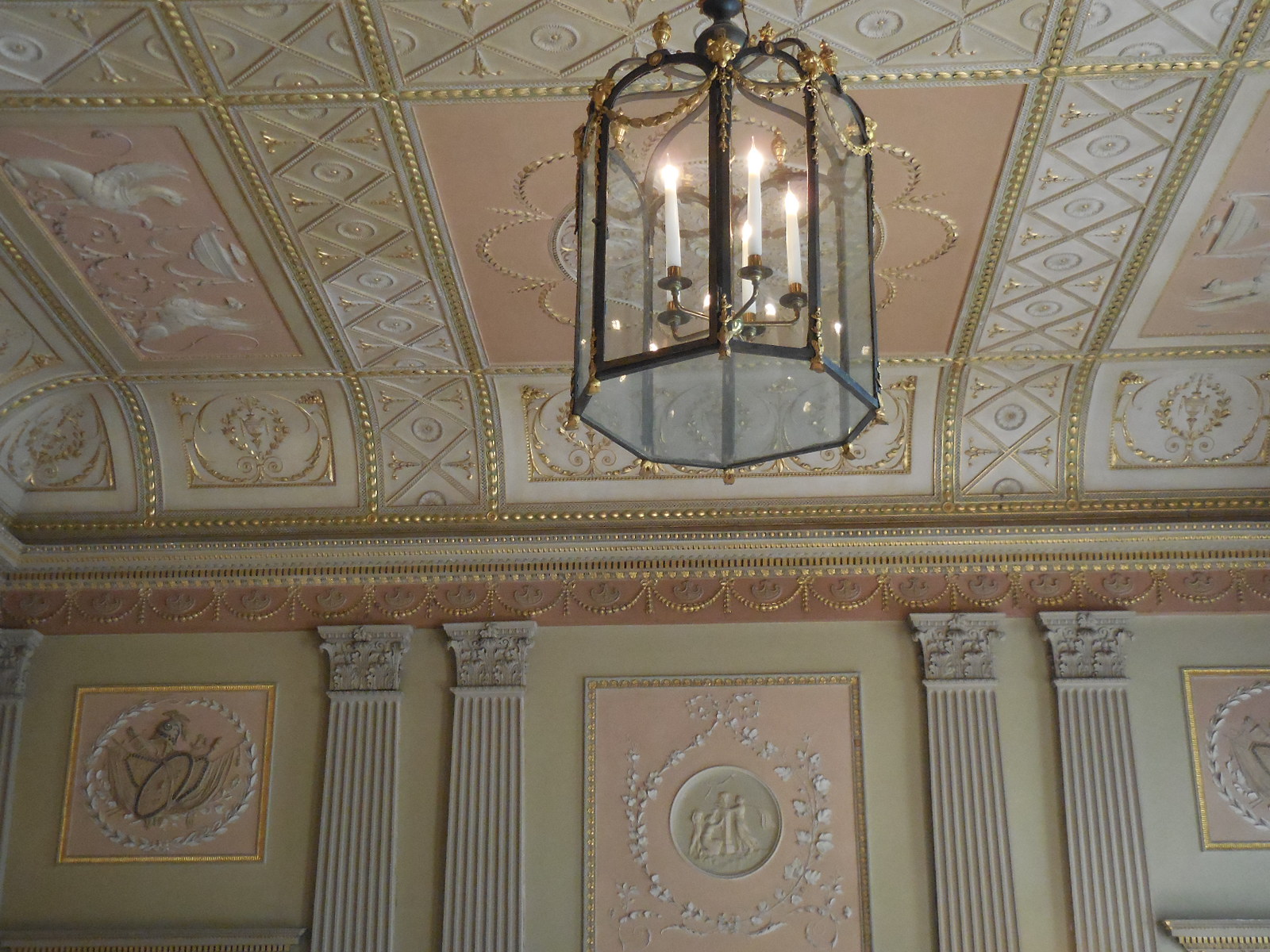
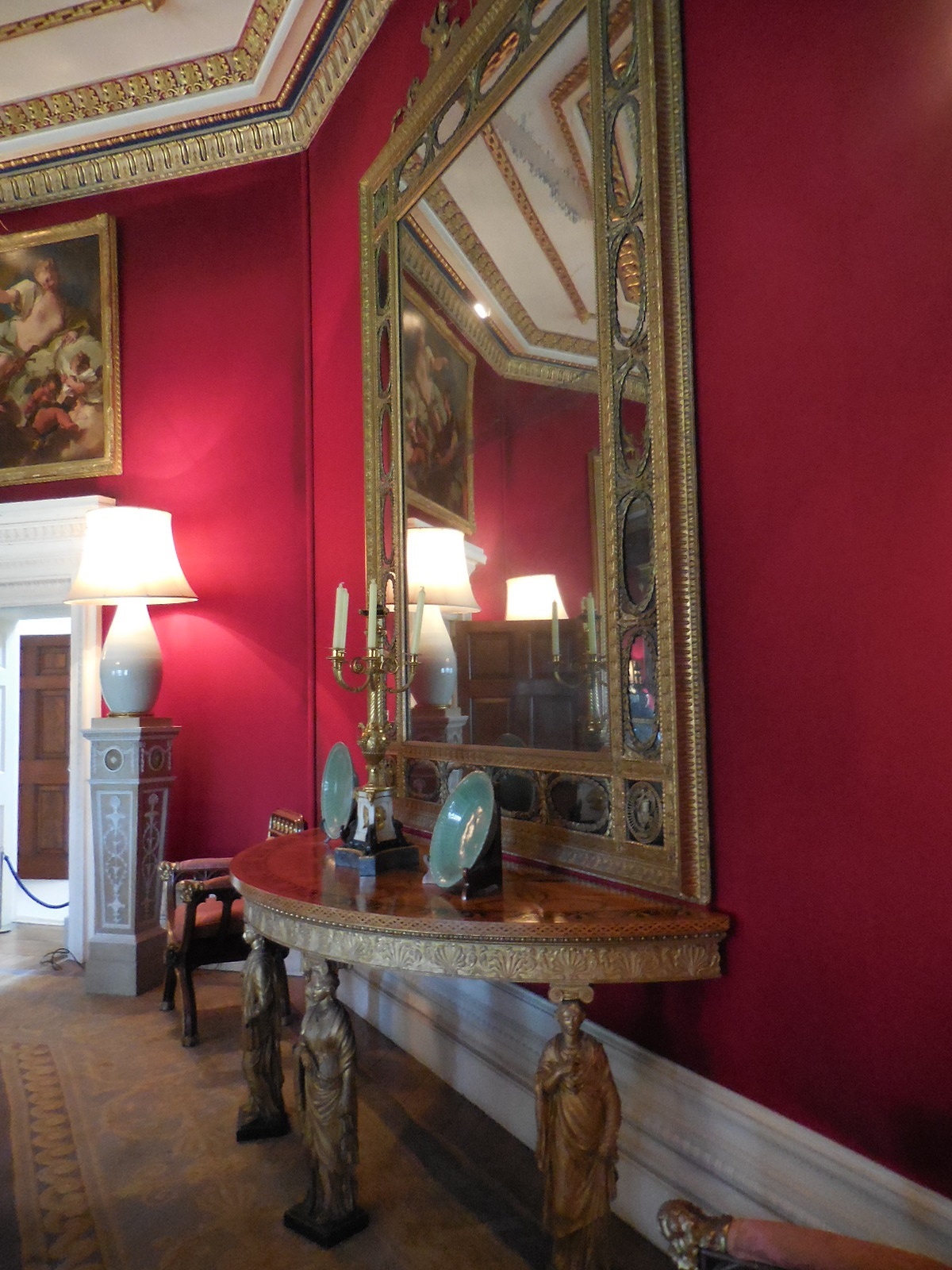
The library opens off the hall, magnificent yet cozy with its scarlet walls and huge book case. Who among us could resist sinking into the sofa with some selections from the shelves?

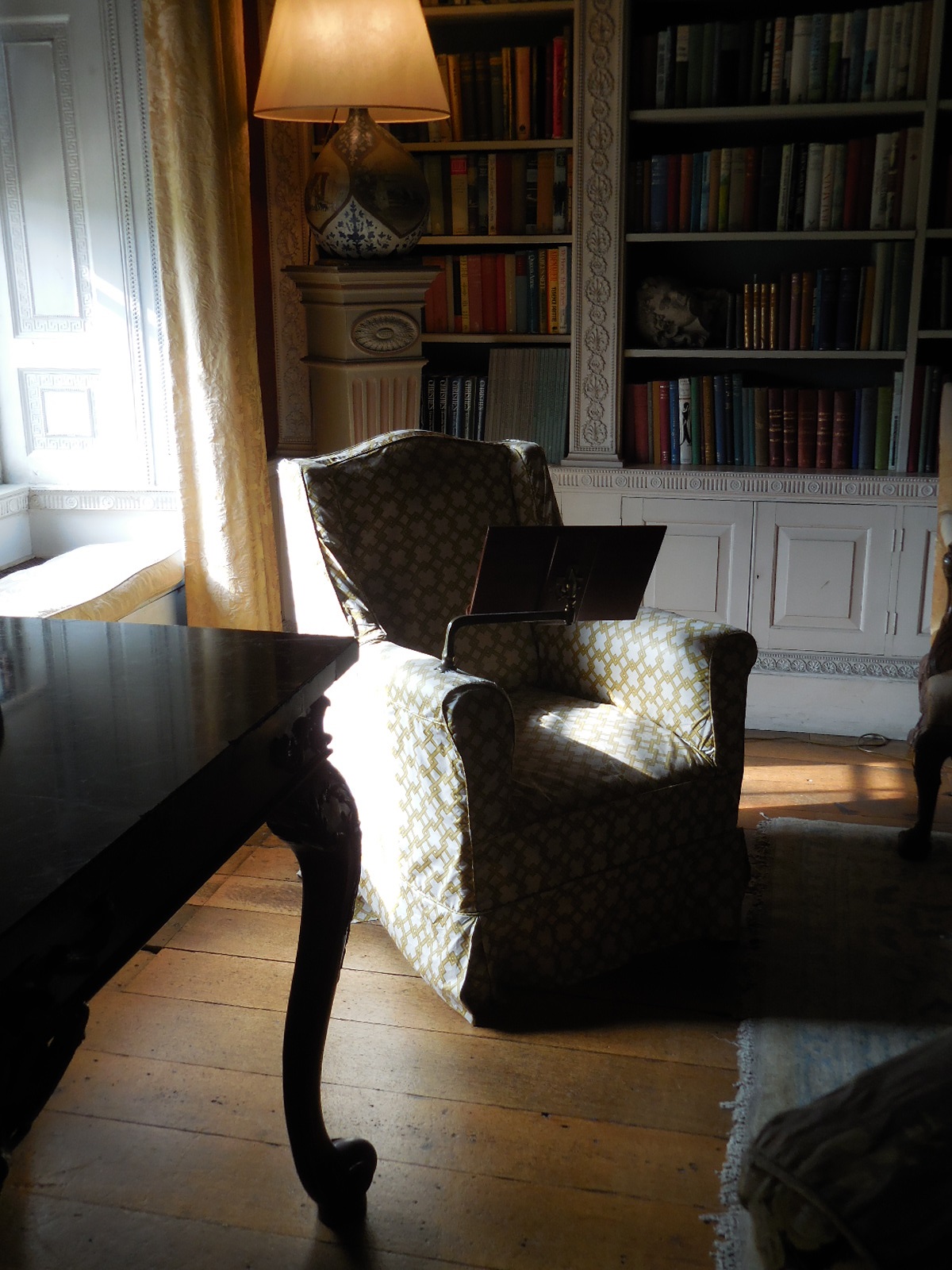

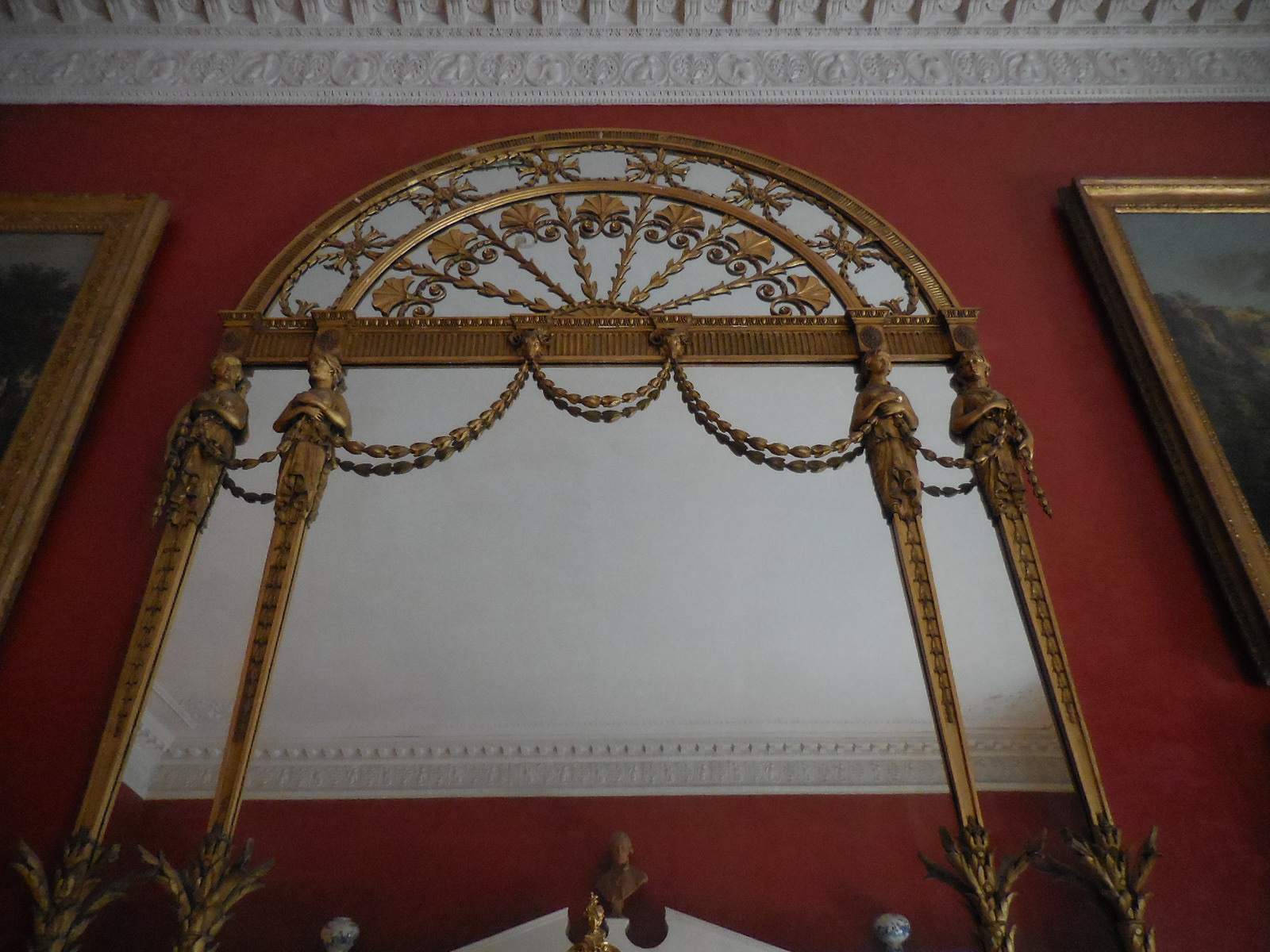
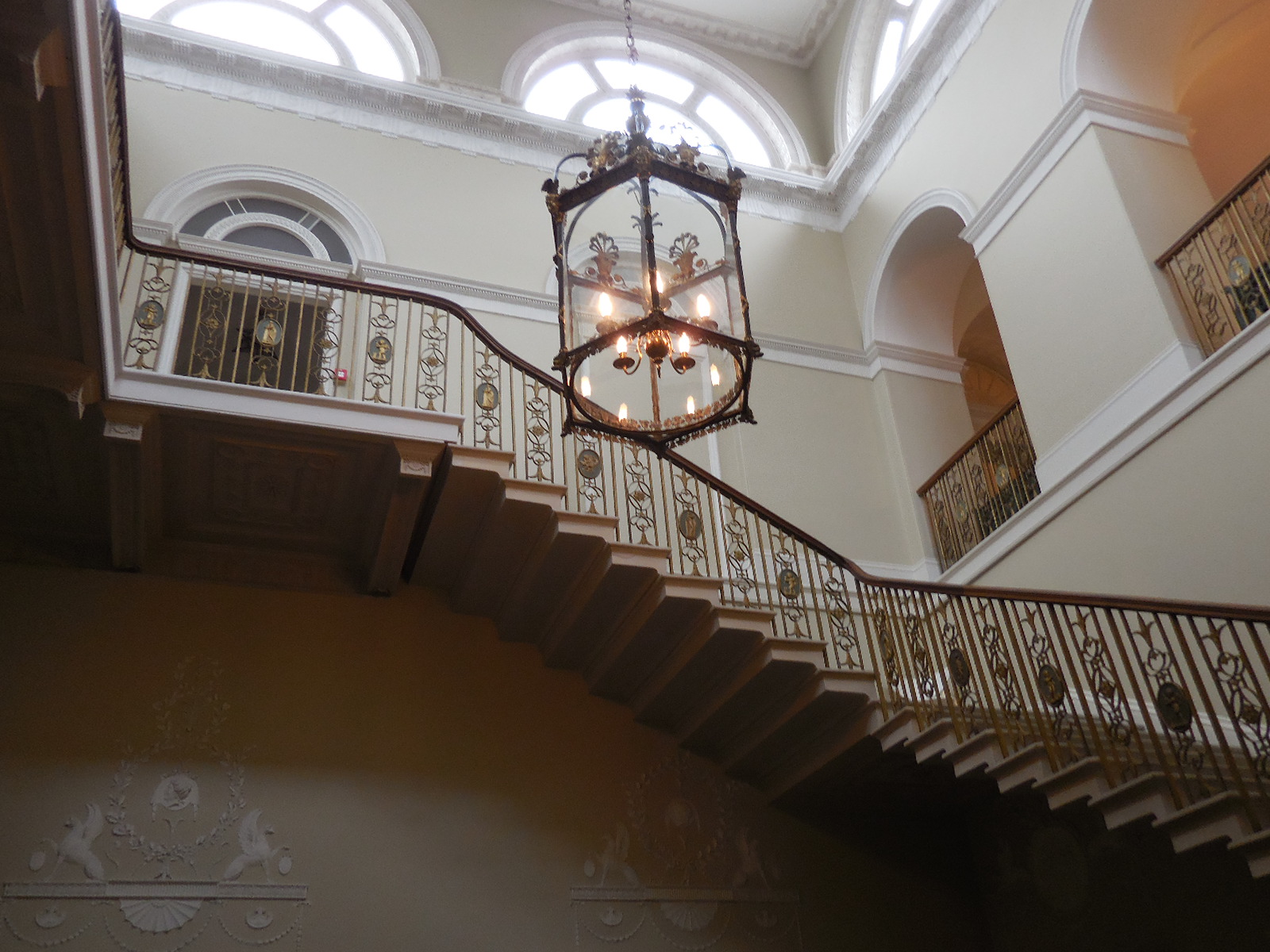
In the center of the house is the grand staircase, and Donna is shown admiring the piano and pianist who entertained us as we roamed the rooms.

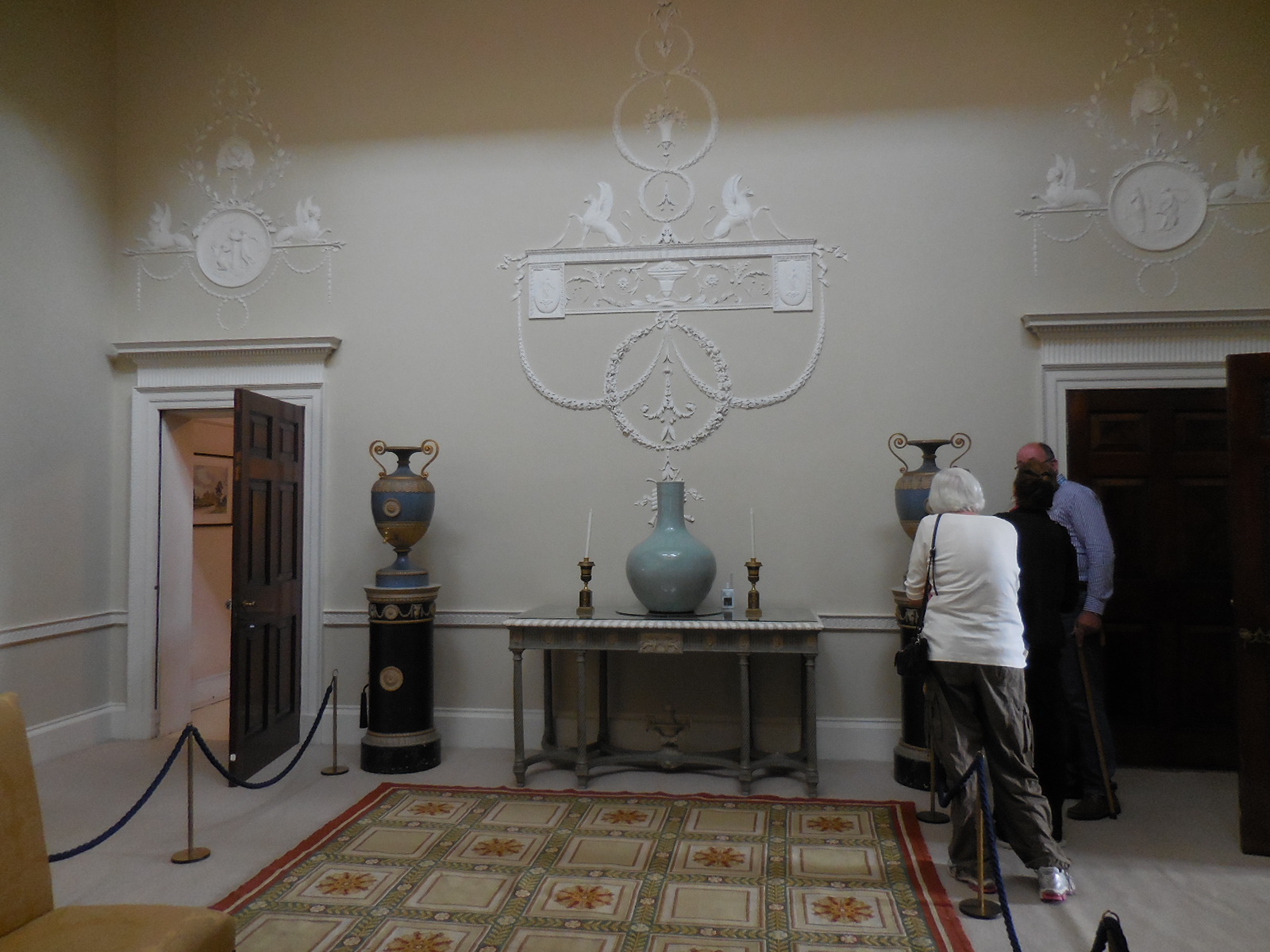
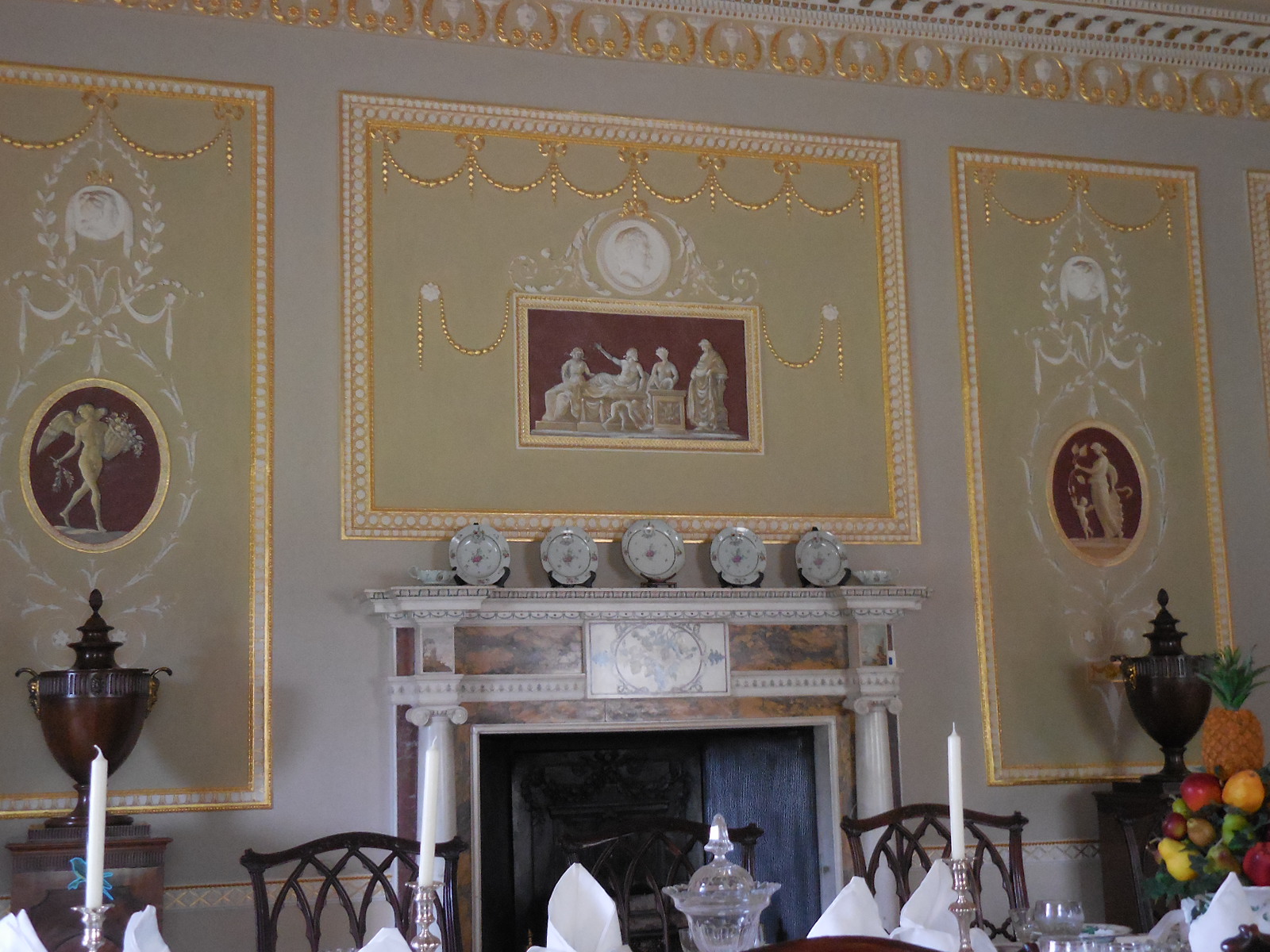
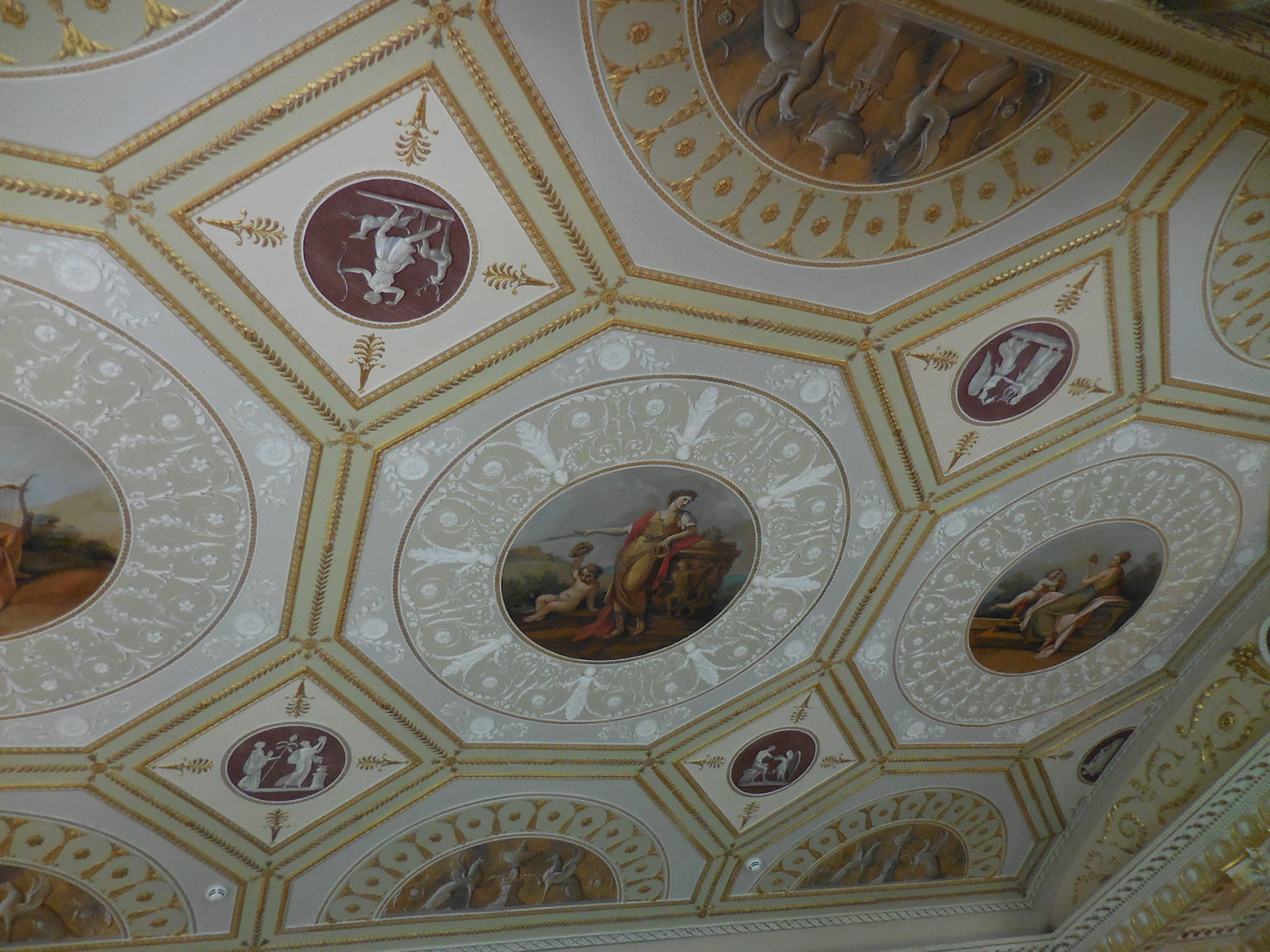
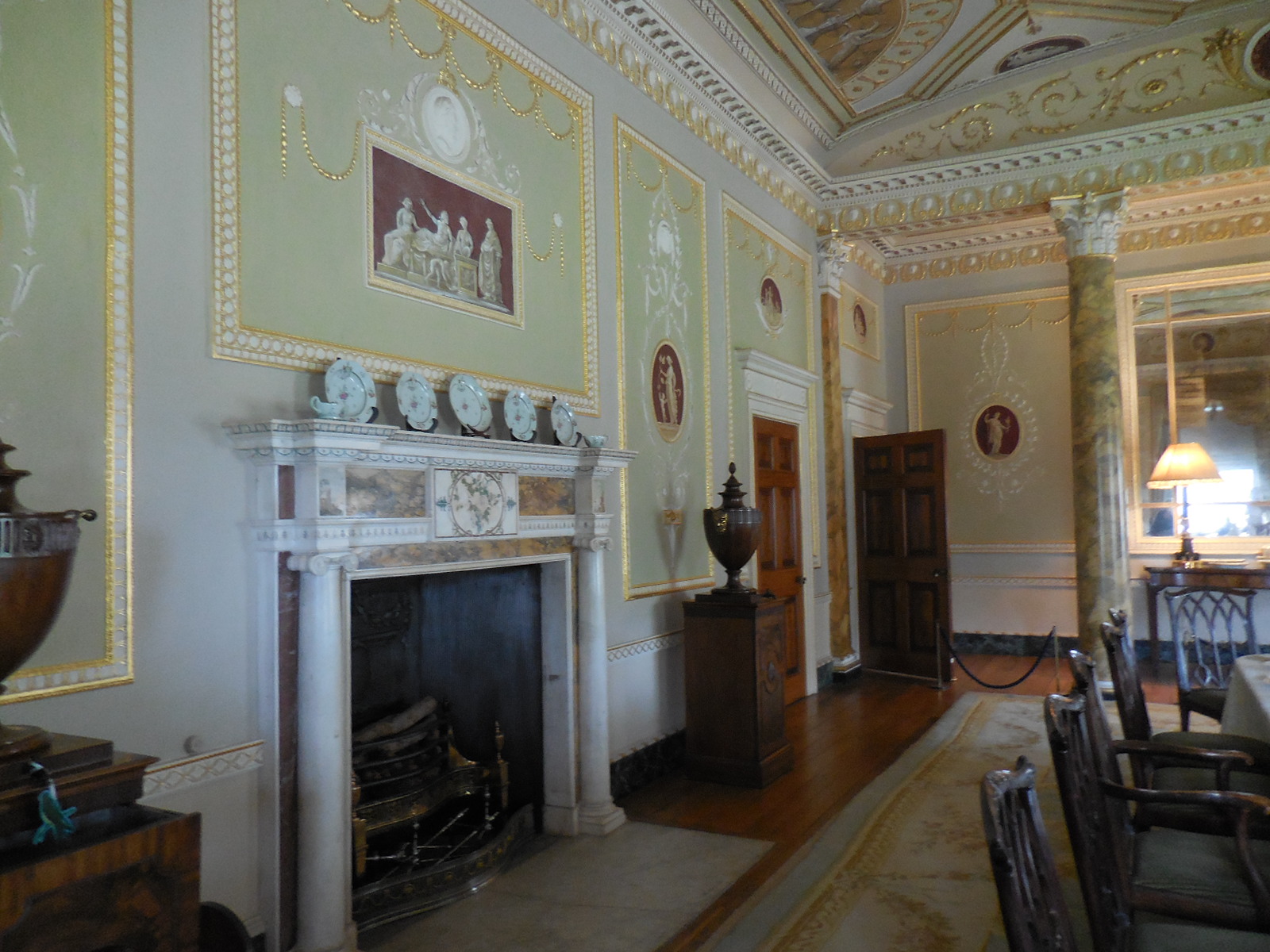
In the dining room, more influences of the Adam Brothers are found in the wall decoration.
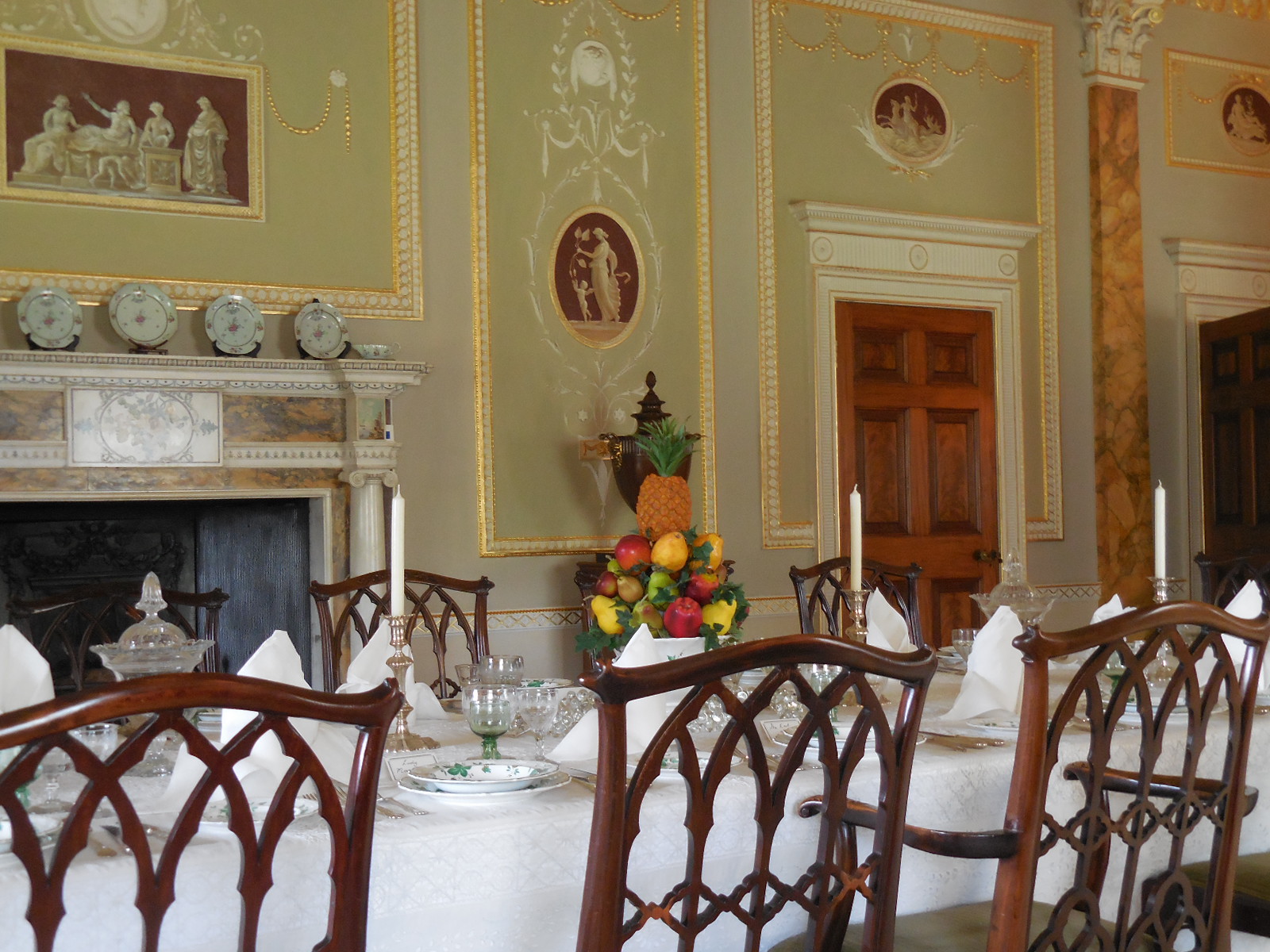


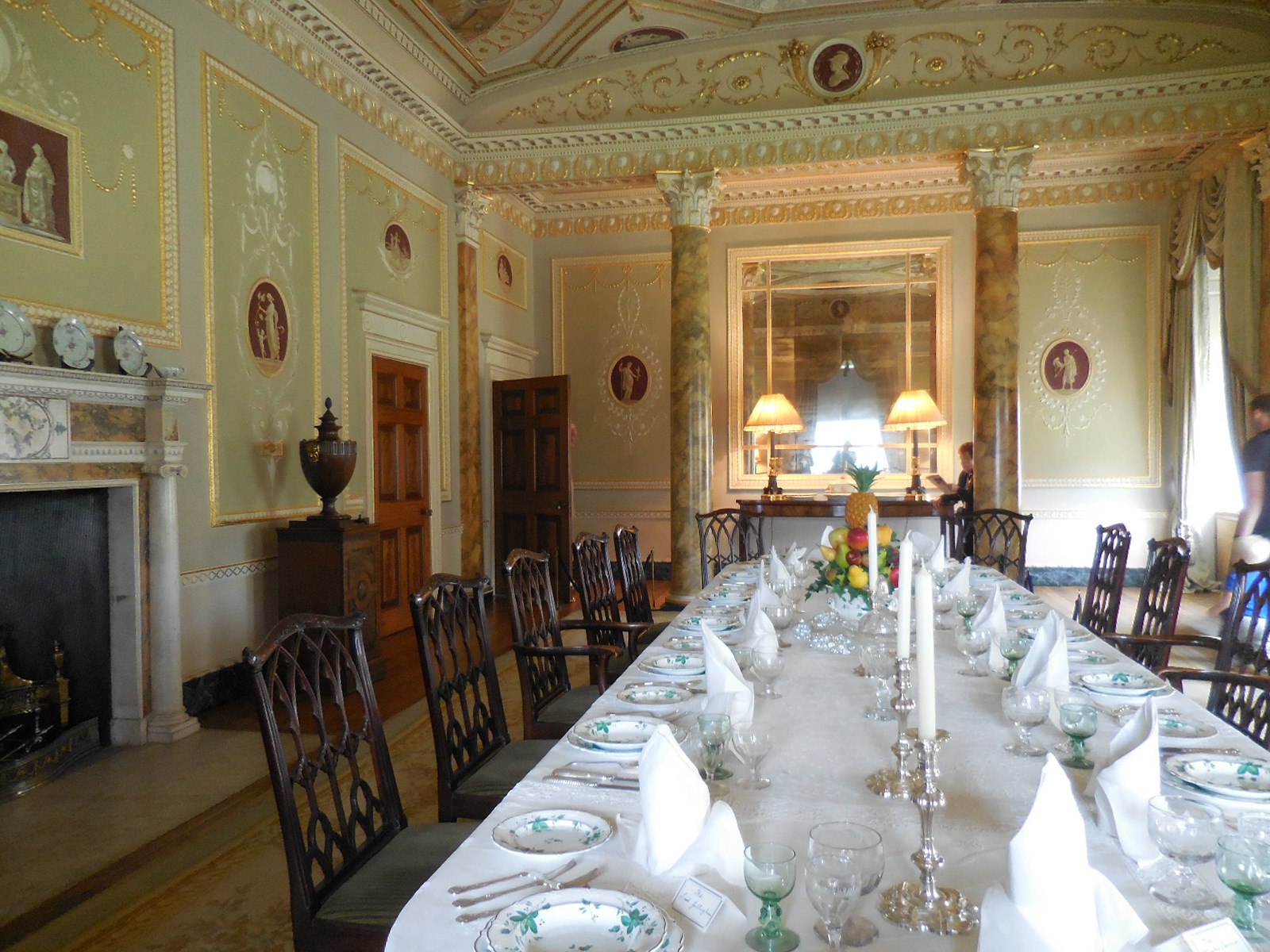
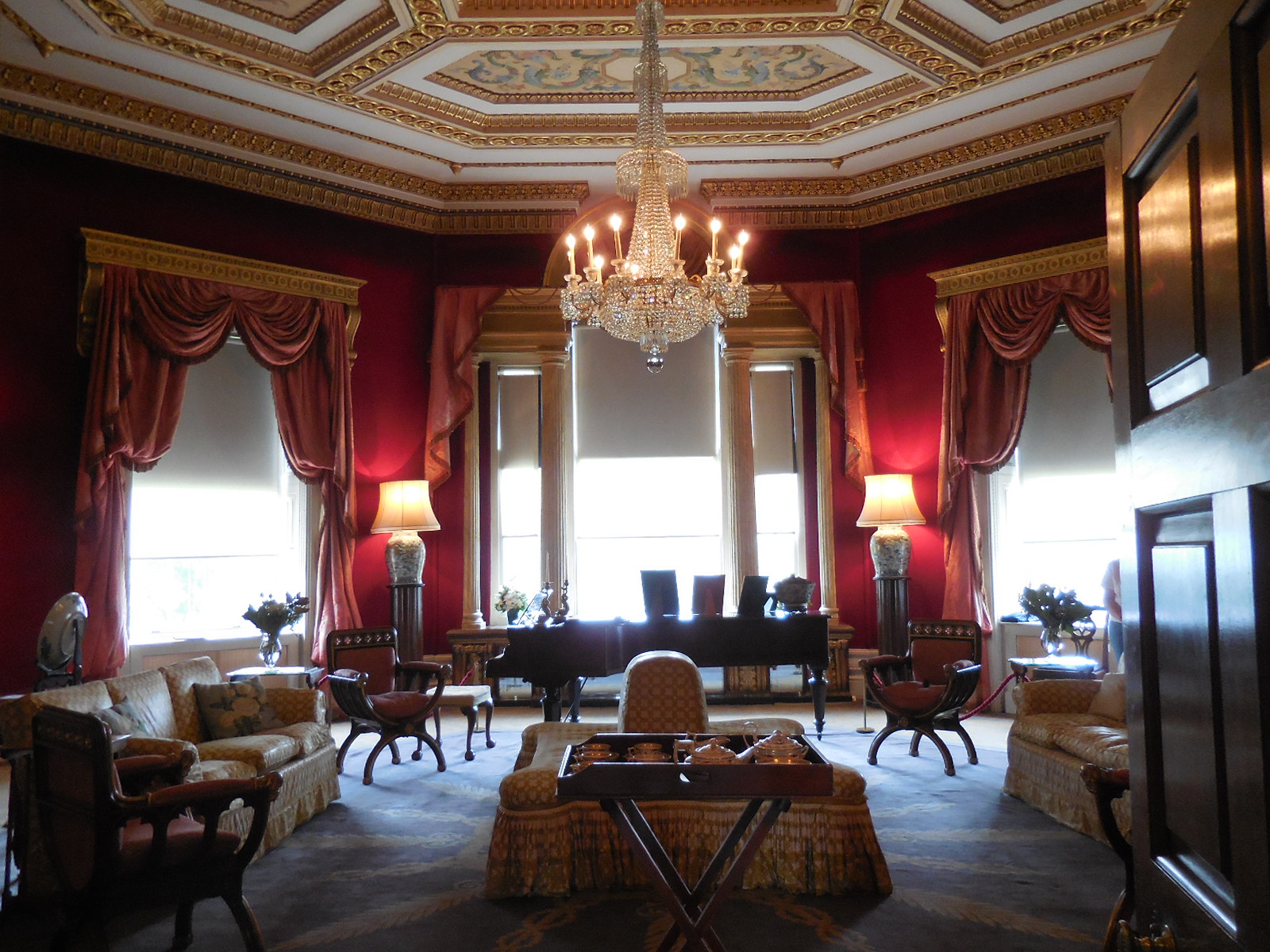
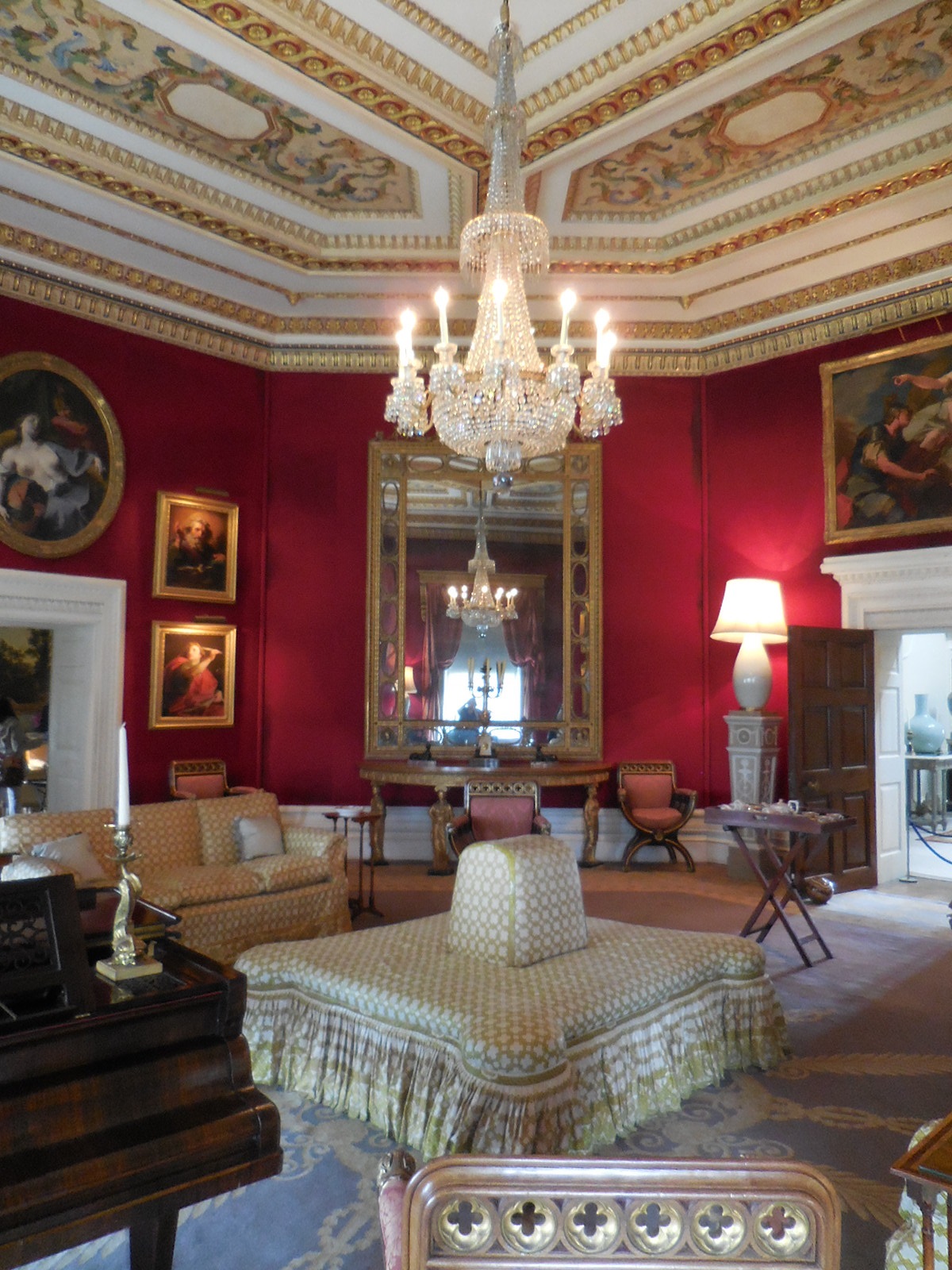
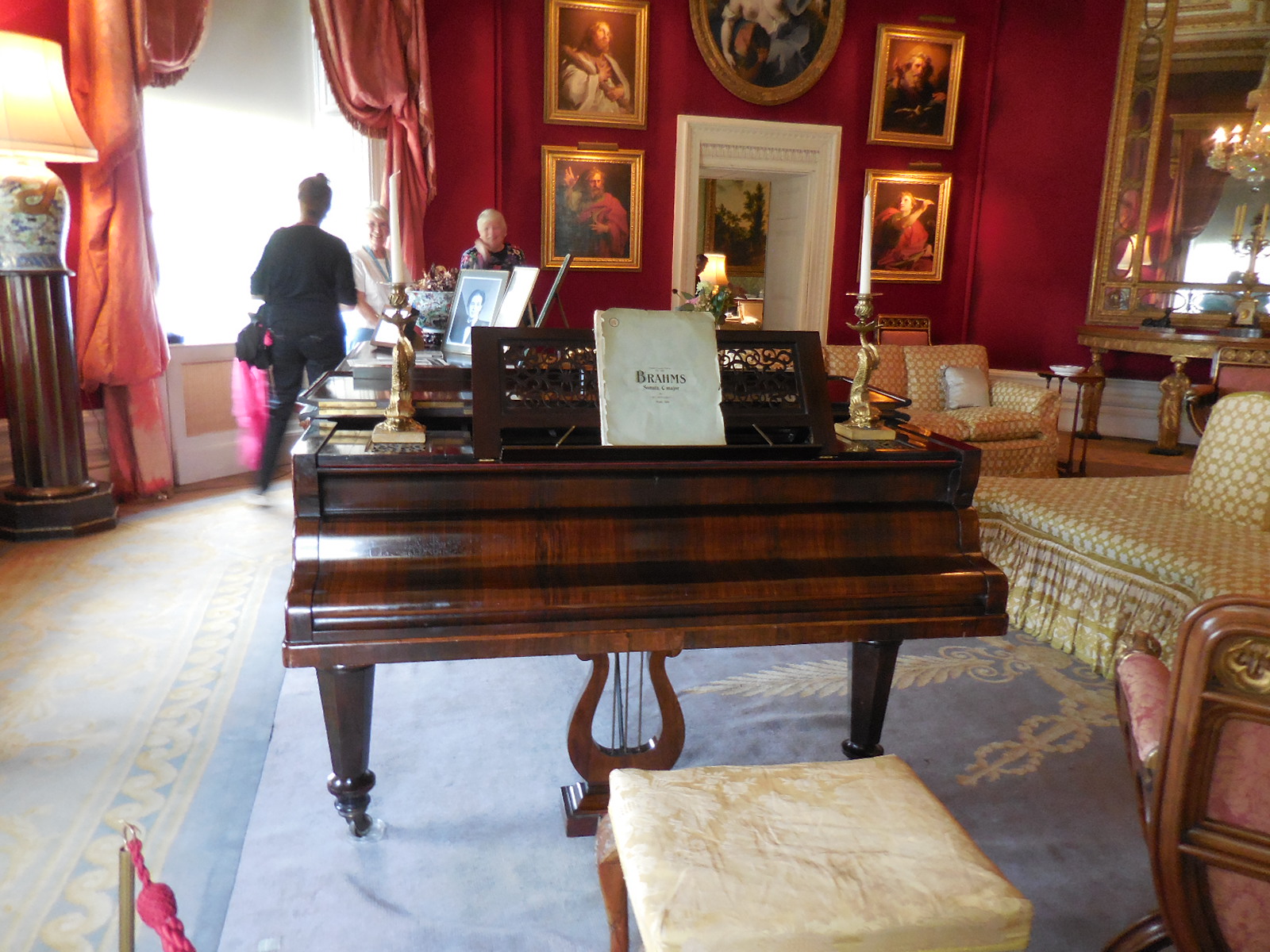
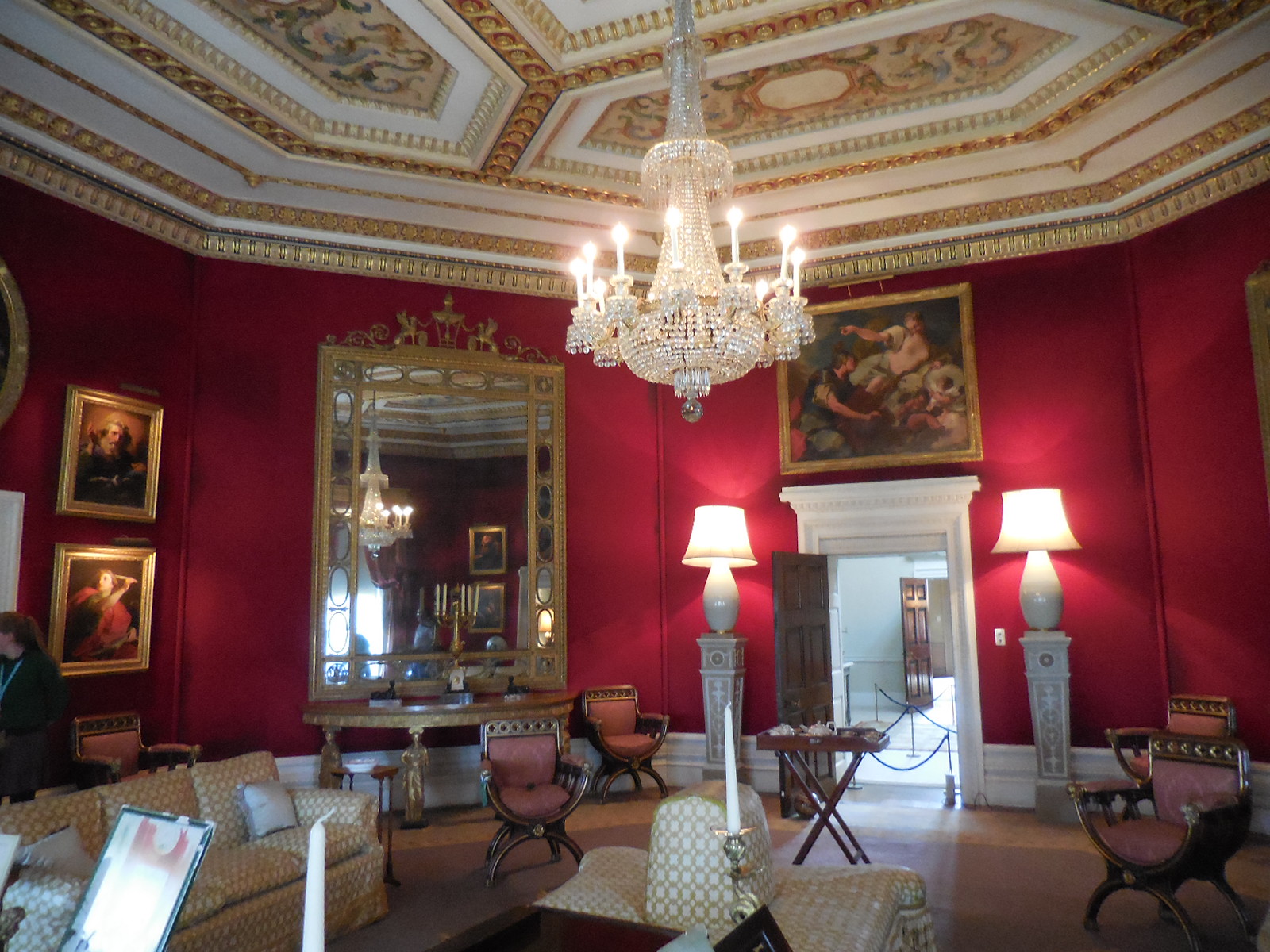

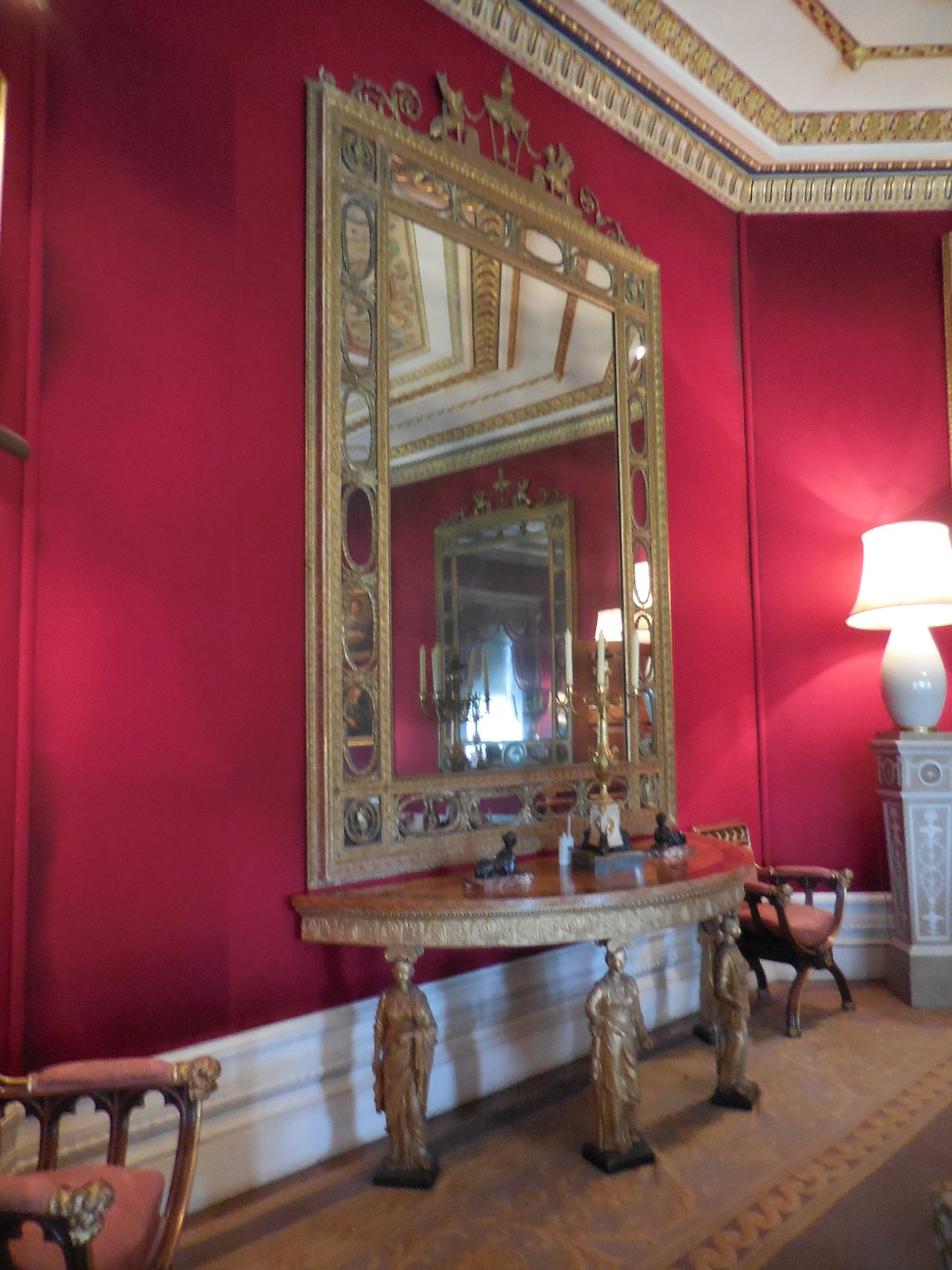
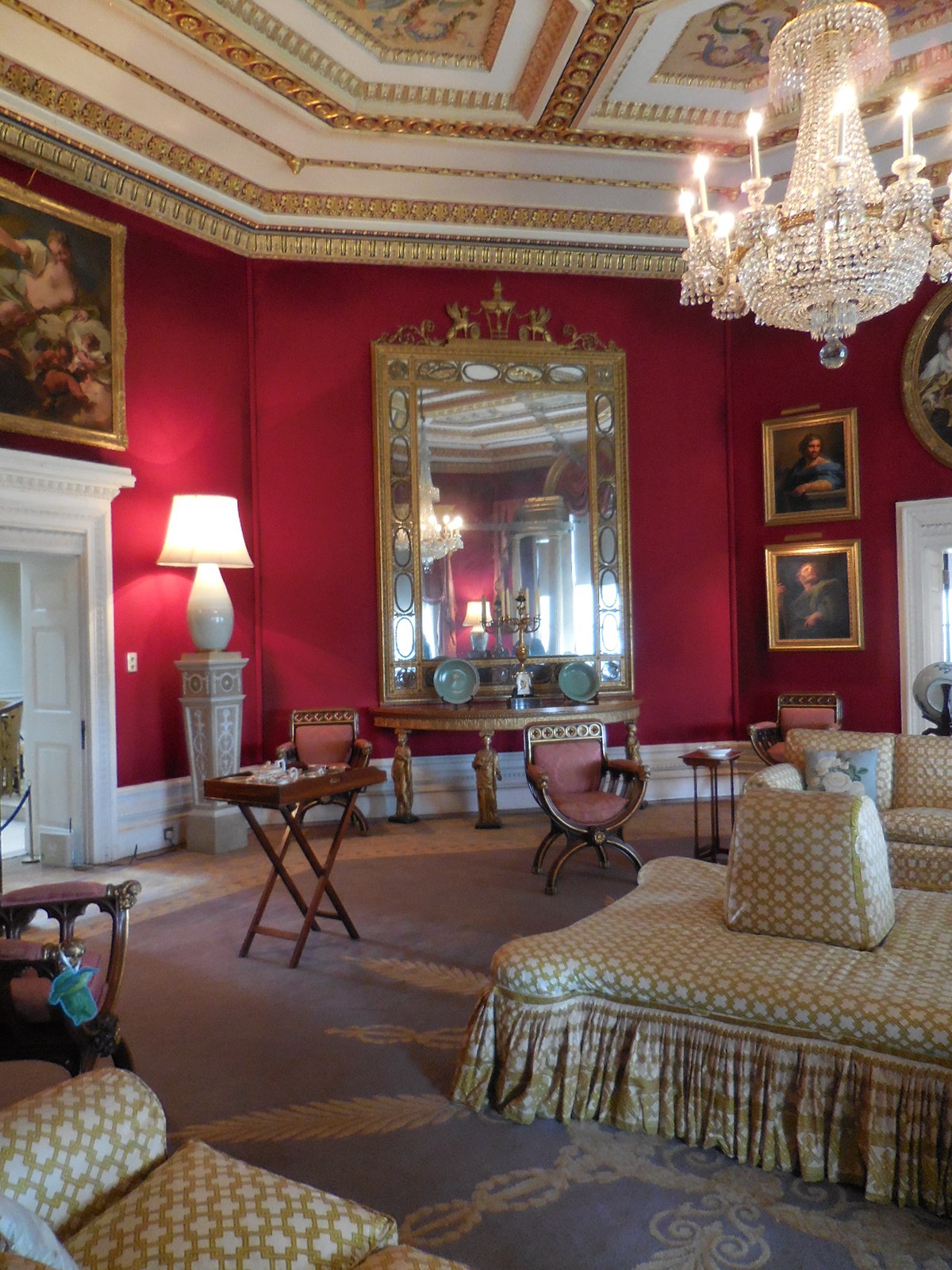
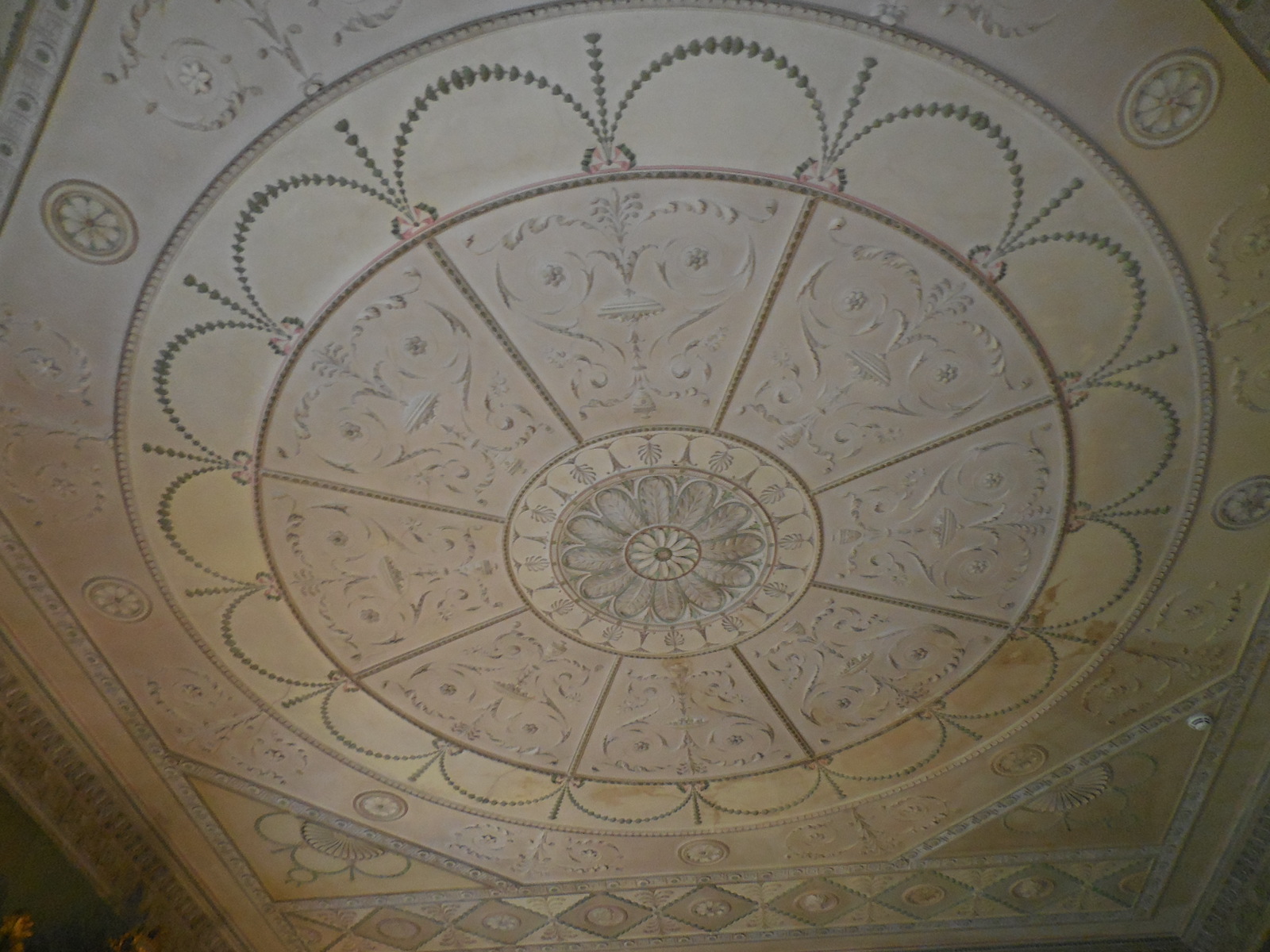
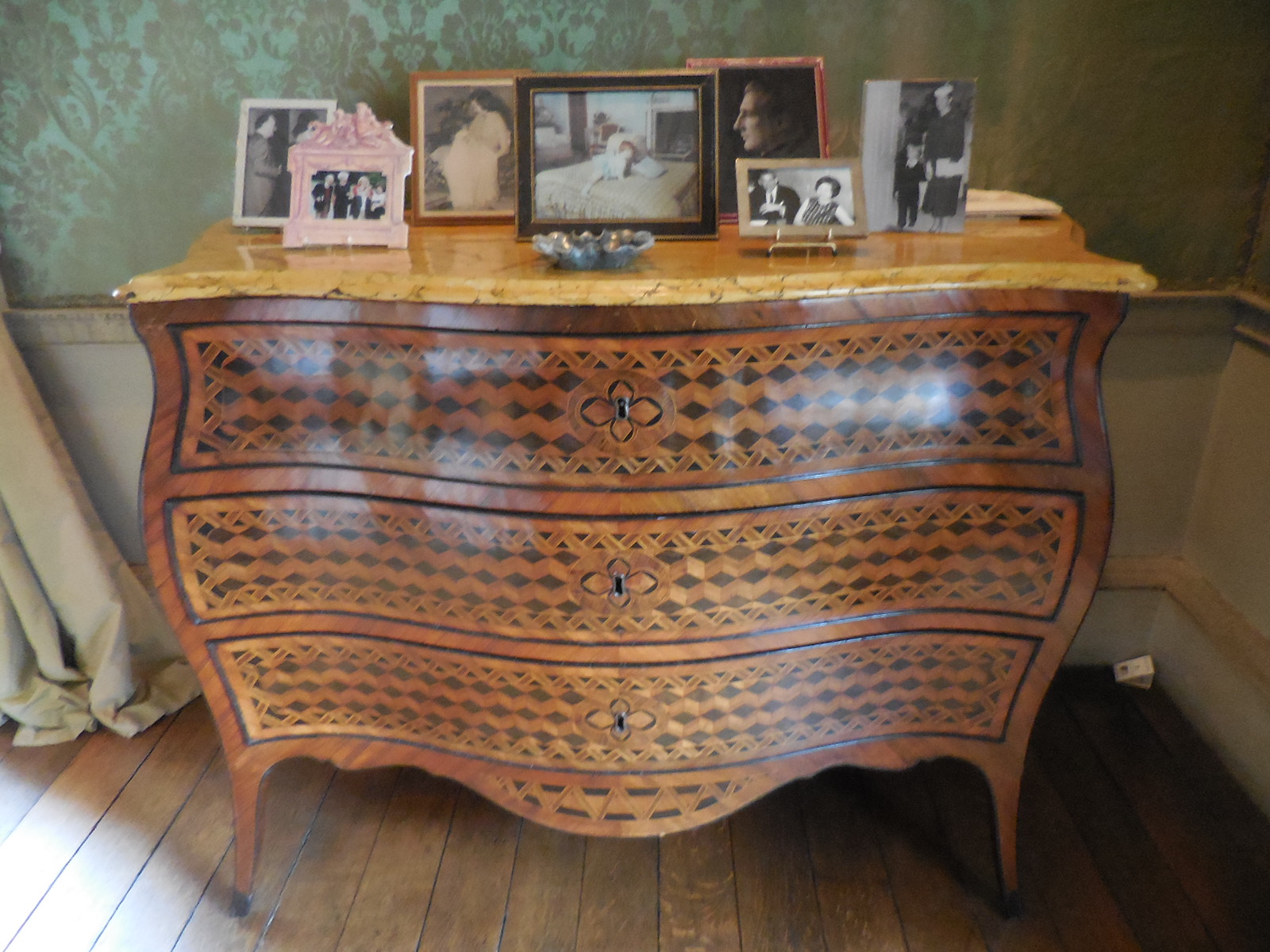
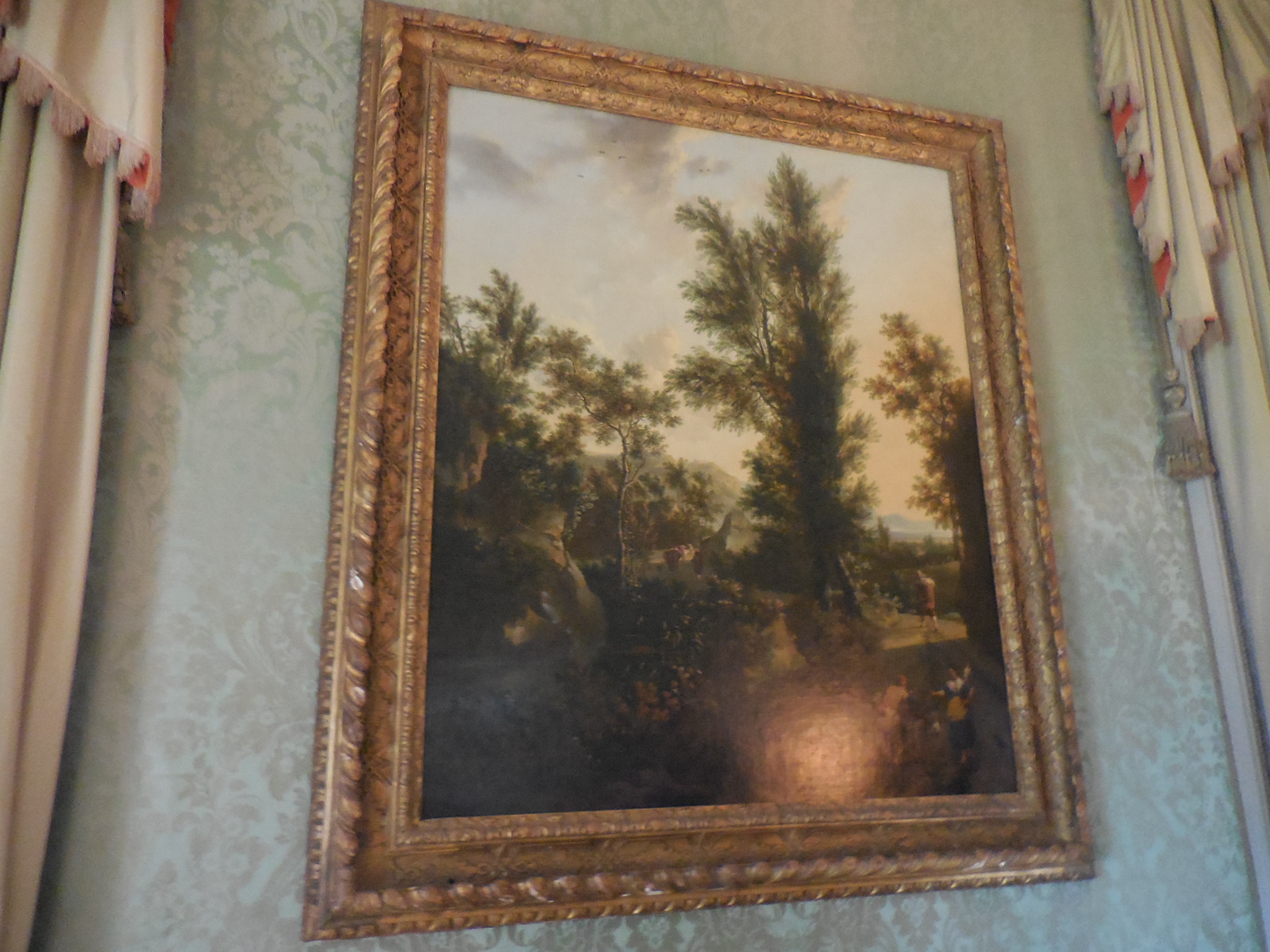
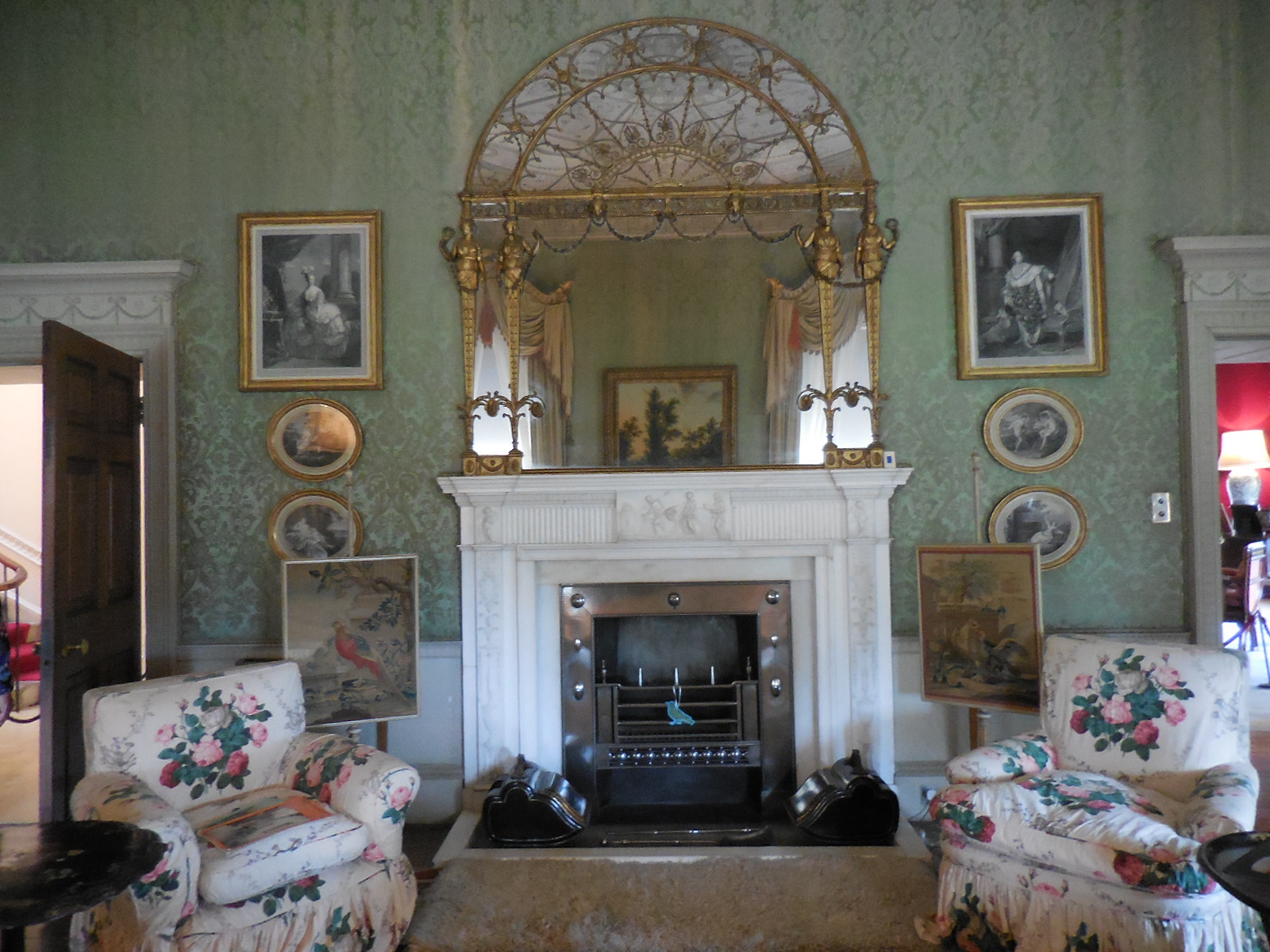
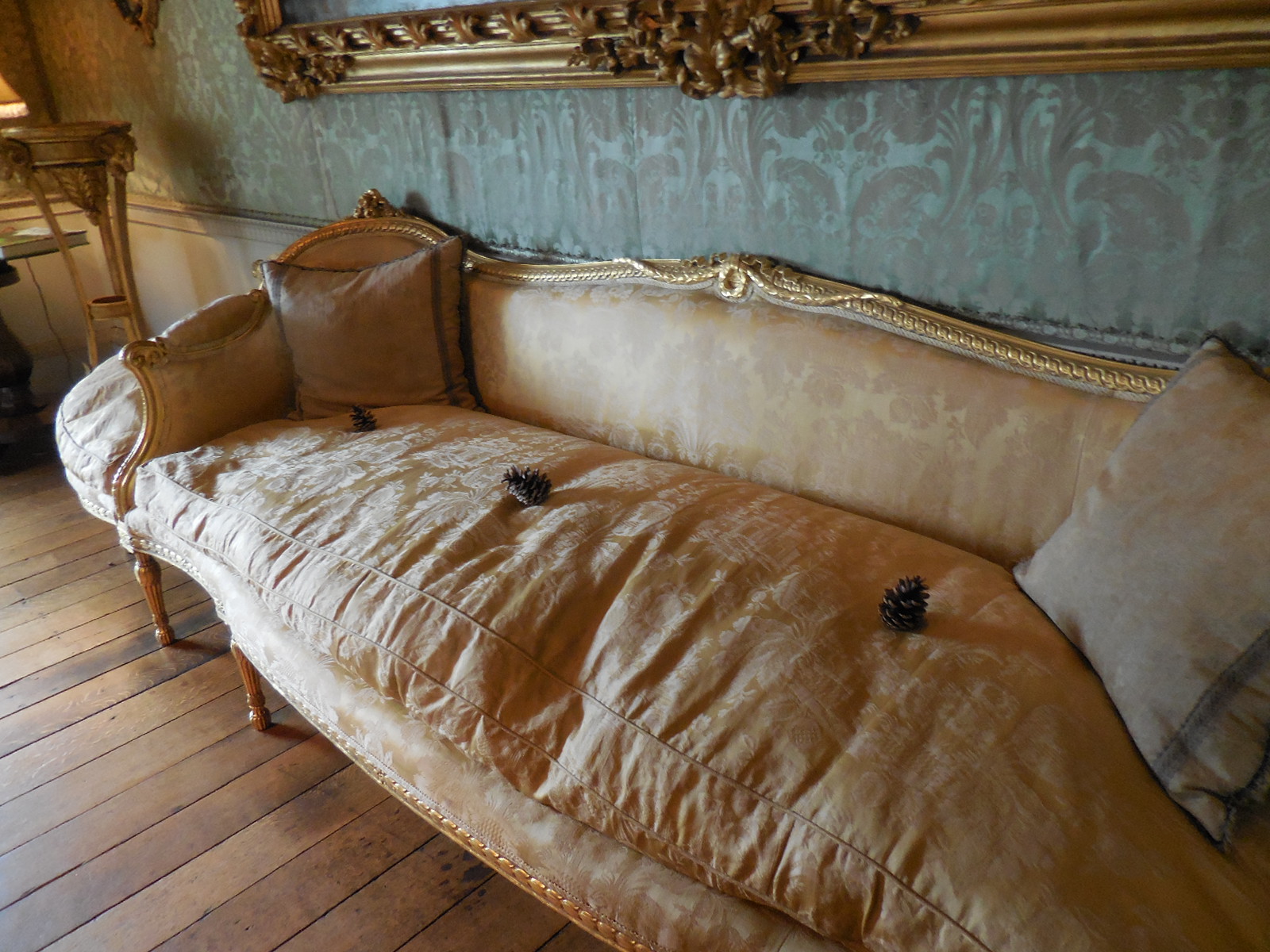


The first floor. 1: The four service courts; 2: Portico and West front; 3: North Pavilion; 4: South Pavilion; 5: Entrance Hall; 6: Staircase Hall; 7: Octagon Drawing Room; 8: Dining Room; 9: Study; 10: Library; 11: Sutherland Room (formerly lady Iliffe’s sitting room); 12: Kitchen (since 1952); 13: larder (?); 14: Green Drawing Room (formerly Breakfast or Small Dining Room).
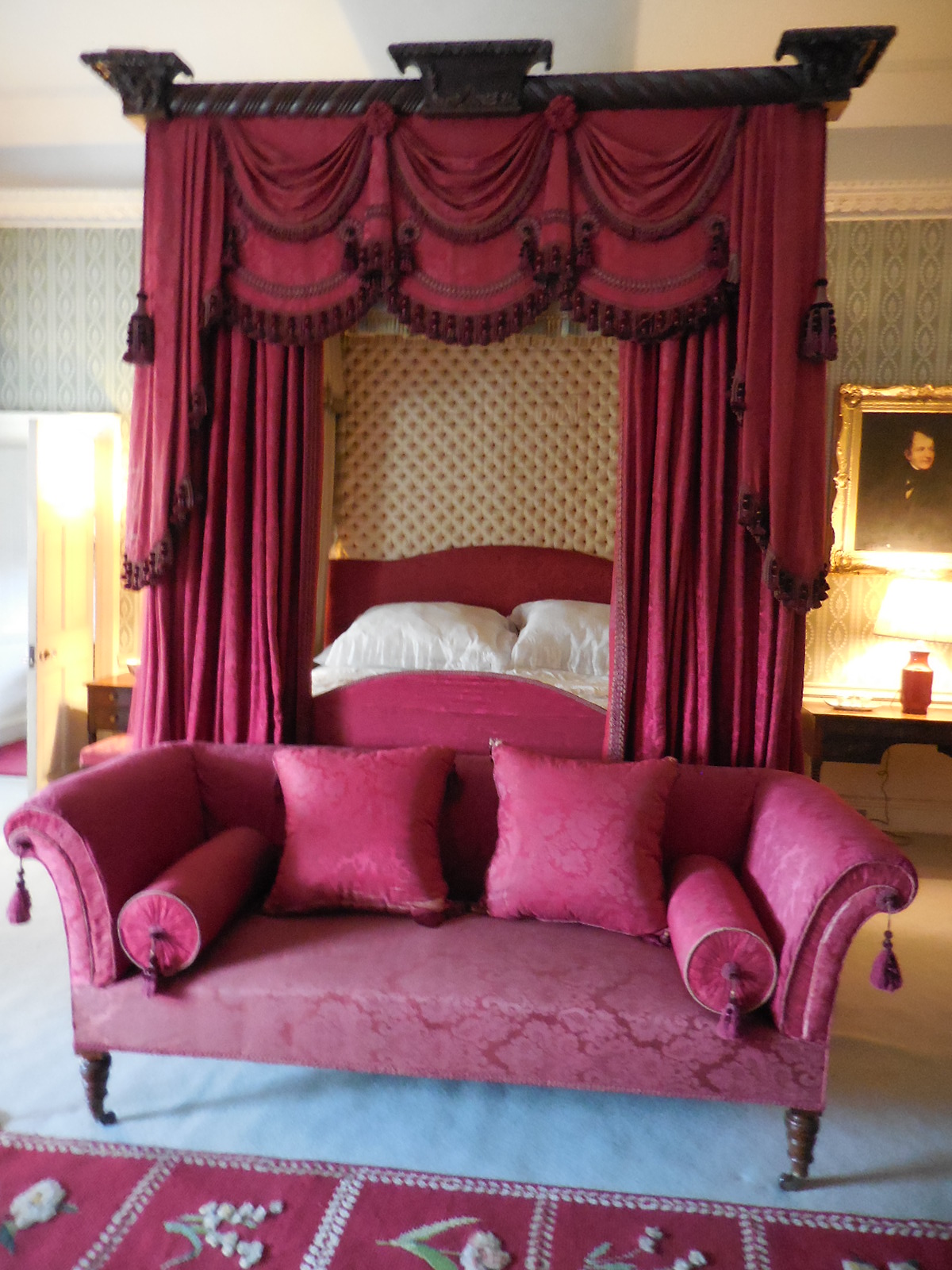
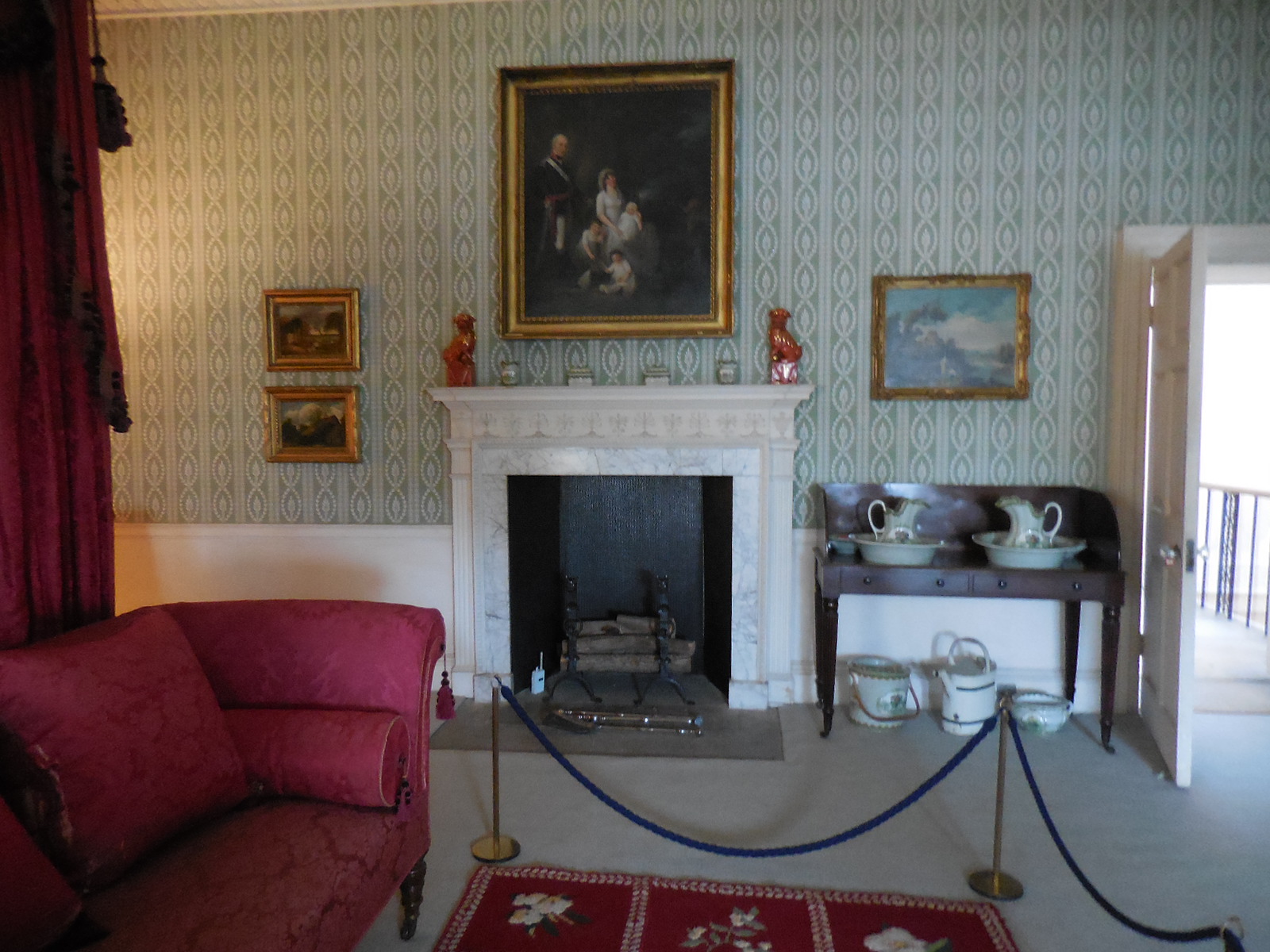

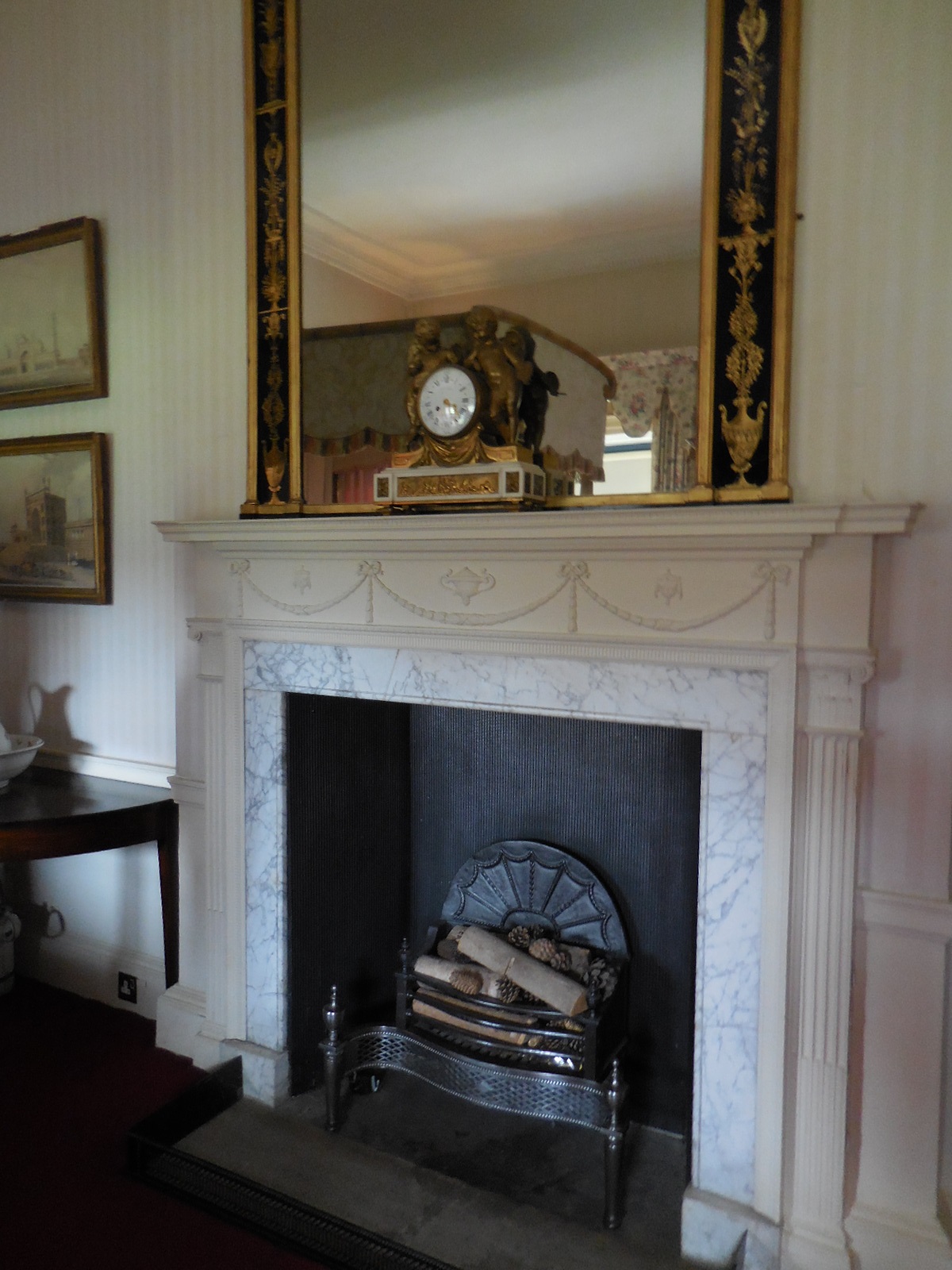
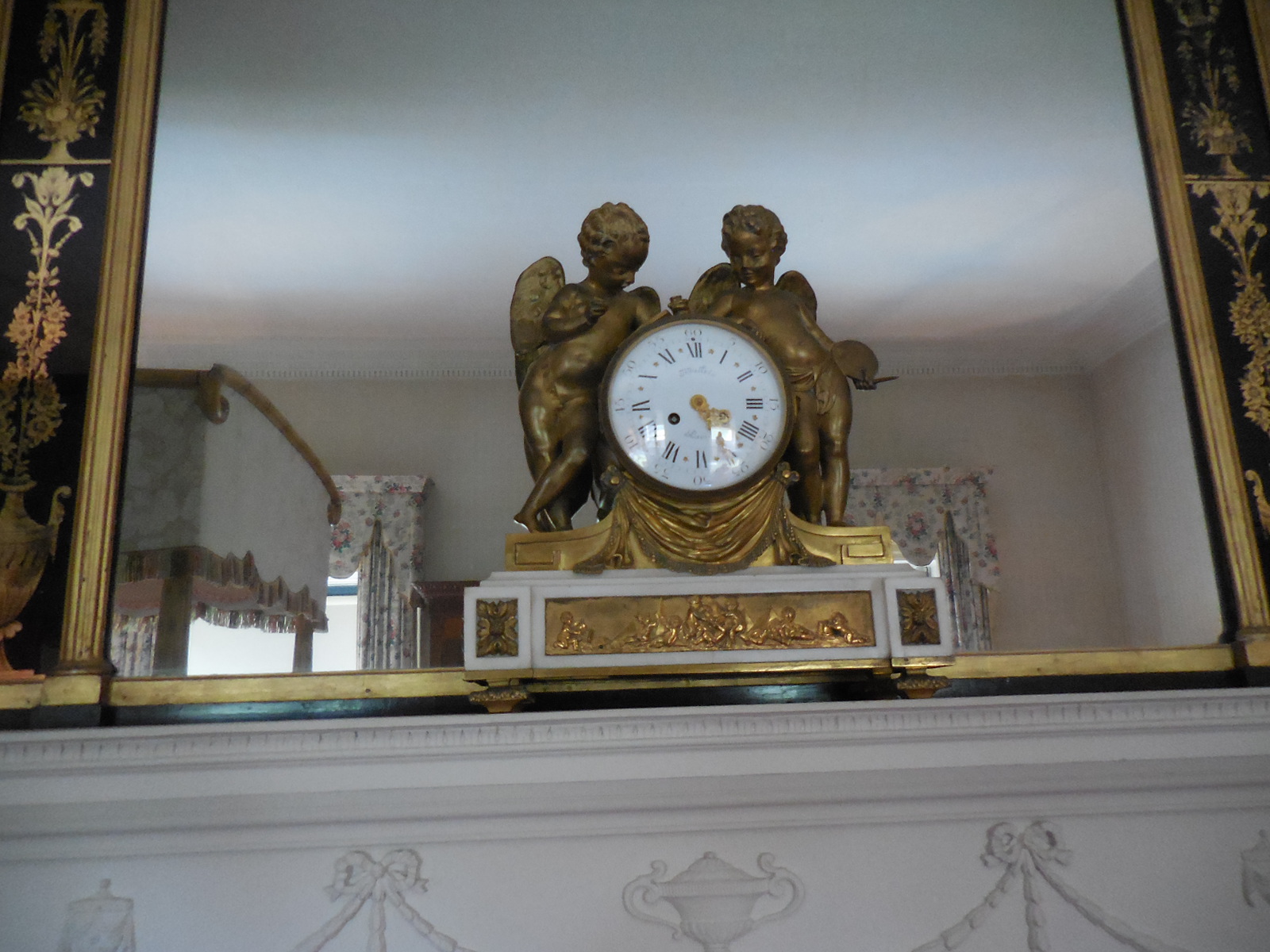
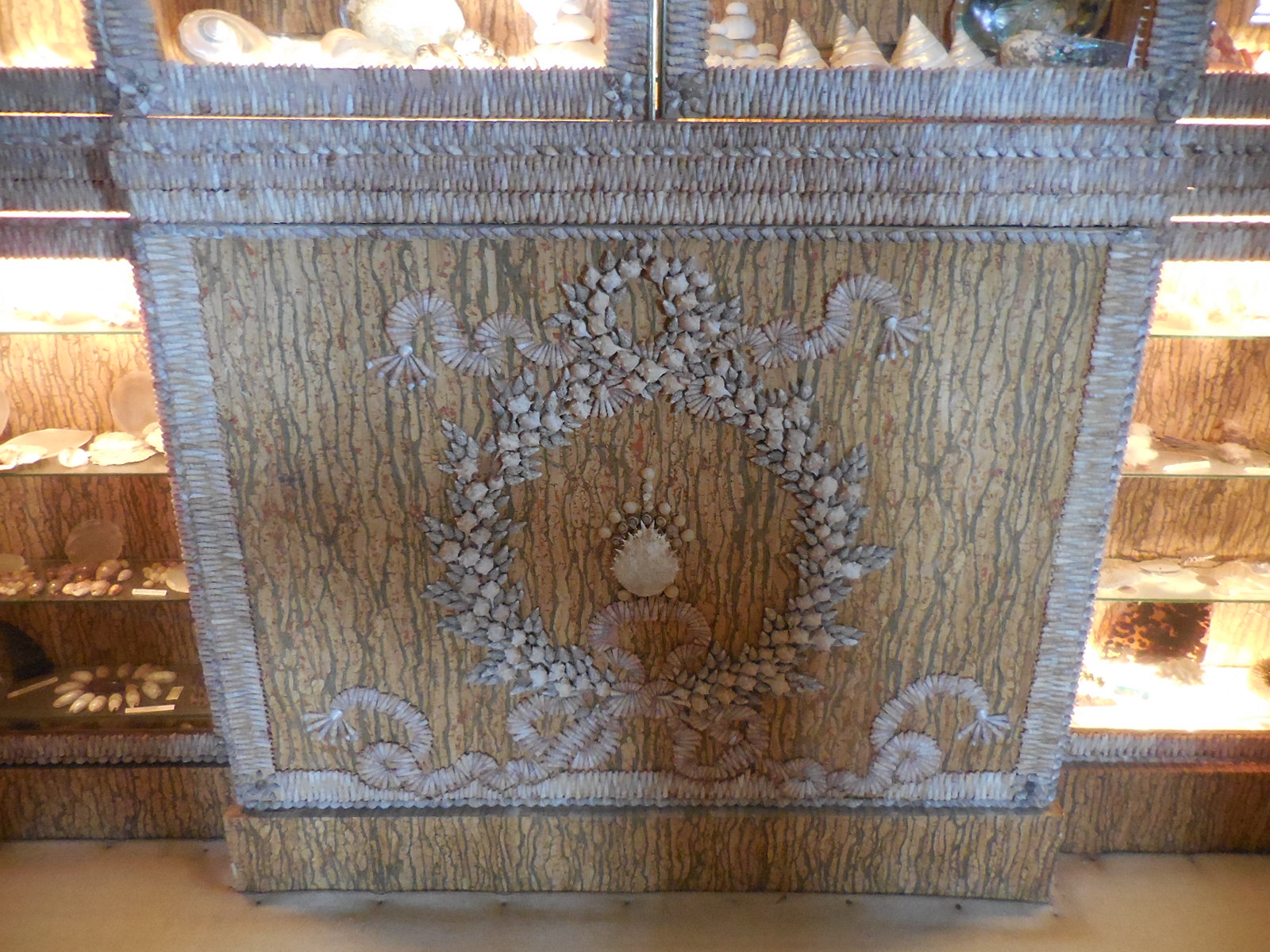
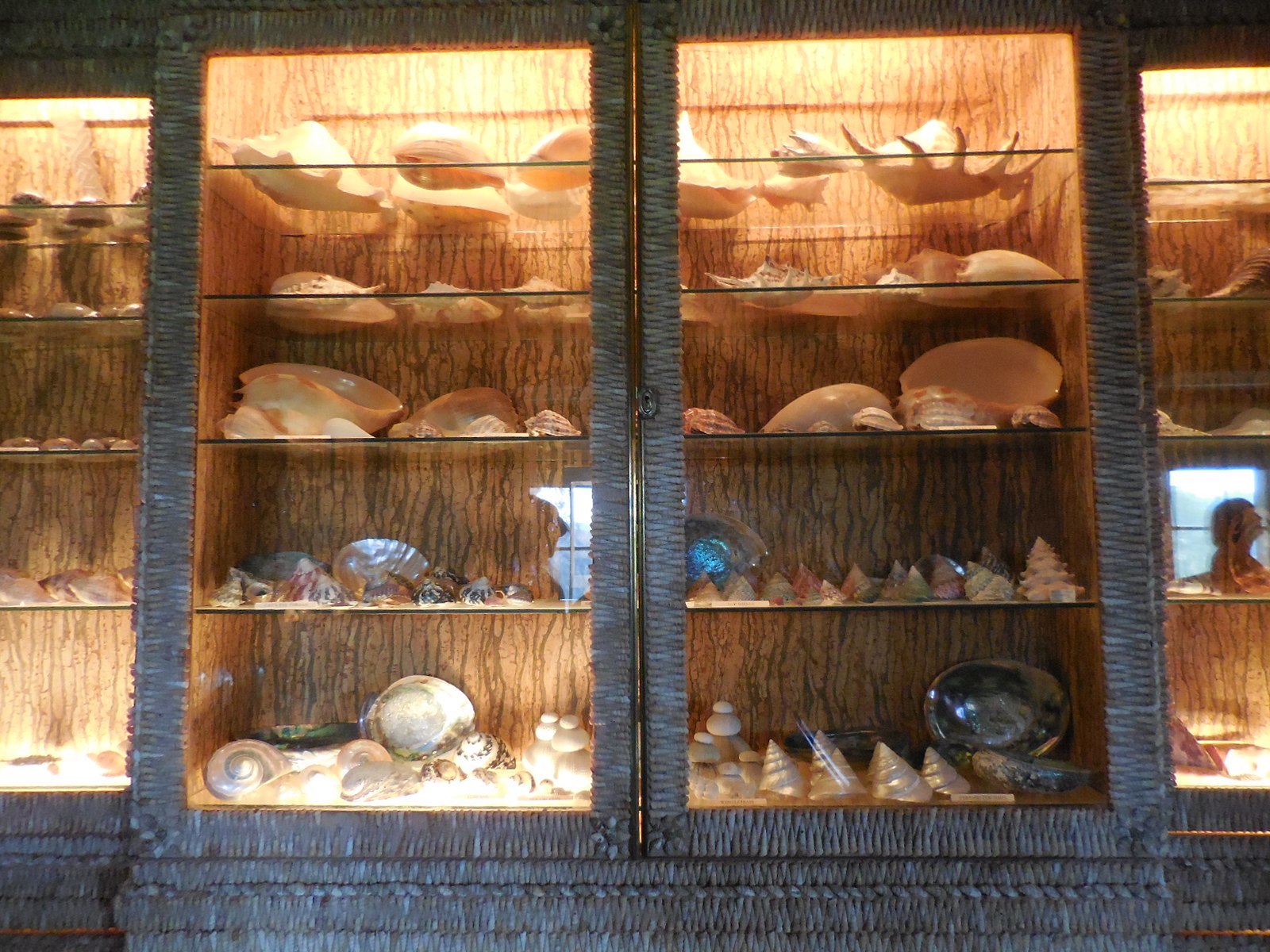
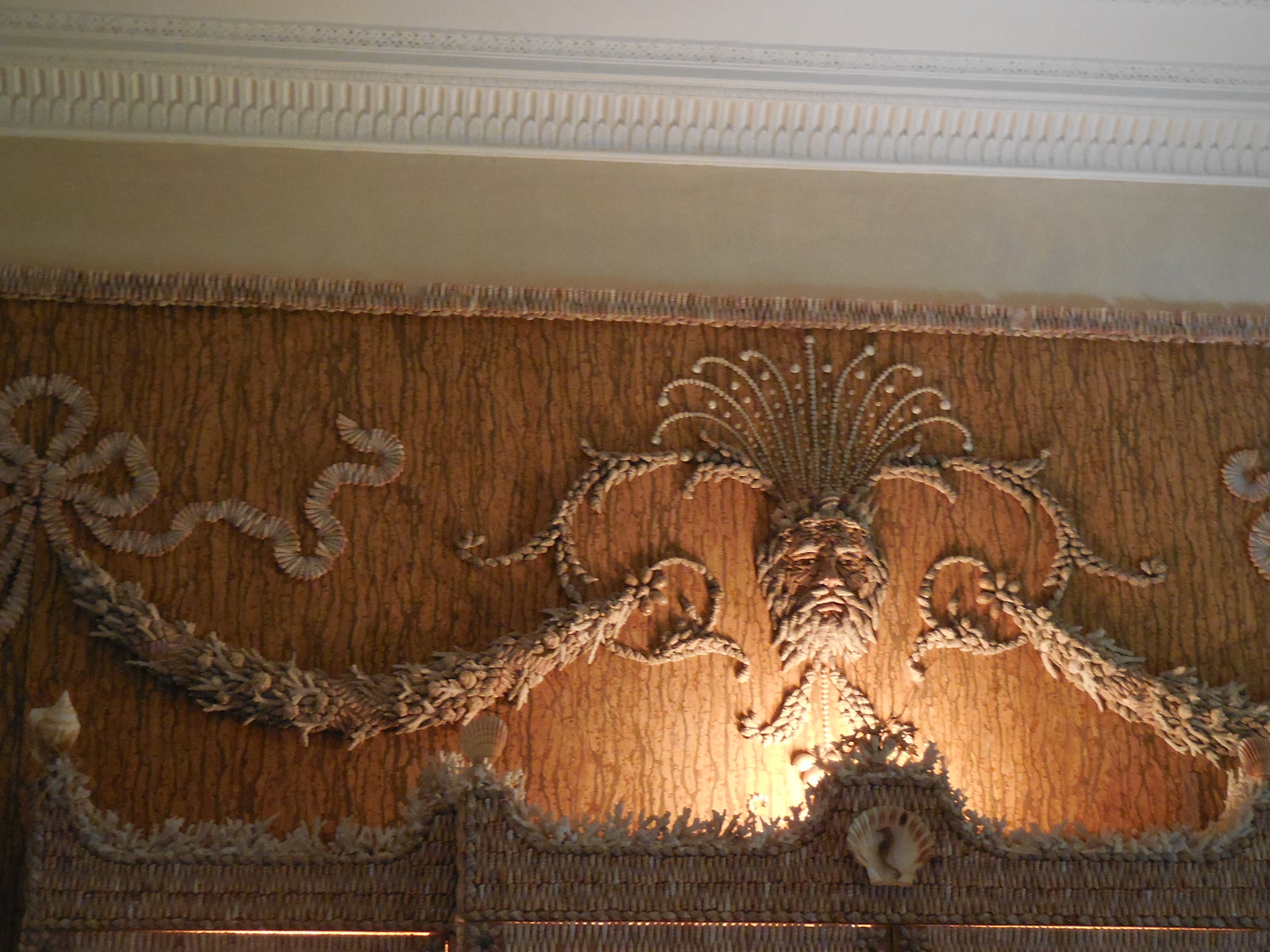
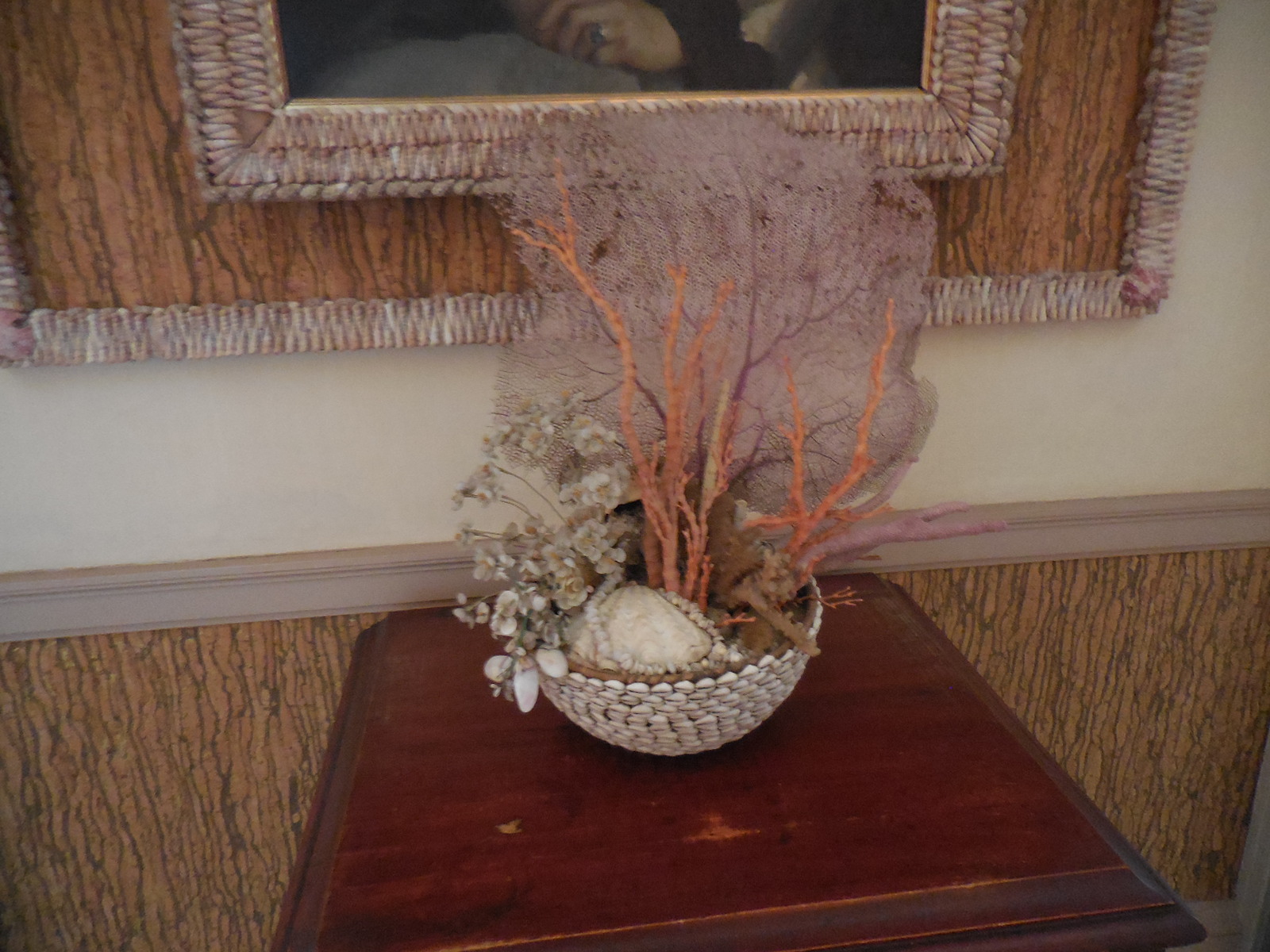
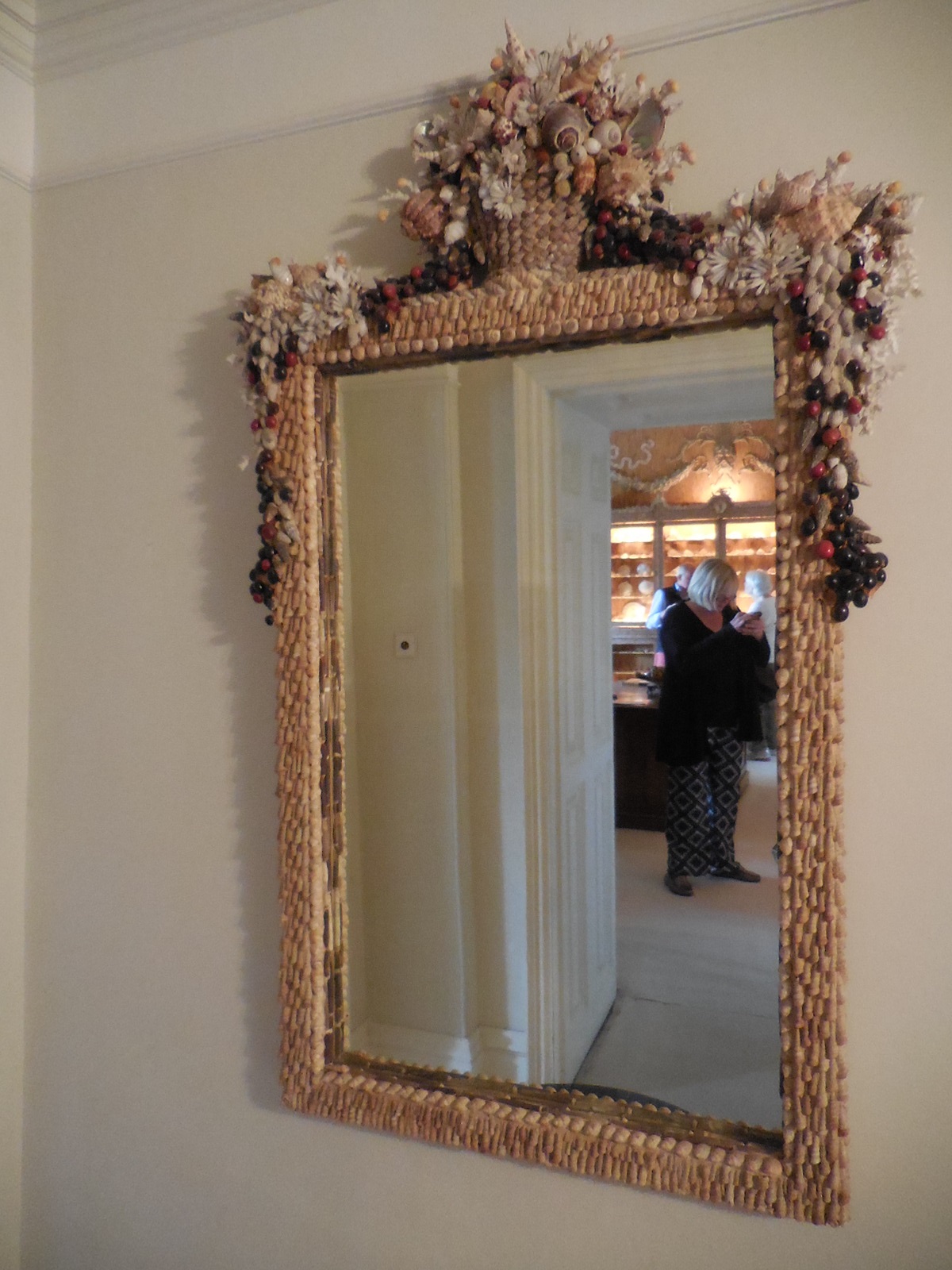
The Shell Room was probably an upstairs sitting room, now the home of a collection of shells collected by Lord Iliffe’s mother.
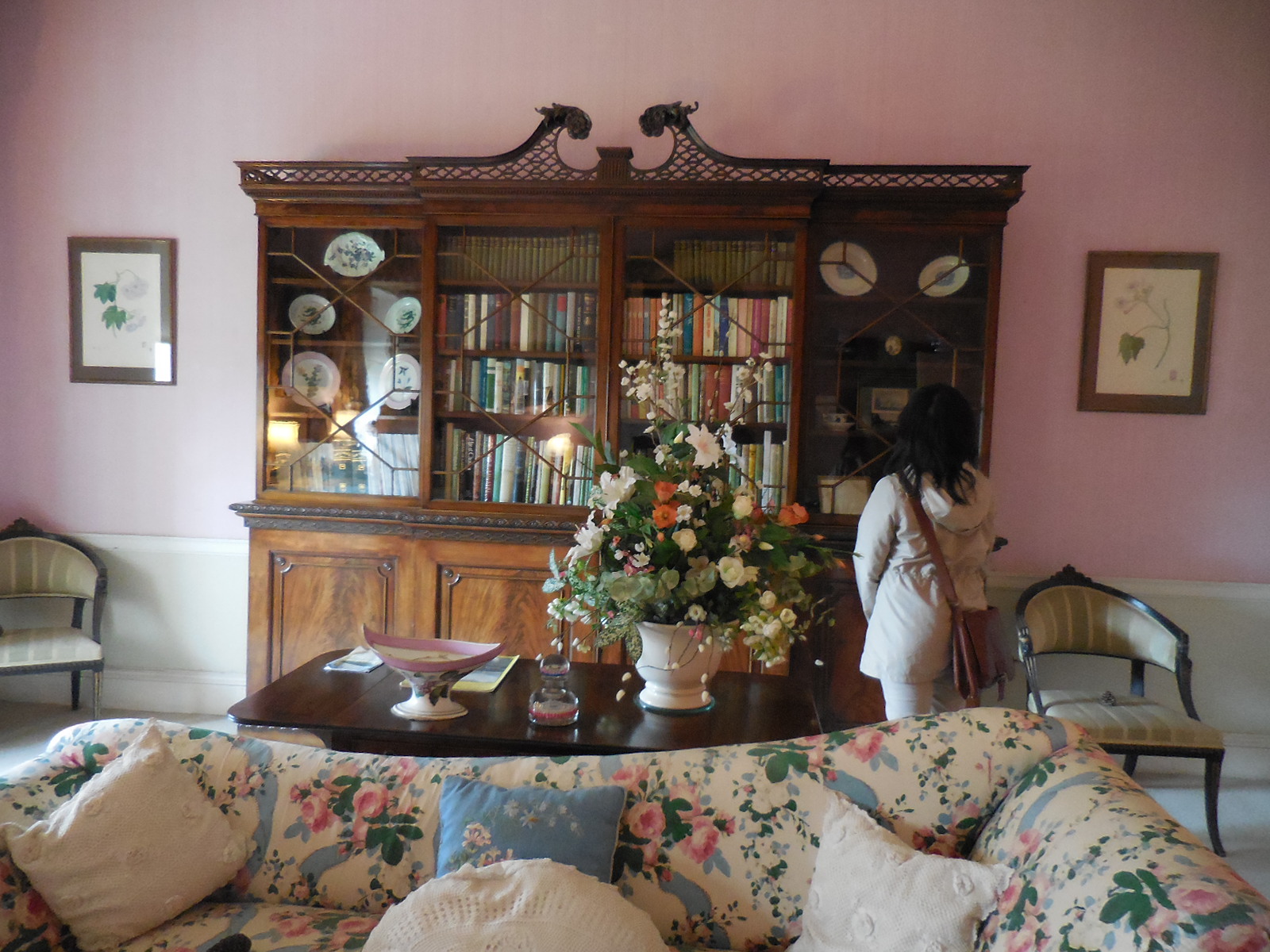

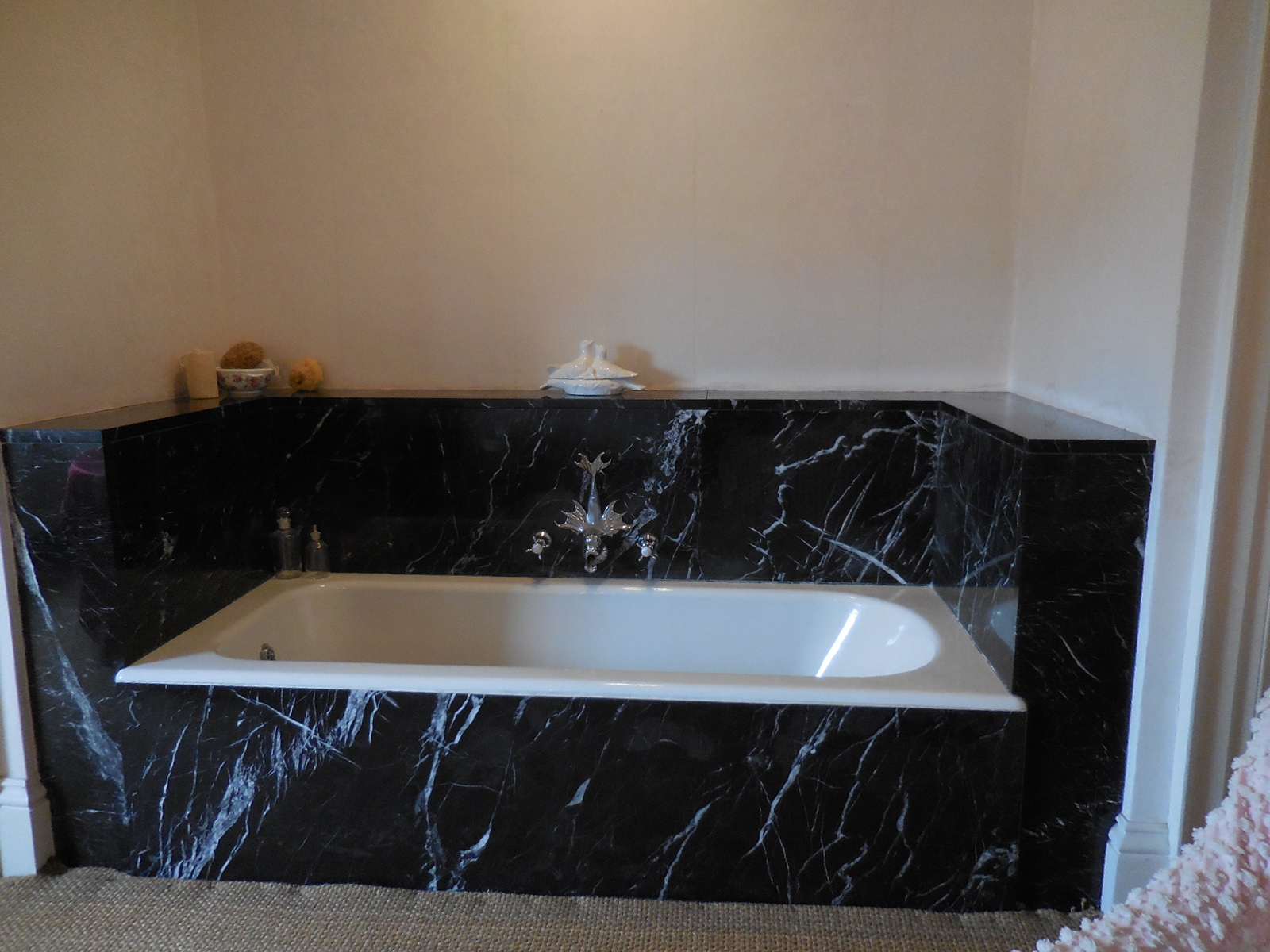

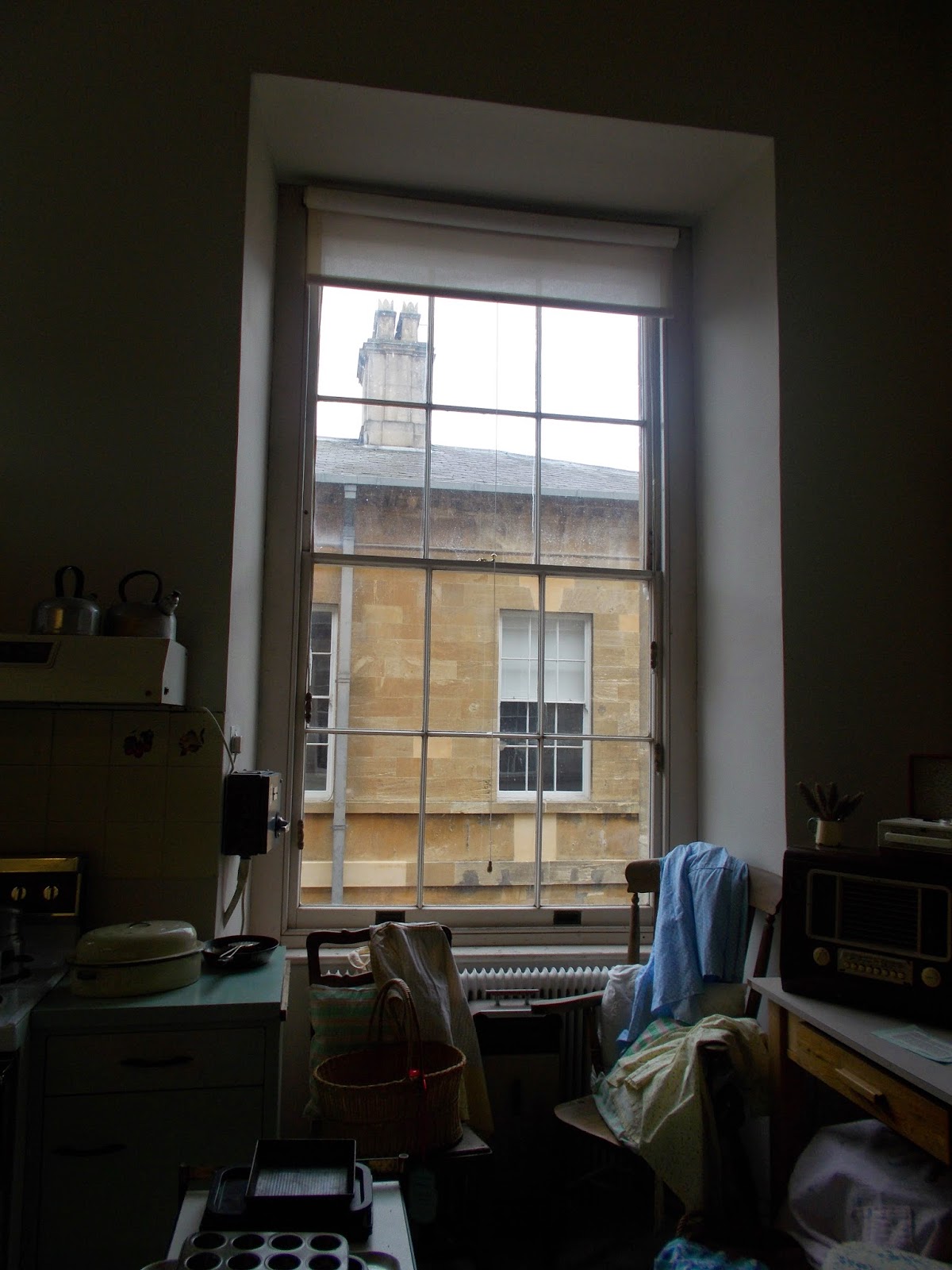
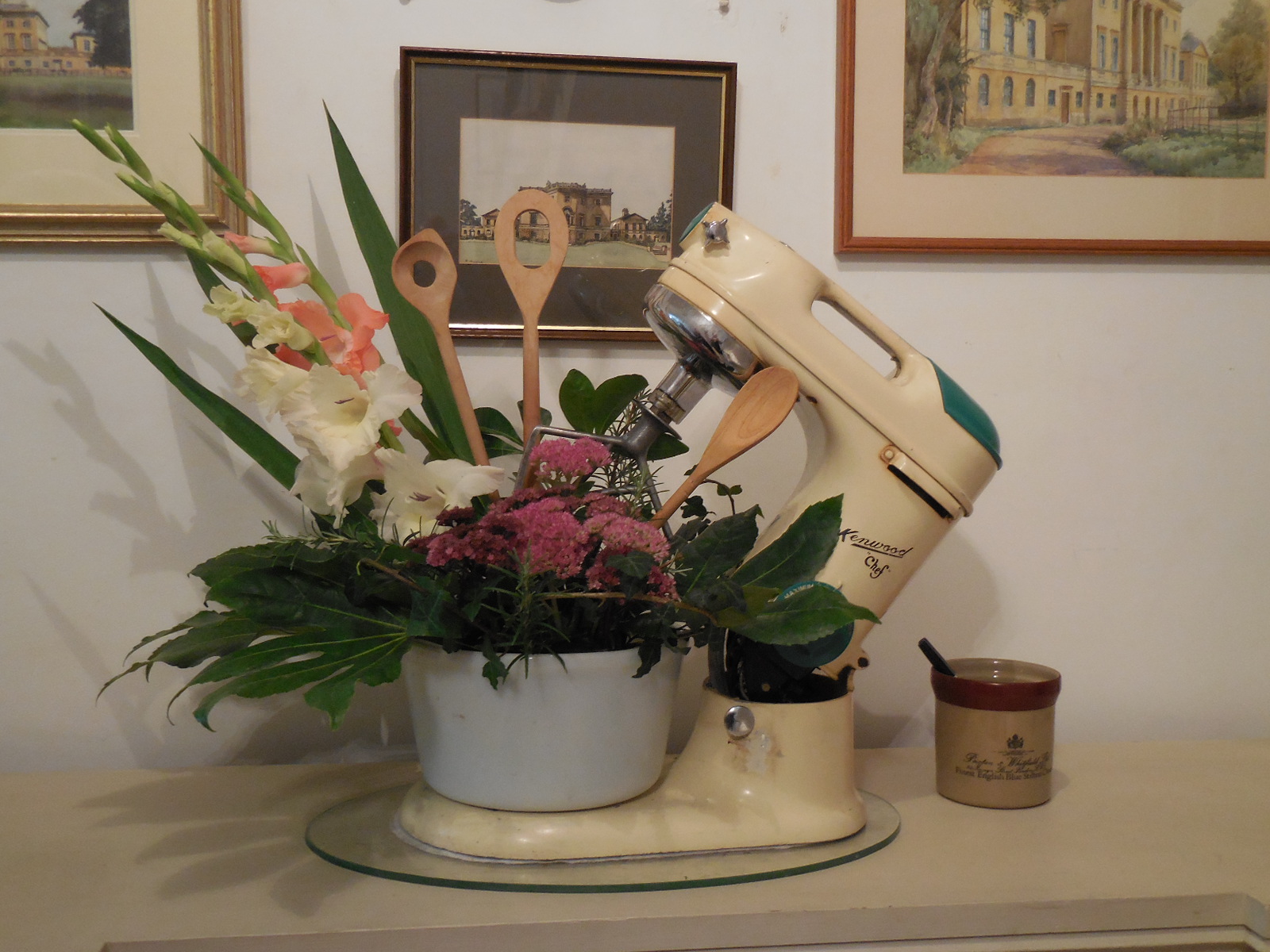
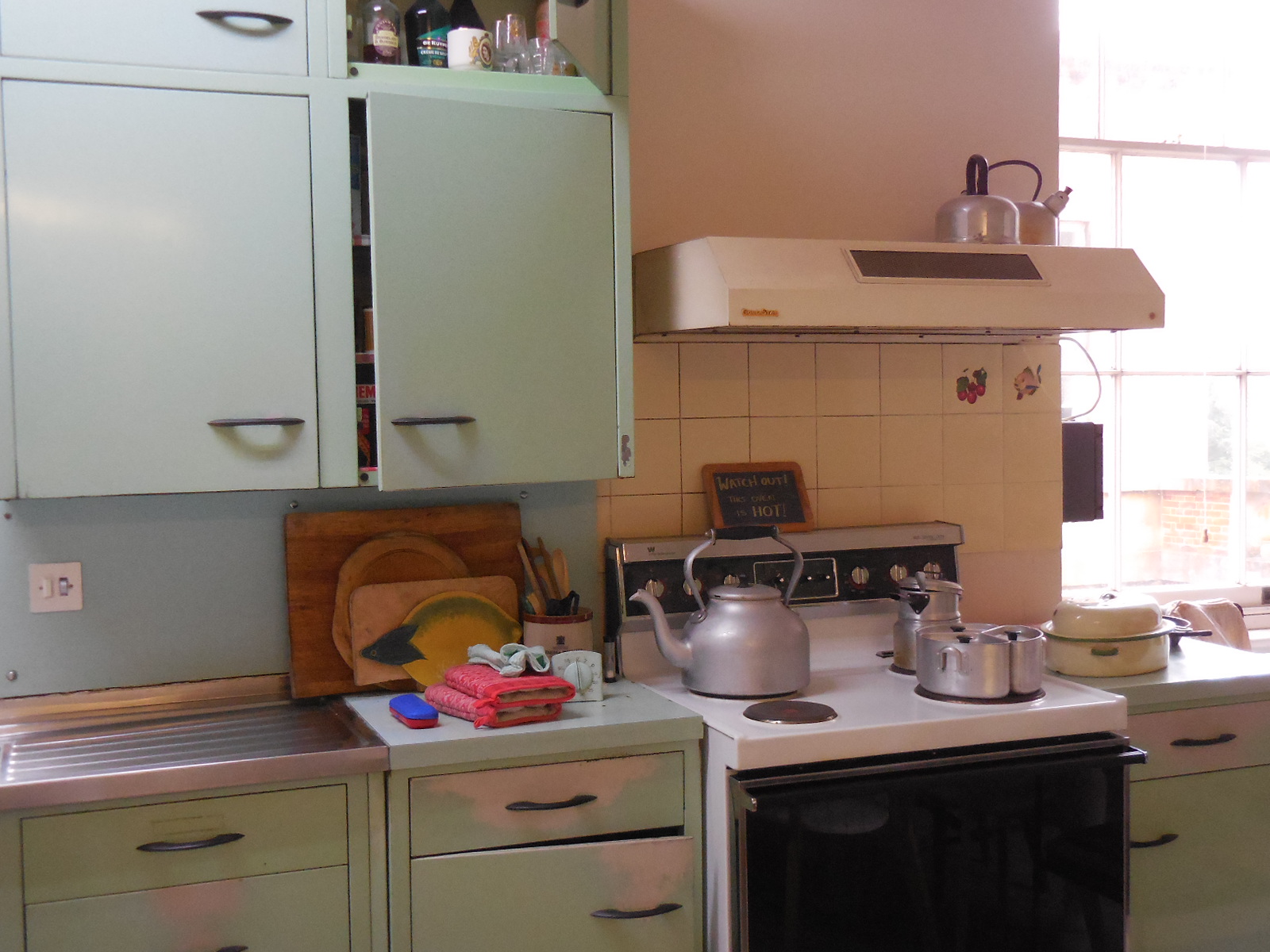
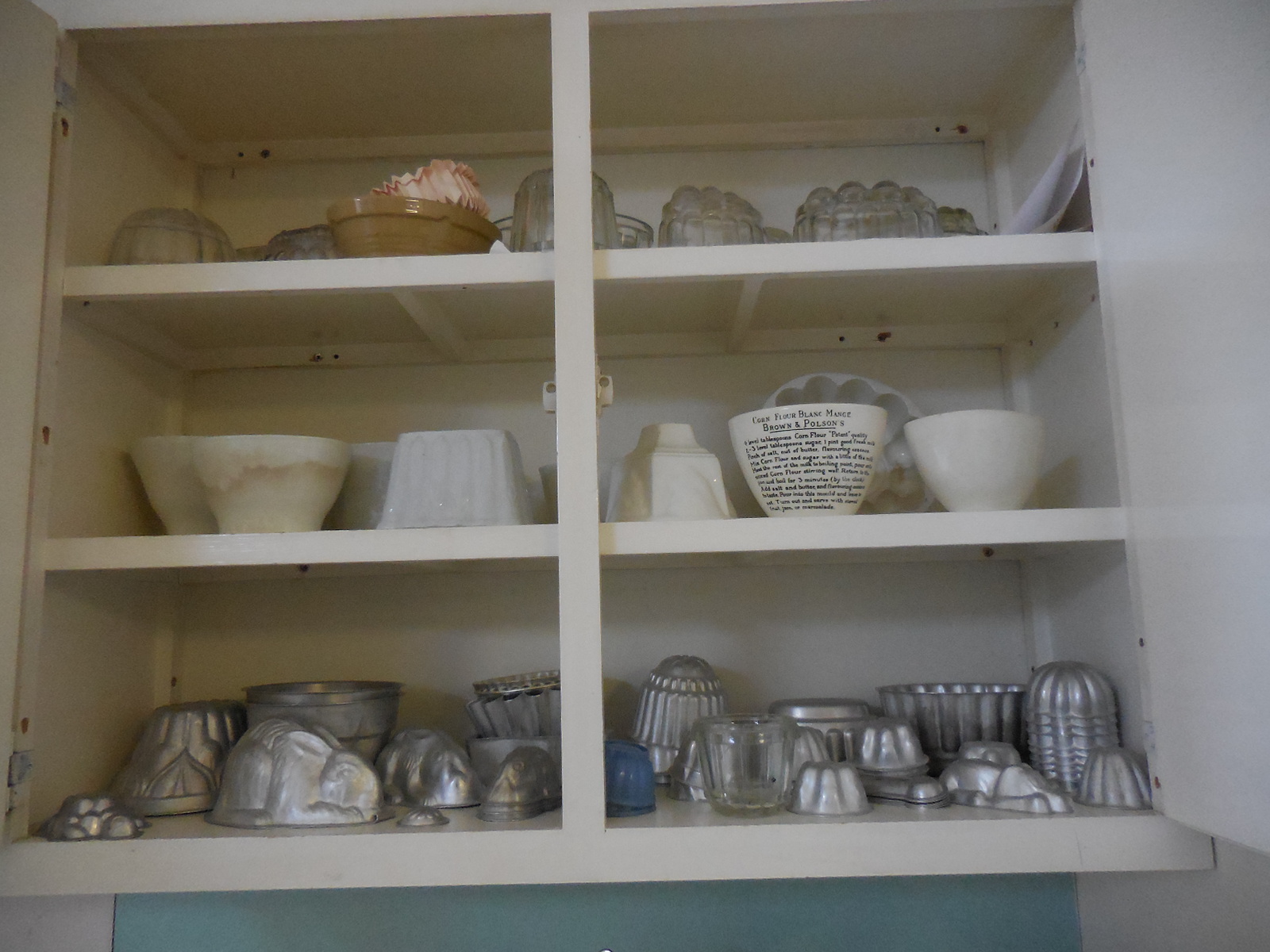
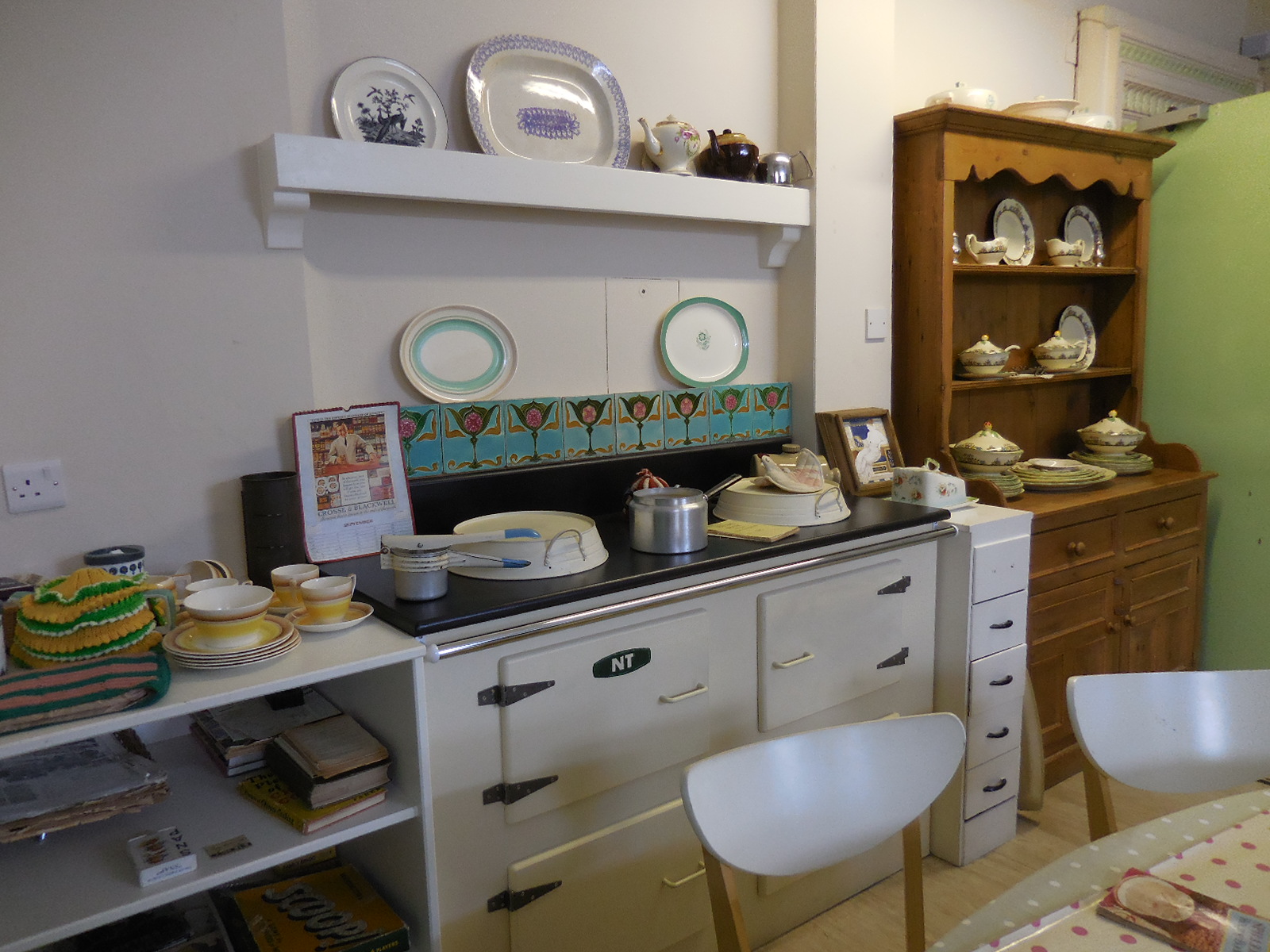
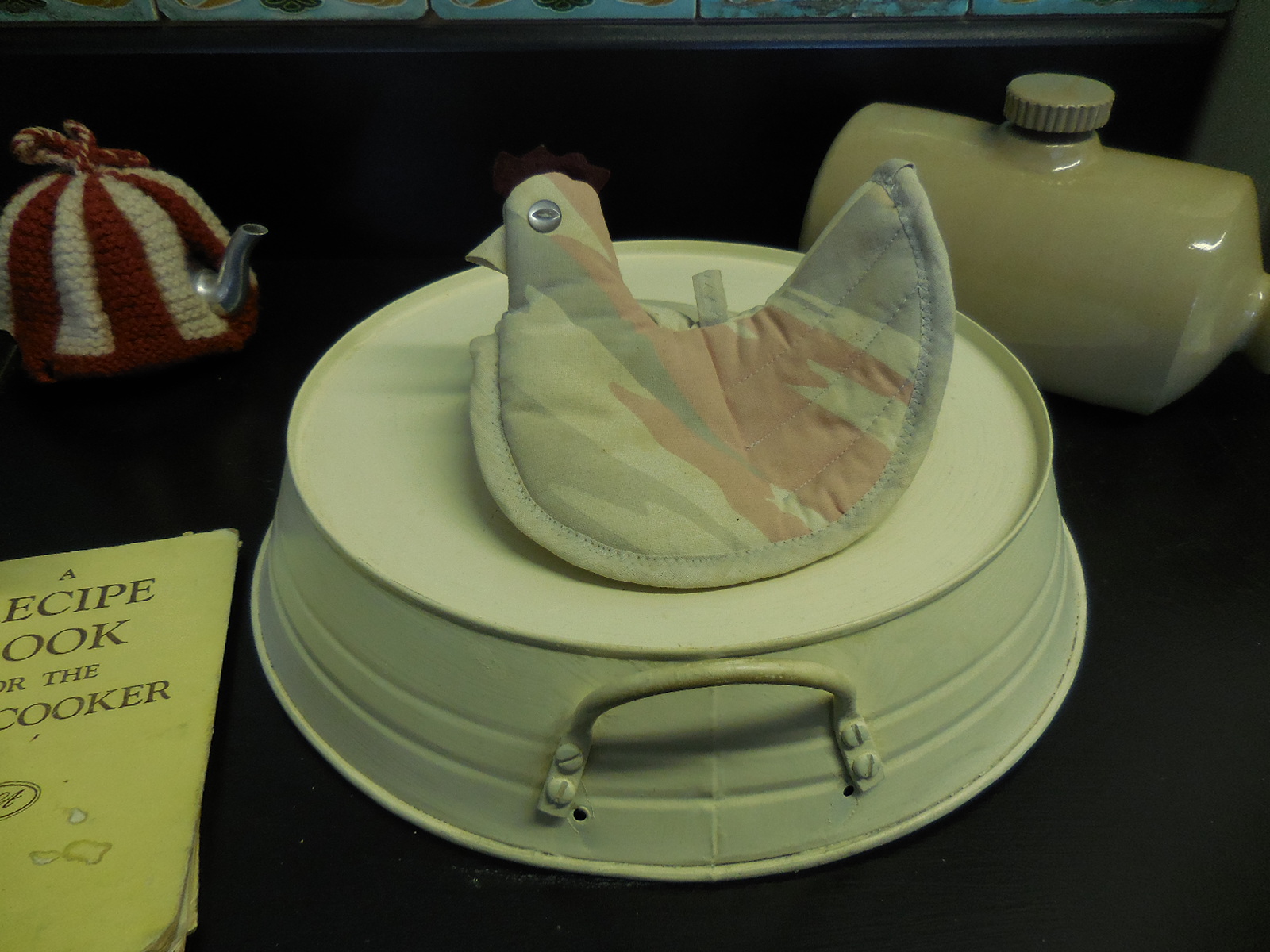
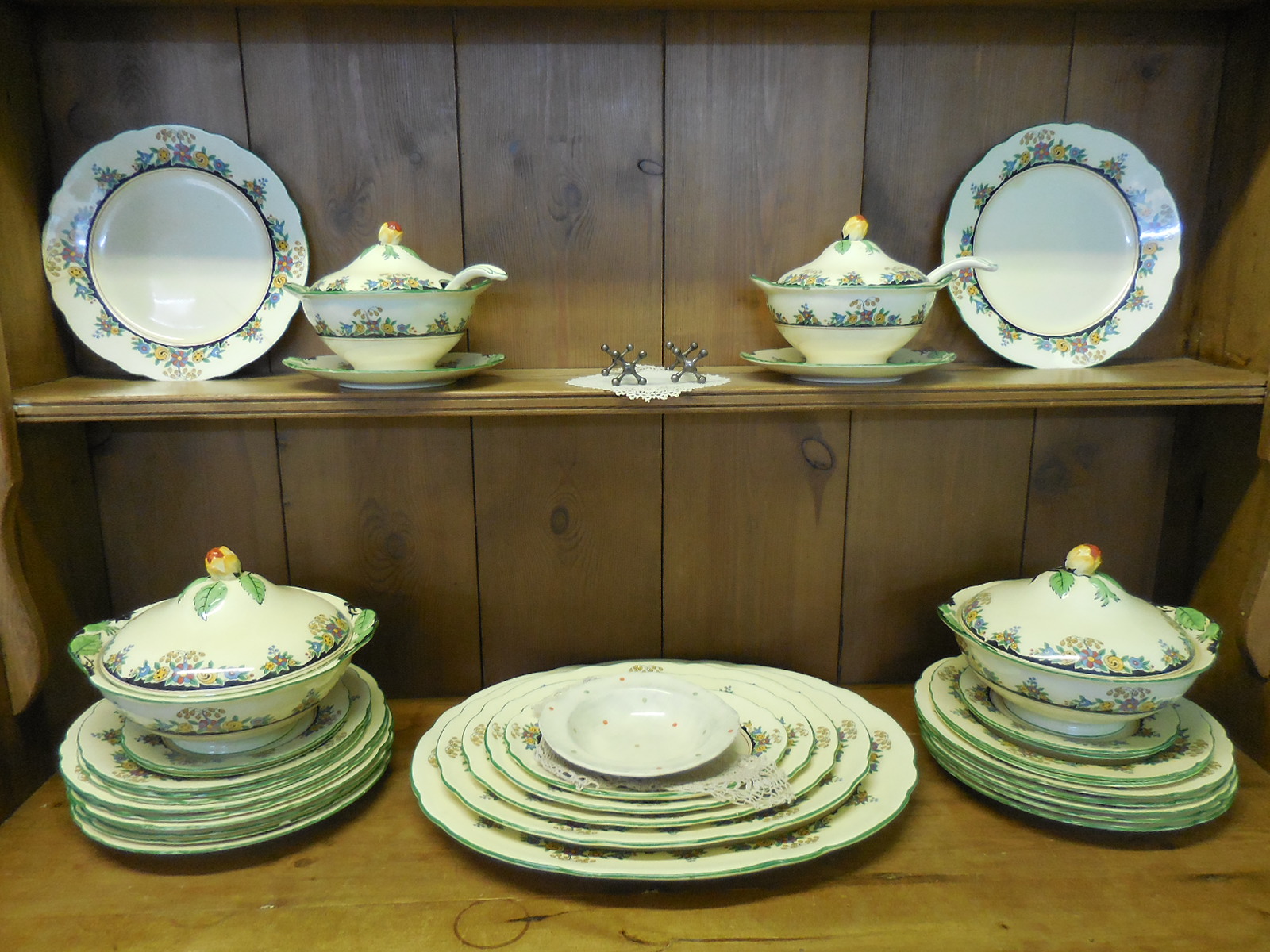
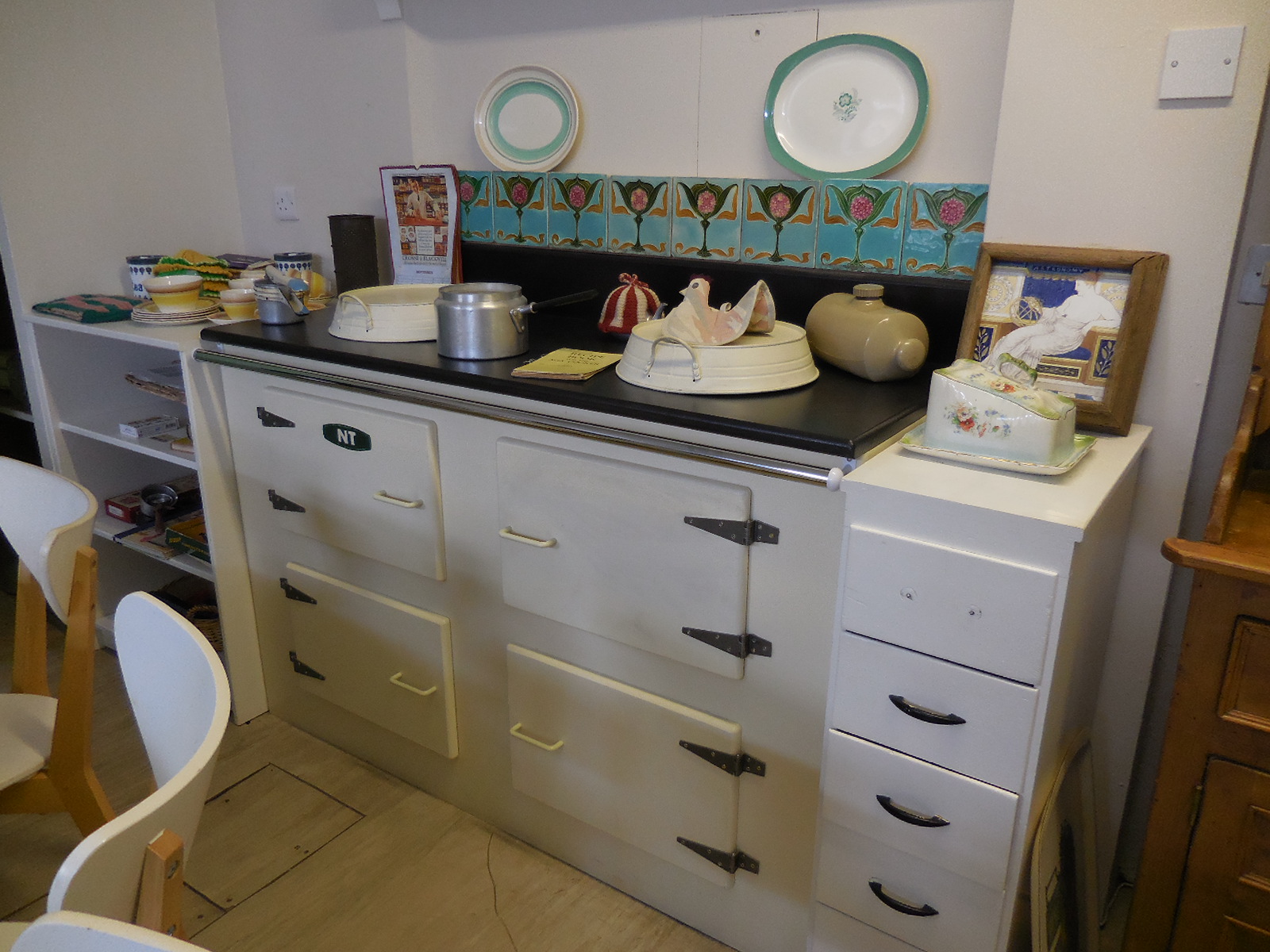
Wonderful 1950’s kitchen…added by the Iliffes and bringing back childhood memories for many of us;

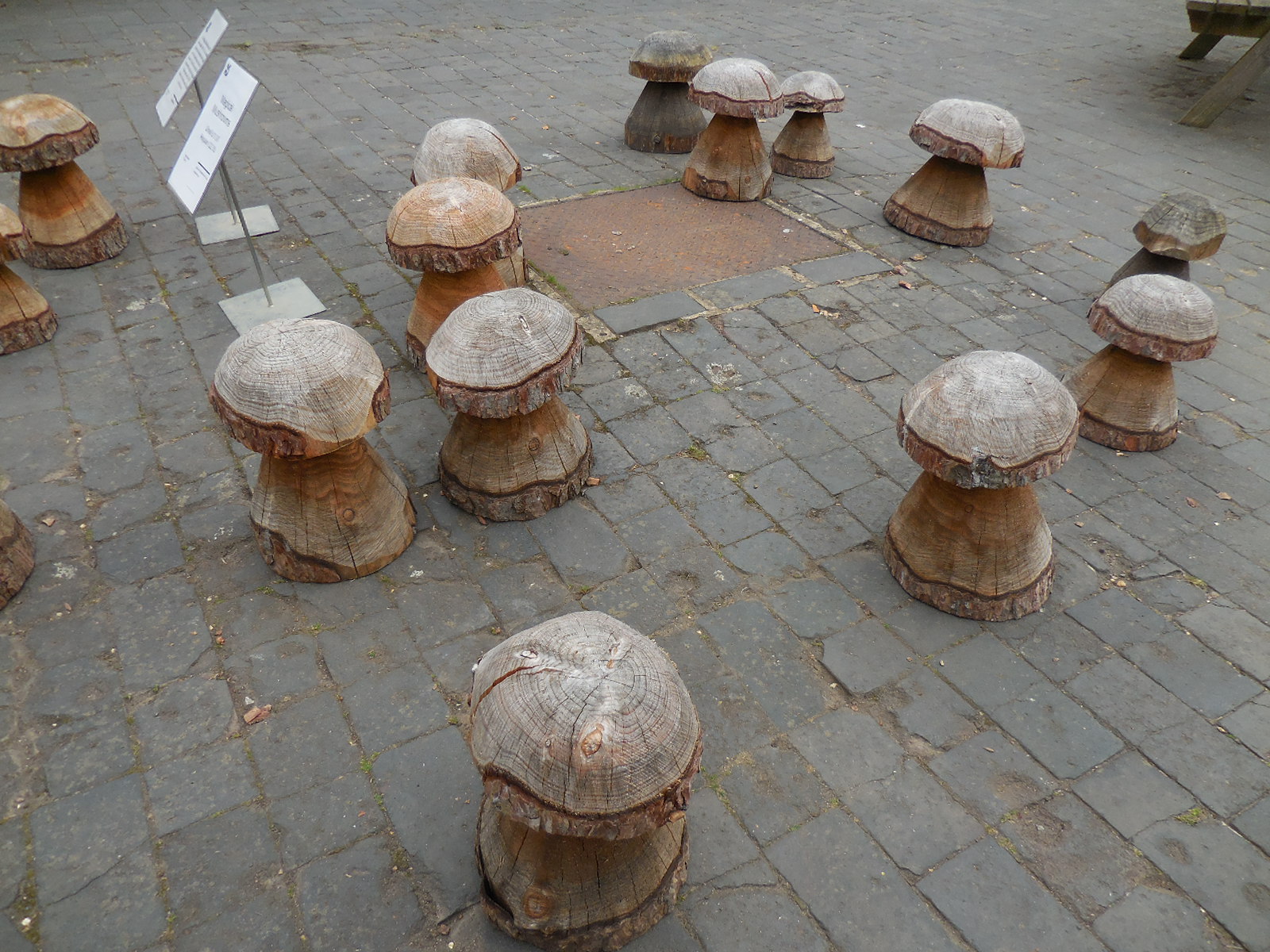
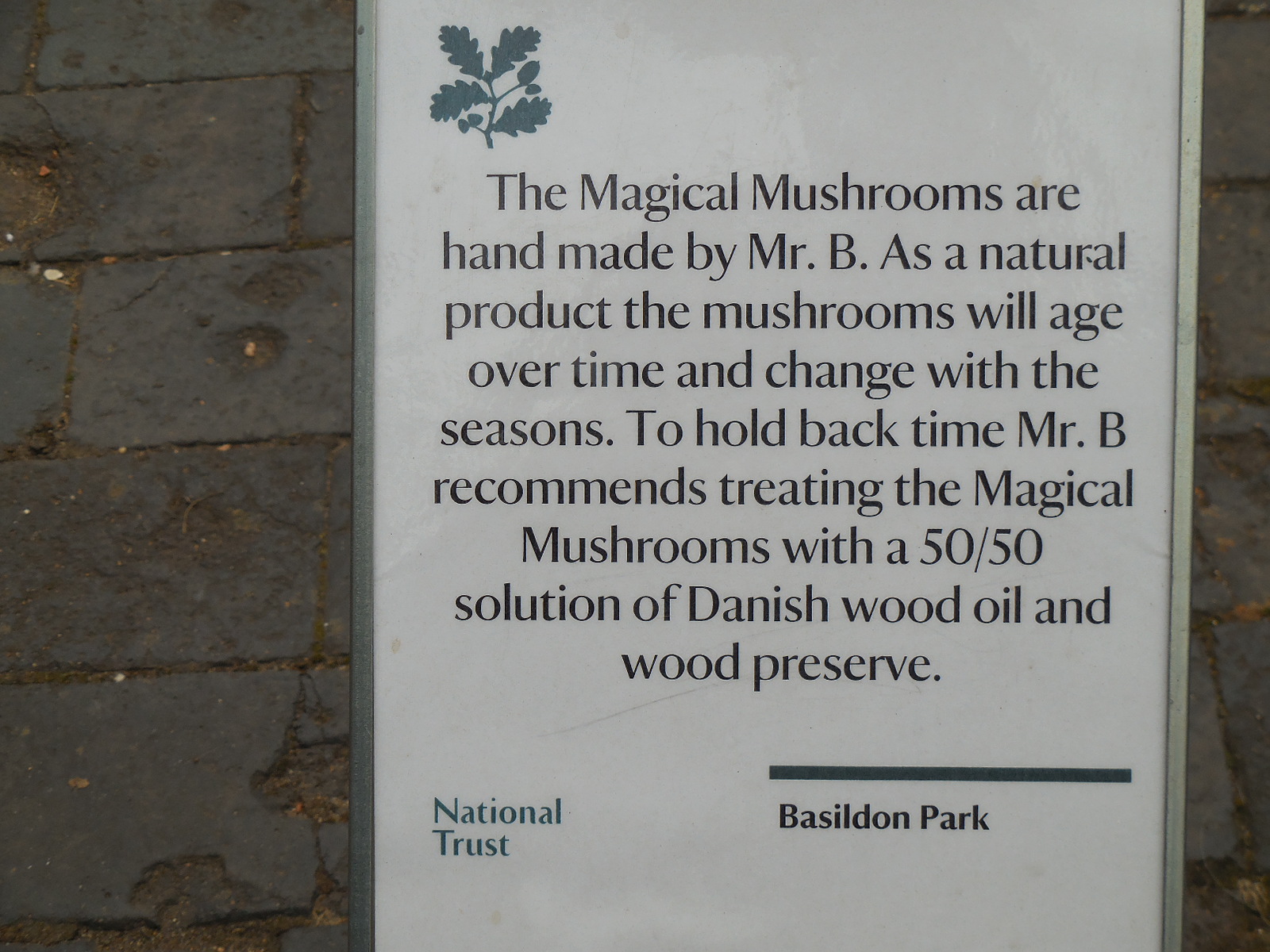
Outside the shop, we found this display of garden ornaments and we all wanted one! or two!
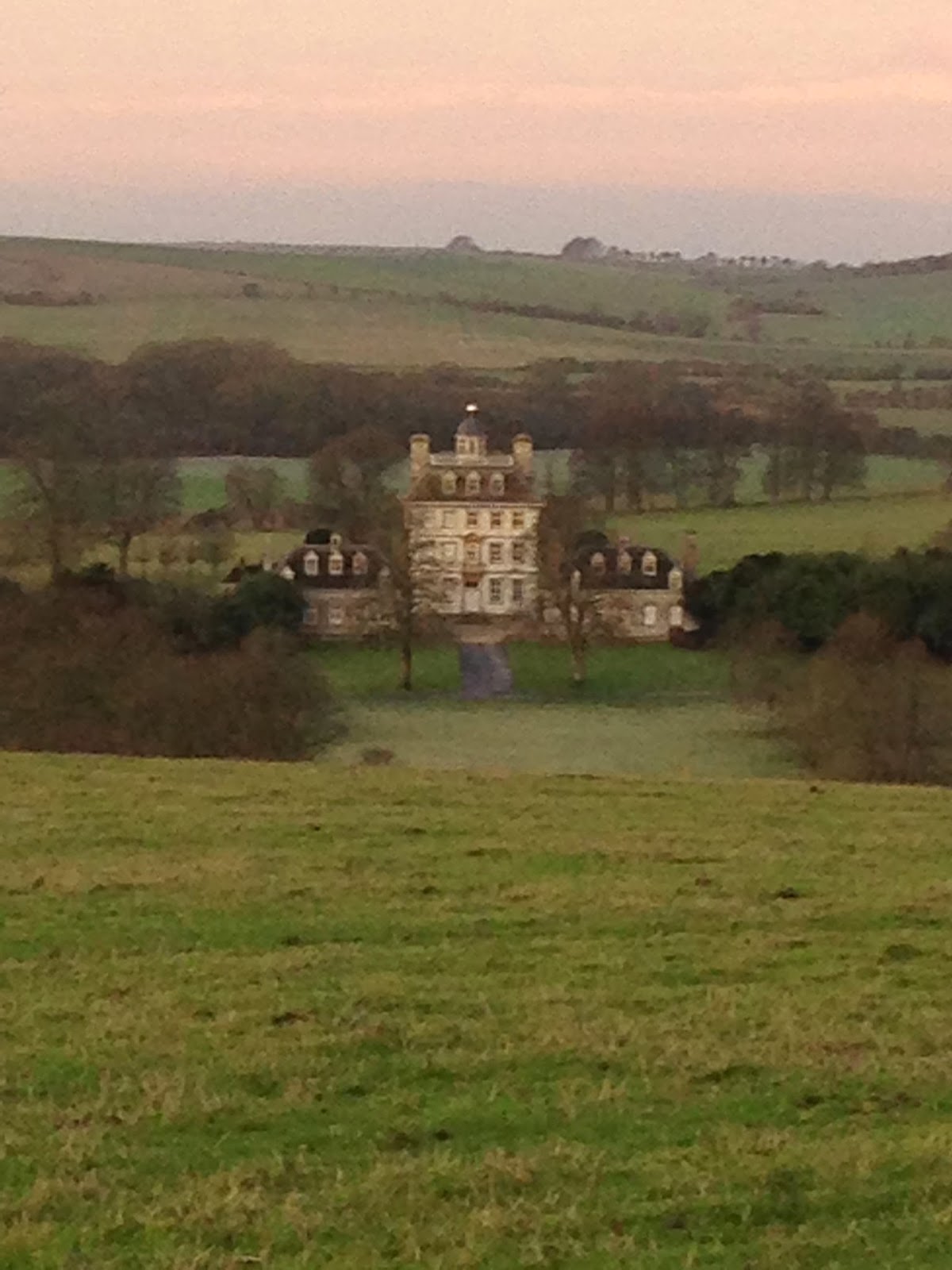
Victoria here, to share my eagerness to read the newest release from best-selling British author Nicola Cornick. The recently-published three-tiered story centers around the National Trust’s Ashdown Park in Oxfordshire, a 17th-century house filled with mystery and secrets.


Nicola: Thank you! Yes, House of Shadows is indeed a work of historical imagination in that I took the “facts” and filled in the gaps and in some cases, which I acknowledge, played fast and loose with reality. Over the years that I have worked at Ashdown I think I have absorbed so much of the history of the house and the people associated with it that I was able to draw on so many small aspects of that to make the whole – I met with a jewelry historian, for example, who had come to look at the pearls depicted in the portrait collection. She was the person who told me about the “cursed” pearl, which Elizabeth’s eldest daughter is wearing in one of the portraits. Then there was the fact that Ashdown is reputedly built on an ancient sacred site and its architecture incorporates a number of aspects that link it to the Order of the Knights of the Rosy Cross… I researched all these different stories as part of my work at Ashdown House and they all came together to inspire me and made their way into House of Shadows. One thing I did change, though. In the book I modeled Ashdown’s destruction on the true story of a different house—Coleshill—built at the same time and in the same style. I’m happy to say that Ashdown House is, of course, still standing and is open to visitors!”

“The Sarsen Field is the first thing you see on the left of the drive as you approach the car park. This is open to everyone to walk in and is a fascinating are of Special Scientific Interest where the huge, ancient sarsen stones lie amongst the grass as they have done for thousands of years. Legend says they are an army turned to stone by the magician Merlin….
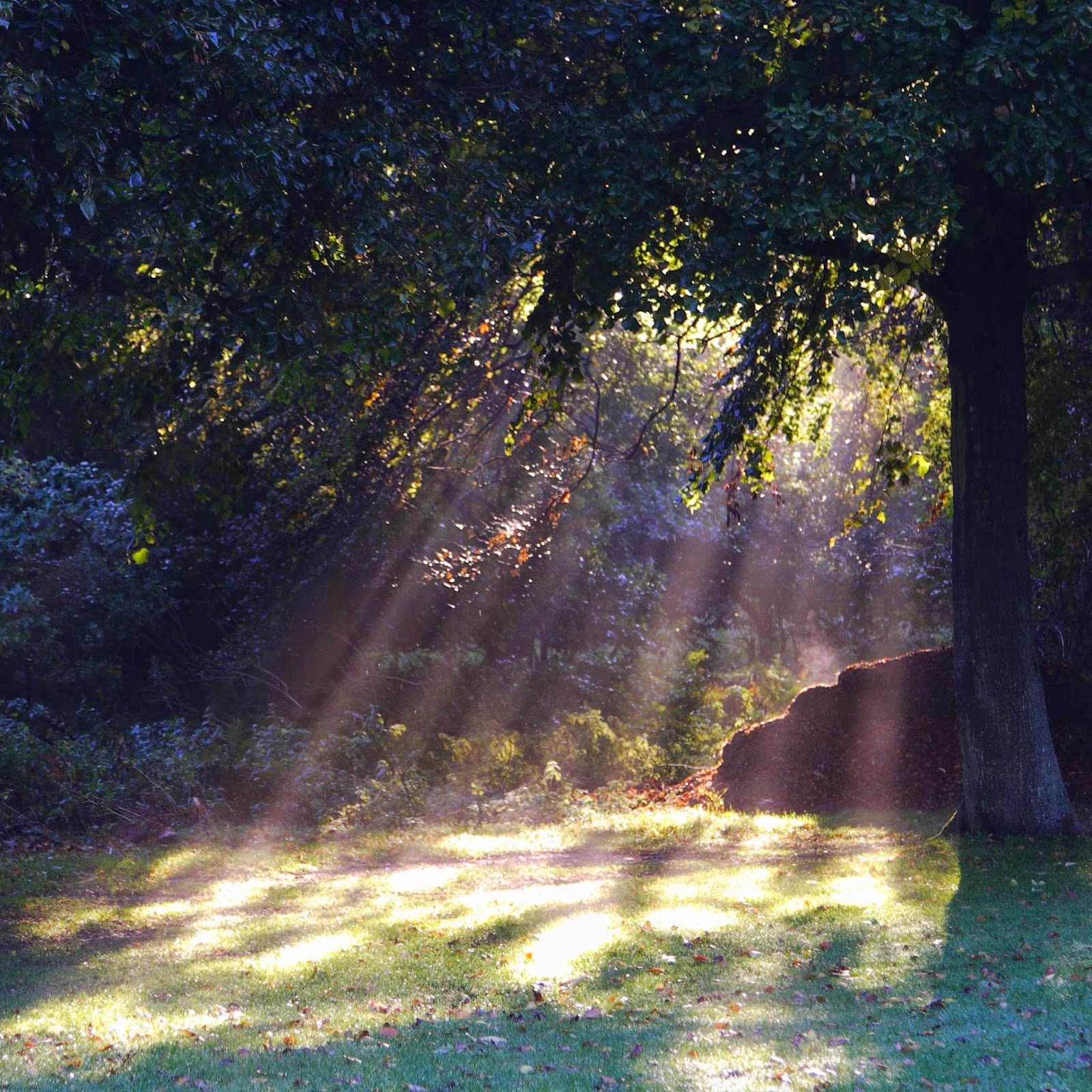
“The woodland dates back to when this was a medieval hunting ground and the deer still live here…
The badgers have been digging up the area around the grand avenue for almost 1000 years! There are also hidden geocaches, a tree trail and our Pixie Path. In the fields behind the wood the Balleroy ponies graze…”

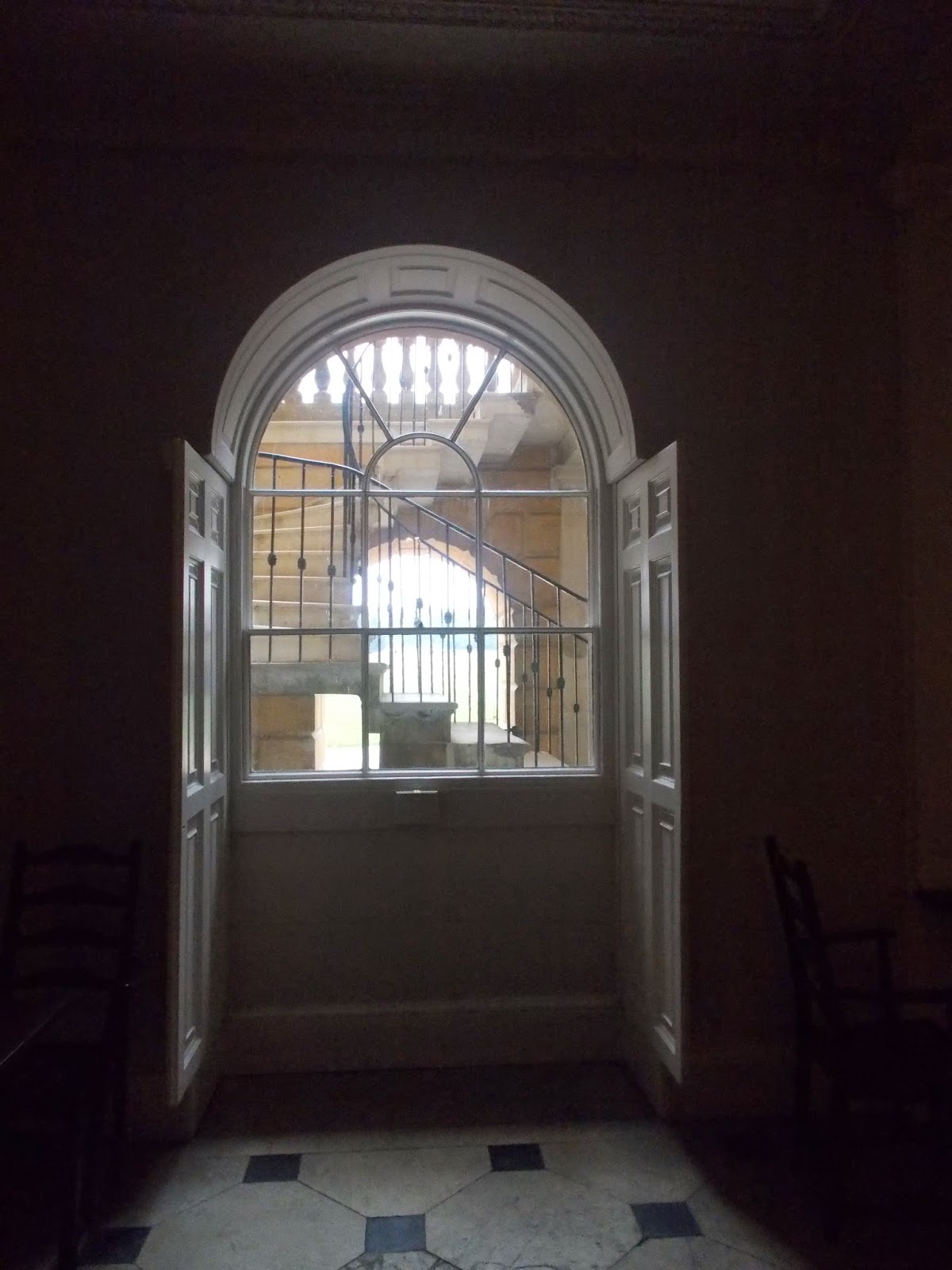
Visitors are guided up the flights of stairs to the cupola at the top where the views of the surrounding ancient landscape are stunning. Along the way, guides relate the history of the house and the family for whom it was created.



Now I just have to settle in and bide my time until the book arrives! I hope to report back soon with a review and an interview with Nicola.