DO YOU KNOW ABOUT – THE SHIPPING FORECAST?

The BBC’s Shipping Forecast has been broadcasting coastal weather conditions to its listeners for over 150 years and its loyal following extends far beyond mariners. Fans of the television show As Time Goes By will be aware that Mrs. Bale, the Hardcastle’s housekeeper at their country home, stops everything in order to listen the Shipping Forecast. In Keeping Up Appearances, Hyacinth Bucket consults the Shipping Forecast before she and Richard go boating – even though their sail will only follow the inland Thames. In addition, the Shipping Forecast has inspired music, literature and art. Heck, my online friend and fellow blogger Scott Lyman even named his blog The Shipping Forecast.

So . . . . just what is the Shipping Forecast?

From Wikipedia:

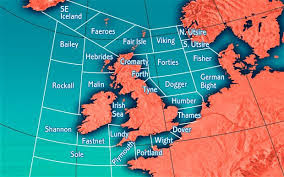
The Shipping Forecast is a BBC Radio broadcast of weather reports and forecasts for the seas around the coasts of the British Isles. It is produced by the Met Office and broadcast by BBC Radio 4 on behalf of the Maritime and Coastguard Agency. The forecasts sent over the Navtex system use a similar format and the same sea areas. The waters around the British Isles are divided into 31 sea areas, also known as weather areas (see map below)[1] There are four broadcasts per day at the following (UK local) times:
  • 0048 – transmitted on FM and LW. Includes weather reports from an extended list of coastal stations at 0052 and an inshore waters forecast at 0055 and concludes with a brief UK weather outlook for the coming day. The broadcast finishes at approximately 0058.
  • 0520 – transmitted on FM and LW. Includes weather reports from coastal stations at 0525, and an inshore waters forecast at 0527.
  • 1201 – normally transmitted on LW only.
  • 1754 – transmitted only on LW on weekdays, as an opt-out from the PM programme, but at weekends transmitted on both FM and LW.
The unique and distinctive sound of these broadcasts has led to their attracting an audience much wider than that directly interested in maritime weather conditions. Many listeners find the repetition of the names of the sea areas almost hypnotic, particularly during the night-time broadcast at 0048 UK time.
In October 1859, the steam clipper Royal Charter wrecked in a strong storm off Anglesey; 450 people lost their lives. Due to this loss, Vice-Admiral Robert FitzRoy introduced a warning service for shipping in February 1861, using telegraph communications. This remained the United Kingdom’s Met Office primary responsibility for some time afterwards. In 1911, the Met Office had begun issuing marine weather forecasts which included gale and storm warnings via radio transmission for areas around Great Britain. This service was discontinued during and following World War I, between 1914 and June 1921, and again during World War II between 1939 and 1945.[2]
Today, although most ships have onboard technology to provide the Forecast’s information, they still use it to check their data.
The last broadcast of the Shipping Forecast at 0048 each day is traditionally preceded by the playing of “Sailing By“, a light orchestral piece by Ronald Binge. This is only very rarely omitted, generally when the schedule is running late. Though occasionally played in full, it is common for only a section of the piece to be broadcast; that section being the length required to fill the gap between the previous programme’s ending and the start of the forecast at precisely 0048.[8] More importantly, Sailing By serves as a vital identification tool – it is distinctive and as such assists anyone attempting to tune in. The forecast is then followed by the National anthem and the closedown of the station for the day, with the BBC World Service taking over the frequencies after the pips of the Greenwich Time Signal at 0100.

You can listen to a broadcast of the Shipping Forecast here.

Alternately, here’s Stephen Fry’s cheeky take on the shipping forecast.
BEN FRANKLIN'S BONES

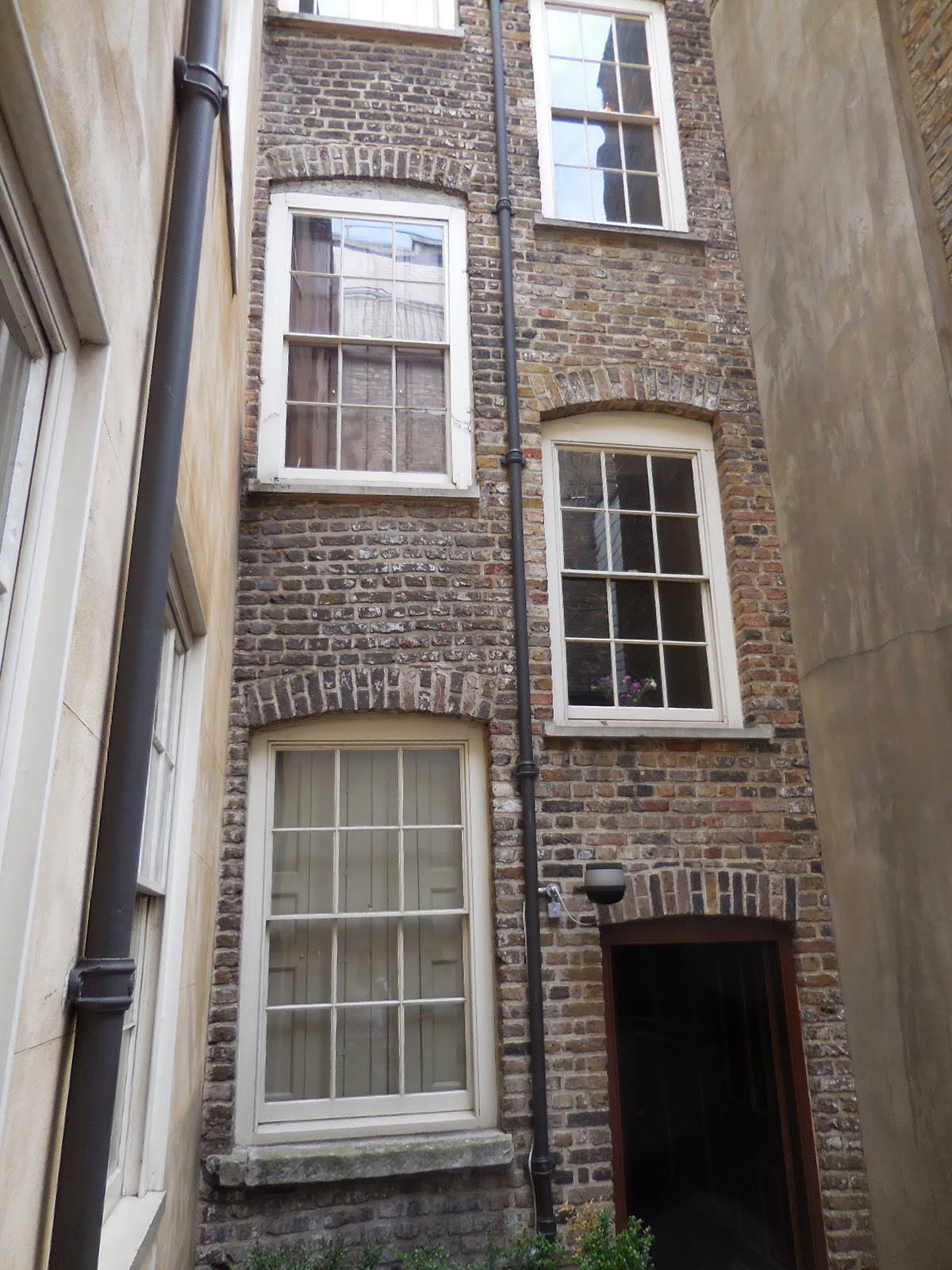
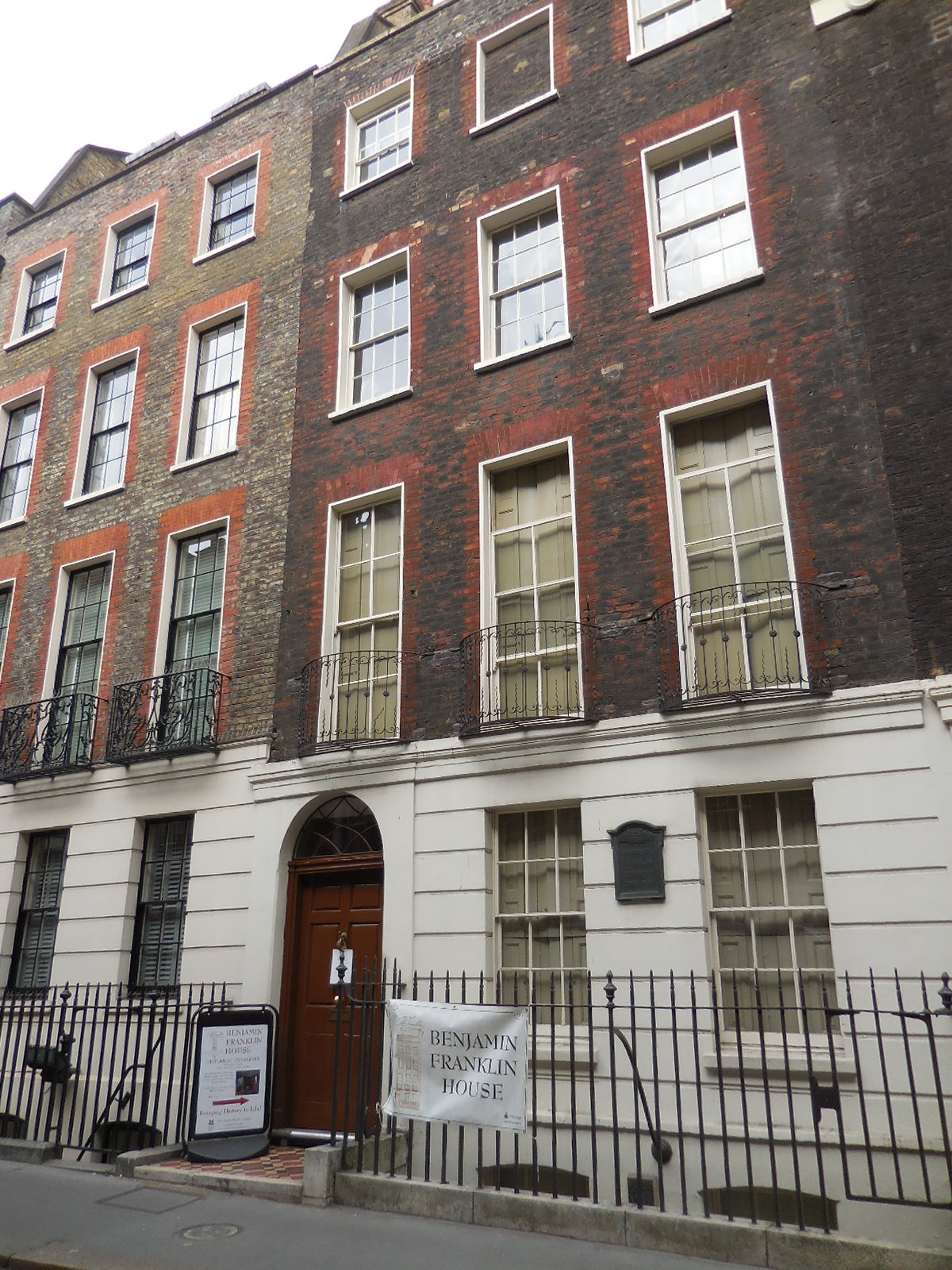
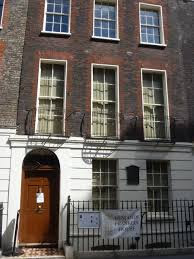
In the heart of London is Benjamin Franklin House, above, the world’s only remaining Franklin home. For nearly sixteen years between 1757 and 1775, Dr Benjamin Franklin – scientist, diplomat, philosopher, inventor, Founding Father of the United States and more – lived behind its doors. Built circa 1730, it is today a dynamic museum and educational facility.
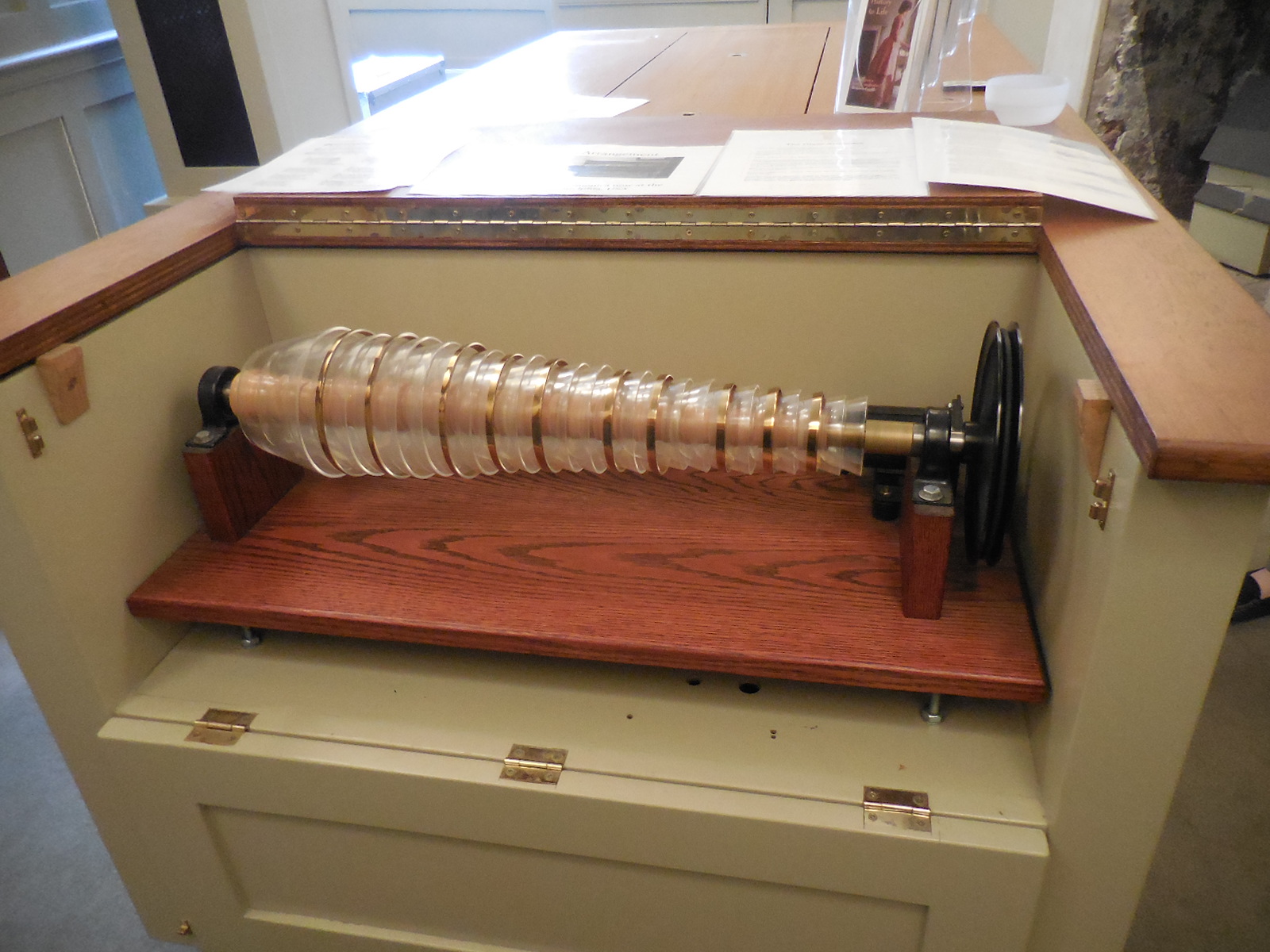
While lodging at 36 Craven Street, Franklin’s main occupation was mediating unrest between Britain and America, but he also served as Deputy Postmaster for the Colonies; pursued his love of science (exploring bifocal spectacles, the energy-saving Franklin stove); explored health (inoculation, air baths, cures for the common cold); music (inventing the delightful glass armonica for which Mozart, Bach and Beethoven composed) and letters (articles, epitaphs, and his witty Craven Street Gazette), all while forging a hearty social life and close friendships with leading figures of the day.
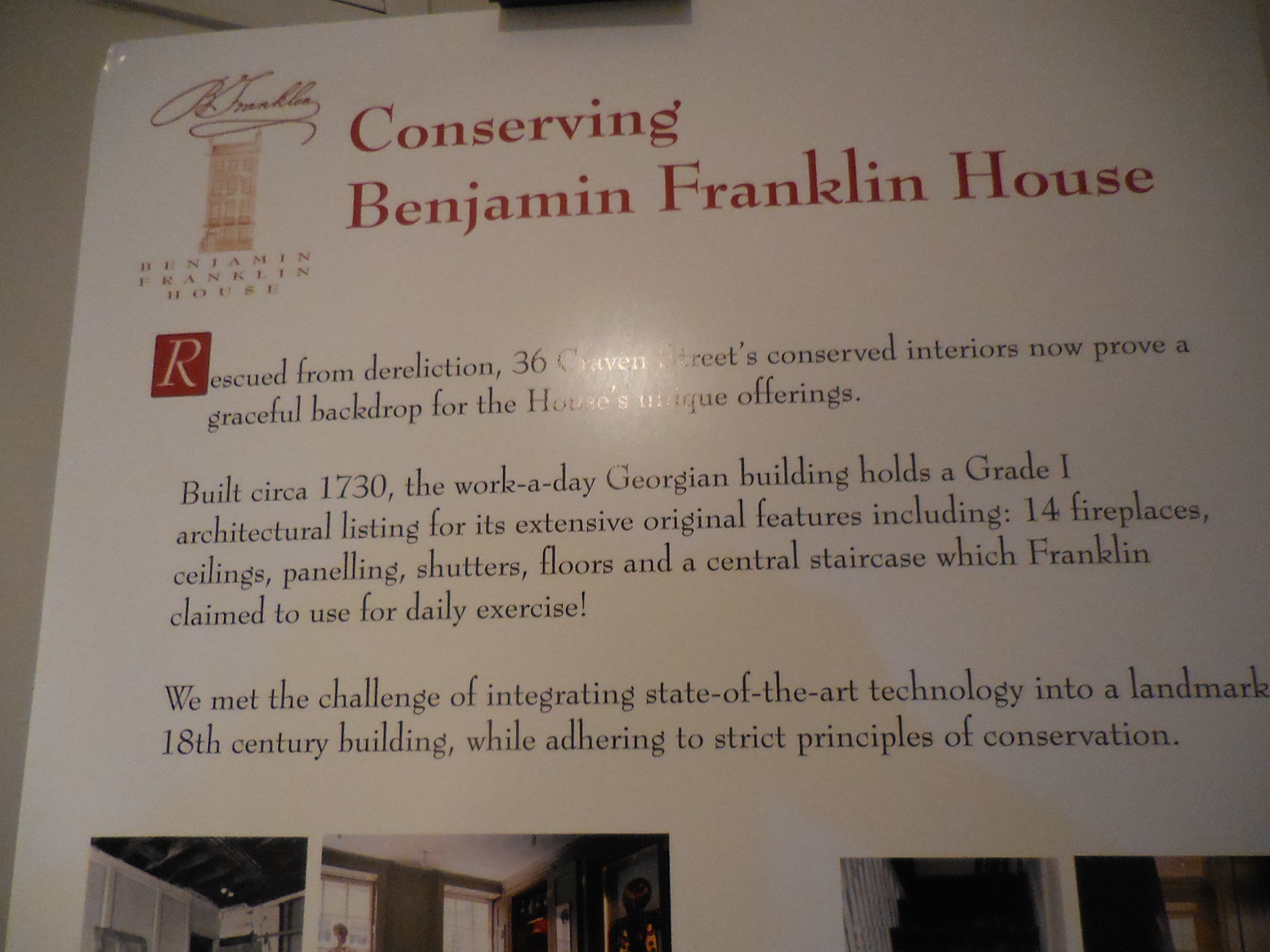
The House, built circa 1730, is architecturally significant. It holds a Grade I listing and retains a majority of original features (central staircase; lathing; 18th century paneling; stoves; windows; fittings; beams; brick, etc) ‘unimproved’ over time.

Fast forward to 1998, when the first conservation work began at Craven Street.  It was interrupted by the discovery of bones, both human and animal, under the floor of what is today the House’s Seminar Room (originally the garden in Franklin’s day). The London coroner was called and he determined that the bones were more than 100 years old so no inquest was needed.

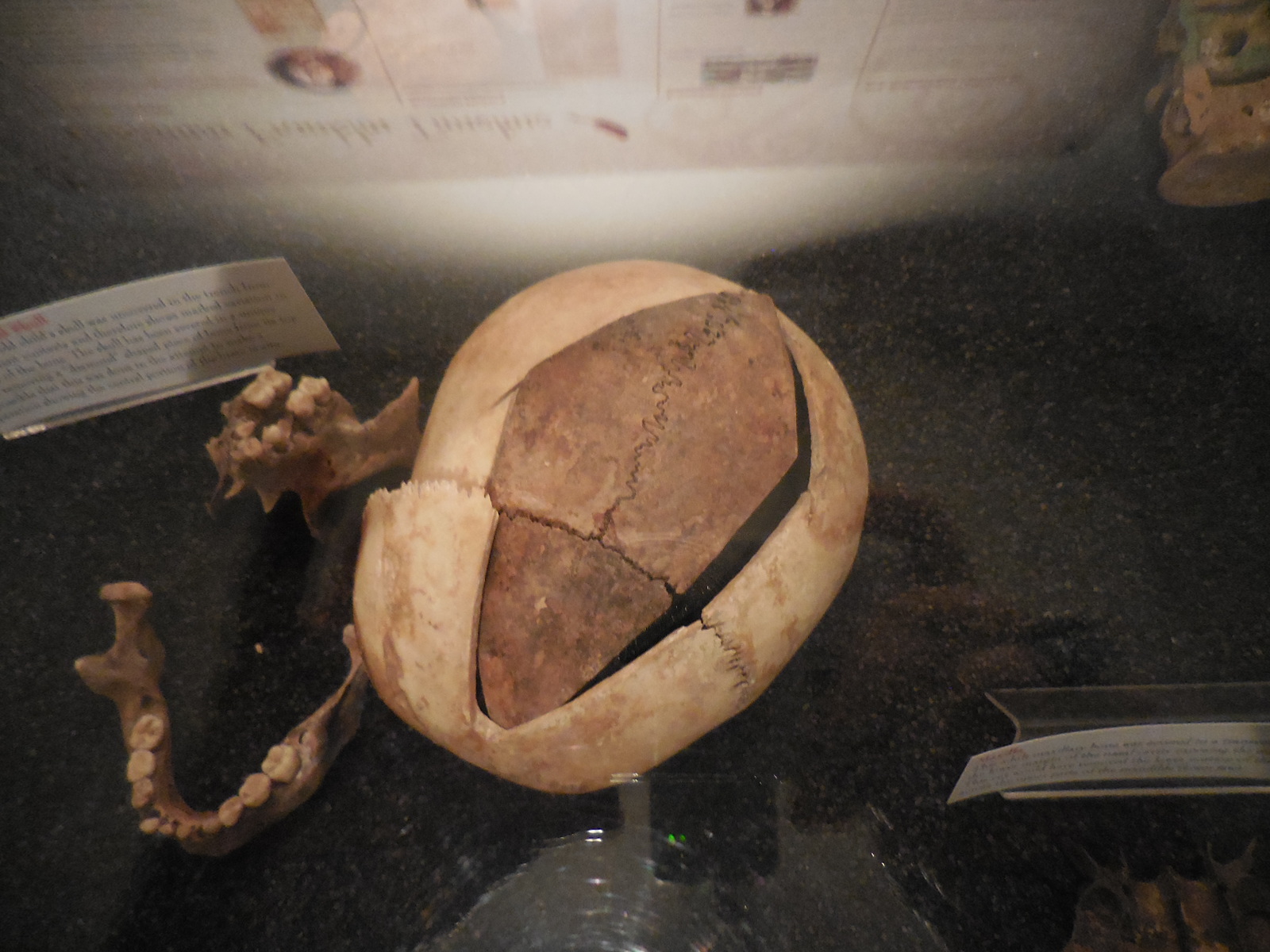
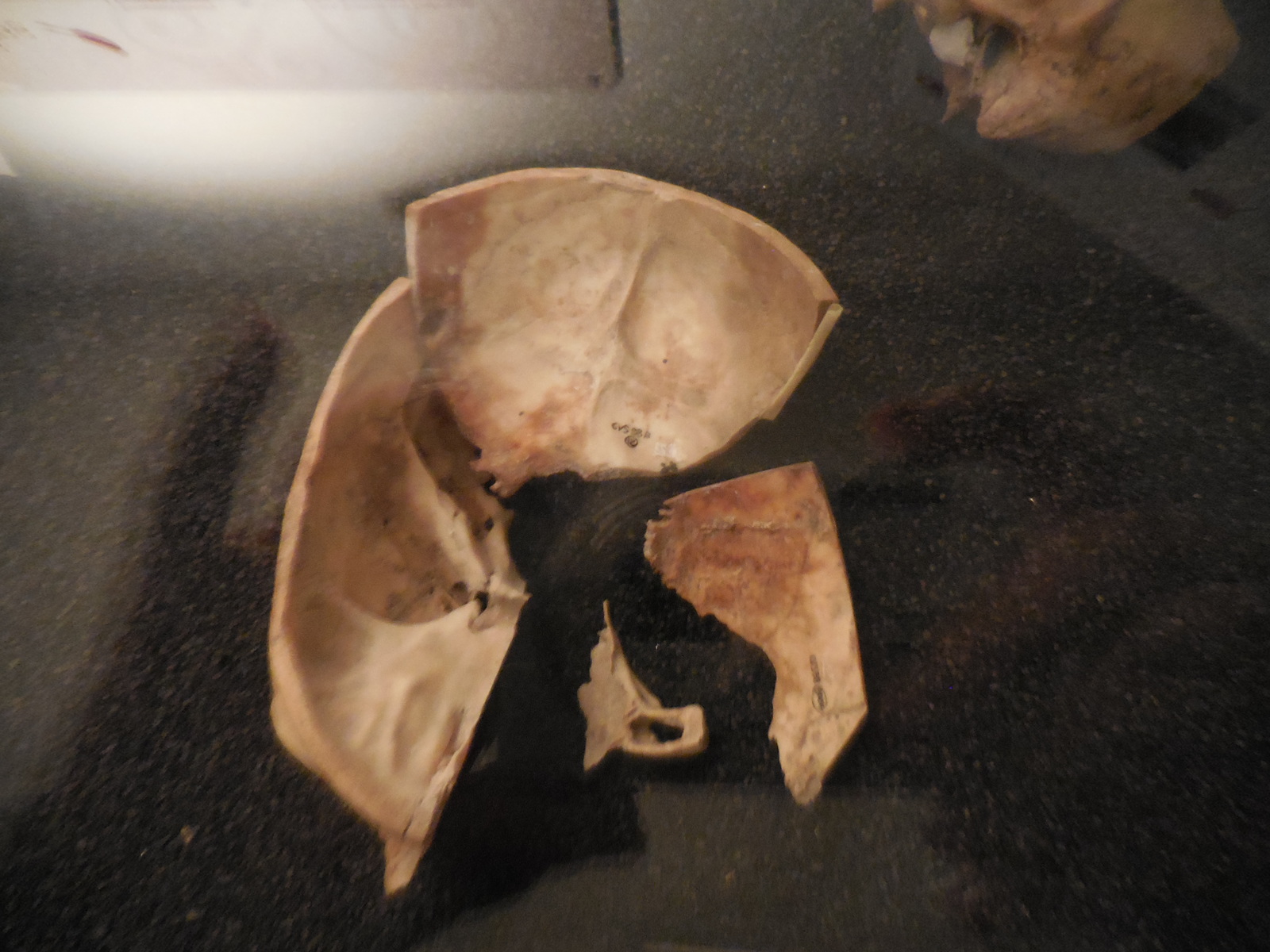
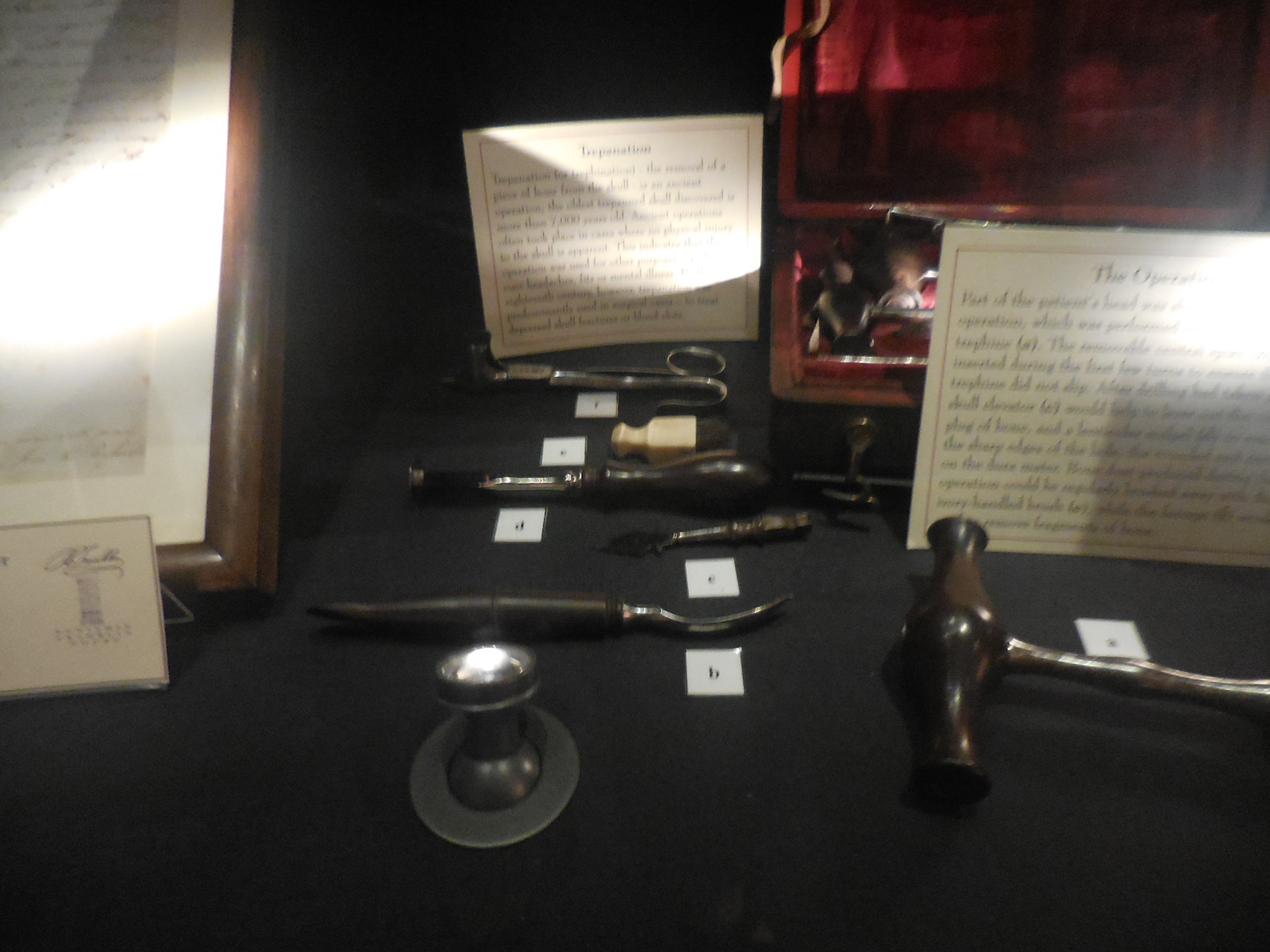
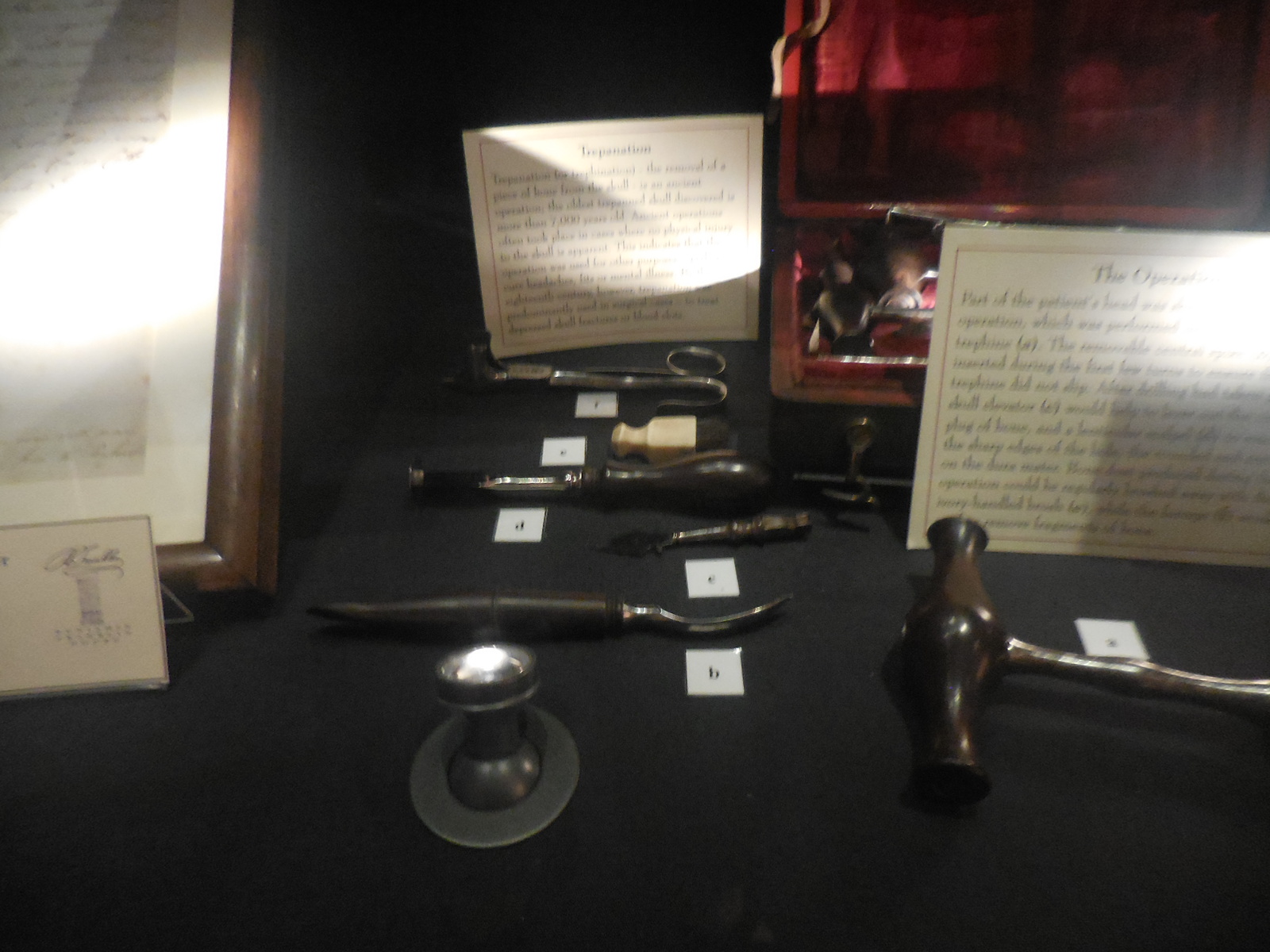
Display Label: This cabinet displays a selection of the bones found ten years ago in the basement of the house. They are the result of William Hewson’ anatomy school, which opened here at 35 Craven Street on the 30 September, 1772. They are being shown here for the first time since their discovery. Although this is only a small collection of the original number of bones found, the specimens selected for display are of particular medical interest. 

Craven Street Bones


The Craven Street Bones on display in the Seminar Room
Consequently, the House team invited Dr. Simon Hillson and colleagues from London’s Institute of Archaeology at University College London to study the bones and their research has provided valuable historical details.
From a one metre wide, one metre deep pit, over 1200 pieces of bone were retrieved and are the the remnants of an anatomy school run from the House by William Hewson, son-in-law of Franklin’s landlady, Margaret Stevenson.  Hewson, who married Margaret’s daughter Polly in 1770, is best known for his research on blood and the lymphatic system. He isolated the key protein in the blood clotting process, fibrinogen, and called it “coagulable lymph.”

A glass viewing window in the basement allowing visitors to see where the bones where discovered
Hewson trained in Edinburgh and studied with famous anatomist William Hunter, becoming a partner in Hunter’s school at Great Windmill Street, London.  Hewson had a falling out with Hunter and Franklin served as a mediator.  Franklin noted, “I should think it no Trouble to hear their Complaints if I could be of the least Use in accommodating their Differences; but since that was not likely, I could only wish as I had a Regard for both, that they would go on to the End of their Term as quietly as possible, since that would be most to the Credit of both.”

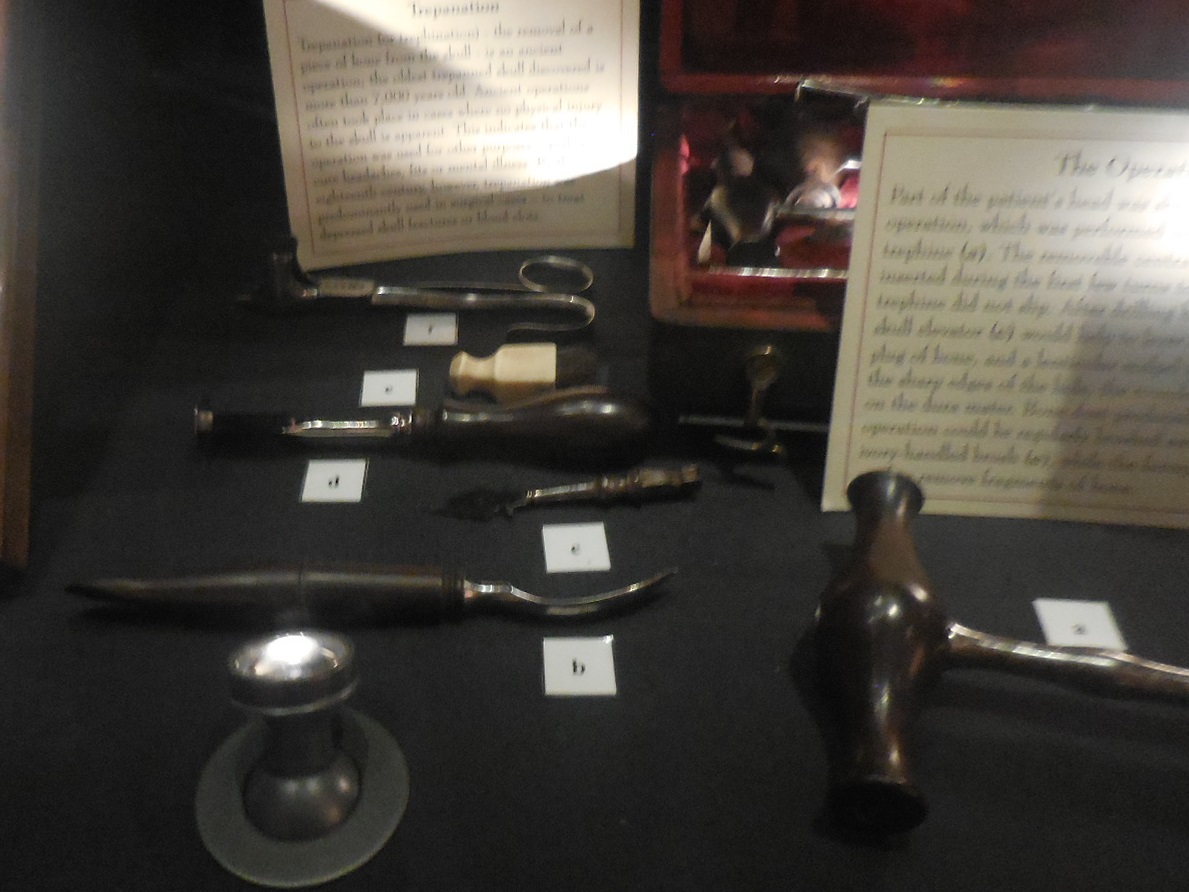
In  due course, Hewson opened his own anatomy school at Craven Street. The human remains derive from over 15 people and show dissection marks from surgical instruments (animal remains were found primarily in the front of the House in the old coal depositories).  For example, a femur bone has been cut cleanly probably demonstrating the process of amputation.  This was a valuable skill when there was little knowledge of sterilisation and much diplomacy took place on the battle field!  The skull pieces have circles drilled out from a trepanning device – a sample of one is on display in the Seminar Room.  Trepanning was primarily used to relieve pressure on the brain.  However, relatively few surgical operations had any likelihood of success; invasive procedures were made difficult by the possibility of major blood loss and infection, and the lack of anaesthetic, not used until 1846.

Key evidence linking the Craven Street bones to Hewson’s anatomy school is a portion of a turtle spine and mercury found in the bone pit. In an experiment conducted in 1770 at the Royal Society, Hewson showed the flow of mercury through a turtle to highlight the lymphatic system. With help from Franklin, Hewson was elected to the Royal Society and received their Copley Medal for his work. Other items linked to anatomical study were also found in the bone pit, including microscope slides.

In Georgian England, the practice of anatomical study became increasingly popular. Limited hospital teaching left a gap filled by private schools like Hewson’s.  They also satisfied growing interest in public health and talks by the experts were financially successful. Despite this, procuring bodies for dissection was not easy.  It did not become a fully legal practice until 1832.  It is likely that some of Hewson’s cadavers came from the so-called ‘resurrectionists’ – bodysnatchers who shipped their wares along the Thames under cover of night.

Anatomy was a hazardous area of study: during a dissection in 1774 Hewson contracted septicaemia and died aged just 34.  As Franklin wrote to his wife Deborah: “Our Family here is in great Distress. Poor Mrs. Hewson has lost her Husband, and Mrs. Stevenson her Son-in-law. He died last Sunday Morning of a Fever which baffled the Skill of our best Physicians. He was an excellent young Man, ingenious, industrious, useful, and belov’d by all that knew him. She is left with two young Children, and a third soon expected. He was just established in a profitable growing Business, with the best Prospects of bringing up his young Family advantageously.”  Polly would eventually move with her children to Philadelphia to be close to Franklin after the close of the Revolutionary War.

To learn more, watch the complete episode of the PBS special, Secrets of the Dead: Ben Franklin’s Bones here (55 minutes)

HAPPY 6TH BIRTHDAY TO NUMBER ONE LONDON

It’s hard to believe that Number One London will celebrate it’s 6th birthday tomorrow! And what a six years it’s been – we’ve had over 1,535,202 visitors from across the globe, many of whom are loyal readers, with top countries including the US, UK, Canada, Germany, Australia, France, Spain, Sweden, Poland and India. Number One London is being read in such diverse locales as Israel, Iceland, Armenia, Sri Lanka, Mongolia, Uganda, Fiji and the Faroe Islands – a subarctic island group situated approximately halfway between Great Britian and Iceland. Who knew?
Including this post, we’ve published exactly 1,300 posts to date and have been fortunate enough to win a few awards along the way. Personally, Victoria and I have had a blast blogging, sharing our adventures and experiences and hearing from all of you. Thanks so much for your comments and emails and for sharing links to Number One London with your friends and for also following us on Facebook and Twitter. Thanks also to everyone with blogs and websites of their own who have been kind enough to include our link on their pages. We urge you to take a look at the “Amusing Blogs” link in the left-hand sidebar, where you will find some of our favourite blogs.
Since we began blogging, Victoria and I have returned to England several times, both separately and together, not least of which was for The Duke of Wellington Tour. Our tour posts always generate many comments and receive a warm reception. We’re pleased to tell you that there are more tours coming soon – watch this space for details. 
We’d like to thank loyal friends for your continued support and to send out heartfelt thanks to all the new friends we’ve made along the way. Please keep the comments coming – they allow us to channel our inner Sally Fields and to believe that you really, really like us. 

And lest we forget . . . .

Happy St. Patrick’s Day!

POST TOUR: BEN FRANKLIN'S HOUSE

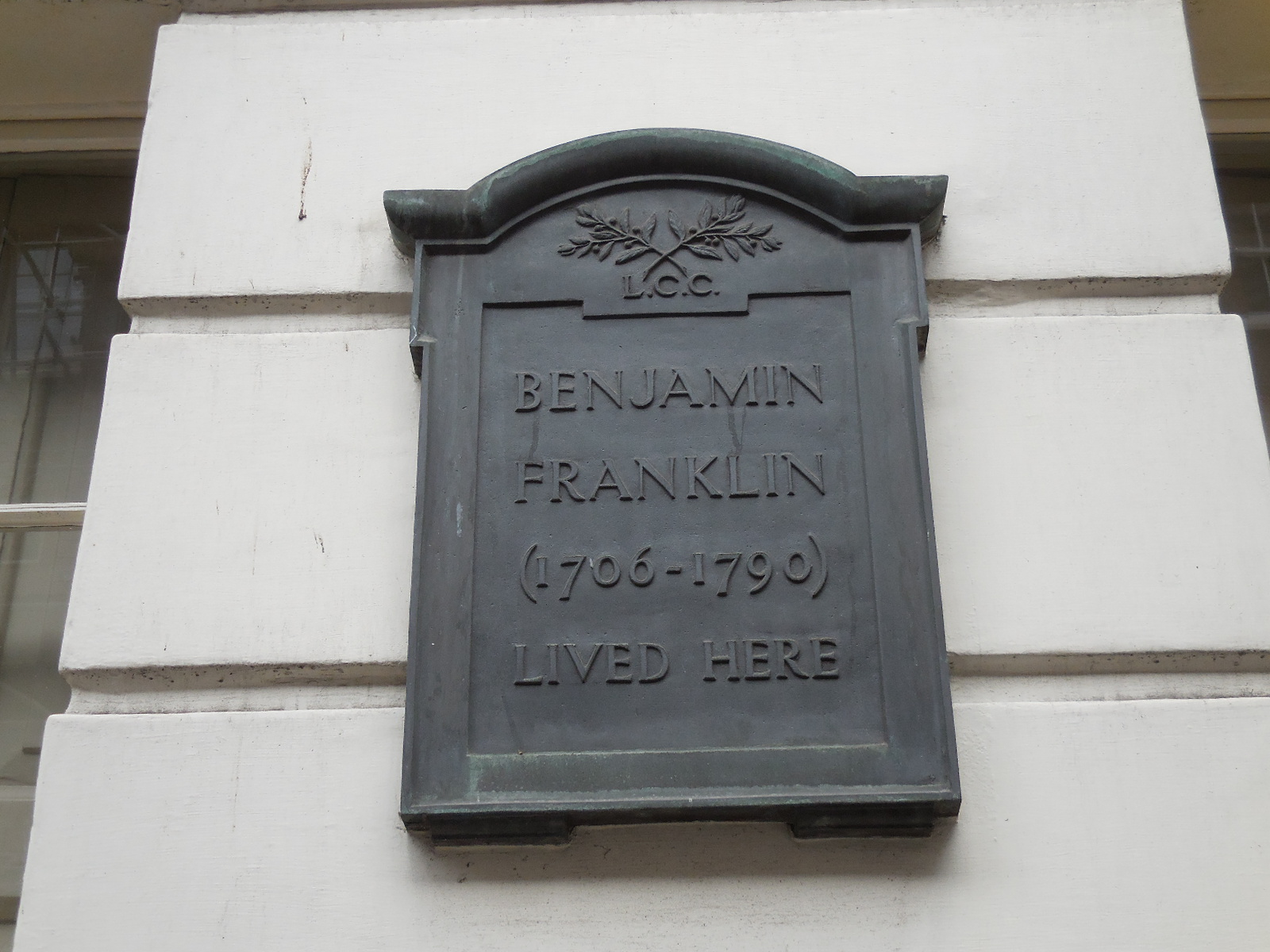
Benjamin Franklin 1706-1790

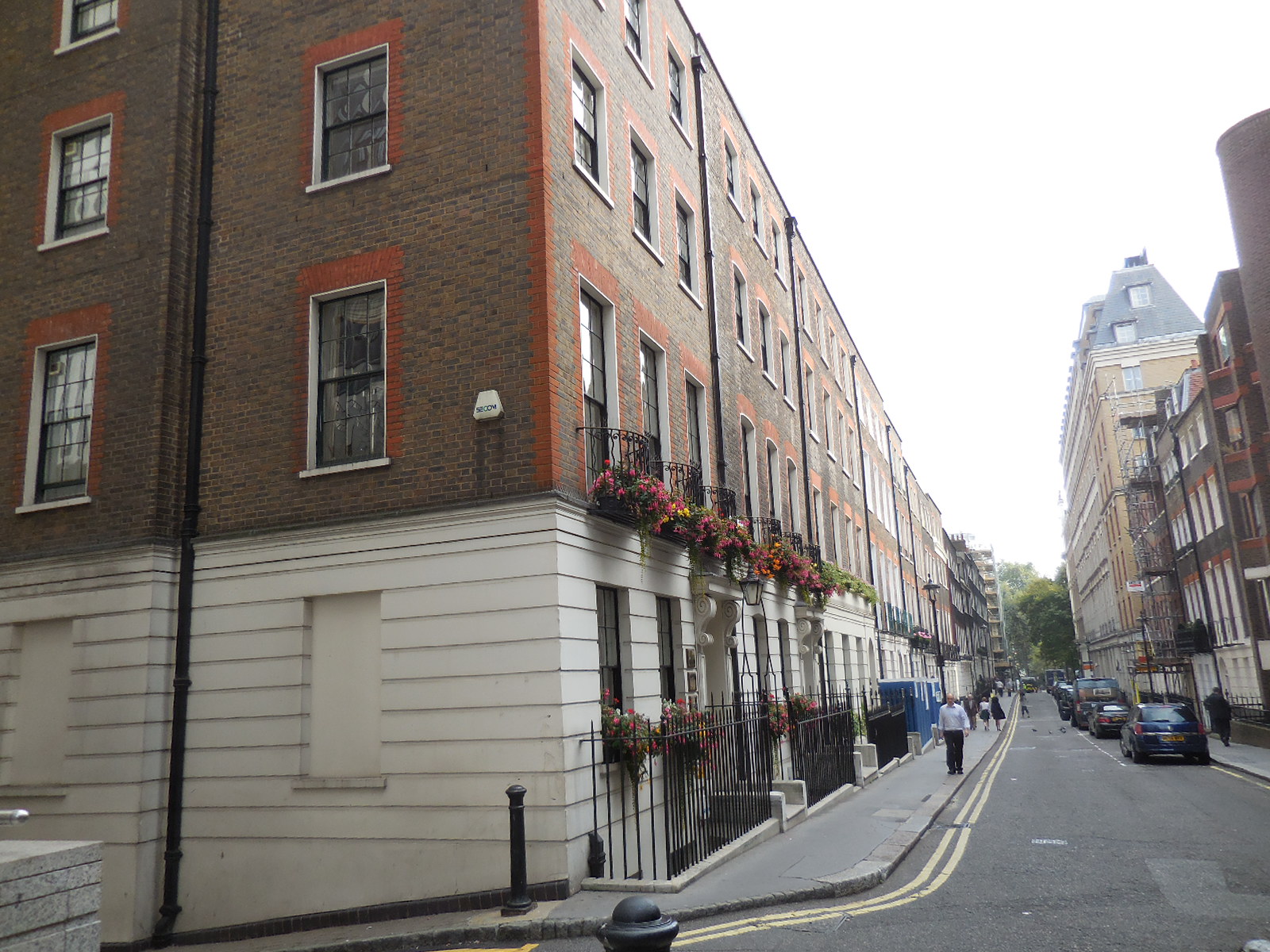
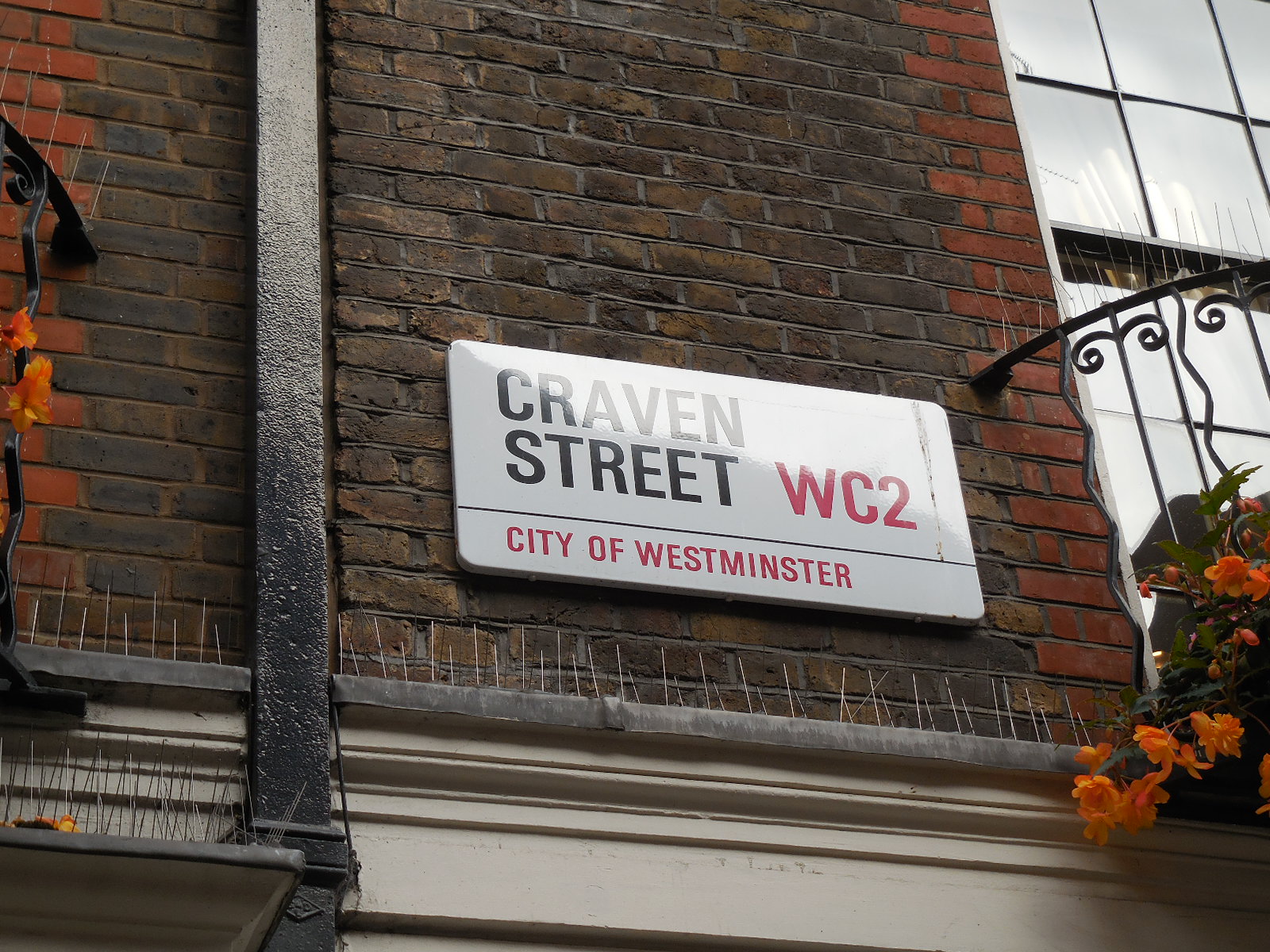
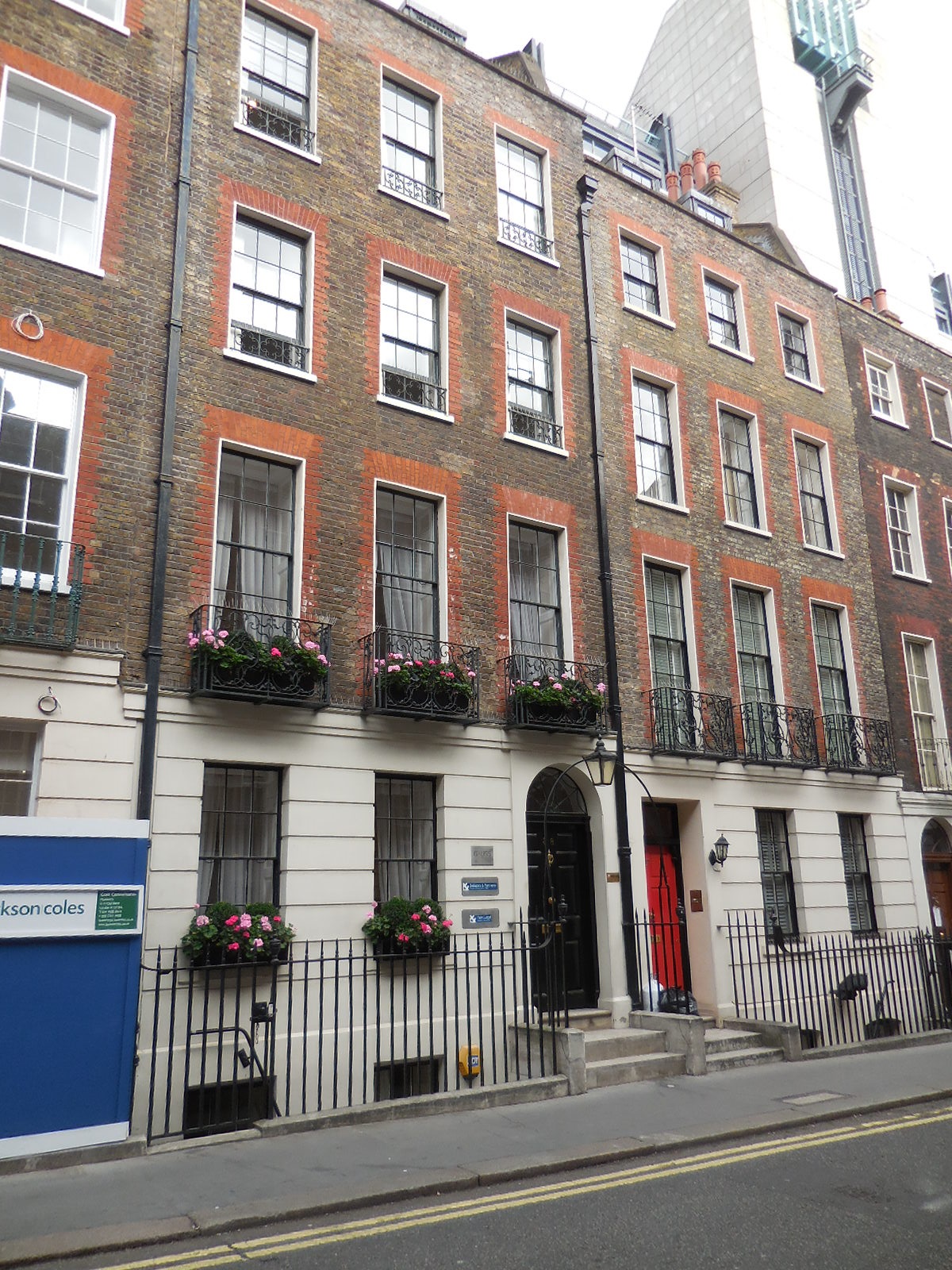
Though he was born in Boston in the colony of Massachusetts and lived much of his life in Philadelphia, Pennsylvania, Franklin’s only remaining intact residence is found at 36 Craven Street, London. We were astonished to find it almost in the shadow of the huge Charing Cross Station in a street of Georgian terraced houses.

Although most of London looks very different in the 21st century, one comes upon these Georgian streets in several neighborhoods.  We hope they are preserved forever.

Ben Franklin’s House

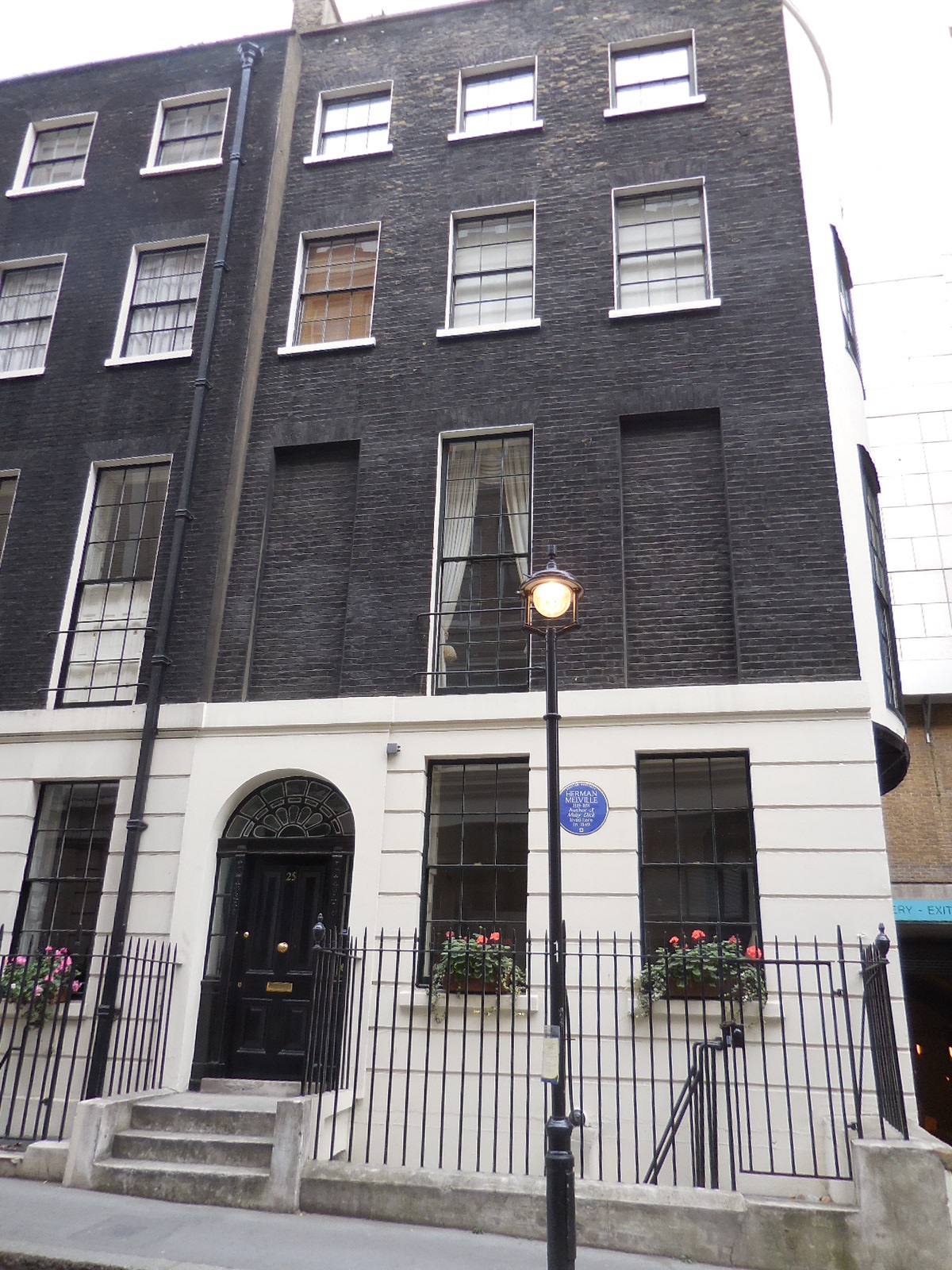
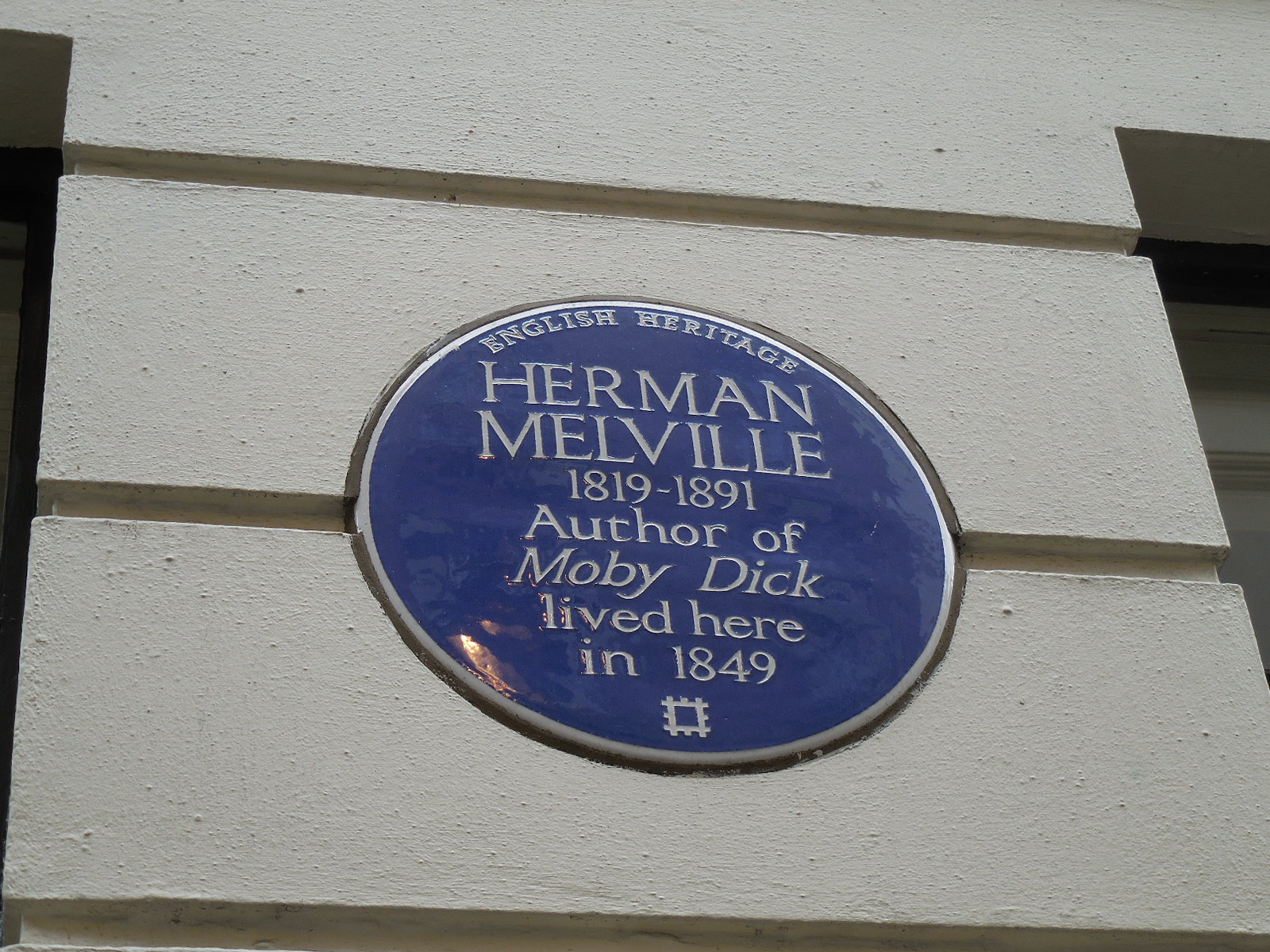
At the end of the block is a building which also housed a famous American.
Herman Melville
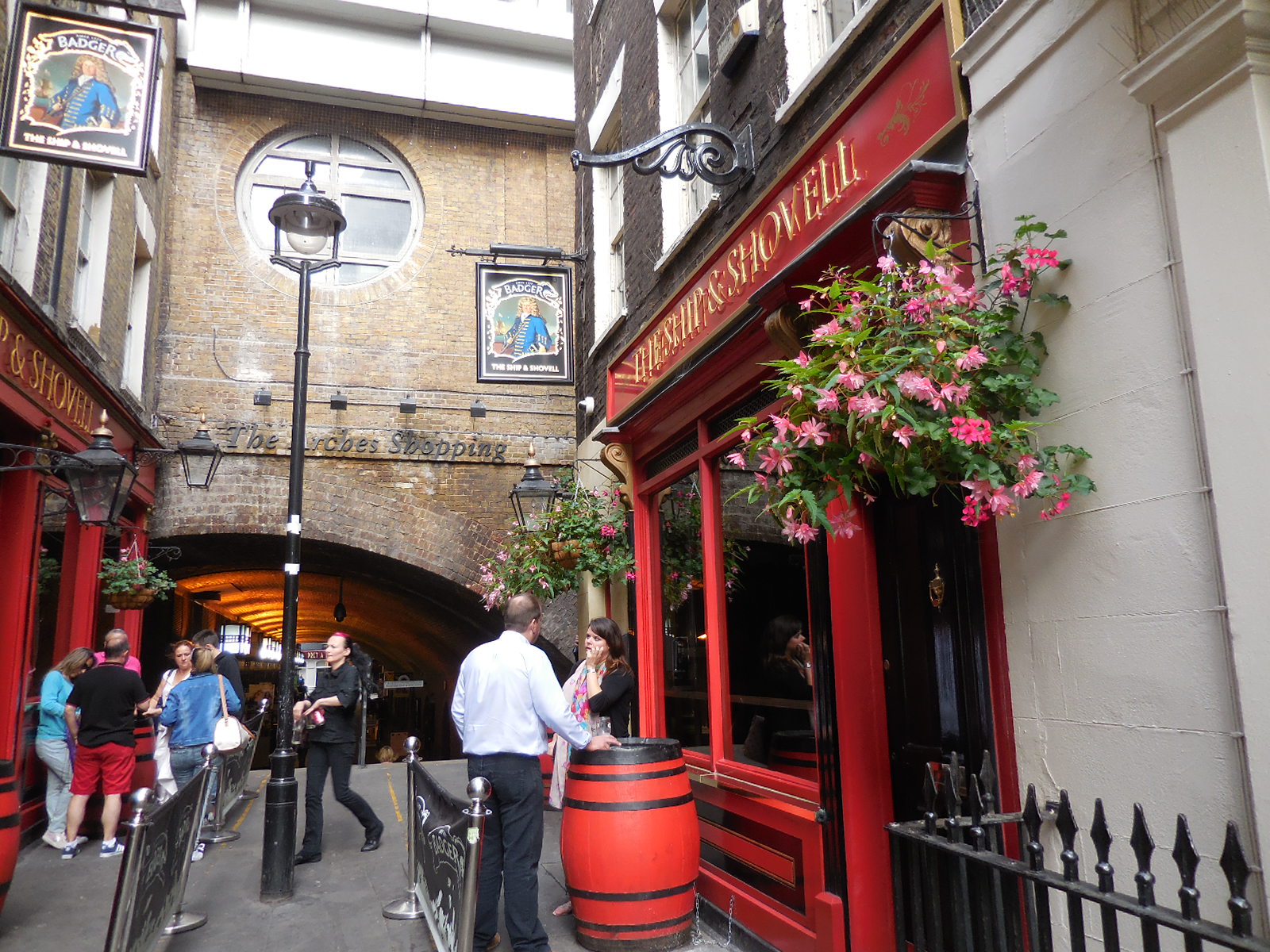
And around the corner, beyond the Pubs, is the tunnel into Charing Cross station.

Door of #36 Craven Street

Entering Ben Franklin’s House…

From the text panel on The Enlightenment:

“The Enlightenment was a philosophical movement that saw scientific and rational thought triumph over traditional beliefs. Its impact was felt in many areas that together led to great change and progress. … Benjamin Franklin’s profession as a printer was central to the Enlightenment’s success spreading its message widely….for nearly sixteen years, between 1757 and 1775, Franklin at 36 Craven Street was an active part of the Enlightenment. It flourished in the coffee houses, salons, and private homes around London, where writers and thinkers met to discuss ideas. In this very house, which served as the first de facto American Embassy, Franklin debated social and political reform, invention and scientific progress with the best minds of the British Enlightenment.”
The Benjamin Franklin House website is here.

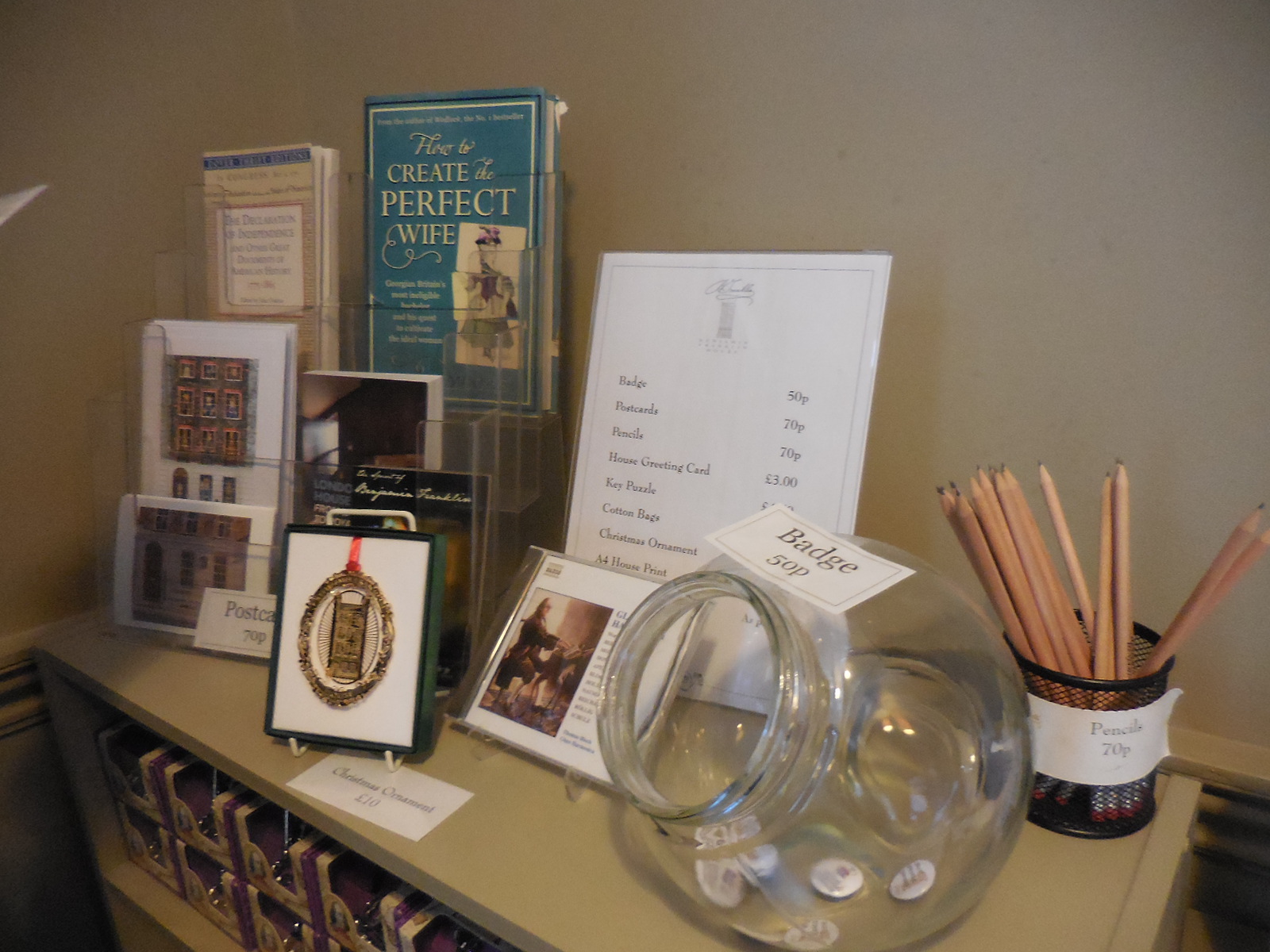
Many artifacts are shown, particularly Franklin’s glasses (he invented bifocals for reading), printer;’s tools, and medical equipment.

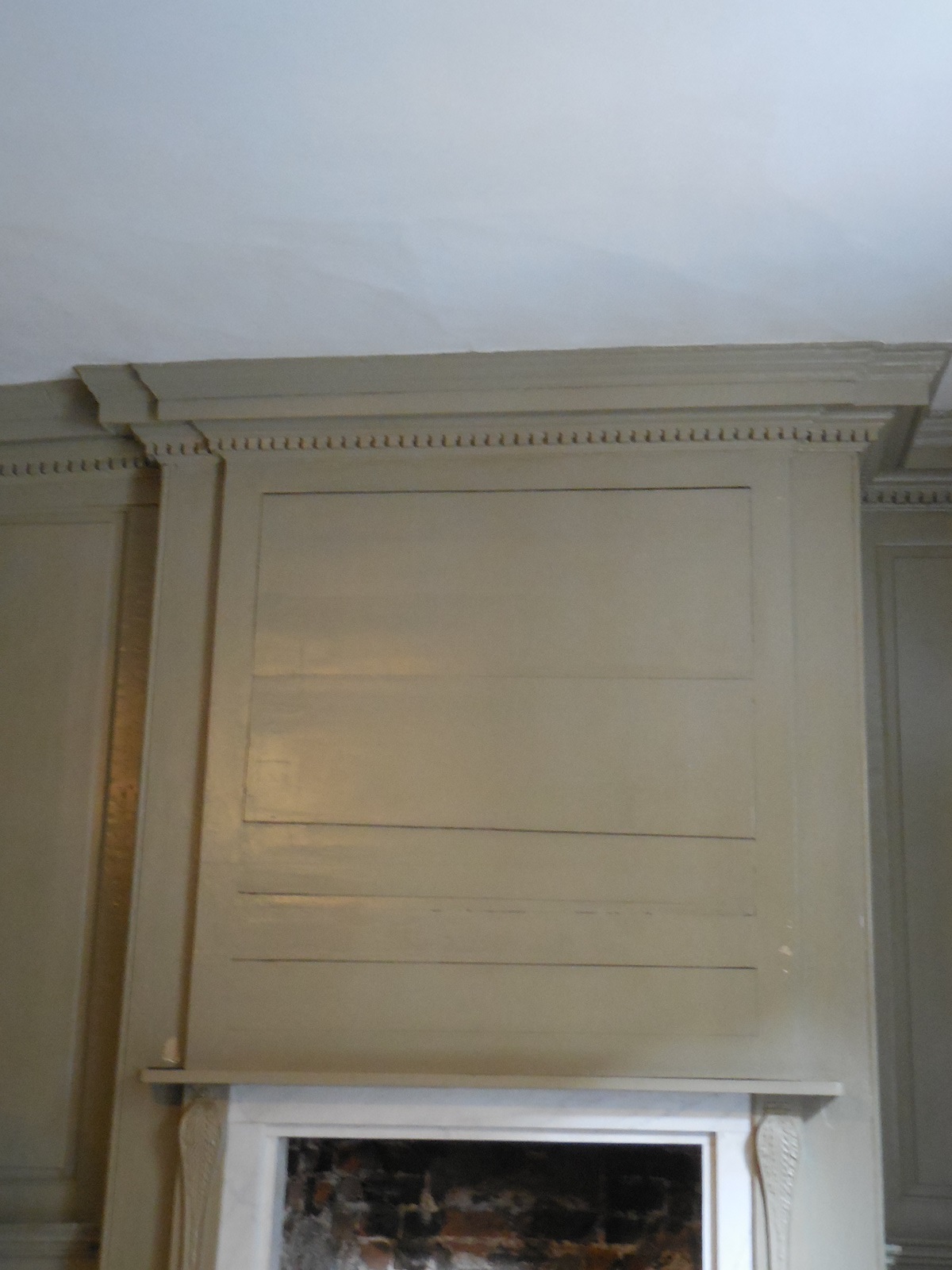
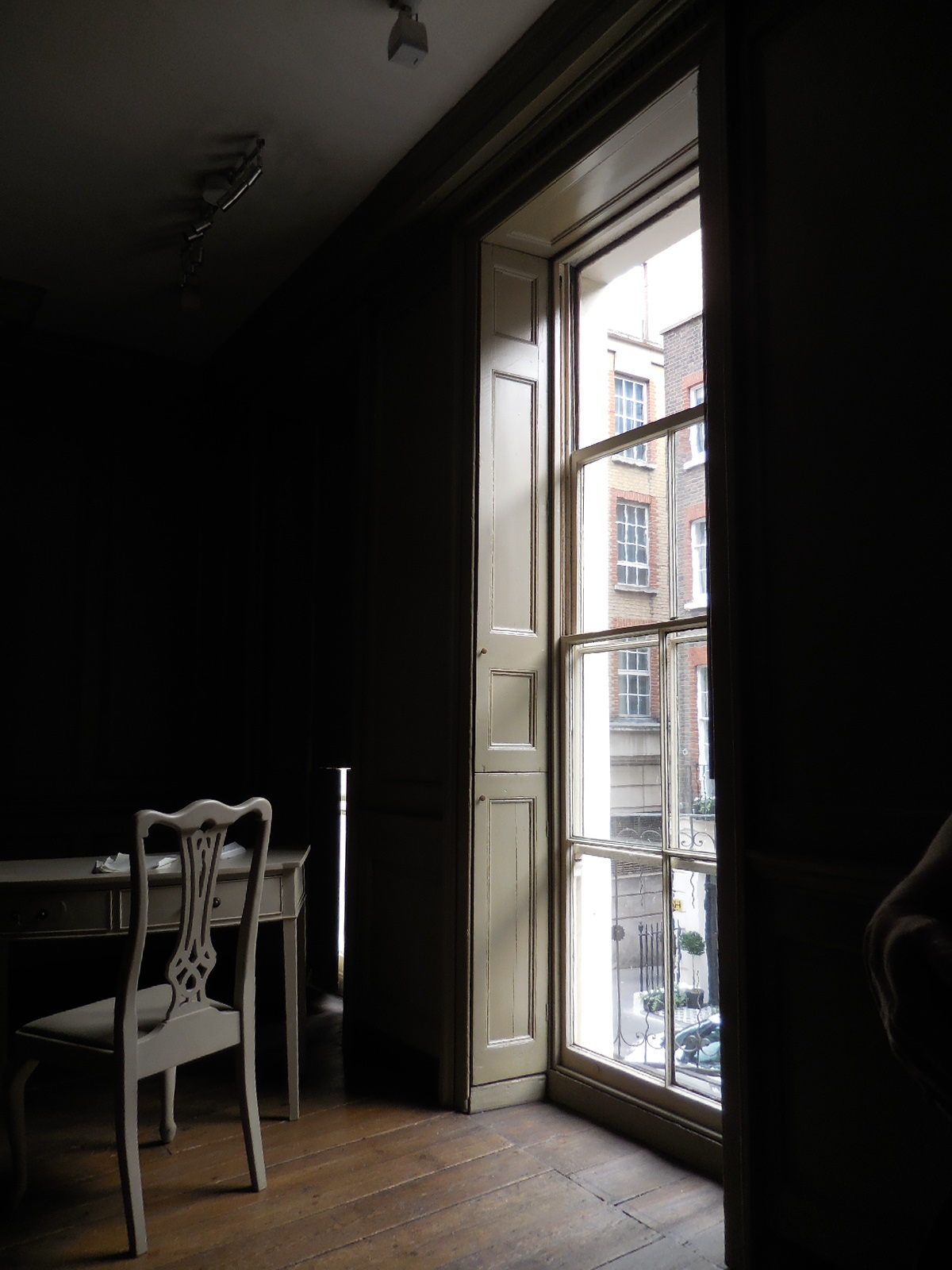
The tour through the house takes visitors from room to room, with explanations of the architecture, furnishings of the rooms, and visuals projected on the walls.  Not only does one learn about Franklin and his life and times, but the bones of the house itself are revealed in all their elegant Georgian simplicity.

Upstairs, is n example of a musical instrument Franklin invented, the glass armonica (or harmonica), for which Mozart and Bach composed, among others. It plays beautifully with a ringing clarity and has been used over the centuries in various orchestral works.

The accounts of Ben Franklin’s life in London, his relationship with his landlady’s family, and his position in society are well covered, even for American visitors who are more familiar with his life than most British school children. Or at least one would hope so!
The program is creative and imaginative. How anyone cannot come away with many more questions about this fascinating man was beyond our ken!  Well worth a visit when you are next in London.
More about Franklin to come.