A LEGACY OF NEEDLEWORK – Mrs. Delany

Mary Granville, or Mrs. Delany, is remembered for her letters and for her elaborate paper flower work and her magnificent needlework. What’s most remarkable about Mrs. Delany is the fact that she only hit her artistic stride after reaching the age of 72! Twice widowed with no children, Mrs. Delany became a royal favorite and sought after by society, numbering Handel, Jonathan Swift, the Duchess of Portland, Fanny Burney and the king and queen of England among her closest friends, all while executing an astonishing body of work that includes the Flora Delanica – almost 1,000 botanical collages that took a decade to complete.

Mary Granville was married at seventeen to the Cornish squire, Alexander Pendarves of Roscrow, who was more than forty years older than she and described by a contemporary as being ‘ugly, disagreeable and gouty’. After he died in 1724, Mary discovered that she’d been left annuity in the hundreds of pounds, far less than she’d anticipated, yet enough to allow her travel amongst relatives and forge ties and friendships that would serve her well in later life.

In the following years, Mary designed an unusual court dress of intricately detailed floral embroidery on black satin. Portions of the dress, preserved in frames by her heirs, reveal the sort of attention to detail that would later be the hallmark of her lifelike floral collages.

While in Dublin in 1740, Mary met Patrick Delany, a Anglican cleric, widower and close friend of Swift’s who would become her second husband in 1743. The marriage was a true love match and Mary flourished under Mr. Delany’s affection and his support of her talents. She had her own workroom at their home in Ireland, with a large bow window overlooking the gardens. Here, Mary made landscape drawings, silhouettes and “japanned” (lacquered) objects. A larger project was the garden grotto Mary designed and executed at  Alexander Pope’s estate.

Upon Mr. Delany’s death in 1768, Mary took up residence with her friend and fellow widow the Duchess of Portland. It was the Duchess who introduced Mrs. Delany to Queen Charlotte, and she became a firm favourite at court, where her talents, intellect and ‘social refinement’ were much admired.
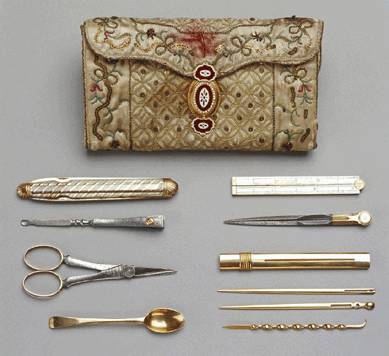
Mrs Delany’s tools from needlework pocket-book, given by Queen Charlotte to Mrs Delany, 1781.

The Duchess of Portland died in 1785, and the King and Queen, concerned for the welfare of their old friend, offered Mrs. Delany an annuity and a small house at Windsor.

Queen Charlotte

On September 3rd, Queen Charlotte wrote: ‘My dear Mrs. Delany will be glad to hear that I am charged by the king to summon her to her new abode at Windsor for Tuesday next, when she will find all the most essential parts of the house ready, excepting some little trifles that it will be better for Mrs. Delany to direct herself in person or by her little deputy, Miss Port. I need not, I hope, add that I shall be extremely glad and happy to see so amiable an inhabitant in this our sweet retreat, and wish very sincerely that our dear Mrs. Delany may enjoy every blessing among us that her merits deserve, and that we may long enjoy her amiable company. Amen. These are the true sentiments of my dear Mrs. Delany’s very affectionate queen, Charlotte.’

Mrs. Delany wrote the following account of her arrival at Windsor to her friend Mrs. Hamilton : ‘I arrived here about eight o’clock in the evening and found his Majesty in the house ready to receive me. I threw myself at his feet, indeed unable to utter a word; he raised and saluted me, and said he meant not to stay longer than to desire I would order everything that could make the house comfortable and agreeable to me, and then retired. Truly, I found nothing wanting, as it is as pleasant and commodious as I could wish it to be, with a very pretty garden, which joins that of the Queen’s Lodge. The next morning her Majesty sent one of her ladies to know how I had rested, and how I was in health, and whether her coming would not be troublesome. I was lame, and therefore could not go down to the door as I ought to have done, but her Majesty came upstairs. Our meeting was mutually affecting; she well knew the value of what I had lost, and it was some time after we were seated before either of us could speak. She repeated in the strongest terms her wish and the king’s, that I should be as easy and happy as they could possibly make me; that they waived all ceremony, and desired to come to me as friends! The queen also delivered me a paper from the king: it contained the first quarter of £300 per annum, which his majesty allows me out of his privy purse. Their majesties have drunk tea with me five times, and the princesses three. They generally stay two hours or longer. In short, I have either seen them or heard of them every day, but I have not yet been at the Queen’s Lodge, though they have expressed impatience for me to come, as I have still so sad a drawback on my spirits that I must decline that honour till I am better able to enjoy it, and they have the goodness not to press me. Their visits here are paid in the most quiet, private manner, like those of the most consoling, disinterested friends; so that I may truly say they are a royal cordial, and I see very few people besides. I have been three times in the king’s private chapel at early prayers, where the royal family constantly attend, and they walk home to breakfast afterwards, whilst I am conveyed in a very elegant chair which the king has made me a present of for that purpose.

While at Windsor, Mrs. Delany would befriend Fanny Burney and receive regular visits from Mrs. Garrick, the late actor’s widow. Perhaps it was the Duchess of Portland’s friendship that had the most influence on the art Mrs. Delany would undertake later in life. Each year, Mrs. Delany made a visit of several months to Bulstrode, the duchess’s estate in Buckinghamshire, where she had access to an extraordinary cabinet of curiosities that included rare and exotic plants and flowers. Also at Bulstrode were the botanist John Lightfoot, the botanical artist Georg Dionysius Ehret and other advocates of the revolutionary taxonomy developed by the Swedish scientist Carl Linnaeus. Mrs. Delany observed their dissections of flowers and taught herself the art of the “hortus siccus,” or pressed-flower composition. These experiments would give her the knowledge and understanding of flowers that would breathe life into her collages.

Eventually, Mrs. Delany devised a means of cutting tiny pieces of paper to create her flower collages and she went on to create several volumes of these ‘paper mosaic’ plants and flowers. So amazing were their realistic qualities that King George III ordered the volumes to be preserved in the British Museum “as a standard work of art unparalleled for accuracy of drawing, form, and perspective, as well as colouring, truth of outline, and close resemblance to nature.” Horace Walpole called her collages “precision and truth unparalleled,” while author William Gilpin wrote, “These flowers have both the beauty of painting, and the exactness of botany.”

Part Two coming soon!
CHRISTIAN DIOR: DESIGNER OF DREAMS

“There is no other country in the world, besides my own, whose way of life I like so much. I love English traditions, English politeness, English architecture. I even love English cooking.” Christian Dior


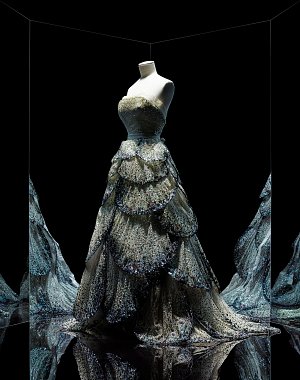
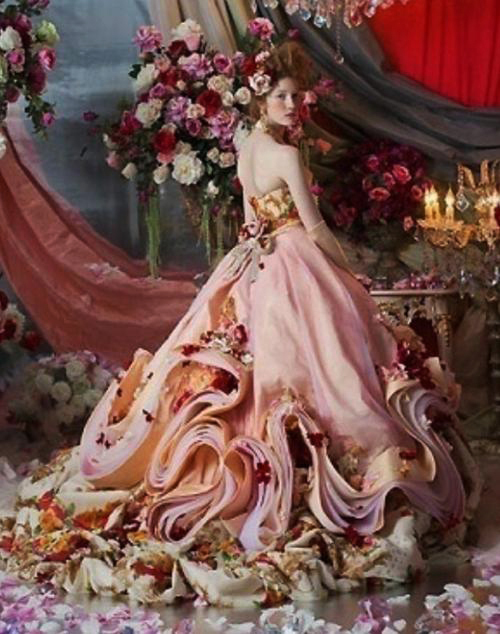
Christian Dior, Juno dress, haute couture fall-winter 1949, mid-century line – © MAD / Nicholas Alan Cope

In February 2019, the V&A will open the largest and most comprehensive exhibition ever staged in the UK on the House of Dior – the museum’s biggest fashion exhibition since Alexander McQueen: Savage Beauty in 2015. Spanning 1947 to the present day, Christian Dior: Designer of Dreams will trace the history and impact of one of the 20th century’s most influential couturiers, and the six artistic directors who have succeeded him, to explore the enduring influence of the fashion house.

Based on the major exhibition Christian Dior: Couturier du Rêve, organised by the Musée des Arts Décoratifs, Paris, the exhibition will be reimagined for the V&A. A brand-new section will, for the first time, explore the designer’s fascination with British culture. Dior admired the grandeur of the great houses and gardens of Britain, as well as British-designed ocean liners, including the Queen Mary. He also had a preference for Savile Row suits. In 1947, he hosted his first UK fashion show at London’s Savoy Hotel, and in 1952 established Christian Dior London.

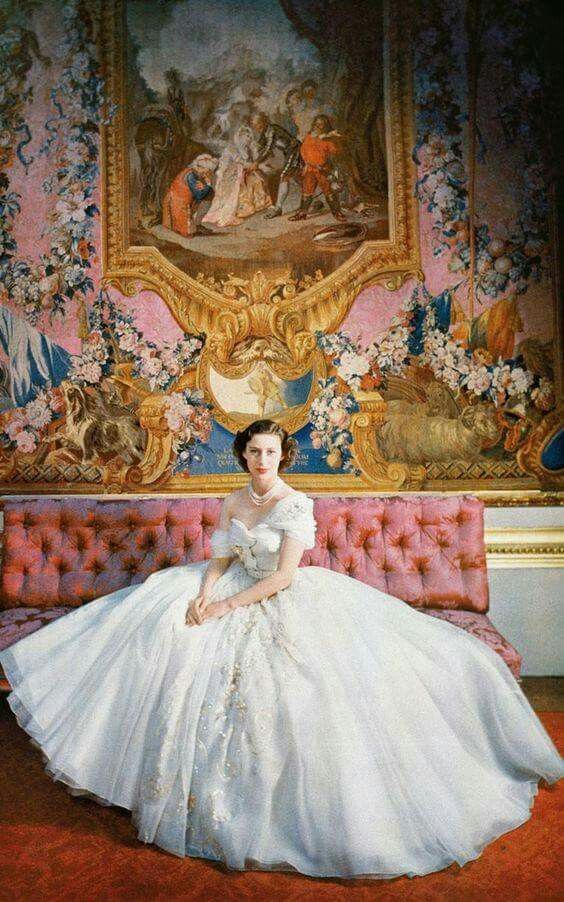
A 21-year-old Princess Margaret in Dior, 1951, copyright Museum of London

This exhibition will investigate Dior’s creative collaborations with influential British
manufacturers, and his most notable British clients, from author Nancy Mitford to ballet dancer Margot Fonteyn. A highlight will be the Christian Dior dress worn by Princess Margaret for her 21st birthday celebrations, generously on loan from the Museum of London. It will also bring to life Dior’s spectacular fashion shows staged in the UK’s most luxurious stately homes, including Blenheim Palace in 1954.

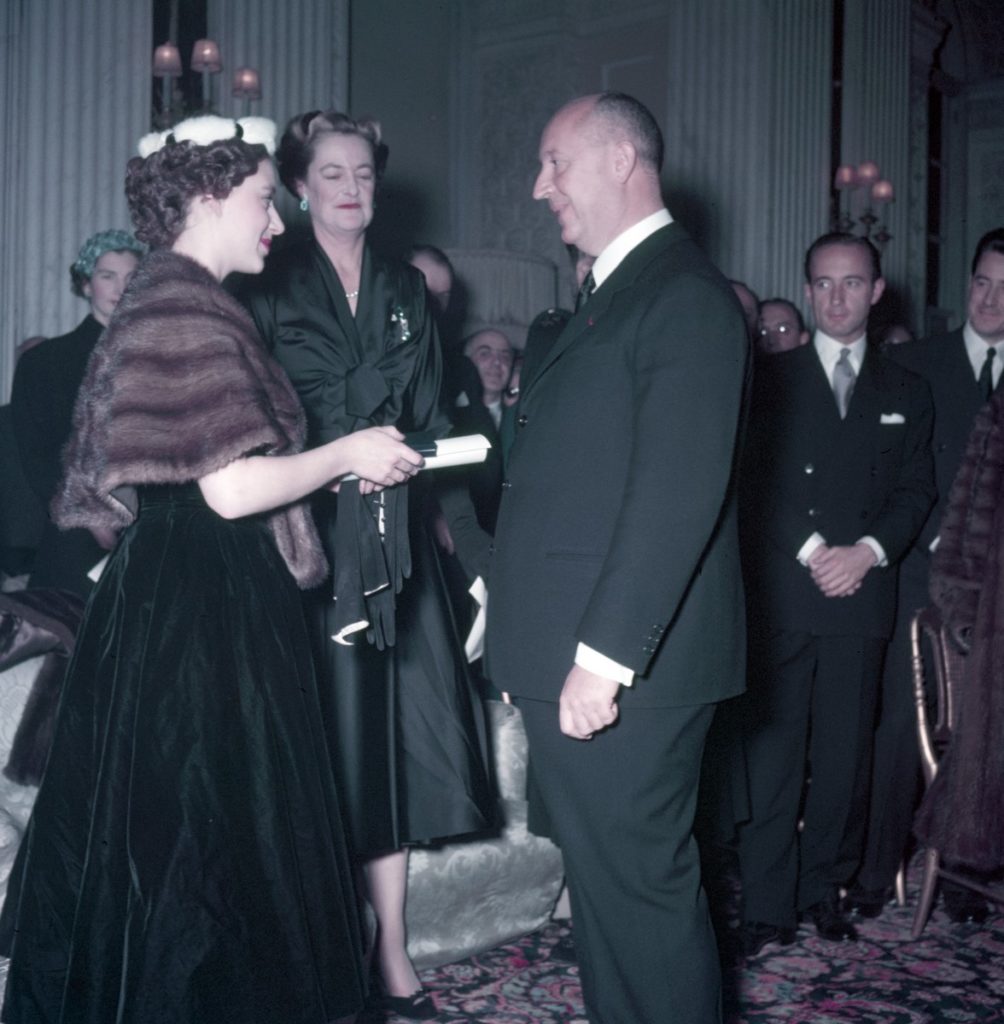
Princess Margaret (left), with the Duchess of Marlborough behind, presents Christian Dior with a scroll entitling him to Honorary Life Membership of the British Red Cross after the presentation of his Winter Collection at Blenheim Palace on 3rd November 1954. (Photo by Popperfoto/Getty Images)

Drawn from the extensive Dior Archives, the exhibition will also showcase highlights from the V&A’s world-class Couture collections, including the iconic Bar Suit, gifted to the museum by the House of Dior in 1960. The exhibition will present over 500 objects, with over 200 rare Haute Couture garments shown alongside accessories, fashion photography, film, perfume, make-up, illustrations, magazines, and Christian Dior’s personal possessions.

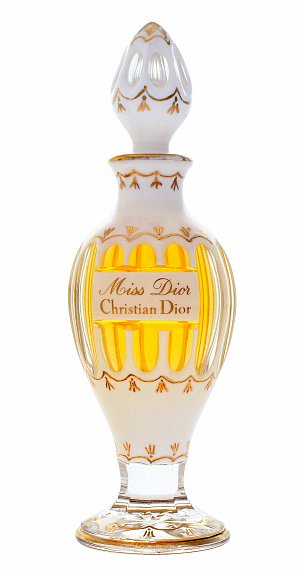
Miss Dior Perfume, 1947 © Philippe Schlienger

The exhibition will highlight Dior’s vision of femininity, encompassing garments, accessories and fragrances. Flowers are emblematic of the Couture House and have inspired silhouettes, embroidery and prints but also the launch of Miss Dior in 1947, the first fragrance created alongside the very first show. From horticulture to global travel and 18th century decorative arts, the show will reveal the sources of inspiration that defined the House of Dior’s aesthetic. From the daring designs of
Yves Saint Laurent to the rational style of Marc Bohan, the flamboyance of Gianfranco Ferré, the exuberance of John Galliano, the minimalism of Raf Simons, and Maria Grazia Chiuri’s feminist vision of fashion, the exhibition will show how each successive artistic director has stayed true to Dior’s vision of Haute Couture, while bringing their own creative sensibilities to the House.

Dior Couture, “The Ingenue” collection by John Galliano, 2009.

Tim Reeve, Deputy Director and COO of the V&A, said: “Christian Dior: Designer of Dreams celebrates one of the most ingenious and iconic designers in fashion history. Reimagining this hugely popular exhibition from Paris – as the largest fashion exhibition the V&A has undertaken since Alexander McQueen: Savage Beauty – will shed new light on Dior’s fascination with Britain. The V&A holds one of the largest and most important fashion collections in the world, and we are delighted to be able to reveal highlights from our outstanding collection alongside those from the remarkable archive of the House of Dior, for this spectacular exhibition.”

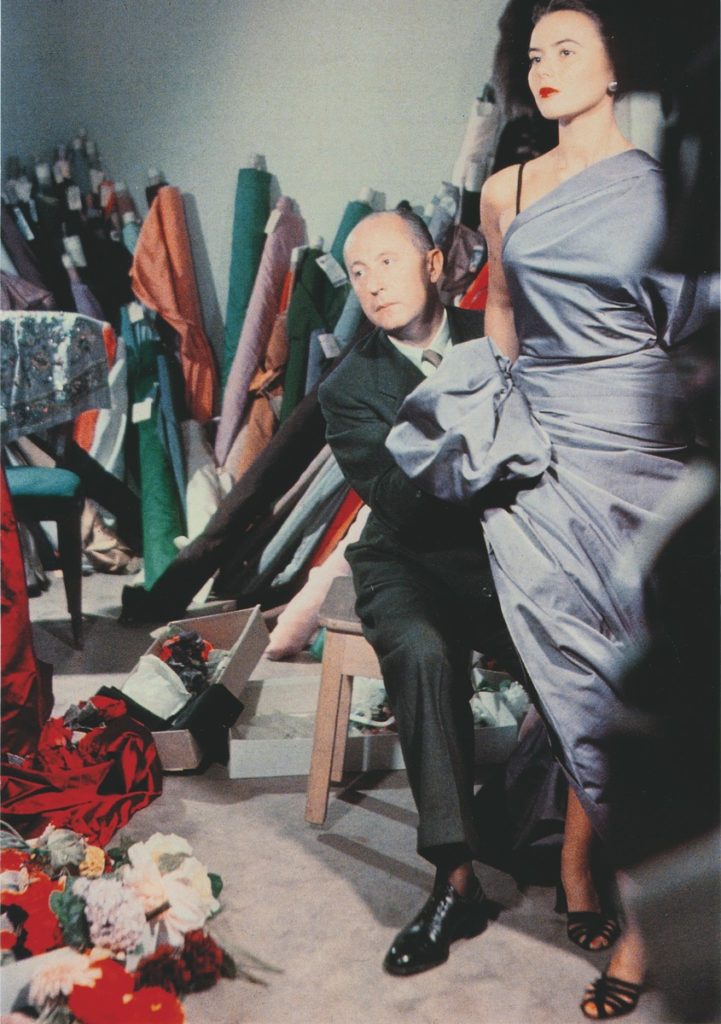
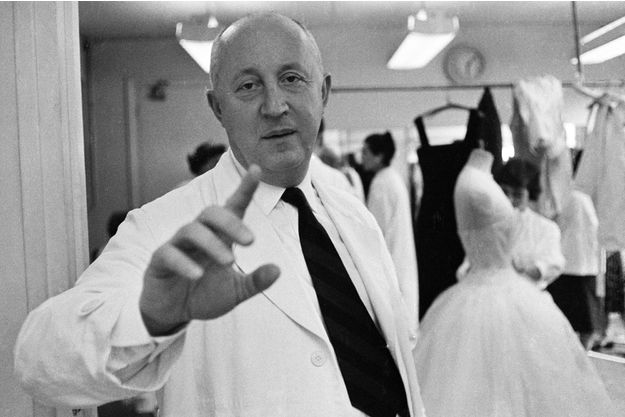
Christian Dior with model Sylvie, circa 1948, Courtesy of Christian Dior

Oriole Cullen, Fashion and Textiles Curator at the V&A, said: “In 1947, Christian Dior changed the face of fashion with his ‘New Look’, which redefined the female silhouette and reinvigorated the post-War Parisian fashion industry. The V&A recognised Dior’s important contribution to design history early-on in his career, acquiring his sketches and garments from the 1950’s onwards. The influence of Christian Dior’s design was all-pervasive and helped to define an era. In their own individual ways, each of the House’s successive artistic directors have referenced and reinterpreted Dior’s own designs and continued the legacy of the founder, ensuring that the House of Christian Dior is at the forefront of fashion today. More than seventy years after its founding, the V&A’s exhibition will celebrate the enduring
influence of the House of Dior and uncover Dior’s relationship with Britain.”

Christian Dior: Designer of Dreams
The Sainsbury Gallery
2 February – 14 July 2019

A TOUR GUIDE IN ENGLAND: MORE GATES AND DOORS

The Roman Baths, Bath
Bath, England
Townhouse,, Bath
Bath, England
Royal Oak, Corsley Heath
Naval and Military Club,, St. James’s Square
Castle Hotel, Ryde, Isle of Wight
Appuldurcombe House, Godshill, Isle of Wight
Osborne House, Isle of Wight
Albert Cottage, Isle of Wight
Osborne House, Isle of Wight
Oxfordshire
Caversham
Oxfordshire
St Mary the Virgin Churchyard. Ewelme, Oxfordshire
Dorchester
The George Inn, Dorchester
Beaulieu
Beaulieu
Beaulieu
Salisbury Close
Salisbury Close
Arundel Castle
Arundel Castle

BOXING DAY — WHAT IN THE WORLD?

In Britain, the day after Christmas is known as Boxing Day.  Every December 26 I wonder what in the world that means — and I never find out for sure.  Maybe someone can tell me, Victoria, what it is. Definitively!

This Cartoon has the right spirit IMHO

Here’s what Wikipedia says: “The exact etymology of the term “boxing day” is unclear. There are several competing theories, none of which is definitive.”  This comes after they have already defined Boxing Day as a time when servants get their gifts.

So I turned to Snopes — which says the claim that Boxing Day means it is time to get rid of Christmas boxes is false… so where besides Nordstrom’s do stores have boxes any more?

Snopes goes on: “The holiday’s roots can be traced to Britain, where Boxing Day is also known as St. Stephen’s Day. Reduced to the simplest essence, its origins are found in a long-ago practice of giving cash or durable goods to those of the lower classes. Gifts among equals were exchanged on or before Christmas Day, but beneficences to those less fortunate were bestowed the day after. And that’s about as much as anyone can definitively say about its origin because once you step beyond that point, it’s straight into the quagmire of debated claims and dueling folklorists.”

I was amazed to find how many images Google has for Boxing Day, though they hardly solve the mystery.
As far as I can tell around here (midwest US), it’s the day to run around and buy next year’s decorations and wrappings at half price. Perhaps the cats should have the last word on the subject!

MERRY CHRISTMAS!

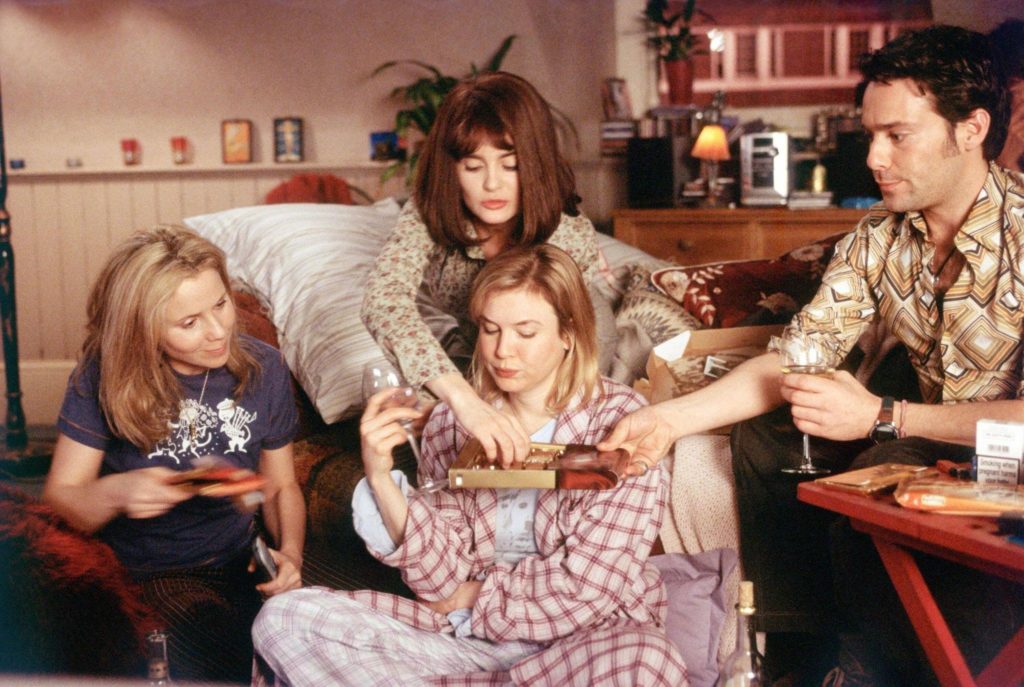
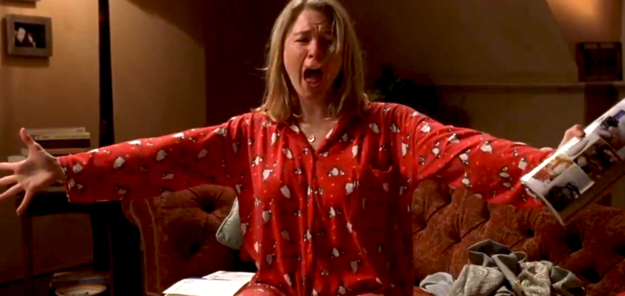
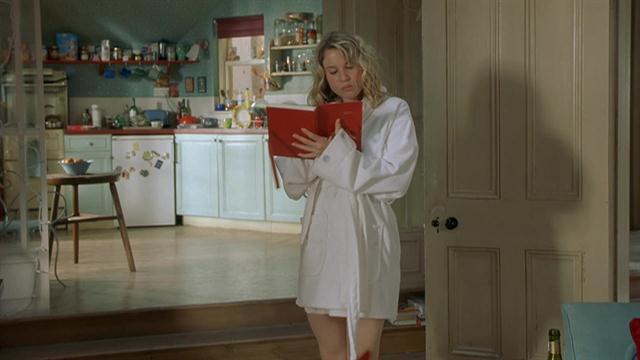
One of our favourite Christmas movies of all time at Number One London is Bridget Jones’s Diary. Taking our inspiration from the film, here are our Christmas wishes to you . . . . .


May you always be surrounded by good friends


May you always find the perfect thing to wear


May you always find joy in singing out loud


May you never run out of a supply of emergency ice cream


May you use your gift cards wisely


May you never run out of good books to read


May you always be up for new challenges


May you experience good will towards men


May all your recipes turn out perfectly


May you always have good hair days


May you never be forced to wear an ugly Christmas sweater

and . . . . .

may you always realize your heart’s desire

  Merry Christmas!