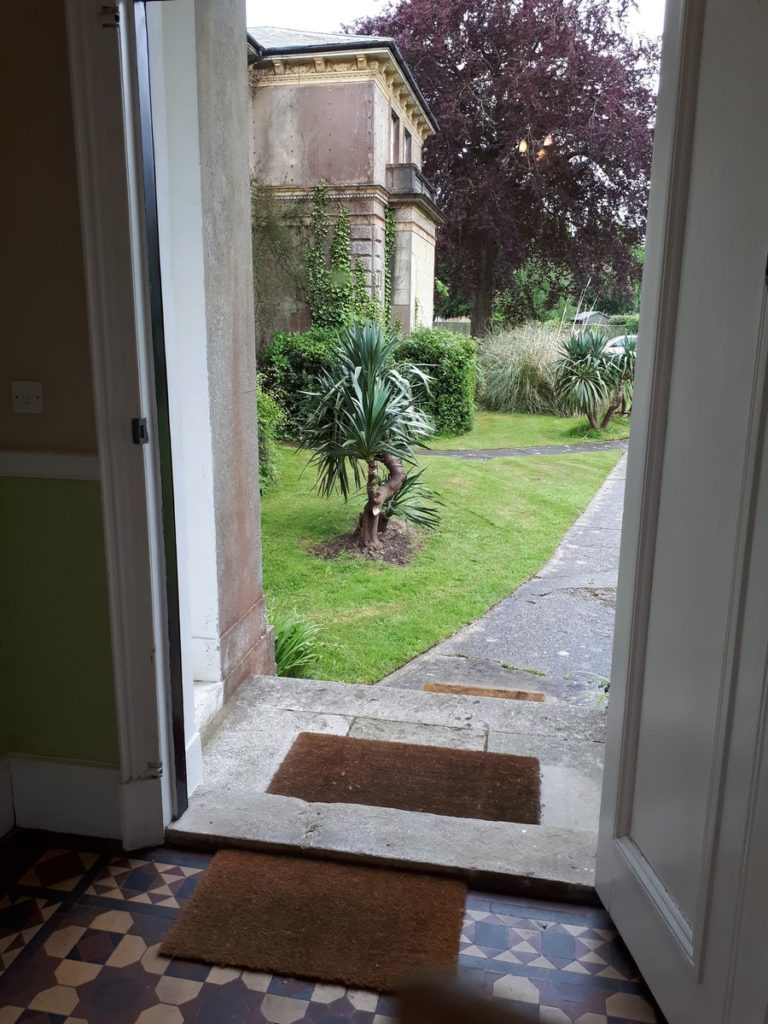
Leaving the Castle Hotel, Ryde, Victoria and I headed to East Cowes and our next hotel, Albert Cottage, once home to Princess Beatrice, Queen Victoria’s younger daughter. The hotel is set in two acres of beautiful gardens backing onto Osborne House, Queen Victoria’s favourite holiday residence. Directly next to the hotel stands the entrance gate to Osborne House, above, still reserved for the use of the current Royals. The public entrance to Osborne House is further on down the street.
The Albert Cottage Hotel
From the hotel website – “Built in the 1840s, probably by Thomas Cubitt – the then leading master builder in London – ‘Albert Cottage’ was bought in 1852 by Prince Albert to be part of a Botanic Garden development of the Osborne House Estate, and was used together with the adjacent Osborne Cottage by Royal guests. In 1899 a covered corridor was constructed to link the two properties and allow easy movement between them without guests having to brave any inclement weather.”
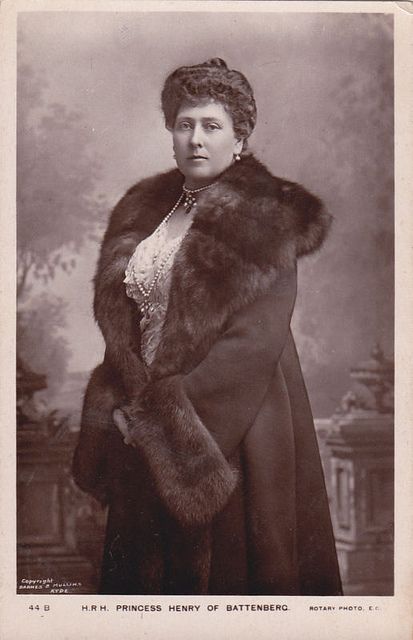
Princess Beatrice
“This corridor now links the main Hotel and Consort Restaurant & Bar area. When Queen Victoria died in 1901, her successor Edward VII kept both cottages for the use of Victoria’s youngest daughter, Princess Beatrice. In 1913 the Princess moved to Carisbrooke Castle and Albert Cottage was sold to Sir Richard Burbidge, philanthropist Managing Director of Harrods. It was again sold in 1924 to The Hon. Elizabeth Storr, widow of Major L.P. Storr DSO, a war hero killed in action in France in 1918. After later neglect it was turned into a hotel in 1999 and now further developed by current owners HTP Apprenticeship College.”
Upon check-in, Vicky and I were given a two bedroom suite. Vicky’s bedroom looked lovely from the doorway . . . .
And enormous from within. It even offered a sitting area with balcony.
My bedroom was just as lovely, and afforded me views of the Gate. A nice touch – our bathroom shower included instructions.
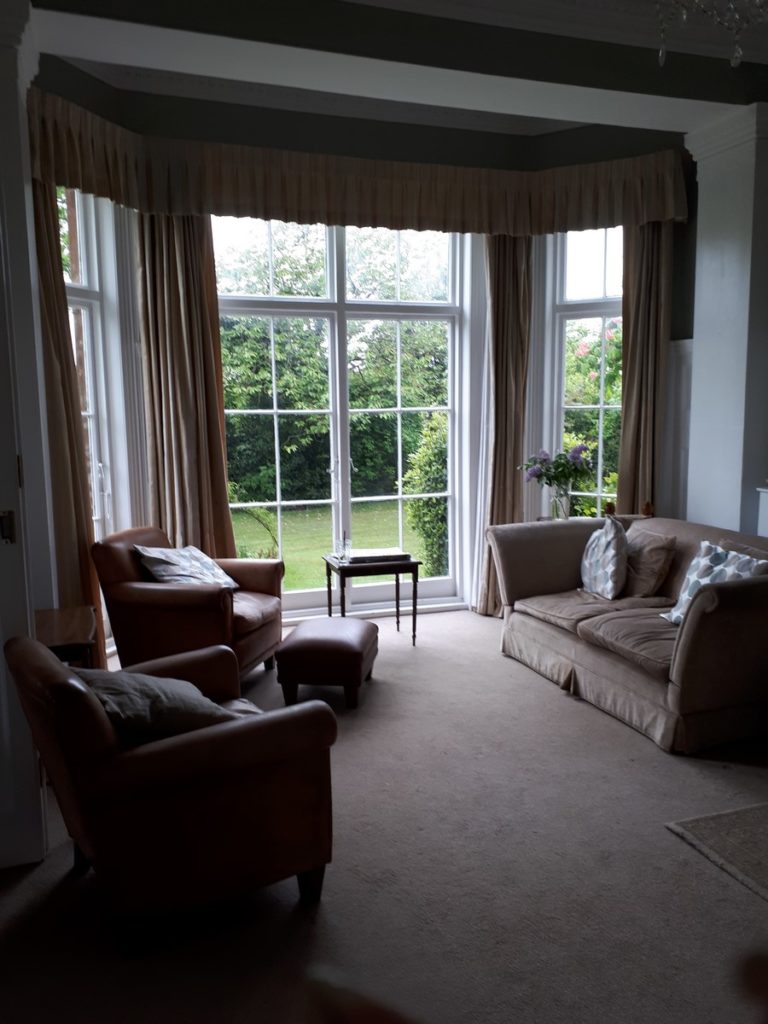
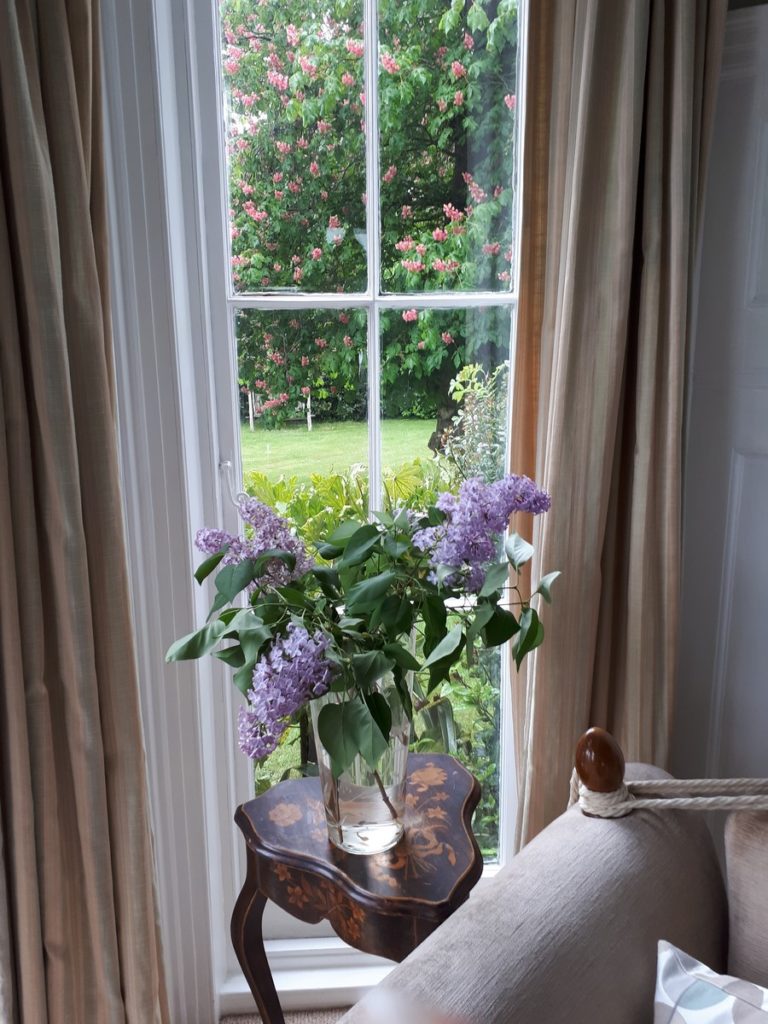
We had the cozy drawing room to ourselves and enjoyed the expansive garden views.
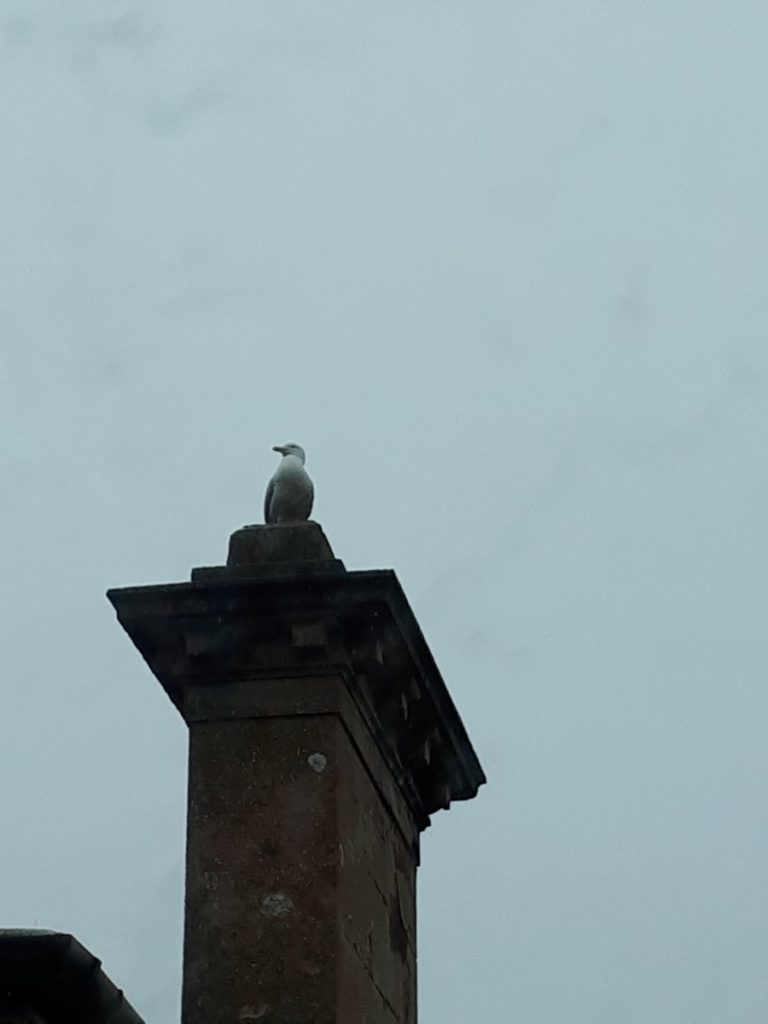
Some of the other guests were a bit stand-offish, below, but the staff were lovely.
In the afternoon, we made our way to Osborne House for the first of our two day visit to the property. Returning to the hotel that evening, we dined in the Prince Consort Restaurant.
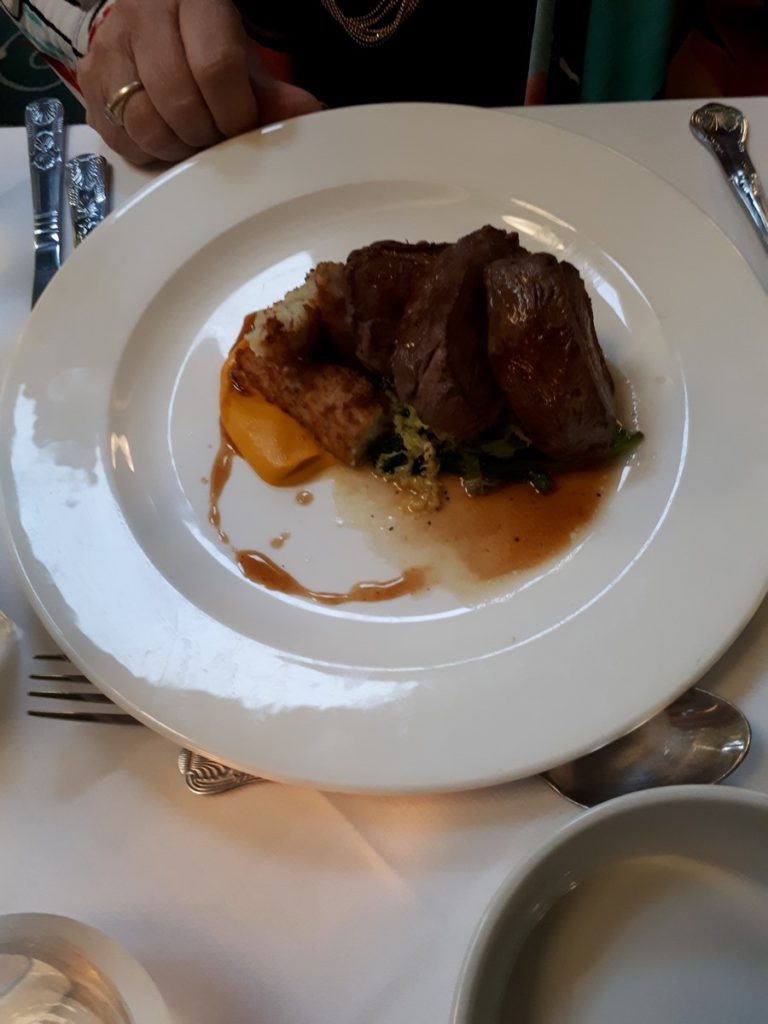
Vicky chose the lamb.
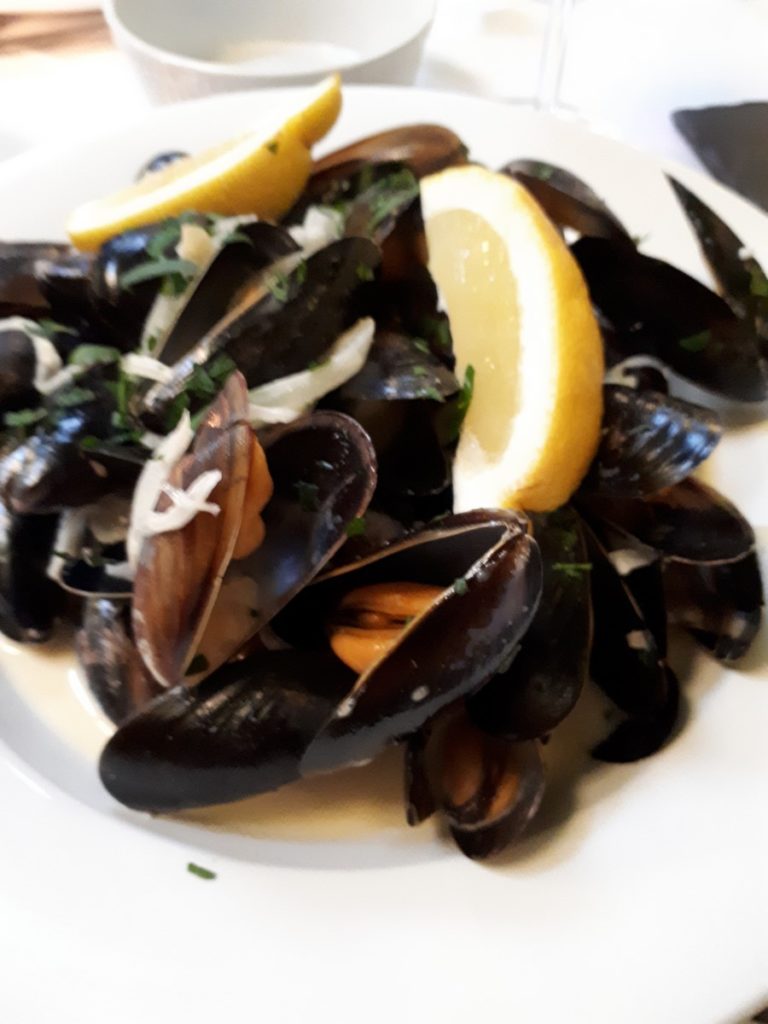
I opted for mussels.
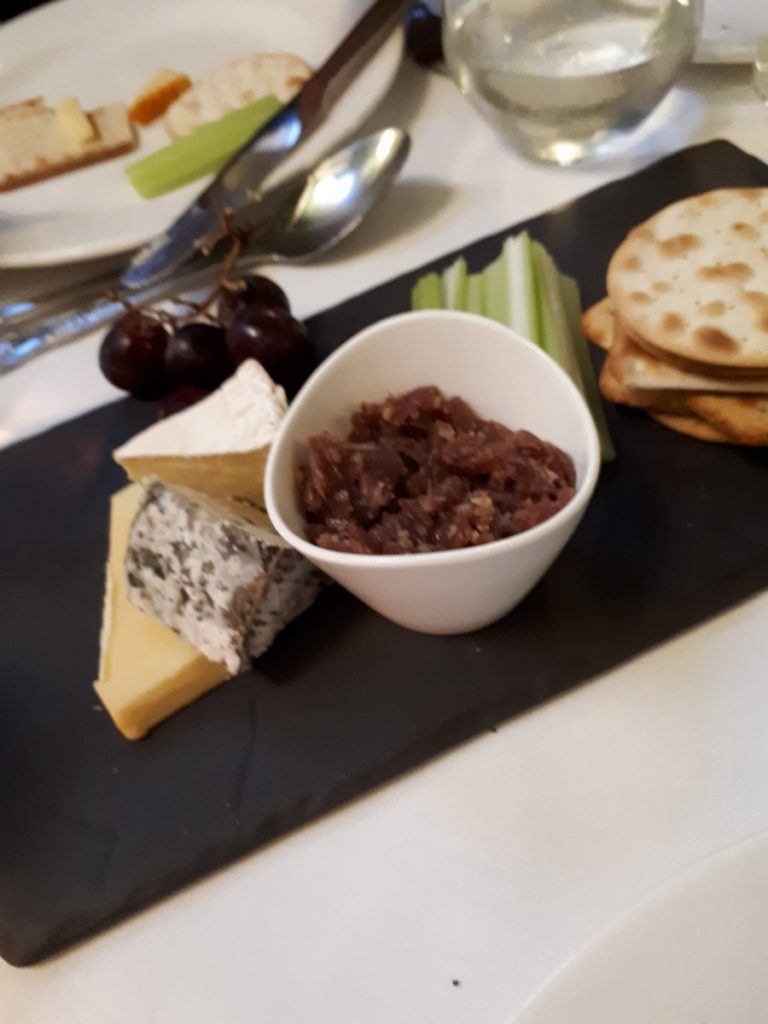
And we split the cheese board for dessert.
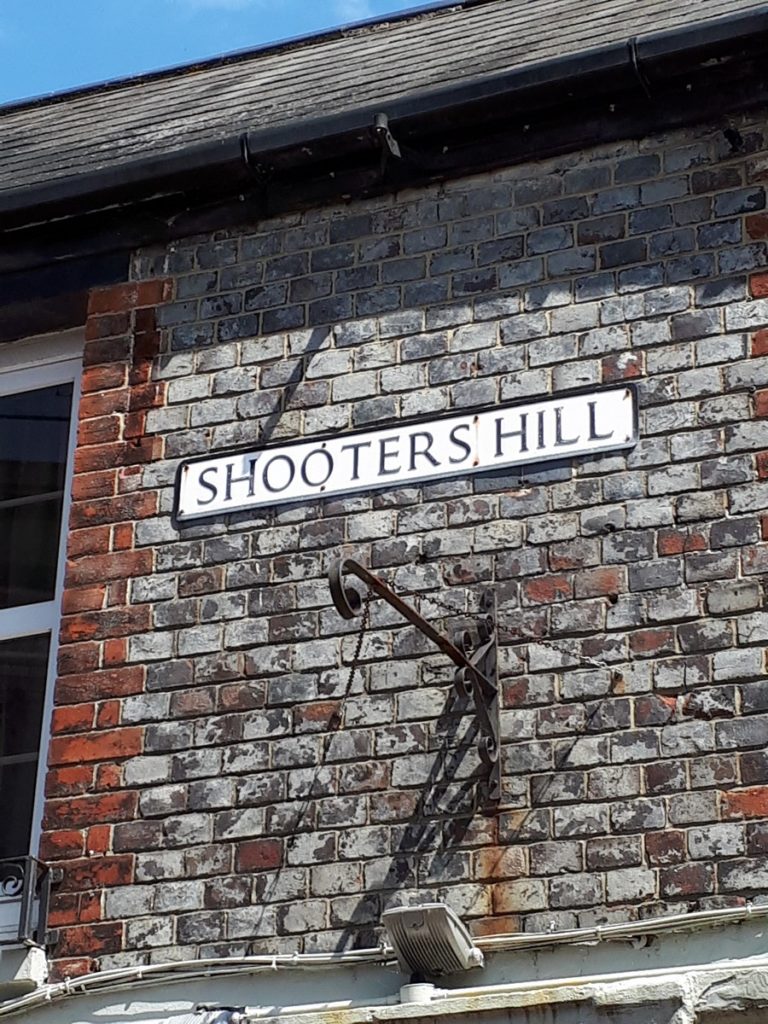
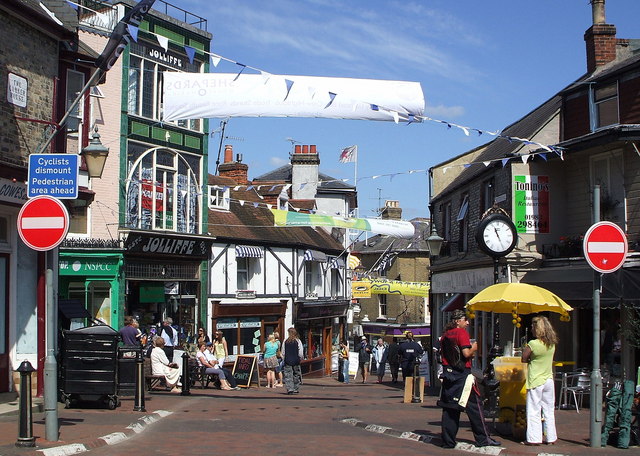
Once we had completed our tour of Osborne House, the gardens, beach and Swiss Cottage, Vicky and I headed to the historic town of Cowes and began our sightseeing in Shooters Hill.
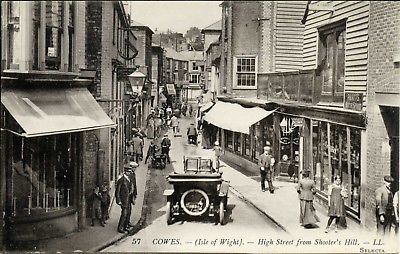
Shooters Hill, PicClick UK
As the postcard above illustrates, Shooters Hill has been attracting visitors for quite some time, although today it has mostly been pedestrianized.
Once more, we were blessed with blue skies and fine weather.
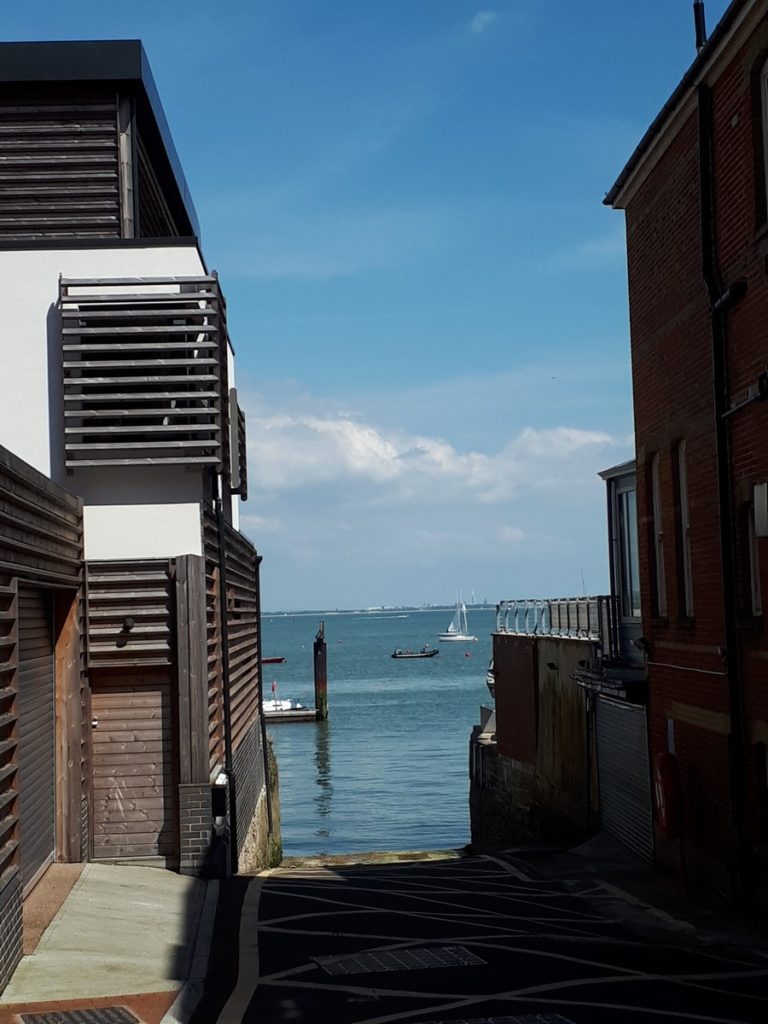
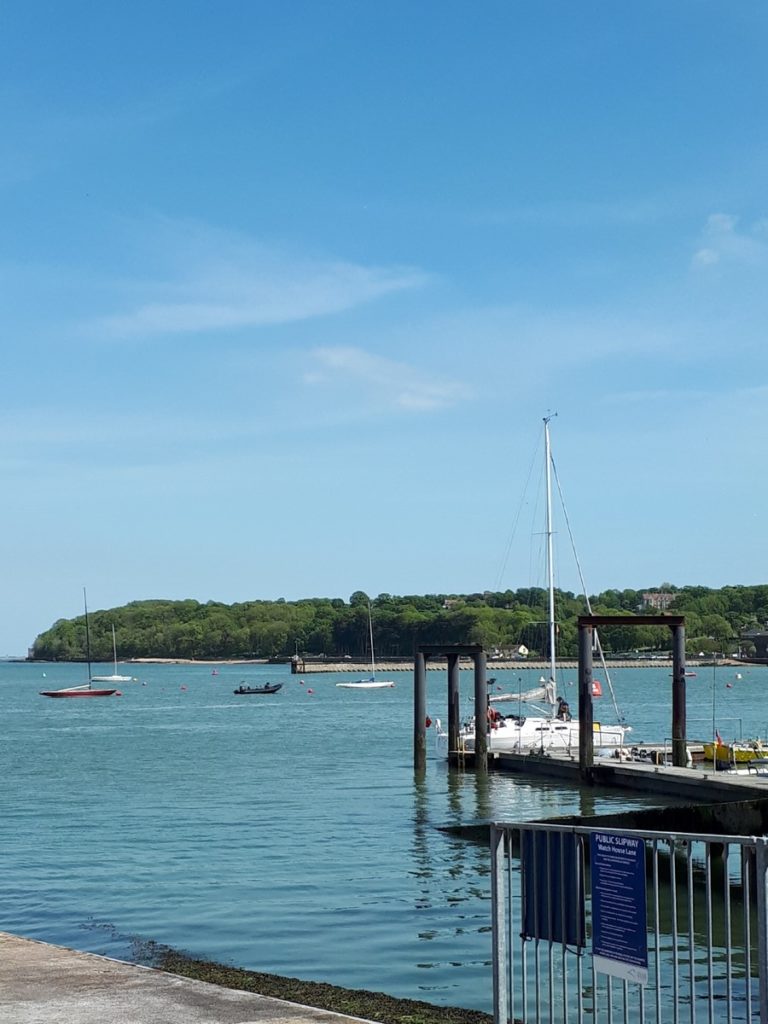
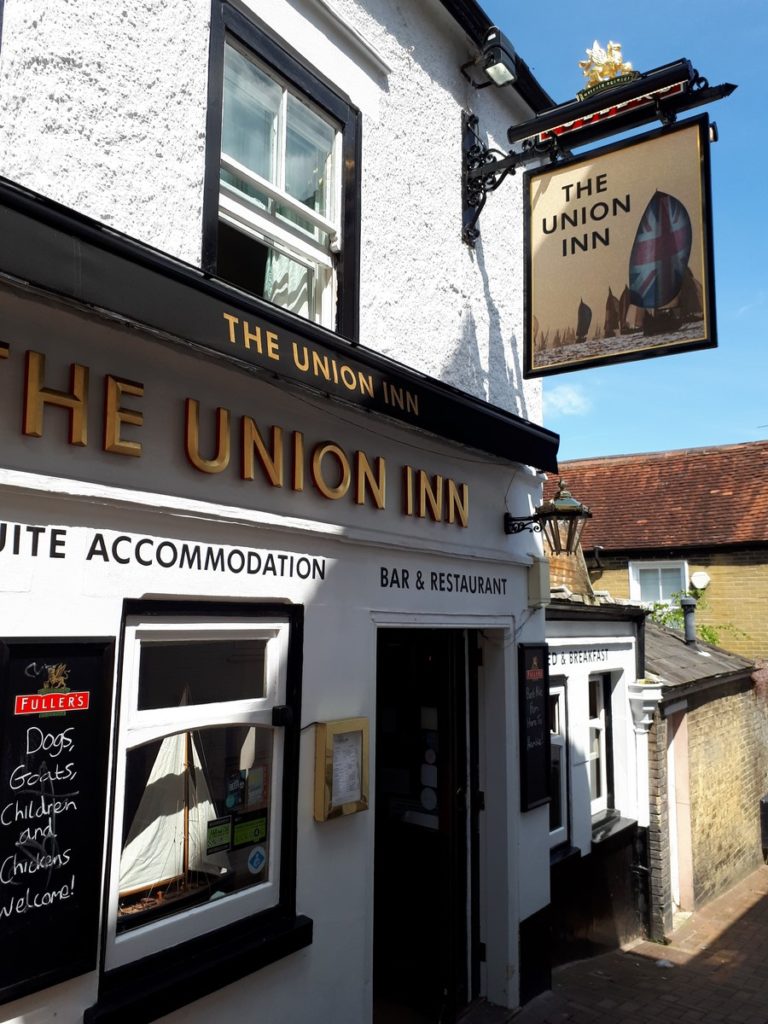
We spent a leisurely few hours admiring the seafront and nosing around in the wide selection of shops. Eventually, we made our way to the Union Inn, which had been recommended to us by our cab driver as the place to eat in Cowes.
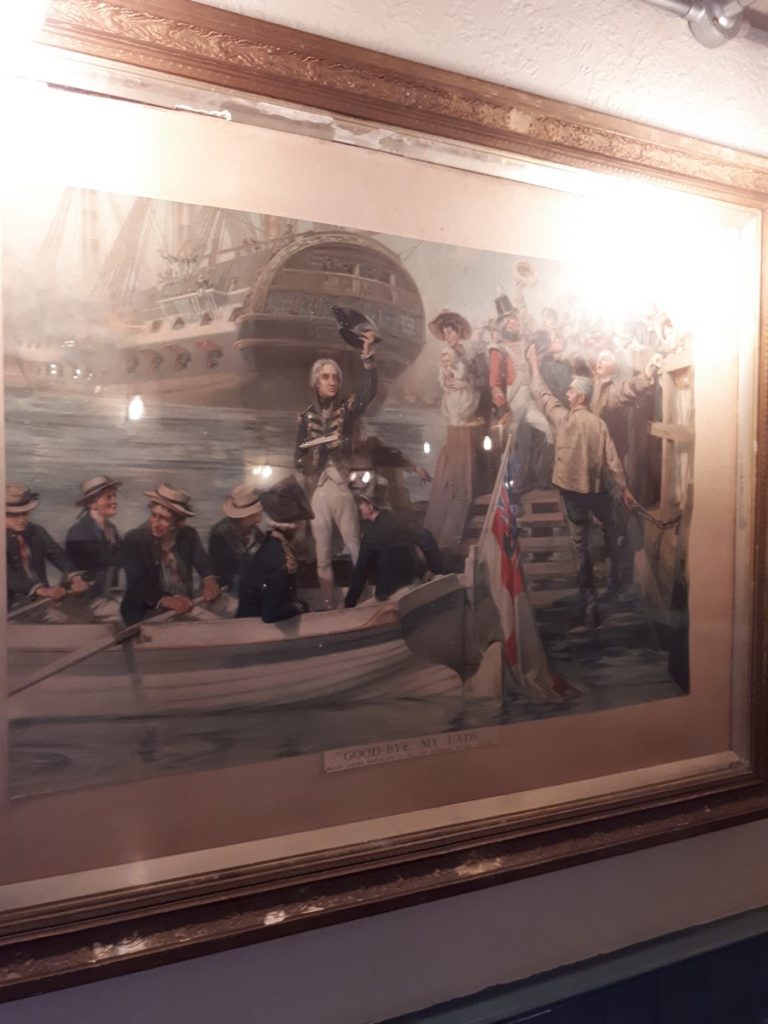
From the Island Eye website: “The Union Inn was possibly built after the act of union between England and Scotland, which took place in the year 1707. The pub was a firm favourite of the navy press gang, who used the pub to enlist many young men into their services when the fleet was at Portsmouth.”
As luck would have it, it was a Sunday. And by now, you should know what that means.
More delicious adventures coming soon!
Would you like to experience travel in England first-hand?
During our upcoming Scottish Retreat in September, we’ll be starting and ending our adventure in Edinburgh – an opportunity for visits to Edinburgh Castle, above, Holyrood Palace and a stroll up (or down) the Royal Mile.
Our week will include a mix of days out and days in, allowing you to experience life in a country house and to explore the rich Scottish history in the area. Day trips will include visits to castles and stately homes, museums, charming time capsule villages and a once in a lifetime Land Rover Highland Safari with your own private ghillie. The Scottish Retreat will offer you the opportunity to see the most of Scotland, literally from its lofty peaks to shining lochs – we’ll be cruising legendary Loch Lomond, too!
We’ll be staying at historic Gargunnock House, a classic example of the gentleman’s shooting box, complete with open fires, flagstone floors, period details, spiraling staircases and Georgian furnishings.
Being a period property, Gargunnock House has a limited number of bedrooms and there are only 5 spaces left on the tour.
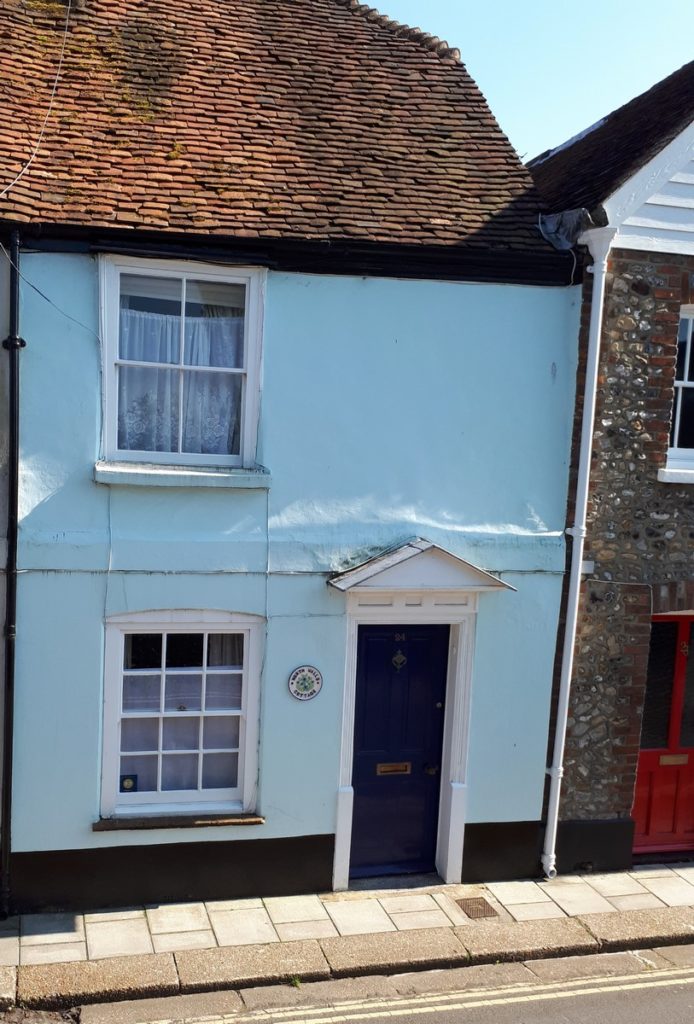
Our last Wellington archive was located at the Public Record Office in Chichester, West Sussex, where Vicky and I had rented the cozy cottage above.
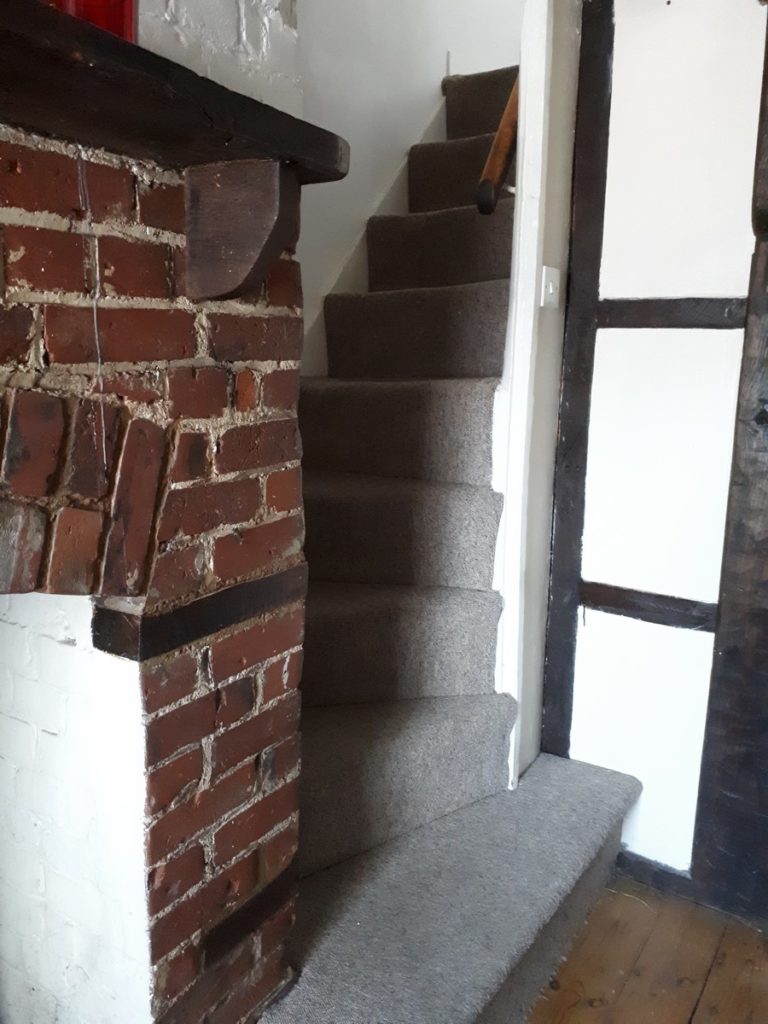
The cottage was full of charming period details, including the period staircase. You’ll understand why we left our bags on the ground floor for the duration of our stay.
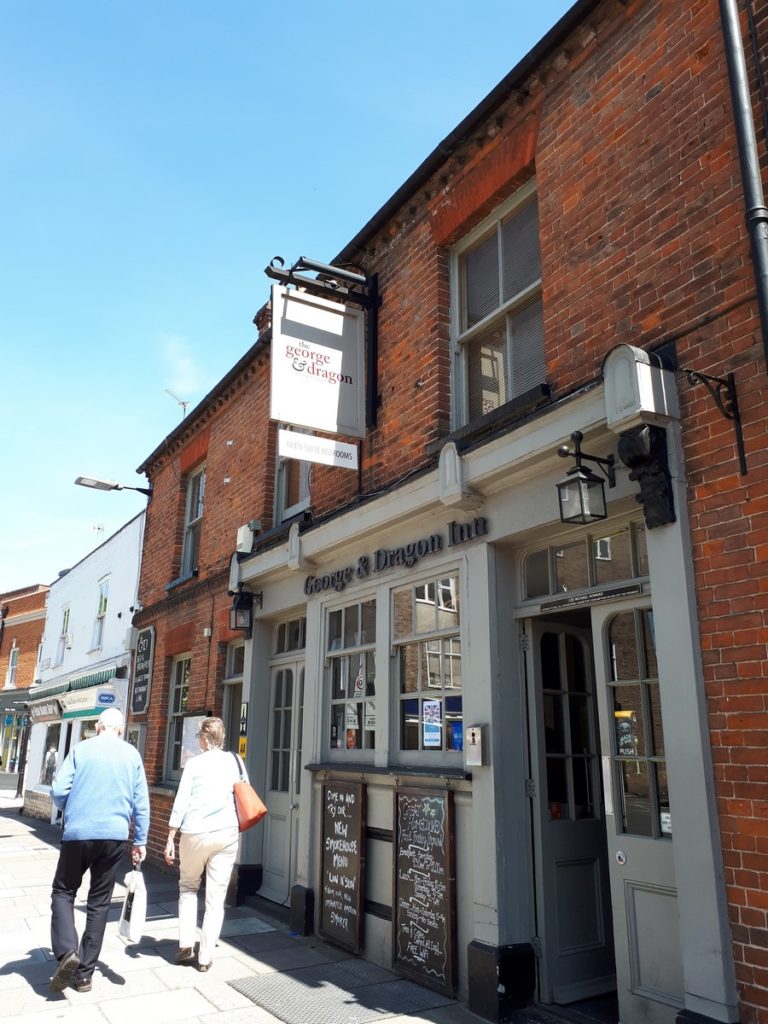
But there was plenty of room outside, as the town of Chichester was literally on our doorstep and the George and Dragon Inn, above, literally around the corner. We both agreed that it looked like the perfect place in which to have lunch.
Vicky opted for the pie of the day.
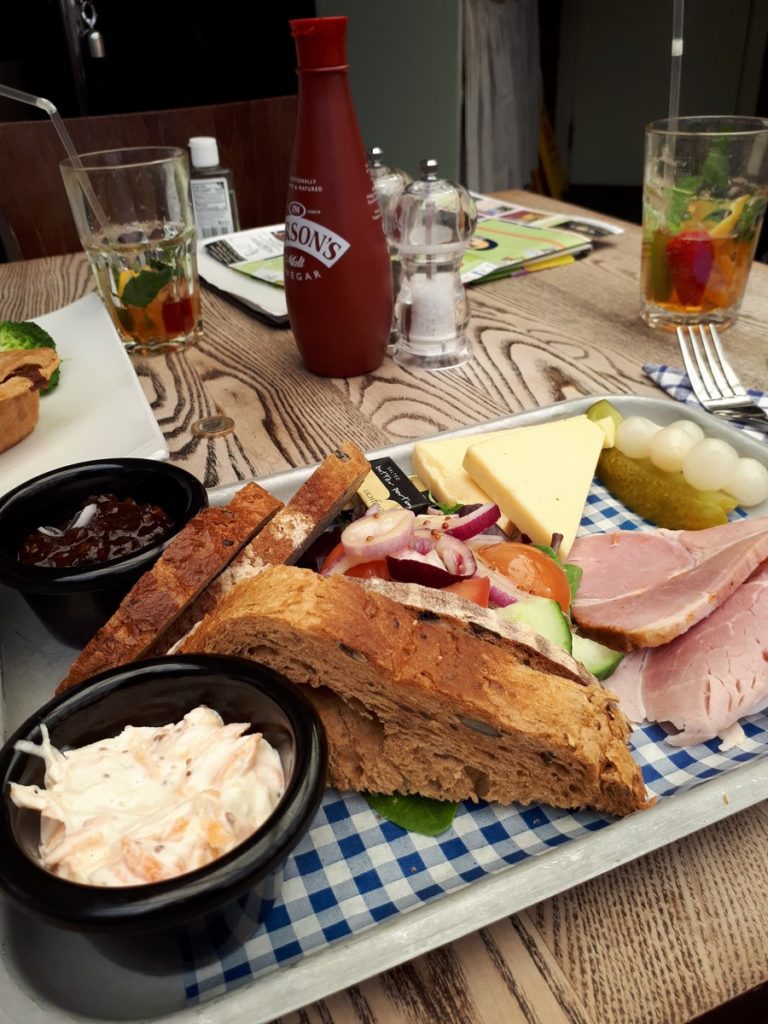
And I ordered the ploughman’s lunch. We both had a Pimm’s.
After lunch, we decided that it would be a good idea to explore the historic town and so we set off down the High Street.
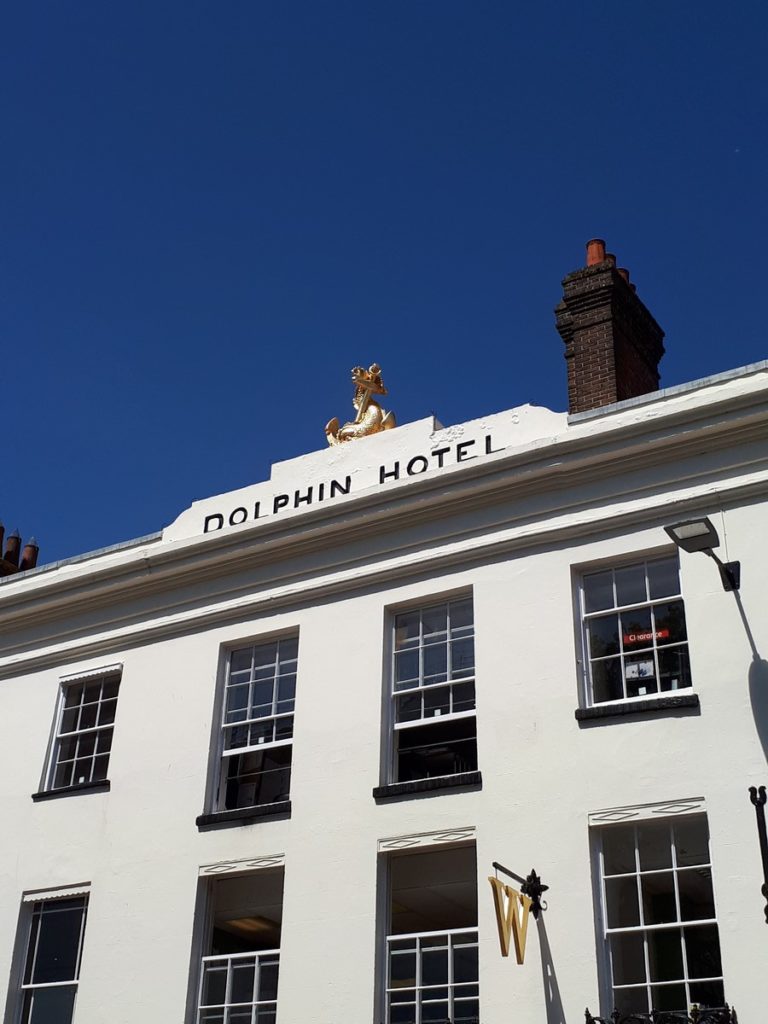
The Dolphin Hotel has been a local landmark since 1910, when two neighbouring inns, the Dolphin (1649) and the Anchor (1768) were combined.
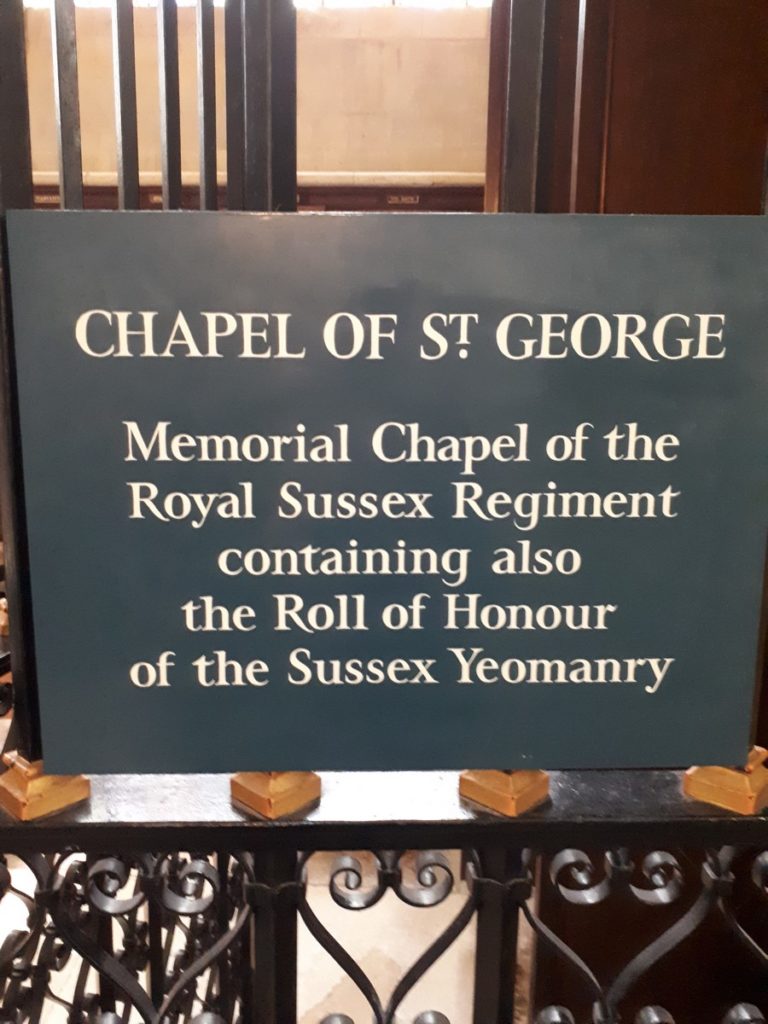
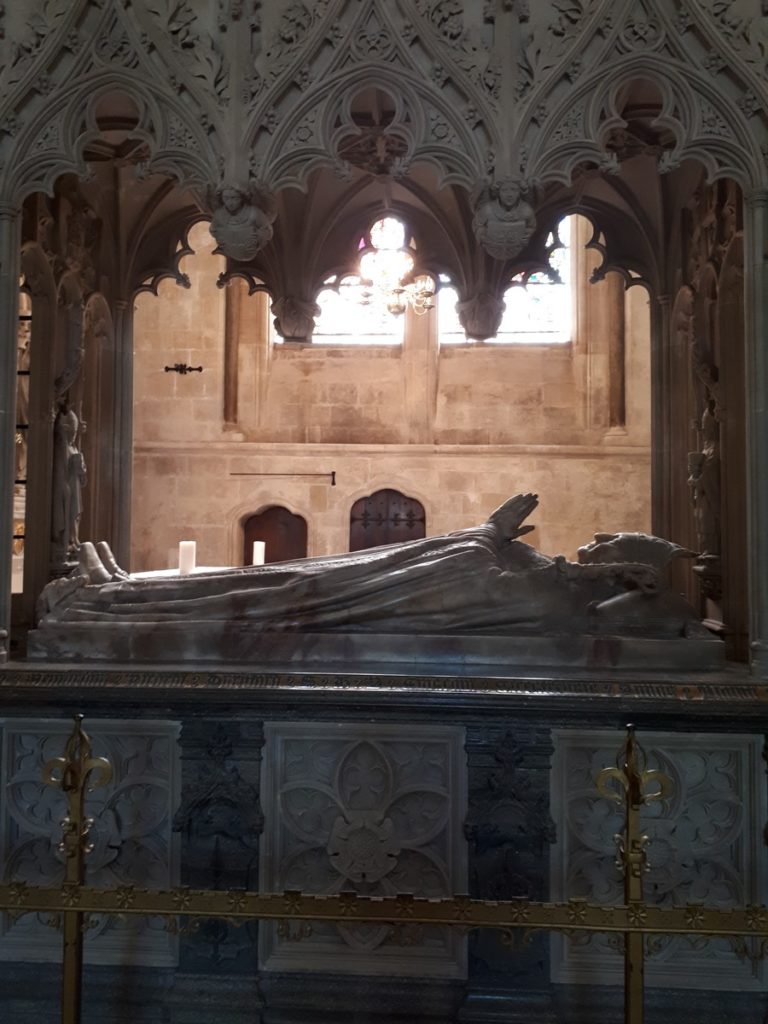
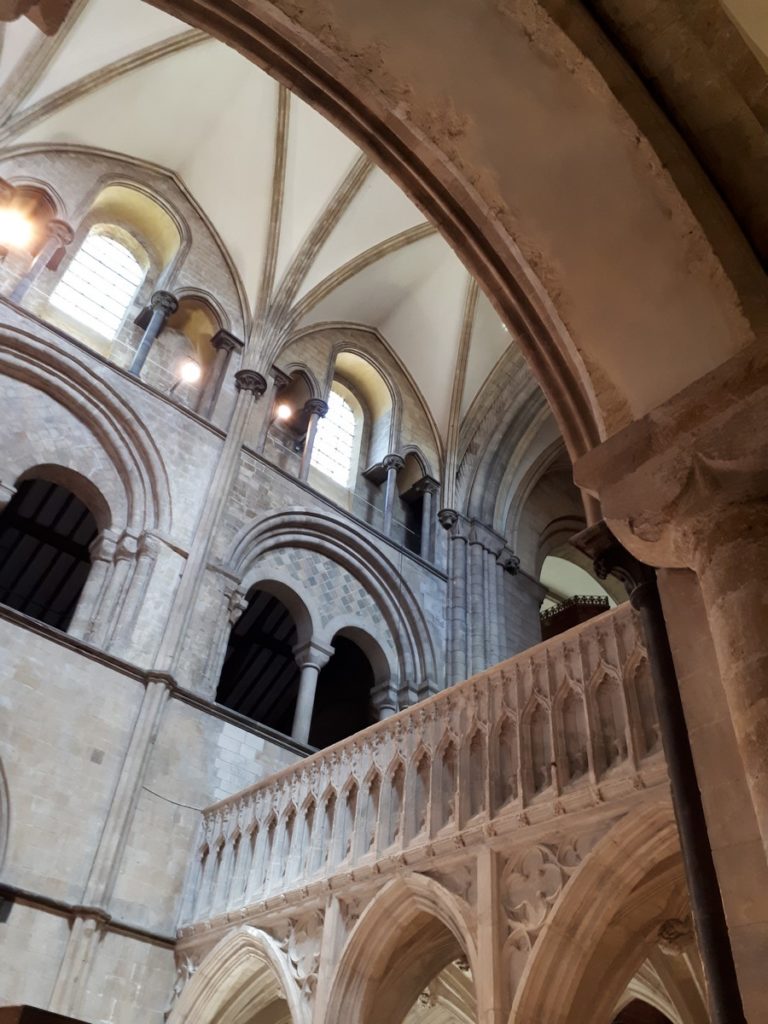
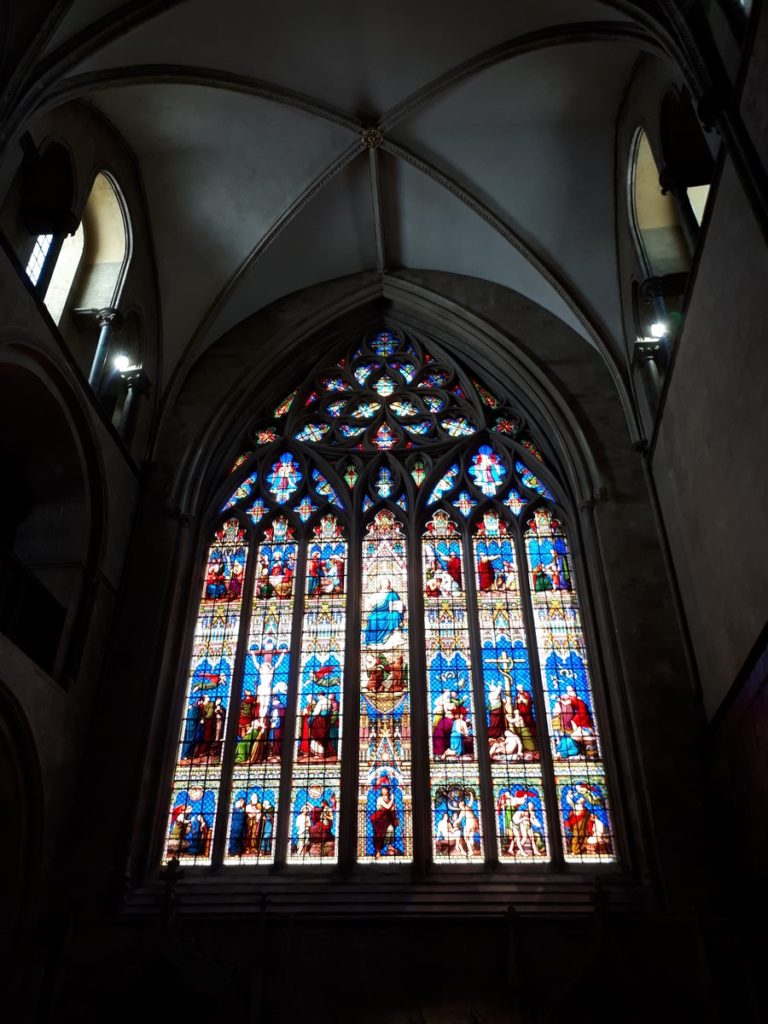
Eventually, we arrived at Chichester Cathedral. Construction on the Cathedral was begun in 1075 and it was completed and consecrated in 1108.
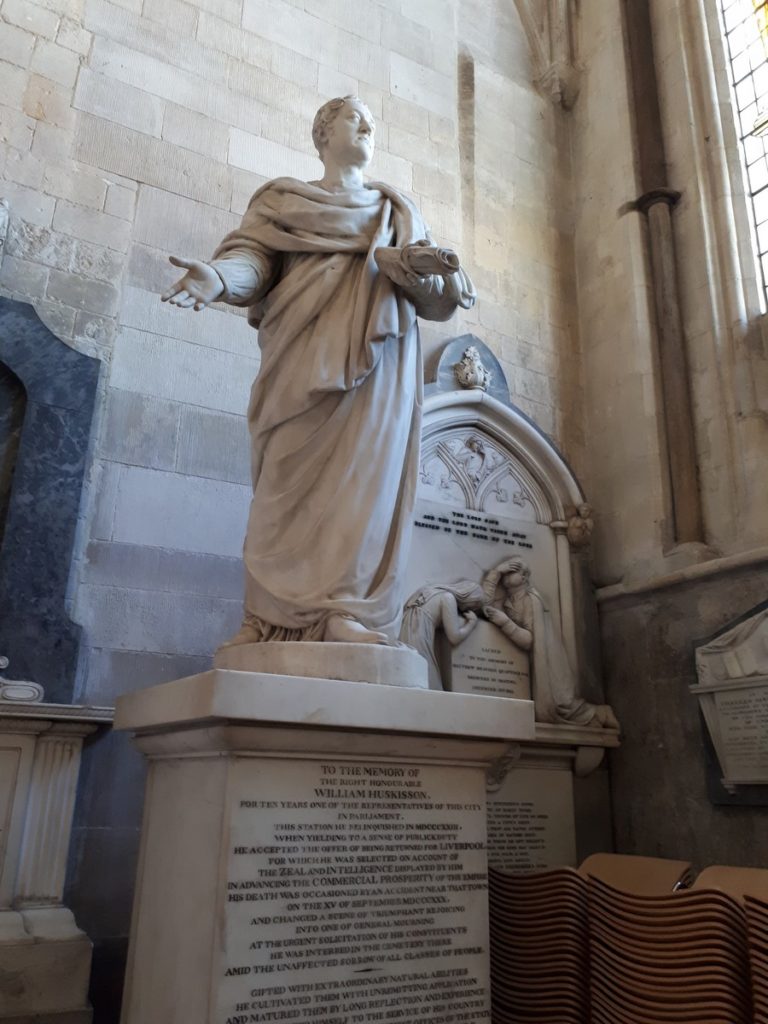
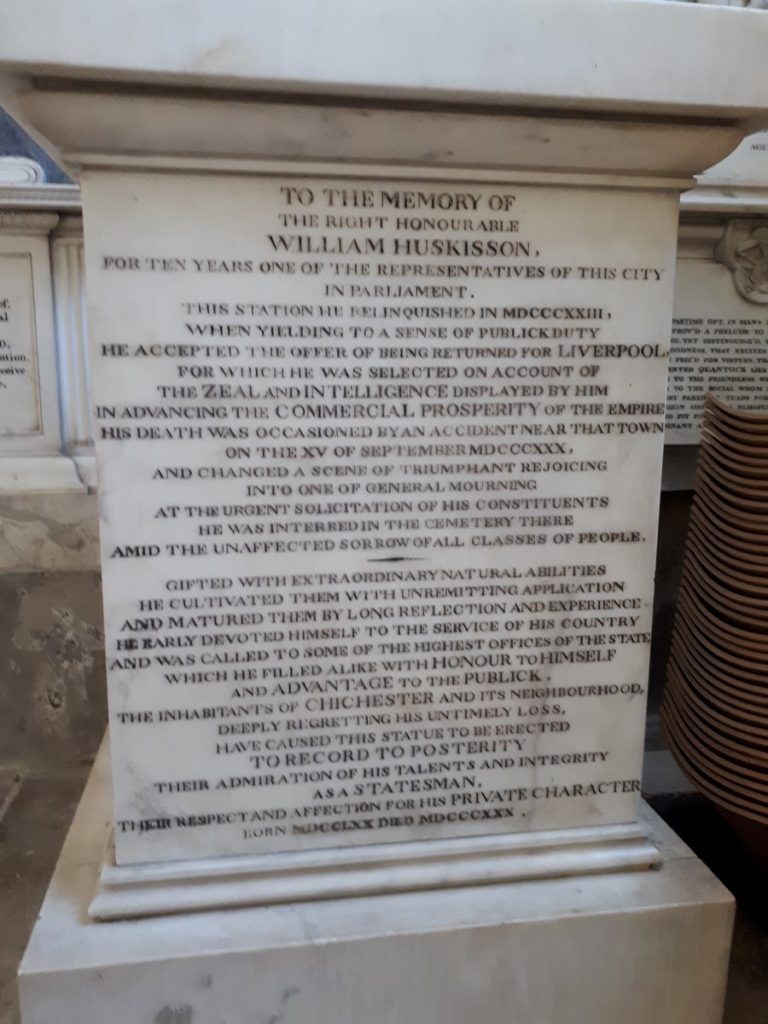
As evident in the photos above, the Cathedral contains much of architectural and artistic interest, but what brought us up short was the monument below –
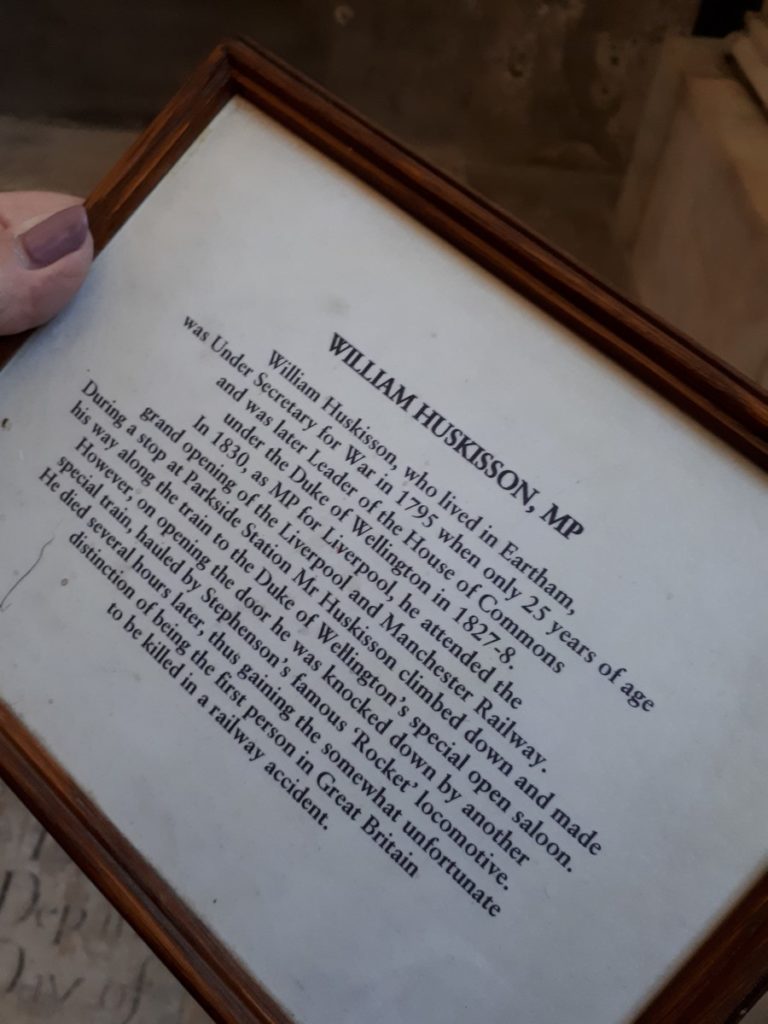
William Huskisson! Who knew?
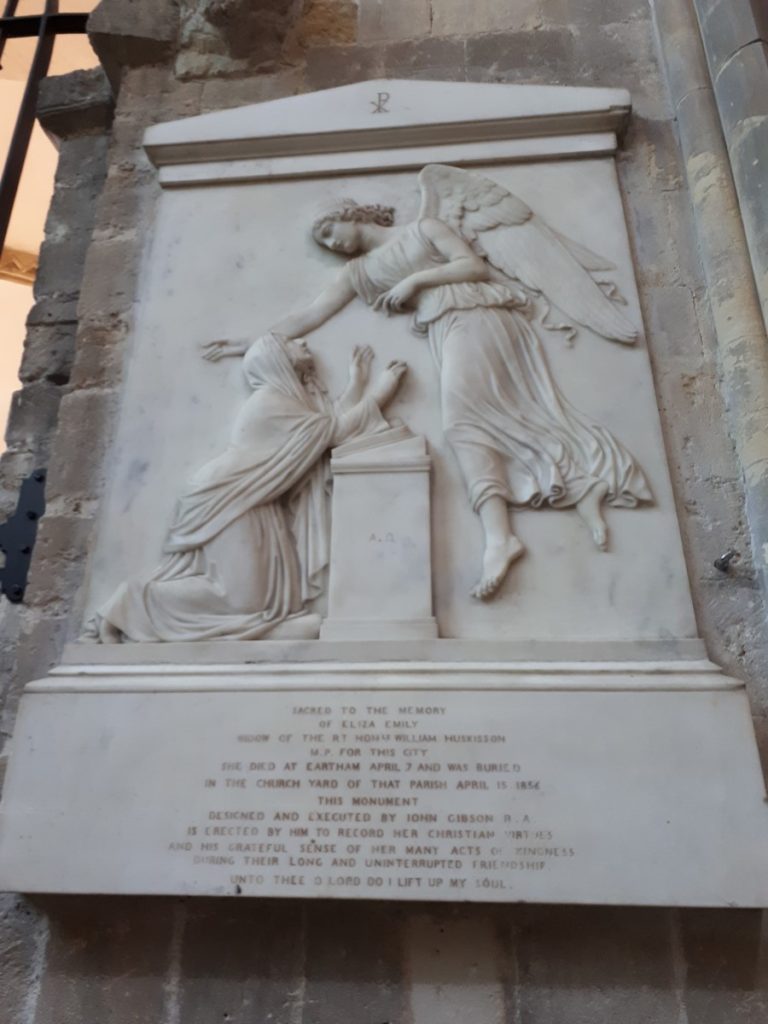
And nearby, the memorial to his wife, Eliza Emily.
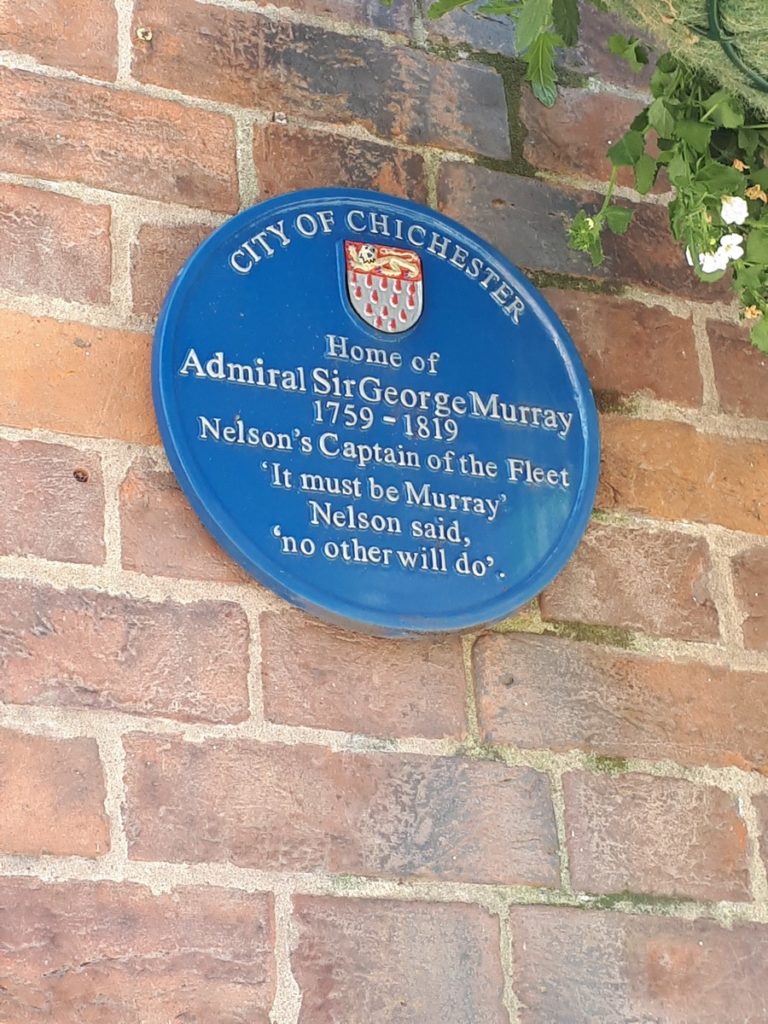
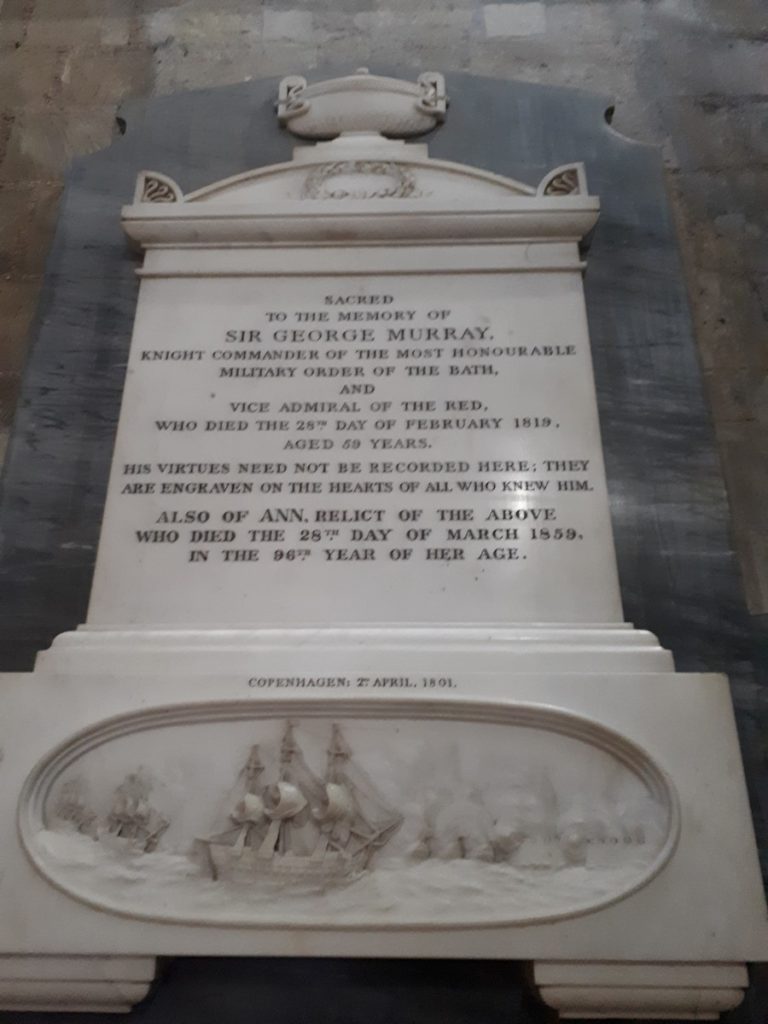
Also a memorial to Sir George Murray, whose Blue Plaque we saw on the High Street earlier.
Next morning, after a cozy night’s sleep, Vicky and I took about twenty steps outside our cottage door to The Exclusive Cake Shop & Vintage Tea Room, where we indulged in scones, a latte (Vicky) and a marshmallow laden hot chocolate (me). Afterwards it was off to the archives for a day of Wellington research.
Would you like to experience travel in England first-hand?
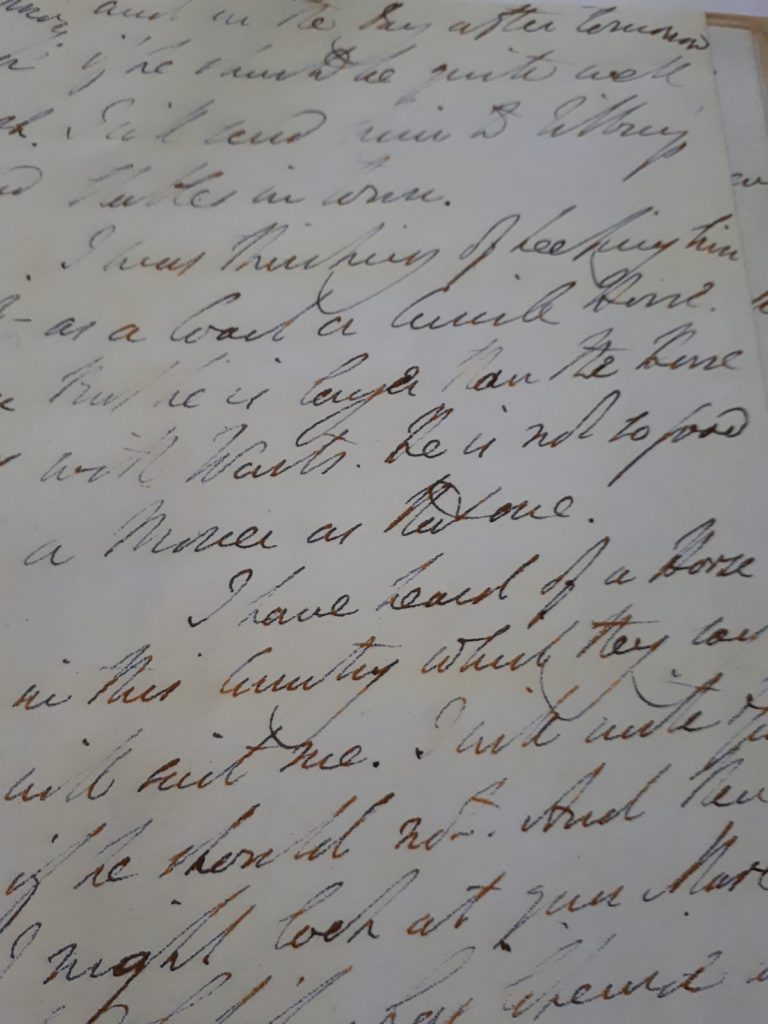
So, then, after all this, how did he come to compile that outstanding reference work, Roget’s Thesaurus? It seems like such a departure from what his life was.It seemed, though, that ever since his childhood, Roget was fond of making lists. Kendall opines that this gave order to an otherwise confused, if not chaotic life, with its moves across continents, the death of one parent and the mental instability, in a family prone to severe depression, of another. Making lists, sorting things into categories, making sense of a world that was puzzling and no doubt upsetting to him, was a source of satisfaction and provided a modicum – or more than a mere modicum — of stability.
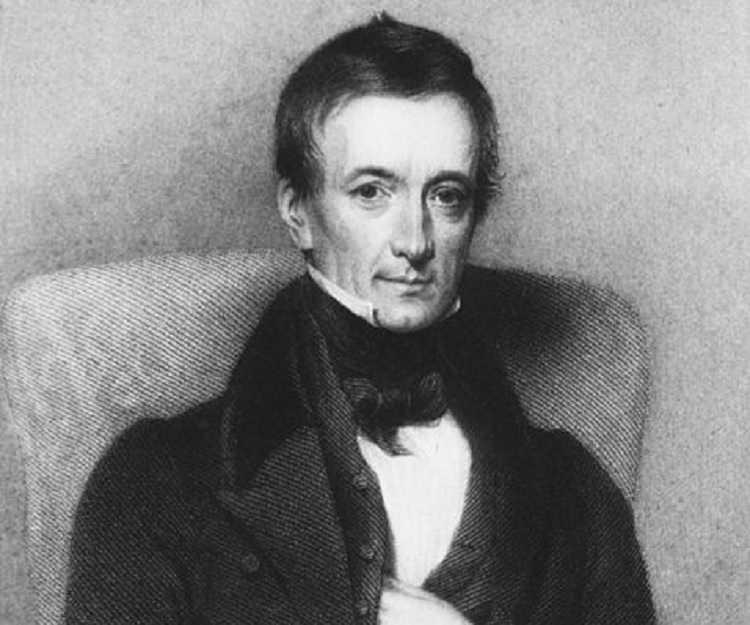
I believe that Kendall rightly describes Roget as an obsessional personality, but I would venture even further. It’s interesting, this making of lists, when taken into consideration with Roget’s intelligence, his genius with science and mathematics, plus the strains of mental illness in his family, and his inability to communicate well with other human beings. Perhaps something else was going on. It was said of Peter Mark Roget that he got along with words much better than he ever got along with people, and there is probably a great deal of truth in that surmise. Imposing order on words, categorizing things –whether space, matter, affections, et al. – seemed to settle his perhaps too-active mind. And this made me wonder if he might have had a form of high-functioning autism now called Asperger’s Syndrome. (This condition was not described until the mid-20th century, too late for Roget to have been diagnosed.)
The symptoms of autism are many, but consider as one example, the problem of not being able to recognize how severely depressed his uncle was in his last days. Was Roget unable to relate to him – a prime “tell” for autism sufferers – and did that lack of empathy play a large role in his uncle’s doing away with himself? Was he constitutionally unable to read the signs of a soul in distress, even one who had been so very close to him? This constant list-making, this never-ending attempt to impose order on a world that confused him, this outward manifestation of his restless intellect, was this perhaps another “tell”? Impossible to diagnose from so far way in time from Roget’s world, but other incidents in his life confirm his continual problems with social interaction.
Kendall does not deal with the possibility of autism; it is my own notion, for whatever it is worth, but he does make a forceful case for OCD, obsessive compulsive disorder. He discusses Freud’s 1913 paper on the condition, noting the psychiatrist’s finding that “obsessions, which tend to first appear between the ages of six and eight, serve the function of helping people ward off intense and painful emotions such as anxiety and hate… [and that] obsessionality…is remarkably consistent over the life span.”
The author goes on to state: “That was certainly the case for Roget; some eighty years after he started his notebook, he was harnessing the same obsessive energy to churn out new editions of his Thesaurus.” Whatever psychological condition(s) Peter Mark Roget might have had, his genius was in his ability to compile words brilliantly into his many lists, in notebook after notebook, starting at the tender age of eight. Roget was in a long tradition of word-compilers, but he was the very best. His contribution to anyone who struggles to find the right word is unparalleled.
As Kendall notes: “For Roget, the careful use of language depended on understanding not only the meanings of individual words but also the relations between them.” Further, “These neighboring lists of opposing ideas, he believed, opened up all kinds of new vistas for readers.” One of the intriguing aspects of Kendall’s book is his clever use of these lists throughout the text, and also in chapter headings.
A married man, a husband, spouse, bridegroom, benedict, neogamist, consort.
A married woman, a wife, bride, mate, helpmate, rib, better half, feme covert.
(Bet there are a few words here you haven’t come across!)
And in what was apparently a time-honored tradition in the Roget-Romilly clan, Mary Hobson was rich, the daughter of a wealthy Liverpool merchant, and considered beautiful. Kendall notes that she was also, “Roget’s opposite…with a lively sense of humor… [and she] exuded warmth.” He married her in 1824, when she was 29 and he was 45; he was sixteen years older. She seems to have been the ideal wife for someone like this obsessive polymath. She even attended all his lectures and took notes! Her diaries show her pride in the success of these public events featuring her husband. As Kendall comments: “Though Roget couldn’t always connect with others one on one, he never failed to dazzle his audience.”
Alas, the bad luck of the Rogets when it came to their physical and mental health was to run its appointed course. In 1833, his 38-year-old wife died of cancer. They’d been married just under ten years. Kendall notes: “Roget’s immediate reaction was the same as the one that followed his uncle’s suicide: emotional paralysis.” Although his in-laws were kind to him in his loss, they immediately stopped the monies they’d been regularly sending to Roget since his marriage to their daughter. (I found this startling and have to wonder what sort of dowry arrangement Roget had made with the wealthy Hobson family, but there is no further explanation.)
A few years after his wife’s death, Roget hired a new governess for his two children, a Margaret Spowers, the daughter of a wealthy Hampstead businessman. (Always these wealthy women! Is a pattern emerging here?) During the summer of 1840, Roget and the governess were to begin to live together as man and wife, but never to marry. The nature of their relationship apparently so embarrassed Roget’s family that they “would do everything they could to cover [it] up,” according to Kendall.
The relationship no doubt contributed to the emotional breakdown of Roget’s fragile daughter Kate, who was made to leave their home, eventually residing for some years with her former governess, the botanist Agnes Catlow. (When Margaret Spowers died – leaving nothing of her considerable wealth to Roget – oddly harkening back to being cut off financially by his wife’s relatives– Kate returned to her father and was his companion until his death.More drama was to come. In the mid- to late-1840s, Roget was involved in a series of “alleged missteps” at the Royal Society and perhaps forced to resign his prestigious post as Secretary, though he “refused to take responsibility for any of his questionable behavior.” Were these “missteps” and “questionable behavior” further manifestations of his problems in dealing with others? It was 1847, he was now 70 years old, and his life-long issues with insensitivity, coupled now with challenges to his scientific credibility, were coming under close scrutiny. He did resign.
Like the crisis with his uncle’s death, this was not a good time for Roget. But, as Kendall writes: “As the curtain fell on his academic career at the end of 1848, Roget wasn’t quite ready to pack it in. His mind was sharp as ever, and he was still teeming with ambition.” Taking a look at other works then available that dealt with English synonyms, Roget decided at long last to publish his lists, which he felt were superior to anything in print. The first edition of Roget’s Thesaurus, 1,000 copies published in the spring of 1852 by Longman, quickly sold out. Reviews, Kendall notes, were “glowing.” It has remained solidly in print for over one hundred and fifty years. After Roget’s death in 1869, future editions were edited by his son John Lewis Roget and his grandson Samuel Romilly Roget.
1935 Grosset & Dunlap American edition, edited by Roget’s heirs
His contract for the first edition was ½ of the profits from all sales; with later editions it was to be 2/3 of the profits. He did very well financially from his lists of words! And what about Roget and Dr Johnson, the maker of that formidable dictionary of the English language? What further parallels and similarities might lie between these two geniuses of the written word? Dr Samuel Johnson’s genius lay in defining words, and his Dictionary – the first real dictionary of the English language — broke new ground; his was an altogether different category of genius. But it is tantalizing to note that Johnson also had an obsessive personality and was prone to tics and strange behavior. (At one point there was a theory bruited about that he exhibited the symptoms of Tourette’s Syndrome.)
Johnson did have a strange routine of counting his steps when he came to a door so to enter by the correct foot, and, like the fictional detective obsessive character Monk in the American television series, with his need to touch light poles and mailboxes, Dr Johnson apparently needed to touch all the lampposts on the street as he walked to and from his house on Gough Square. Word nerds are interesting and amusing folk, to be sure.
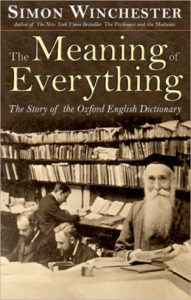
Postscript: Simon Winchester, who was at the time writing a book on the OED (Oxford English Dictionary)* launched a scathing attack on Roget’s work a few years ago, declaring that it was “a serious force for bad” as “uncritically offering up lists of alternative words” leads to poor writing habits, to “our current state of linguistic and intellectual mediocrity” and to a language that is “decayed, disarranged, and unlovely.” He continued on this track for 15,000 furious words – none of which, he said proudly, had been assisted by the use of any thesaurus. He also went on to disparage folks who dare to use the book to solve crossword puzzles, insisting that using a reference book of any kind to complete a puzzle is “simply not done”.
Oh, dear, I do admire Winchester’s writing – I think I own most of his very well-written books – but I do not think it’s possible to disagree more with him on all these points. Speaking as a reference librarian and as a wordsmith, I do not – and will not, ever – hesitate to say that reference books are a great help in finding answers to all kinds of questions and clarifying one’s thoughts, and that using a thesaurus to find the right word(s) teaches us a great deal.
Reference books are not crutches, but sturdy ladders to higher learning and understanding. Rather than being – as Winchester says – a kind of vulgar substitute for thinking – they are stimuli to thinking. We owe Roget, and Webster, Johnson, James Murray, and other lexicographers/word nerds a great deal; I, for one, am willing to acknowledge that, and to express my eternal gratitude to these giants who loved words as much as I have loved them every day of my life.
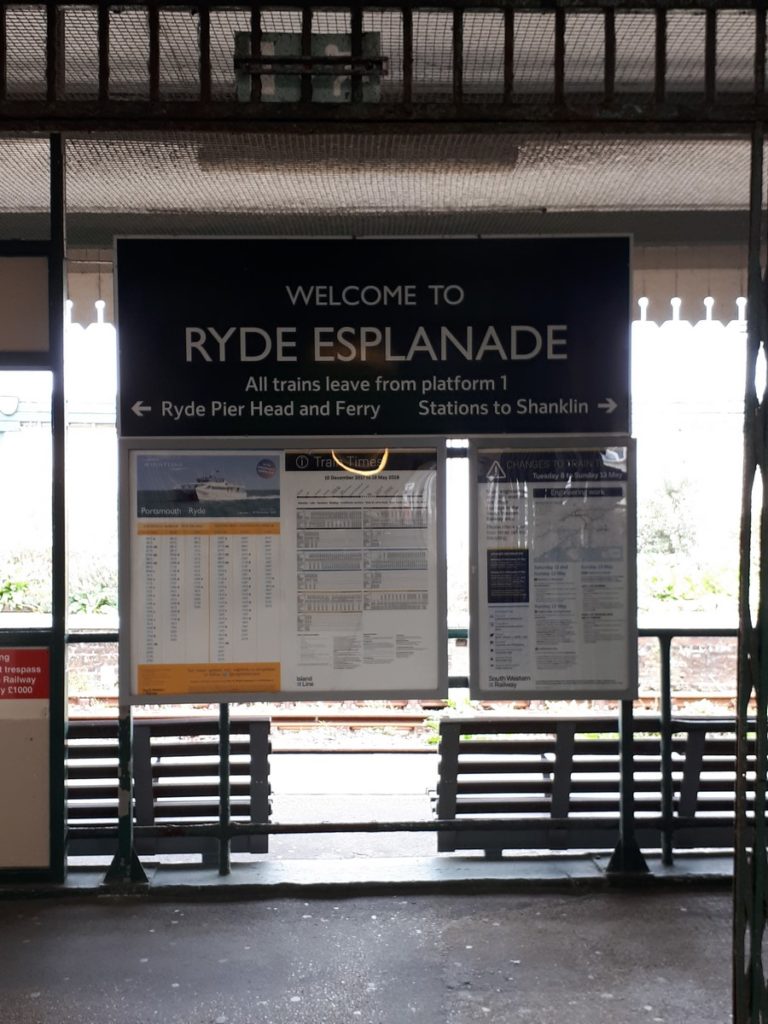
So, the Rye Esplanade is also home to the local bus service, as well as to the trains. Victoria had suggested that we visit Appuldurcombe House, and as that was the only thing on our agenda this day, we decided to take the local bus there, which would allow us to see more of the Isle of Wight along the way. Sitting on the top of the bus, we had great views.
We let the driver know that our destination was Appuldurcombe and he agreed to let us know when our stop was approaching.
“So, what’s at Appuldurcombe, then? Capability Brown, Chippendale and knife boxes?” I asked Vicky.
“You don’t know Appledurcombe?” she asked.
“Never heard of it,” I replied.
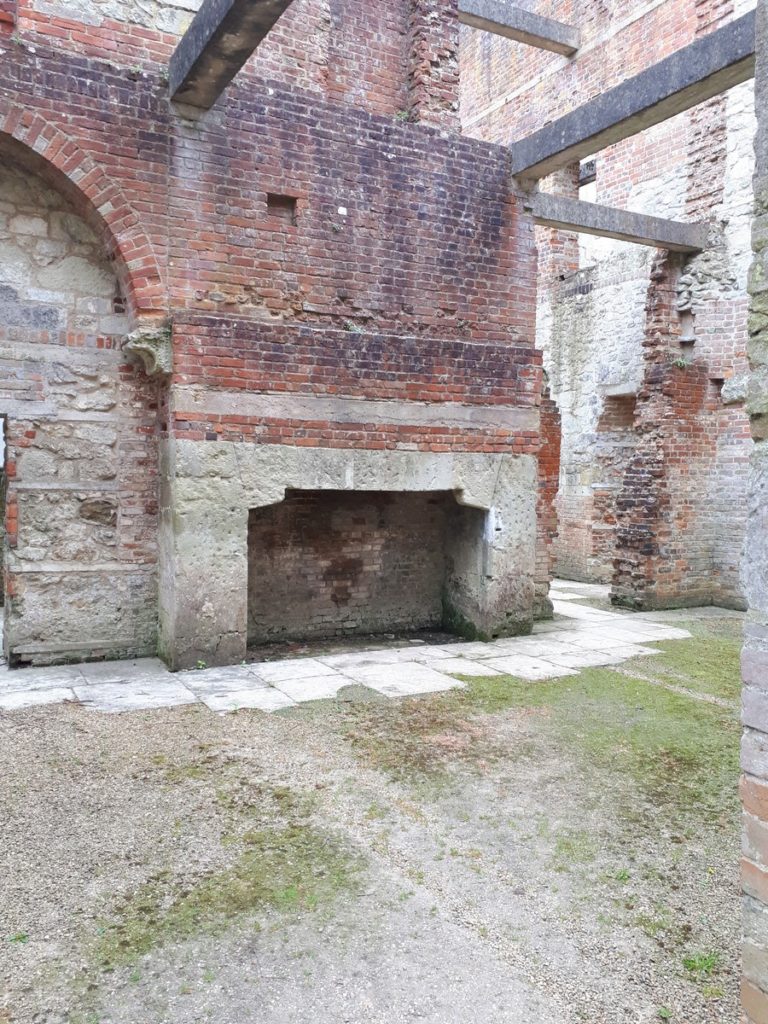
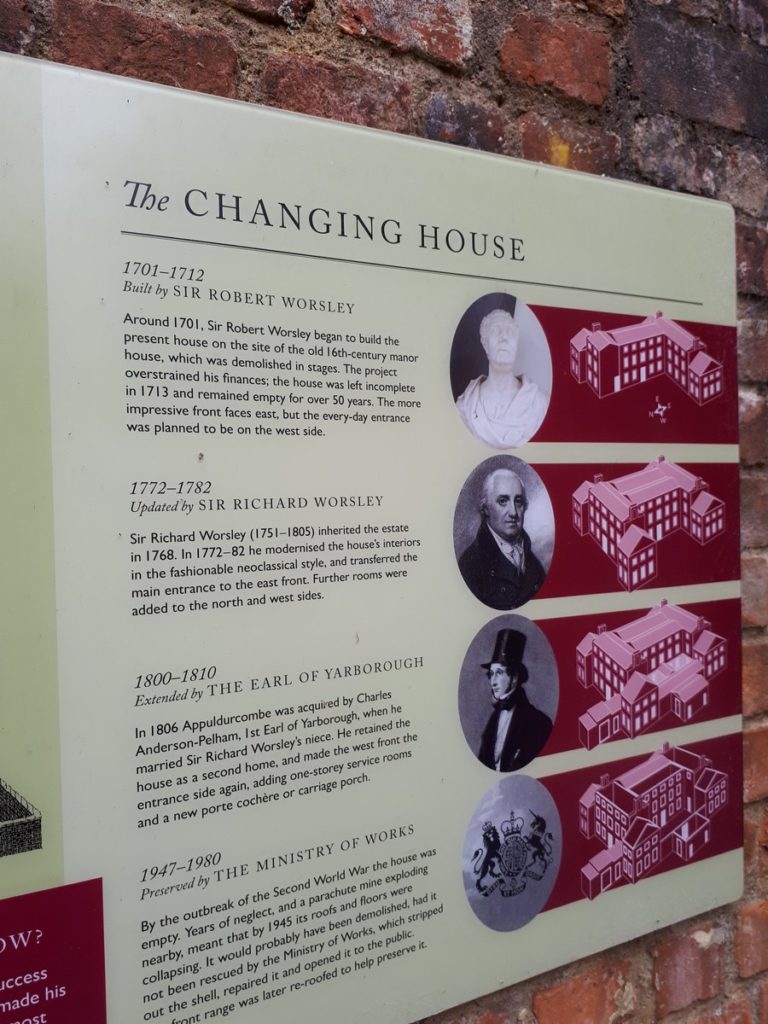
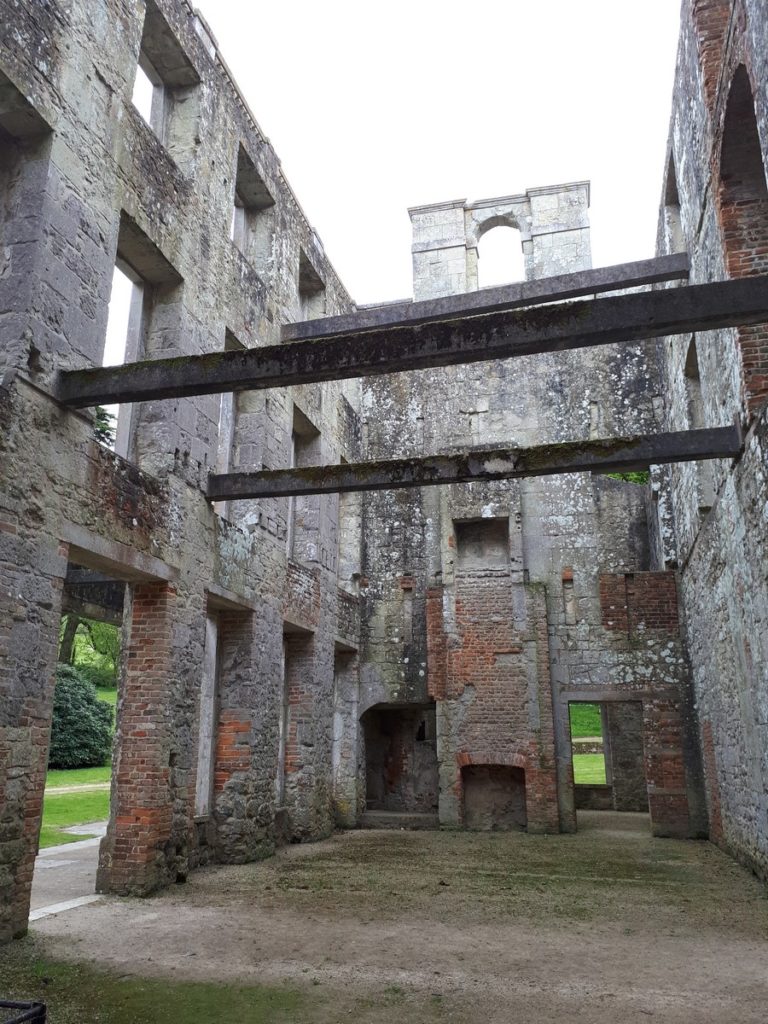
“It’s been abandoned. It’s a ruin. A shell of its former self,” Vicky informed me.
“Like Sutton Scarsdale?” We’d visited Sutton Scarsdale the previous year, on Number One London’s Country House Tour.
“Yes, except that there aren’t any plans to restore Appledurcombe. They’ve just shored up the shell and you’re actually allowed to walk around the ruins.”
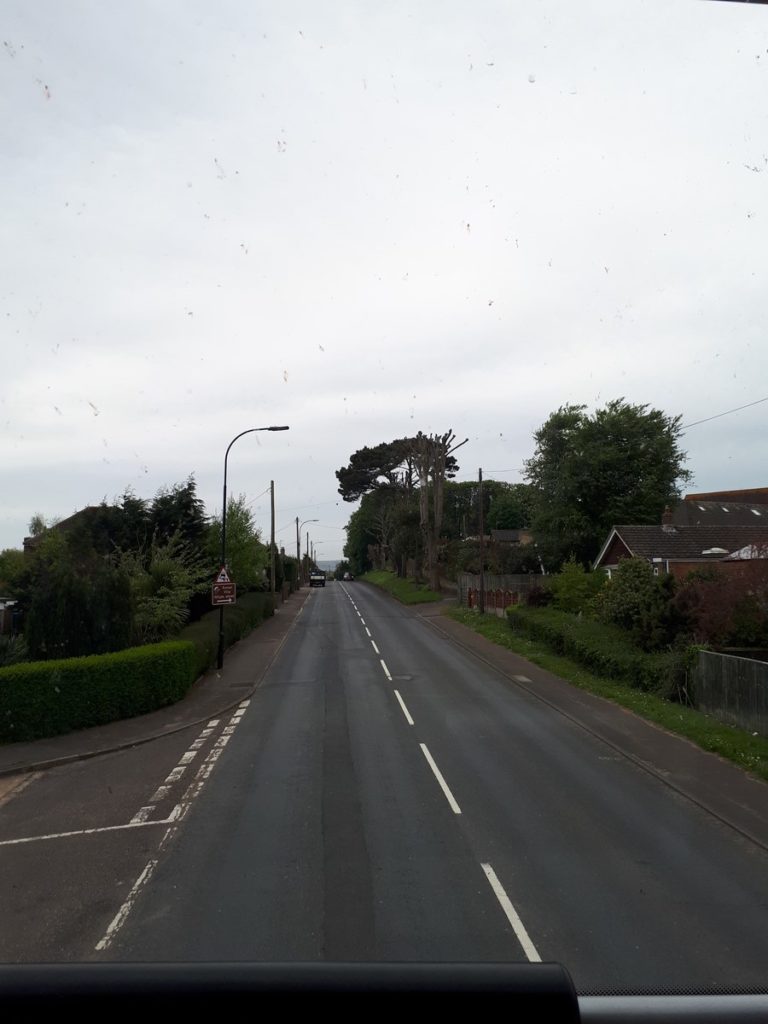
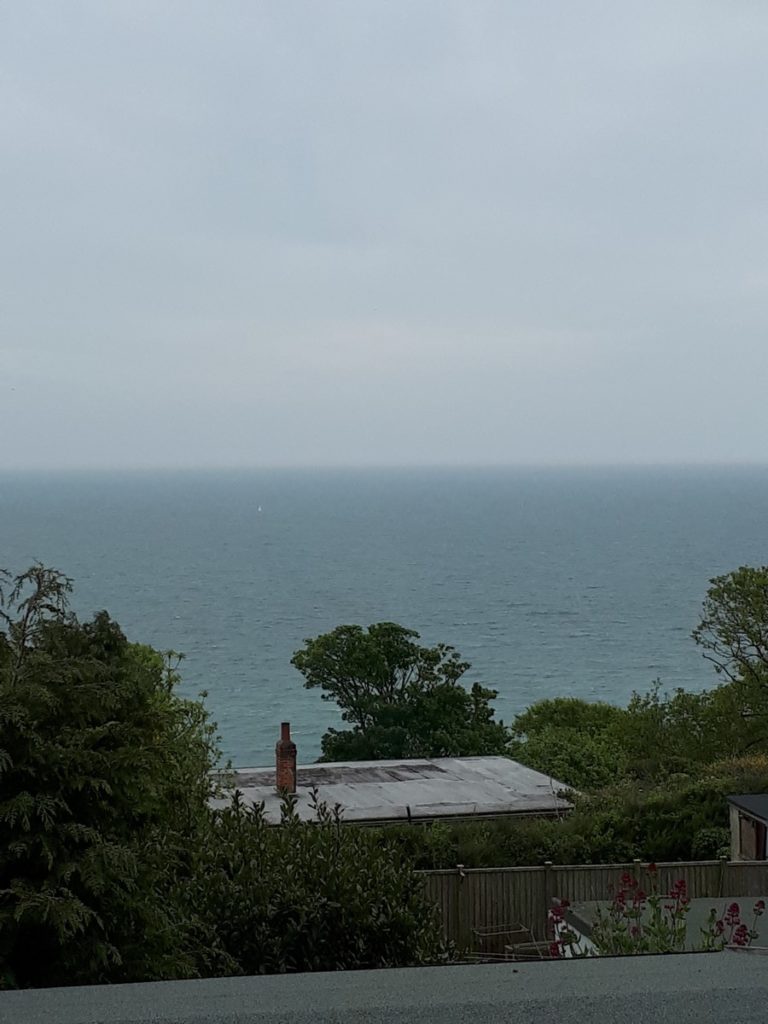
Now this was a new take on the stately home. I sat back and watched the scenery go by – views from the sea cliffs, a handful of towns and villages and a wide variety of architectural styles of houses and shopfronts.
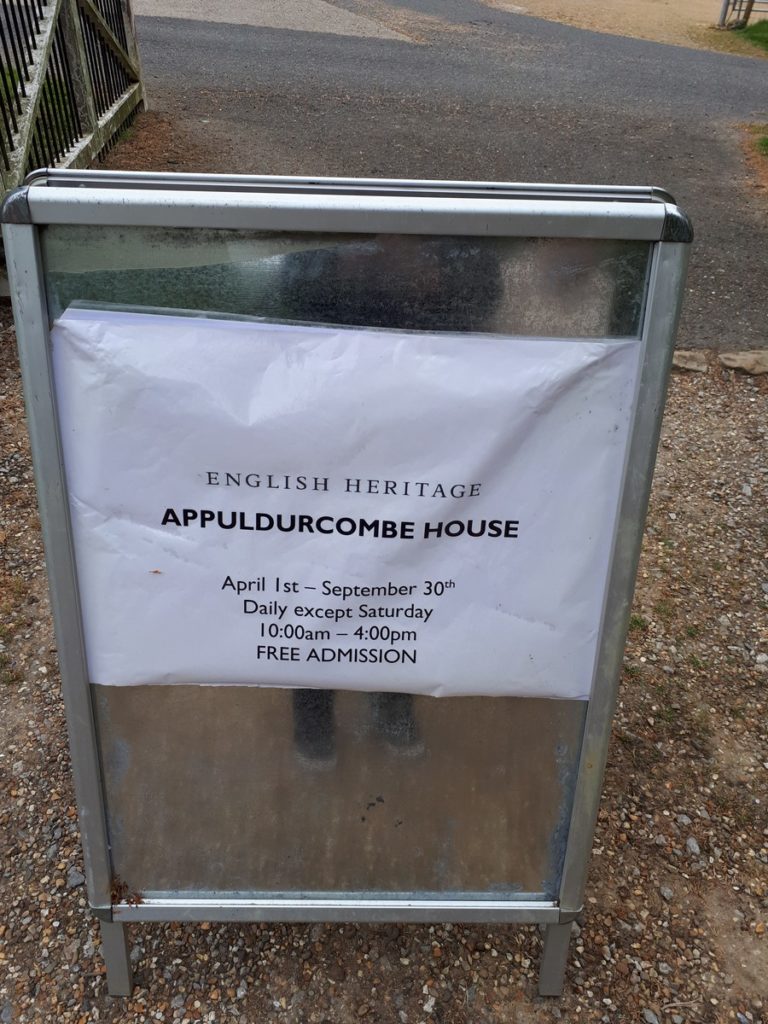
About an hour later, our bus driver let us know that the next stop would be ours. “See there, that’s your street,” he said, as we passed it. “Bus stop is just here. Walk back and down that lane and you’ll find Appuldurcombe House.”
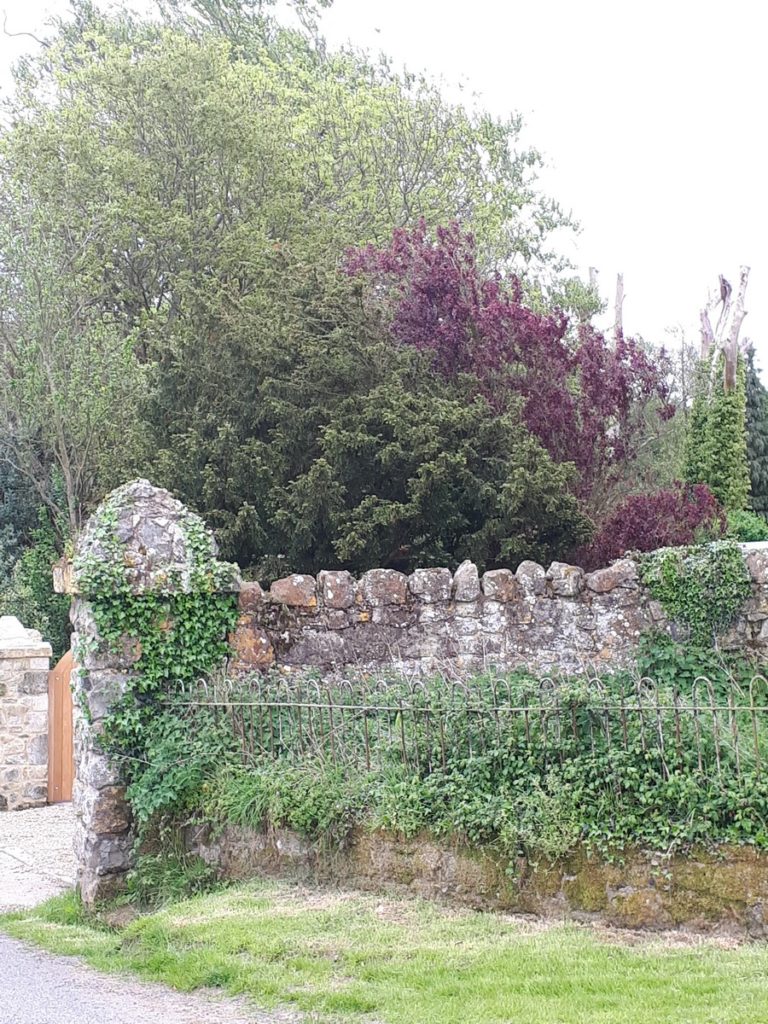
And so Vicky and I set off, eyes wide at the Midsomer Murders look of the lane and its charming houses. So typically English. So quaint.
After a while, the lane began to go uphill. Still, we trudged.
“I haven’t seen a single sign for Appuldurcombe House,” said Vicky. “Have you?”
“No,” I replied. “But the bus driver said it was just down this lane and walkable.”
“Ha! You know what the English are like. If we’d asked if we could walk from here to Edinburgh, they’d have said yes. Never mind that it would take us a week to get there.”
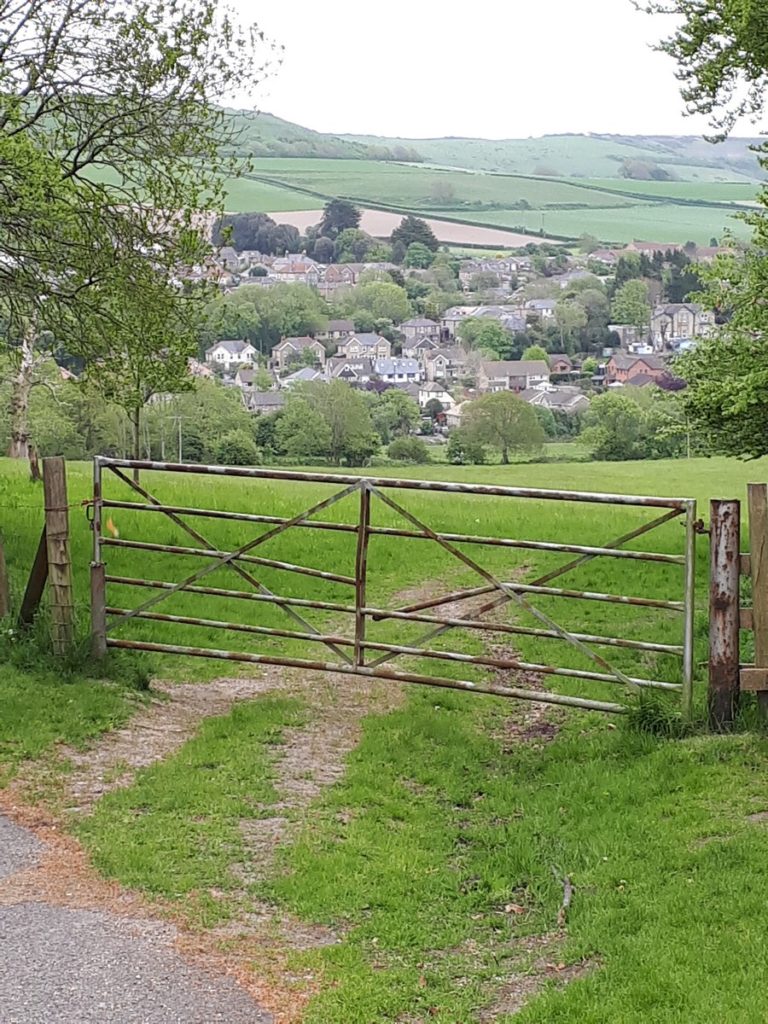
I knew from experience that she was right. But I didn’t think the nice bus driver would have led us down the garden path, so to speak. The hill grew steeper, though you can’t tell by these photos.
“Can you see anything that looks like a ruined house?” Vicky asked.
“Nope. You sit here on this wall and I’ll go ahead and see if I can spot the house,” I told her.
And so I walked up hill, up the lane and around the turn and this is what I found.
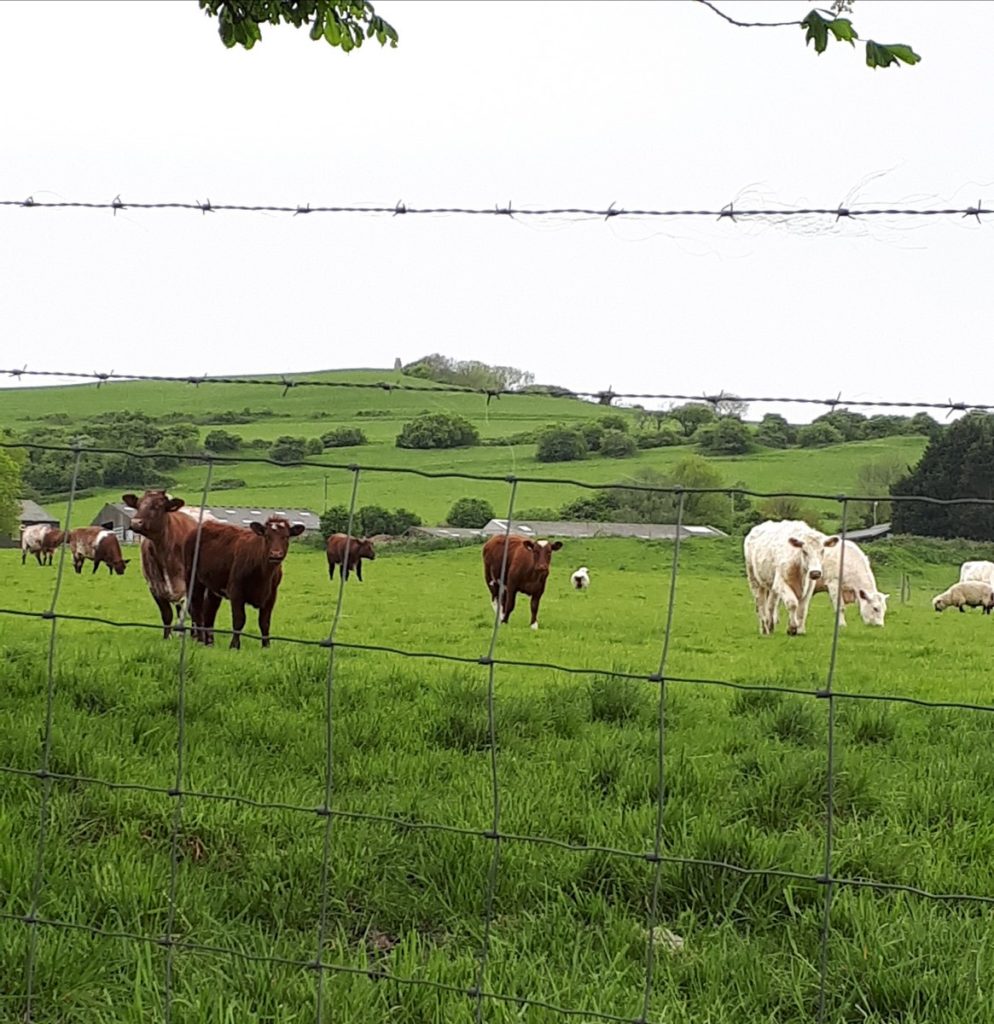
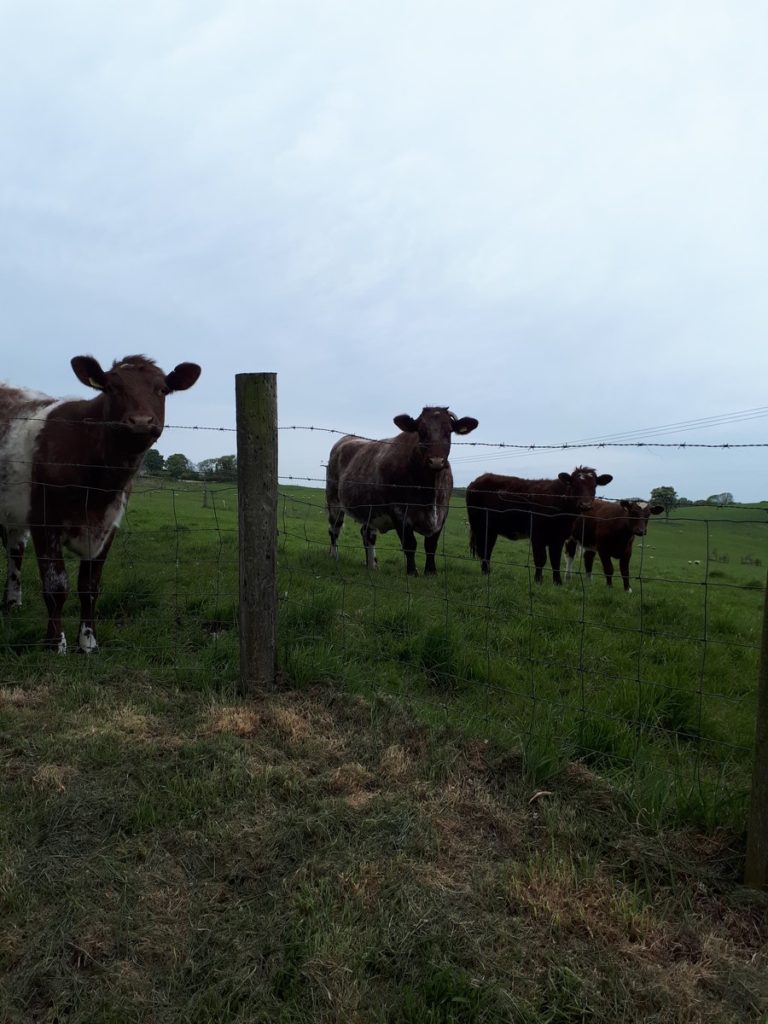
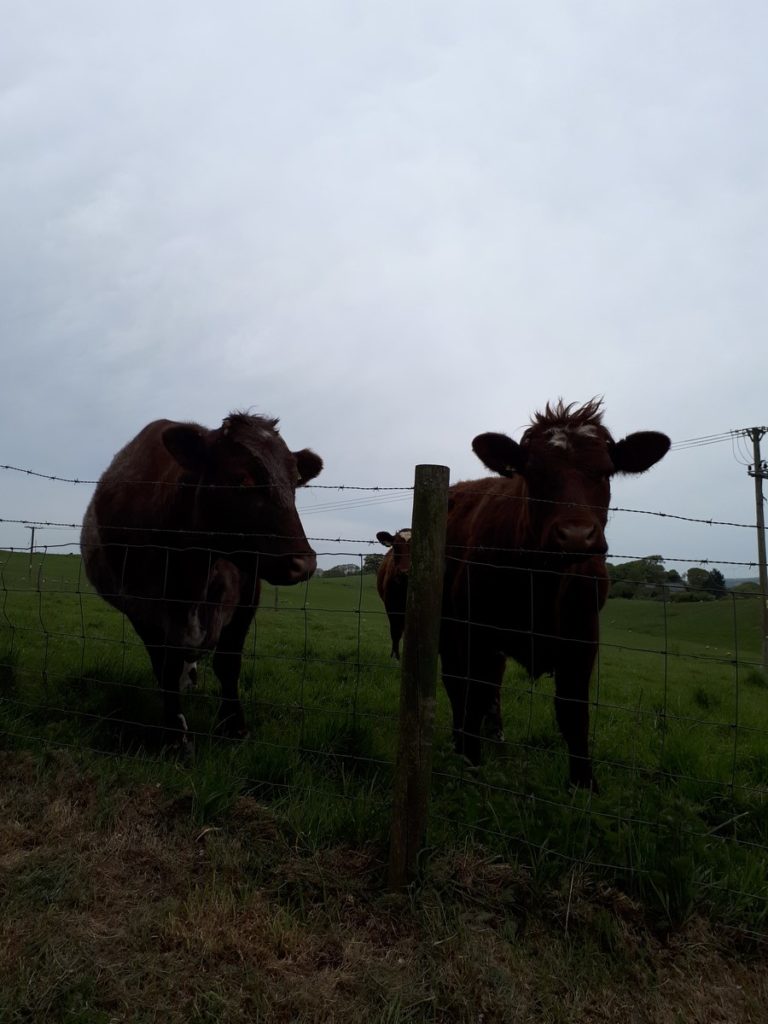
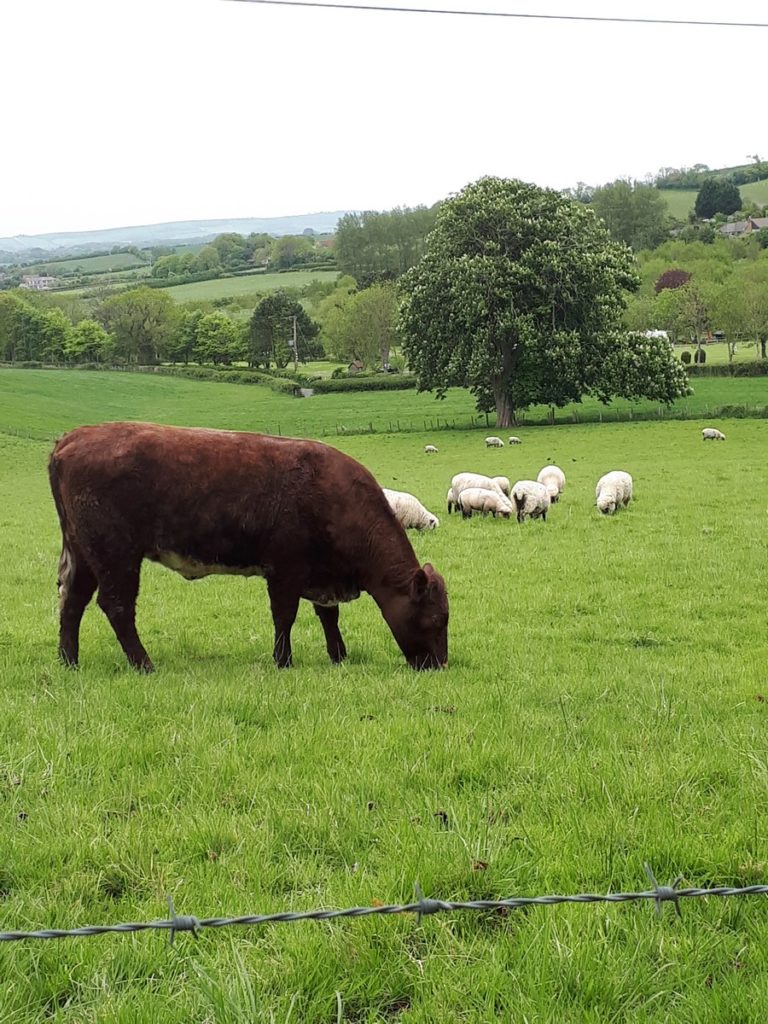
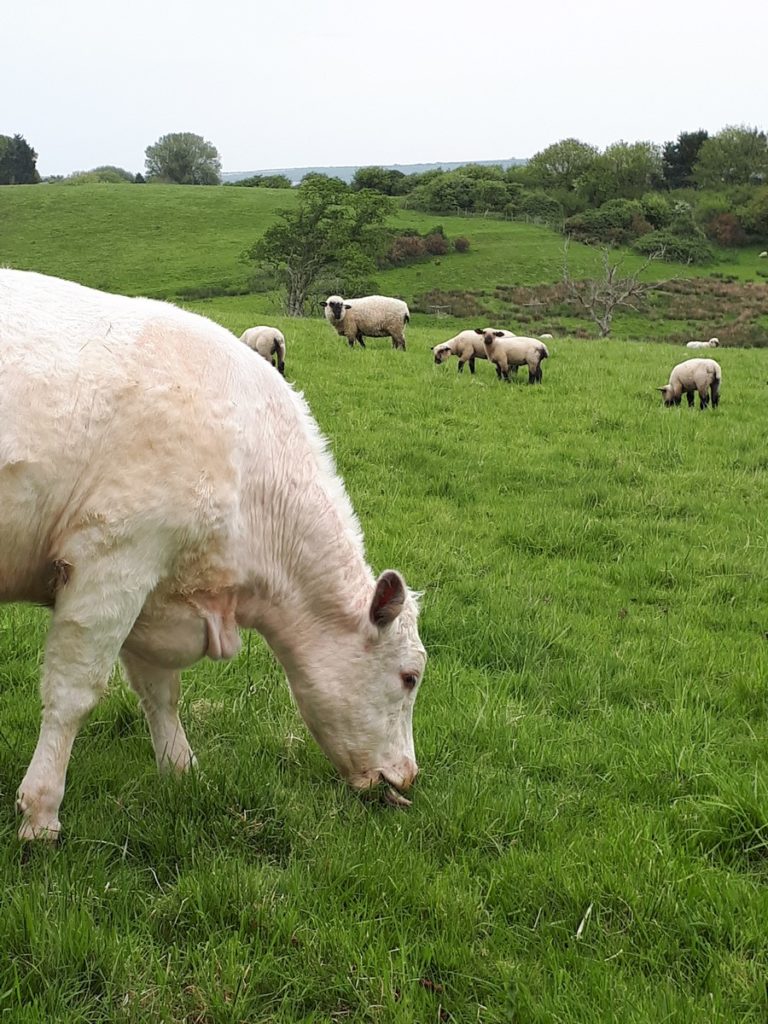
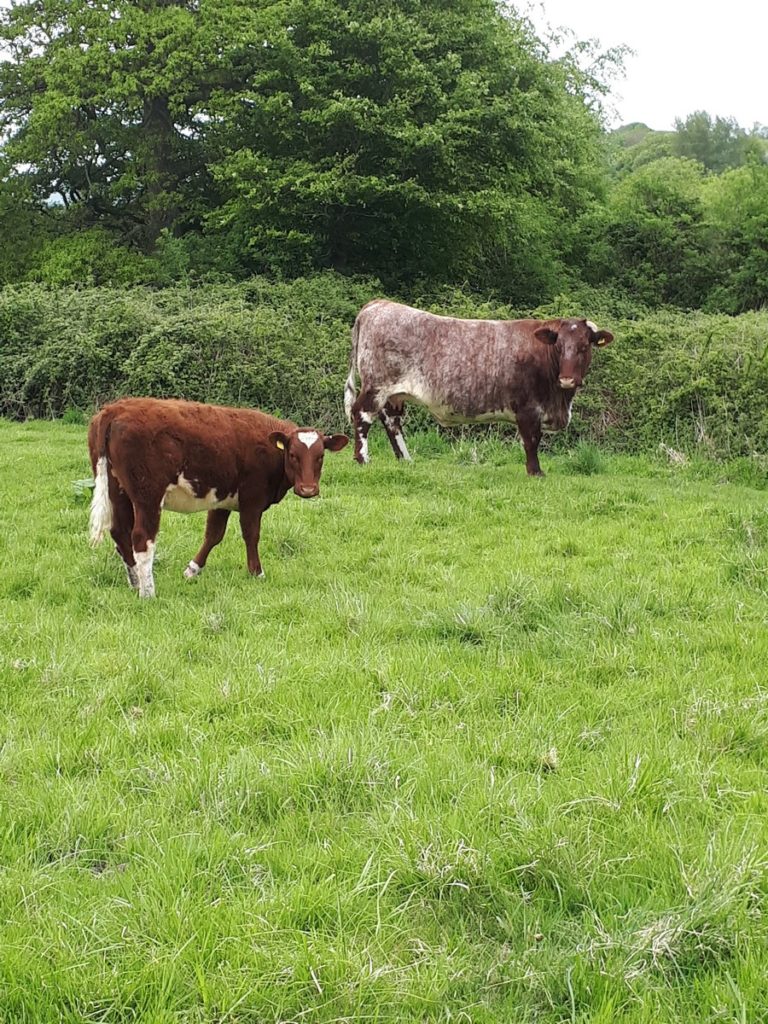
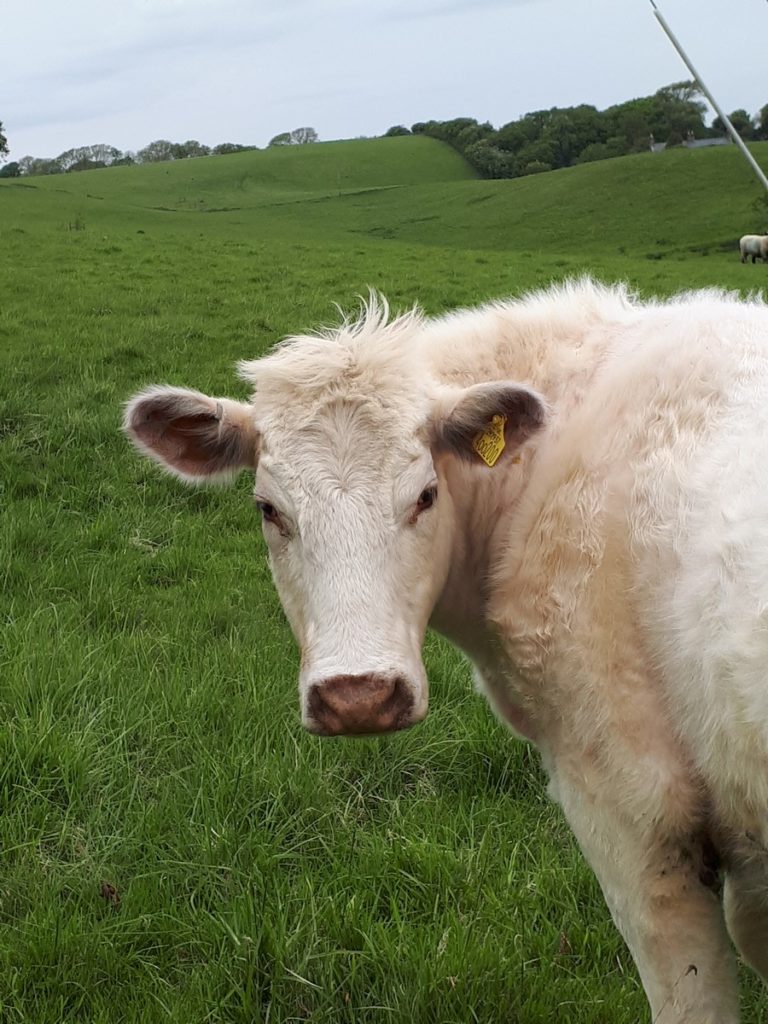
A field full of cows. Friendly cows. As soon as they saw me, they began to make their way over to the fence. A litter of Labrador puppies could not have been more eager to see me.
“Vicky! Come here!”
“What do you see? Is it the house?”
“No. Better. Cows!”
Caution: Many Cow Photos Ahead
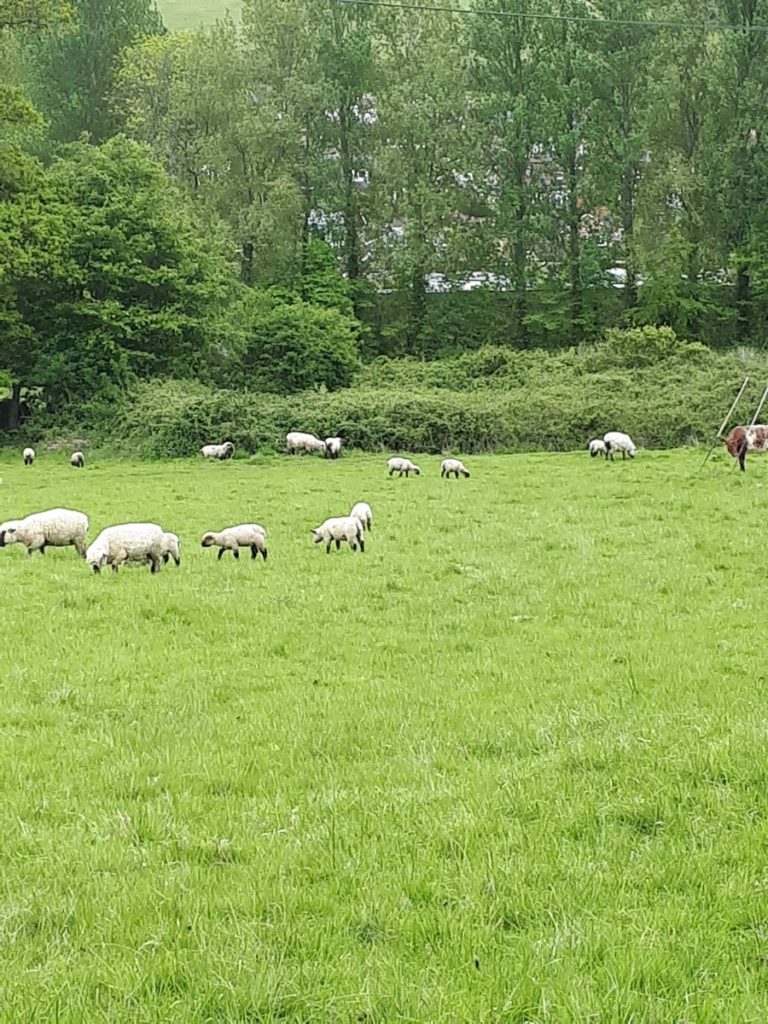
Bonus – sheep!
Cows and sheep!
As evidenced by the plethora of photos we took, we spent quite a bit of time with the cows – petting the cows, photographing the cows, talking to the cows, communing with the cows, but at last Vicky said, “Well, should we head back?”
“No! Our aim was to see Appuldurcombe House. We can’t give up now. Stay here and I’ll go ahead and see what I can see.”
I walked ahead about fifteen steps and this is what I saw.
I walked the fifteen steps back, “The house is just there, around the bend.”
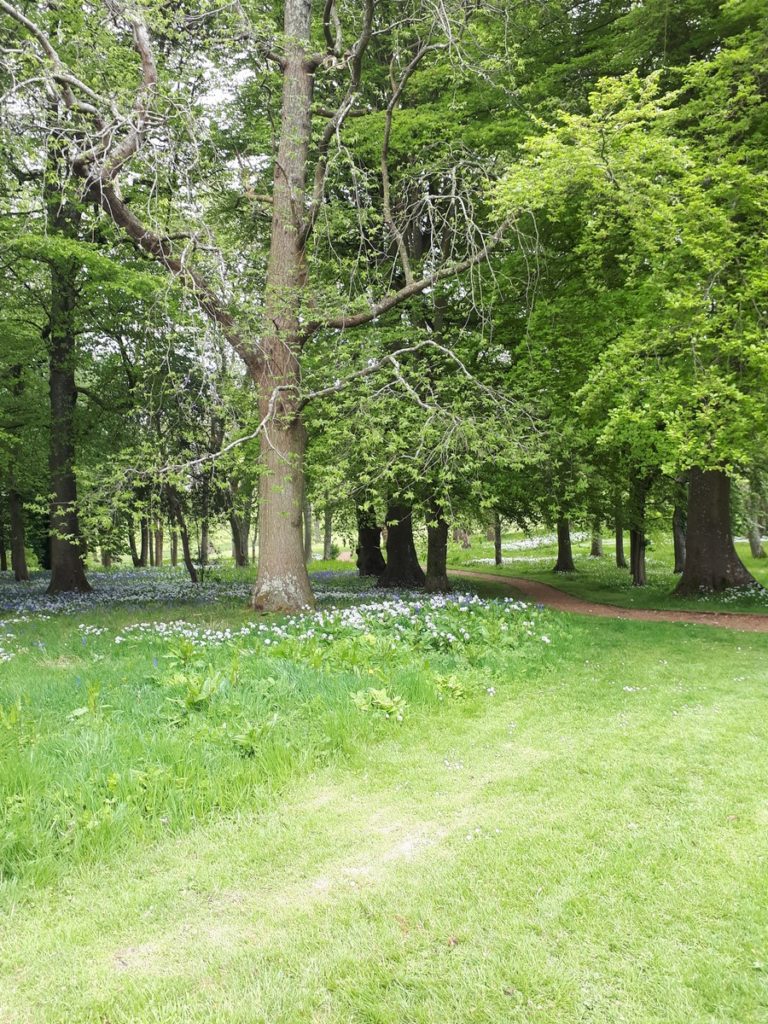
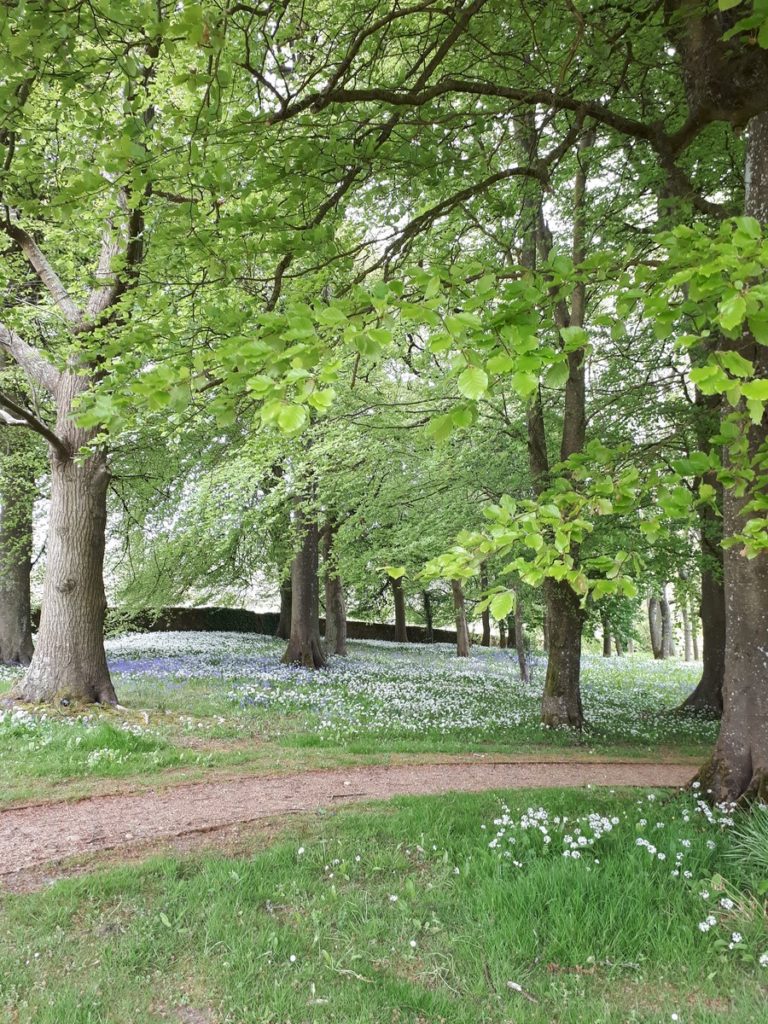
Off we set down the path, through the wood and a field of bluebells.
It was all a bit Hansel and Gretel-ish.
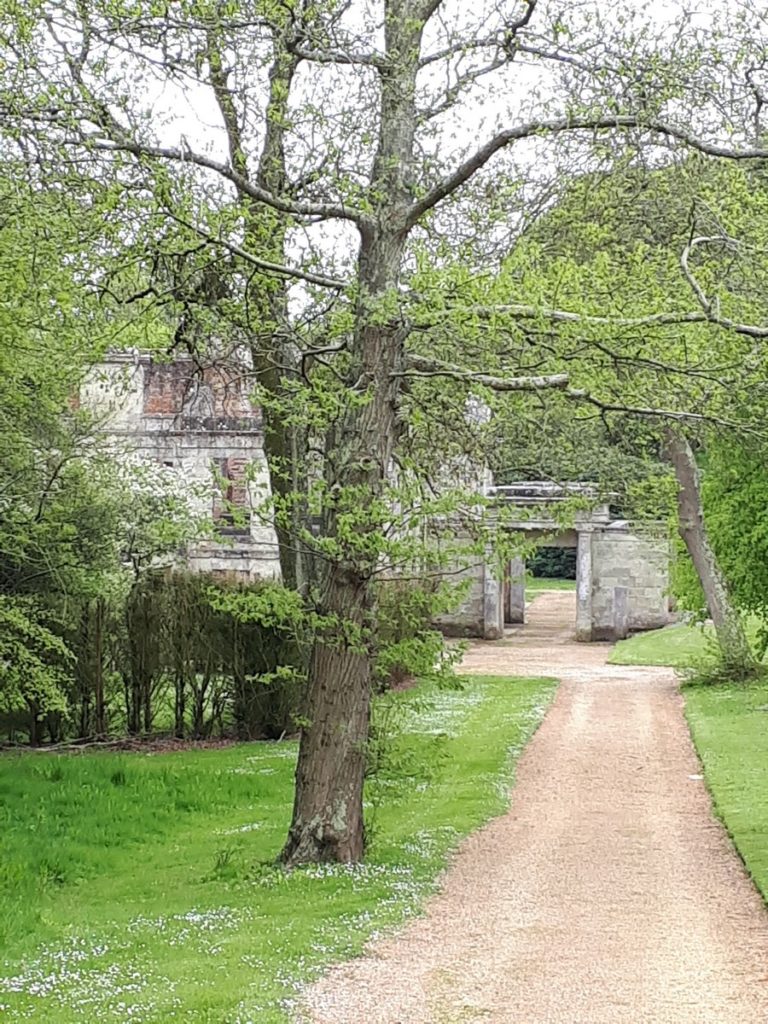
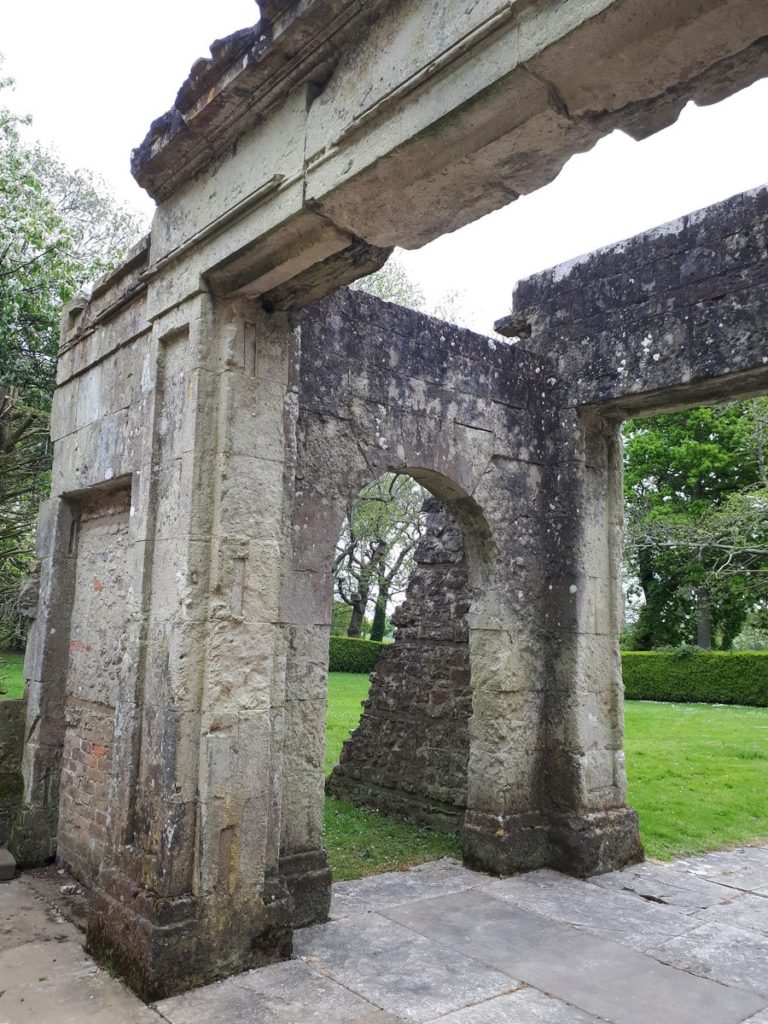
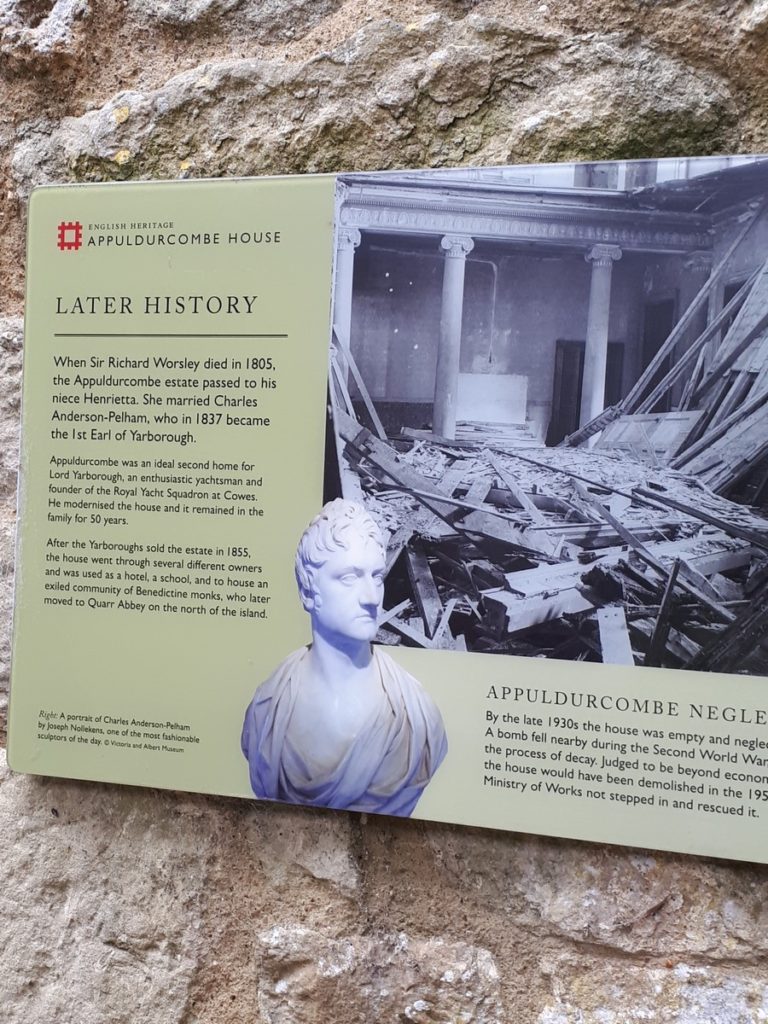
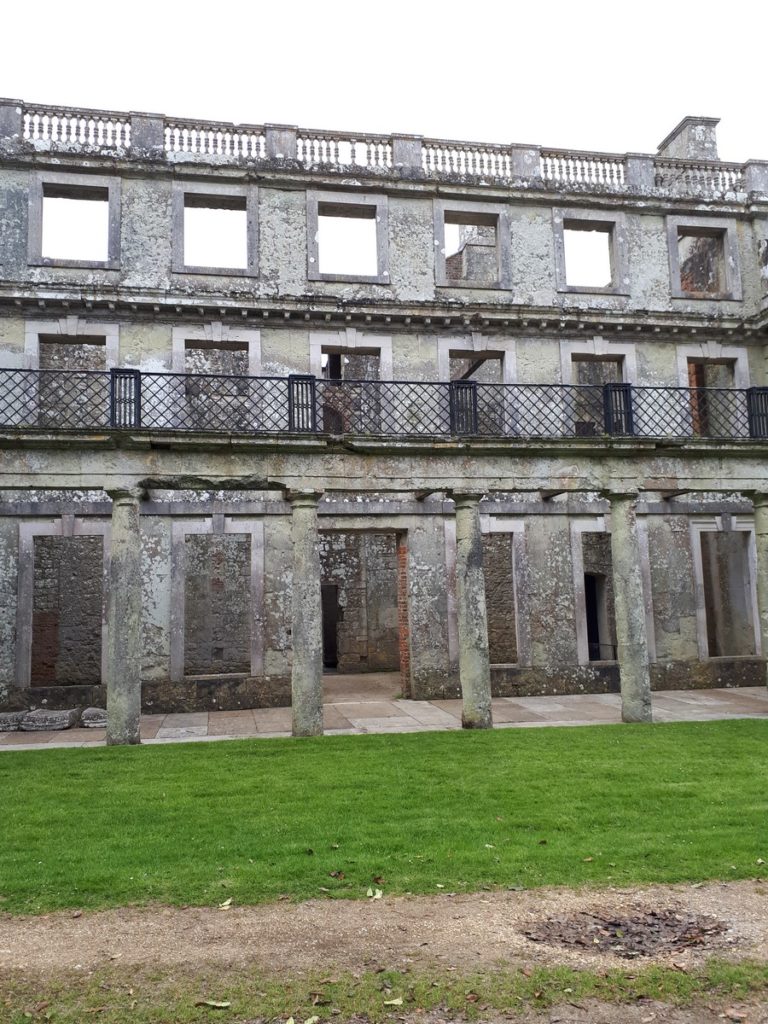
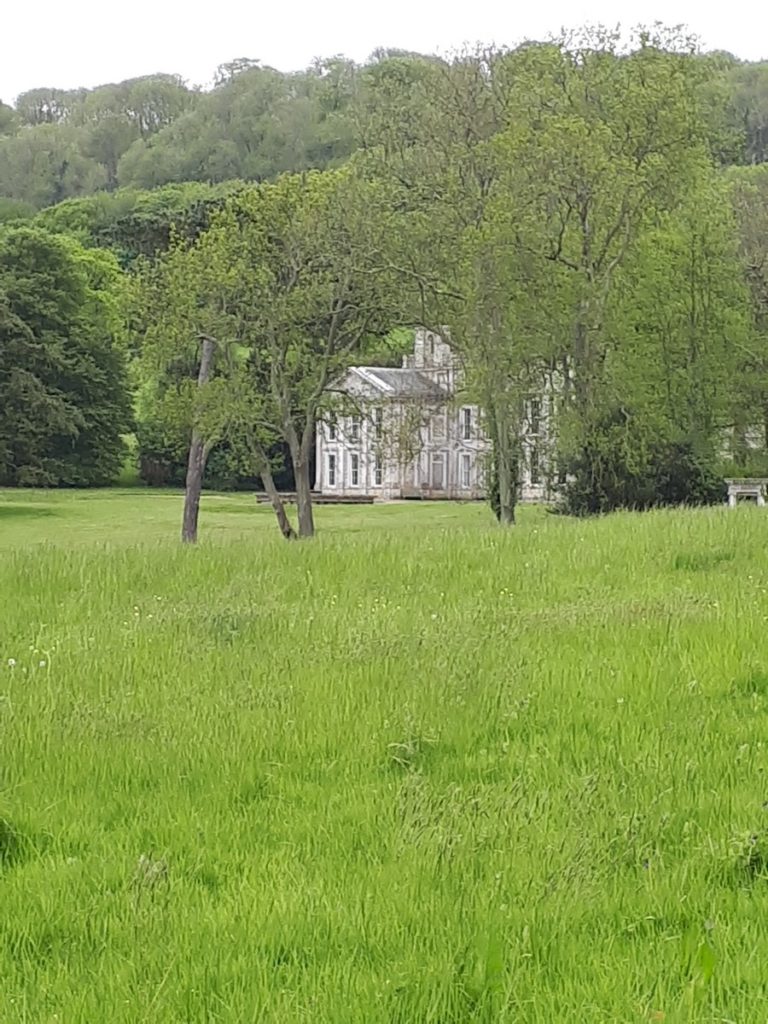
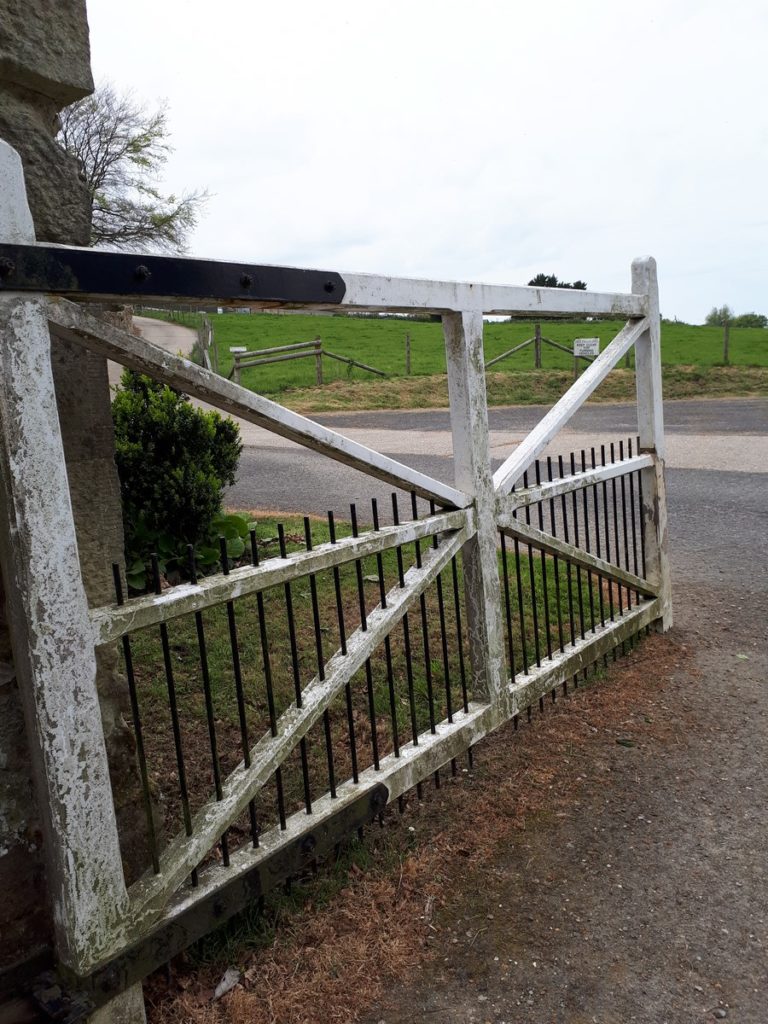
Finally, we had our first, up close glimpse of Appuldurcombe.
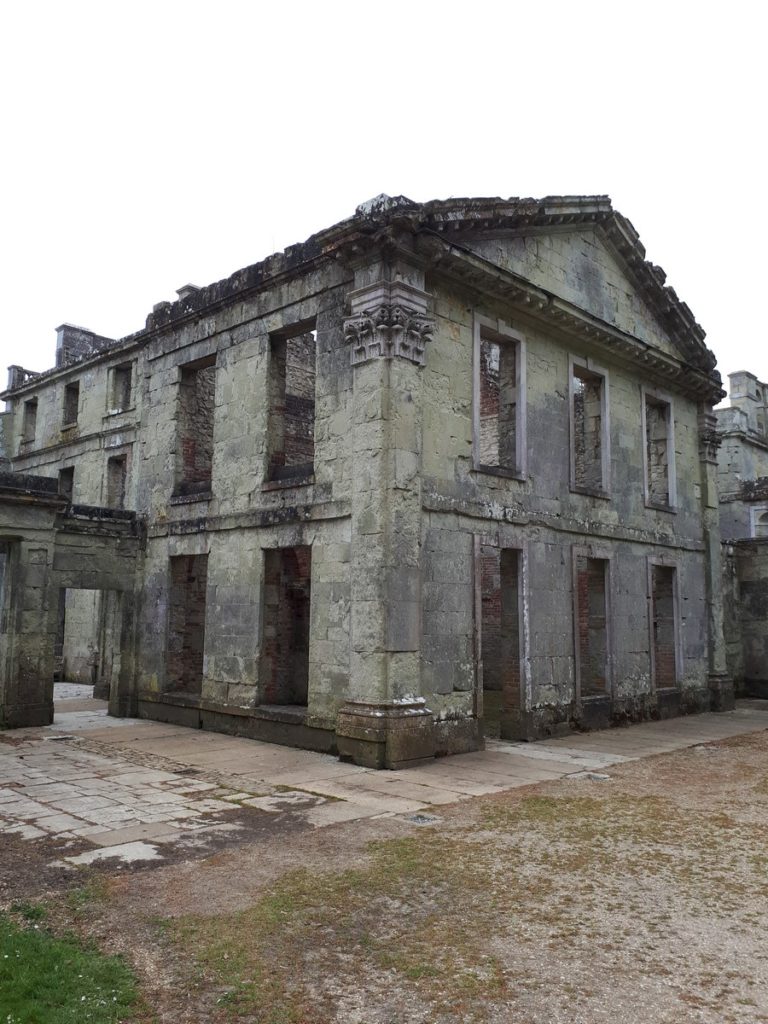
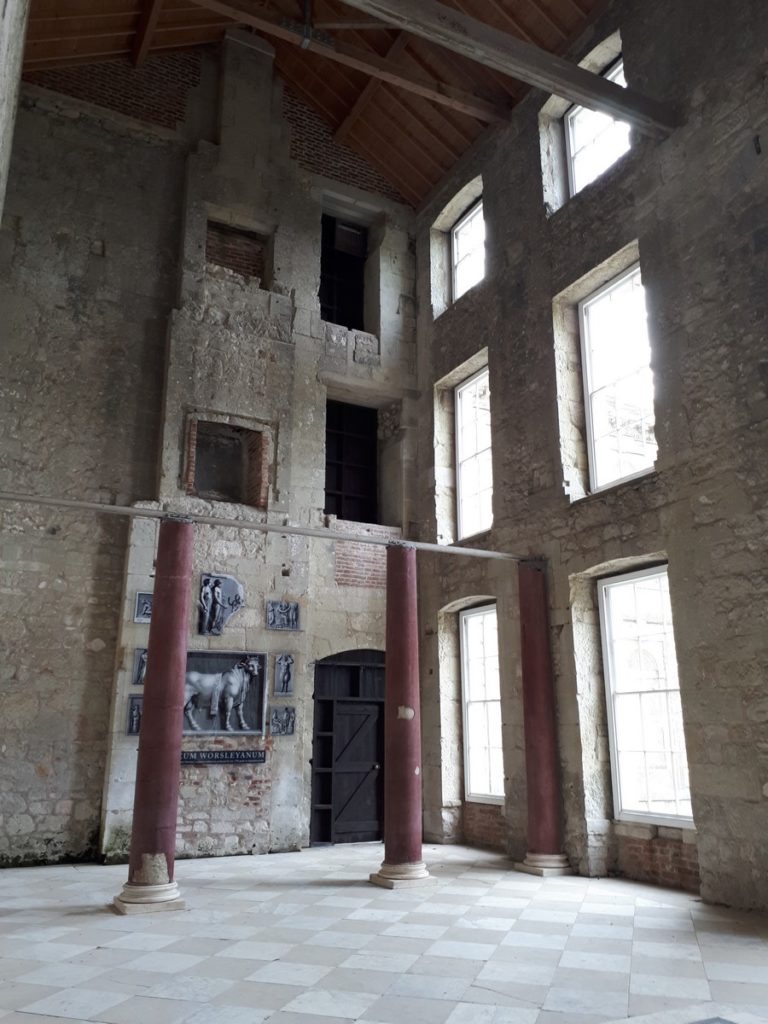
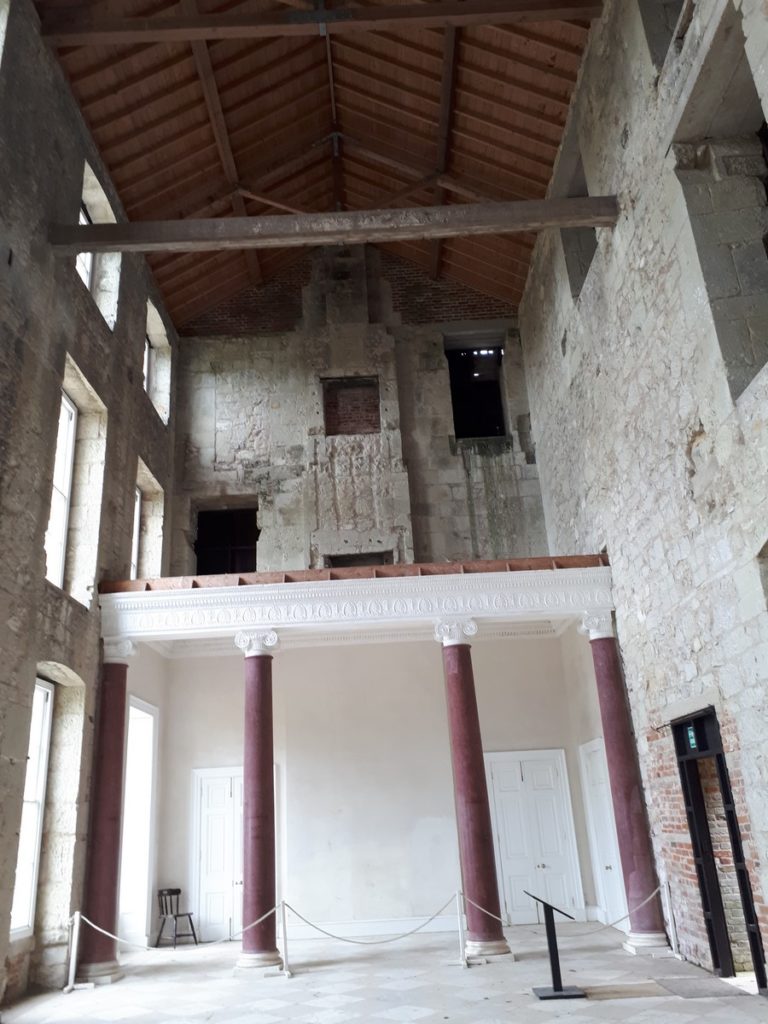
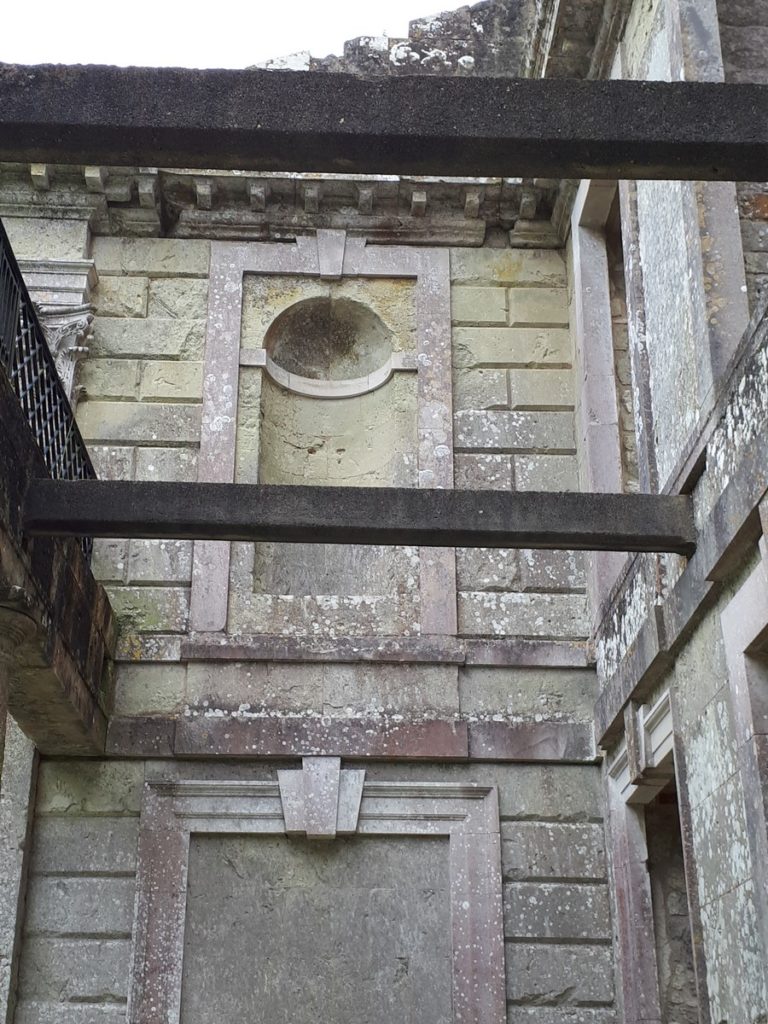
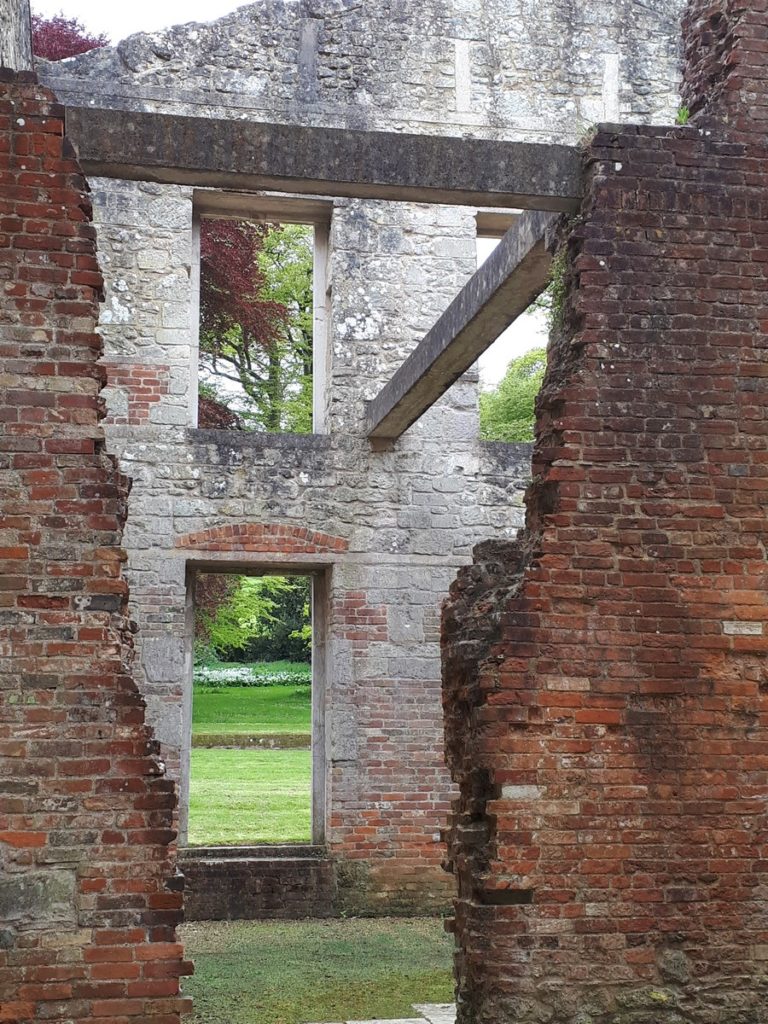
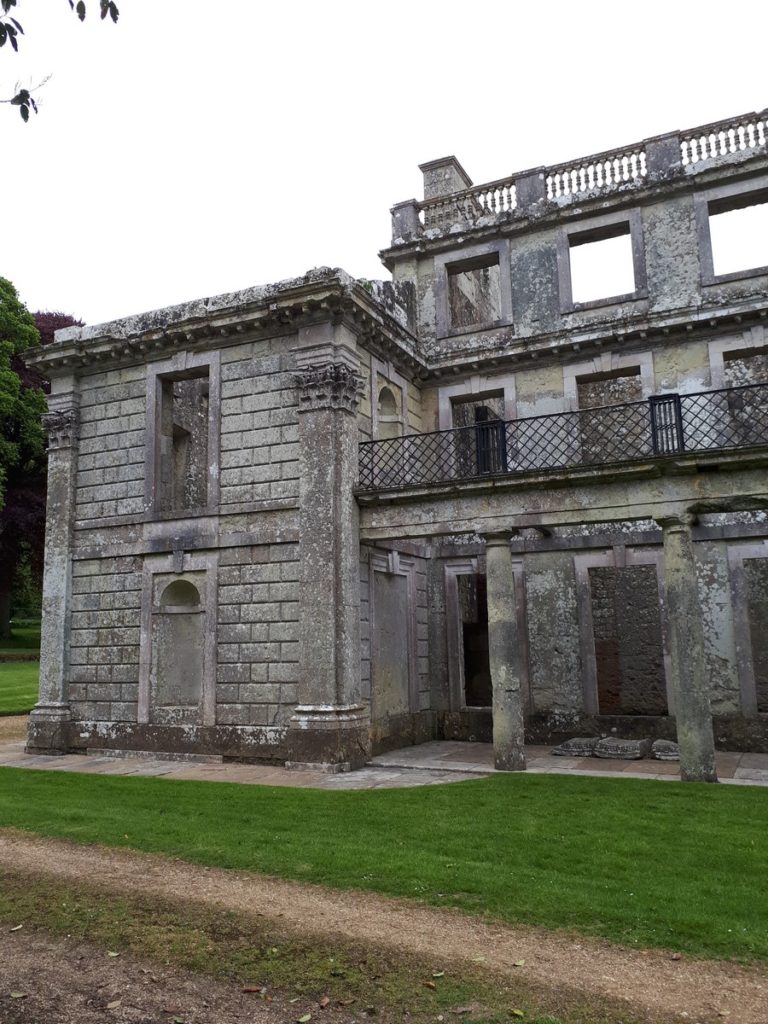
And then, there it was before us. In all its ruined glory. We were both gobsmacked.
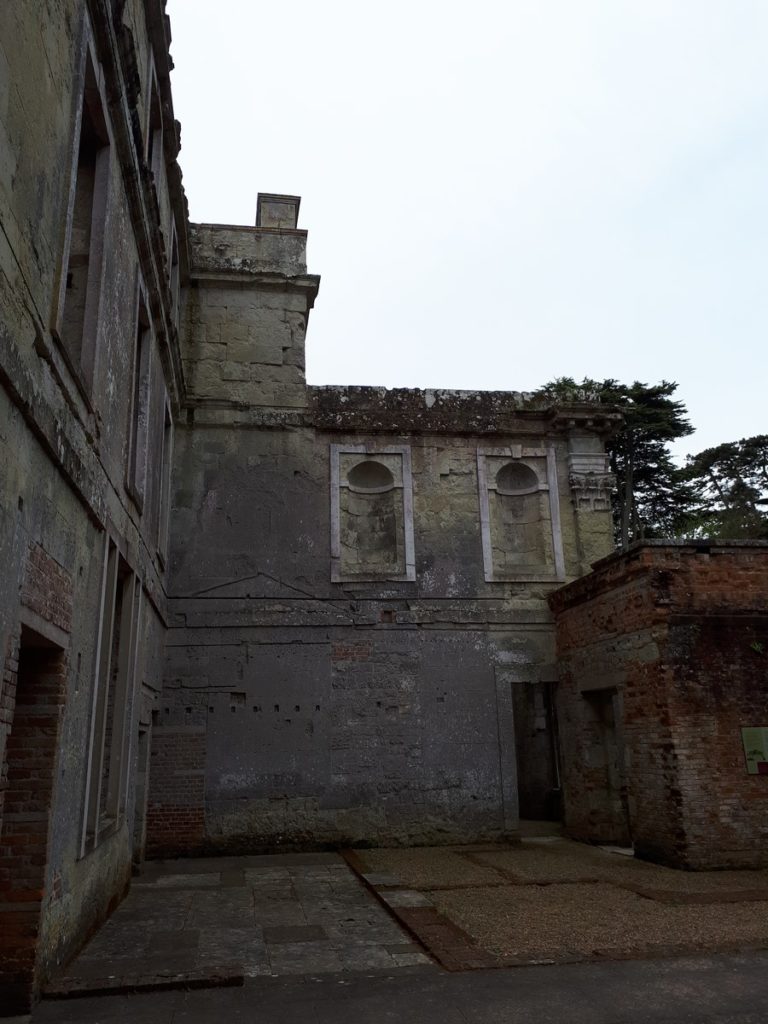
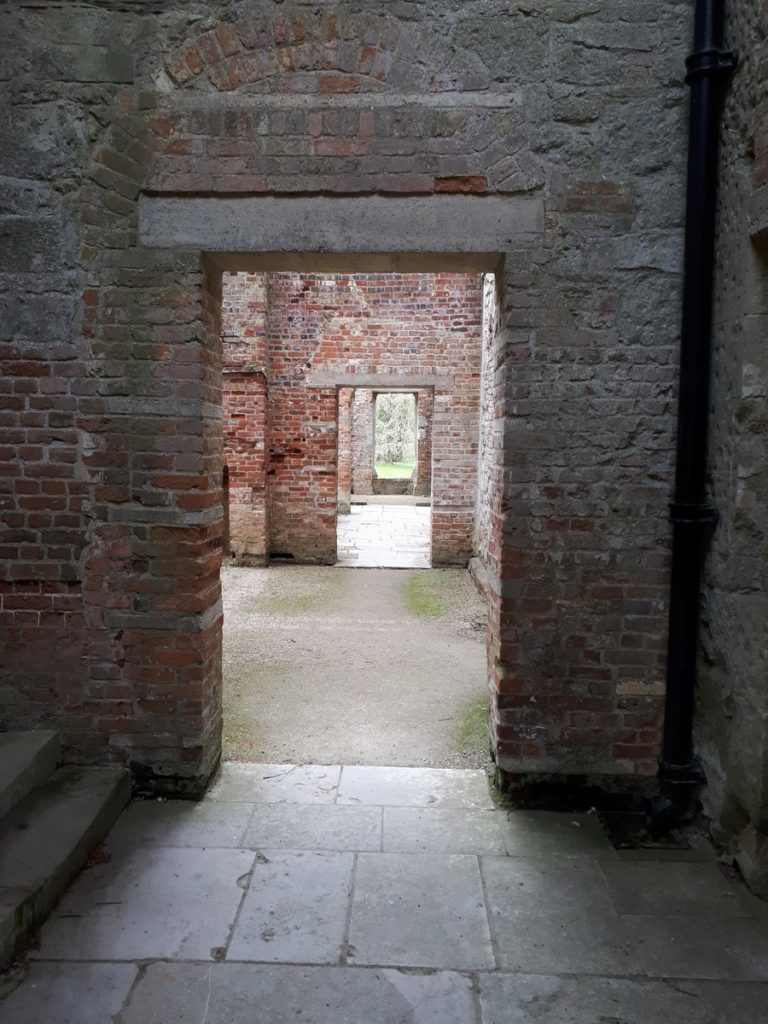
An honest to goodness ruin. And not another soul about. Not another tourist, not a caretaker, not Vincent Price, not even a wicked witch. We had the place well and truly to ourselves.
“Are you sure we’re allowed to wander around?” I asked.
“That’s what the website said,” replied Vicky. “I don’t see that anything is roped off, do you?”
I did not. And so we wandered.
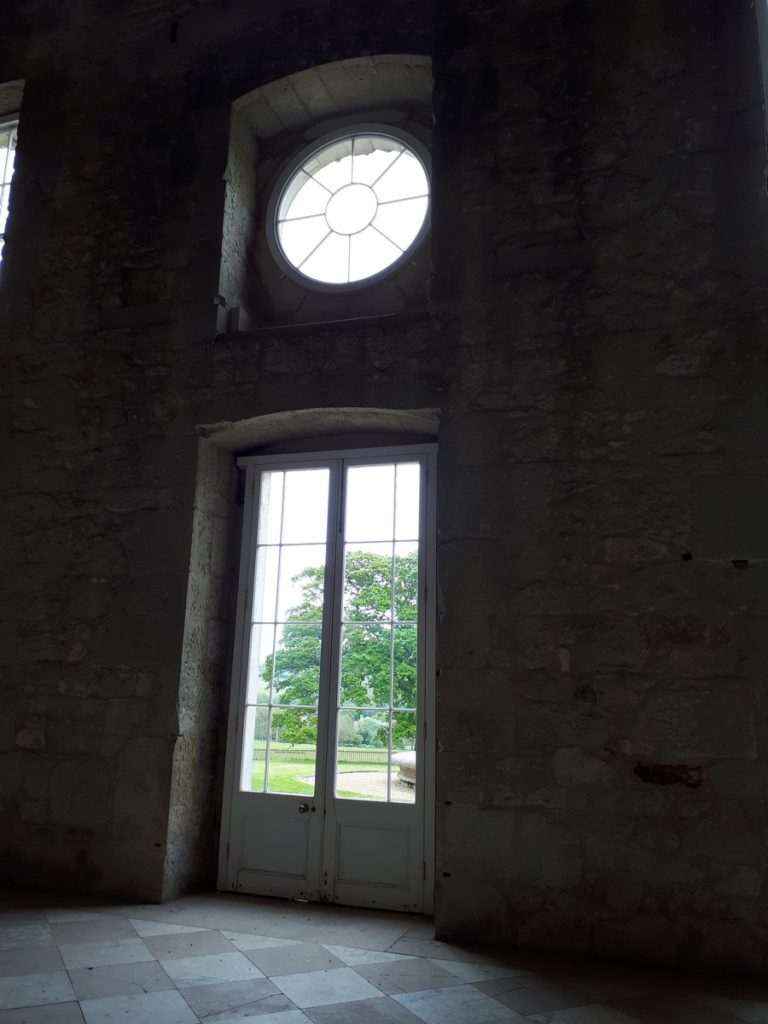
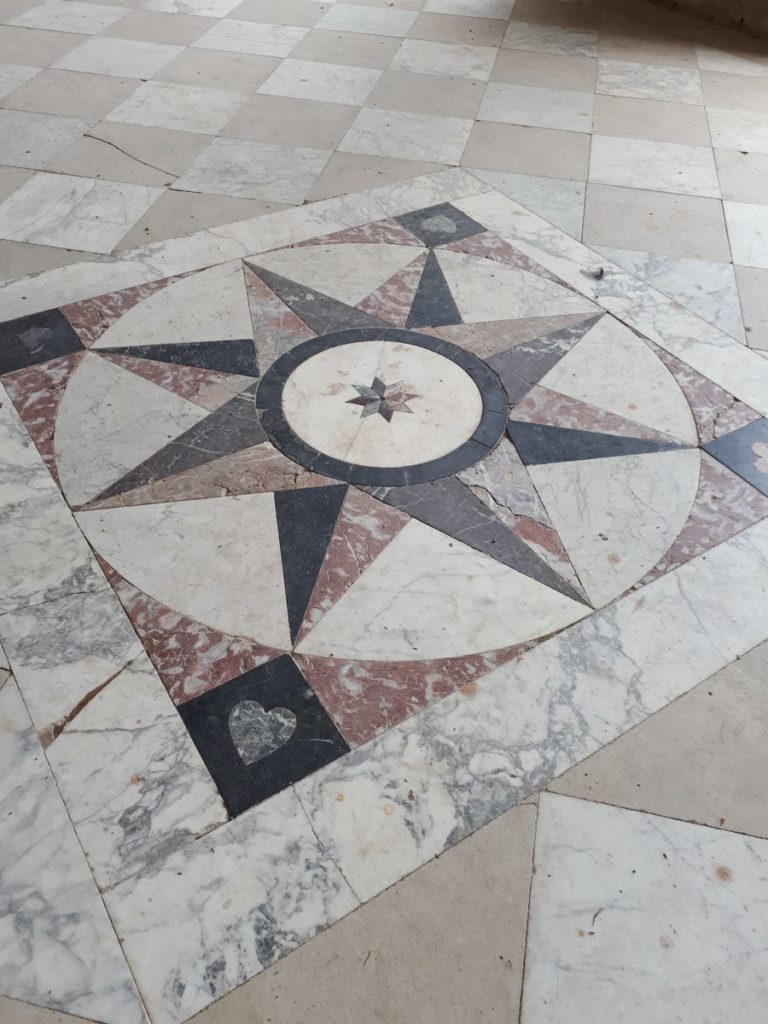
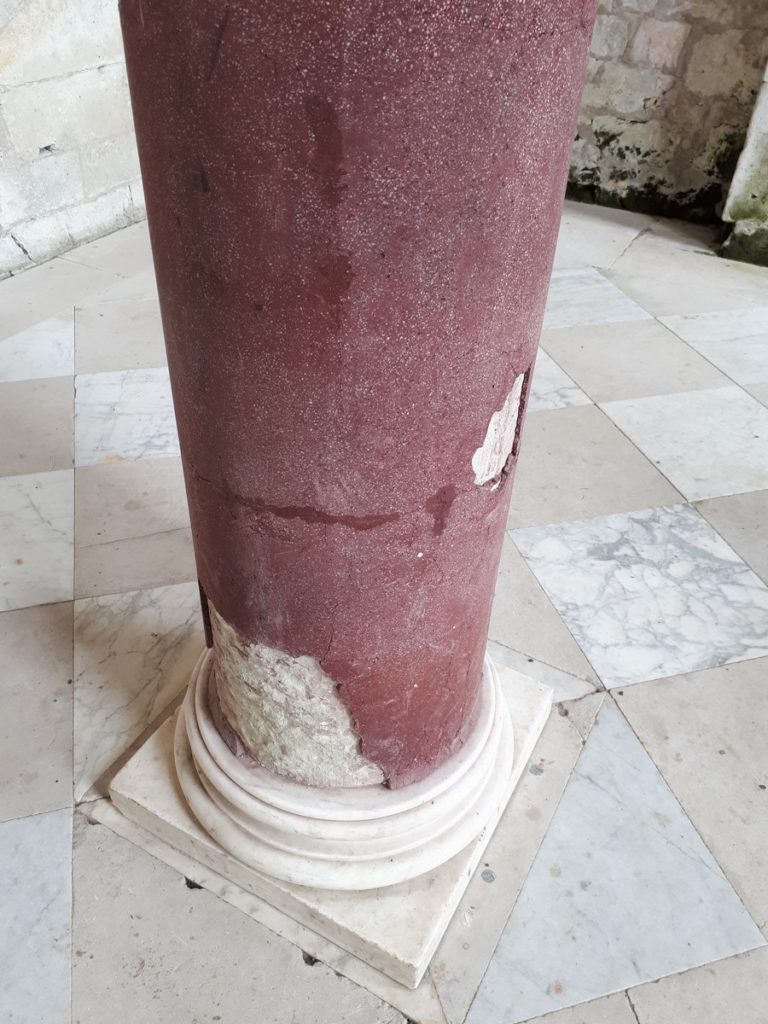
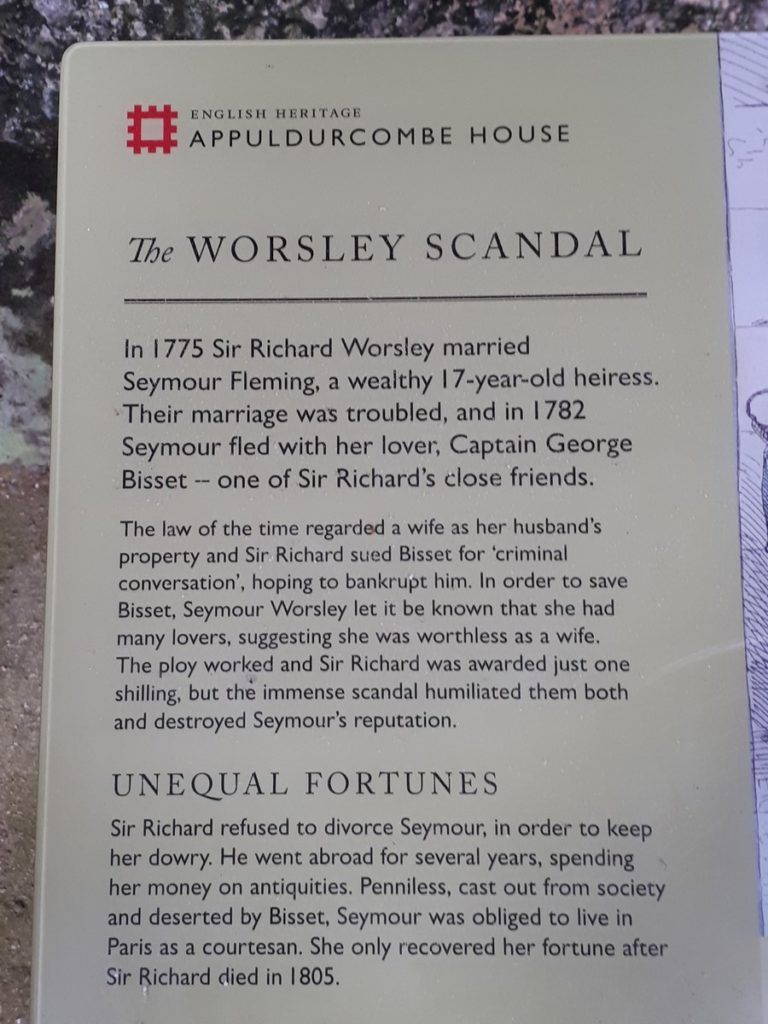
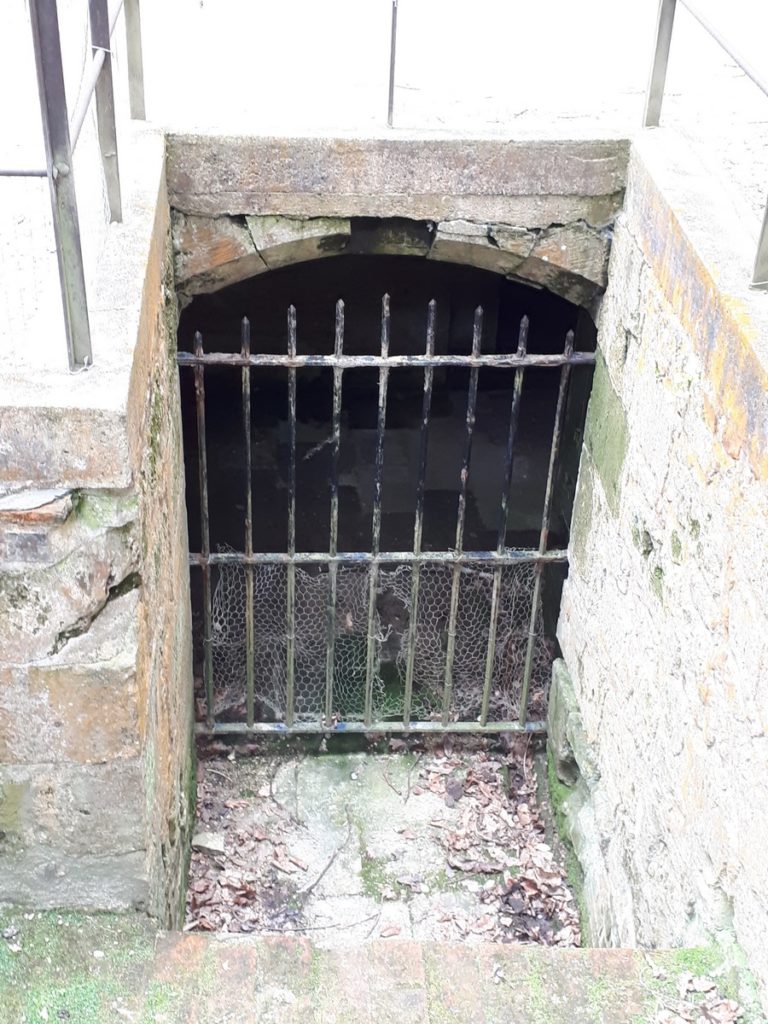
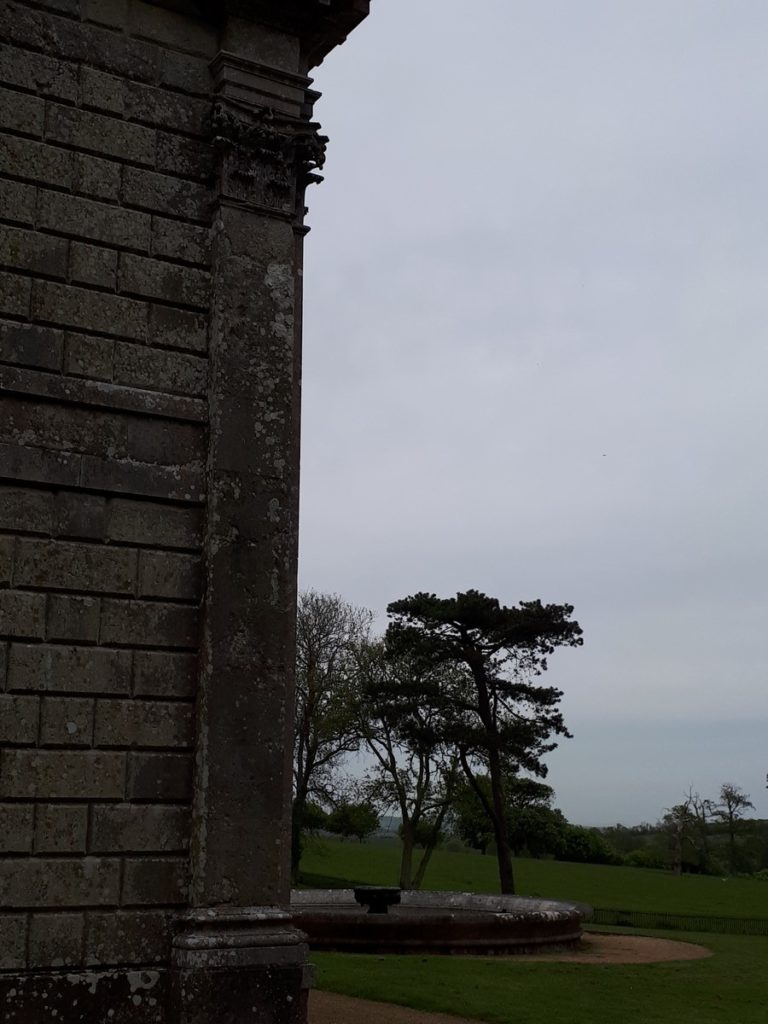
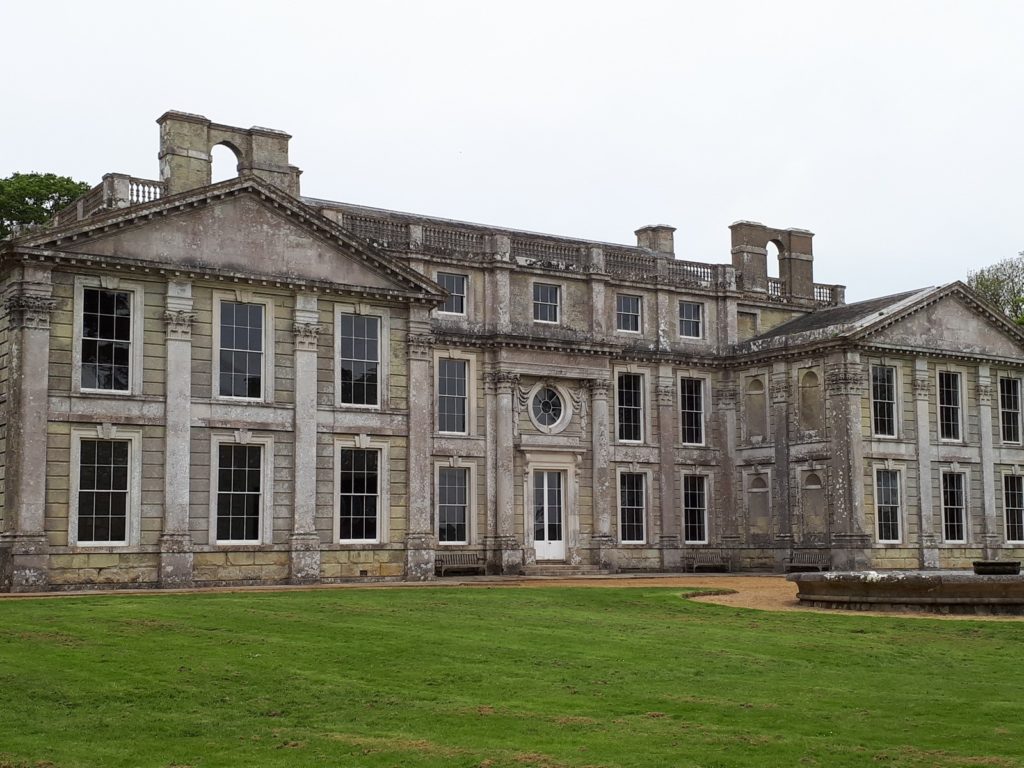
I don’t know how long we were there, but we investigated every bit of Appuldurcombe, for the most part in silence. It’s very eerie being alone there, among the ruins. It’s a far cry from my usual stately home visits. You do feel as though the house is waiting. For what, I don’t know, but Appuldurcombe still stands proudly, refusing to completely give way to ruin; recalling grander times, listening to the echoes of long silenced family voices, keeping watch over the nearby Wroxall village.
We never did see another living soul.
Would you like to experience travel in England first-hand?
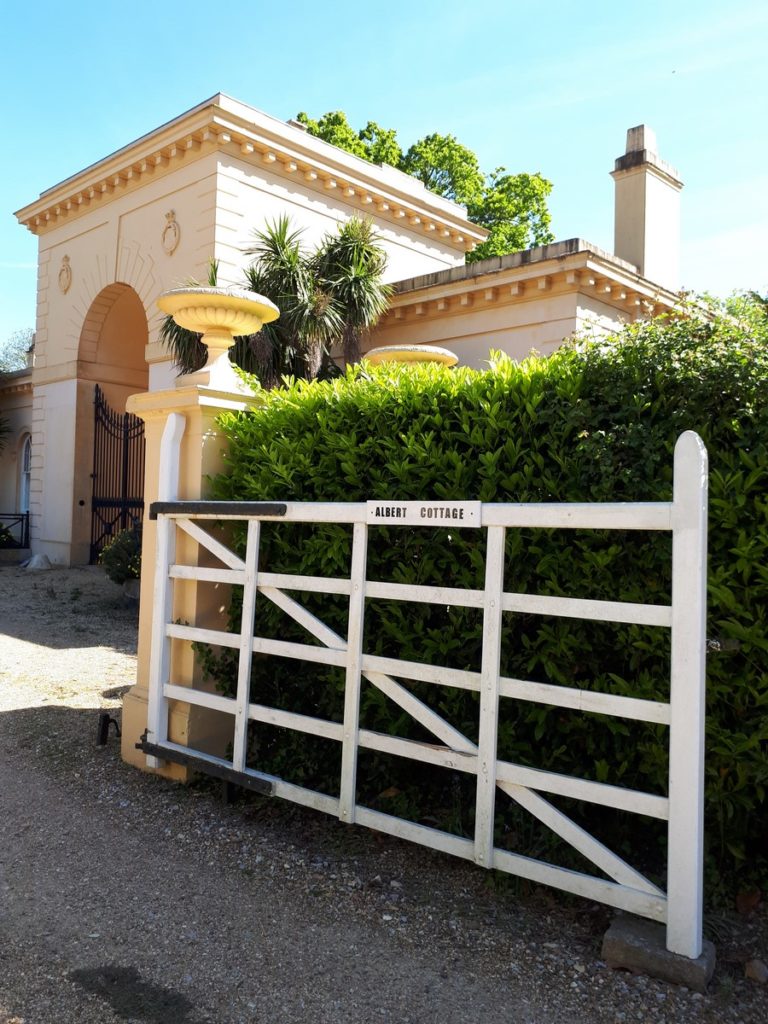 Leaving the Castle Hotel, Ryde, Victoria and I headed to East Cowes and our next hotel, Albert Cottage, once home to Princess Beatrice, Queen Victoria’s younger daughter. The hotel is set in two acres of beautiful gardens backing onto Osborne House, Queen Victoria’s favourite holiday residence. Directly next to the hotel stands the entrance gate to Osborne House, above, still reserved for the use of the current Royals. The public entrance to Osborne House is further on down the street.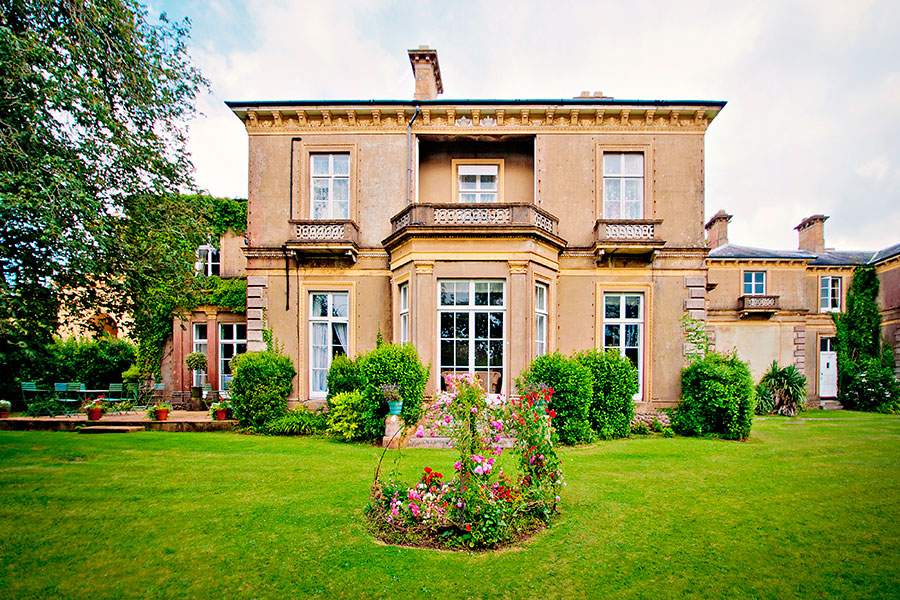
 Upon check-in, Vicky and I were given a two bedroom suite. Vicky’s bedroom looked lovely from the doorway . . . .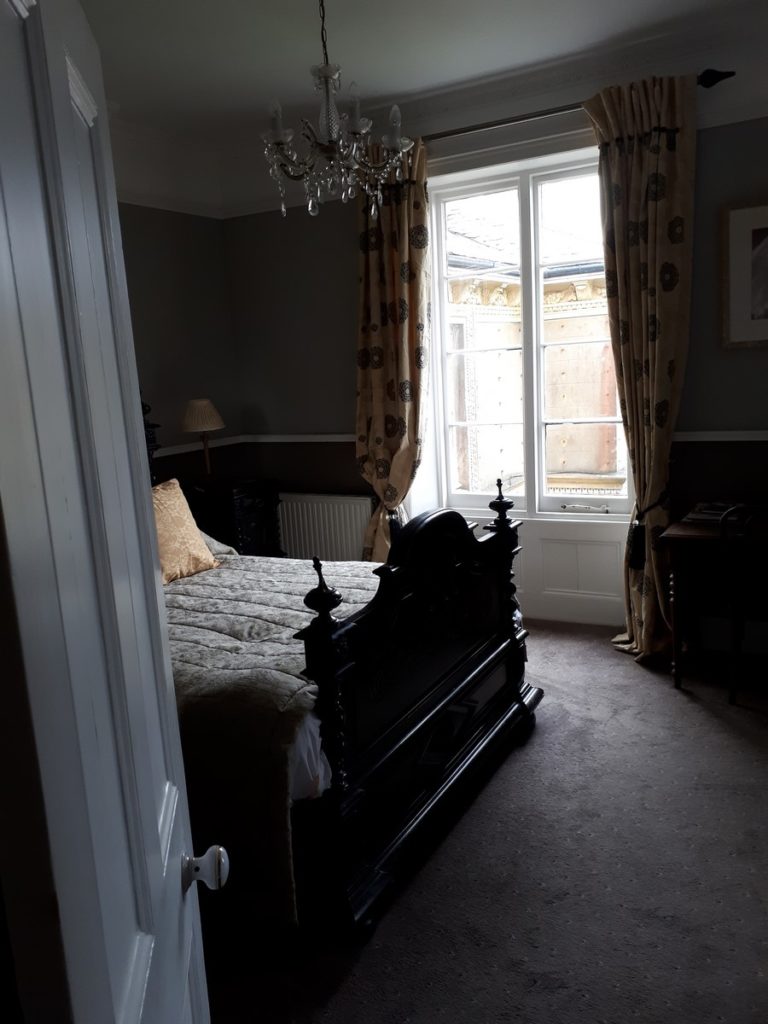
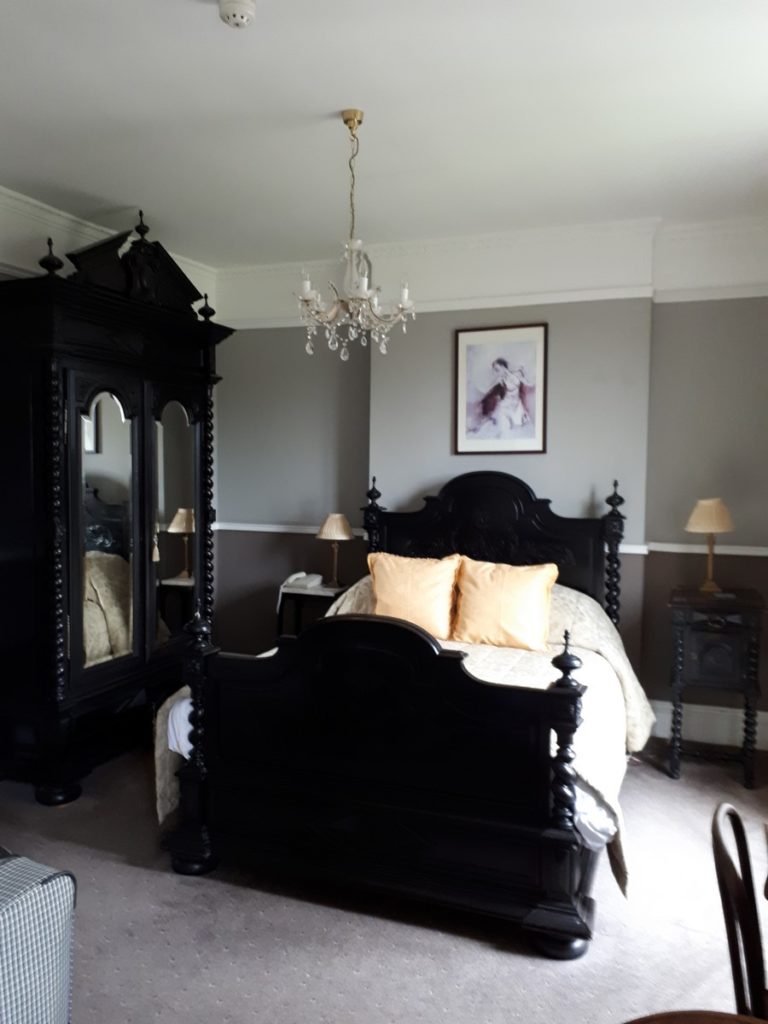
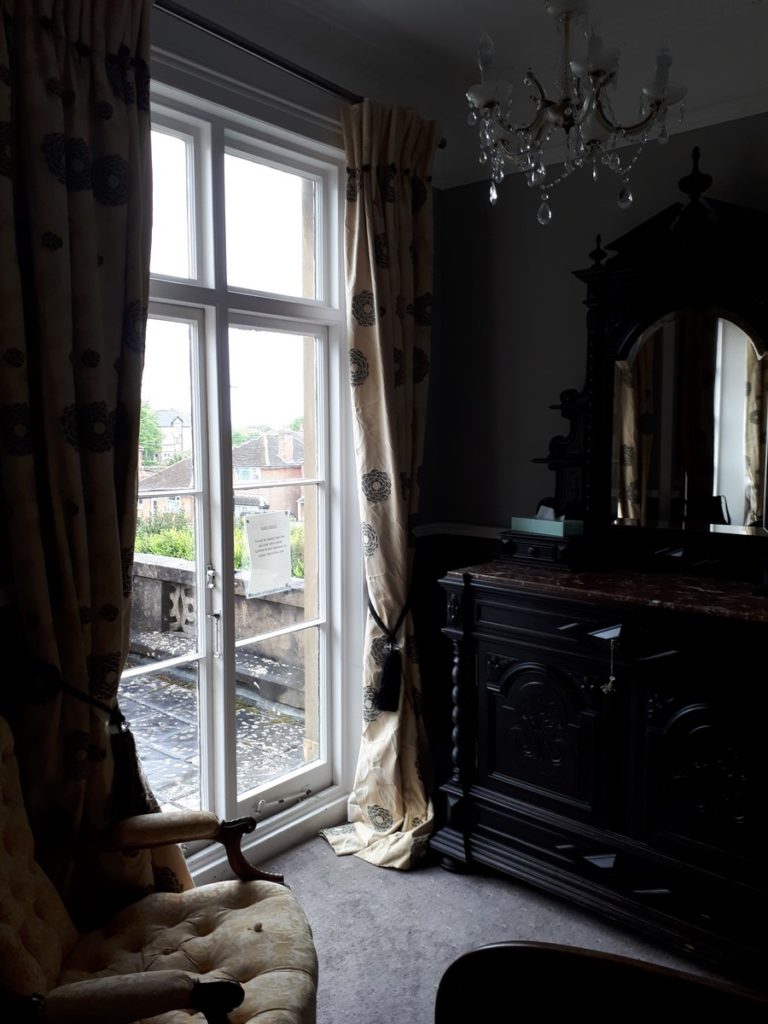
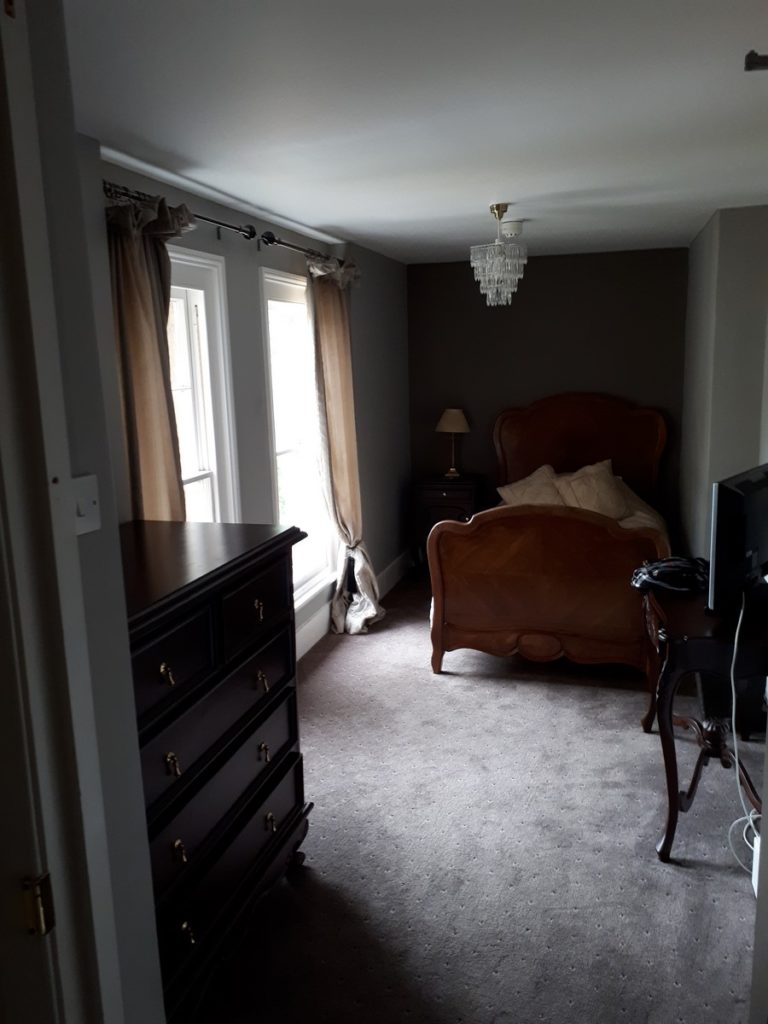 My bedroom was just as lovely, and afforded me views of the Gate. A nice touch – our bathroom shower included instructions.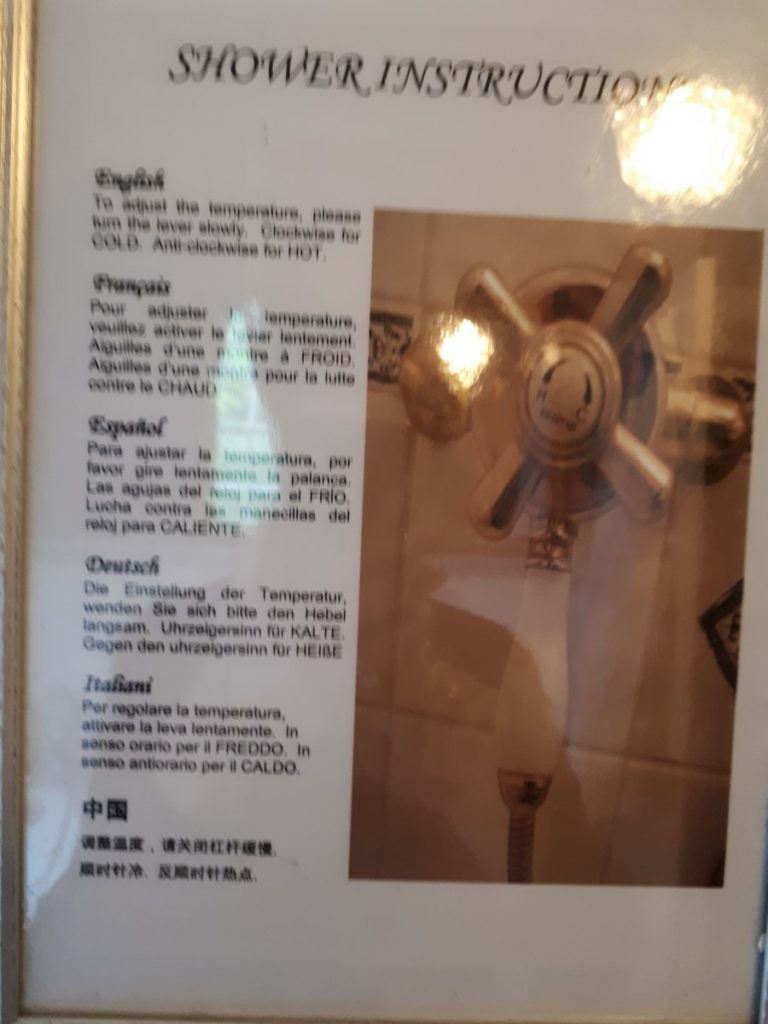
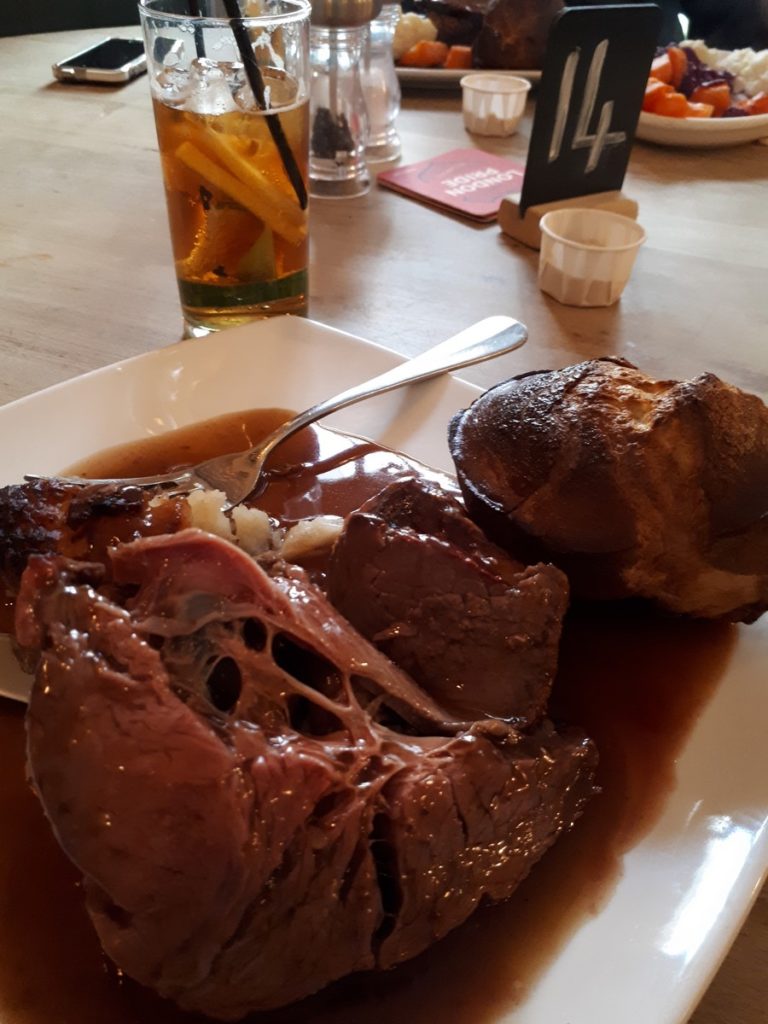


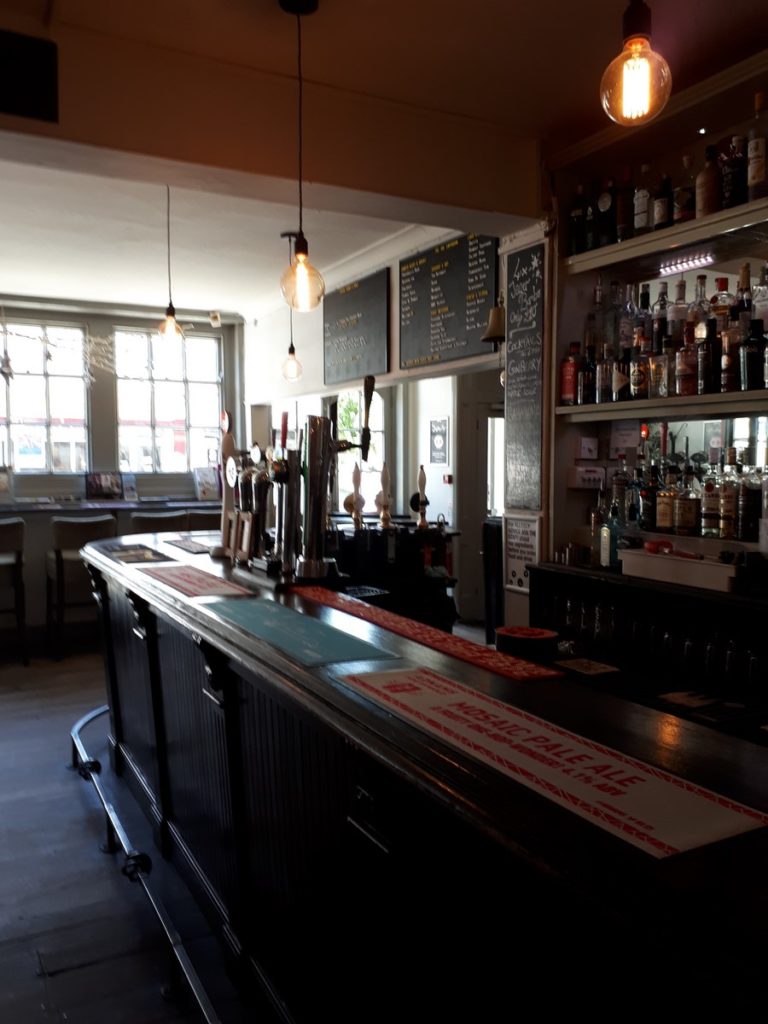
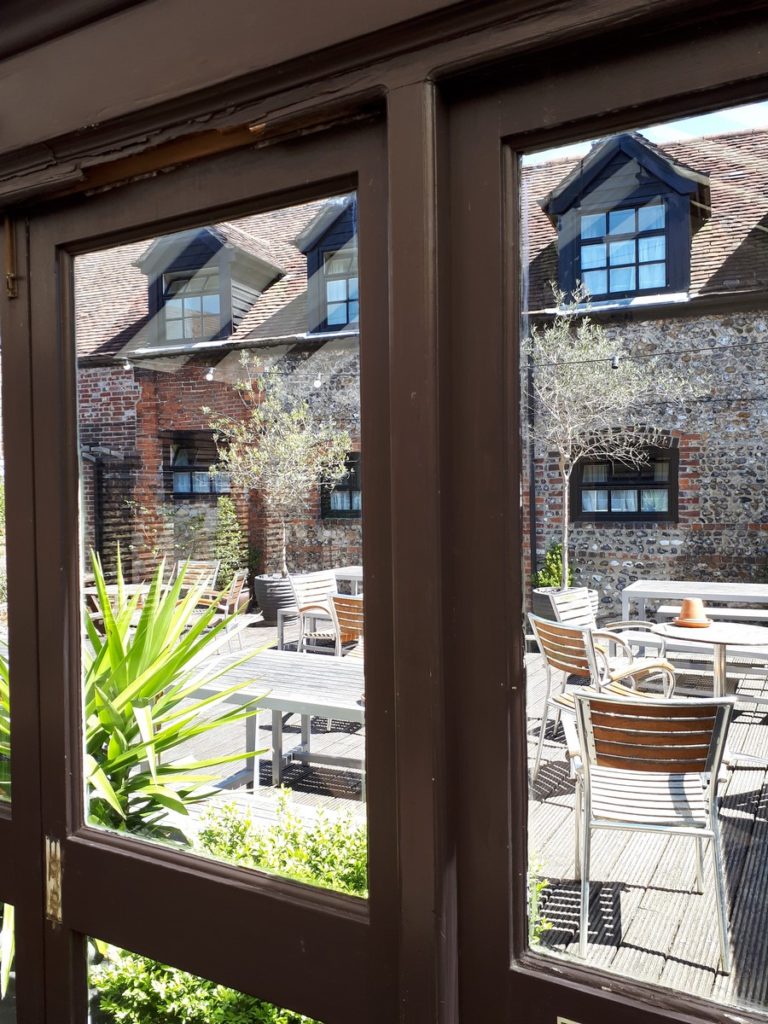
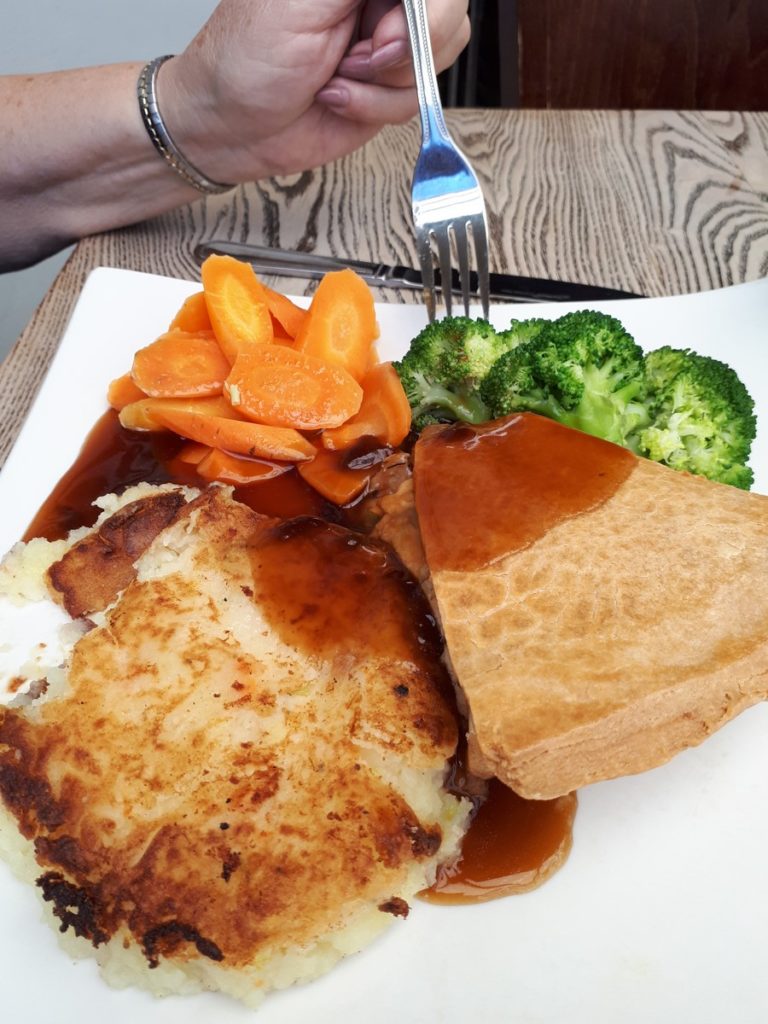 Vicky opted for the pie of the day.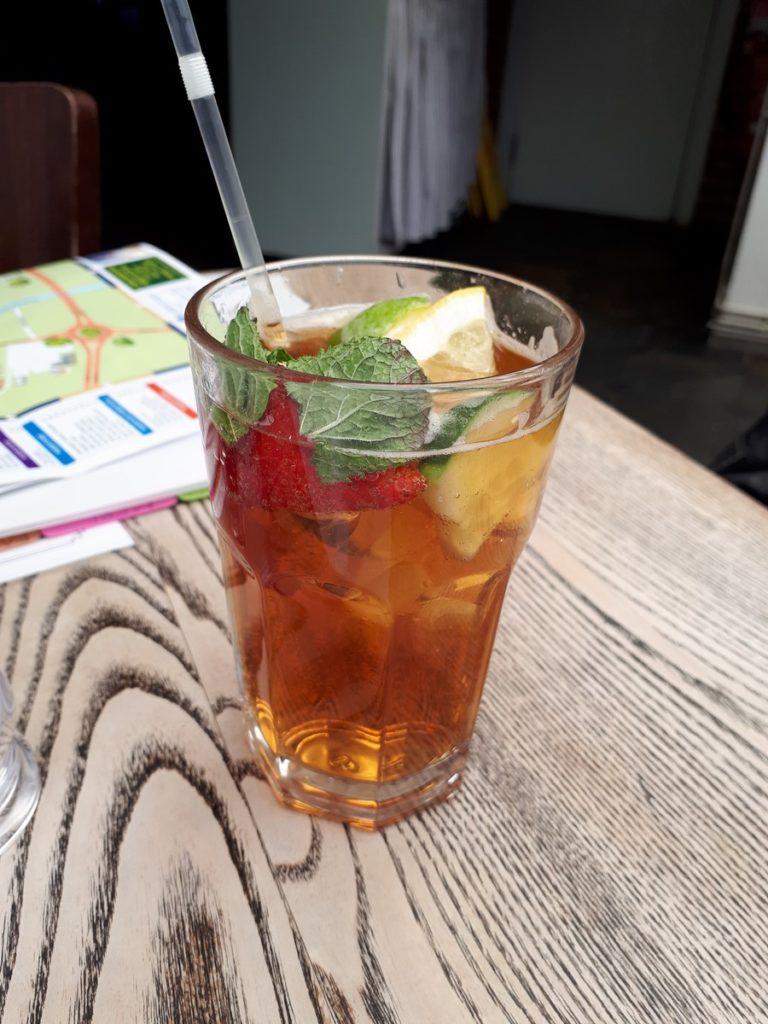



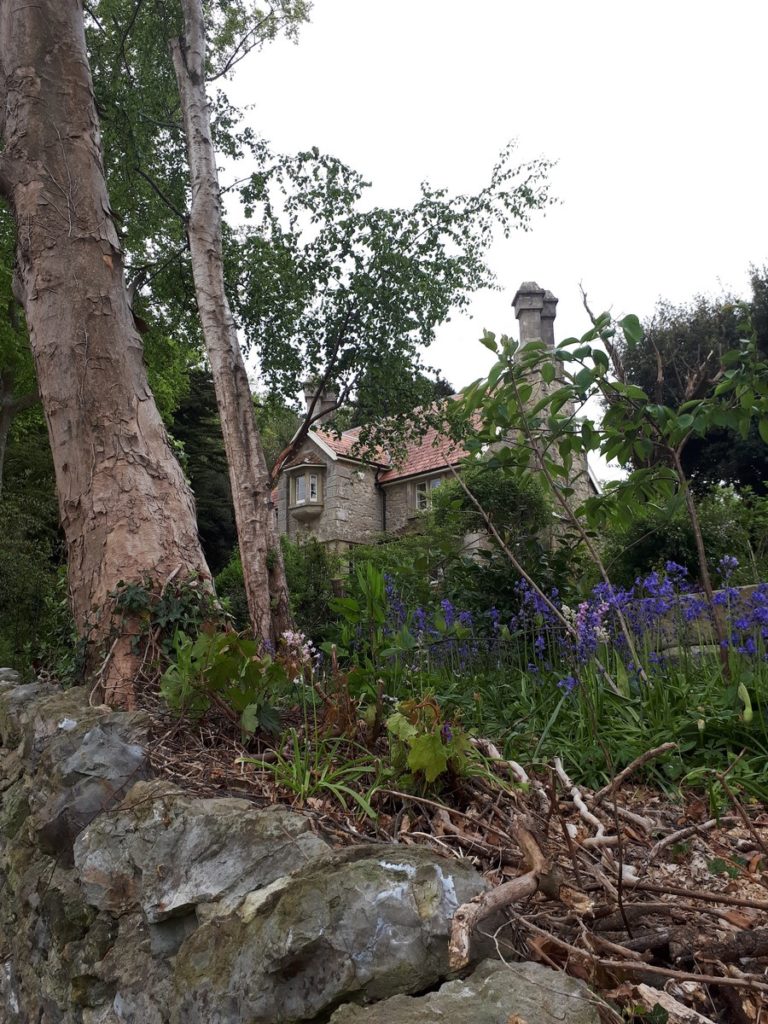
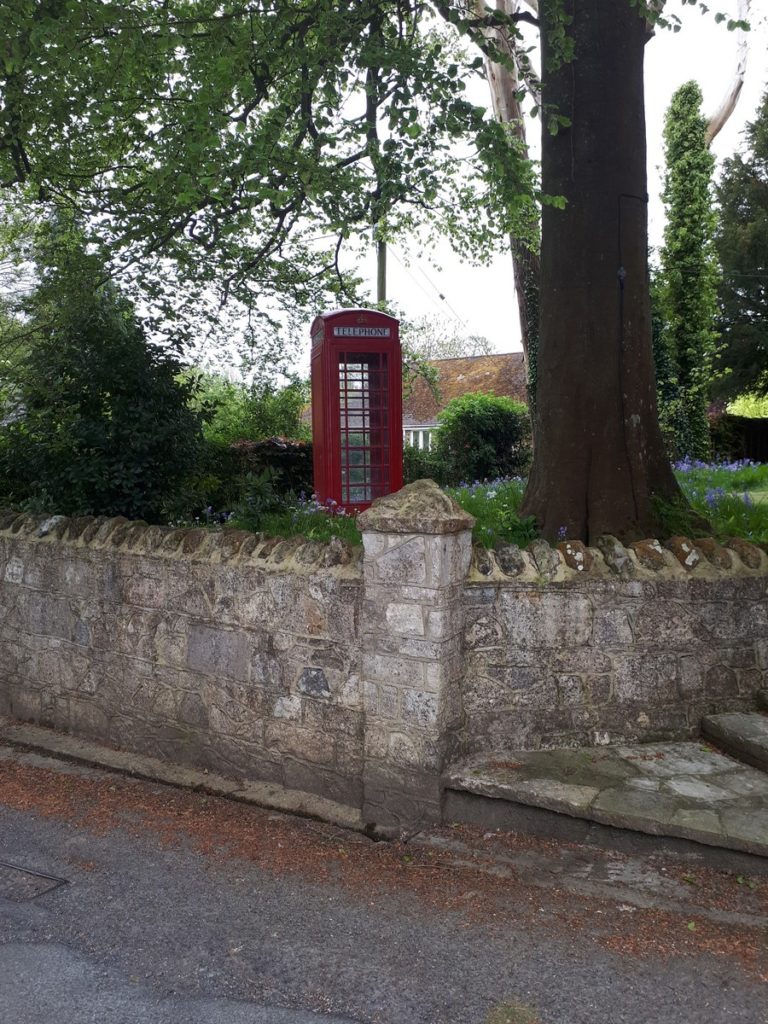 After a while, the lane began to go uphill. Still, we trudged.
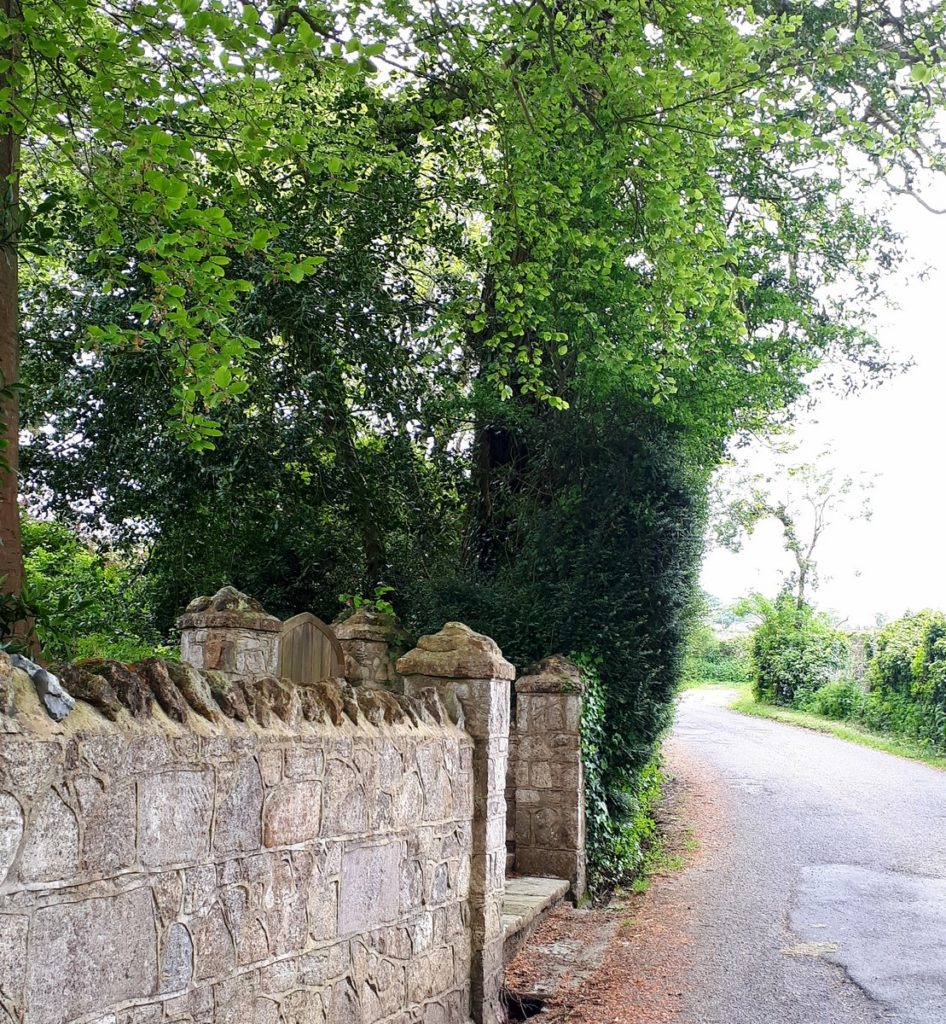 “Can you see anything that looks like a ruined house?” Vicky asked.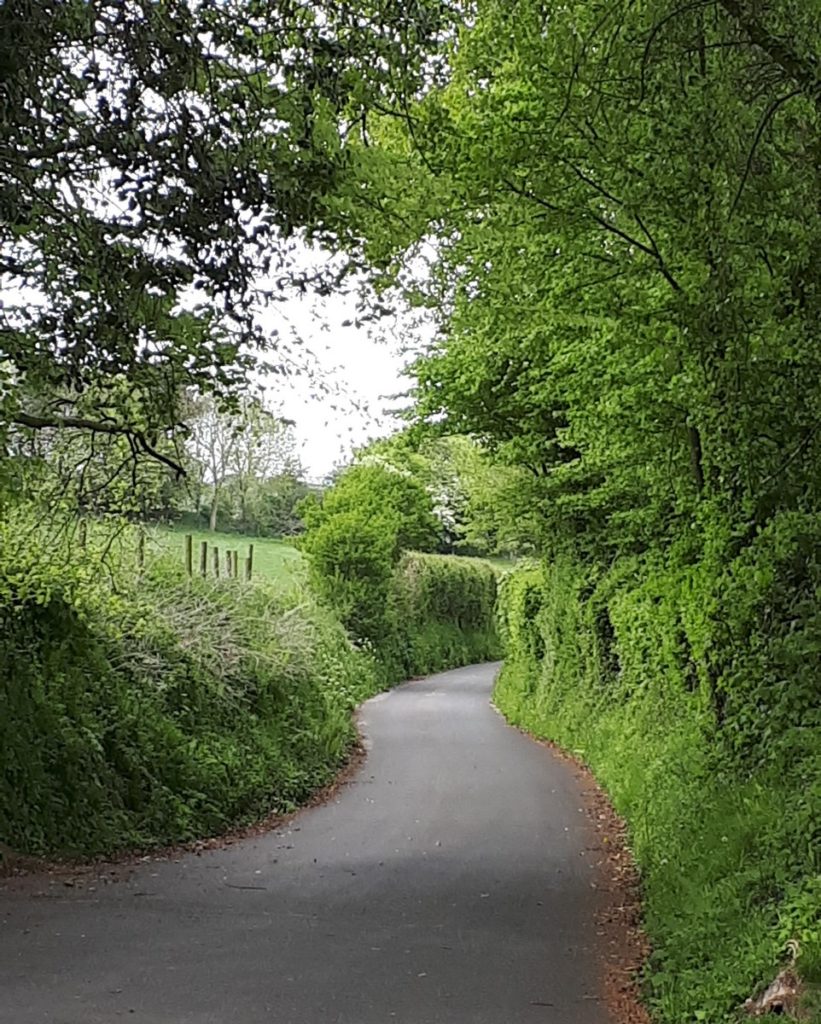
 Finally, we had our first, up close glimpse of Appuldurcombe.