In The English Garden

Gardeners the world over seek to re-create their own patch of Englishness by way of a garden. No matter where in the world one lives, it is possible to obtain such quintessentially English plants as lavender, hollyhocks and roses. One can even go so far as to install hedgerows, herbaceous borders and a ha-ha in the garden. But it occurred to me that what really sets an English garden apart are the things one finds in the garden, decoration-wise. A few urns or a lichen covered bit of crumbling statuary are both fine and dandy, but nothing says “English garden” quite like a dovecote or, say, a hen house. In fact, you could do worse than to take a page from the Duchess of Devonshire’s book and get yourself an entire flock of fowl.  To that end, we’ve taken a stroll around the internet and rounded up a host of unique – and beautiful –  garden decorations on offer for feathered friends.

The Dorset based company Flytes of Fancy offer Gypsy hen houses in such themes as the Willow, below

The Gypsy Daydream, above, is offered at £3900.00, depending on any additional bespoke requirements and your delivery preferences. Each henhouse is hand-painted by the resident artist and can be further customized to your specifications.

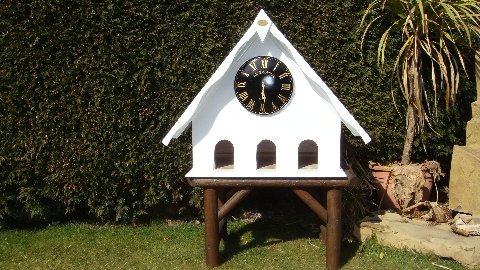
The Branscombe model dovecote, above, available from http://www.dovecotes.co.uk/, offers four storeys of living space for 20 to 24 pair of doves. No doves? No problem . . . . whilst called “dovecotes” these houses have always been used to more commonly house pigeons.


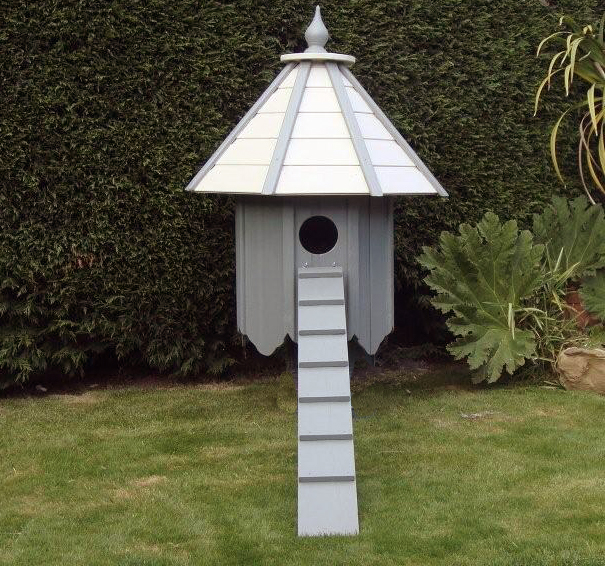
Marks Dovecotes offer even more variety in dovecote construction, including the Westminster Slate model shown here

Should you not be a fan of either hens or doves, have no fear – Marks Dovecotes also offer a duck house

Should you wish to house smaller feathered friends, this birdhouse from the Highgrove Shop is just the ticket

Looking to attract a particular species of bird? The Patch birdiebox below, from Garden Loverz, features a lever on the front gives you control over the type of birds you would like to nest in your garden.

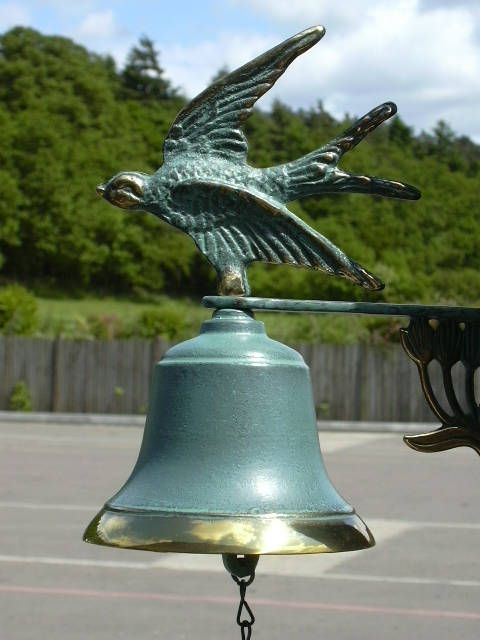
Finally, we just couldn’t resist showing you this Flying Bird porch bell in a verdigris finish available from Gifts and Gardens.

A Day with JASNA-GCR

On May 5, in the Crystal Ballroom of Chicago’s Millennium Knickerbocker Hotel, JASNA-GCR (Jane Austen Society of North America, Greater Chicago Chapter) held its Spring Gala, Chawton Comes to Chicago, a day of excellent presentations, good food, shopping, meeting and greeting old friends and new.

Jeff Nigro, JASNA-GCR’s regional coordinator, welcomed everyone and enumerated the events of the day.

Elizabeth Garvie, long a favorite of Janeites as the “real” Elizabeth Bennett for her role in the 1980 BBC version of Pride and Prejudice, gave a charming performance of selections from Jane Austen’s life and works, “Jane Austen Delights.”

I particularly enjoyed her reading from Lesley Castle (from the Juvenilia), in which the writer of a letter pleads with her correspondent for pity over her disappointment at having prepared a wedding feast which could not now be eaten as intended because the groom had been stuck down, completely ignoring the real tragedy. She thinks only of her own wasted expense and effort — and how they will ever consume the victuals she has prepared.  The ironic humor of the passage has never before struck me with such vivid force.
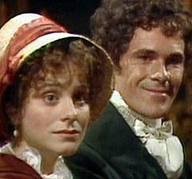
Elizabeth Garvie and David Rintoul as Lizzy and Darcy
Clearly the audience’s favorite part of the performance was Ms. Garvie’s portrayal of Emma‘s Miss Bates. Every nuance of the lady’s overwrought arrival at the ball (Ch. 38) was perfectly articulated and left us all laughing and applauding.  We could have listened all day!  Despite the fact that Ms. Garvie has played innumerable characters by a wide variety of authors since her turn as Lizzy Bennet, we were all convinced of her special affinity for the works of Jane Austen.
Elizabeth Garvie
Author Lindsay Ashford told the story of how she moved to Chawton and became immersed in the life and times of Jane Austen.  As she learned more and more about the writer, reading in the very rooms in which Jane herself might have read, eating where she would have frequently dined, Ashford was more and more obsessed with Austen and her early death at a mere age 41.
Victoria Hinshaw and Lindsay Ashford
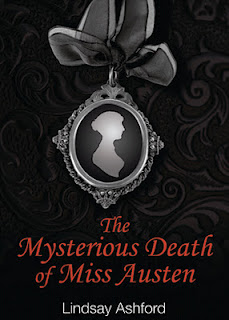
When she learned arsenic had been detected in an analysis of a lock of Jane’s golden hair, her imagination took flight.  Could the author — – also beloved daughter, sister and aunt — have been murdered with arsenic?  And by whom?  Now Ashford has published The Mysterious Death of Miss Austen, a novel in which this is exactly what happens.  Written from the point of view of Jane’s dear friend Miss Anne Sharp, once the governess to Edward Austen’s children, the novel has enjoyed considerable attention around the world.
Ashford is the partner of Steve Lawrence, CEO of the Chawton House Library.  Below they are pictured in the costume promenade at last October’s Fort Worth, TX, JASNA AGM.
Following Ashford’s talk, Steve Lawrence brought us up to date on activities at Chawton House Library, showing pictures of the latest projects, such as the “new” 18th C. barn discovered nearby and rebuilt on the edge of the property. 

It seems impossible that
the library is already about to celebrate it’s tenth anniversary.  Where have all these years gone?  On the other hand, it his hard to imagine the world in the village of Chawton, of Austen studies, or of on-line availability of many heretofore impossible-to-find novels without the library and its holdings.  For more information, here is the website.

JASNA-GCR Program Chair Elisabeth Lenckos and Steve Lawrence
The luncheon was enjoyed by all, and featured short readings from works by four members of the organization —  whose writings are “inspired” by Jane Austen.

JASNA-GCR Readers
Victoria Hinshaw read from her novel The Fontainebleau Fan; Holly Bern read from her story “People of the Book” in Wooing Mr. Wickham,” a collection of prize-winning stories chosen in a Chawton House Libary contest and edited by Lindsay Ashford; Elisabeth Lenckos read from her story, “Jane Austen 1945,” also a winner in the Wooing Mr. Wickham collection; and Karen Doornebos read a selection from her novel Definitely Not Mr. Darcy.  Karen’s website is here.

Karen and Victoria with a Chawton House Library poster
Sandy Lerner, seated, and Diane Capitani, JASNA-GCR education outreach coordinator
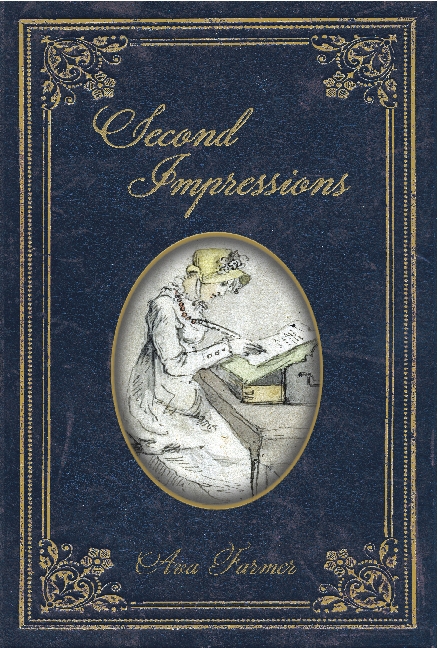
Dr. Sandy Lerner, aka Ava Farmer, author of Second Impressions, related her experience fulfilling her long-held ambition of writing a sequel to her favorite novel, Pride and Prejudice.  One of her motivations for assembling the collection of books which form the nucleus of the Chawton collection today was to immerse herself in the world and sensibilities of Jane Austen’s times, aimed at finishing that novel.  It was published recently, and is available everywhere.
Dr. Lerner is the founder and benefactor of the Chawton House Library; all proceeds from the sale of Second Impressions are donated to the library.  She told us of her many acquisitions of novels by early women writers whose work, while popular at the time, was never catalogued in libraries or preserved in any organized fashion.  She particularly was interested in works such as letters and diaries which might never have been published but had been saved among family papers.  Of particular note, she said, were accounts of travels in the 18th and early 19th centuries, often recorded for the enjoyment of family members.
Sandy Lerner; Marsha Huff, past president of JASNA; Elizabeth Garvie
Gail Murphy, Laura Whitlock, Debra Miller and William Phillips enjoy the program.

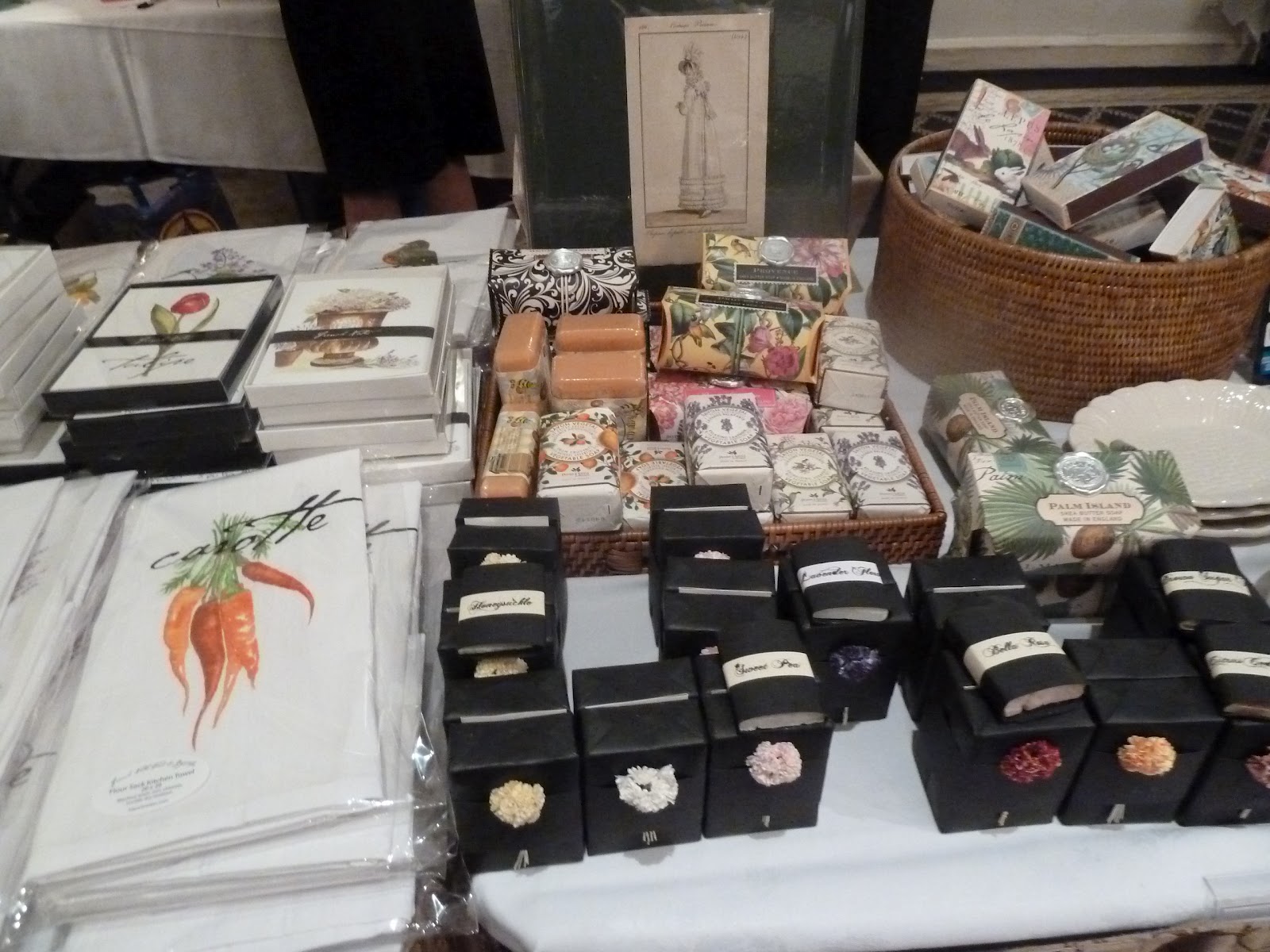
Tempting our pocketbooks were lovely items from Vintage Pine (http://www.vintagepine.com/), Figaro Interiors, and Jane Austen Books (http://www.janeaustenbooks.net/).

The lively and active JASNA-GCR group has recently updated its website, here.  Please visit soon. 

Walking St. James's, Part Two

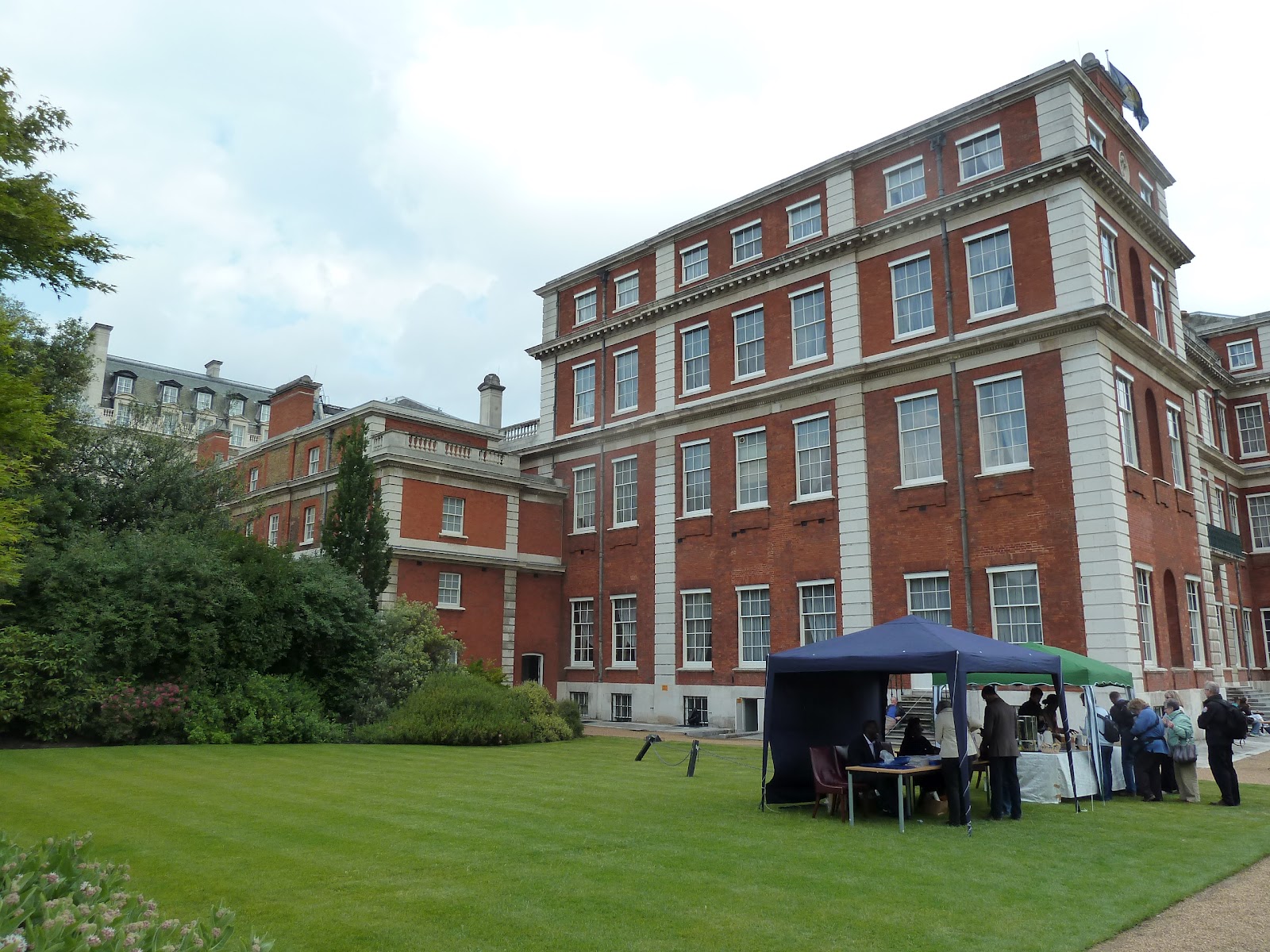
Victoria here, continuing my walk through parts of St. James’s…I reached Marlborough House, once the residence of Edward, Prince of Wales (later Edward VII), and his wife Alexandra of Denmark.

Since it was not only the day of Trooping the Colour but also part of the Open Squares weekend, the gardens of Marlborough House  were open to the public.  It is now the home of the Commonwealth Secretariat and Conference Center. The tents shown above not only dispensed hot tea, a necessity on this chilly day, but also displayed brochures and booklets on the 54 member nations of the Commonwealth.  Anyone for a vacation in Tasmania?

Marlborough House was built for Sarah Churchill, first Duchess of Marlborough by Sir Christopher Wren, closely bordering the grounds of St. James’s Palace.  Eventually the house was taken up by the crown and used by various members of the royal family.  For many years, as the residence of Edward and Alexandra, it was the home of the Marlborough Set, a late Victorian social circle around the Prince of Wales.

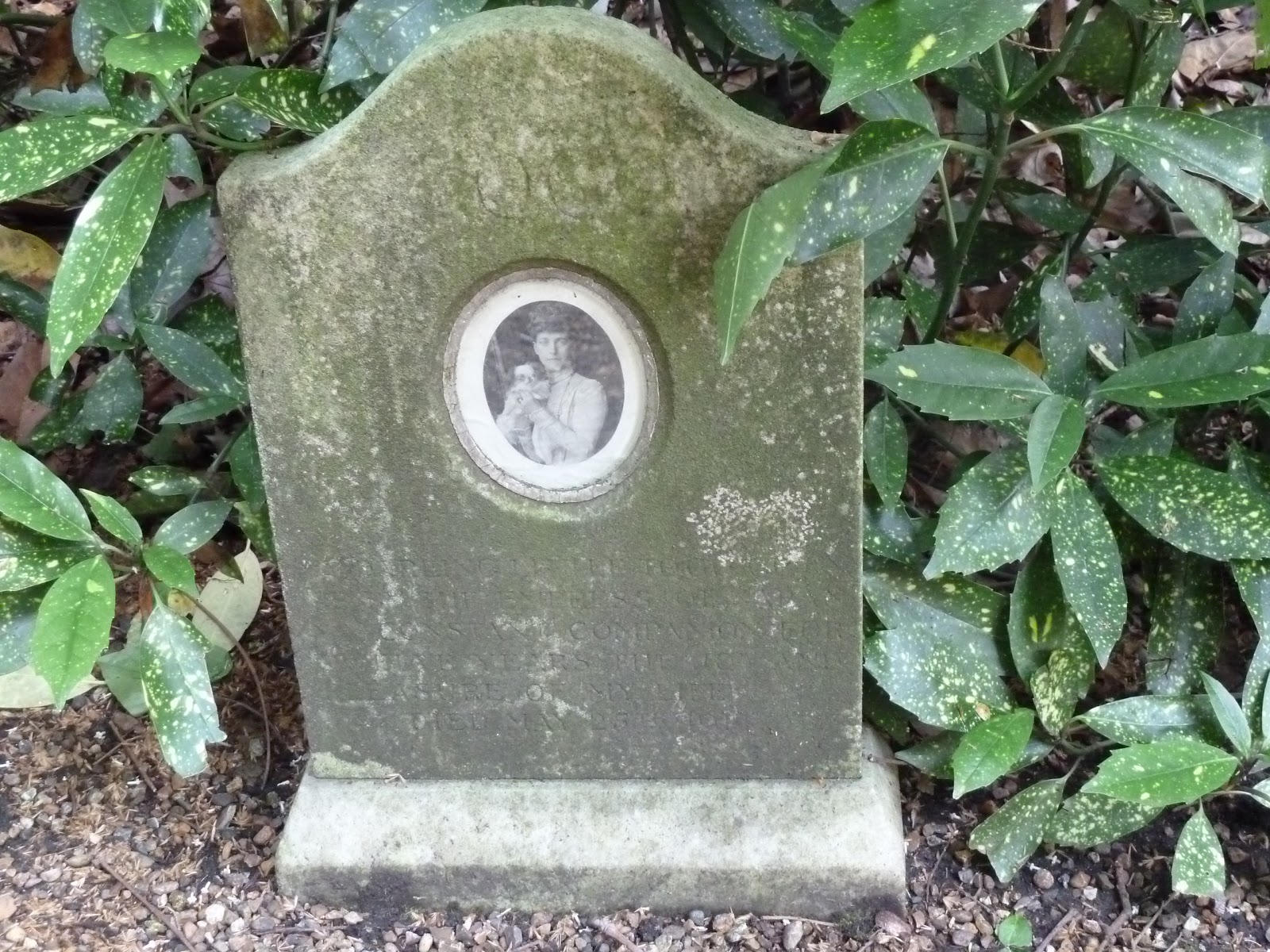
My favorite feature of these gardens was most definitely the Pet Cemetery where Alexandra’s dear little dogs are buried in a corner.  

I walked to the opposite corner of the gardens and watched the troops escorting the Queen back to Buckingham Palace. I stood on a mound inside the wall that gave an excellent views, only partially blocked by the police and mounted officers along the route.

A memorial to Queen Alexandria is built into the garden wall of Marlborough House, just opposite St. James’s Palace.

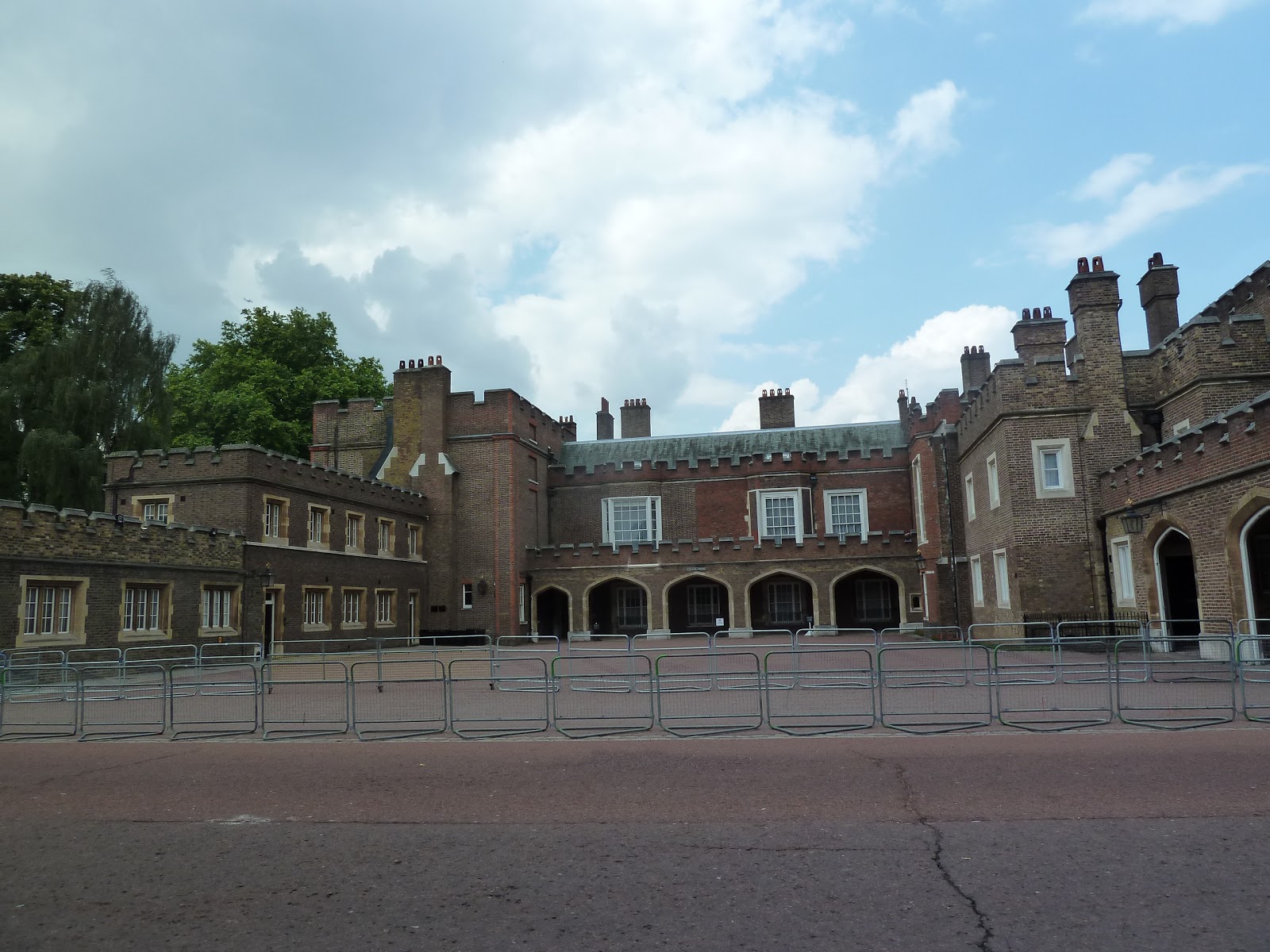
East facade of St. James’s, facing the grounds of Marlborough House
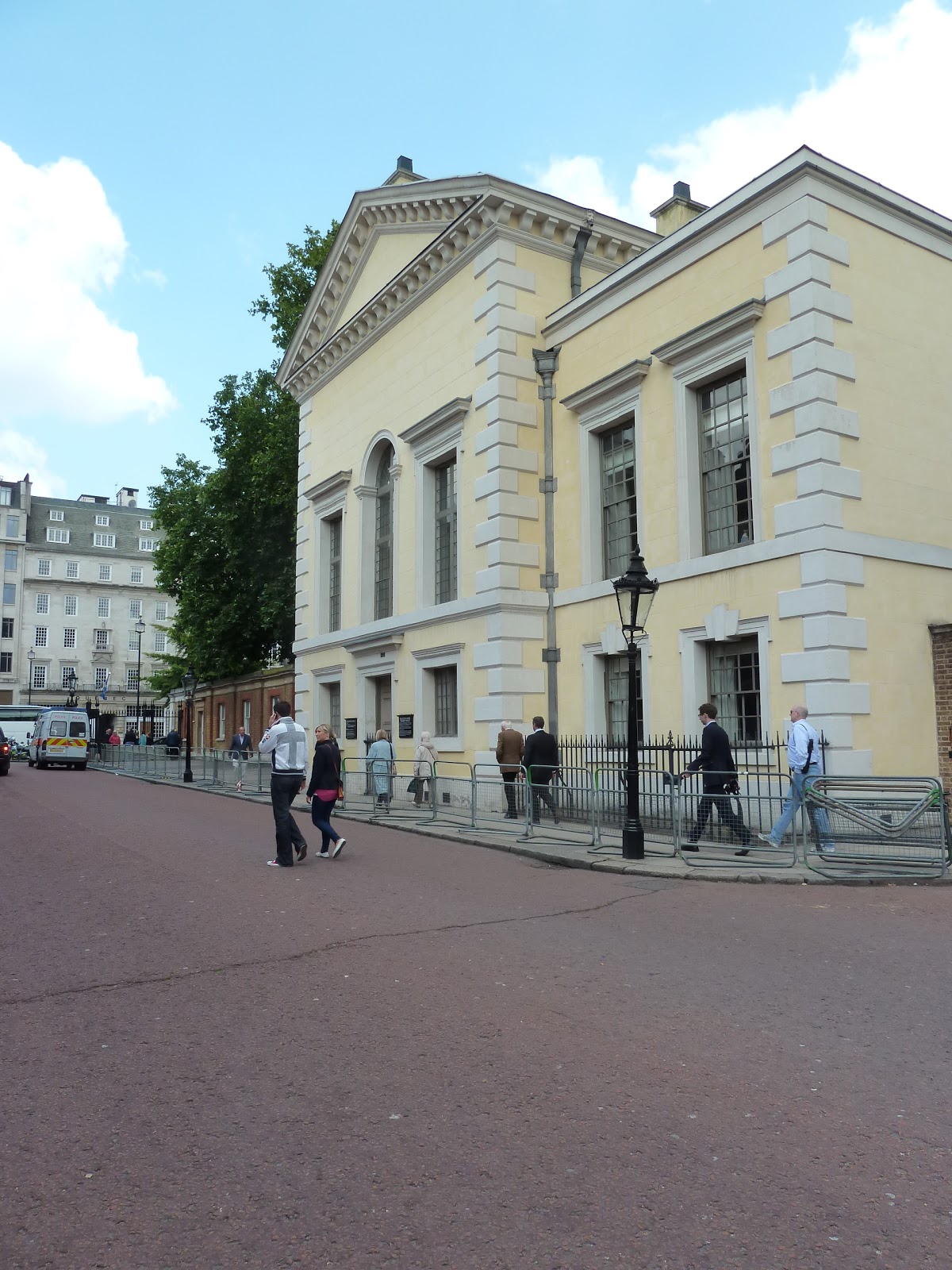
Queen’s Chapel, opposite St James’s Palace, north of Marlborough House
The Queen’s Chapel was built for Henrietta Maria, wife of Charles I, in 1625 and designed by Inigo Jones.  It is used for services at various times of the year that are open to the public.  It was originally Roman Catholic but is now Church of England.
I walked around the corner of St. James’s Palace to the more familiar facade of the palace which faces north, up St. James’s St. toward Piccadilly.
From here on, the royal connections are more limited: the warrants given to various merchants which supply the royal family and the memberships various royals hold in the gentleman’s clubs.
Berry Bros. and Rudd, wine merchants, est. 1698

Through a narrow passage beside the shop is Pickering Place, a small courtyard reputed to be the sight of duels.
  They must have involved swords for certainly it is too small for gun play.


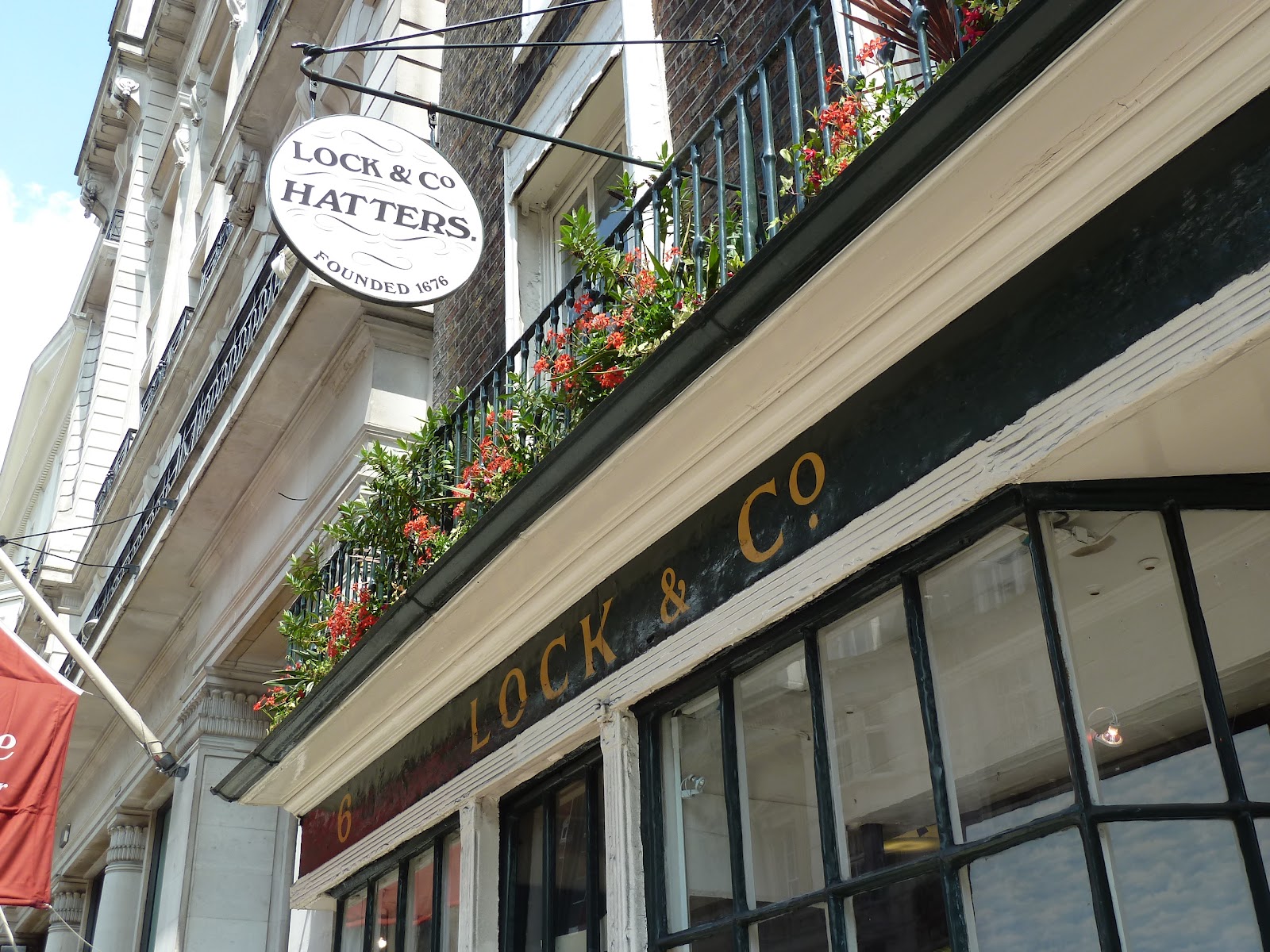
Nearby is Lock and Co. Hatters, est. 1676.

D. R. Harris, Chemists, is located at 29  St. James’s St. Their website is here.

St. James’s Street is also the location of several of Britain’s most prestigious gentleman’s clubs. Below is Brook’s.

Here is the famous bow window of White’s.
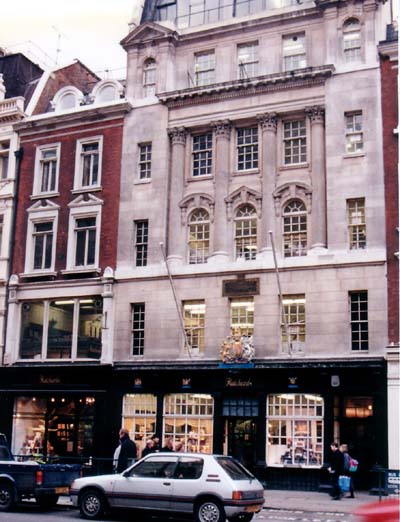
When I reached the top of St. James’s Street, at Piccadilly, I turned east once more and sought the comforting, yet stimulating, confines of Hatchards Bookshop.  Oh, to be there once more!!  Their website is here.
I will leave you here, as I immerse myself in some wonderful volume — most likely more about London or British history.

Thomas Crapper Is Alive And Well

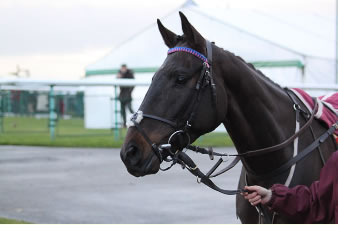
No, not the racehorse named Thomas Crapper, above. Though he’s doing well, too – even has his own website and is owned by a syndicate that includes – you guessed it – Thomas Crapper and Co., which is the Crapper I was talking about. I recently discovered that they’re still in business and offer a select range of bathroom fittings manufactured along the same Victorian and Edwardian designs first used by the firm.

As everyone is aware, Thomas Crapper invented the W.C. as we know it today. According to the Company’s website: “By the 1880’s, Crapper and Co.’s reputation was such that they were invited to supply the Prince of Wales (later Edward VII) at Sandringham. Subsequently, Windsor Castle, Buckingham Palace and Westminster Abbey all benefited from Crapper goods and services. Crapper and Co. remained by Royal Appointment to Edward when he became king and was also warranted by George V, as Prince of Wales and once again as king.

“Thomas Crapper died in 1910 and was buried near the grave of the cricketer, W.G. Grace, in Elmers End Cemetery. The company continued under the guidance of his old partner Robert M. Wharam, his son Robert G. Wharam and Mr. Crapper’s nephew George Crapper. However by the late 1950s, after the demise of the original partners, it was evident to Robert G. Wharam that with no Crappers or Wharams left to run the business, the sale of the company was becoming inevitable. In addition, perhaps people cared little for quality and tradition during that period. In 1963 came the end of an era; Thomas Crapper and Co. became the property of a rival, Messrs. John Bolding and Sons, Ltd.”

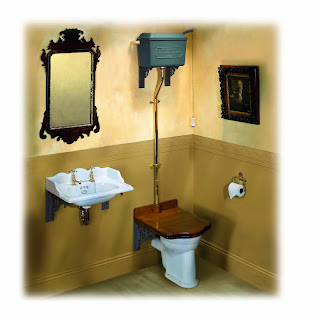
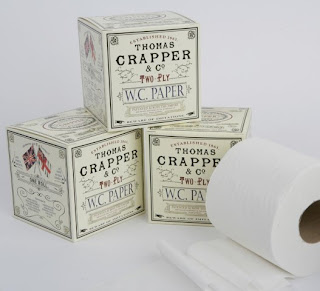
Today, the firm has been resurrected and, whislt the website doesn’t tell us quite how this came about, do we really care? The fact remains that we can now purchase and use authentic period lavatory items designed by Crapper himself, including, but not limited to:

A Day With JASNA-WI

The Spring Gala of the Wisconsin Region of the Jane Austen Society of North America was held on April 28 at the Wisconsin Club, historic home of Alexander Mitchell (1817-1887), a Scottish-born business leader in Milwaukee. More about the Mitchell Family below.

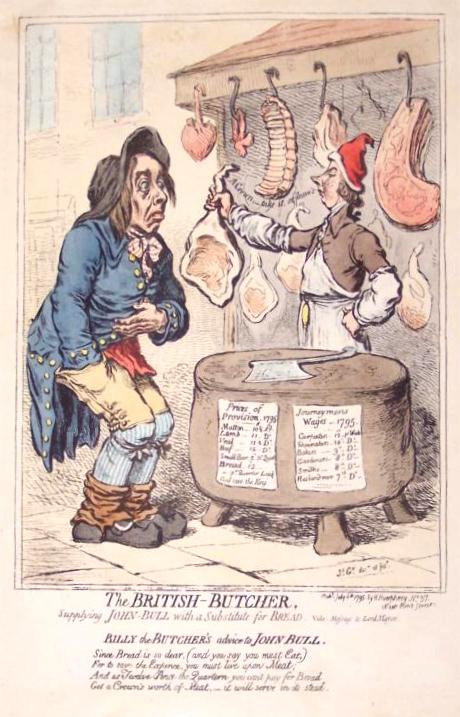
The program began with Sheryl Craig, a JASNA traveling scholar and editor of JASNA News. Dr. Craig presented her AGM talk on the economic background of Sense and Sensibility: “Wealth Has Much to Do With It..”  Jane Austen was a keen observer of economic and social conditions in the year 1795 when she was writing the first draft of the novel, then known as Elinor and Marianne.

Dr. Craig illustrated her points by summarizing the character and attitude of the three “Johns” in Sense and Sensibility, who represented three common if differing positions among the English gentry of the period.  The miserly Mr. John Dashwood leaves his step-mother and half-sisters nearly destitute as he tends to his so-called improvements of Norland Park, including the enclosure of common lands, thus depriving the poor and working class of their former rights.  John Willoughby is a selfish, money-grubbing rake who ruins Eliza and breaks Marianne’s heart while he seeks a wealthy wife.

Gillray Cartoon showing P. M. Pitt offering a cut of beef to a man unable to afford a loaf of bread
Sir John Middleton represents the honest landowners who care for their property, tenants and neighborhoods, generous and accommodating to friends, acquaintances and family alike.  Dr. Craig’s discussion of the parliamentary debates on reform of the Poor Laws in that period prompted many in the audience to draw parallels between the times of Prime Minister Pitt and today’s news from London and Washington.
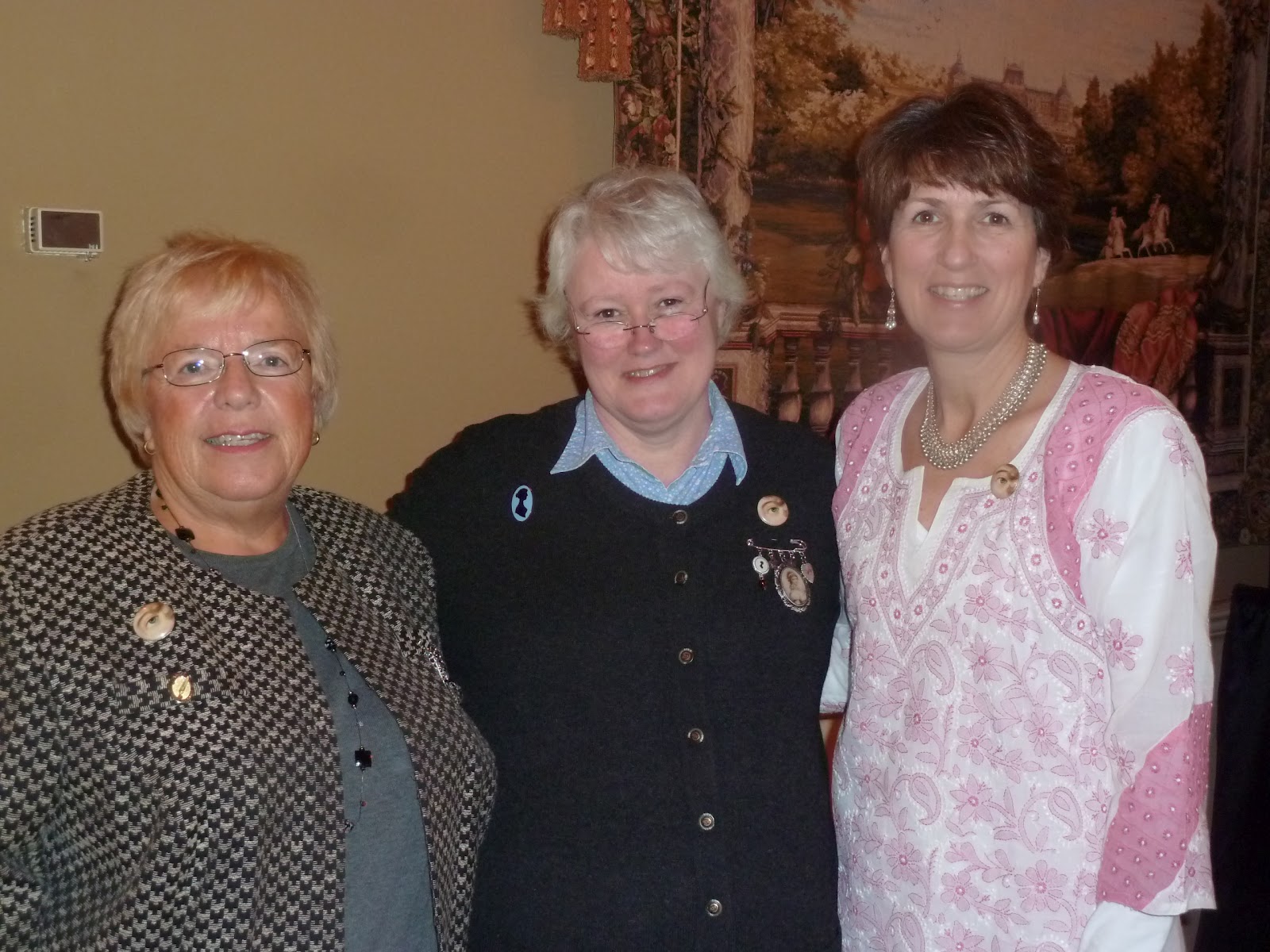
Presenters Victoria Hinshaw, Dr. Sheryl Craig, and JASNA-WI Regional Coordinator Elizabeth Cooper

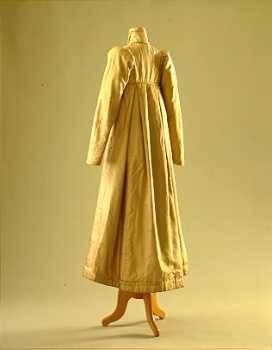
“The Sensible Regency Wedding” was the topic of Victoria Hinshaw.  She spoke about the modest and quiet nature of most regency weddings, including those of Jane Austen’s niece as recounted by Caroline Austen and the quiet nuptials of Lord Byron and Annabella Millbanke as reported by John Cam Hobhouse.

Lady Byron’s Wedding Pelisse, Museum of Costume, Bath


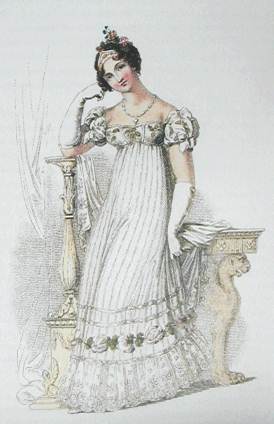
Hinshaw also discussed courtship, the legalities of marriage, wedding customs, elopements, separation and divorce. She commented on Jane Austen’s attitude toward love and marriage as expressed in her life, her letters and her novels.

Wedding Gown, Ackermann’s Repository, June 1816

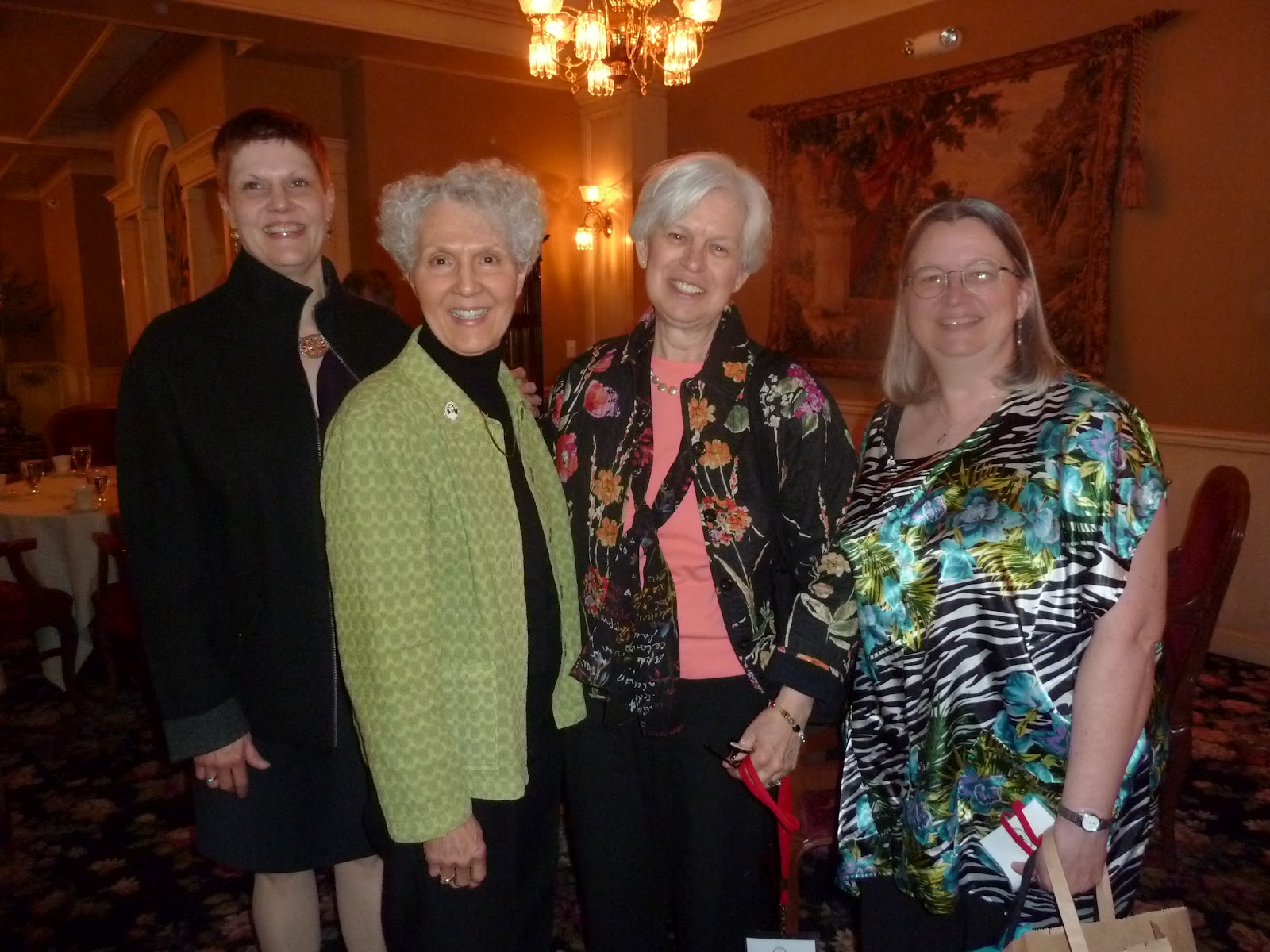
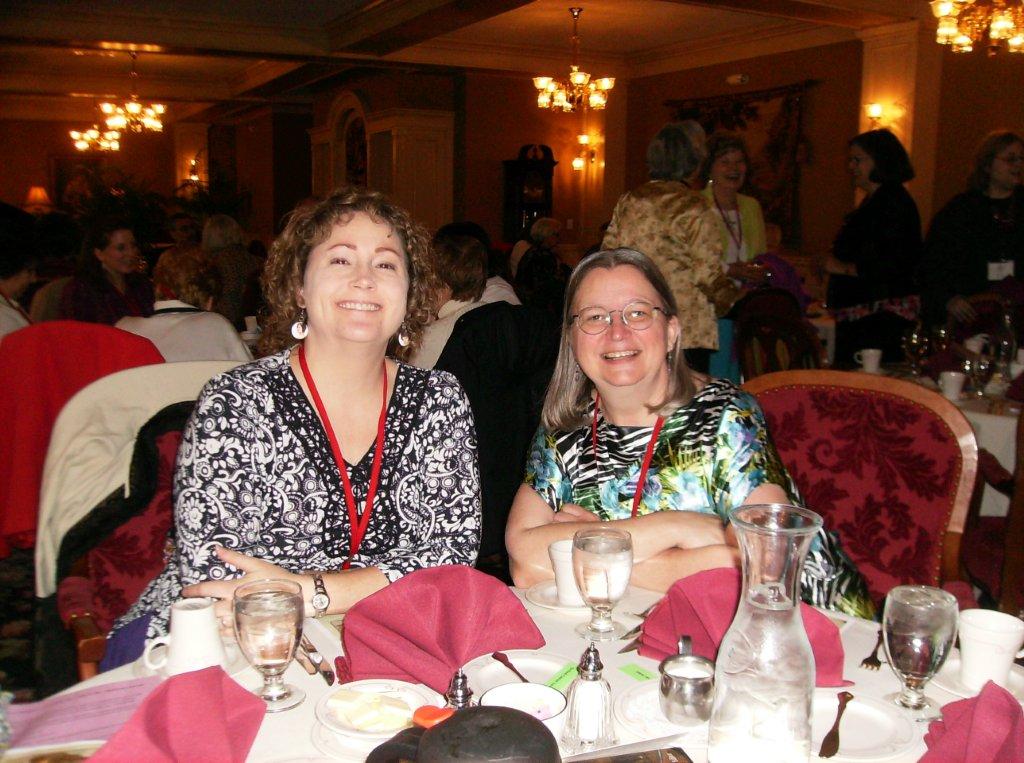
JASNA-WI members and guests enjoyed socializing before and after the presentations.  There is never enough time to talk about Jane Austen.

Trish Vanderhoef, Joanne Fuller, Jane Glaser, Carolyn Hippert

Kathy O’Brien, Diana Burns, Judy Beine

Marion Stuenkel, Jean Long
Jennifer Carlson, Carolyn Hippert
Pat Latkin brought us many temptations.

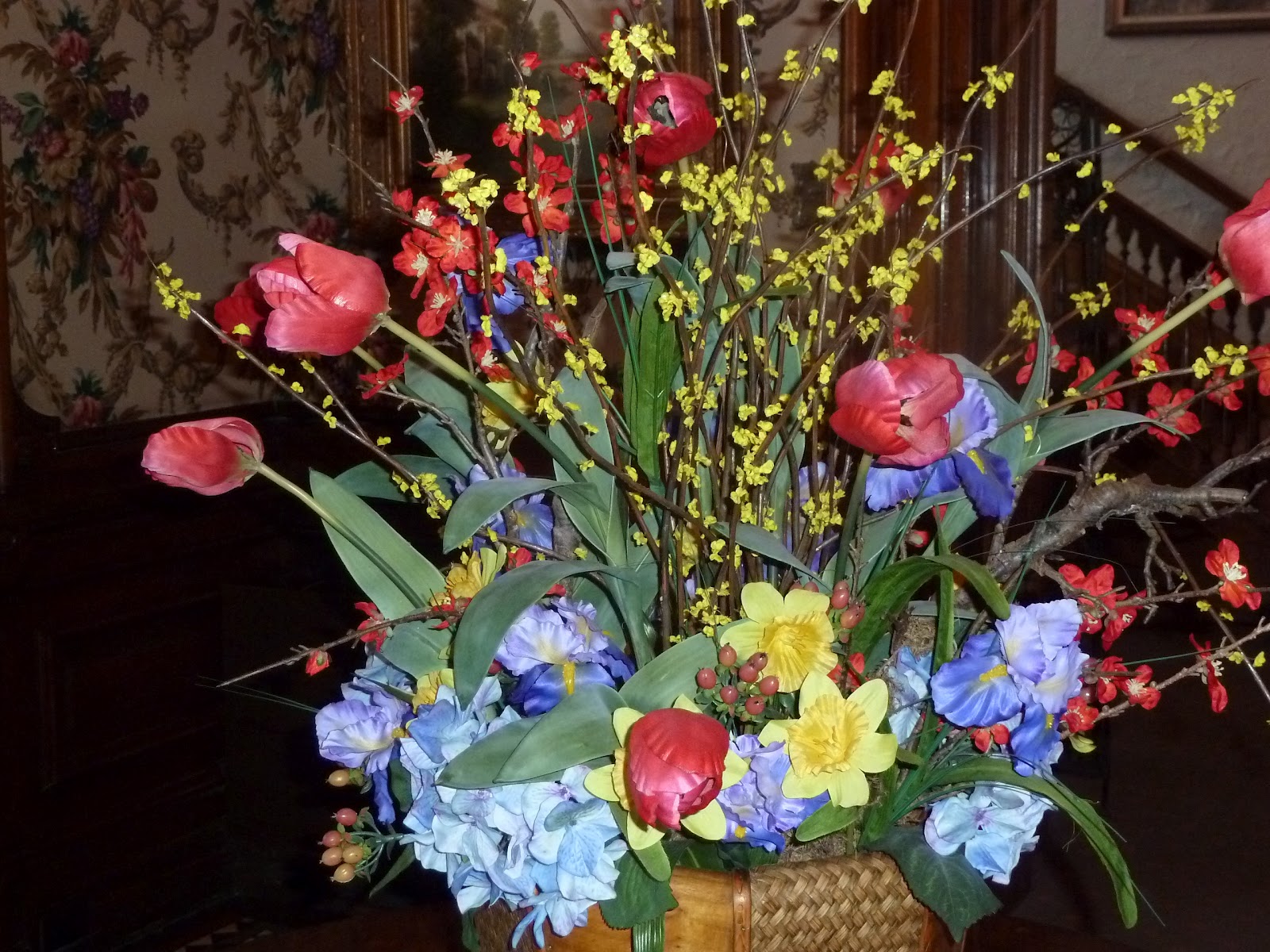
Spring Flowers in the foyer.
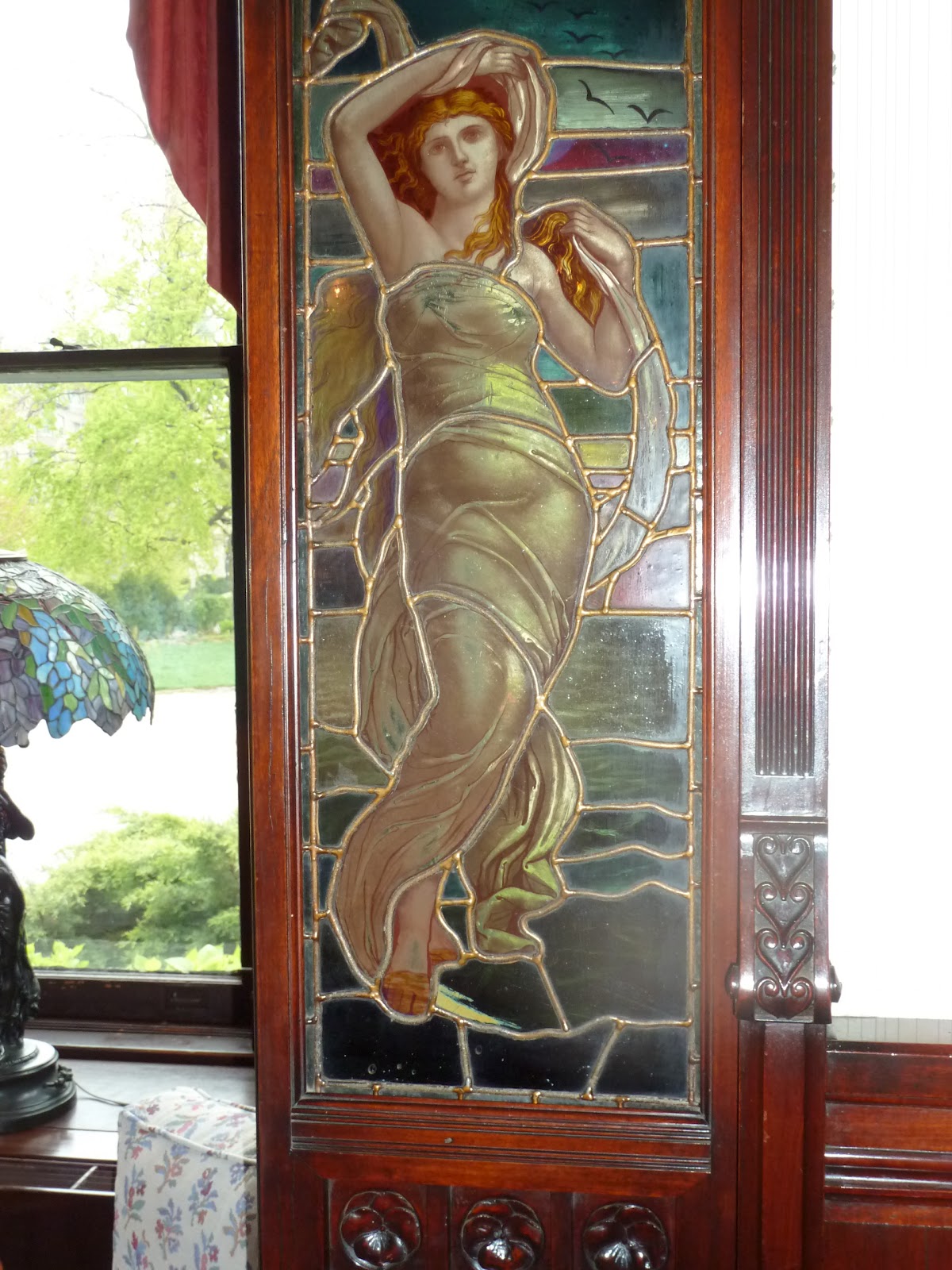
scene in The Wisconsin Club

Alexander Mitchell (1817-1887) was born in Aberdeenshire, Scotland, and came to the U.S. in 1839. He settled in Milwaukee where he became a business leader in banking, insurance and railroads.  He served in the U.S. Congress and was a local philanthropist.  His wife, Martha Reid, was a leader in civic activities and artistic circles; she was one of the founders of The Woman’s Club of Wisconsin in 1876.  Their grandson, WWI flying ace General Billy Mitchell, is known as the Father of the U.S. Airforce.
Thanks to Judy Beine for her photographs.