A NEW VISION FOR PITZHANGER MANOR BY GUEST BLOGGER JO MANNING

This post, by guest blogger Jo Manning, originally ran in 2014. Since the newly restored Pitzhanger Manor has just been re-opened to the public, we thought you might like to follow the progress of the work from then till now.

Pitzhanger Manor, front view and gallery from Ealing High Street, today (the art gallery is off to the right side)


Proposed restoration to front and to art gallery
In the opening years of the 19th century, Sir John Soane (1769-1830) decided to build a country house for his family just outside of London proper. In 1800 he located a site in Acton, but soon abandoned it for an existing property in Ealing. His friend, mentor, and former teacher, the architect George Dance the Younger, assisted him in the demolition of part of the property and in redesigning what was the largest part of what was an existing house to Soane’s exacting taste. The collaboration produced a charming home and lovely gardens in Ealing, an area of West London now completely different from the open fields that existed when the home was completed in 1804 and this area was very much more rural and accessible only by walking, stagecoach routes and private horse-and-carriage transportation from London.
 
Pitzhanger Manor circa 1804
Pitzhanger Manor is just south of the busy shopping area on the Ealing High Street. The location is accessible by bus, tube, and rail.
Relatively few people will have heard of Pitzhanger (sometimes spelled Pitshanger) Manor, and fewer still would connect it with the great Georgian architect. Sir John Soane (1753-1837), is more widely known to most of us for the museum in his name in Lincoln’s Inn Fields, comprising his original family home(s) Numbers 12-13 (built in 1792), and the adjoining Number 14, also designed by Soane It was purchased  in 1996 by the British government to house more of his voluminous private art collection.
Sir John Soane by artist Sir Thomas Lawrence

 Sir John Soane could not have been more prominent in his time. He was the Architect to the Bank of England; Surveyor to the Royal Hospital at Chelsea; Grand Superintendent of Works for the Freemasons; and responsible for the interiors of Numbers 10 and 11 Downing Street as well as the Law Courts at Westminster.

Soane designed a number of new buildings adjacent to Sir Christopher Wren’s Royal Hospital at Chelsea. One of them, the Infirmary, was destroyed in WWII; the Stables (which are private but can be seen from Royal Hospital Road) is also his work and has been called “the most quintessentially Soanic” of all Soane’s exteriors; he also designed the Secretary’s Office of the Royal Hospital complex, which now houses the Museum (open to the public).

Sir John Soane’s Museum at Lincoln’s Inn Fields

Soane’s residence in Lincoln’s Inn Fields was more than a private home; it was built to hold much of his art collection, which included architectural drawings, paintings, sculpture, architectural models, and his many and diverse artifacts (including the sarcophagus of Pharoah Seti I, excavated in Egypt’s Valley of the Kings in 1817; the British Library passed on buying it, so Soane bought it!)

As the architect for the Bank of England and its offices, an undertaking that occupied him for at least 45 years, of particular note was the Bank Stock Office, considered, in 1793, to be “daringly unconventional.”  He also designed the Dulwich Picture Gallery, recently described by The Sunday Telegraph as “the most beautiful art gallery in the world”.  It was the first public picture gallery in England and is said to have influenced a number of galleries that came after. It is often remarked that the museum’s collection stands a far distant second to the magnificent design of the gallery itself.

The Dulwich Picture Gallery
  St John’s Church, Bethnal Green; St Mary Abbots Church, Kensington; St Nicholas’ Church, Chiswick; Holy Trinity Church, Marylebone; and St Peter’s Church, Walworth, are all fine examples of his church design. Of them all, the latter, St Peter’s, is the best preserved. The fine interior of the church, however, can be viewed only by attending church services; grounds are open during daylight hours.


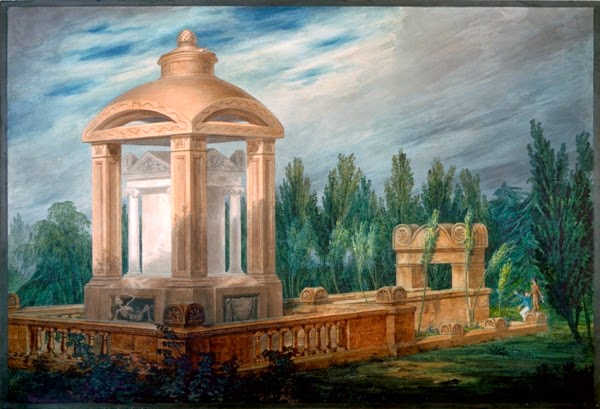
Soane Family Tomb
Soane also designed his own tomb.  Ostensibly designed for his wife, who passed away in 1815, he shares her eternal rest along with their son John. It is in the churchyard of Old Saint Pancras Gardens, Pancras Road, Somers Town (not to be confused with Saint Pancras New Church, in nearby Euston, designed by the Inwood brothers).  Trivia check #1: Old Saint Pancras is the church where my biographical subject, Grace Dalrymple Elliott, was married.  Trivia check #2: The tomb is one of only two Grade I listed tombs in London (Karl Marx’s is the other one), and many think it inspired Giles Gilbert Scott’s red telephone box of the 1920s.
There are three tombstones: one for Soane’s wife, another for Soane, and the last for his son John (seen above), who predeceased him at the age of 37
Proposed view from the inner park to the rear of the manor house, showing new landscaping  and the glass conservatory.
View of the new fish pond, looking out of the rear windows of the house
Following the completion of the manor house, Sir John Soane was only to use it as a weekend retreat and a place of entertainment/dinner parties until he sold it only five years later in 1810.  Five years…such a short time for such an outpouring of energy and talent in the design of this building.

In 1843 it became home to the daughters of Britain’s only assassinated Prime Minister, Spencer Perceval. In 1901, the building was sold to Ealing District Council and extended to become a public library; in 1985 it was converted into a museum.

Proposed view of Belvedere in the new plan
Julian Harrap rendering of Pitzhanger Manor

In April 2012, Pitzhanger Manor was awarded a first-round development grant of £275,000 from the Heritage Lottery Fund (HLF) and Ealing Council agreed to allow the Pitzhanger Manor Trust (PMT)- a registered charity- to take over management and operation of the house and gallery.  Furthermore, £425,000 was been awarded from several charitable trusts and foundations which  fund heritage and arts projects, which are subject to the success of the second round bid from HLF. At the time, the Chair of PMT, Sir Sherard Cowper-Coles, said: “We are looking forward to the time when we take responsibility for Pitzhanger Manor Gallery, the new café and community facilities, all within the wonderfully restored Walpole Park.  I have no doubt that once completed it will be the jewel in the crown of the queen of the suburbs.”

Here are photos of the gorgeous interiors –

Above, one of the four caryatids atop the columns of the east front of Pitzhanger Manor. Made of  Coade stone, they are thought to be modeled on the caryatids that enclose the sanctuary of Pandrosus in Athens.


In early May 2014, my husband and I went to an exhibit at the Pitzhanger Art Gallery. The speaker was an expert on Le Corbusier and his massive photographs of Corbu’s work adorned the walls of the gallery space. It was an excellent, well-publicized exhibit that drew many participants.  The renovated house and grounds of Pitzhanger Manor will bring in many more tourists and visitors, who will, finally, honor the great architect and designer Sir John Soane in the way he should be honored. It will also be a tremendous resource for young people studying the arts. What a coup for Ealing! Bravo to the Ealing Council and the people of Ealing for their successful efforts in bringing this about.

Pitzhanger Manor re-opened on March 16, 2019 and you can visit their website here to learn more about the restoration work and for  information on planning your visit.


What’s More Popular Than A Smack On The Chin?

By Guest Blogger Regina Scott

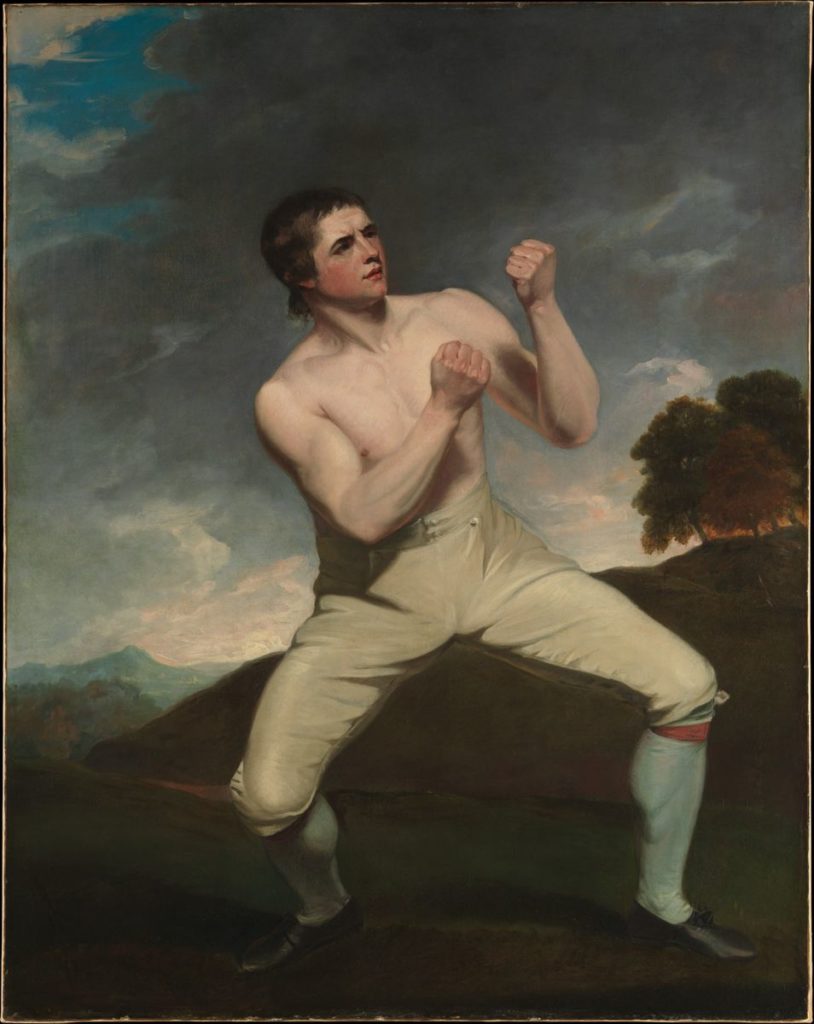
Richard Humphreys by John Hoppner

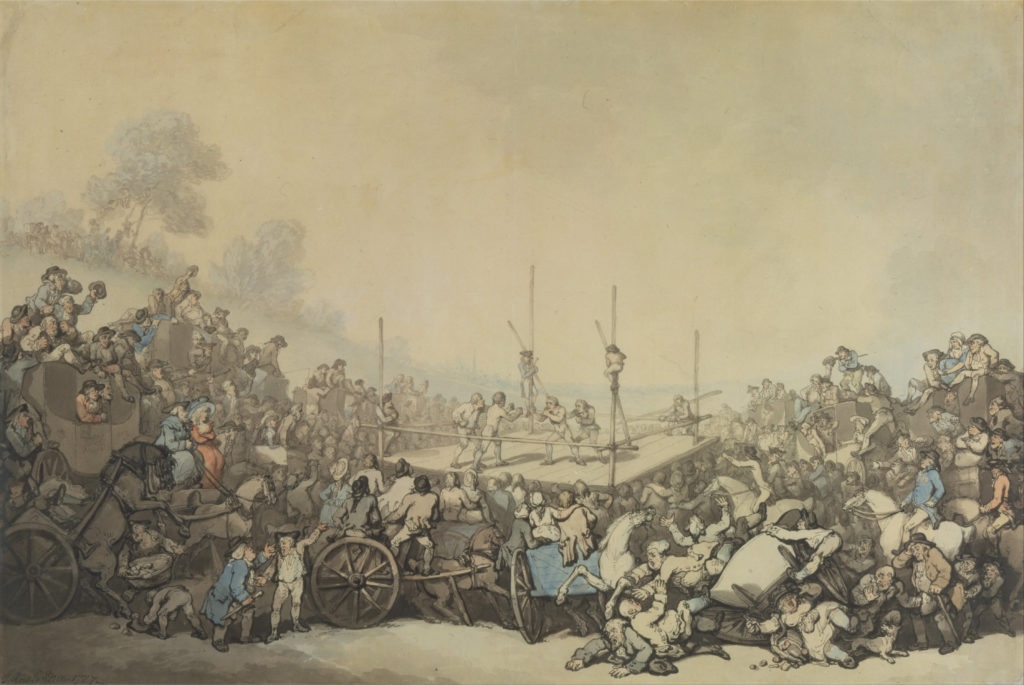
Perhaps two smacks on the chin? Certainly any sporting-mad fellow in Regency England would agree. Boxing was one of the most popular sports in late eighteenth century/early nineteenth century England. It was so popular, as many as 20,000 people flocked to each match, resulting in a few fisticuffs outside the ring, raucous behavior, heavy drinking, and massive wagering of up to 200,000 pounds. Thieves sought to fix fights. Pickpockets roamed the crowds looking for easy meat. Small wonder fights were outlawed in London proper during the Regency.

That didn’t stop the Fancy, those avid followers of pugilism. Boxing was considered thoroughly British. The French didn’t box. The Americans merely copied. Who wouldn’t support such a manly sport? The Prince Regent and his brothers the Duke of York and the Duke of Clarence were all in. When His Royal Highness was coronated, he enlisted the aid of a group of boxers to protect the streets around his route.

The Prize Fight by Thomas Rowlandson, 1787

Major newspapers like the Morning Post and the Times covered the sport, and at least half a dozen sporting newspapers and magazines devoted sections to it. Pierce Egan, the sports writer who first called boxing the sweet science, was widely followed, and Boxiania, the collection of his writings on the subject, ran to six volumes. Even Lord Byron took lessons from Gentleman Jackson, perhaps the most famous of the Regency-era boxers, from his boxing salon at Number 13 Bond Street.

But boxing wasn’t just for the rich and influential. Any man might attend a boxing match. The privileged rubbed elbows with clerks and millworkers. The more common folk also joined with the upper classes to discuss boxing and watch demonstrations of pugilism at the Daffy Club, run by former boxing champion Jem Belcher from his Castle Tavern, Holborn, beginning in 1814.

Until 1814, private patrons had put up prizes for the fights, a practice that easily led to abuses. That year, Gentleman Jackson helped sponsor the Pugilistic Club with about 120 subscribers who contributed a certain amount annually to pay for prizes. Jackson was also instrumental in setting up Fives Court in Little St. Martin’s Street as an exhibition hall for fighting. Matches there were generally benefits to raise money for fighters down on their luck.

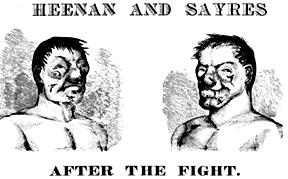
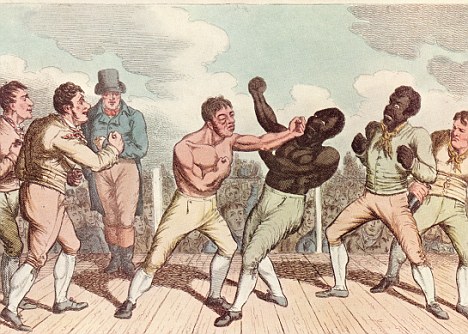
And boxers were too easily down on their luck. The sport was brutal. Hair pulling and eye gouging were allowed, and deaths in the boxing ring were not unknown. Still, boxers entered the boxing square with a swagger and nicknames like The Nailer, Big Ben (50 years before there was a Big Ben), and the Light Tapper (I gather this was irony). Well-known American fighters, William Richmond and Tom Molineaux, both African-Americans, also came to London to fight and drew large crowds. The reigning champion from 1809 to 1822, Tom Cribb, was always a favorite.

British champion Tom Cribb fights Tom Molineaux.

What exactly did it look like to fight with bare knuckles back in the day? Stay tuned to the next installment for all the details!


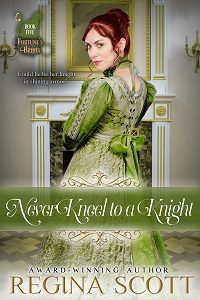
Regina Scott is the award-winning author of more than 40 works of sweet historical romance, several of which feature Regency gentlemen who box. In Never Kneel to a Knight, a boxer being knighted for saving the prince’s life must prove to a Society lady who is miles out of his league that their love is meant to be.

You’ll find more on Regina online at her website,  on her blog, or on Facebook.


THE WELLINGTON CONNECTION – Count D’Orsay

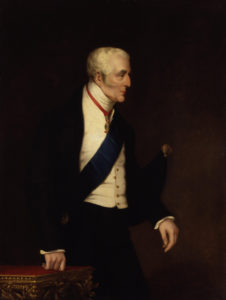
Arthur Wellesley, 1st Duke of Wellington, by Alfred, Count D’Orsay

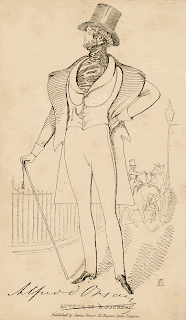
Whilst the Duke of Wellington approved of elegance and was himself known as “the Beau,” he felt obliged to advise his splendidly uniformed Grenadier Guards that their behavior was “not only ridiculous but unmilitary” when they rode into battle on a rainy day with their umbrellas raised. A dandy Wellington was not. Odd, then, that the picture of himself that Wellington liked most was done by one of the greatest dandies of his day – Count d’Orsay. d’Orsay painted the Duke in profile (above), in evening dress, and the Duke is said to have rather liked the picture, because it “made him look like a gentleman.”

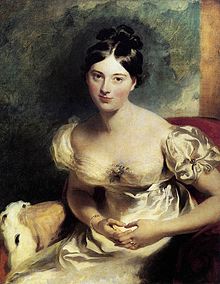
Marguerite, Countess of Blessington

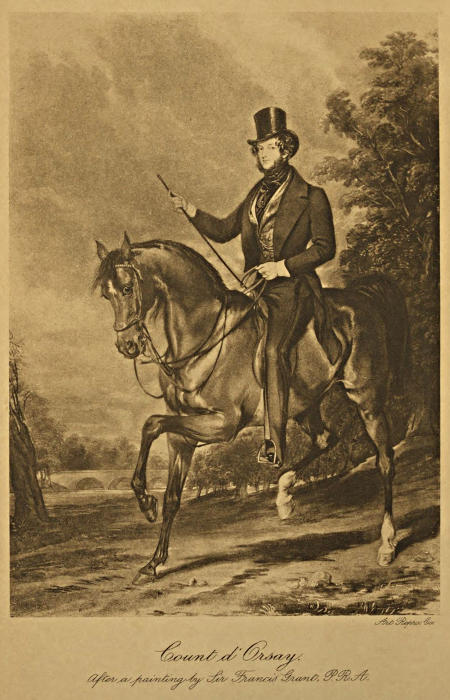
Count Albert Guillaume d’Orsay, the son of one of Napoleon’s generals, and descended by a morganatic marriage from the King of Wurttemburg, was himself a gentleman in every sense, and his courtesy was of the highest kind. At the balls given by his regiment, although he was more courted than any other officer, d’Orsay always sought out the plainest girls and showed them the most flattering attentions. During his first visit to London, Count d’Orsay was invited once or twice to receptions given by the Earl and Countess of Blessington, where he was well received. Before the story proceeds any further it is necessary to give an account of the Earl and of Lady Blessington, since both of their careers had been, to say the least, unusual.

Count d’Orsay, after a painting by Sir Francis Grant, P.R.A.

Lord Blessington was an Irish peer for whom an ancient title had been revived. He was remotely descended from the Stuarts of Scotland, and therefore had royal blood to boast of. He had been well educated, and in many ways was a man of pleasing manner. On the other hand, he had early inherited a very large property which yielded him an income of about thirty thousand pounds a year. He had estates in Ireland, and he owned nearly the whole of a fashionable street in London, along with the buildings erected upon it. Thrown together by the same society and so often in each other’s company, the Earl of Blessington became as devoted to D’Orsay as did his wife. The two urged the Count to secure a leave of absence and to accompany them to Italy. This he was easily persuaded to do; and the three passed weeks and months of a languorous and alluring intercourse among the lakes and the seductive influence of romantic Italy. Just what passed between Count d’Orsay and Marguerite Blessington at this time cannot be known, for the secret of it has perished with them; but it is certain that before very long they came to know that each was indispensable to the other.The situation was complicated by the Earl of Blessington, who, entirely unsuspicious, proposed that the Count should marry Lady Harriet Gardiner, his eldest legitimate daughter by his first wife. He pressed the match upon the embarrassed d’Orsay, and offered to settle the sum of forty thousand pounds upon the bride. The girl was less than fifteen years of age. She had no gifts either of beauty or of intelligence; and, in addition, d’Orsay was now deeply in love with her stepmother.

Count d’Orsay

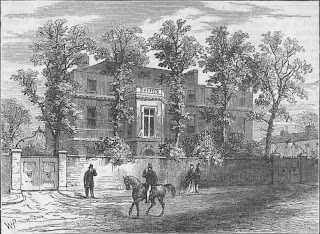
But once again I digress. Suffice it to say that eventually Lady Blessington and the Count set up a home together, both in London, at Gore House, and in Paris, where Lady Blessington died. Upon her death, and before when they found themselves in straightened financial waters, the Count drew upon his artistic talents, both in painting and sculpture, in order to earn money. Whatever one thought about the Count personally, no one could deny his artistic talent. d’Orsay would go on to produce a painting of Gore House, of which I can find no image to use here. Instead, I give you a contemporary print of Gore House –

Gore House

And the description of d’Orsay’s painting, which illustrates the illustrious circles d’Orsay found himself within and also brings us back to the Duke of Wellington –

“A garden view of Gore House, the residence of the late Countess of Blessington, with Portraits of the Duke of Wellington, Lady Blessington, the Earl of Chesterfield, Sir Edwin Landseer, Count d’Orsay, the Marquis of Douro (2nd Duke of Wellington), Lord Brougham, the Misses Power, etc.  In the foreground, to the right, are the Duke of Wellington and the Countess of Blessington; in the centre, Sir Edwin Landseer seated, who is in the act of sketching a very fine cow, which is standing in front, with a calf by its side, while Count d’Orsay, with two favorite dogs, is seen on the right of the group, and the Earl of Chesterfield on the left; nearer the house, the two Misses Power (nieces of Lady Blessington) are reading a letter, a gentleman walking behind. Further to the left appear Lord Brougham, the Marquis of Douro, etc., seated under a tree in conversation.”

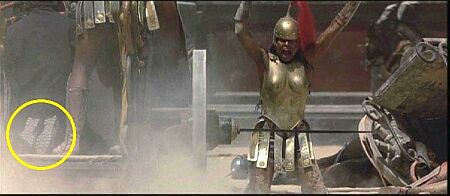
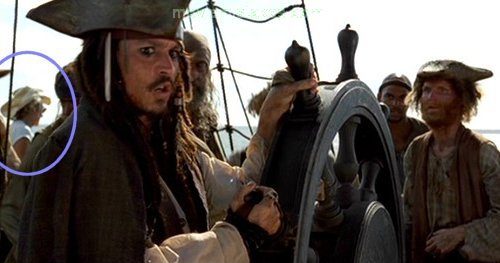
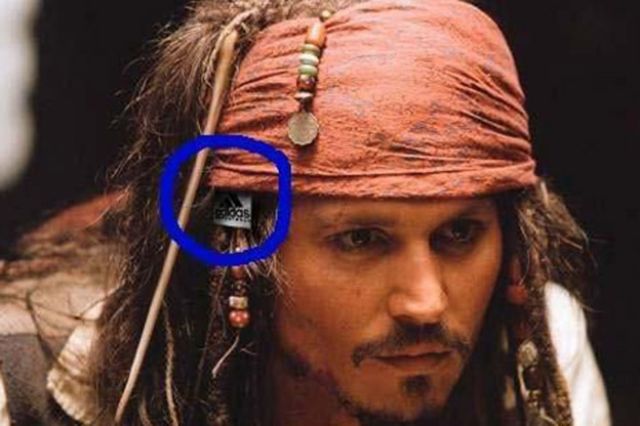
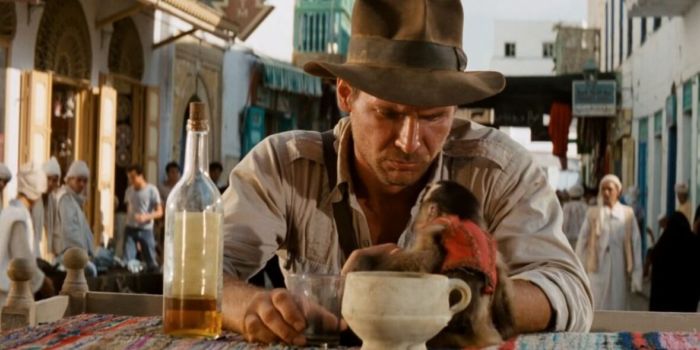
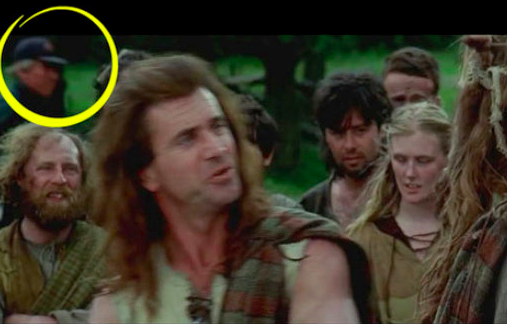
PERIOD FILM FAILS

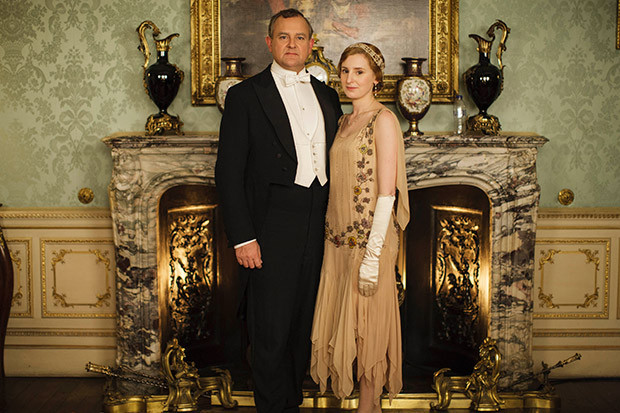
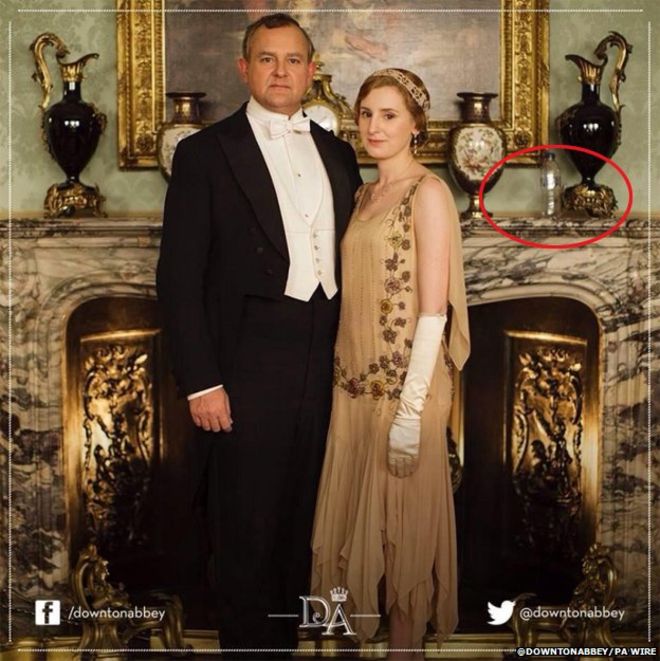
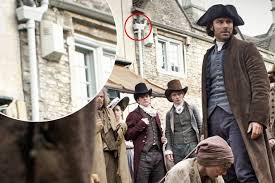
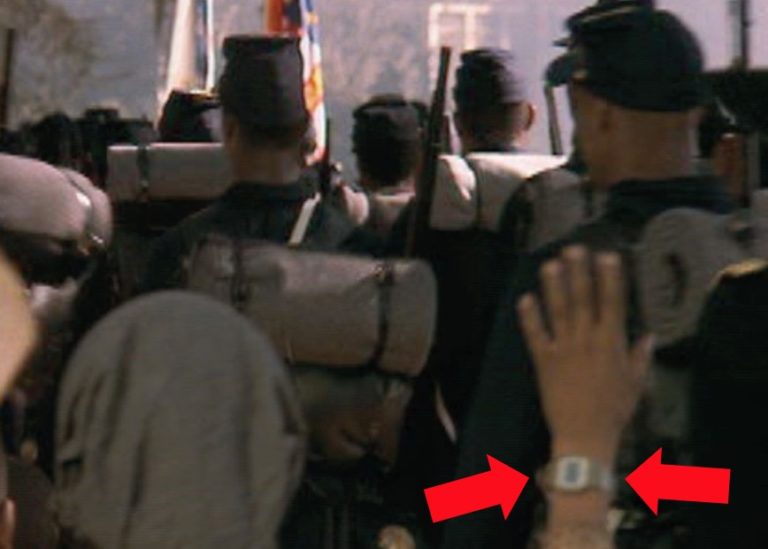
Can you spot the period fail in the picture above? Here’s a clue –


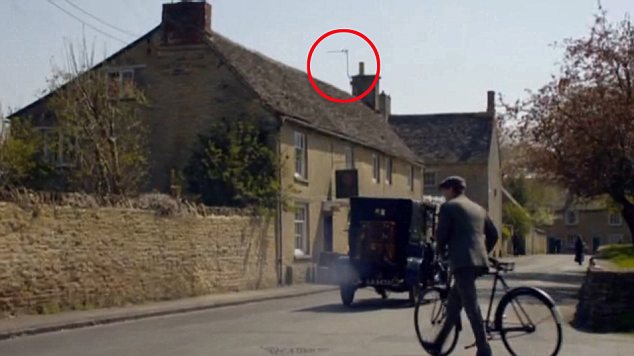
Sometimes, period drama fails are minor, others are epic, but more often than not, they’re just plain funny. It seems that modern day electrics are to blame for many lapses in continuity, as was this t.v. aerial in another scene from Downton Abbey.


They cropped up in Poldark, as well.

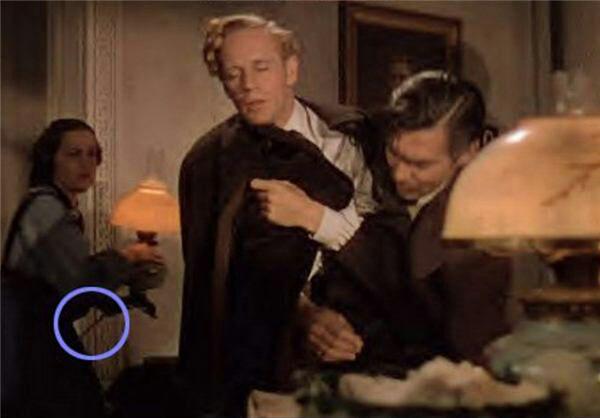
Heck, they were even a bane to set designers decades ago – below, Melanie’s oil lamp is sporting an electrical cord in Gone With the Wind.


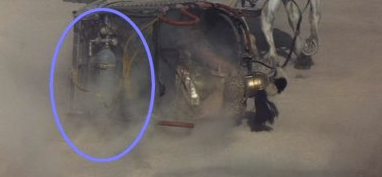
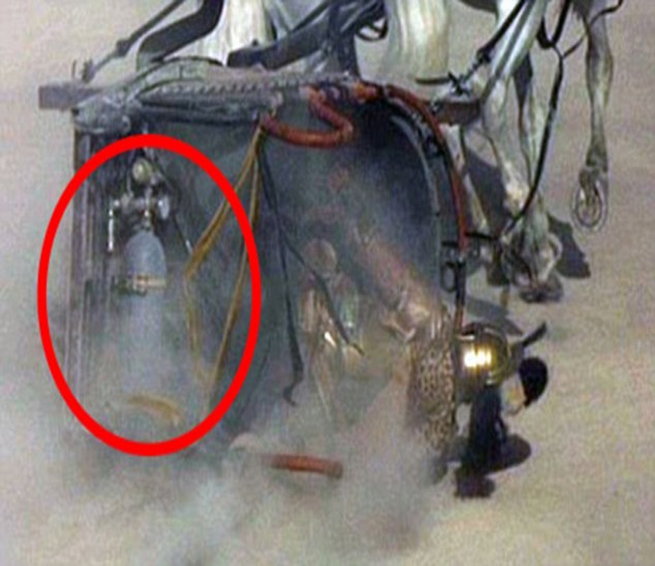
In this scene from Gladiator, there’s a gas canister on the back of a chariot. What’s that about?!


While in another scene, an extra can be seen wearing a modern day coat and sneakers or boots.


Modern day clothing seems to offer up more problems – see the extra wearing a white t-shirt, sunglasses and a cowboy hat in the scene above from Pirates of the Caribbean.  Below, Captain Jack indulges in a bit of pirate product placement.


An extra wearing jeans and a t-shirt can be seen just to the left of the liquor bottle in this scene from Indiana Jones.


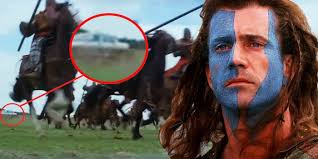
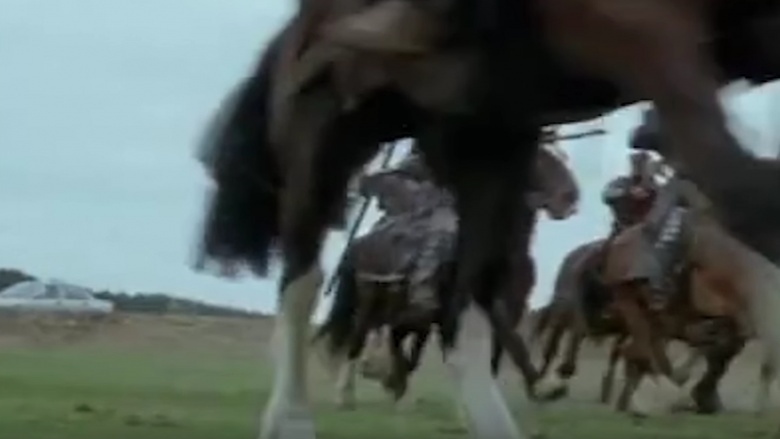
Braveheart may be the most groan-worthy period film of all time, on many levels, but the car that appears in the battle scene will be hard to beat.


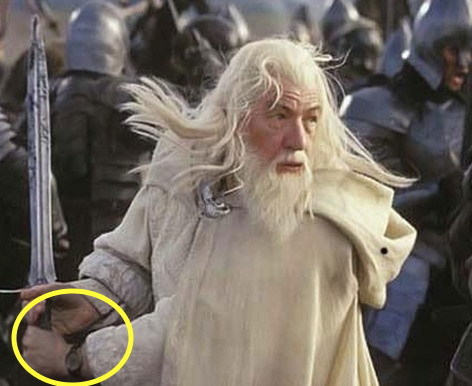
Wrist watches were the problem in Lord of the Rings, above, and in Glory, below.


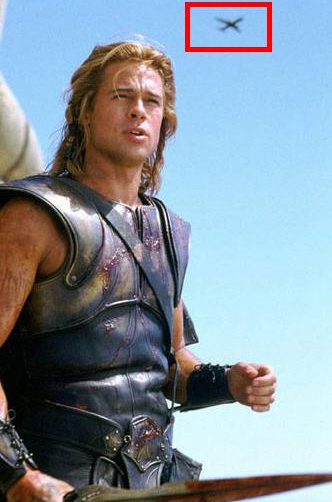
But the most epic fail has to be this scene from Troy.

And if that isn’t enough, here’s a blooper reel from Pirates of the Caribbean for no other reason than it’s period, it’s funny and . . . Johnny Depp. There’s a commercial that pops up in the middle of it. Just click it and the video will continue. Don’t know why it’s there. Must be a mistake . . . .


THE DUKE OF WELLINGTON AILING

Originally published on February 16, 2012

From The Greville Memoirs:

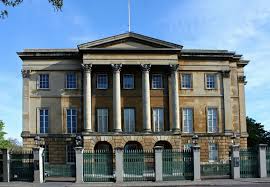
February 15th (1840) (Saturday) — The Duke of Wellington had a serious seizure on Thursday (1) He dines early, and he rode out after dinner. The first symptom of something wrong was, that he could not make out the numbers on the doors of the houses he wanted to call at. He went to Lady Burghersh, and when he came away, the footman told his groom he was sure his Grace was not well, and advised him to be very attentive to him. Many people were struck with the odd way he sat on his horse. As he went home this got more apparent. When not far from Apsley House he dropped the reins out of his left hand, but took them up with the other, and when he got to his own door, he found he could not get off his horse. He felt his hand chilled. This has been the first symptom in each of his three attacks. He was helped off. Hume was sent for, came directly, and got him to bed. He had a succession of violent convulsions, was speechless, and his arm was affected. They thought he would have died in the night. The doctors came, physicked but did not bleed him, and yesterday morning he was better. He has continued to mend ever since, but it was a desperate blow, and offers a sad prospect. He will probably again rally, but these things must be always impending, and his mind must be affected, and will be thought to be so. Lyndhurst asked me last night what could be done. He said, ‘The Duke ought now to retire from public life, and not expose himself to any appearance of an enfeebled understanding. Above all things to be deprecated is, that he should ever become a dotard like Marlborough, or a driveller like Swift.’ ‘How,’ he said, ‘would Aberdeen do?’ He owned that nobody could replace the Duke or keep the party in order, and he said that the consequence would be it would break up, that ‘there are many who would be glad of an opportunity toleave it.’ This I told him I did not believe, but it certainly is impossible to calculate on the consequences of the Duke’s death, or, what is nearly the same thing, his withdrawal from the lead of the party.

The Duke of Wellington by Count Alfred d’Orsay

February 16th.—The Duke of Wellington, although his life was in such danger on Thursday night, that the chances were he would die, has thrown off his attack in a marvellous manner, and is now rapidly approaching to convalescence, all dangerous symptoms subsiding. The doctors, both Astley Cooper and Chambers, declare that they have never seen such an extraordinary power of rallying in anybody before in the whole course of their practice, and they expect that he will be quite as well again as he was before. It is remarkable that he has an accurate recollection of all the steps of his illness from the first perception of uneasy sensations to the moment of being seized with convulsions. He first felt a chillness in his hand, and he was surprised to find himself passing and repassing Lady Burghersh’s house without knowing which it was. He called, however, and went up; and to her enquiry—for she was struck with his manner—he replied that he was quite well. Going home he dropped the rein, but caught it up with the other hand. When he arrived at his door, the servants saw he could not get off his horse, and helped him, and one of them ran off instantly for Hume. The Duke walked into his sitting-room, where Hume found him groaning, and standing by the chimney-piece. He got him to bed directly, and soon after the convulsions came on.

Wellington’s niece, Priscilla (Wellesley-Pole) Burghersh, Countess of Westmorland.
February 21st.—On Thursday morning I got a note from Arbuthnot, desiring I would call at Apsley House. When I got there, he told me that the Duke of Cambridge had sent for Lord Lyndhurst to consult him; that they were invited to meet the Queen on Friday at the Queen Dowager’s, and he wanted to know what he was to do about giving precedence to Prince Albert. Lord Lyndhurst came to Apsley House and saw the Duke about it, and they agreed to report to the Duke of Cambridge their joint opinion that the Queen had an unquestionable right to give him any precedence she pleased, and that he had better concede it without making any difficulty.
Charles Arbuthnot

February 25th.—Yesterday I saw the Duke of Wellington, whom I had not seen for above six months, except for a moment at the Council just after his first illness. He looked better than I expected—very thin, and his clothes hanging about him, but strong on his legs, and his head erect. The great alteration I remarked was in his voice, which was hollow, though loud, and his utterance, which, though not indistinct, was very slow. He is certainly now only a ruin. He is gone to receive the Judges at Strathfieldsaye, and he will go on again when he comes back to town, and hold on while he can. It is his desire to die with the harness on his back, and he cannot endure the notion of retirement and care of his life, which is only valuable to him while he can exert it in active pursuits. I doubt if he could live in retirement and inactivity—the life of a valetudinarian.

March 12th.—The Duke of Wellington has reappeared in the House of Lords, goes about, and works as usual, but everybody is shocked and grieved at his appearance.

August 19th.—In the conversation at which Aberdeen told Clarendon this, he dilated upon the marvellous influence of the Duke, and the manner in which he treated his followers, and the language they endured from him. Clarendon asked him whether, when the Duke retired, he had any hopes of being able to govern them as well; to which he replied that he had not the slightest idea of it; on the contrary, that it would be impossible, that nobody else could govern them, and when his influence was withdrawn, they would split into every variety of opinion according to their several biases and dispositions. He said he did not think the Duke of Wellington had ever rendered greater service in his whole life than he had done this session in moderating violence and keeping his own party together and in order, and that he could still do the most essential service in the same way, and much more than by active leading in Parliament.

(1.) The Duke was seventy when he had this seizure, supposed at the time to be fatal, at least to his faculties. But he lived for twelve years more and continued during the greater part of that time to render great public services and to lead the Tory party.