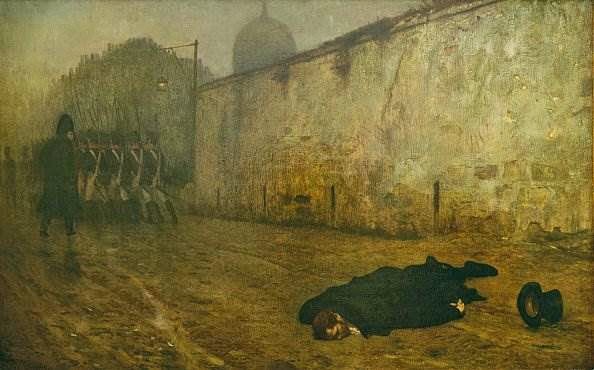
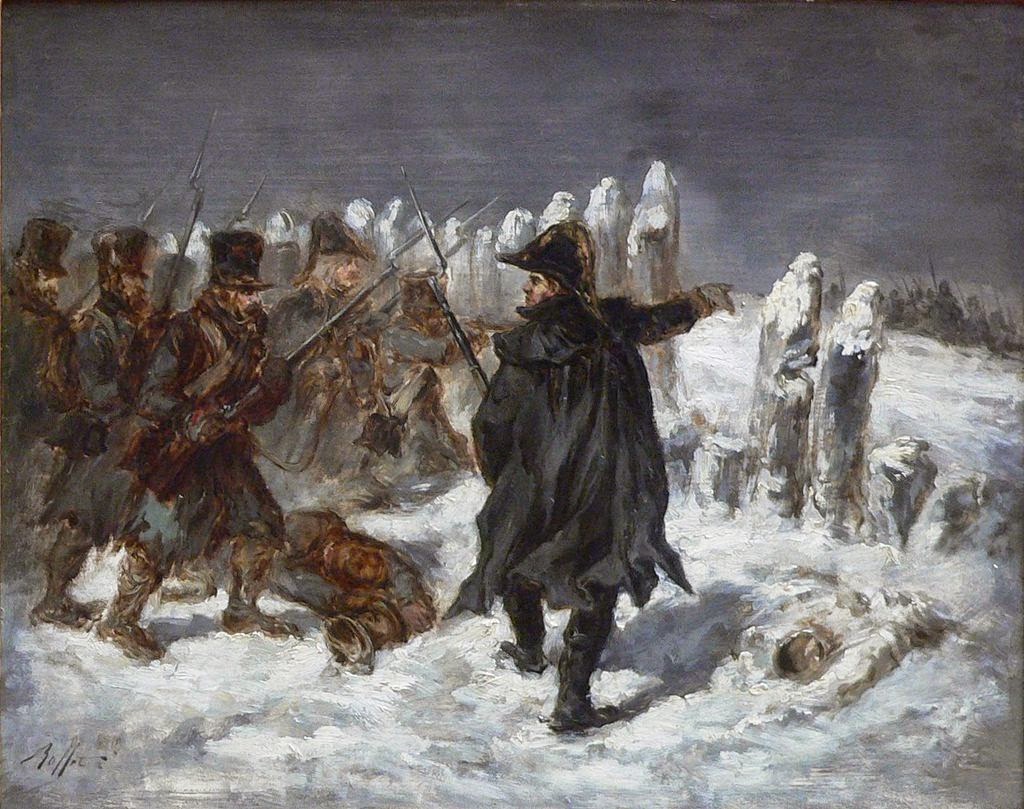
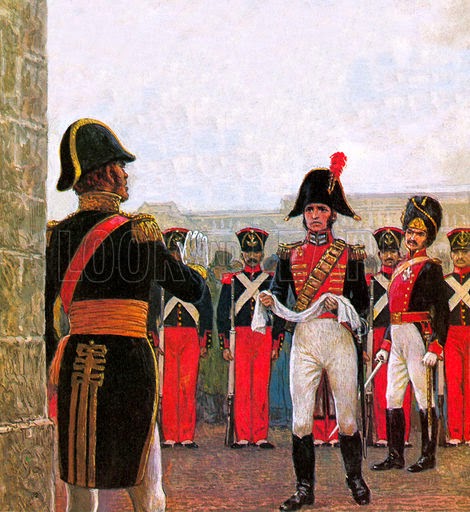
DEATH OF MARSHAL NEY, DECEMBER 7, 1815
Victoria, here. I’ve been doing a bit of research on the Battle of Waterloo and the Duke of Wellington lately. I can’t get enough of either topic!! Things are getting so exciting for the 200th anniversary of the battle next June — with all the exhibitions and events — most of which you will learn about here on this blog — sooner or later.
Ordinarily I don’t have a great deal of affection or sympathy for the French side. Napoleon — well, he has plenty of apologists and groupies, so he doesn’t need me.
But what about some of his generals? While he was in exile on St. Helena, Napoleon ranted and raved about the causes of his defeats, taking no responsibility for his own leadership but usually blaming others, especially his generals.
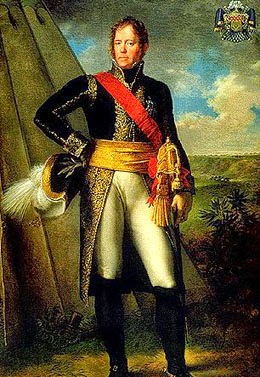
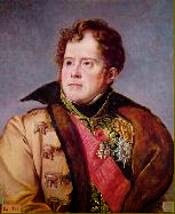
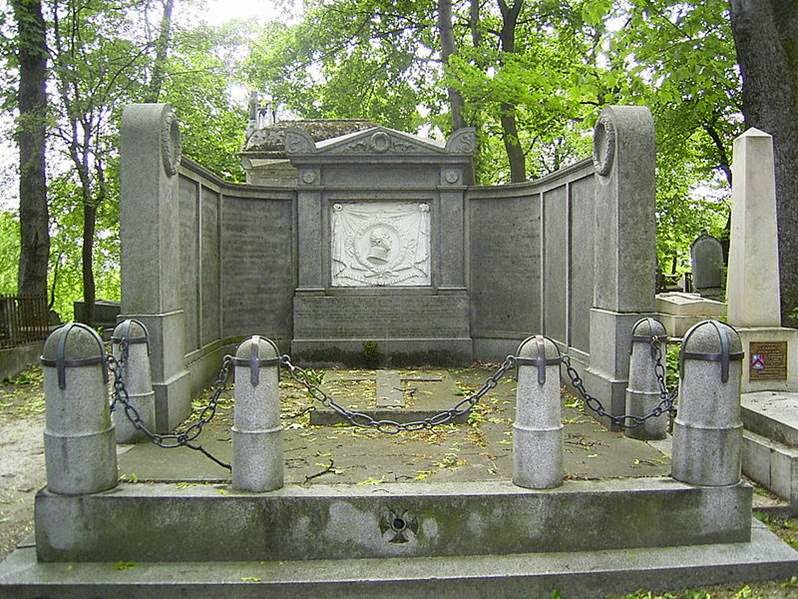
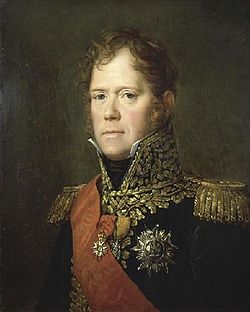
This is the 199th “anniversary” of the execution of Marshall Michel Ney, the Bravest of the Brave, by a firing squad in Paris on December 7, 1815.
Ney was born in 1769 to a modest family and had a good education, becoming a minor clerk and mine inspector. But in 1787, he joined the army as a Hussar, and was rapidly promoted through the ranks, fighting in numerous battles. He became a commissioned officer in 1792 and was made a general five years later, leading various cavalry units.
He continued his promotions, became a Marshal of the Empire, fighting in Austria and Spain, defeating the British several times in Portugal until he was forced to retreat from Wellington’s fortifications at Torres Vedres.
Ney commanded the Third Corps in Napoleon’s invasion of Russia in 1812. Despite being wounded in the neck, one of many he received in his lifetime, he continued to fight and led the rear-guard, known as the last Frenchman to leave Russia. Napoleon named his Prince de la Moskowa, though he was always known as Marshal Ney.
After Russia, Ney led troops in many of Napoleon’s battles but eventually became the leader of the general’s revolt and told Napoleon at Fontainebleau in 1814 that French troops refused to march on Paris, and that the Emperor should abdicate.
After Napoleon went to Elba, Ney became a leader of Louis XVIII’s army. When Napoleon returned to France in 1815, Ney led forces to stop him, but when he met Napoleon once more, he defected to the former Emperor’s side with his 60,000 troops. This was the reason Ney was tried and executed after Napoleon was defeated once more — at Waterloo.
At Waterloo, Ney had four or five horses shot from under him. Many have criticized his tactics, but no one doubted his bravery in battle. Supposedly, as the Imperial Guard retreated, he dared someone to shoot him. “Come and see how a French Marshal dies,” he supposedly shouted. But, amazingly, he was not seriously injured.
Ney was arrested and tried by the Chamber of Peers on December 4, 1815. He was age 46.
According to legend, he refused to wear a blindfold and gave the order to fire himself, saying,
“Soldiers, when I give the command to fire, fire straight at my heart. Wait for the order. It will be my last to you. I protest against my condemnation. I have fought a hundred battles for France, and not one against her … Soldiers, fire!”
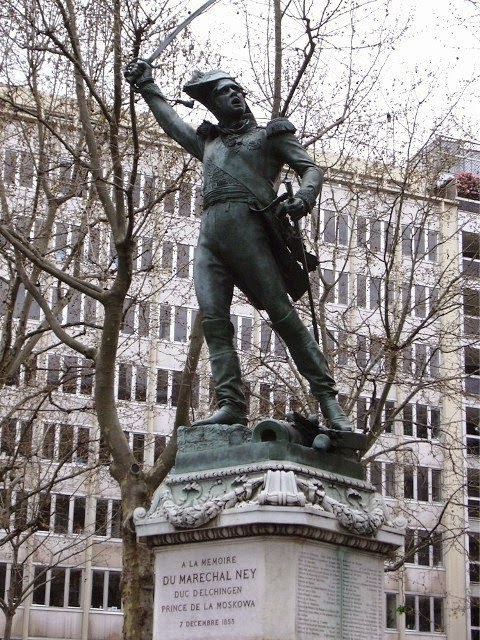
A statue of Ney was erected in Paris in 1853, standing on rue de l’Observatoire, across from the Closerie des Lilas Cafe, remembered as a favorite haunt of Ernest Hemingway.
DO YOU KNOW ABOUT . . . . THE CORNISH RIVIERA EXPRESS?
Whenever I think of train travel, I think of the Orient Express, or those night sleeper cars often seen in old black and white movies. The elegance of it all! The gently rocking guest rooms, the sofas that are converted into beds at night by white gloved attendants, cocktails in the lounge while listening to Gershwin tunes played on the baby grand by a tuxedo clad pianist and the elegant dining room, its tables laid with china, cut glass and gleaming silverware. All things of the past.
Until I found out about the Cornish Riviera Express, which travels from London to Cornwall, leaving Paddington Station almost daily at 10:30 p.m. The train arrives next morning with stops in Plymouth, Truro and Penzance. There’s a wonderful site called The Man in Seat 61, from which I’ve swiped the photos below. Also on the site are all the details you’ll need to plan a trip onboard of your own.
As the photos above illustrate, the Cornish Riviera Express is much less luxurious than the Orient Express, but the fact that one can still experience a night journey on a train is remarkable. I must fit this in to a future itinerary. The price is certainly right –
|
From £49 to £169 depending on single or double berth
|
You’ll find the official Great Western site here with more information and photos.
You can watch a short video of the train as it steams it’s way through Dawlish, hugging the magnificent shoreline here.
And you can learn more about the background history of the train from this posting on Wikipedia:
to Plymouth without the need to stop to attach a pilot locomotive, use of slip coaches keeping the load below the 310 ton limit for the Castle Class. However the pre-eminence of the Castle class did not last long as the Southern Railway Lord Nelson class of 1926 topped them for tractive effort, and so the King class was developed, particularly with the heavy West-country holiday trains in mind. Their introduction from 1927 allowed arrival in Plymouth to reach the 4 hour mark, although the increased weight of these locos prevented their use in Cornwall. The King class were also permitted an increased maximum load of 360 tons between Newton Abbot and Plymouth; above this a stop was required to attach a pilot locomotive.
VIDEO WEDNESDAY: THE RESTORATION OF STOKE HALL
One of the UK shows I like to watch on YouTube is Restoration Home, in which homeowners restore historic houses whilst historians uncover the story of both the houses and the families who lived in them.
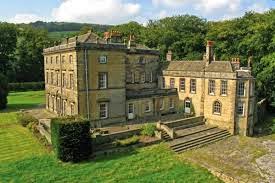
In this episode, the house under renovation is Stoke Hall, a thirty room Georgian mansion located eight miles from Chatsworth House in Derbyshire. The Grade II listed building is leaking and is being threatened by dry rot, but it’s surviving architectural details and historical importance prompt new owners Steve and Natalie Drury to set about restoring the house to it’s 18th century glory.
In this episode, architect Kieran Long explains Stoke Hall’s construction and decorative details, whilst Dr. Kate Williams uncovers the story of some of those who lived at Stoke Hall – Robert Arkwright, whose grandfather made millions from his inventions during the Industrial Revolution, was living at Stoke Hall when he scandalized his family by eloping with actress Frances Kemble. His elder brother Richard was hot the heels of the couple, but arrived too late to stop the marriage. Luckily for us, Frances, the new lady of Stoke Hall, kept a scrapbook, in which she’s saved pressed flowers from the 6th Duke of Devonshire. And, it seems that the Duke invited the Arkwright’s to be guests at Chatsworth when Princess Victoria, aged 13, visited in 1832. That night, Mrs. Arkwright sang for the Duke’s guests – and so did Victoria.
More history on those who have owned Stoke Hall can be found in the blurb from Wikipedia below.
A follow up episode, Stoke Hall: One Year On
can be found here
not sold until 2009 for £2.5 million to a local couple, Steve and Natalie Drury, who have spent a further £1.5 million completing the restoration. Their restoration was shown by the BBC in 2011 and 2012.


.jpg)


.jpg)