VIDEO WEDNESDAY: VICTORIAN SERVANTS – THE REAL STORY
With Downton Abbey incorporating the breakdown of the old order of the ruling class versus the servant class in its’ final season, we thought we’d run this documentary which addresses the social and economic changes that lead to the decline of the servant classes, their impact upon those in service and the new opportunities that became available to all and lead to the final farewell to a class system that had existed for centuries.
A century ago, 1.5 million British people worked as servants – astonishingly, more than worked in factories or farms. But while servants are often portrayed as characters in period dramas, the real stories of Britain’s servants have largely been forgotten. Presented by this documentary – herself the great-granddaughter of servants – this three-part series uncovers the reality of servants’ lives from the Victorian era through to the Second World War.
This documentary begins in the grand houses of the Victorian ruling elite – large country estates dependant on an army of staff toiling away below stairs. The Victorians ushered in a new ideal of servitude – where loyal, selfless servants were depersonalized stereotypes with standardised uniforms, hairstyles and even generic names denoting position.
In the immaculately preserved rooms of Erddig in North Wales, portraits of servants like loyal housekeeper Mrs Webster hint at an affectionate relationship between family and servants, but the reality for most was quite different. In other stately homes, hidden passages kept servants separate from the family – anonymity, invisibility and segregation were a crucial part of their gruelling job – and the strict servant hierarchy even kept them segregated from each other.
But it wasn’t just the aristocracy who had servants. The emerging middle classes were also hiring, and thousands – like manservant William Tayler – flocked from the countryside to take up positions in the cities’ townhouses. With no experience of keeping servants, however, how would these anxious new mistresses fair as managers – especially in the wake of a servant scandal? With a plethora of jobs available, the power was not always with the mistress, but also with the maids who were free to leave – and leave they did.
Watch the video here (one hour)
POST TOUR: THE VICTORIA AND ALBERT MUSEUM
TO READ OUR ORIGINAL POST ON THIS TOPIC, CLICK HERE.
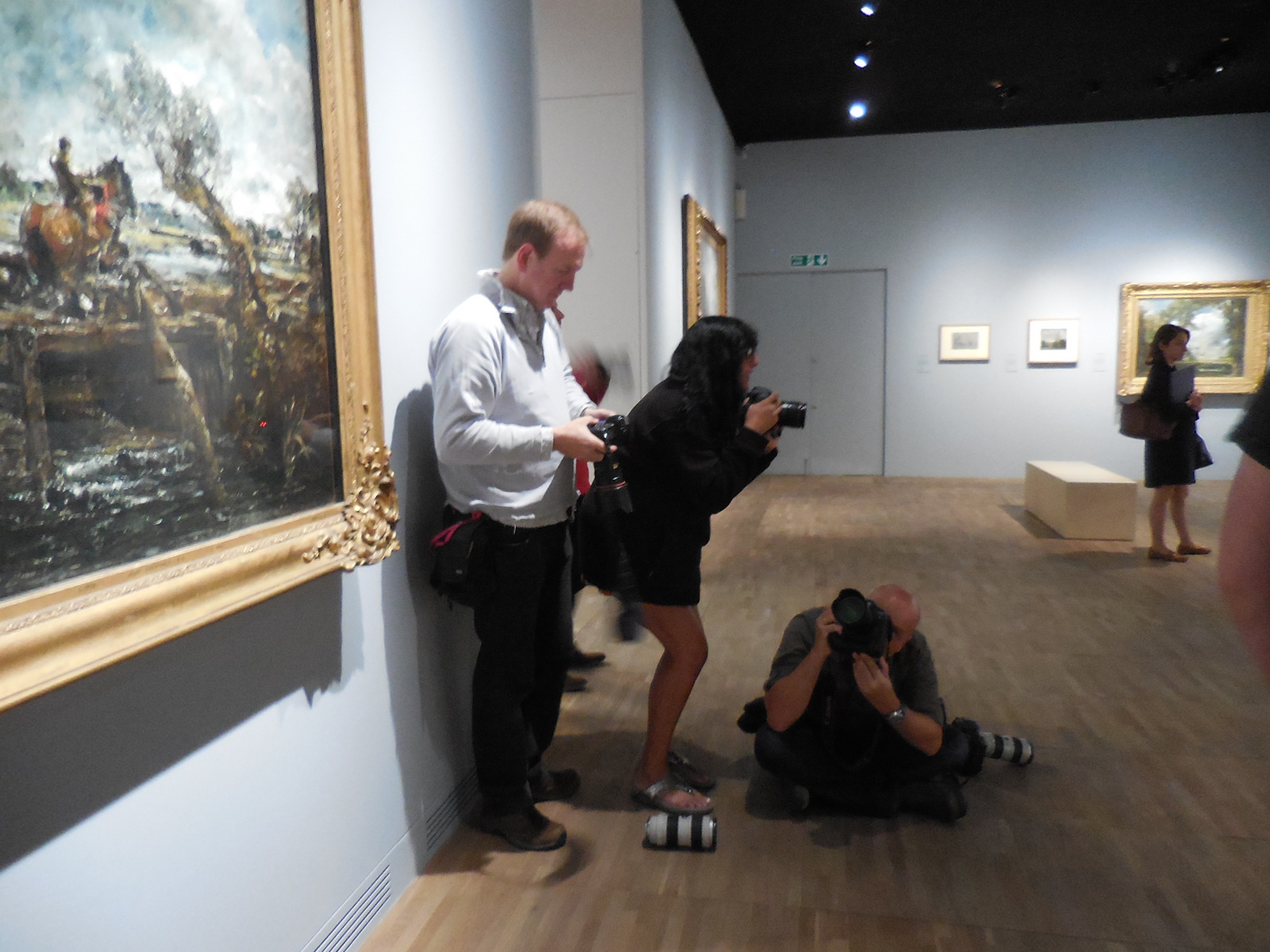
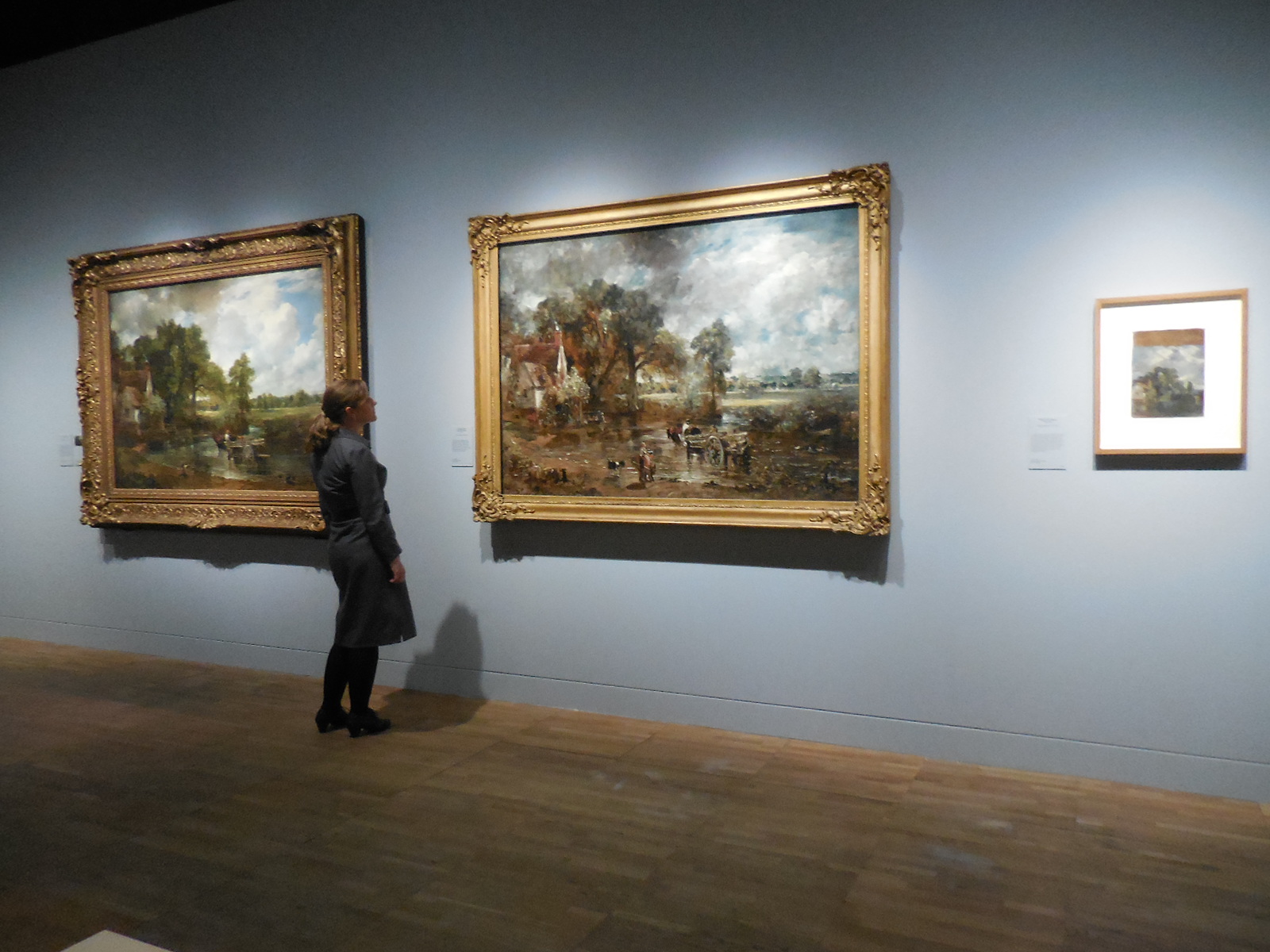
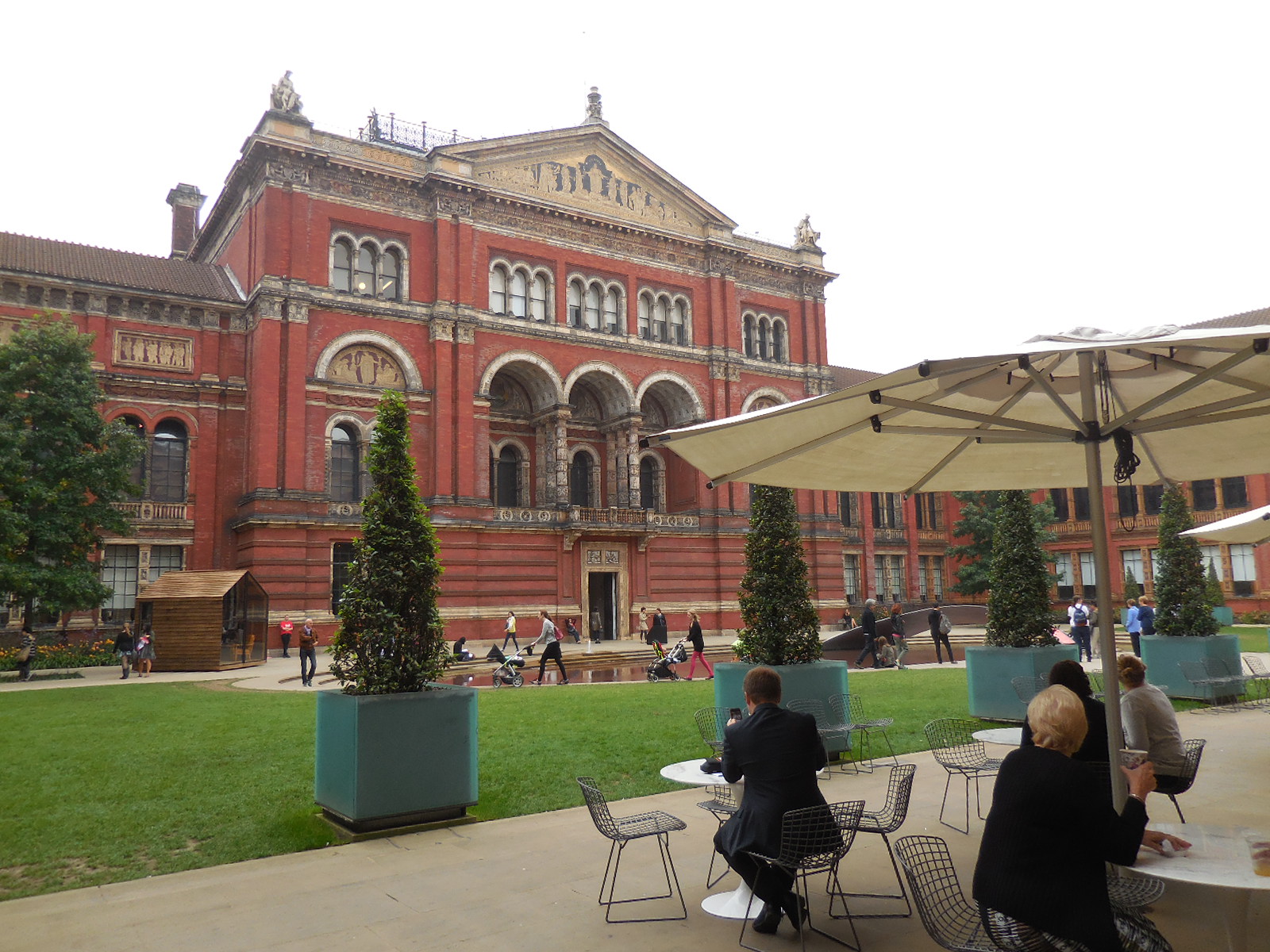
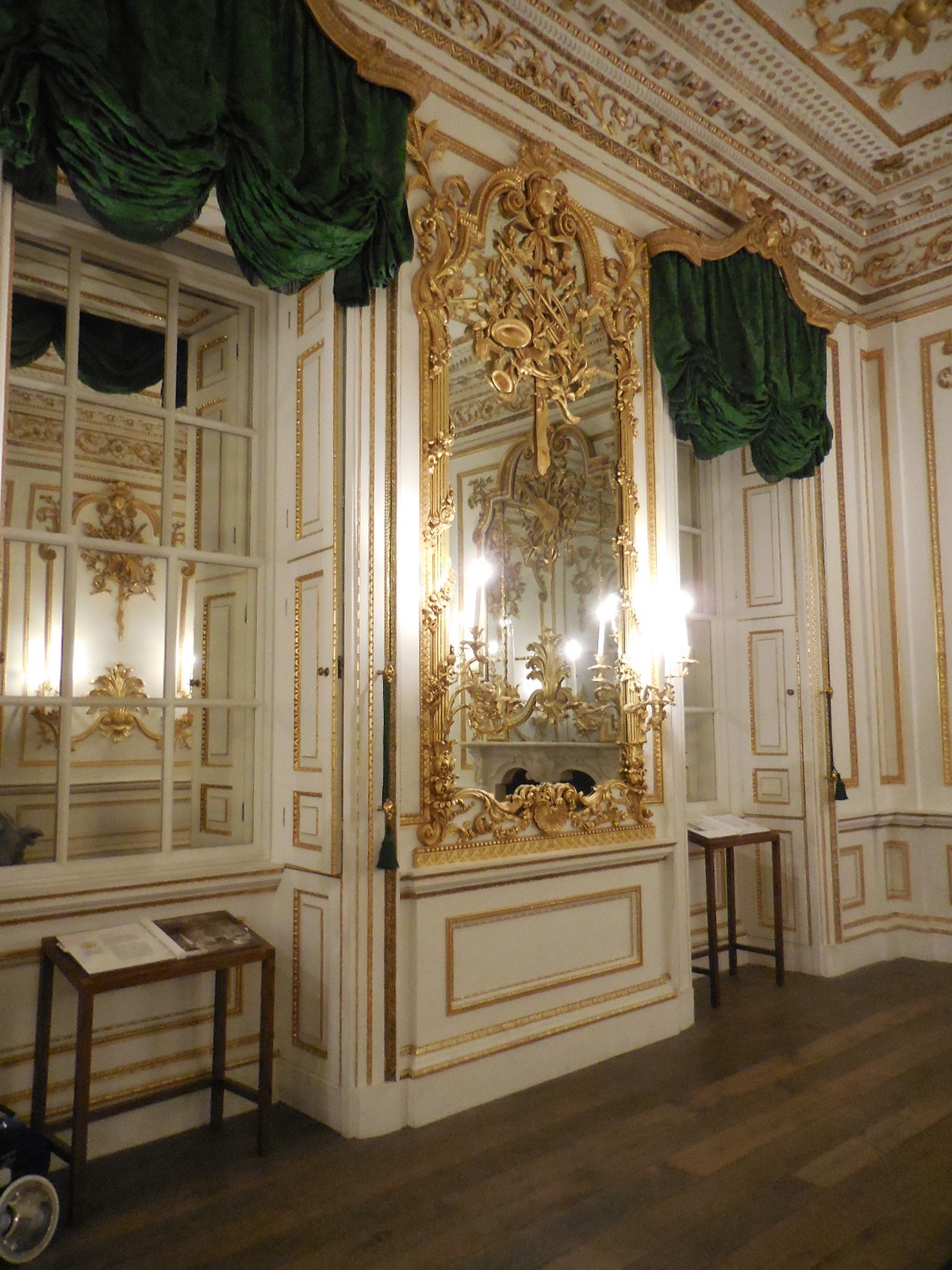
After we had our fill of Constable (as if that could ever happen!), we found lots of things to visit around the museum, lots more than we had time for. We started with coffee.
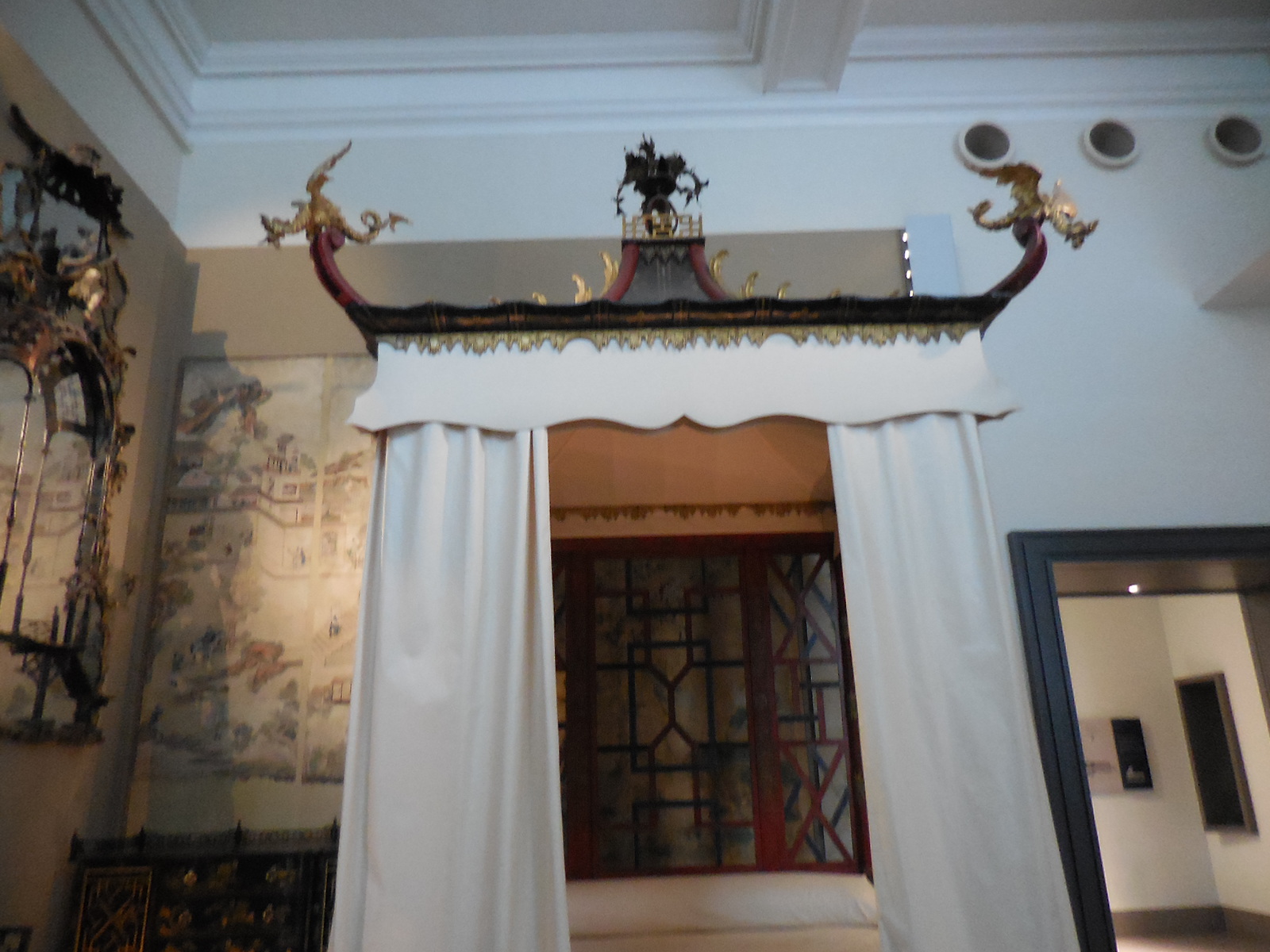
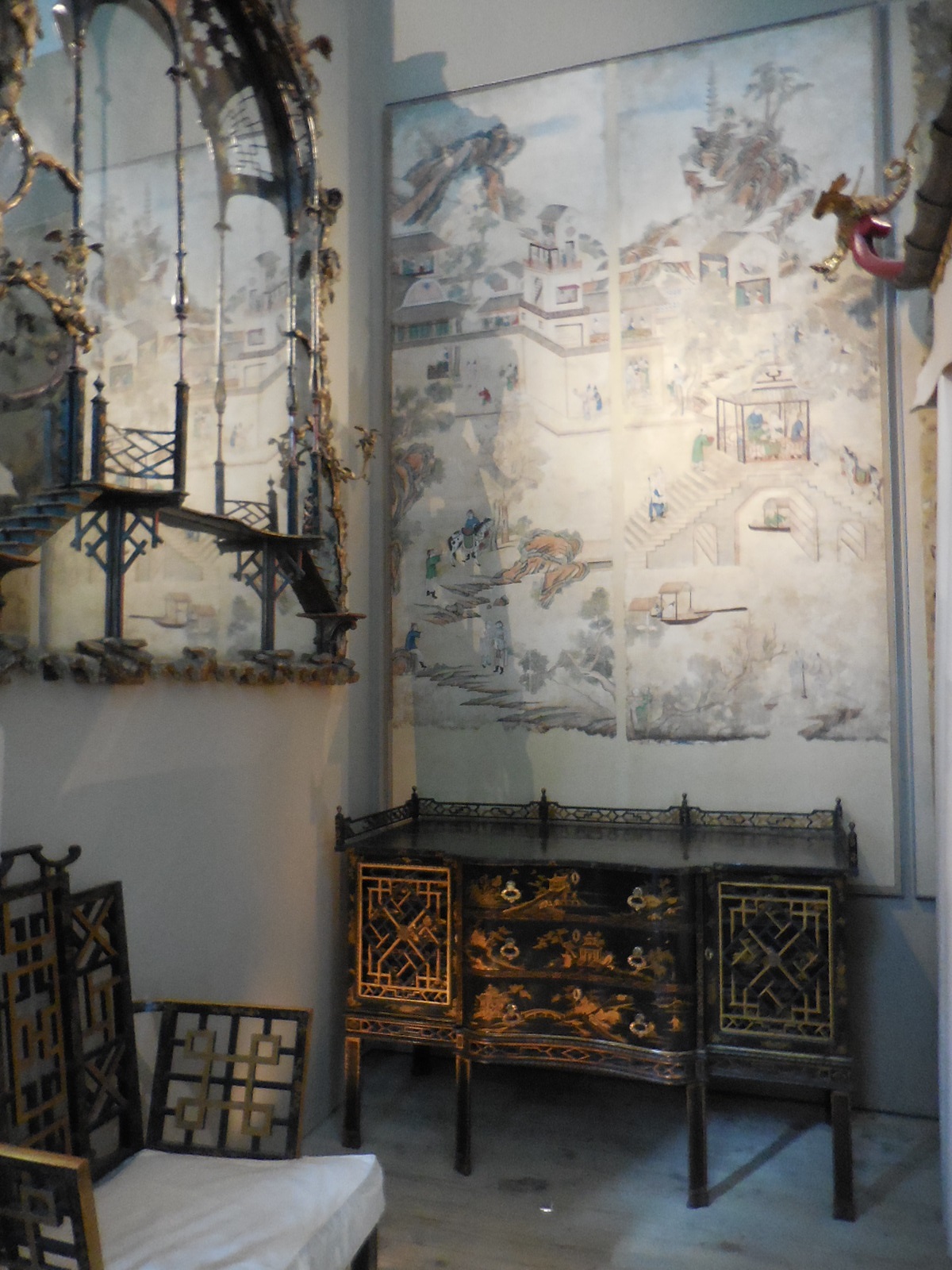
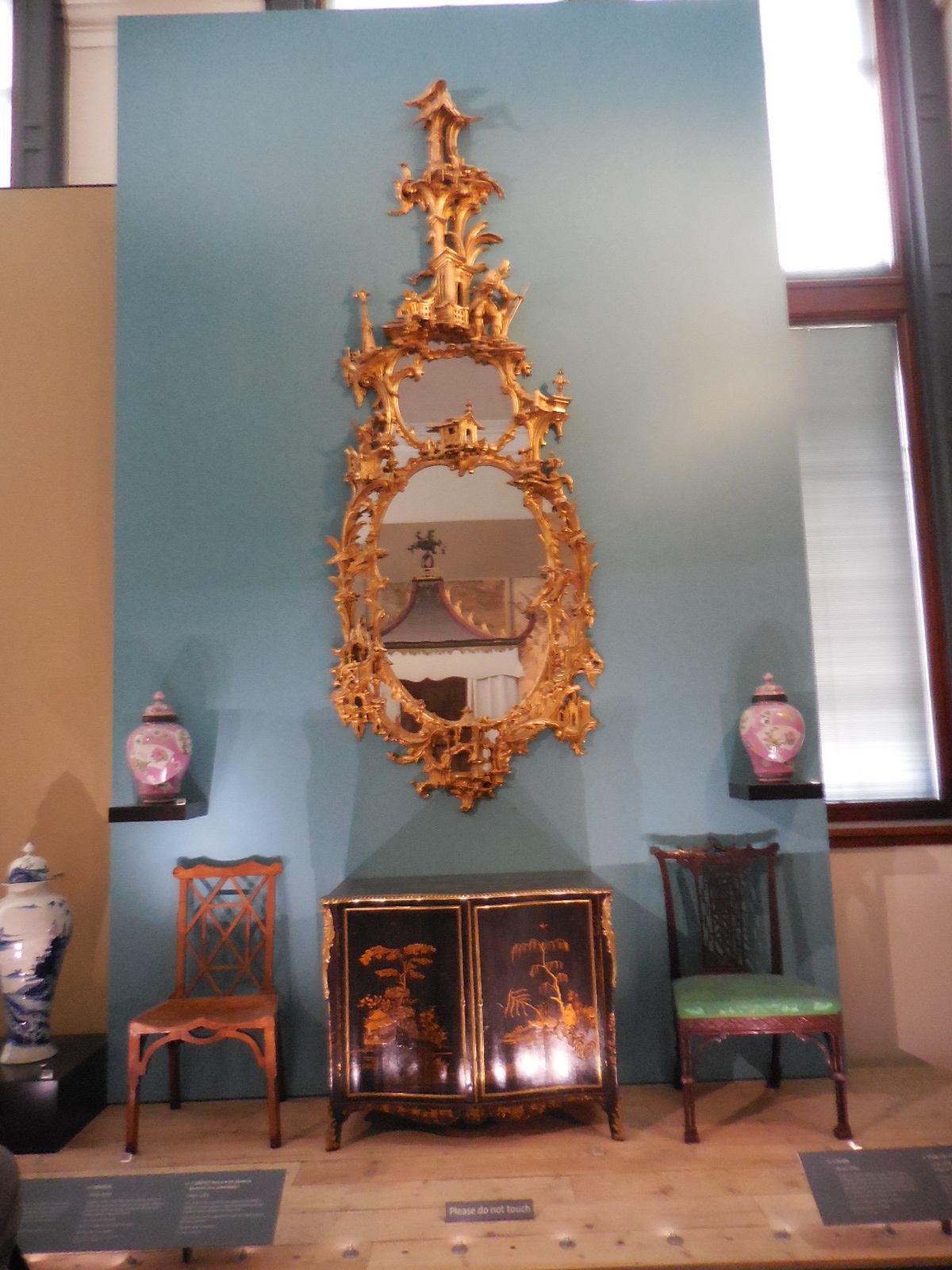
For more on chinoiserie at the V ad A, click here
We were lucky enough to see the Wedding Dress from 1775-2014 Exhibition, at which no pictures were allowed.

To read more about the exhibition, click here.
I never tire of visiting the V and A. It is overflowing with treasures of all kinds and full of excellent exhibitions from small to large. We had an afternoon appointment
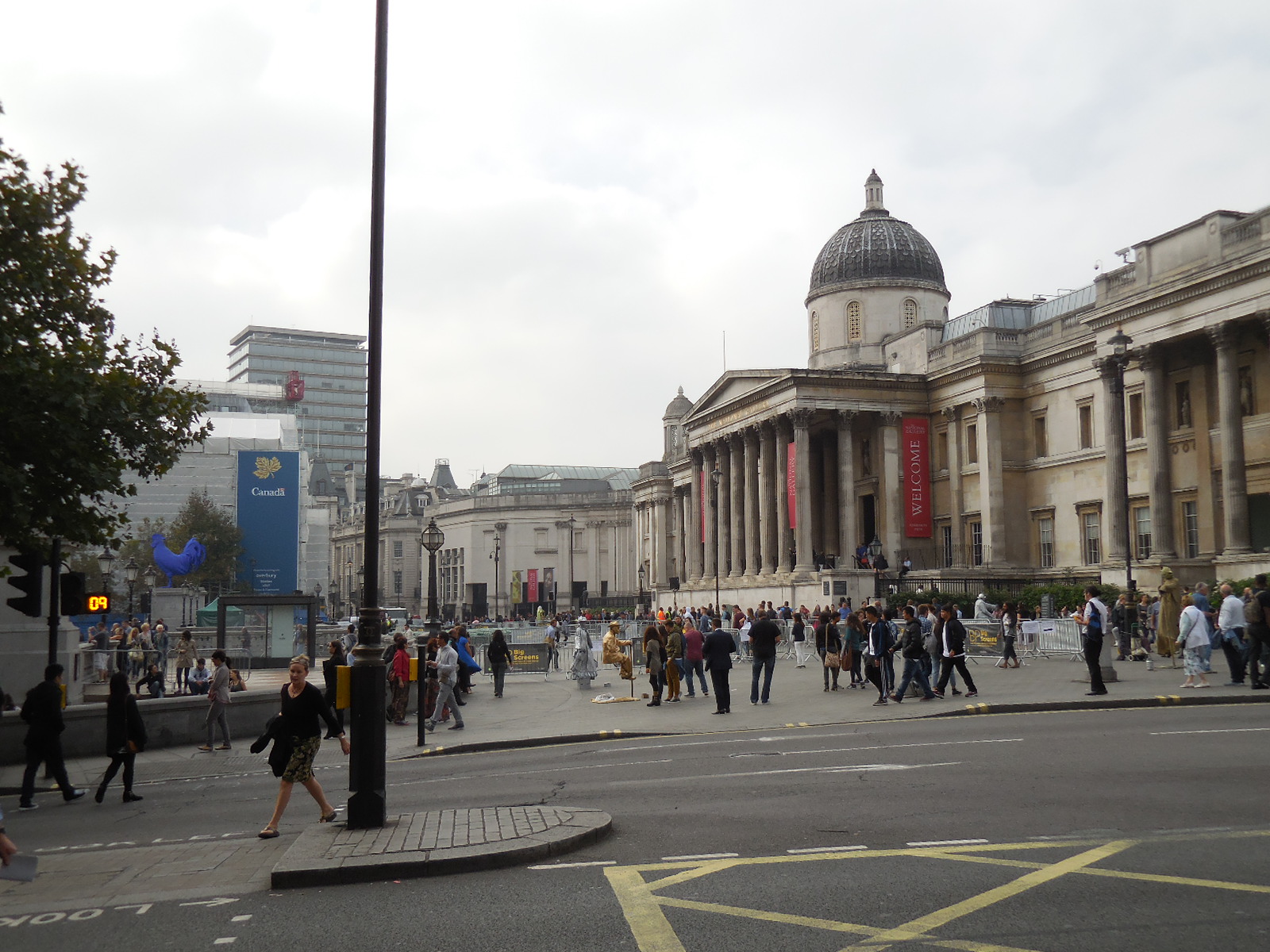
at Ben Franklin’s House, so headed to Trafalgar Square.
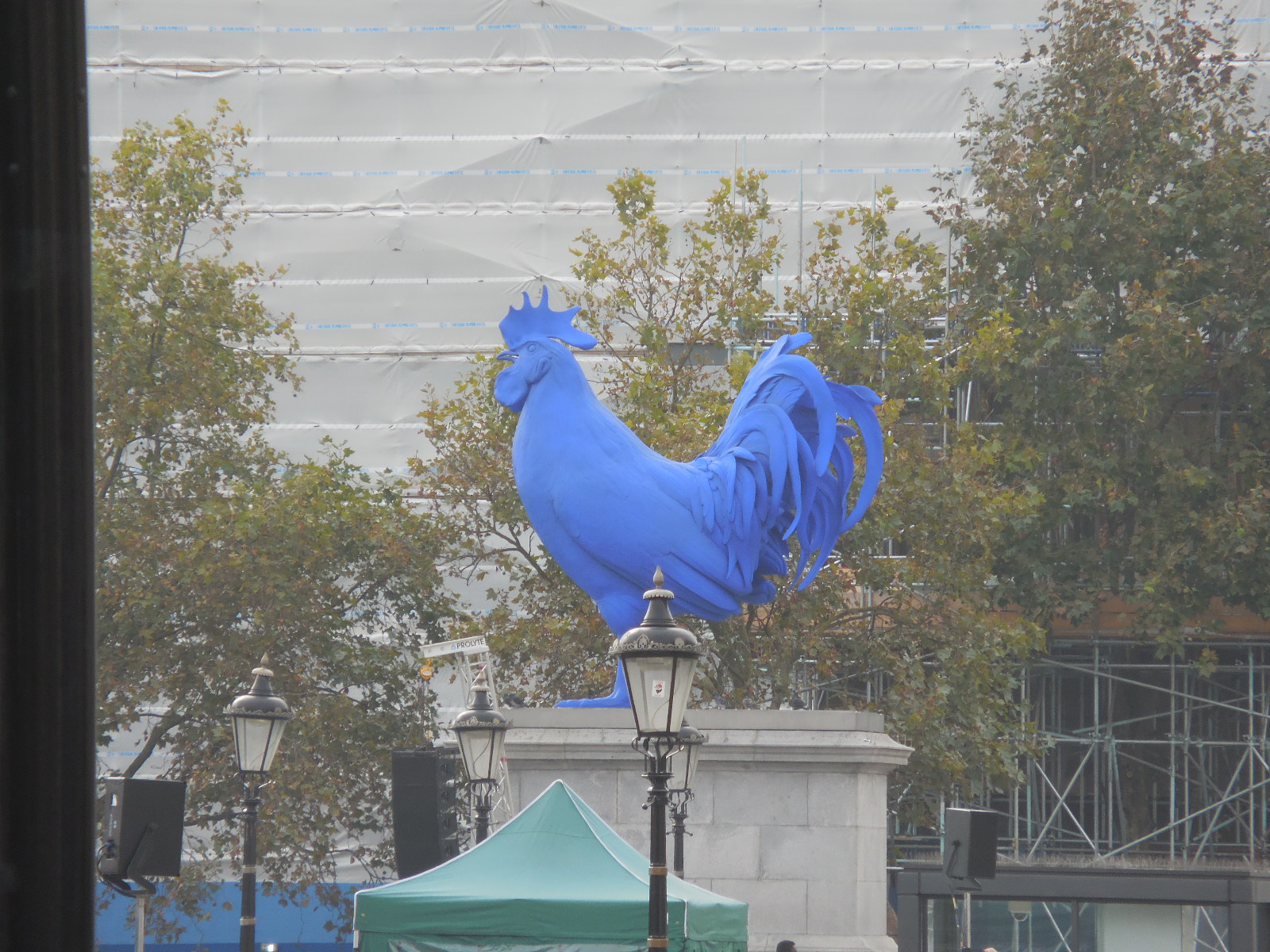
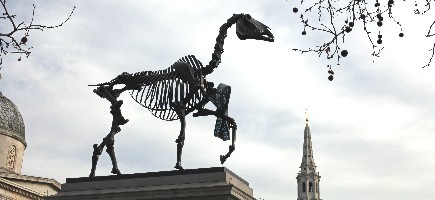
The blue rooster was the Fourth Plinth sculpture in 2014. Officially it was Hahn/Cock by Katharina Fritsch. It was replaced for the next 18-month stint on the Fourth Plinth by the politicially provocative Gift Horse by German-American artist Hans Haacke.
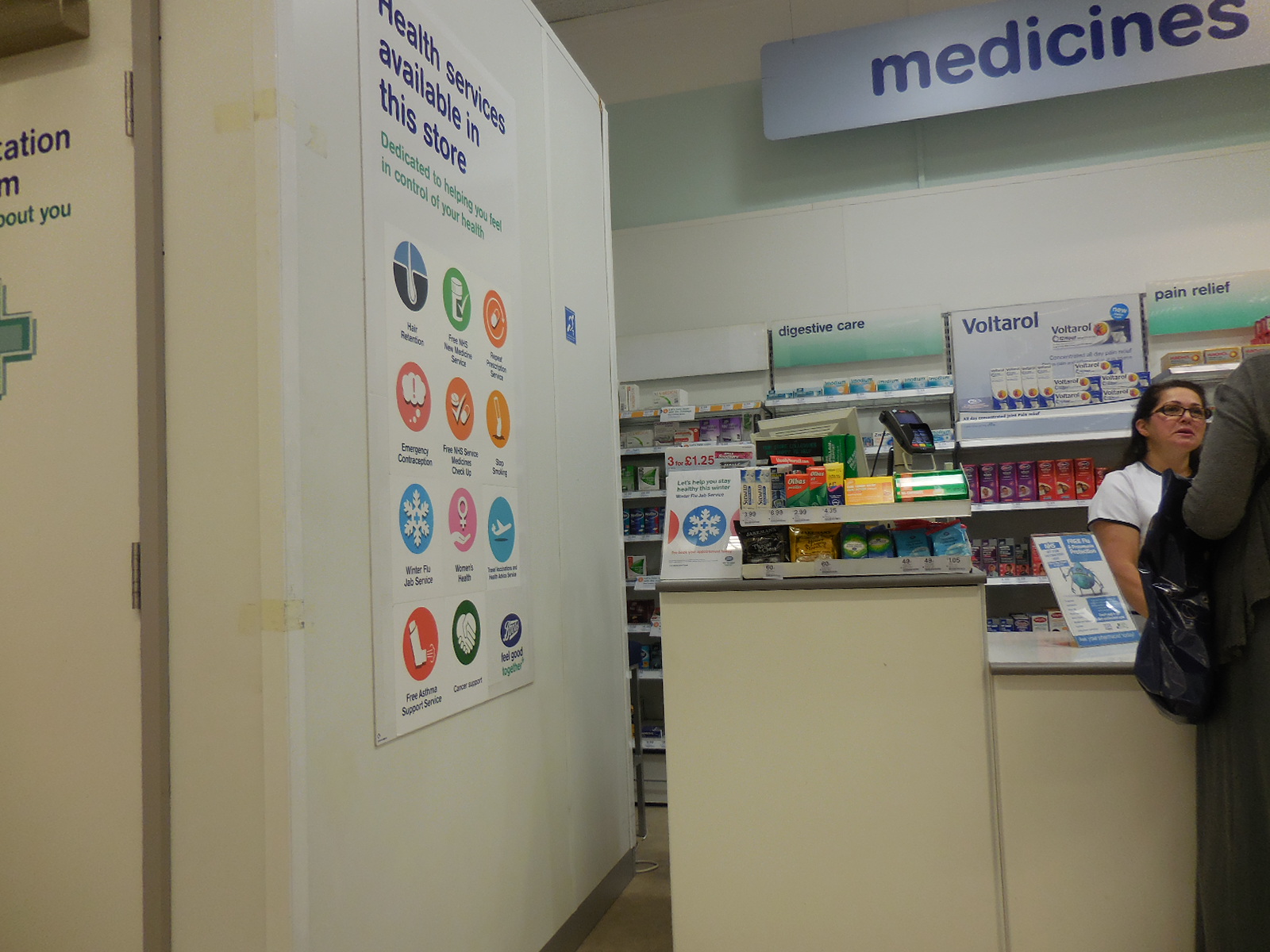
It is only fair that we acknowledge the heroic efforts of Kristine to overcome her misery. Thus, frequent stops at Boots!
REGENCY SCENTS BY GUEST BLOGGER MICHELLE STYLES
Originally published April 2008
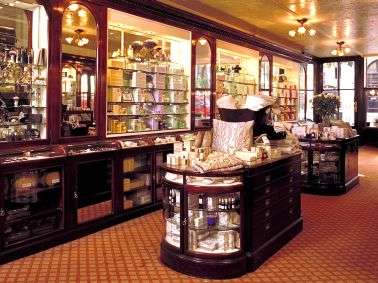
One of the delights of living in England is discovering how much survives from the Regency period (and in some cases before). I first came across Floris after reading an article about the men’s clothing shop Hackett. Floris is a perfumery on JermynStreet and has occupied no 89 for about 250 years at least. It remains family run and the current head, John Bodenham is an 8th generation descendant of the founder Juan Famenias Floris. Floris was founded in 1730 and the shop has a small museum full of scent bottles and combs that I go and look at every time I am in London. The shop is lovely — all glass and mirrors with wonderful scents. The Spanish mahogany cases were acquired in 1851 from the Great Exhibition. However, I was never that sure when a particular scent was created. I simply knew that I liked them. Stephanotis is beautiful and I fell in love with Malmaison earlier this year. Their Lily of the Valley is heavenly. And my dd adores Edwardian Bouquet. And to the wearer of particular scent, that is all that matters.
But when were the scents developed? And can I use them in my books? What were people in the Regency period actually wearing. Recently the Floris catalogue has been giving details about its scents and when they were developed.
Lily of the Valley was developed about 250 years ago. So say around 1758 — making it a Georgian scent. Its top notes are green and lemon with heart notes of jasmine, lily of the valley,rose and tuberose. The base note is musk. Another Georgian scent Floris does is Limes and that was developed in the late 1700s to combat the awful smells and heat of the London summer.
Stephanotis was developed in 1796 by the son of the founder — James Floris. It combines the scents of the traditional bridal bouquet and was made because James Floris noticed how many brides were getting in and around St James. So what the Regency society bride might have worn. And it is truly lovely — top note orange blossom, heart notes of carnation, coriander, lily of the valley, stenphanotis, jasmine with base notes of musk, powdery notes and sandalwood. In the flower language that was popular at the time, stephanotis means good luck. Another Regency fragrance is the Night Jasmine scent that was inspired by the jasmine scent that John Floris created in 1806. The floral design imprinted on their soaps dates from the early 19th century.
Malmaison is late 19th century by the way and is based on the Malmaison carnation, one of the more fashionable flowers of the late Victorian period. Apparently Oscar Wilde used to wear Malmaison carnations. The Malmaison scent is far heavier than the Stephanotis or Lily of the Valley. Top notes of cinnamon, cloves and lemon with heart notes of malmaison carnation, rose ,ylang and base notes of cedarwood, musk, patchoui, and vanilla. The Floris catalogue lists Malmaison under its classicfragrances — suitable for either men or women. My dad’s favourite Edwardian Bouquet dates from 1901 and was a celebration of the new era. It is a lovely floral scent.
Anyway, it goes to show that a good scent can stand the test of time. And with its wide range of scents (Ian Fleming had James Bond wear no 89 for example) , there is a good reason why Floris is thriving today. But I thought I would toss out a few of the more historic scents in case people were interested. Floris does ship worldwide, but a visit to its shop in Jermyn Street should be a must for any one interested in the Georgian or Regency periods.
Please visit Michelle Styles’s author blog here.