HAPPY 240TH BIRTHDAY TO JANE AUSTEN

JASNA GREATER CHICAGO REGION CELEBRATES JANE AUSTEN’S BIRTHDAY

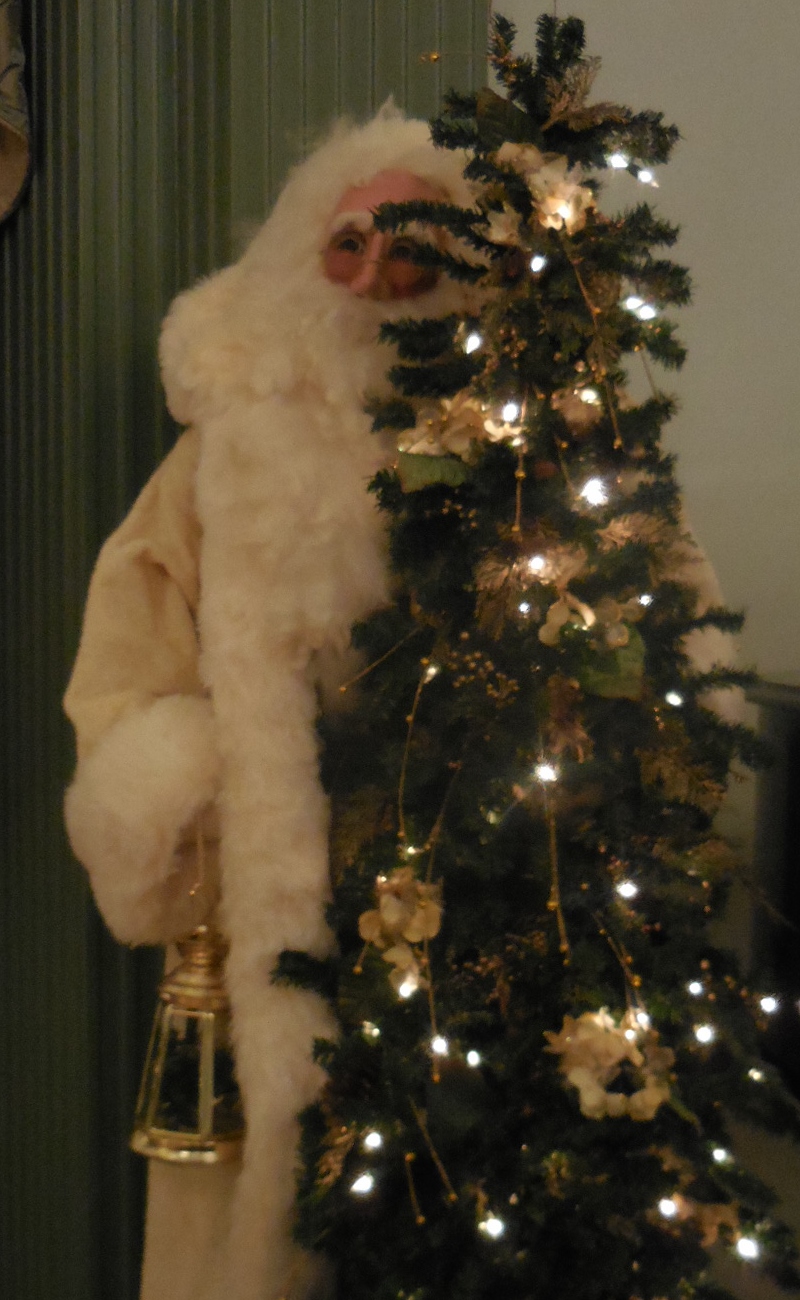
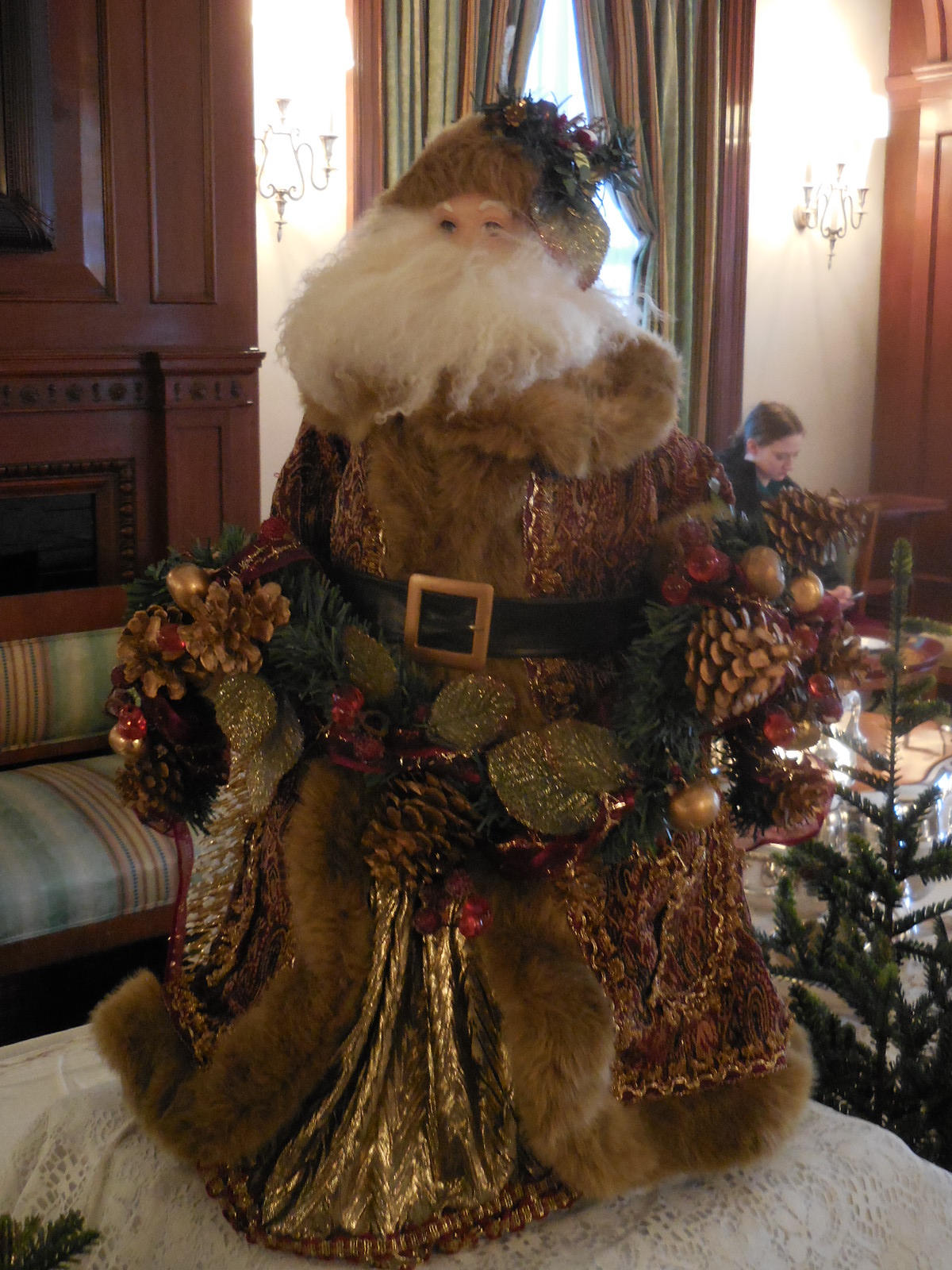
Father Christmas at the Fortnightly

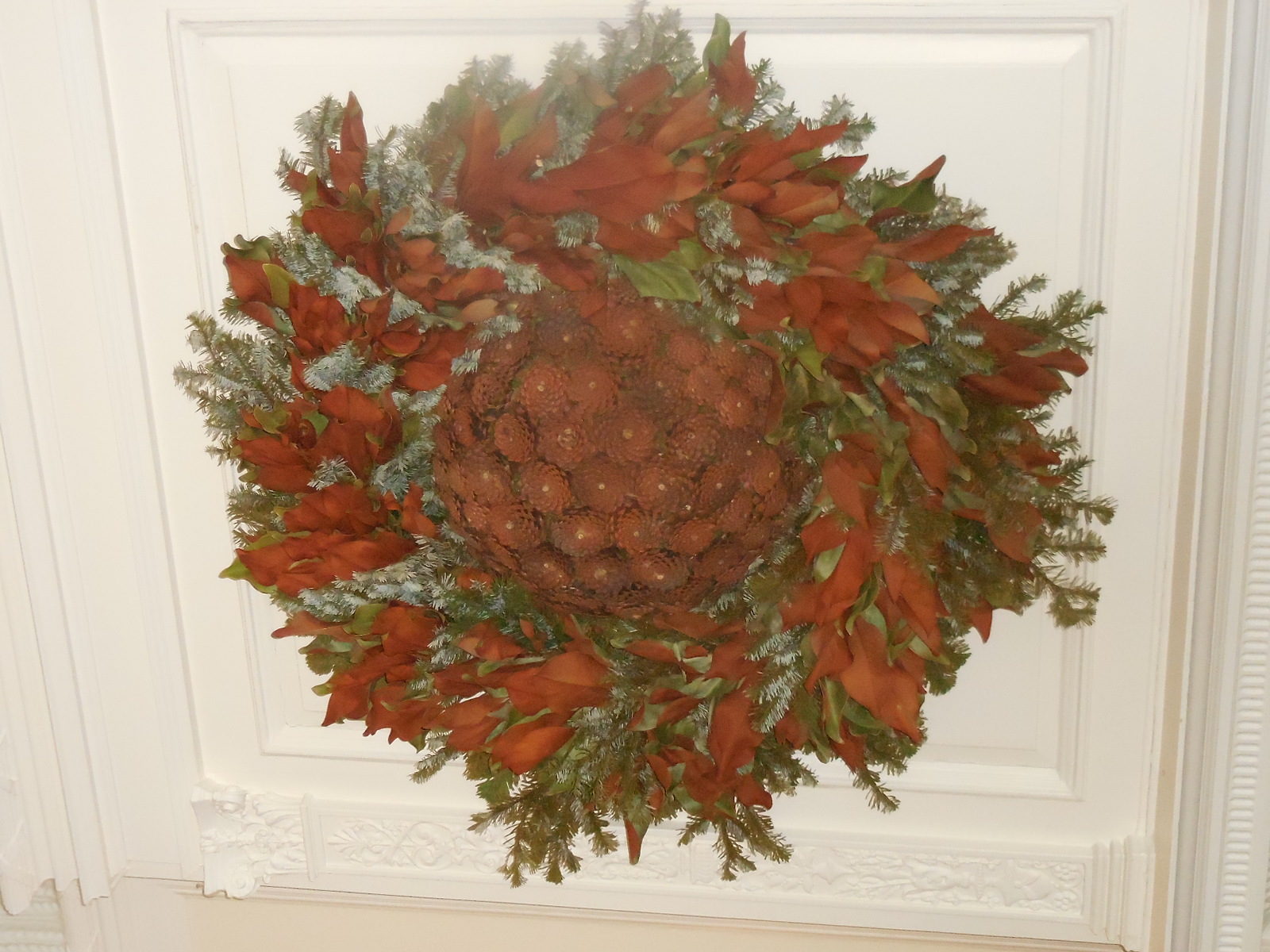
Wasn’t it thoughtful of Jane Austen to arrive in the world near the Christmas holidays so that for all these years, her devotees could celebrate in beautifully decorated surroundings and toast not only her birthday but also the Winter Solstice, the Festival of Lights, Christmas, Kwanza, and many other events, not to forget the New Year.

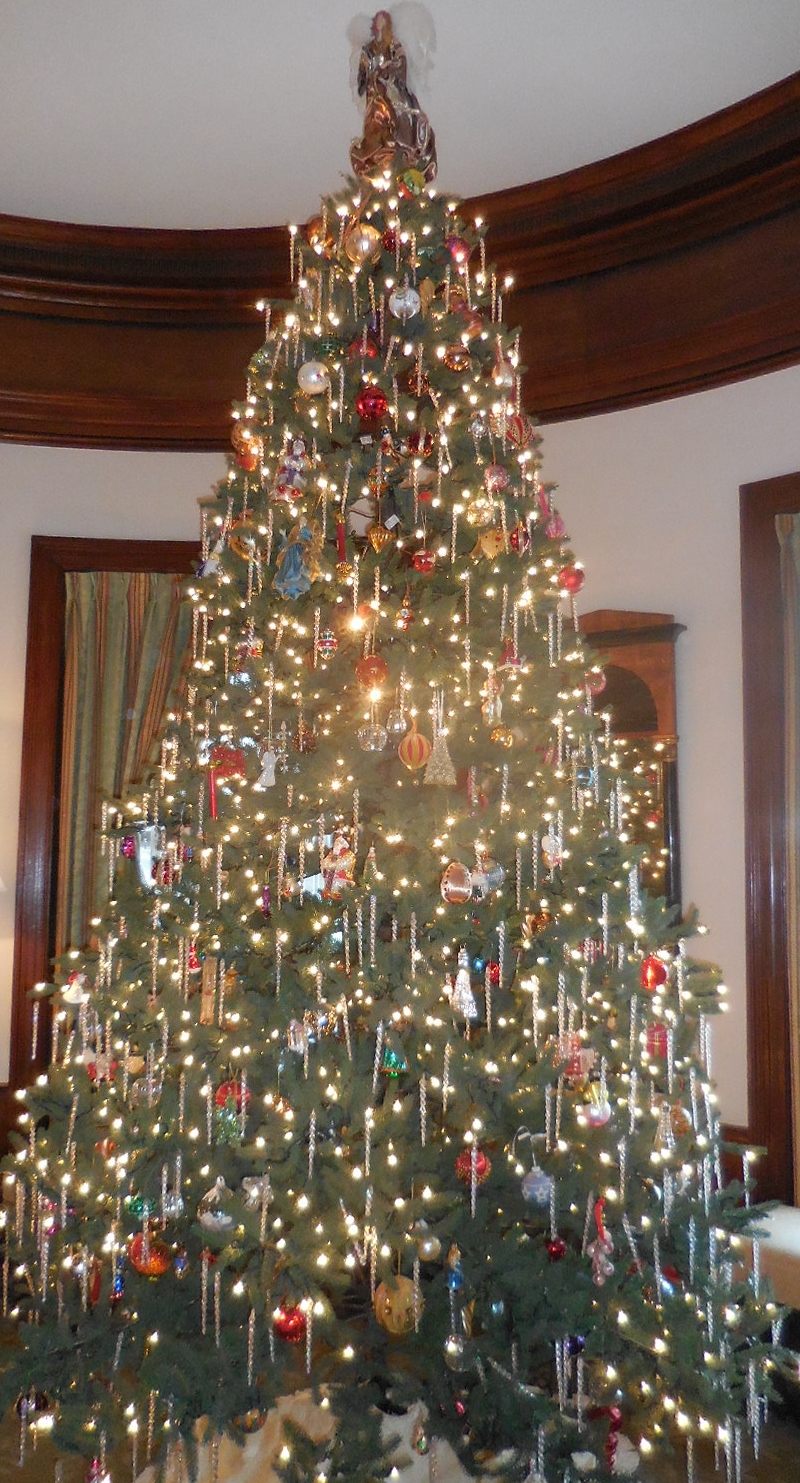
One of many Christmas Trees
Victoria here, inviting you to share a celebration held on Saturday, December 5, 2015, at Chicago’s Fortnightly. Every year on the first weekend of the month, JASNA-GCR holds a tea at this beautiful club just north of the Magnificent Mile (by the way, the stores and streets were mobbed with busy shoppers).  
Another St. Nick
This year, the speaker was Sara Bowen, on “Village Life in Jane Austen’s World”: The View from the Parsonage,” a talk enthusiastically and gratefully received by the large audience. Ms. Bowen first presented this talk at the JASNA AGM in Louisville last October; she is a popular speaker at AGMs and many other JASNA events.
Sara Bowen
Ms. Bowen told us that the rector of the village church might be a very lonely post; he might even be one of the only literate people in the community.  He often held additional responsibilities besides his church, including supervising the farming of his glebe property and schooling young boys in preparation for schools such as Eton or Winchester. A large percentage of Anglican rectors were also magistrates or Justices of the Peace. As one of the leading citizens of the area, he might also be called upon to settle all sorts of disagreements and to supervise whatever educational opportunities there were for young people.
Some parsons spent time on their sermons, while others read previously collected works to their congregation, many of whom might respond as below.
The Sleeping Congregation by William Hogarth, 1736, 1764
Some of the few sources on actual village life in the late 18th and early 19th centuries were the letters, diaries and memoirs of clergymen and their families.  George Crabbe’s writings include poetry and present a realistic view of life.
George Crabbe 1754-1832
Letters and Journals 1781-1832
William Jones left a readable diary, often available only in specialized libraries, but an excellent source.
William Jones’ Churchyard
Broxbourne, Hertfordshire
Also of value are the sketches, watercolors, and oils of artists of the time such as those of George Morland and William H. Pyne.
A Village Fete by William Henry Pyne, 1791

James Woodforde and his left valuable accounts of village life, some available at the Parson Woodforde Society, here. His niece Nancy Woodforde also left some interesting diaries as well as her day books.

The Rectory where Jane Austen lived as the daughter of the rector in the Hampshire village
of Steventon from her birth in 1775 to 1800 when the family moved to Bath
All in all, these views of village life add greatly to our understanding of Austen’s life and work. They provide an excellent context for her novels and her letters, which are so full of comments on friends and family, most of whom lived in Hampshire villages. 
Thanks to Sara Bowen, JASNA-GCR, the Fortnightly, and our ever-fascinating birthday girl, Jane Austen.  
FOR YOUR CHRISTMAS LIST

A FEW ITEMS YOU MIGHT WANT TO WRITE TO SANTA ABOUT — 

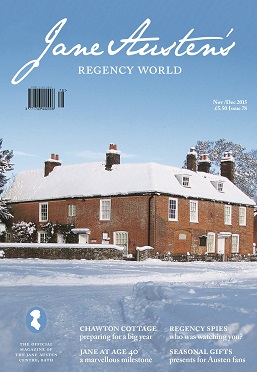
For six wonderful jaunts into the milieu of Jane Austen and the Regency, be sure you ask for an annual subscription to Jane Austen’s Regency World magazine.  I never tire of reading about the news about Austen (and you might be surprised how much there is!), the events held in England and North America–and elsewhere, and many well-researched articles about Miss Austen, her family, friends, and times.  To subscribe, click here.

I love these Jane Austen Calendars…filled with things Jane did, events from her life and letters, and from the various characters in her novels.  I hang this near my morning tooth-brushing mirror and while I perform this necessary task, I read that day’s item.  Perfect way to start the day — or over your early morning tea or with a coffee.  Order several for your friends and family.

For more information, click here.

For the order form, click here.

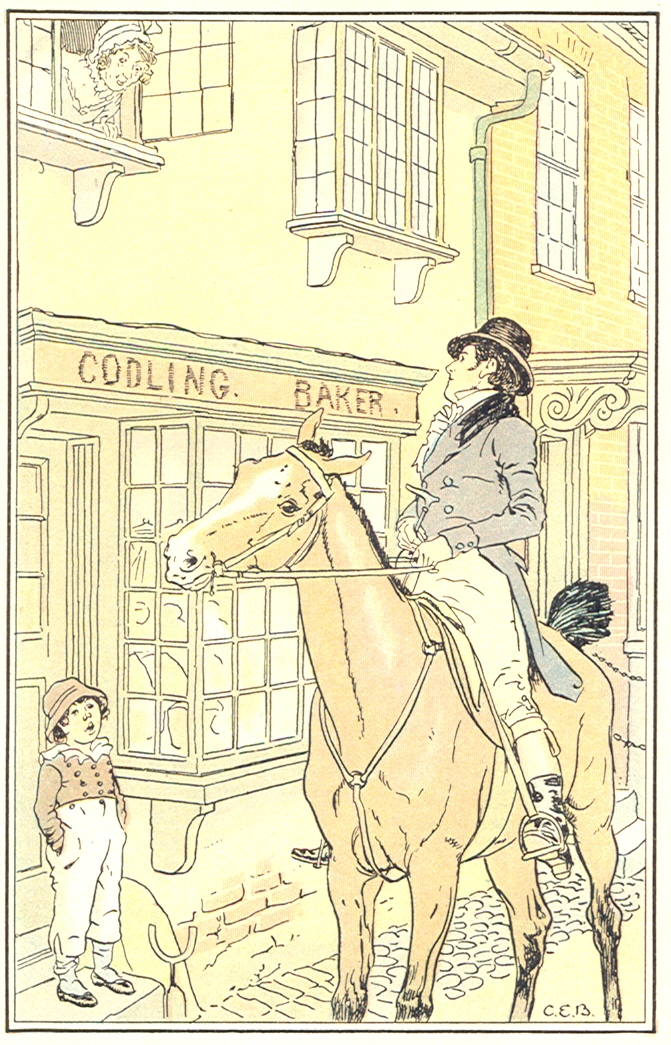
Illustration from the Calendar for July:

Miss Bates calls out to Mr. Knightley:
“How d’ye do?–how d’ye do?…Pray come in; do come in, You will find some friends here.”
Long Lost Insults, just one of many sets of Knowledge Cards, a stocking stuffer from the wonderful company that brings British items to the U.S.
Access Bridgham and Cook by clicking here
Darcy and Elizabeth 
These adorable salt and pepper shakers are available at Bas Bleu here
Here’s hoping Santa cooperates…
Holkham Hall at Christmas

THE DUKE OF WELLINGTON TOUR: BOATING ON THE THAMES

The next morning, we made our way down to the Thames for a River Cruise with river tour operators, French Brothers. During our coach ride to the River, we glimpsed an antique shop in Thames Street whose windows were simply chock-a-block with tempting items. Promising the group an impromptu visit to the shop afterwards, we continued on to the River.

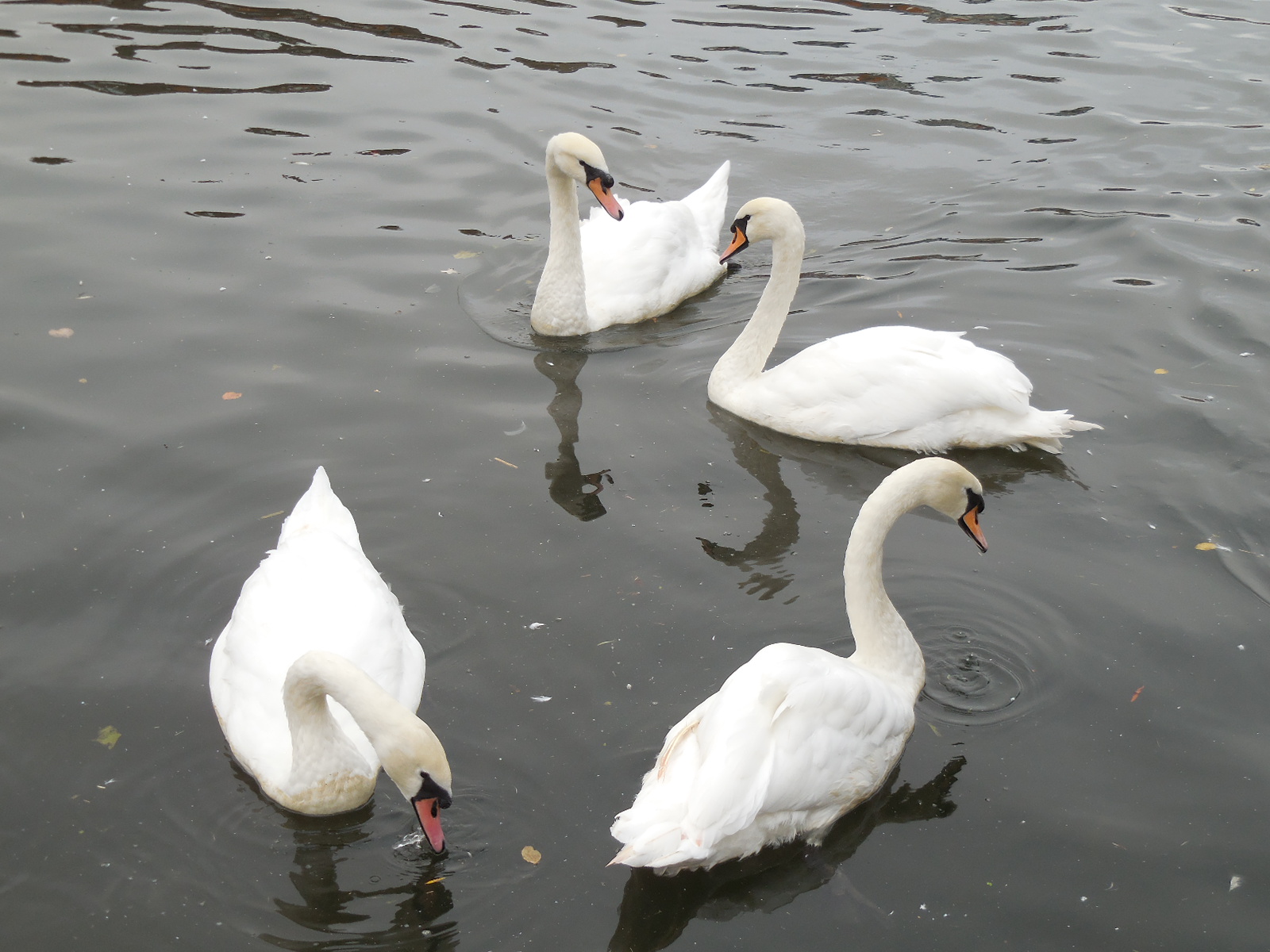
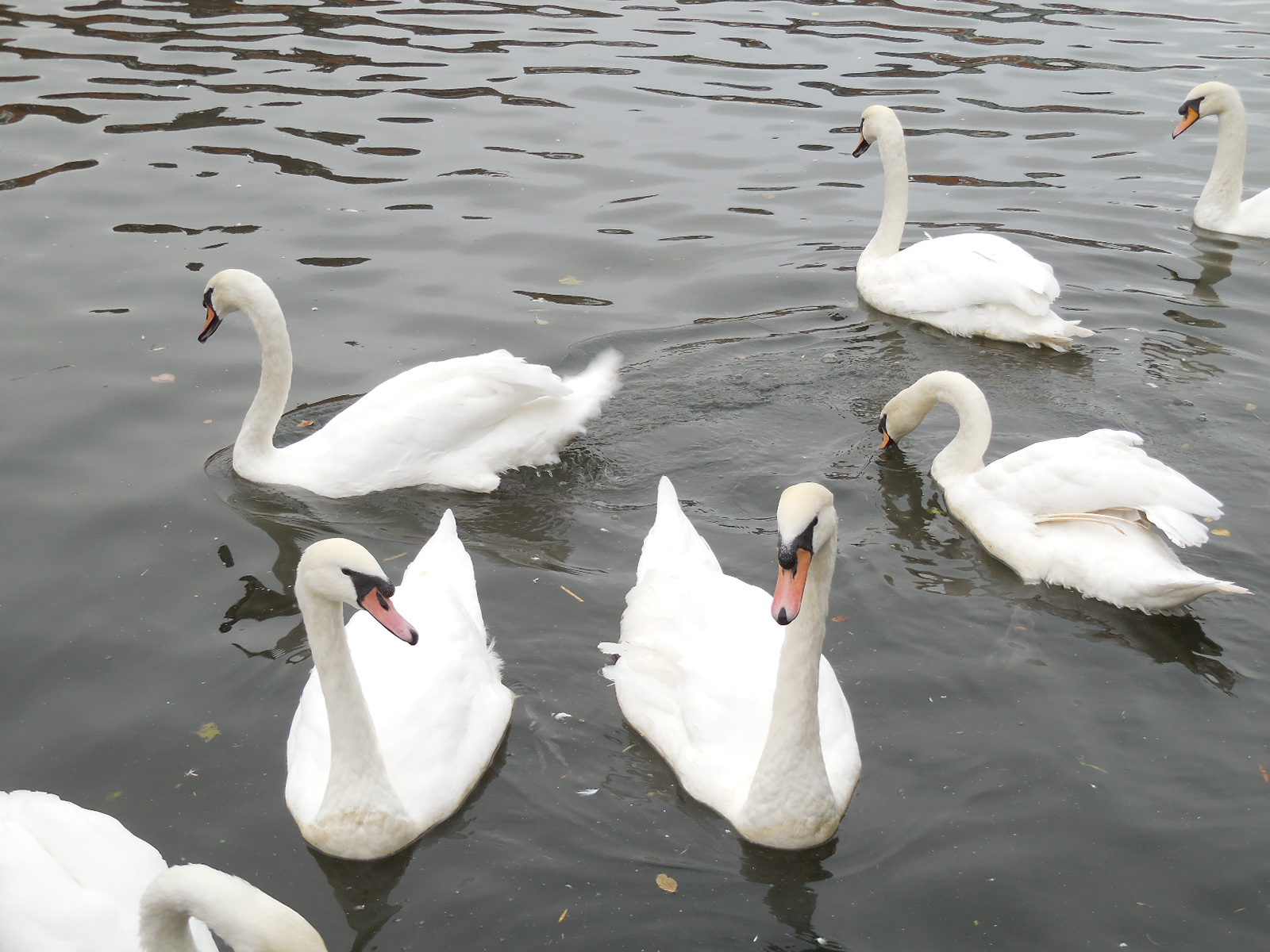
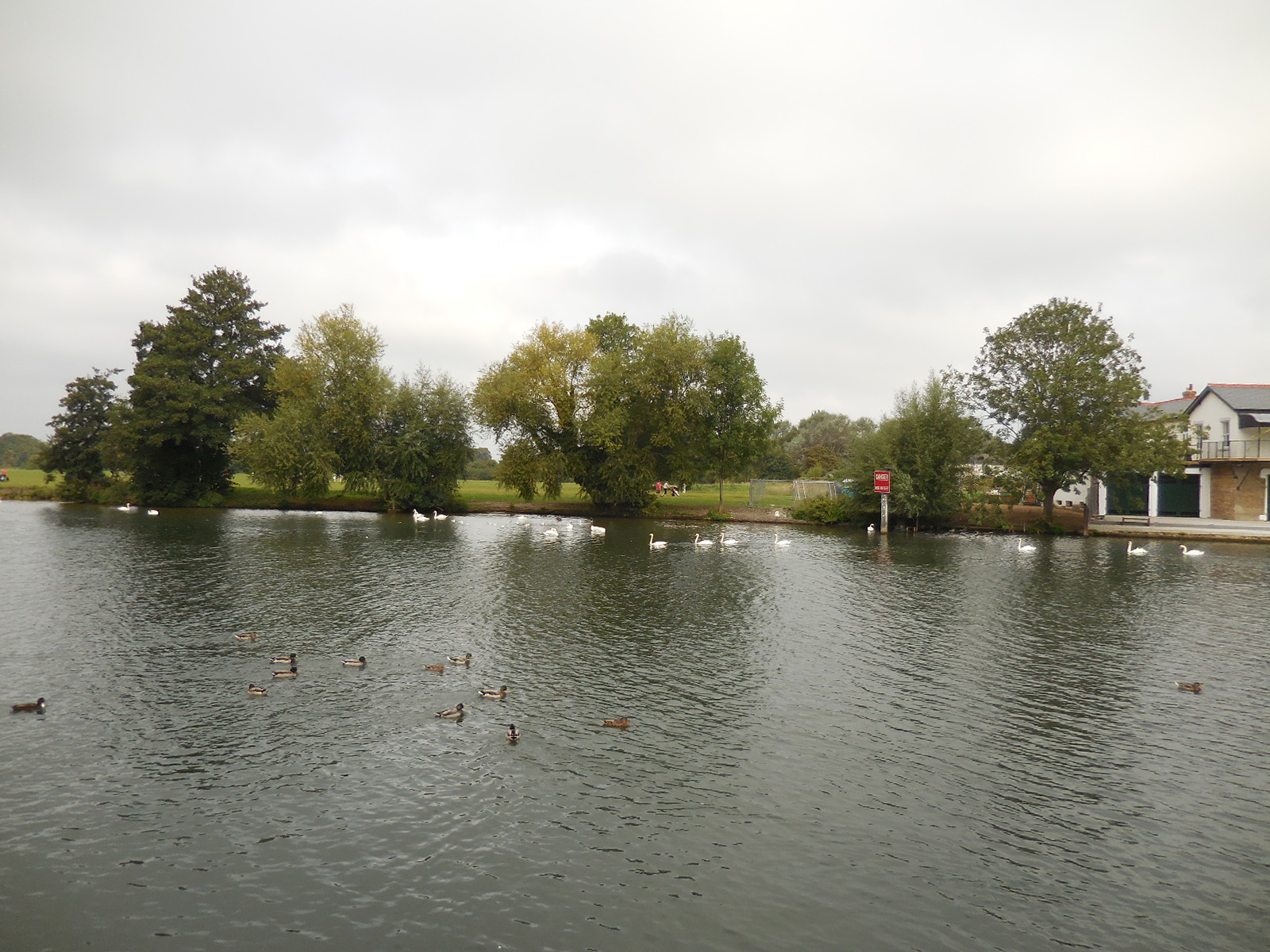
A large bevy of swans were on hand to welcome us. Although they look regal, when competing for treats,  they are quite fierce.

The swans on the Thames are all owned by the Crown, the Worshipful Company of Vintners, or the Worshipful Company of Dyers. In July, each one is captured and marked for ownership, a period called swan-upping.

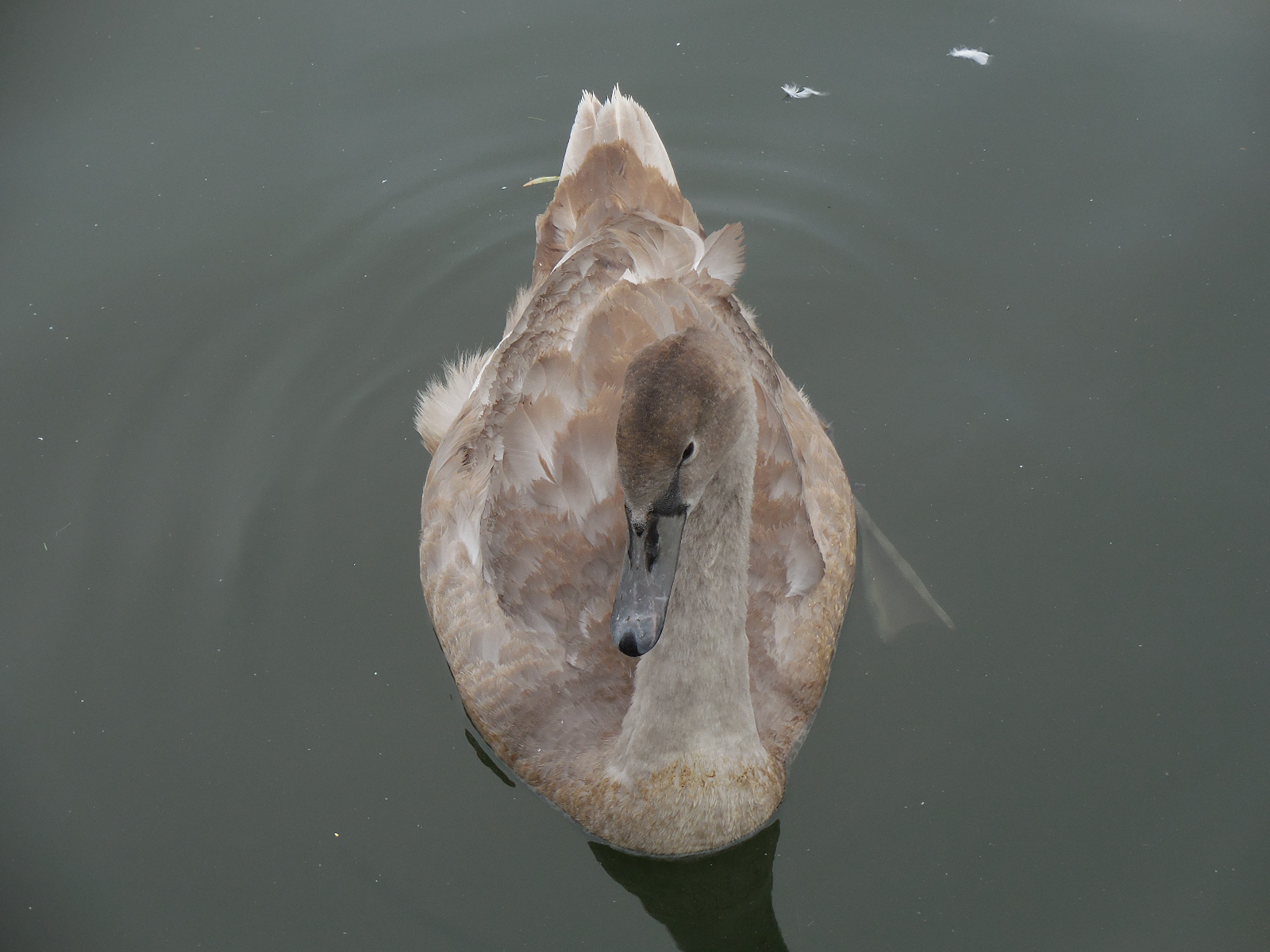
Young swanling, or cygnet, still with grey feathers

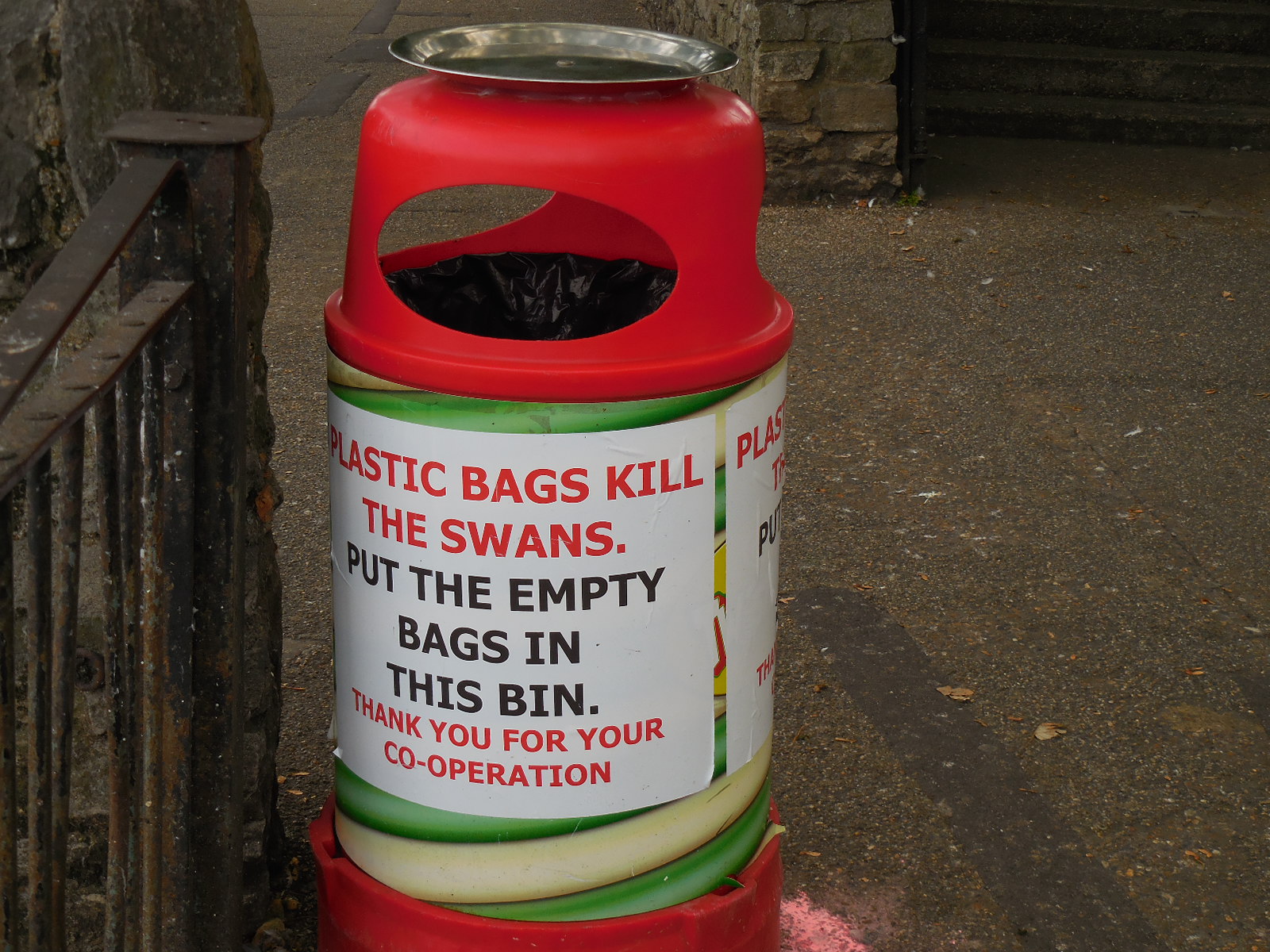
Excellent advice!

As the cruise begins, we pass the Eton Playing fields, upon which the Duke of Wellington said the Battle of Waterloo was won, although there is much debate as to the truth of this anecdote. 

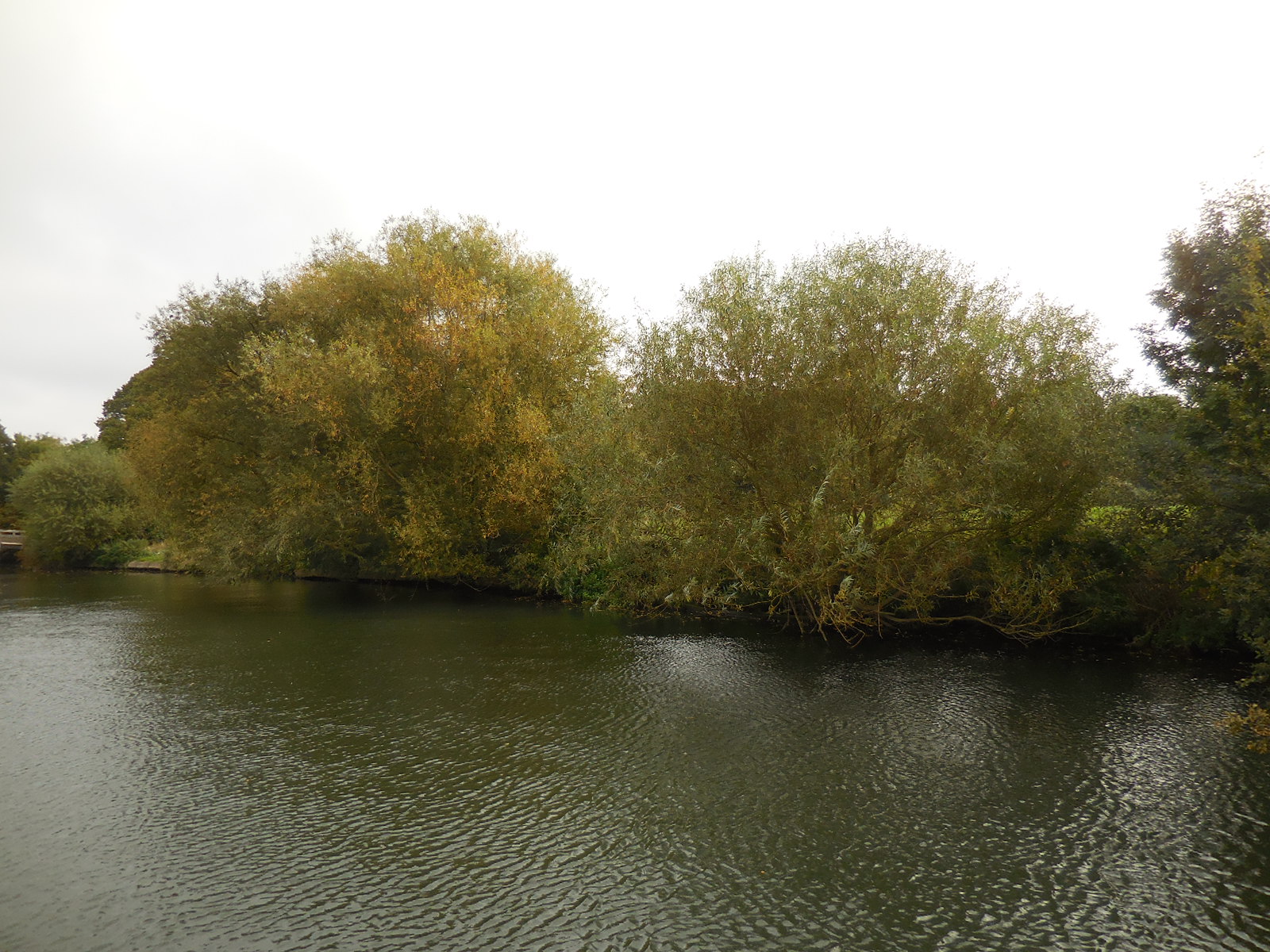
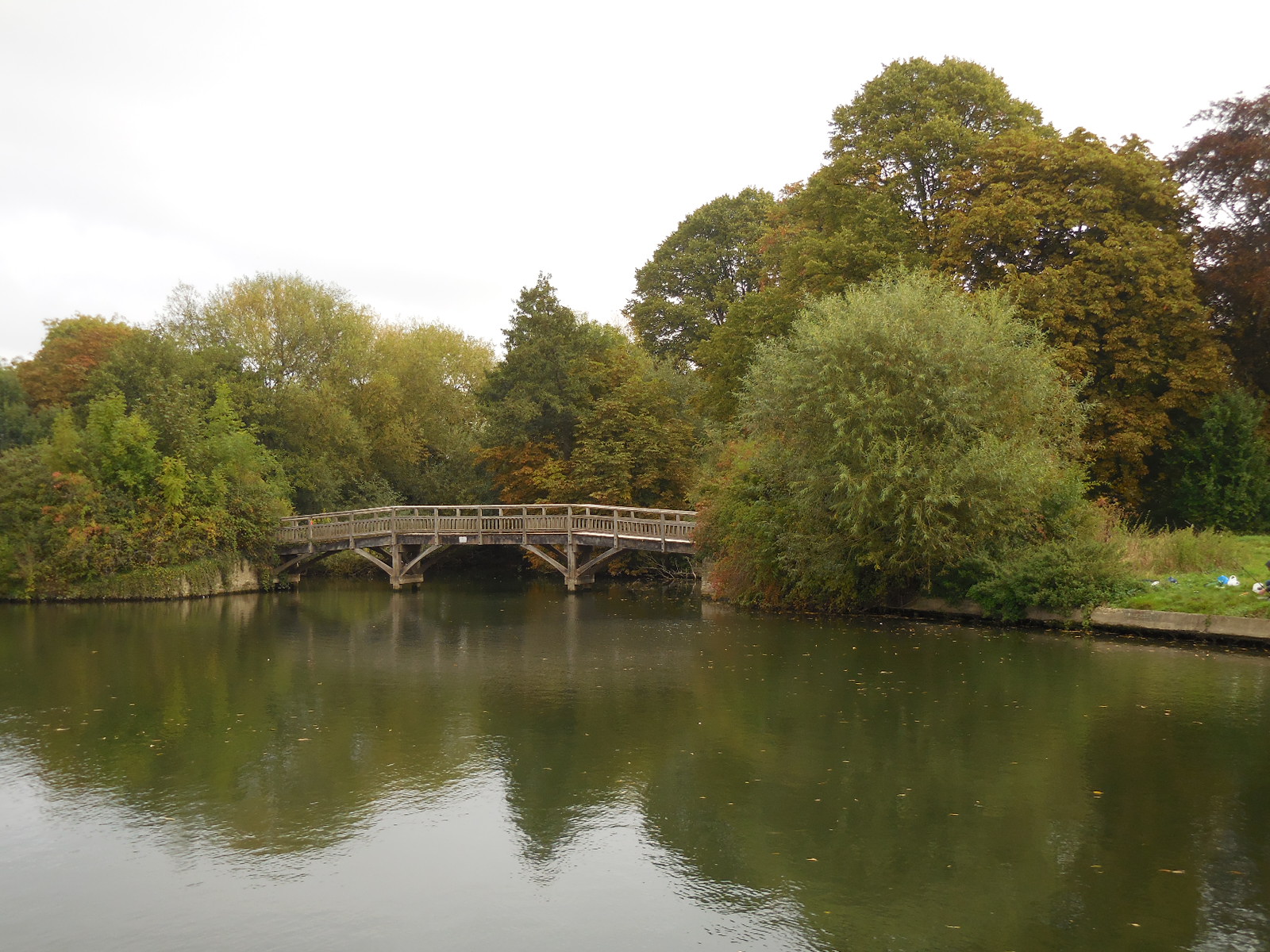
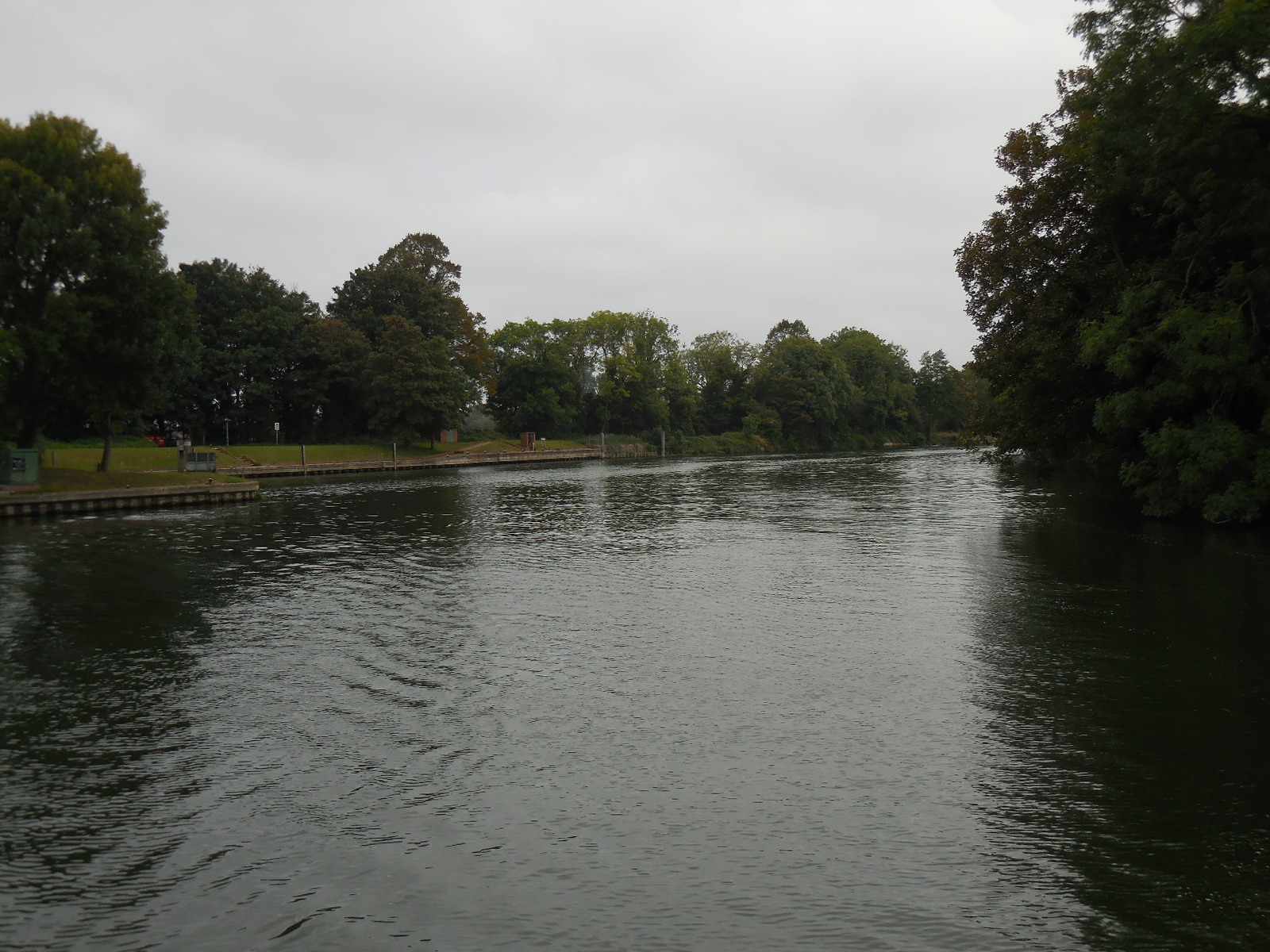
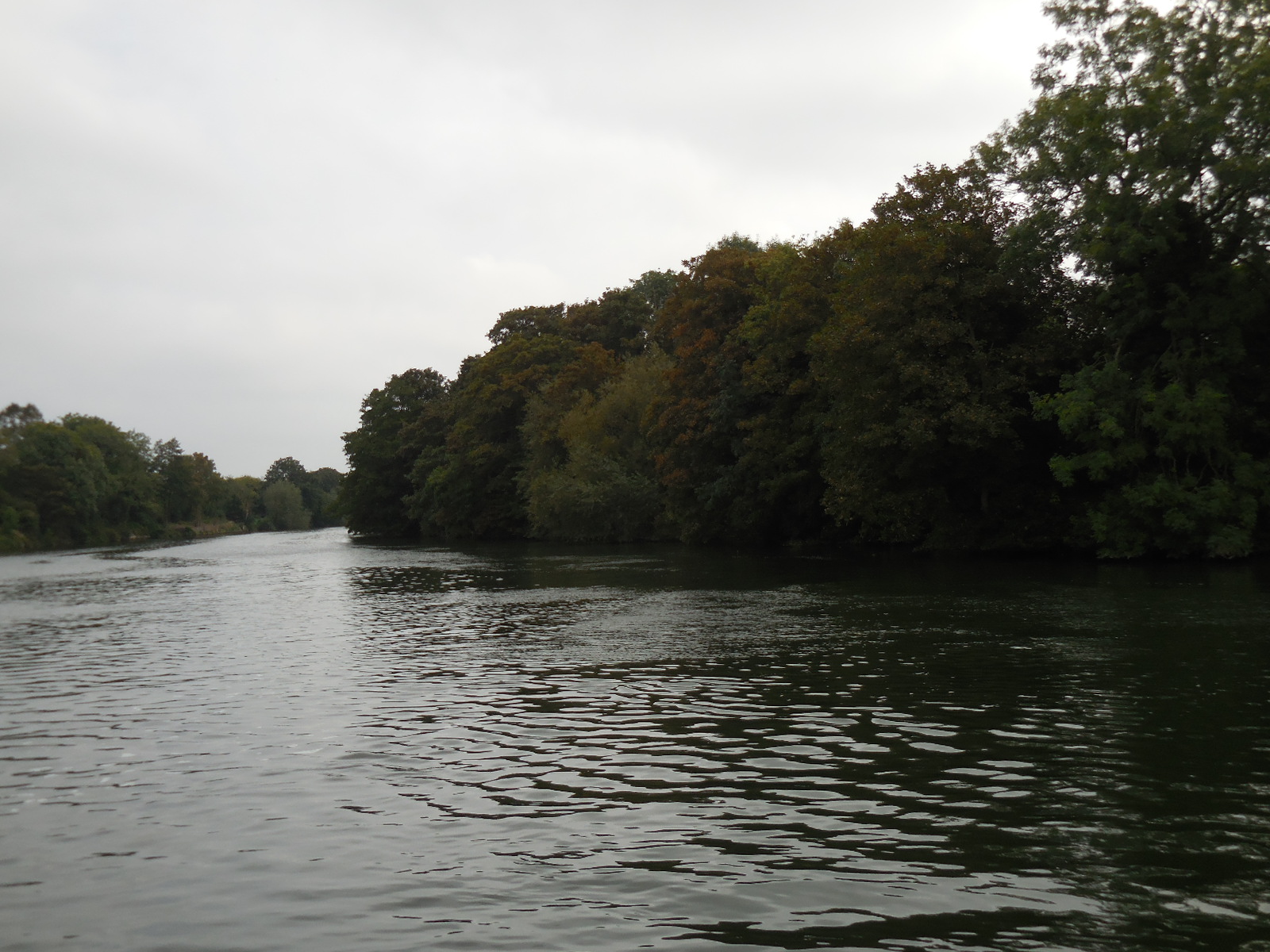
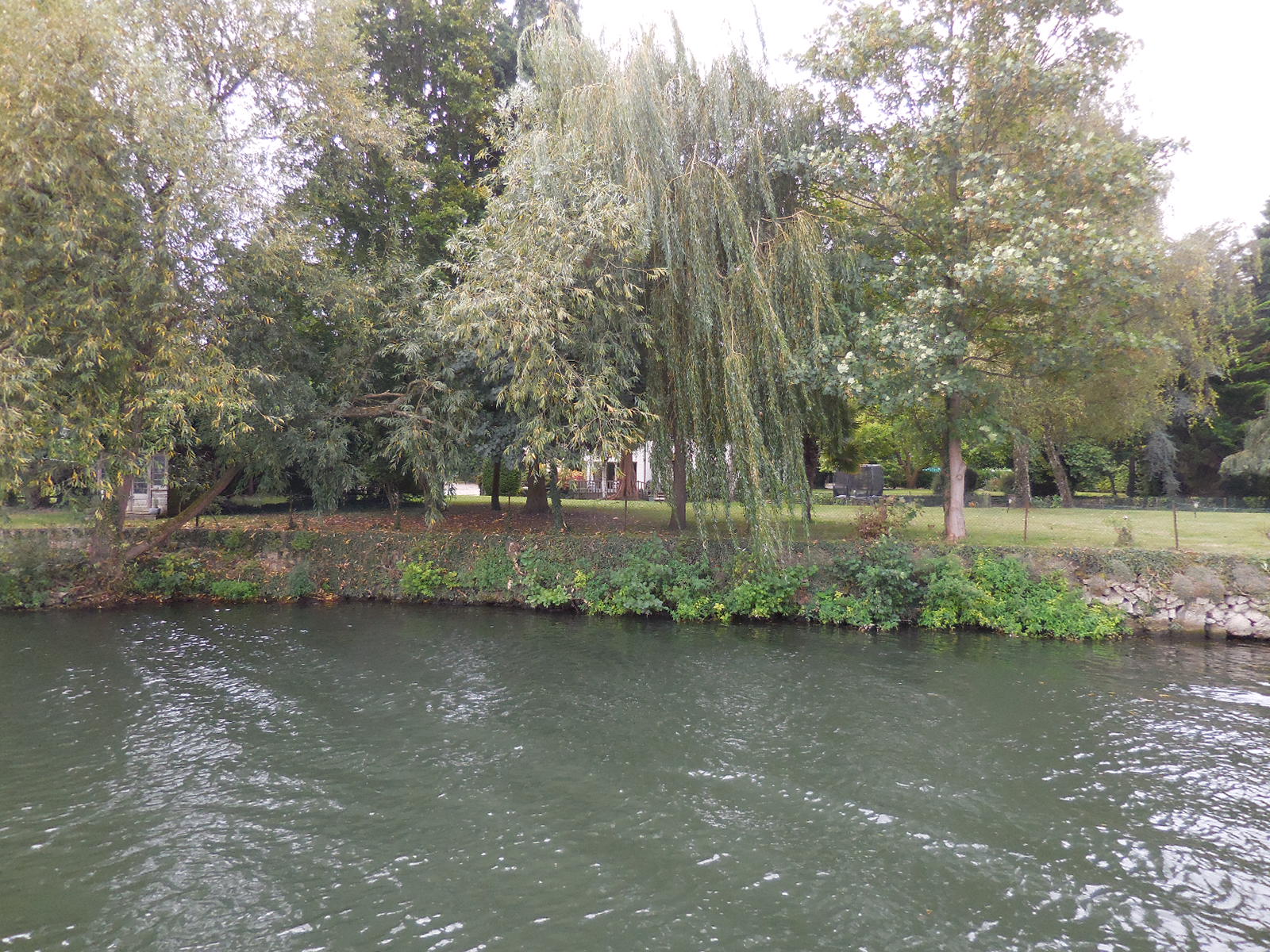
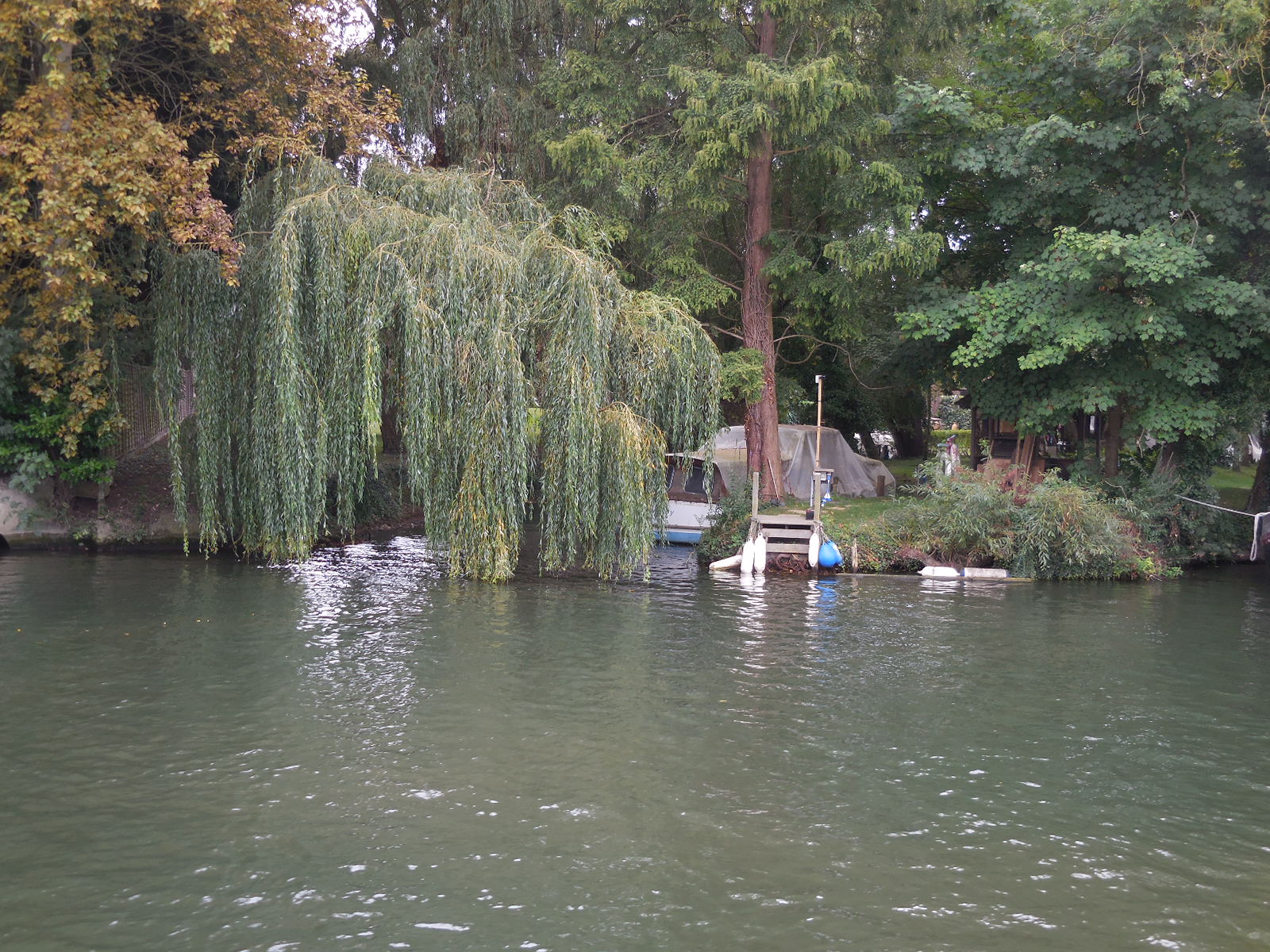
Bucolic scenes abound along this stretch of the Thames. 

Long Bridge, entry to the Cuckoo Weir Stream, home of a Swan Rescue Center,

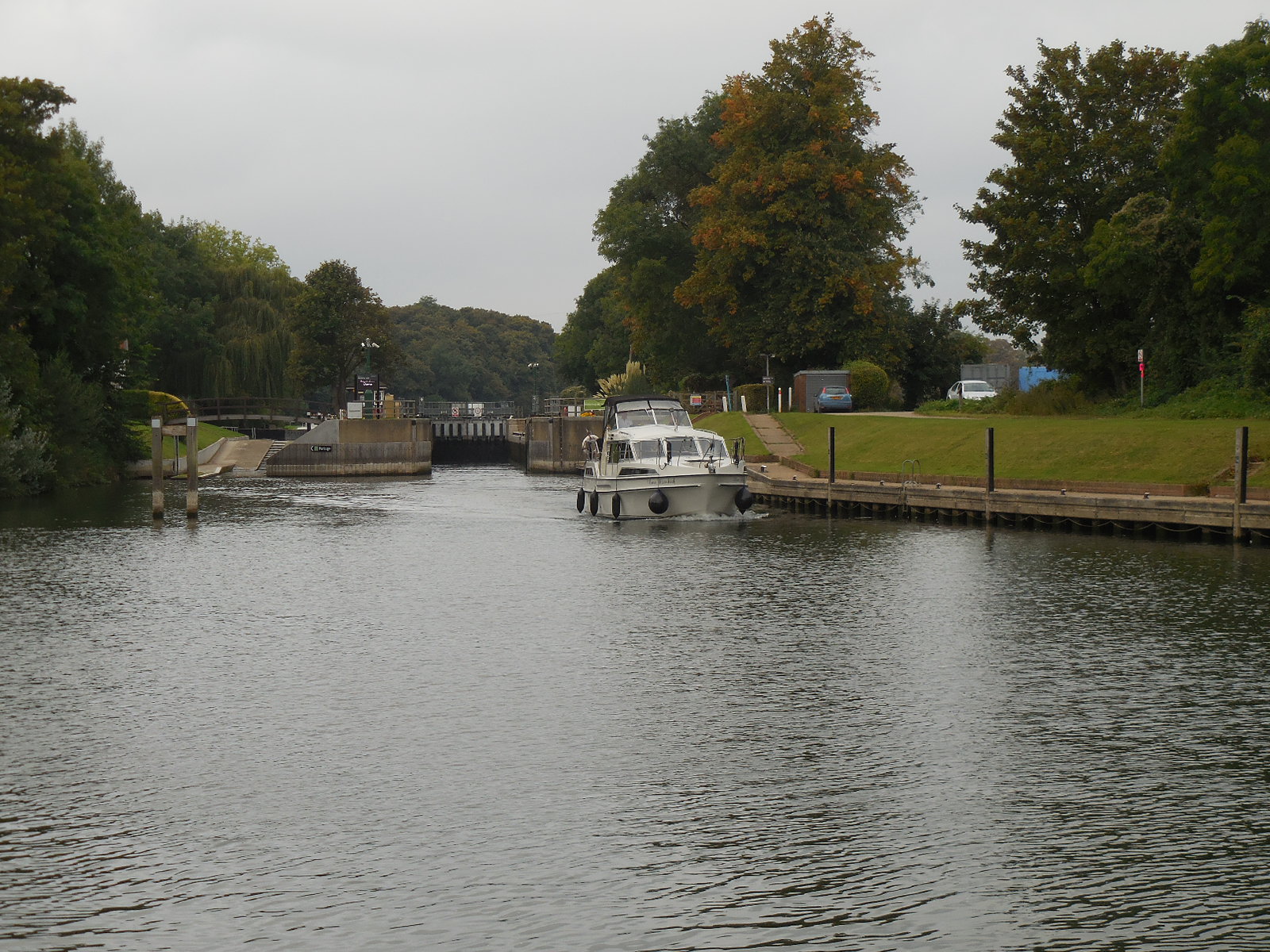
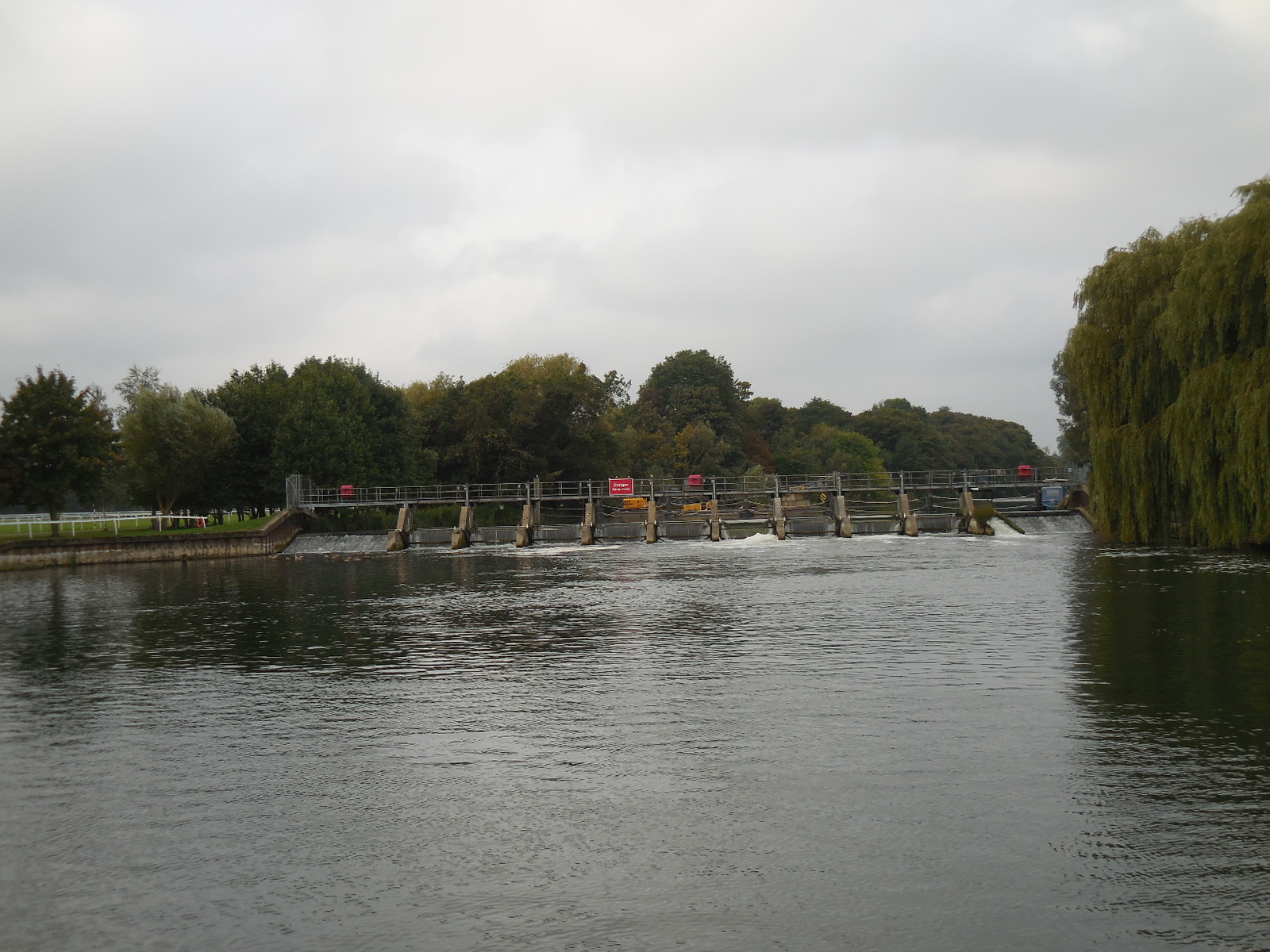
Above and below, the Boveney Lock, as far upstream as we cruised. 
It is one of 44 locks on the Thames.

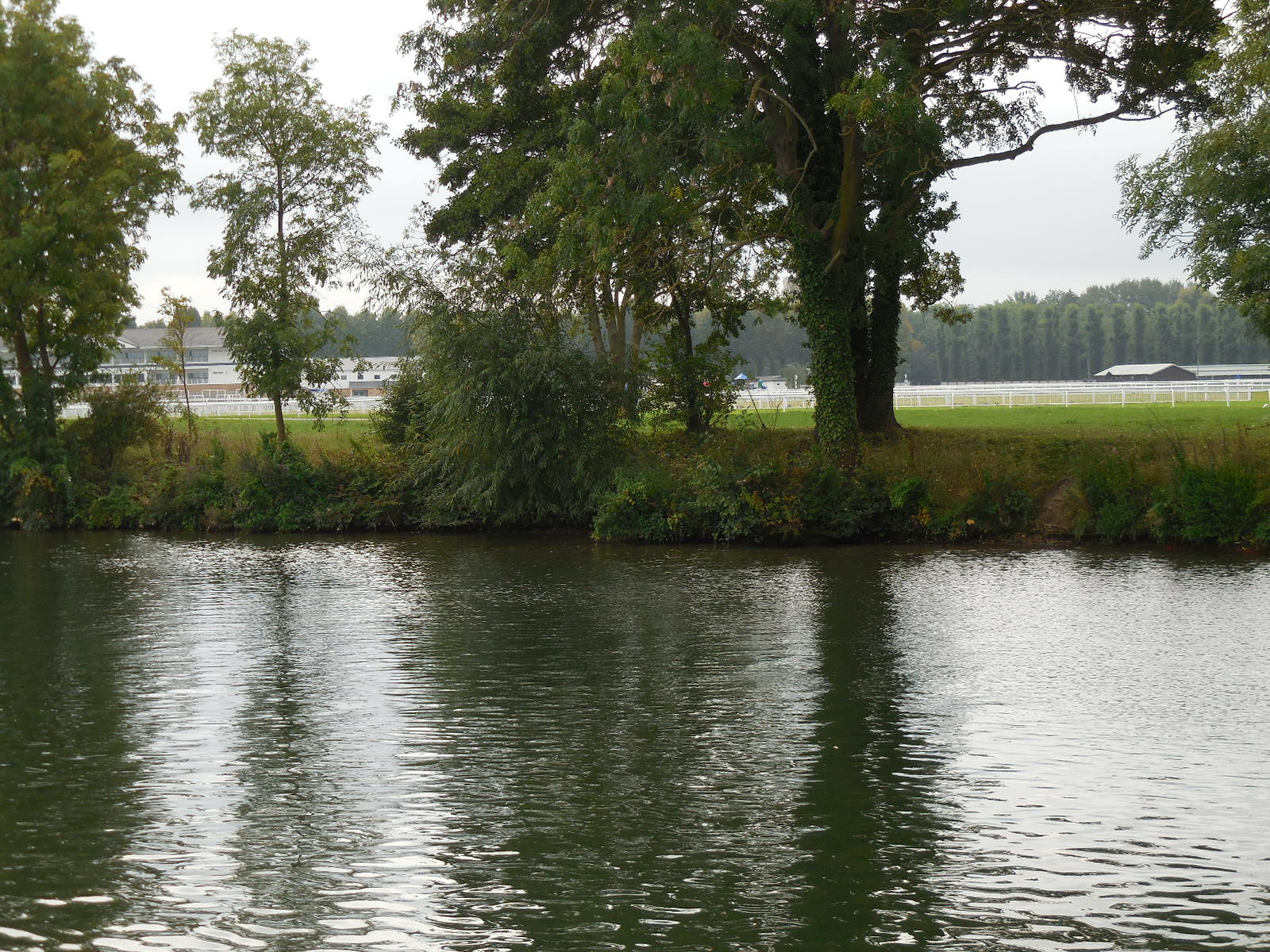
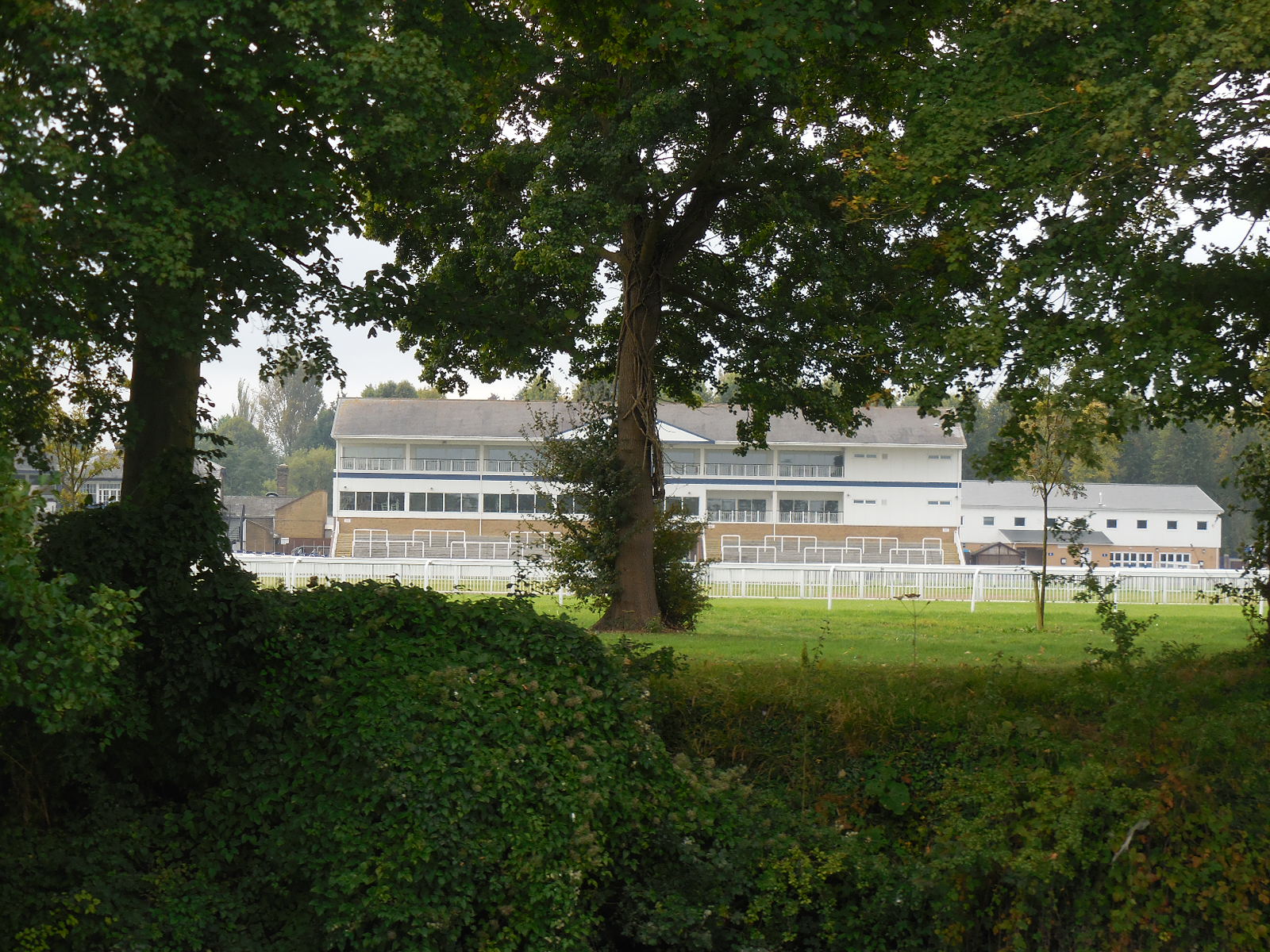
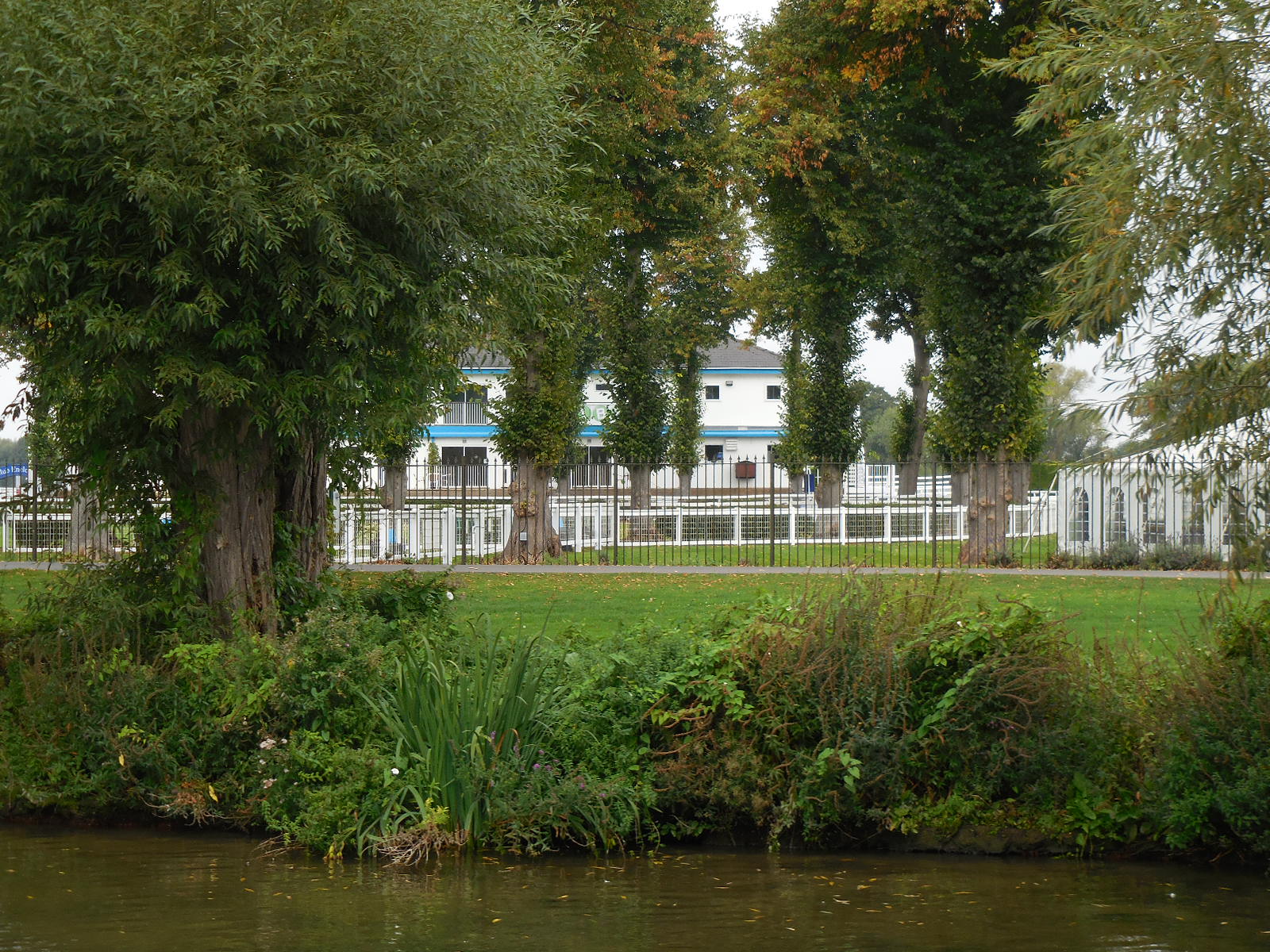
The Royal Windsor Racecourse above and below.

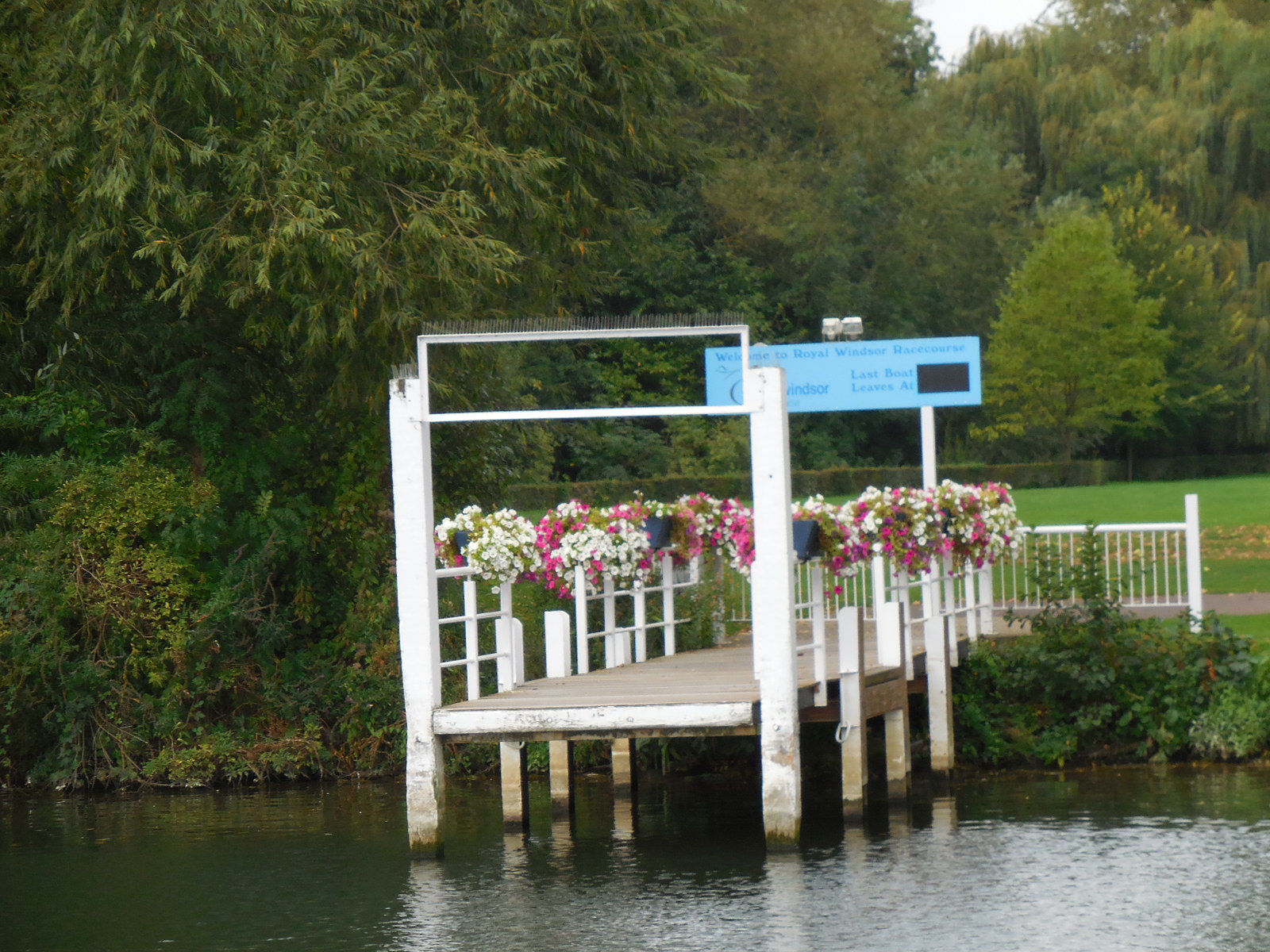
Below, the landing for race-goers arriving by boat.

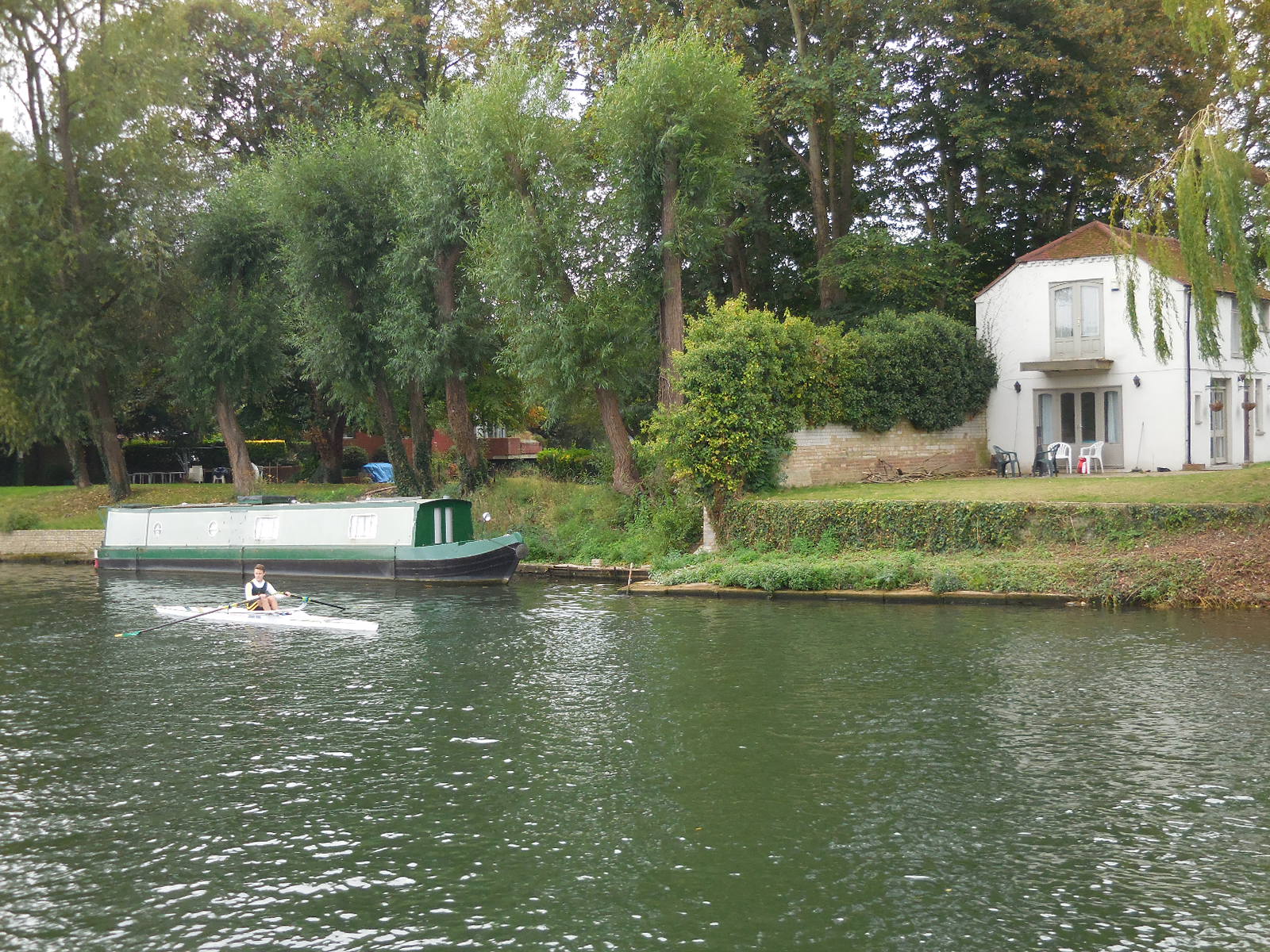
We were afforded occasional glimpses of lovely homes along the River.
Moored tour boat.

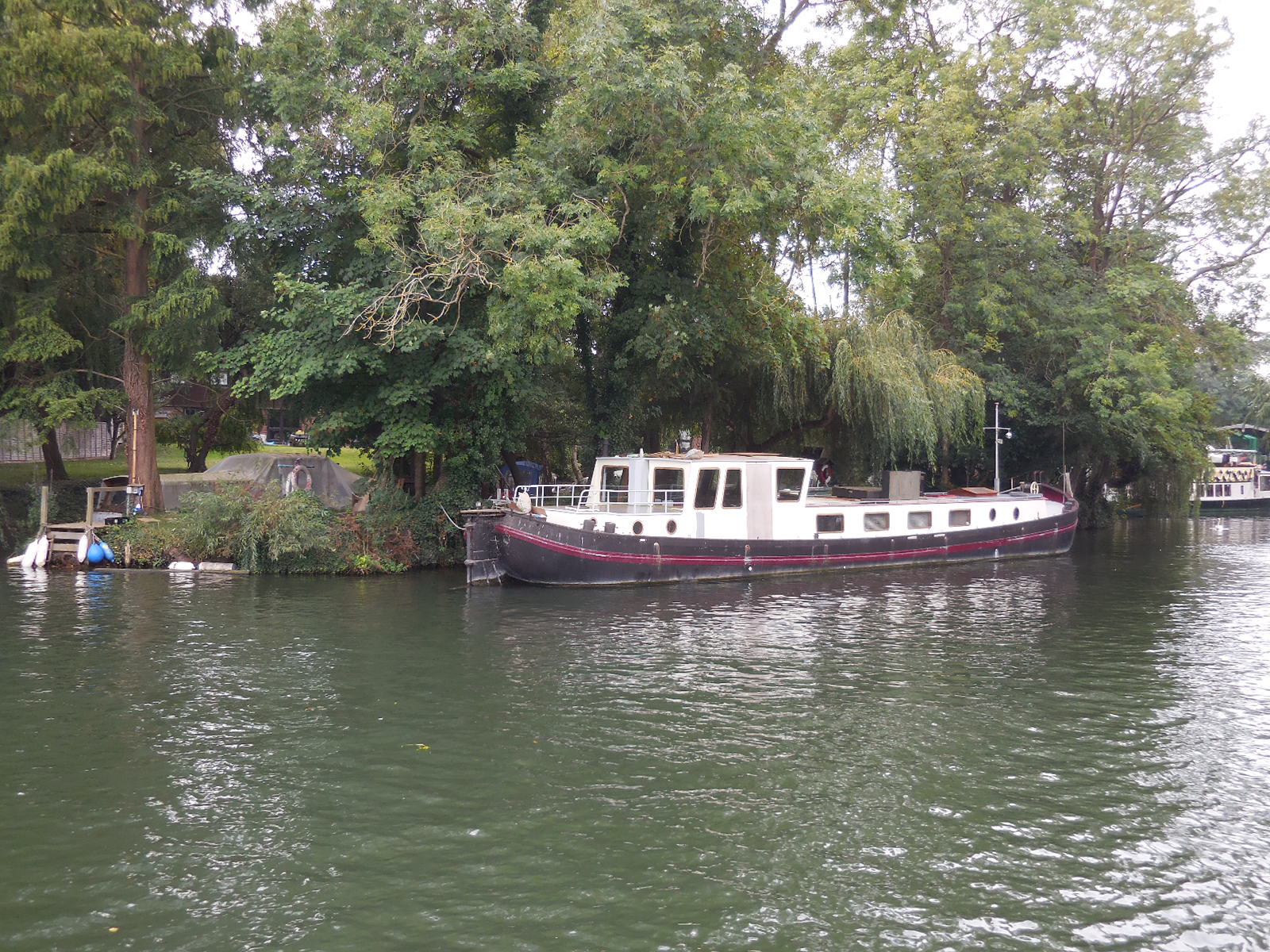
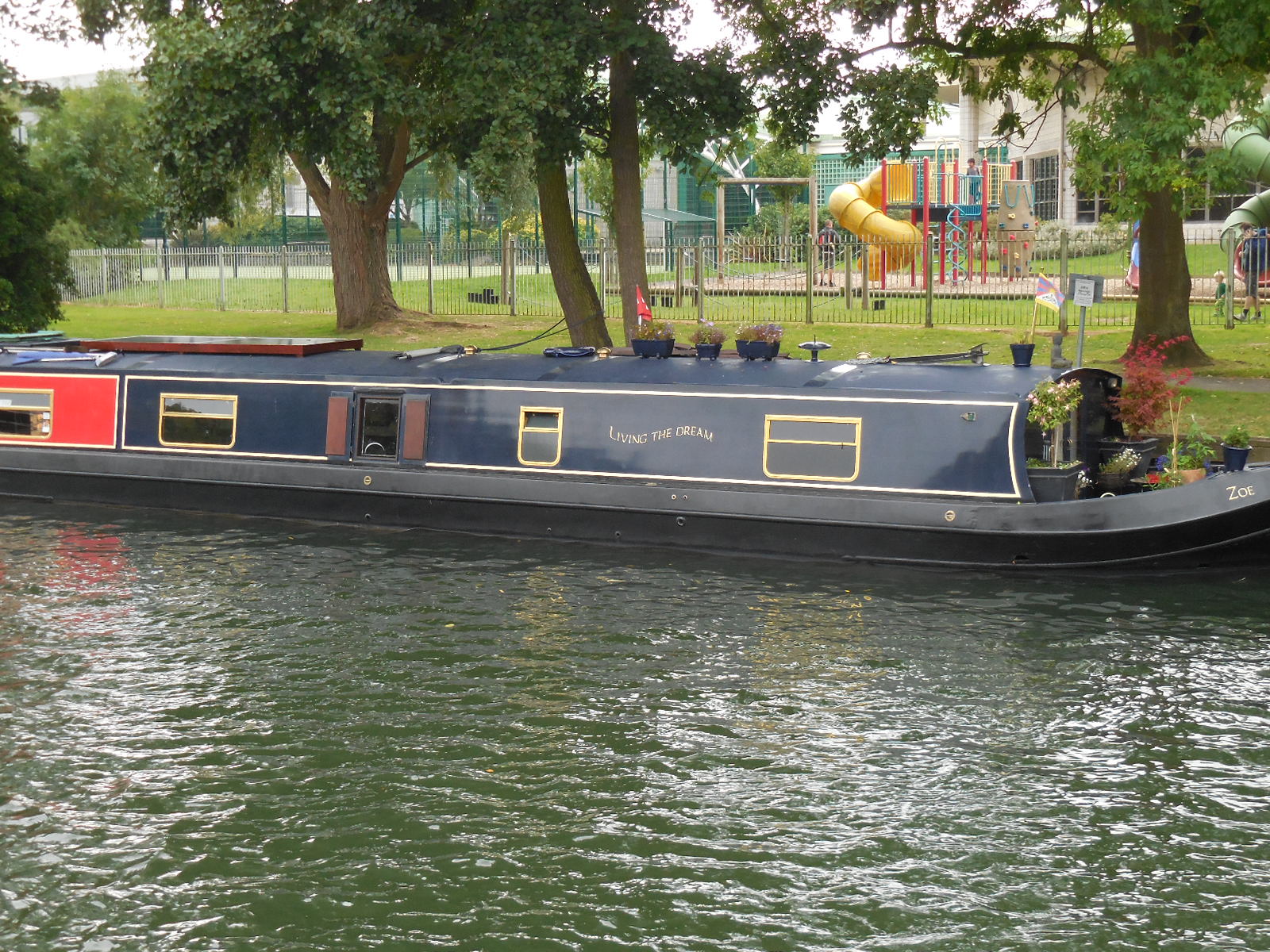
Canal Boats can also be found on the Thames.

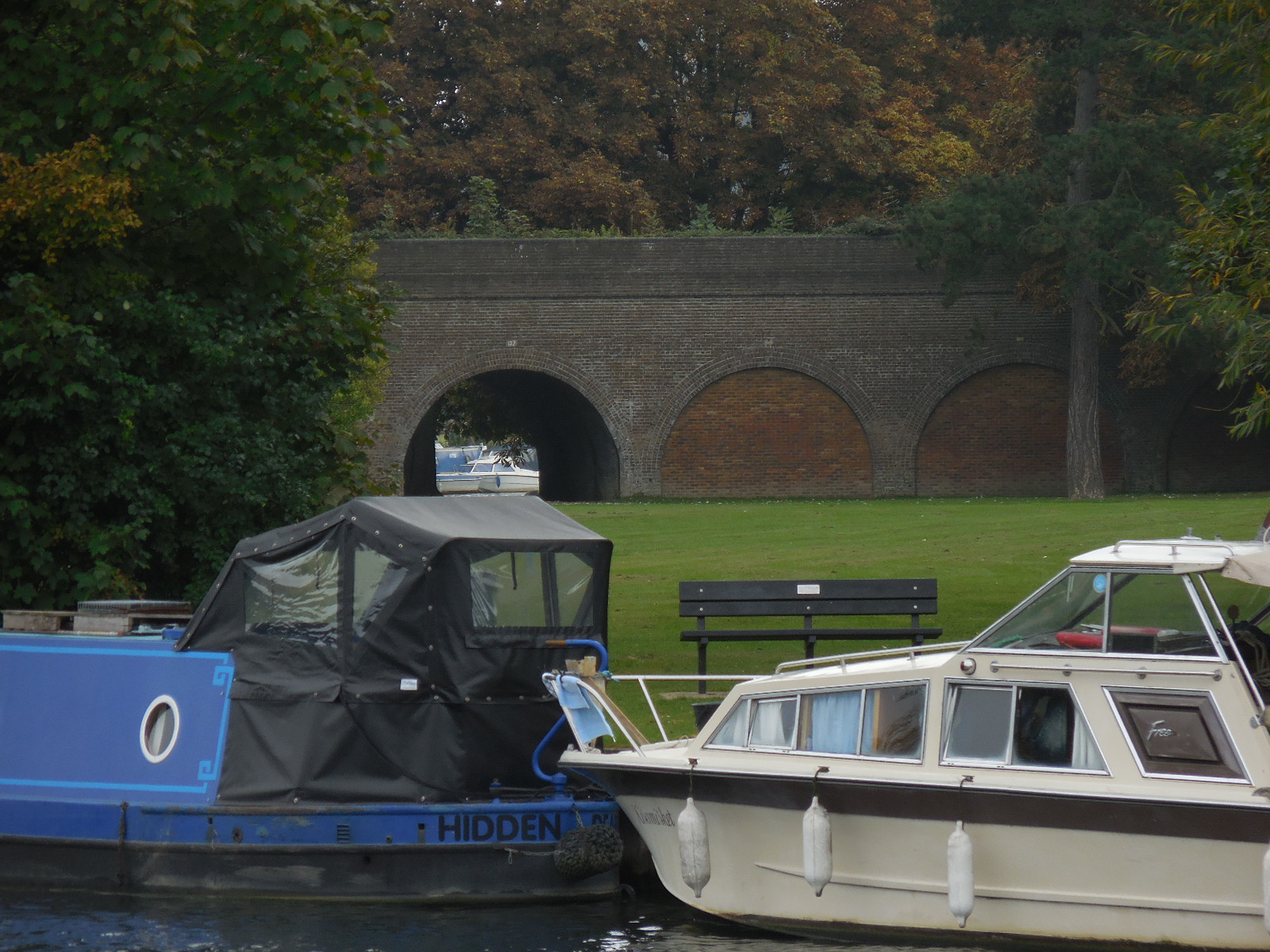
A glimpse of the railway viaduct that carries the railroad into Windsor.

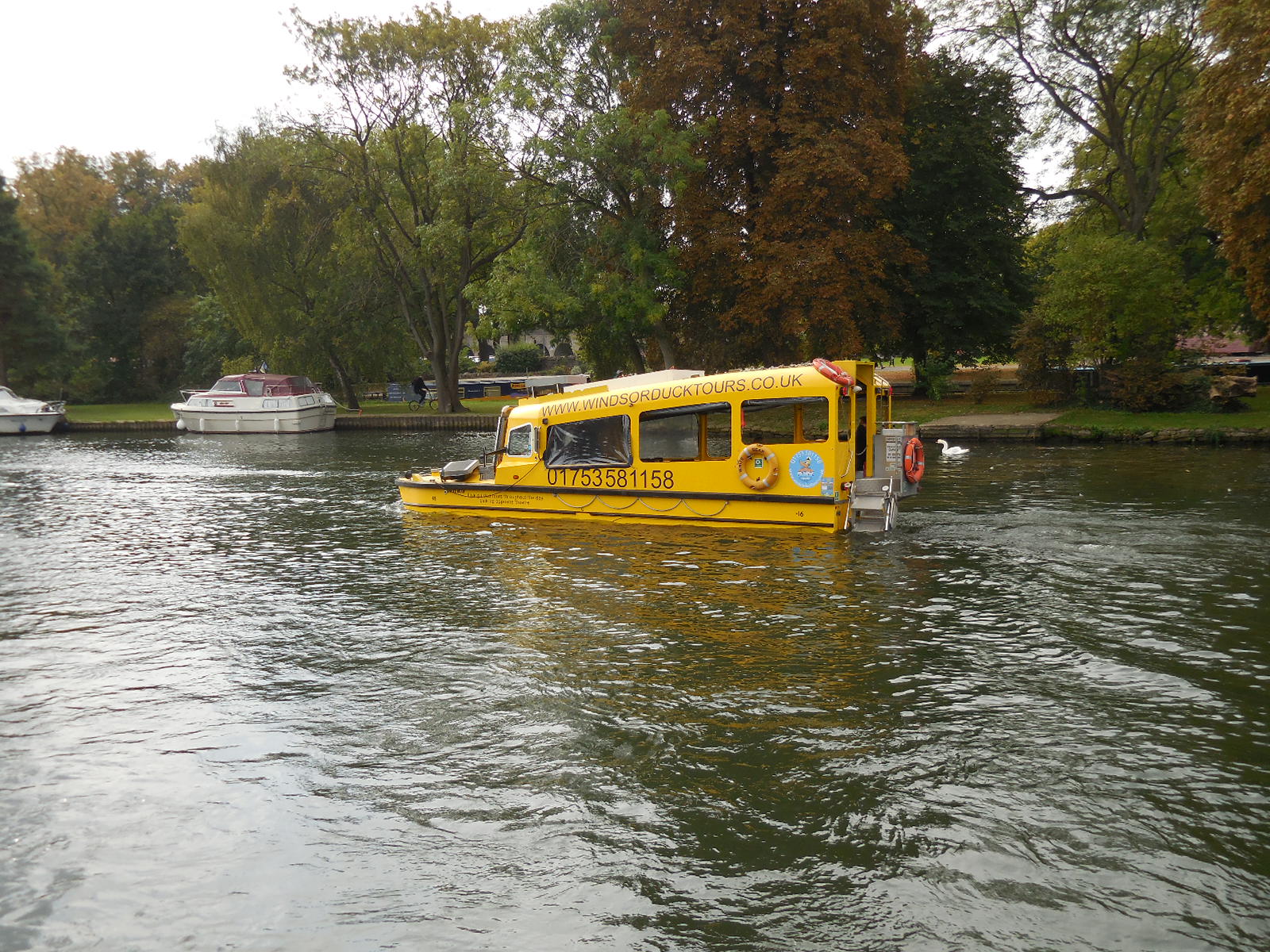
Interesting vessels…provided for the tourists?

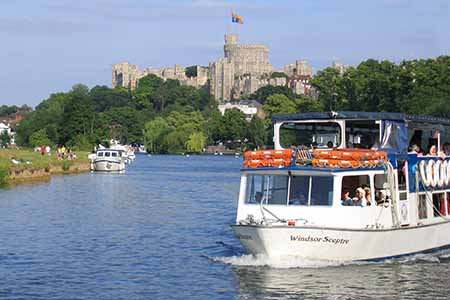
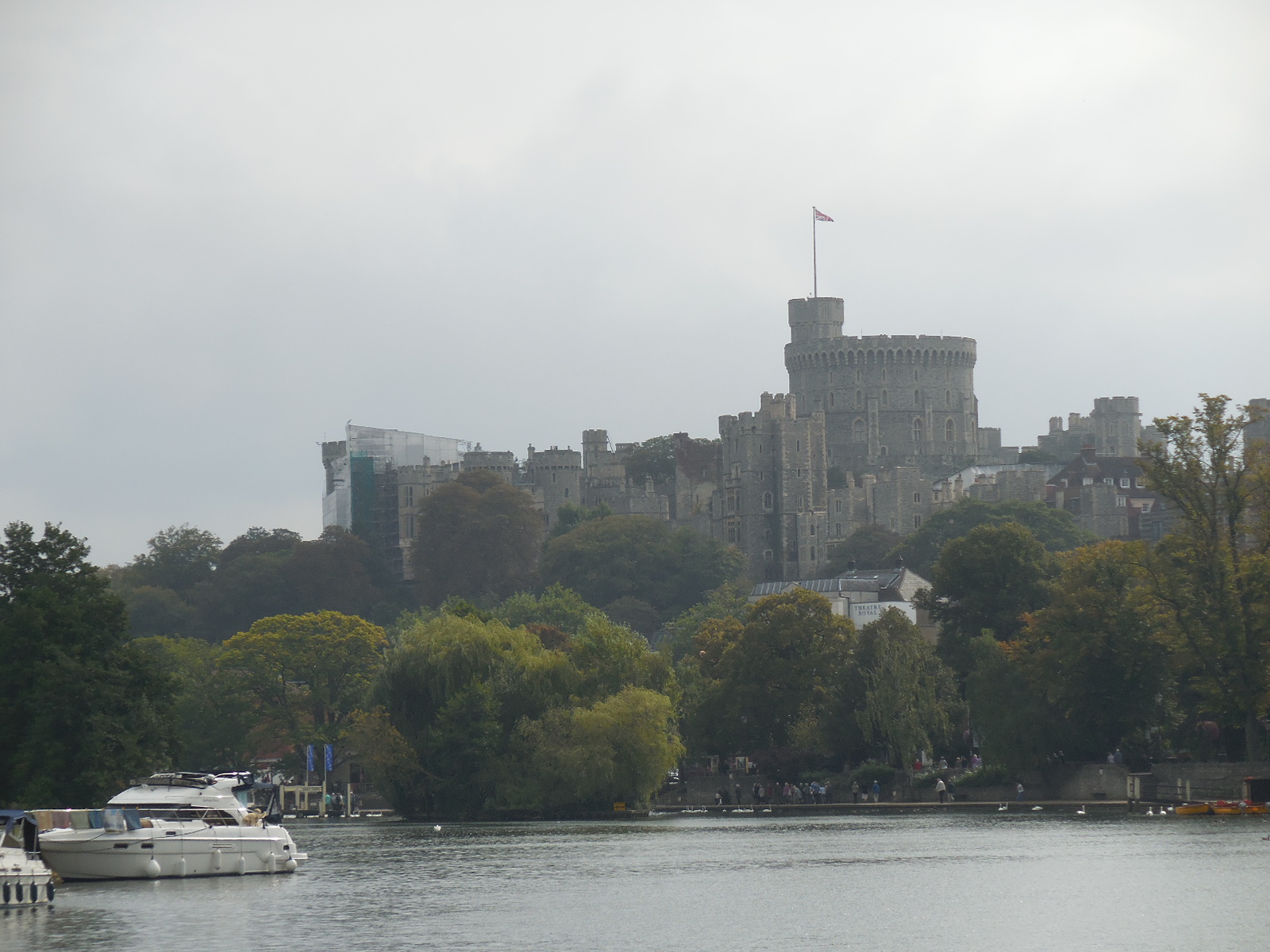
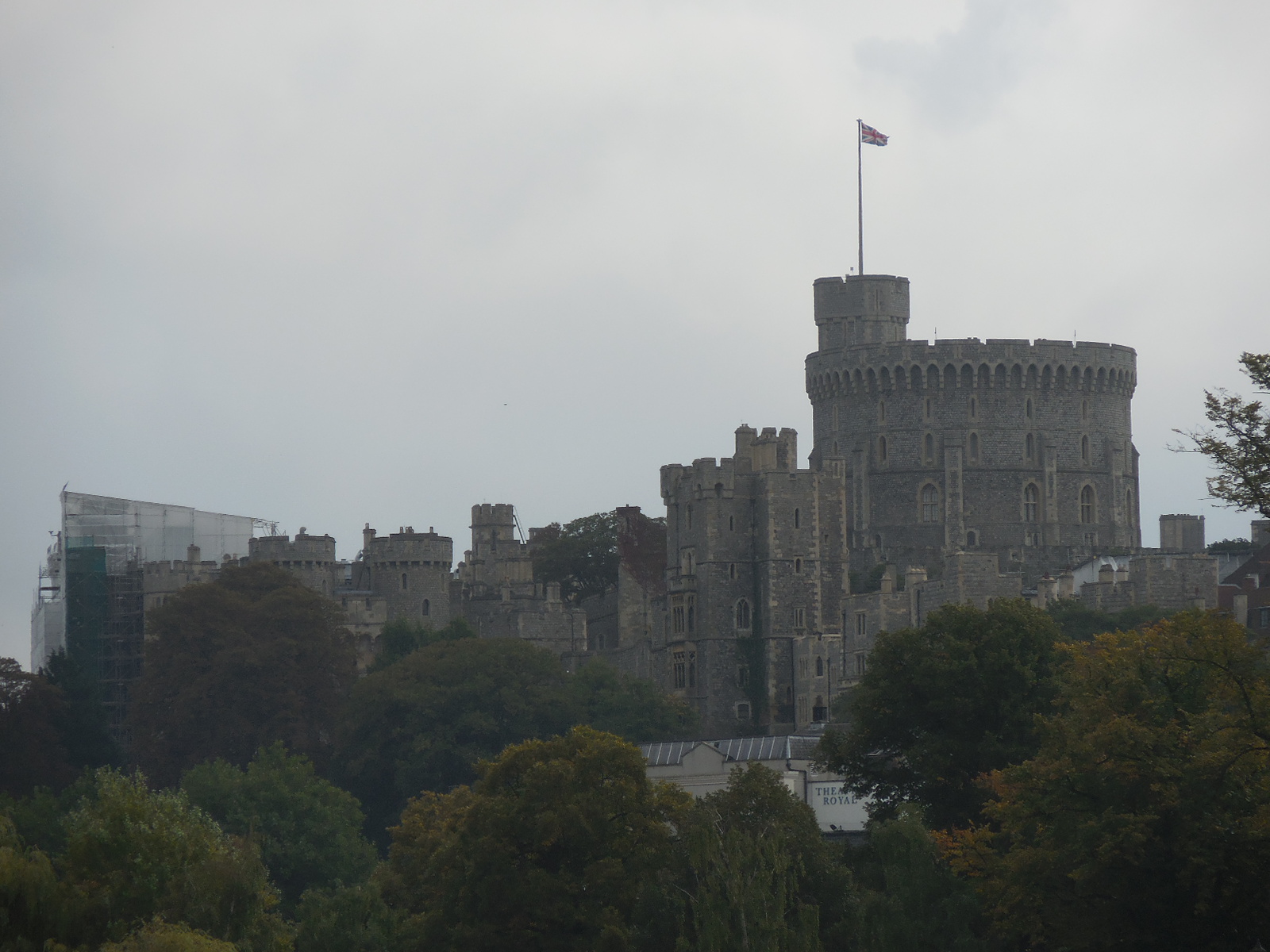
Views of the Castle from the River

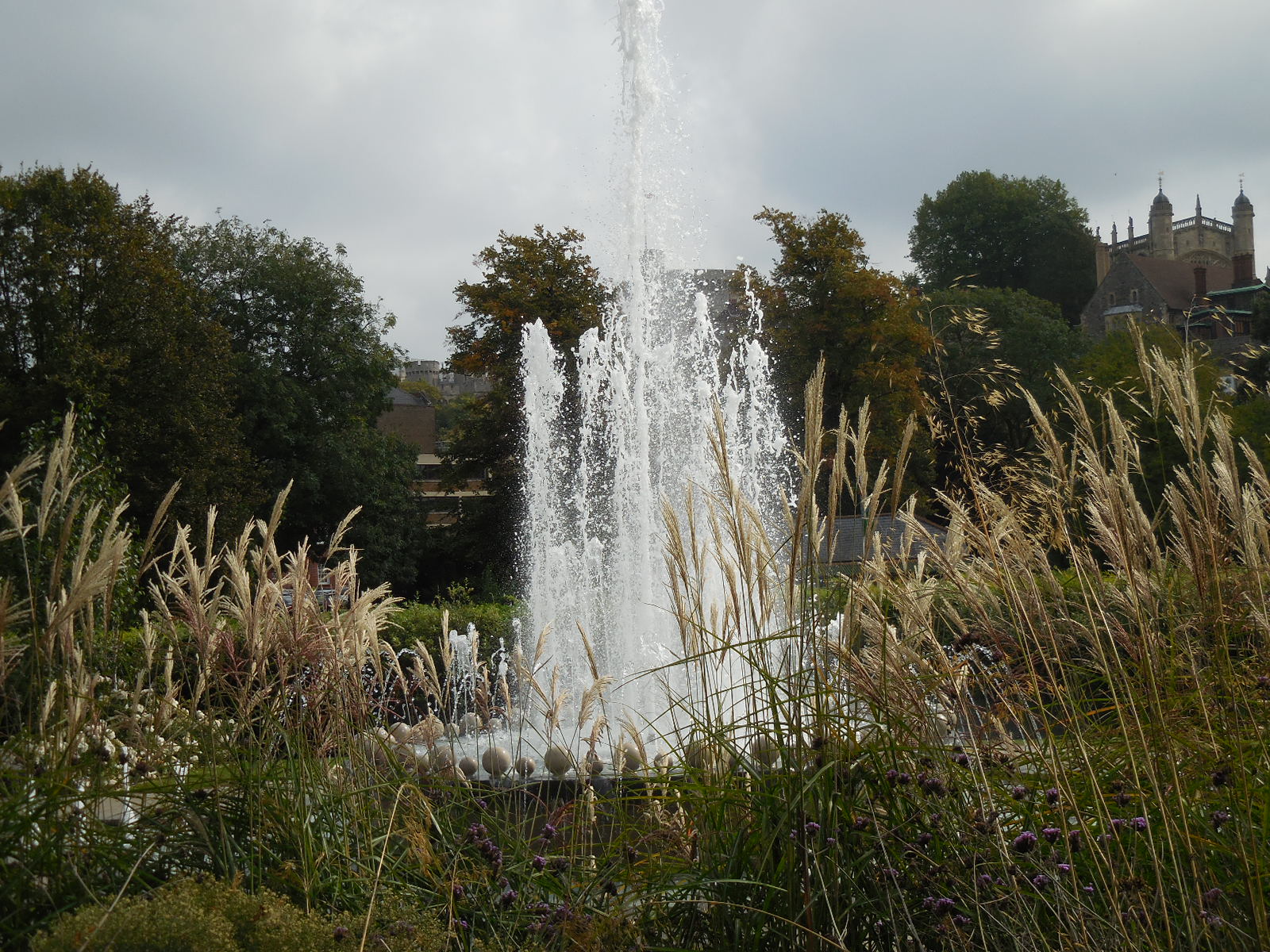
Near the Dock is Alexandra Gardens with the nearby Diamond Jubilee Fountain,
installed in 2012.

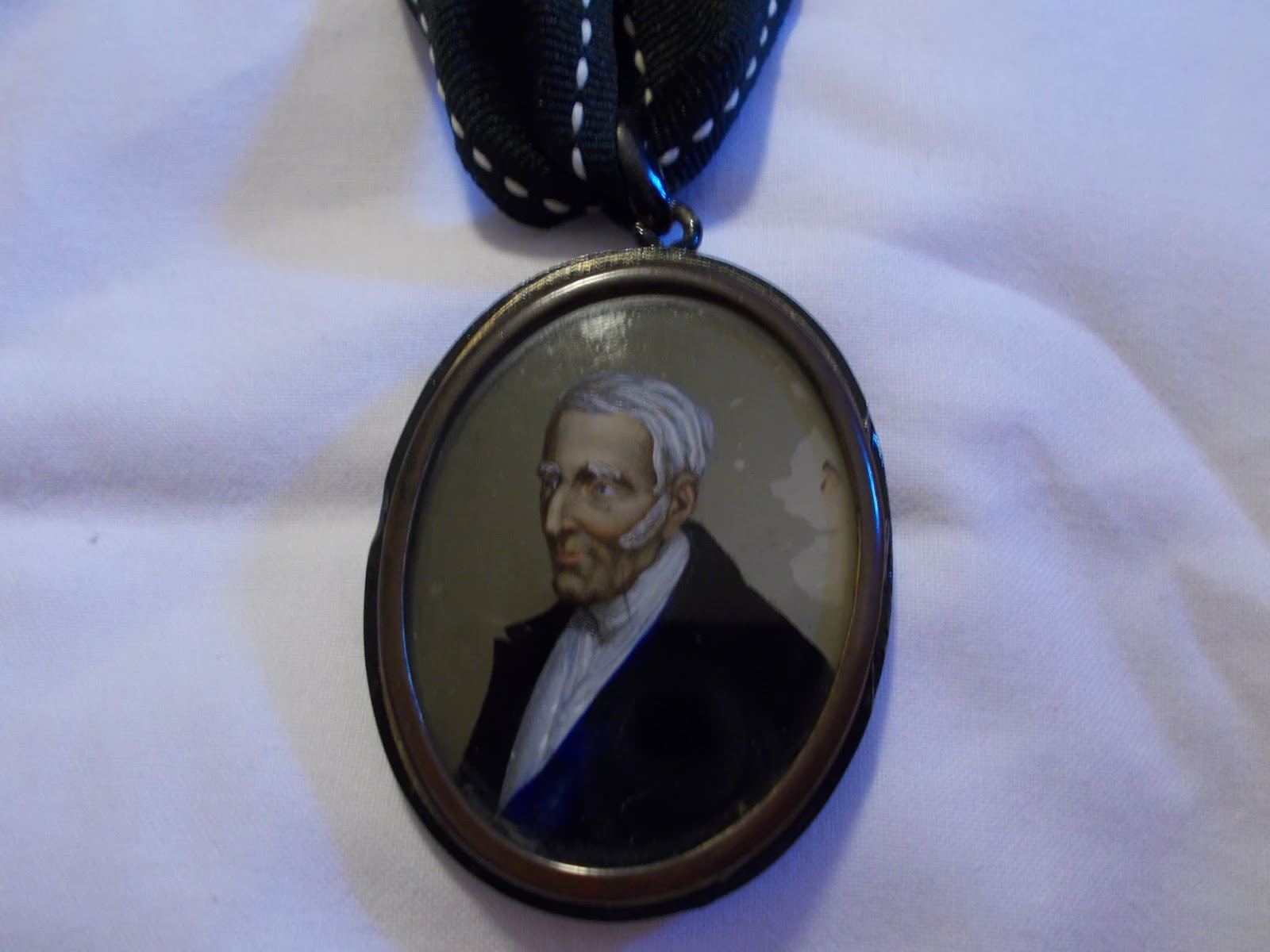
Our River cruise was a relaxing interlude, but the group had not forgotten our pledge to take them antiquing afterwards, so we made our way back to the shop, whose name we cannot, alas, recall, and in we all trooped. As is her usual modus operandi, Kristine asked the proprietor whether they had any Wellington items for sale and was disappointed when told they had not. No matter, we browsed at a leisurely pace, with each of our group seeking out treasures reflecting their own individual interests. Before long, our adorable Ki pointed out a particular display case, in which sat a miniature of none other than the Duke of Wellington. This case, it transpired, belonged to one of the many dealers who rented space in the shop and so the man on duty had not been aware of this miniature, which Kristine scooped up without further hesitation. Score!
Reader, a fabulous morning was had by all. Especially Kristine. Thank you, Ki Pha!

THEATRE REVIEW – MR. FOOTE'S OTHER LEG

by Guest Blogger Kitt Walsh

Photos: Courtesy of Ian Kelly

Playwright Ian Kelly based his new play, Mr. Foote’s Other Leg on his award-winning book of the same name and in the script he tackles celebrity, cross-dressing, the role of royalty, sexual freedom, obsessive gambling, breast cancer, adultery and aristocracy – and that is only in the first act.
The play centers on the (real) celebrity actor and playwright, Samuel Foote, who trod the very boards of the Royal Haymarket Theatre where I caught the performance during a recent trip to London.
Foote, a man who became tabloid fodder and a celebrity who would have put The Kardashians to shame (his life bumped the American Revolution off the front page of British newspapers in 1776), Foote is brought to uproarious life by the incomparable British actor, Simon Russell Beale. When I spoke to Beale backstage after the show, he confided he hasn’t performed on our shores in a decade and would like to return. Based on the enormity of his talent and his perfect comedic timing, don’t be surprised if he becomes a household name here in the States soon. Broadway must be calling him. He is a marvel to watch.
Donning women’s gowns, wigs, hats and fake breasts, Beale steals every scene he is in and that is no easy feat since he appears with Dervla Kirwan as the gaily promiscuous Irish actress, Peg Woffington; social climbing actor David Garrick (Joseph Millson); and even Ian Kelly, the playwright, taking a comic turn himself as King George III. These actors also share the spotlight with newcomer Micah Balfour as Francis Barber, a Jamaican manservant, and it is his part that helps introduce pathos and tragedy to the second act, where Foote descends into madness and ruin.


But before we get there, the audience is treated to many laugh-out-loud moments delivered in a fast-paced banter by the main characters, as well as supporting appearances by our own Benjamin Franklin and the theatre manager, Mrs. Garner (Jenny Galloway), who brings backstage to life as though we were there and has some of the play’s sassiest lines to help her do so.
Reviewers have called the play “ramshackle” and I agree that as it is hard to understand why certain themes run through the play (fetuses in formaldehyde, Franklin with his kite), while others (a leg amputation, an on-stage death, a royal warrant awarded the Haymarket theatre), advance the action past the sheer exuberance of the comedic lines into the black humor which overtakes the play near its conclusion.  I suggest employing the adage “take what you like and leave the rest” if you are in the audience for this play.
The Royal Haymarket Theatre is the perfect venue as many of these “based-on-a-true-story” moments happened right there (and the refurbished theatre is a visual delight with rich velvet curtains, damask wallpaper, crystal chandeliers and gold leaf paint adorning cornices and moldings) and, if the story itself evokes comparisons to Oscar Wilde’s infamous persecution, it is no accident. Wilde debuted several of his own plays at the Royal Haymarket and it seems inevitable that Foote might face the same fate as the Irish playwright. How odd it is that what is referred to as being “gay” and inspires pride parades in these times was called “deviant” and summoned prison chains and ignominy in the 18th century. But there is no hiding from history and how Foote’s own story plays out is hinted at in the script (and fully described in the book). Because of Beale’s performance, you will care (come prepared with hankies.)
The play is by turns hilarious, empathetic, tragic, absurd and luminous. Kelly, writer of acclaimed biographies of Beau Brummell and Casanova, captured Georgian London and its celebrity-obsessed society perfectly and provided just the right words to serve as pearls issuing forth from Foote’s often petulant mouth as he changes moods as often as his dresses. He hisses obscenities, bitches at his fellow actors, hatches absurd schemes (Othello as a musical comedy) and generally wobbles his way through a very uneven life (the imbalance of which can’t be wholly blamed on losing one of his legs in a bet.)

The play runs through January 23, 2015 at the Royal Haymarket (book tickets here) and Kelly has his fingers crossed that the play will open elsewhere after that (“There are rumors,” he says). Catch it while you can at the Royal Haymarket though, as the play-within-a-play feeling will be heightened by the venue. Order drinks to be served in the gilt and crystal bar between acts and eavesdrop on a little current London gossip while you sip your gin and tonic. Foote would have approved.


THE DUKE OF WELLINGTON TOUR: THE WATERLOO CHAMBER AT WINDSOR CASTLE

To commemorate the victory of the British, Austrian, Prussian, Russian forces and their allies over Napoleon, George IV envisioned a splendid banquet hall. The large hall replaced several rooms in the castle and includes many limewood carvings by Grinling Gibbons and his assistants in the 1680’s,salvaged from a former chapel. Most of the paintings were executed by Sir Thomas Lawrence, (1769-1830) as commissioned for the Room in Windsor Castle designed by Sir Jeffry Wyatville and completed in the reign of William IV. Unless otherwise indicated, all paintings done by Lawrence or his studio.


Watercolour by  Joseph Nash of the Waterloo Chamber, 1844
Royal Collection Trust/© Her Majesty Queen Elizabeth II 2014

North Wall, Upper Level

Louis-Antoine, Duke of Angouleme, 1825

Frederick William, Duke of Brunswick, 1848 by William Corden

Prince Leopold of Saxe Coburg, later King of the Belgians, 1821
North Wall, Lower Level
Adolphus, Duke of Cambridge, 1818


Robert Banks Jenkinson, 2nd Earl of Liverpool, c. 1820
William IV, 1832, by Sir David Wilkie

George III, 1820
This portrait is a copy Lawrence and his studio made based on his painting of George III commissioned by the MPs of the City of Coventry in 1792.

George IV c. 1820

Robert Stewart, Viscount Castlereagh, c. 1817

Frederick Duke of York, 1816

East Wall, Upper Level

General Sir James Kempt, 1835 by Robert McInnes

Matvei Ivanovich, Count Platov, 1814

Arthur Wellesley, 1st Duke of Wellington 1814-15


Field Marshal Gebhardt von Blucher, 1814


Sir William Congreve, c. 1805-10 by James Lonsdale

East Wall, Lower Level

Charles William, Baron von Humboldt, 1828


George Canning, c. 1830


Henry, 3rd Earl Bathurst, c. 1820


Ernest Frederick, Count Munster, 1820

South Wall, Upper Level

Henry Paget, 2nd Earl of  Uxbridge and 1st Marquess of Anglesey, 1836 by Sir Martin Archer Shee

Alexander Ivanovitch Prince Chernichev, 1818


William II, King of the Netherlands, when Prince of Orange, 1846 by Nicaise de Keyser

South Wall, Lower Level

Ercole, Cardinal Consalvi, 1819

Charles Augustus, Prince Hardenberg, 1818
Tsar Alexander I, 1814-18
Emperor Francis I of Austria, 1818-19 

Frederick William of Prussia, 1814-18

Charles Robert, Count Nesselrode, 1818


Pope Pius VII, 1819

West Wall, Upper Level

General Viscount Hill, c. 1820 by Henry William Pickersgill
Charles X of France, 1825


Charles Philip, Prince Schwartzenberg, 1819

Charles, Archduke of Austria, 1819


Sir Thomas Picton, 1836 by Sir Martin Archer Shee

West Wall, Lower Level

John, Count Capo D’Istria 1818-19
Clemens Lothar Wenzel, Prince Metternich, 1819

Armand Emmanuel, Duke of Richlelieu, 1818

General Theodore Petrovich Uvarov, 1818
Views of the Waterloo Chamber, above and below

Waterloo Chamber, as concert venue


For a virtual tour of the Waterloo Chamber, click here.