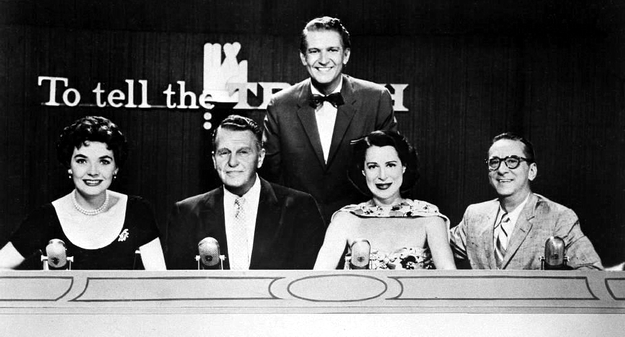
Well, do you? Test your skill at guessing which of these men was really
the 13th Duke of Bedford on a 1958 episode of To Tell The Truth.
Well, do you? Test your skill at guessing which of these men was really
the 13th Duke of Bedford on a 1958 episode of To Tell The Truth.
BY LOUISA CORNELL
I know of few horse-mad little girls who have not read Marguerite Henry’s King of the Wind, which won the Newbery Medal as the “most distinguished contribution to American literature for children” in 1948. I still have my much-loved hardbound copy. I daresay not many of those little girls realized Henry’s book was a fictionalized biography of perhaps the greatest foundation sire in the history of Thoroughbred racing. King of the Wind took a great deal of its material from the legends and folklore which surrounded the stallion, sometimes known as Sham or Shamim. The real story of his arrival in England is in all likelihood a little less dramatic.
So far as we know, the horse who would become the Godolphin Arabian was foaled in 1724 in Yemen. As a young colt he was sent by way of Syria to the stud of the Bey of Tunis. It is believed the colt, along with a few others, was sent as tribute to Louis XV in 1728. Due to the long sea voyage the horses did not appear at their best, and the king was not impressed. In spite of that, it is doubtful Sham was used as a cook’s carthorse, no matter what the legends might say.
We do know the horse was imported from France to England in 1729 by Edward Coke, a gentleman with connections at court, including the Duke of Lorraine (later Francis I of Germany.) It is thought Coke acquired Sham by way of the French court, perhaps from the Duke of Lorraine himself. Coke stood the young stallion at stud at his newly purchased Longford Hall in Derbyshire.
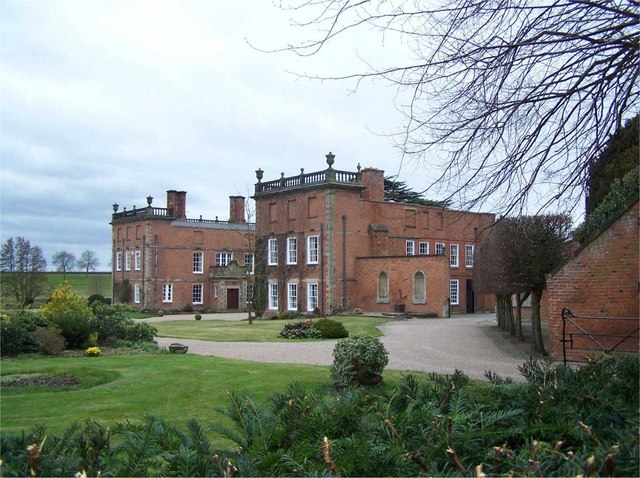
One of Sham’s first offspring was out of Coke’s mare, Roxanna. This colt, Lath, foaled in 1731 was said to be a beautiful and elegant horse. He was sold to the Duke of Devonshire. Lath was considered the fastest racehorse of his day, faster than Flying Childers had been. He won the Queen’s Plate nine times out of nine at Newmarket. He was not as successful at stud, but his daughters went on to become important dams in the history of British racing. If you have read the other posts in this series you will know the duke had a taste for well-bred horses. In spite of his many flaws, you have to admire a man for that. Or perhaps only those of us who love Thoroughbreds do.
Unfortunately, Edward Coke died a young man, only 32 years of age, in 1733. He left his mares and foals to his friend, Francis, the 2nd Earl of Godolphin. He left his stallions – Sham, Whitefoot, and Hobgoblin – to one Roger Williams. However, in 1733 the Earl of Godolphin bought Sham from Mr. Williams and thus the horse became known as the Godolphin Arabian.
Descriptions of the Godolphin vary. The first recorded was that of the Vicomte de Manty who upon seeing Sham on the colt’s arrival in France described him as “beautifully-made although half starved, with a headstrong temperament that made him unloved among the barn staff.” He was an Arabian. What did they expect?
William Osmer, veterinarian and one of the men who knew the Godolphin best said:
“Whoever has seen him must remember that his shoulders were deeper and lay farther into his back than any horse yet seen; behind his shoulders there was but a small space; before the muscles of his loin rose excessively high, broad, and expanded, which were inserted into his quarters with greater strength and power than any horse ever yet seen of his dimensions. It is not to be wondered at that the excellence of this horse’s shape was not in early times manifest to some men, considering the plainness of his head and ears, the position of his fore-legs, and his stunted growth, occasioned by want of food in the country where he was bred.”
The reference to his stunted growth referred to his relatively short stature. Reports have him standing somewhere between 14’2 and 15 hands high. There is an early portrait of him in Lord Cholmondeley’s collection at Houghton. It is said to be a glamorized image, whilst Stubbs’s portrait is said to be an accurate depiction of a horse thought not particularly handsome by the standards of the day.
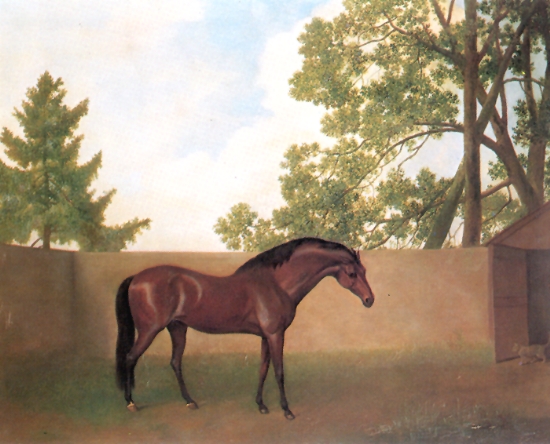
The Godolphin Arabian was Britain’s Champion Sire in 1738, 1745, and 1747. His most well-known colts were Lath, Blank, Cade, and Regulus – all outstanding racers. The latter three became champion sires in their own right. He also sired two important fillies – Matchless and Selima, who went on to become the dams of some of racing’s most important lines. The major Thoroughbred sire, Eclipse, traces his sire’s line back to the Darley Arabian, but his dam was a daughter of Regulus, thus Eclipse’s line is traced back to both of these founding sires of British racing.
Today the majority of thoroughbreds trace their sire line back to the Darley Arabian. However, many of America’s finest racers trace their sire line back to the Godolphin Arabian. These include Seabiscuit, Man o’ War, War Admiral, and Silky Sullivan. And a great many of the horses who trace their sire line back to the Darley Arabian can trace their dam’s line back to the Godolphin Arabian.
Both the Darley Arabian and the Godolphin Arabian’s descendants have inherited skeletal and cardio anomalies which gift them with the build and stamina for racing. Passed along the sire lines, they have a shorter back, with five lumbar verterbrae rather than six, which gives them a longer stride. Secretariat’s stride was twenty-five feet, second only to that of Man o’ War, which was twenty-eight feet. And from the dam lines, they have abnormally large hearts, responsible for their incredible stamina. Secretariat’s heart weighed 22 pounds, twice the size of an average horse’s heart. I find it particularly fitting they inherit their hearts from their mothers.
The Godolphin Arabian stood at stud for over twenty years, the cat Grimalkin his one constant companion. He died on Christmas Day in 1753. His age was estimated to be 29 years. He was buried in the stableblock at Wandlebury House at Gog Magog in Cambridgeshire with solemn ceremony and a tribute of cake and ale drunk by the mourners. The house was torn down in 1956, but the stableblock remains and can be visited today, as can the grave.
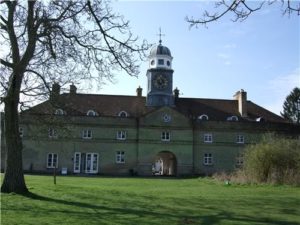
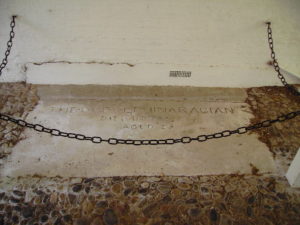
Marguerite Henry’s book was a fictionalized account of this incredible horse’s journey to legend. However, there are two quotes from her work I hold to be true for the Godolphin Arabian and his fellow founding fathers. Three horses far from home who came to England and wrote their names in the history of British racing forever.
When Allah created the horse, he said to the wind, ‘I will that a creature proceed from thee. Condense thyself!’ And the wind condensed itself, and the result was the horse.
But some animals, like some men, leave a trail of glory behind them. They give their spirit to the place where they have lived, and remain forever a part of the rocks and streams and the wind and sky.
BY LOUISA CORNELL
The story of the Darley Arabian starts in a place featured often on news stories today. He was born in 1700 in the Syrian desert outside of Aleppo. Sheik Mirza II bred the magnificent bay colt and in 1704 the British Consul, Thomas Darley, offered to buy the horse for 300 gold sovereigns. At some point, the sheik decided he could not bear to part with the colt and sent emissaries to Darley to renege on the deal. Darley, however, was not to be denied. He arranged to have the colt acquired and smuggled out of the country by way of Smyrna. Thus it was, with instructions sent ahead to Darley’s brother, Richard, at the family seat at Aldby Hall, Darley’s newly acquired prize landed in England.
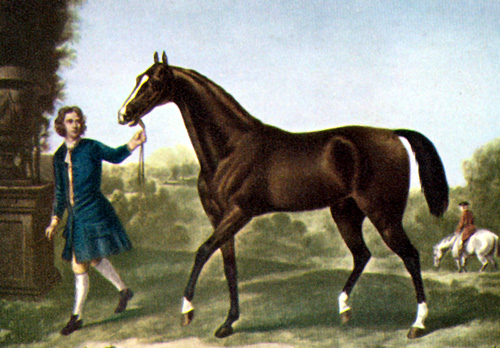
Darley informed his brother the horse’s name was Manak, a descendant of the Muniqui line of Arabians, known for their speed and endurance. Manak’s breeding years spanned 1706 until 1719 and he is said to have covered (bred with) few outside of Darley’s mares. He did, however, produce quite a few great runners. One of the colts he produced out of a non-Darley mare was Childers. Childers, foaled in 1715, was out of a mare owned by Leonard Childers of Cantley Hall in Doncaster. The horse was later purchased by the Duke of Devonshire and became known as Devonshire Childers. His most well-known name was Flying Childers, and he was considered “the fleetest horse trained in this or any other country.”
Flying Childers continued his father’s line through his son Blaze. Blaze’s son Old Shales was an important trotting sire and is considered the foundation sire of the Hackney breed. Blaze’s great grandson, Messenger, became the foundation sire of the American Standardbred.
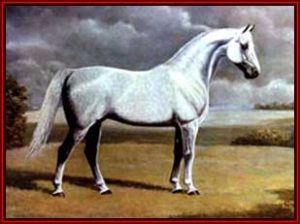
The Darley Arabian sired a colt foaled in 1716 known as Bartlett’s Childers. Whilst this colt, for reasons of health, never raced, he became a great stallion for his owner, Mr. Bartlett. Barlett’s Childers stood at stud at Nutwith Coate in Yorkshire. He sired a number of first rate runners, but it was his son, Marske, who went on to sire the great horse, Eclipse, that insured Bartlett’s Childers’s place in racing history.
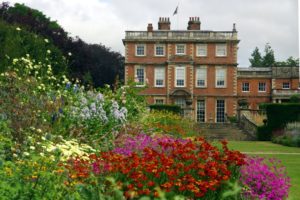
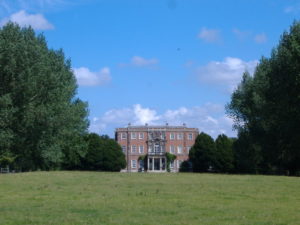
The Darley Arabian spent his entire life at Aldby Hall and lived to the ripe old age of 30 years, old for any horse, and especially for one during this era. With a bit of larceny, kidnapping, and smuggling the little bay foal born in the tents of the Bedouins of Syria ended his days in the green fields of England. And his legacy lives on in the racing horses, not only of England, but of the world.
BY LOUISA CORNELL
Have you given the horse strength? have you clothed his neck with thunder?
Can you make him afraid as a grasshopper? the glory of his nostrils is terrible.
He paws in the valley, and rejoices in his strength: he goes on to meet the armed men.
He mocks at fear, and is not affrighted; neither turns he back from the sword.
The quiver rattles against him, the glittering spear and the shield.
He swallows the ground with fierceness and rage: neither believes he that it is the sound of the trumpet.
He said among the trumpets, Ha, ha; and he smells the battle afar off, the thunder of the captains, and the shouting.
Job 39: 19-25
I have been a fan of English horse racing since I was a little girl watching the Grand National on telly in the little village of Kelsale, where we lived for three years whilst my father was stationed at Bentwaters AFB. The Sport of Kings, so called because of the heavy involvement of royalty from the beginning, (and probably because only someone as rich as a king can afford racehorses) has been a part of English history since the medieval period.
However, the true development of English racehorses, horses bred specifically to run and win races, can be traced back to three founding fathers, or as they are known in the horse breeding world – sires. The first of these was the Byerley Turk.
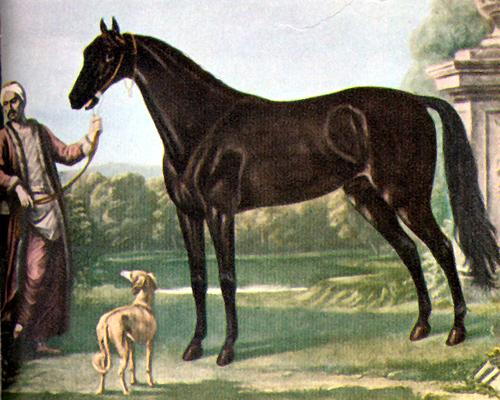
Born in 1678 or 1679, the stallion was taken from a captured Turkish officer by Captain Robert Byerley of the Sixth Dragoon Guards under King William III of Orange at the siege of Buda in 1688. The stallion was Byerley’s warhorse when the captain was sent to Ireland. There are official records about a race held there in 1690, called the Silver Bell, which Captain Byerley’s charger won handily.
When Captain Byerley retired from the military the Turk was put to stud, first at the family home at Middridge Grange in County Durham and later at the family seat at Goldsborough Hall in Yorkshire. One of the important colts sired by the Byerley Turk was Basto, who ended up in the stable of the Duke of Devonshire and created quite a name for the Devonshire stables in racing circles.
However, his most important son was Jigg, a middling racer who sired Partner, who was a racing phenomenon in his day. Partner was the sire of Herod, a stallion who is considered one of the foundation sires of the modern thoroughbred. Herod’s progeny are responsible for carrying the Byerley Turk line through into the twenty-first century.
The Turk was known to be standing at stud well into 1704, the year he died. He is thought to be buried on the grounds of Goldsborough Hall. Captain Byerley followed him in May of 1714 and is also buried at Goldsborough.
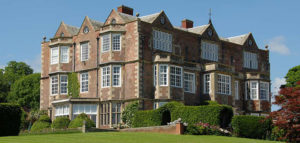
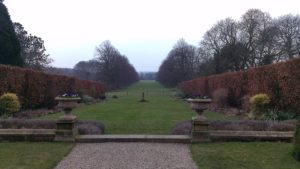
Goldsborough Hall is now a popular wedding venue. However, I wonder, on a moonlit night if one listens carefully, if one might not hear the hoofbeats of the Byerley Turk and Captain Byerley swallowing the ground with fierceness and rage and glorying in the founding of the breed of magnificent creatures who carry on the tradition of the Sport of Kings.
BY LOUISA CORNELL
Life is the tiniest bit crazy at the moment. Lets face it, actually, the world is the tiniest bit crazy at the moment. When the world or my life trespasses over into “I. Have. Had. Enough. Of. This!” territory, I brew up a cup of Earl Grey or six and transport myself into the realm of impossibly possible dreams. I am certain we all have that place we go when we want to live exactly as we were meant to live if some rude imposter had not stolen our real life and replaced it with this hectic, maddening, and frankly annoying existence we are expected to make our way through until someone realizes their mistake and drops us back into the life we were born to appreciate. And if you don’t have that place and those thoughts, humor me. They say it is dangerous to challenge a madwoman’s delusions.
Today, I want to introduce you to the form my Happy Place, for lack of a better and less gooey New Age term, usually takes. Here are a few of my favorite retreats.
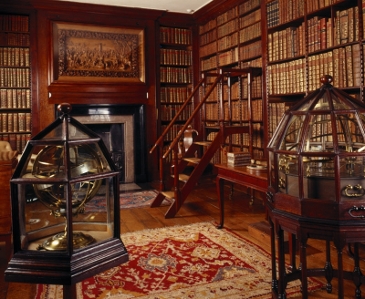
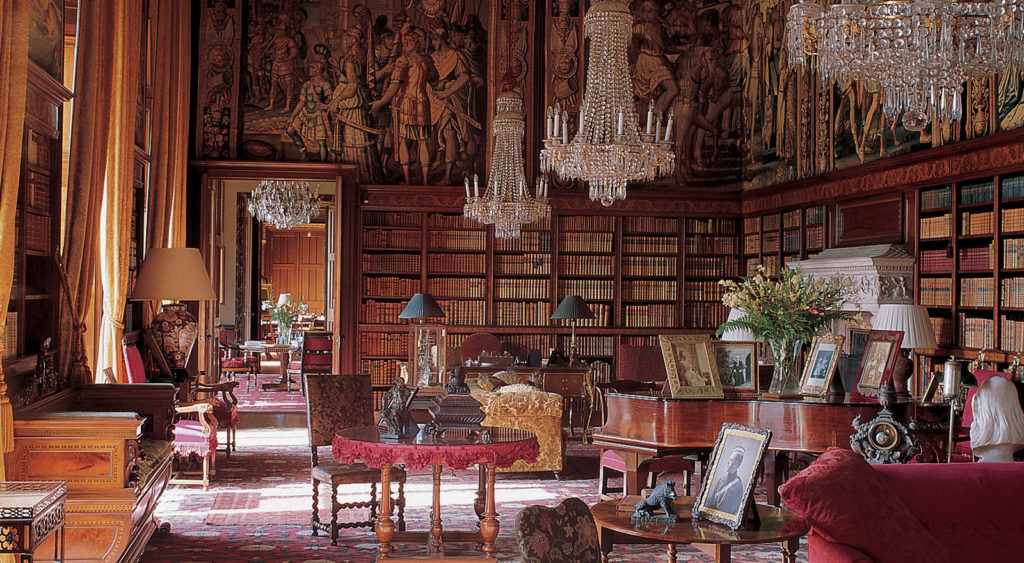
I love this one for the lighting alone. What’s not to love about these chandeliers?
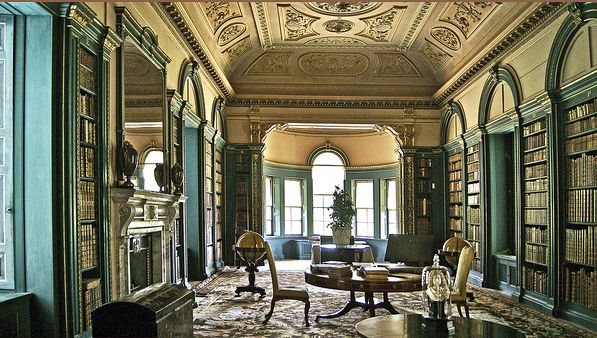
The library at Wimpole Hall. Home to 12,000 books. Any questions?
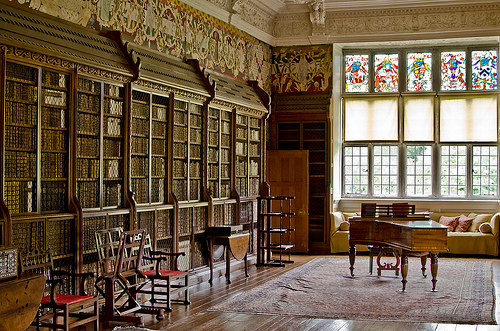 The library at Blickling Hall. Look at all of that natural light.
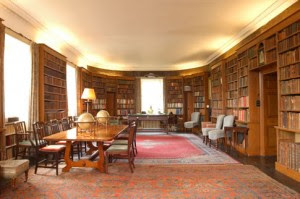 Ramerscale House Library.
Those carpets! And the globes!
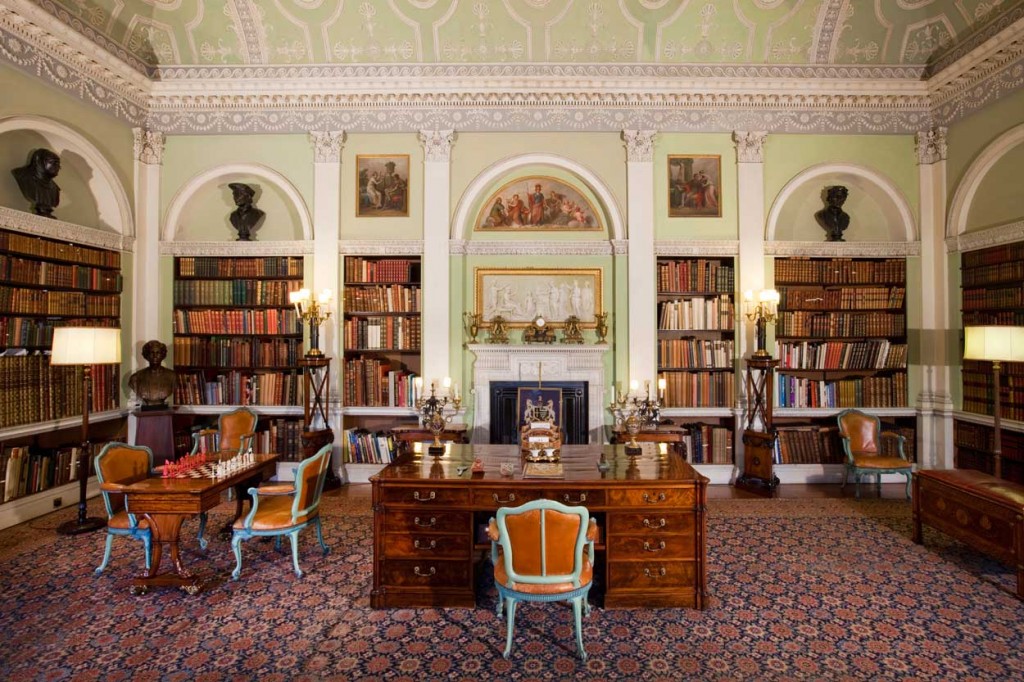
Harewood House’s library has a collection of over 14,000 books. This could take some time.
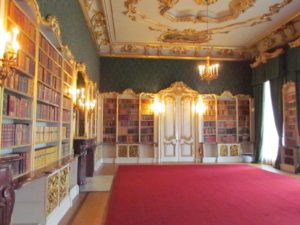 It needs a comfy chair, but that ceiling!
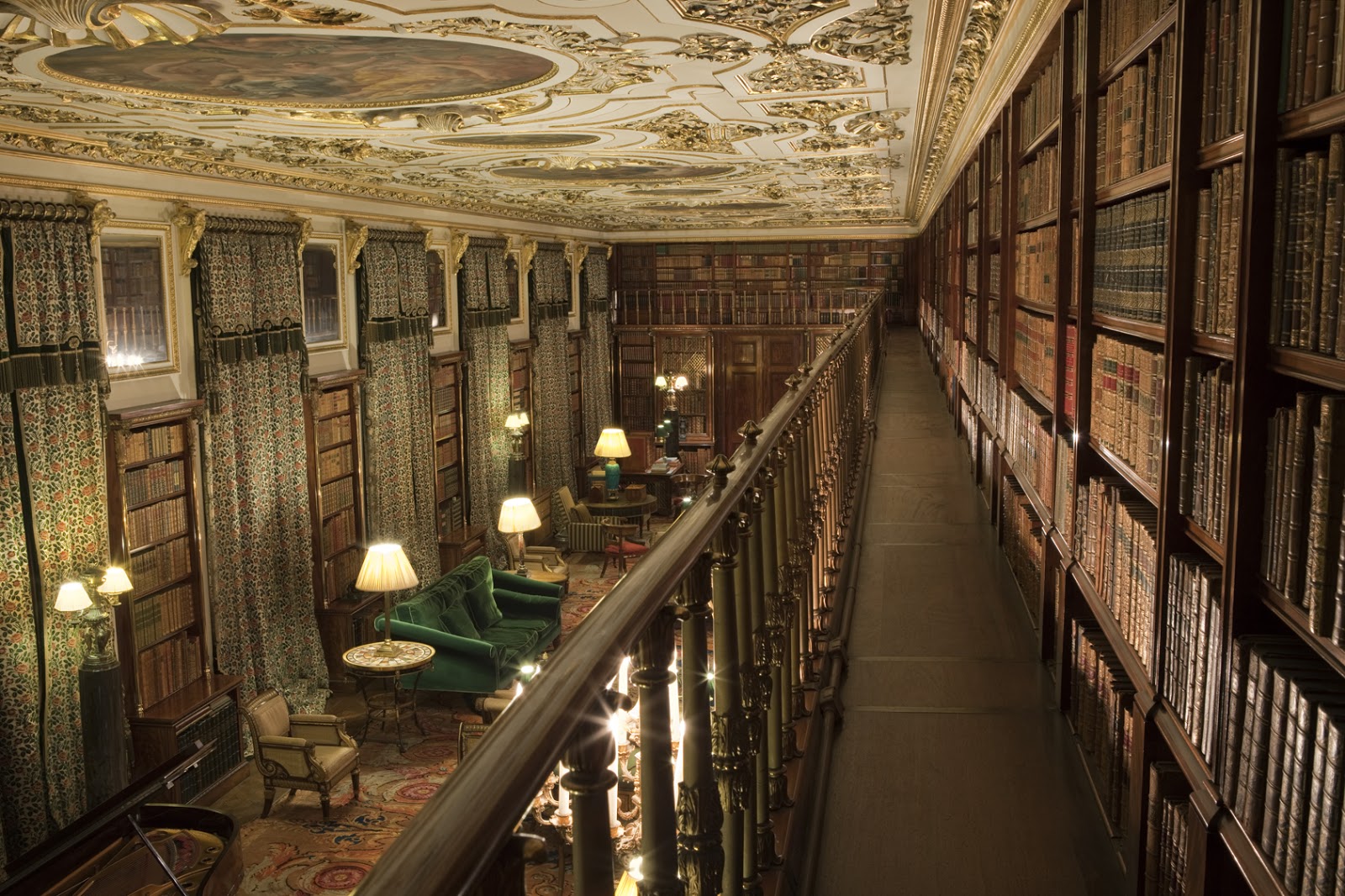 And the Nirvana of stately home libraries – Chatsworth – within whose walls over 20,000 books reside. Sigh!
The land of impossibly possible dreams is the best place to be when the world threatens to overrun you and the barbarians are beating at the gates of your mind. My library at home does not resemble these libraries in any way save for it has shelves and books. However, with enough Earl Grey, a comfortable chair, a purring tabby and a few snoring dogs, I can transport myself to one of these heavenly spots and escape for a while. I am a writer. I spend a great deal of time living in my imagination. They know me there, right down to the way I like my tea and the jam I like on my scones.
Here’s to those havens in our imaginations. And to dreaming our way to making them a reality. And if all else fails, here’s to the places and people and things that keep us sane in a crazy world. Hathaway, are there anymore scones? I still have a few more chapters to read before bed.