WATERLOO WEDNESDAY: WAR HORSE – THE REAL STORY

Today we pay tribute to the war horses who fought on both sides during the Battle of Waterloo. If you read through the lists of Regiments who fought at the Battle, you will find that most had a veterinary surgeon assigned to their ranks. For all practical purposes, in the aftermath of the Battle there were hardly enough medical staff to care for the human wounded – hospitals were sadly understaffed and medical supplies lacking. The sheer number of wounded overwhelmed even the most dedicated of the medical staff attached to Wellington, the Allies and the French. Many horses were so badly maimed or wounded that they could not be saved, nor could they be allowed to suffer. Many soldiers who had just witnessed the most horrific human casualties on the battlefield still found the heart to put their equine brothers in arms out of their misery in the hours after the Battle.

Of course, there is no visual record of the bonds that were forged between soldiers and their mounts at Waterloo other than, perhaps, the Duke of Wellington’s own bond that was forged with his horse, Copenhagen, with whom he shared command during the Battle. After living out his retirement at the Duke’s country estate, Stratfield Saye in Hampshire, Copenhagen was buried with full military honours, his grave and tombstone still to be seen on the property.

Pure History Specials: War Horse – The Real Story (60 minutes) is a superbly made documentary that uses period film, first hand accounts and historians to tell the story of how the soldiers of World War I lived, cared for and fought with their horses and sheds light on the day to day bond they shared and the attachments they forged with these equine brothers, and sisters, in arms.  Though WWI took place one hundred years after Waterloo, we can’t help but believe that things hadn’t changed all that much during the intervening century and that what held true in 1815 held true in 1914.

Here is a five minute clip of the British Heavy Cavalry from the film Waterloo (1970) with Christopher Plummer as Wellington.

LOOSE IN LONDON: PUB SIGNS WE SAW ALONG THE WAY

Another Wellington pub, this one near Savile Row.

14 King Street, just doors away from Almack’s.

Another Bag O’ Nails, not to be confused with our local near the Palace.

The Duke of Wellington, near our hotel in Kensington Square

The Hatchet

Leicester Arms
Red Lion
Great Expectations in Reading
Duchess of Cambridge, Eton
The Henry VI, Eton
The Two Brewers, Windsor
The Ship and Shovel
The Sherlock Holmes, London
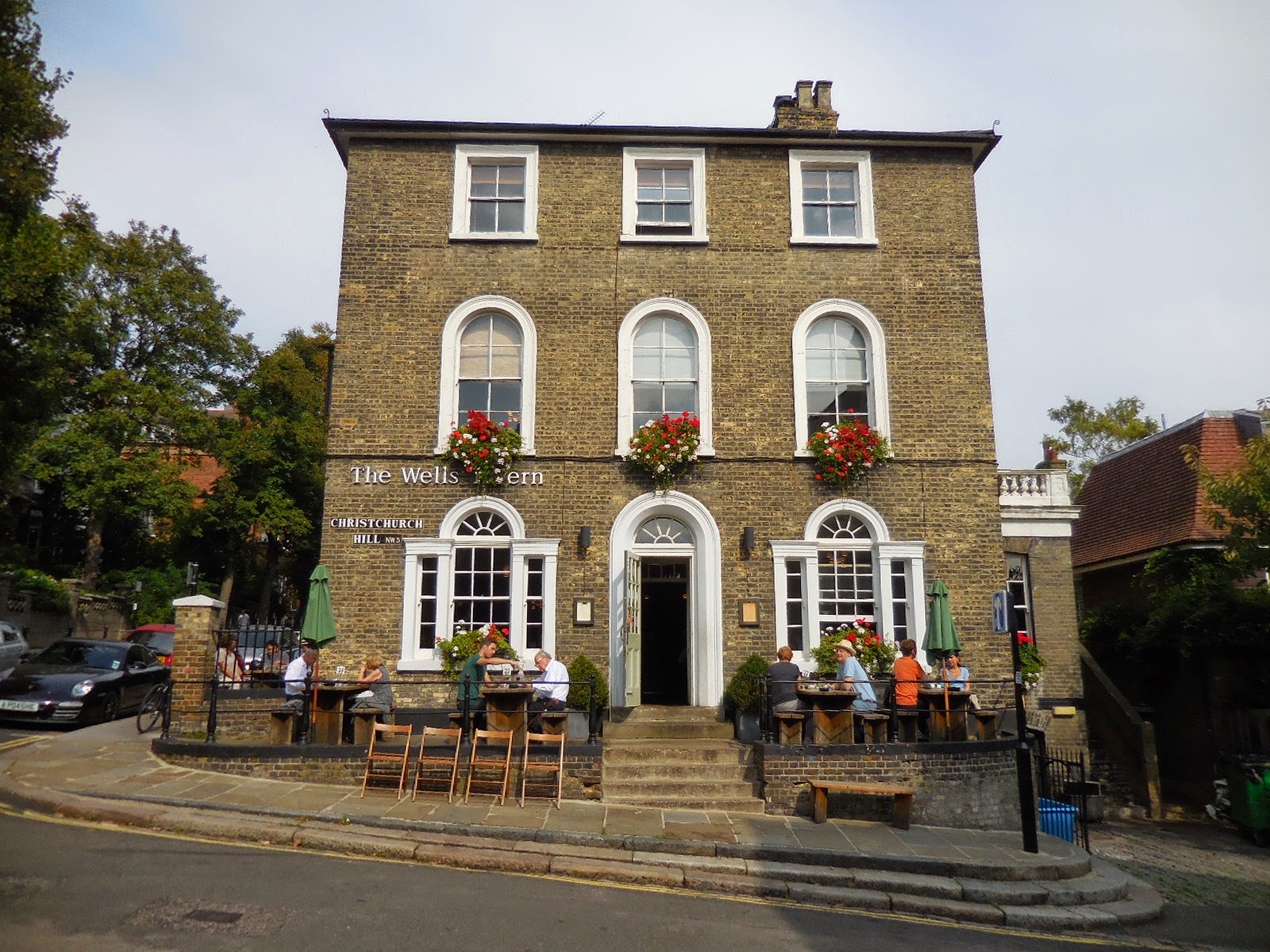
The Wells, Hampstead, where Victoria had lunch and Kristine managed to choke down some bread and butter. But that’s another story . . . . . 

LOOSE IN LONDON – A DELICIOUS TREAT IN SOHO: RANDALL AND AUBIN

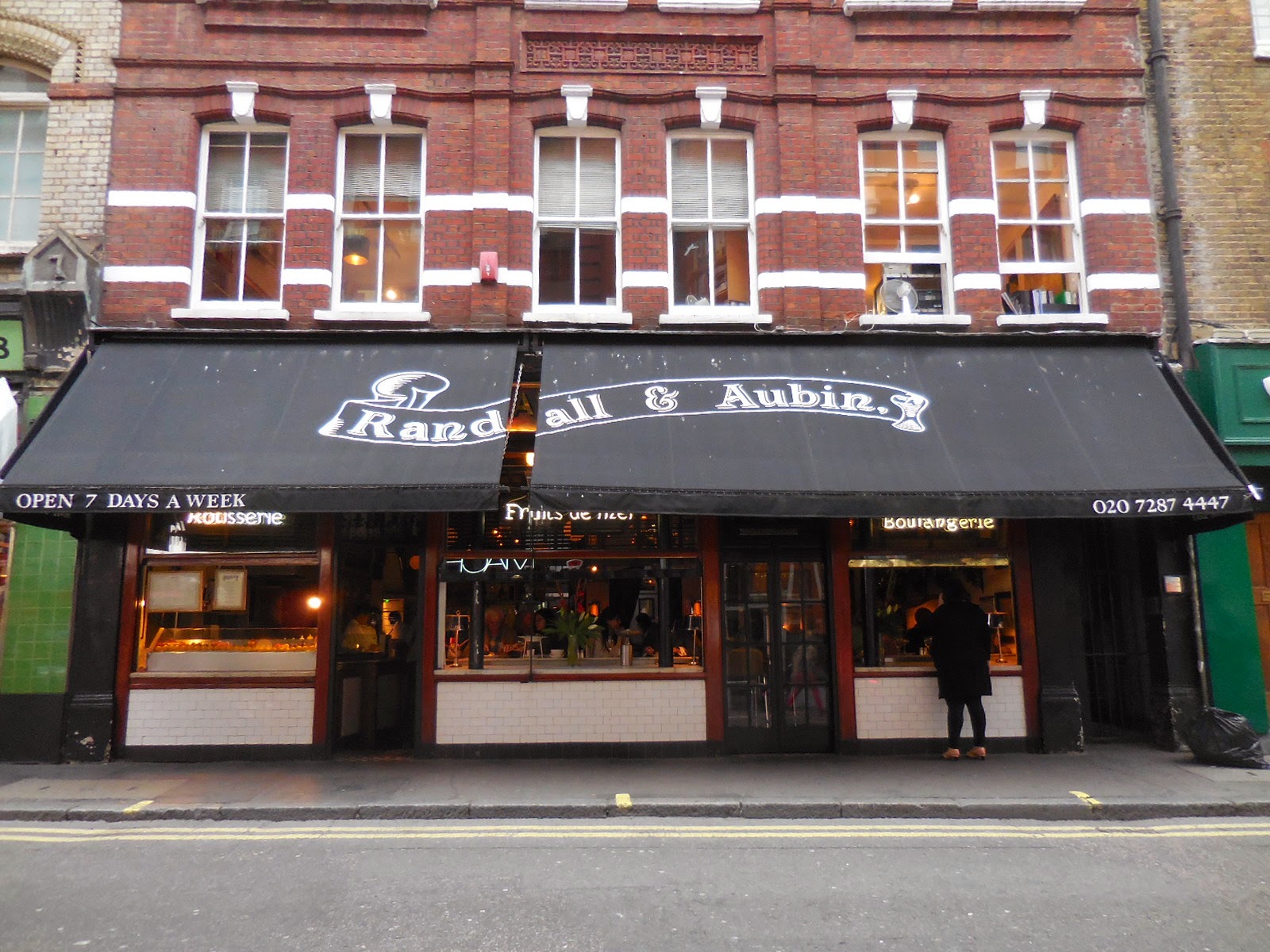
16 Brewer Street, Soho, London
After leaving Mr. Foggs, we cabbed it over to Randall and Aubin in Soho. Known for their fresh seafood, Randall and Aubin has been a favourite since opening in 1996 and it has a contemporary Manhattan vibe with it’s Subway tile walls, wood floors and marble topped tables. The dining room is a buzz with voices, laughter and music, while the prep kitchen, open to the dining room, affords a view of fresh oysters being shucked and a variety of fresh fish being readied for the table.

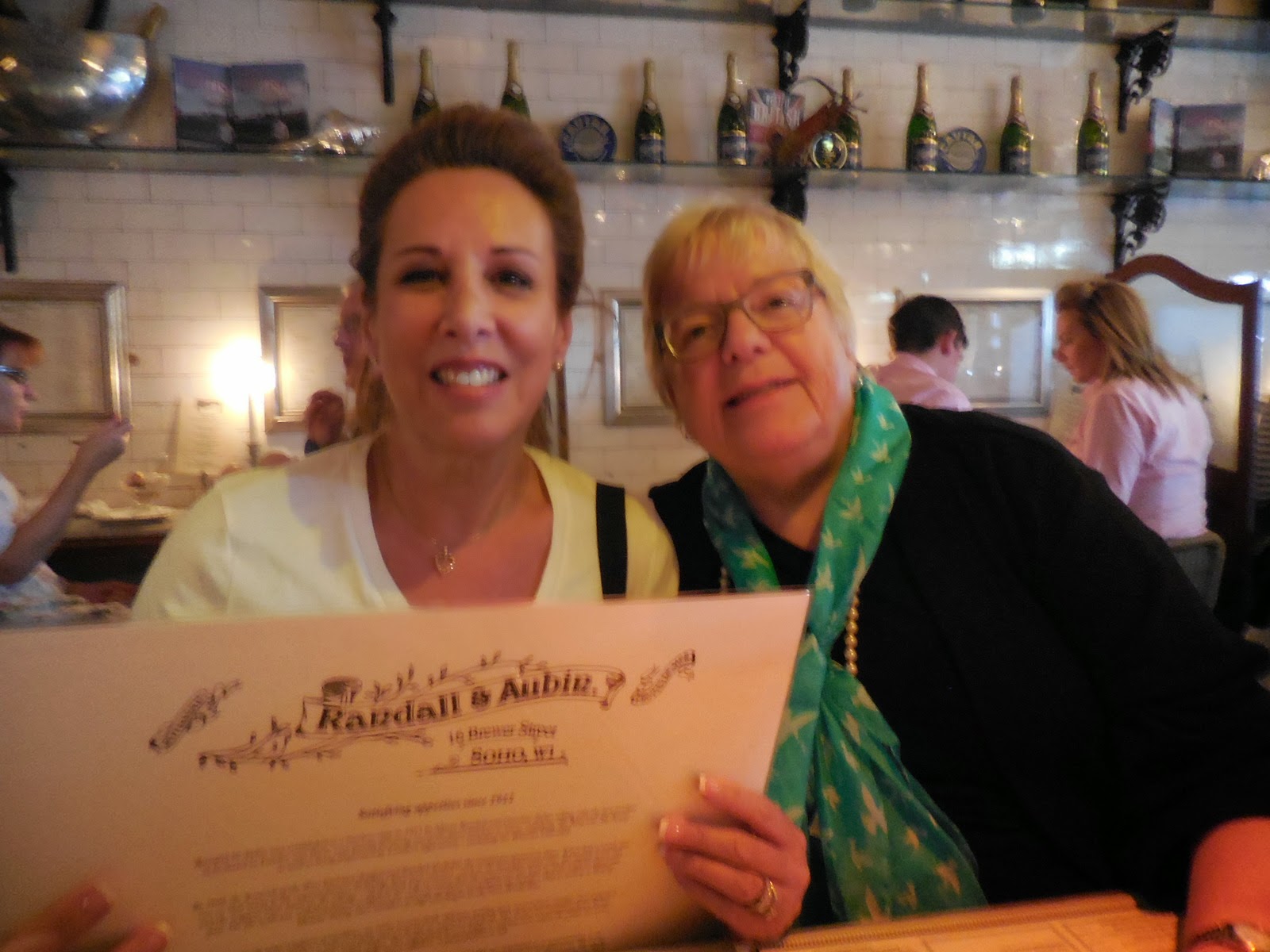
Victoria and I have eaten many a meal together and we know what we like – seafood. Especially moules, or as you may know them, mussels. And oysters. Lobster ain’t bad, either. The menu at Randall and Aubin is huge – what to choose?
We needn’t have worried because our server, Adriana, was the perfect hostess. R & A is that rare place where the entire staff – servers, line cooks, chefs and host – are not only consummate professionals, they believe in their product, i.e. fresh seafood. Nothing, really, could be better. 
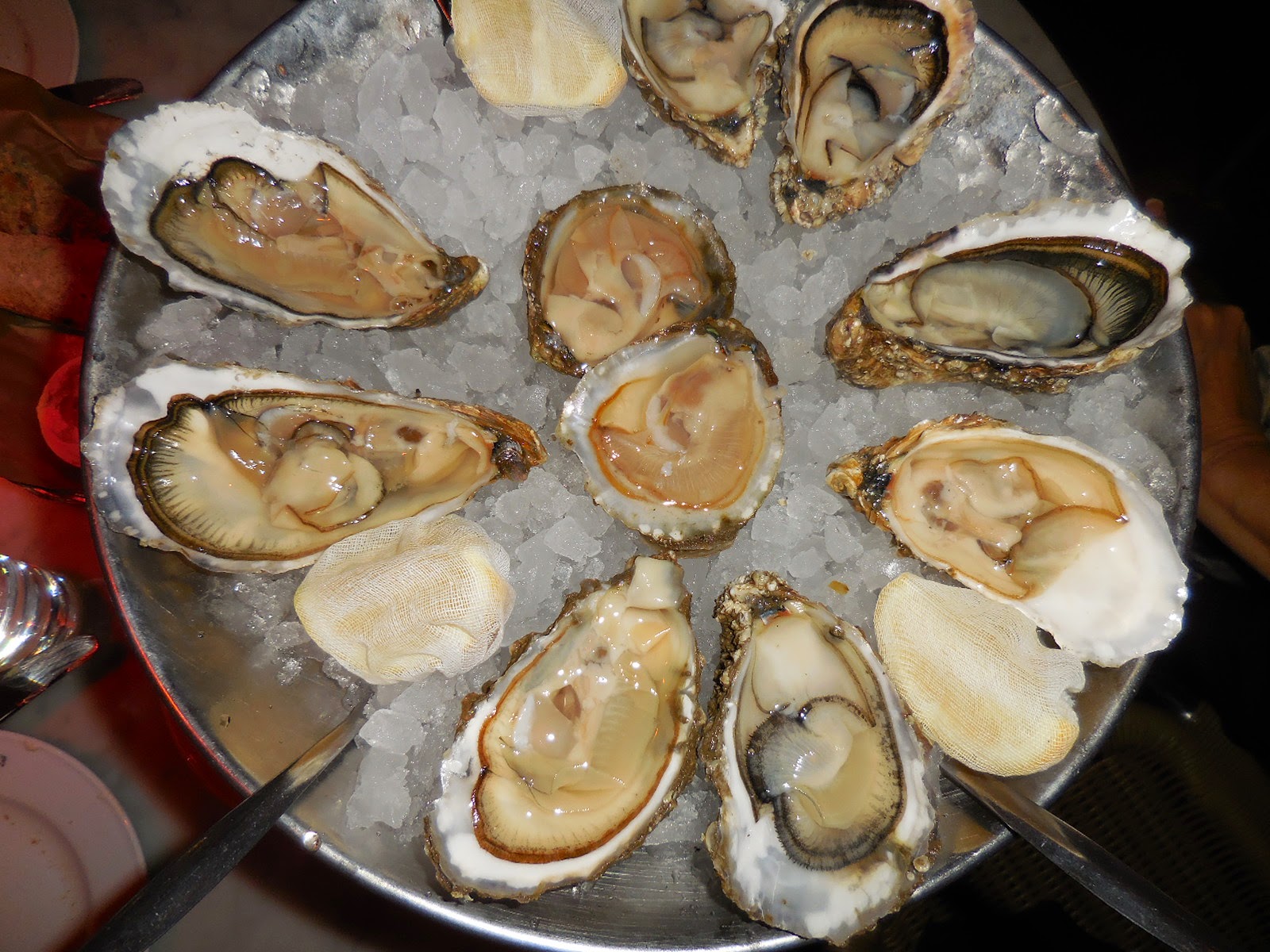
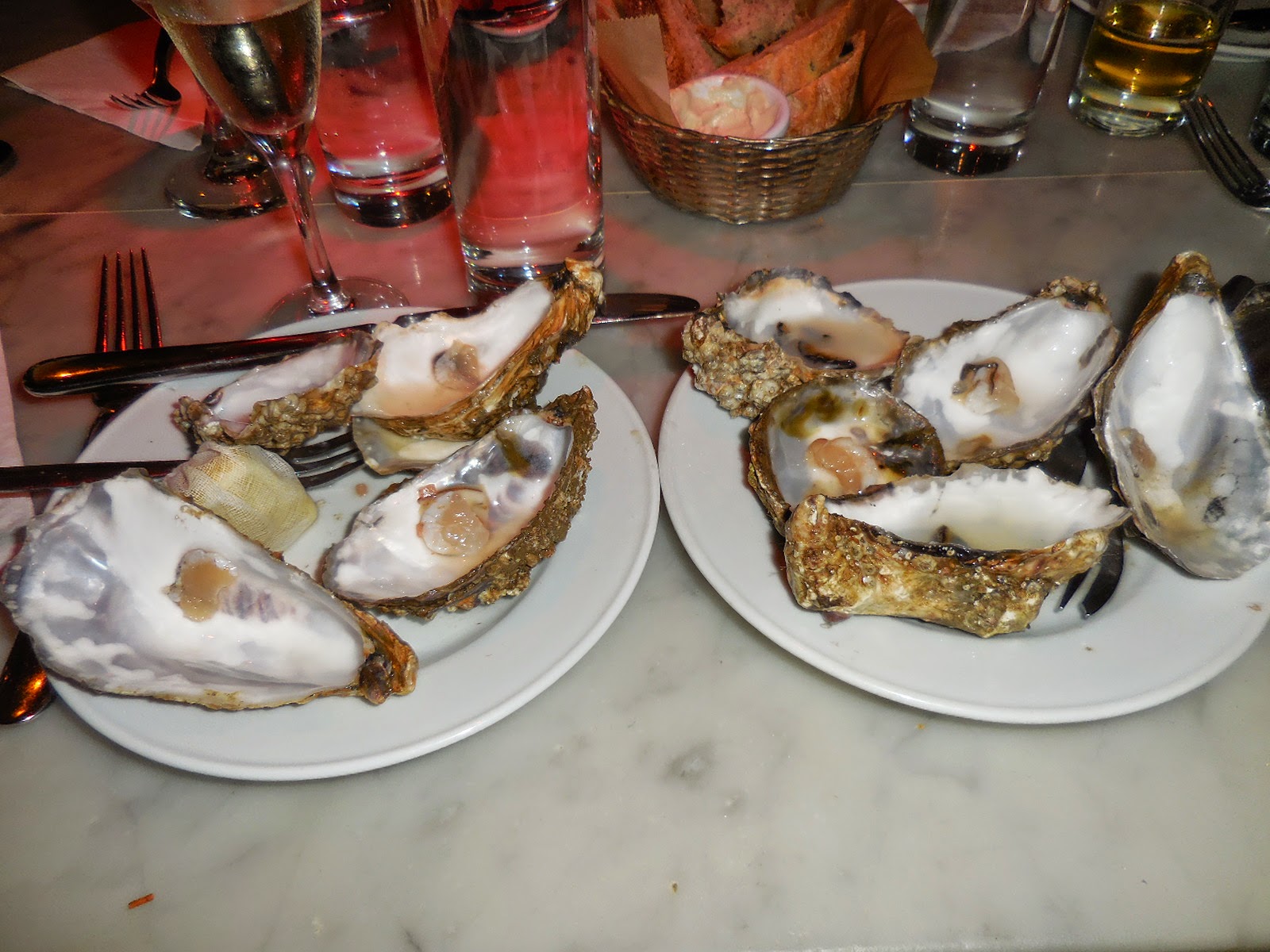
Arianna, who was not only knowledgeable, but also gorgeous, served us some bread with anchovy butter and then led us through the menu,  suggesting that we try is the mixed rocks huites – in other words, the oyster sampler, served with challot vinegarette, horseradish and Tobasco. This is what’s so great about restaurants like R & A – even the most dedicated foodies will learn, and taste, something new as suggested by the staff, who are passionate about what they serve. 
Tastes of heaven!!
Victoria and I were served two of each type of oyster, so that we could taste them together and rate them as we went along.
Here’s our ranking: 
Native = 5 best!
English = eh, salty
French = salty sweet
Scotch = eh
Irish – excellent

All gone…too fast.
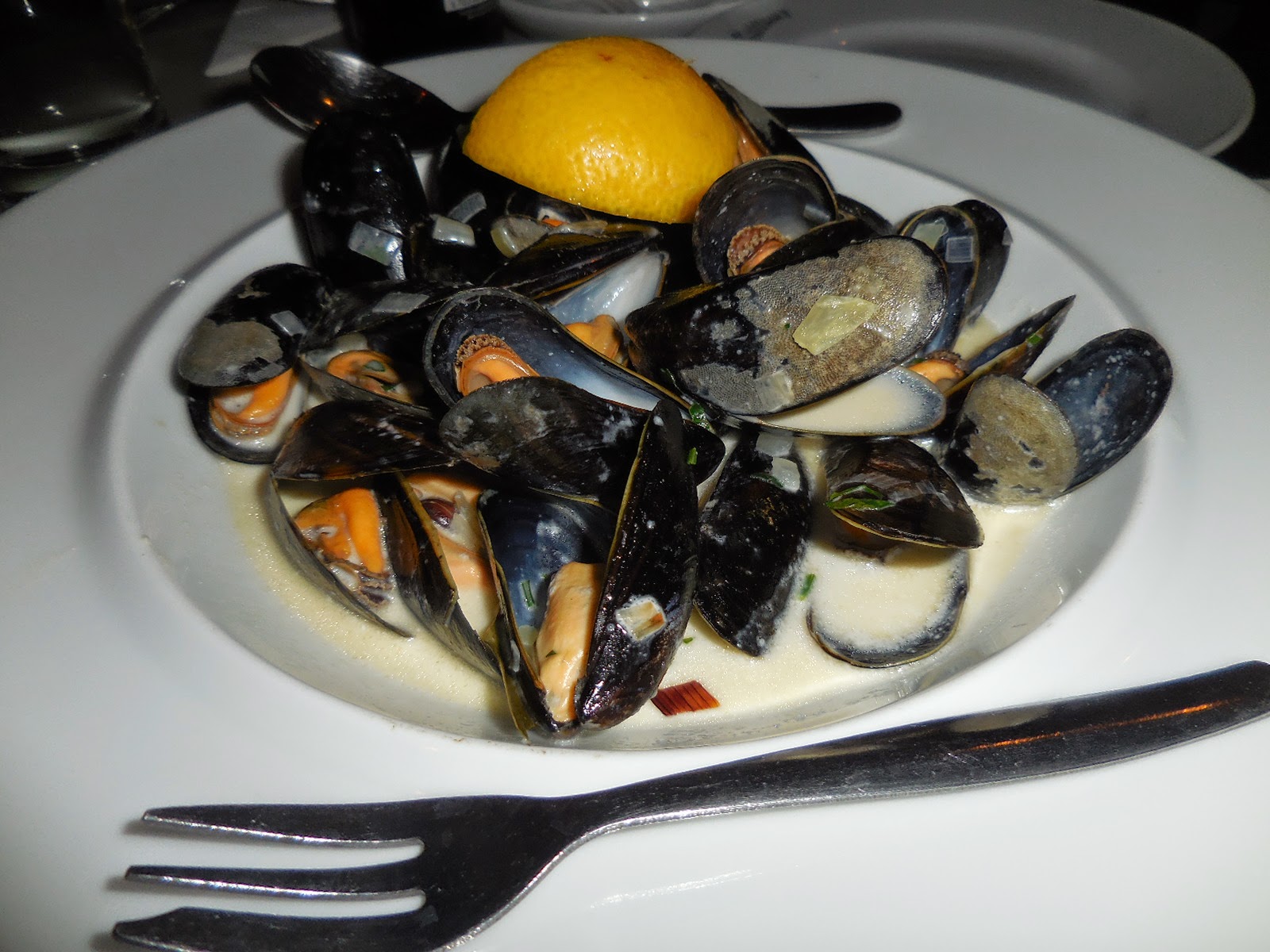
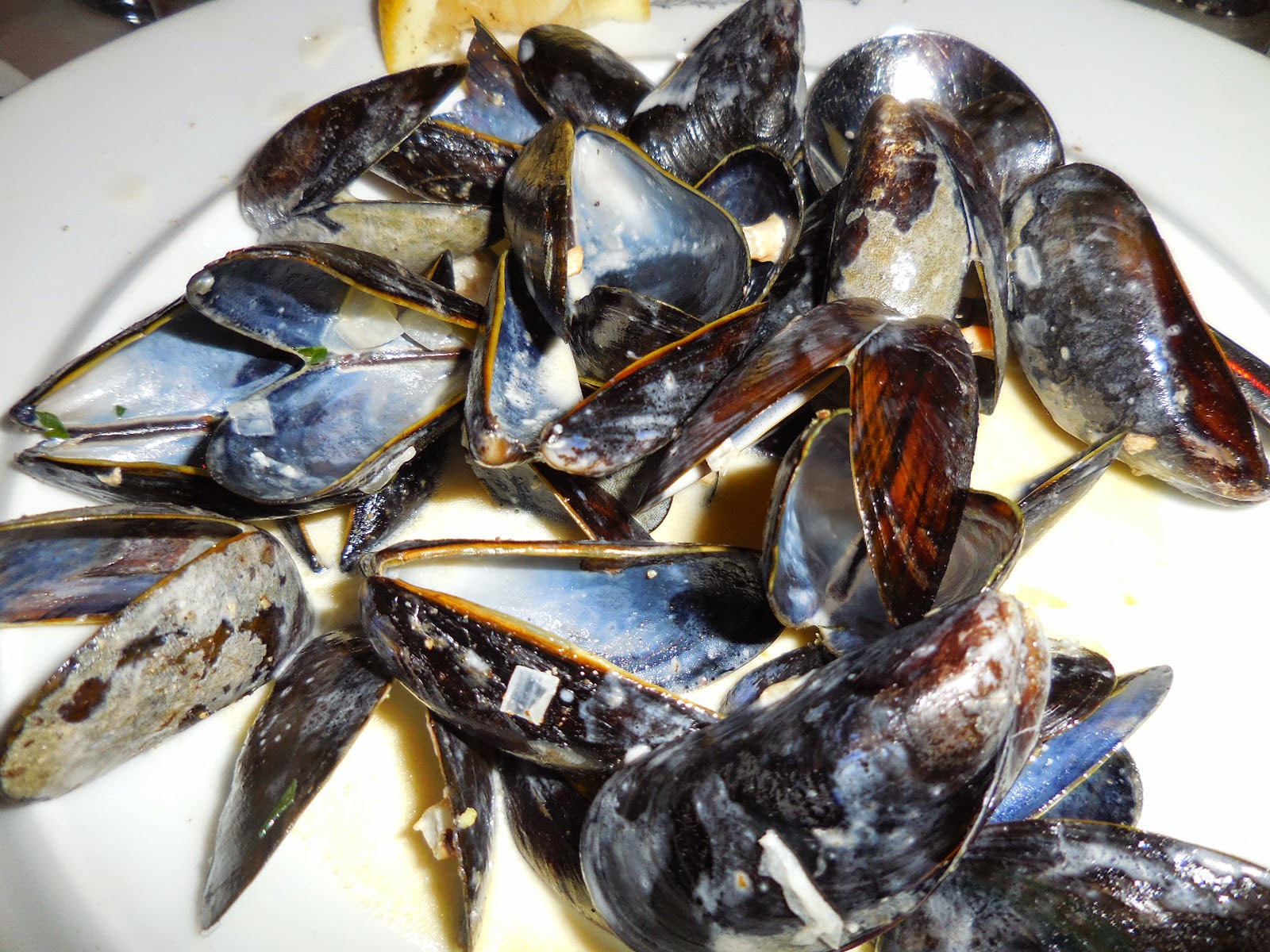
Then it was on to the great moules (mussels) with garlic, parsley and cream.
The sauce complimented the flavour of the meaty shell fish and we made quick work of them. I think it was at this point in the meal that Victoria and I swore we’d never had so much fun digging into fruits de mare. I can’t recall exactly which of us suggested that we eat here at least twice a week when we move to London, but I know I didn’t argue. 
For an entree, Victoria opted for the pan roasted Hake with spring onion. Cooked to perfection, the white fish was melt in your mouth perfect. 

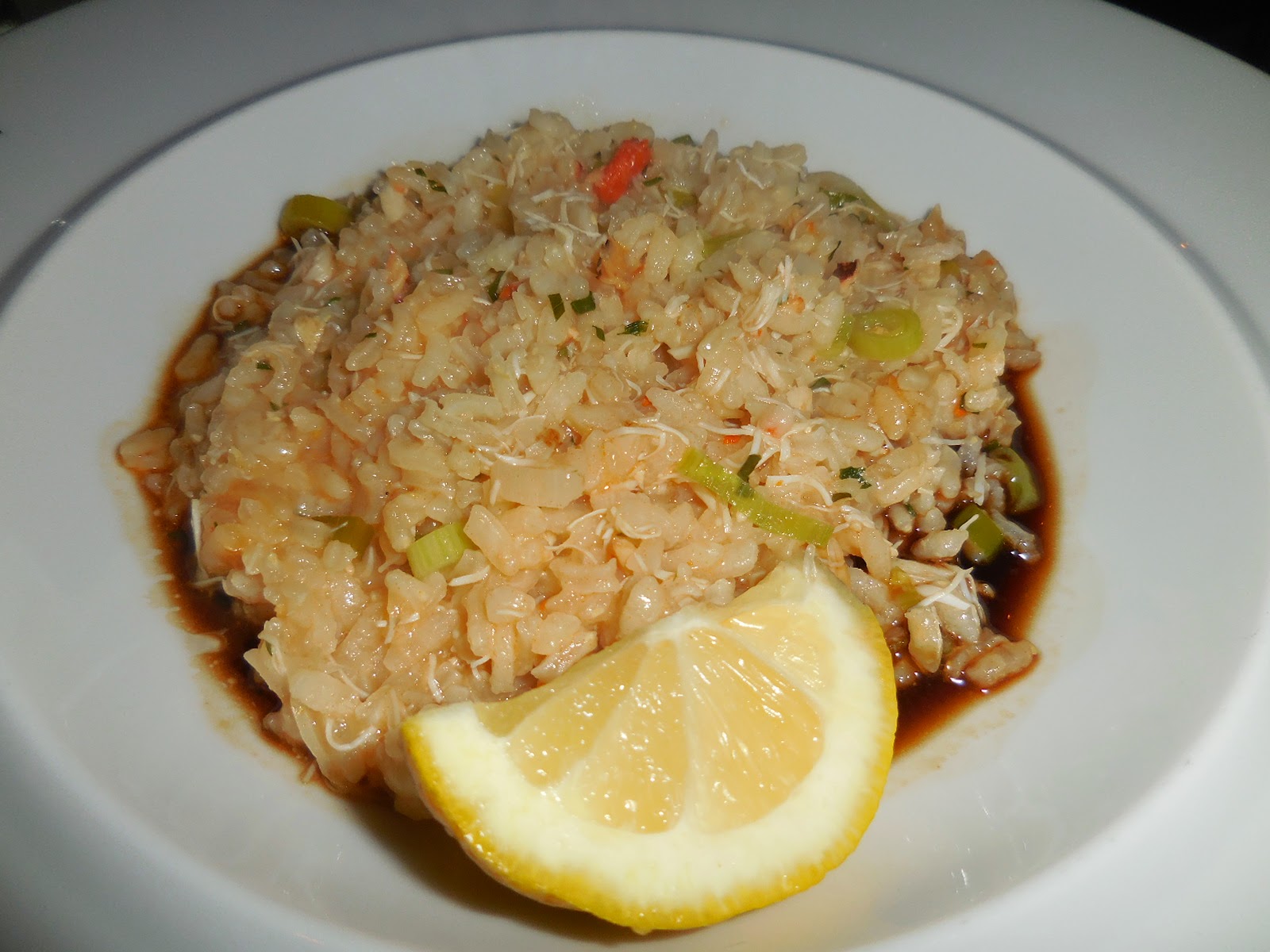
I opted for the crab and lemon risotto, which tasted as good as
it looks. 

Amazingly, we found room at the end of the meal to try a combination of raspberry ice cream and salted caramel ice cream. Sorry, no photos of dessert as, by that time, Victoria and I were in a fabulous meal stupor. 

Don’t take our word for it – if you’re into real seafood, prepared and served by people who are passionate about seafood, Randall and Aubin should be on your “must do” list. 
Randall and Aubin, 16 Brewer Street, Soho, London

WATERLOO WEDNESDAY: DUKE OF WELLINGTON TO SPEAK AT HAUGHTON

Face to Face: Dame Rosalind Savill in conversation with the Duke of Wellington

B1 Monday 15th June, 2.30pm – 5.00pm
In this conversation Dame Rosalind and the 9th Duke of Wellington will consider the Battle of Waterloo and the bicentenary celebrations at Apsley House, its collections and the artistic legacy of the 1st Duke of Wellington.
For Charles, 9th Duke of Wellington, 18 June 2015 is a stupendous day, celebrating the bicentenary of the 1st Duke’s defeat of Napoleon at the Battle of Waterloo. The 1st Duke bought Apsley House at Hyde Park Corner in 1817 as a showpiece for the extraordinary paintings and works of art bestowed on him by the grateful nations of Europe, and today it is the home of the present Duke and his family. The Duke takes a keen curatorial interest in its intimate magnificence, and his passion for the works of art it contains includes the urge to fill it with even more treasures than it has now. This discussion will consider how these collections still represent a remarkable era in our national history, and how vital the family’s interest is in the continuing success of Apsley House.
Prior to the above conversation Dame Rosalind will introduce the historian Count Adam Zamoyski who will lecture on “Napoleon – The Man and the Phenomenon”. Count Zamoyski is the author of several books on the Napoleonic era.
There will be a brief interval between the lecture and the conversation with the Duke of Wellington

“Napoleon – the Man and the Phenomenon”

The story of Napoleon is epic: a little backwoodsman from Corsica became emperor of the French and dominated Europe, creating and dismissing kings, redrawing the map of the Continent and laying down laws which govern most of it today. Although he was a brilliant strategist with extraordinary intellectual powers and a prodigious capacity for work, Napoleon could never have achieved this on his own. As well as being its leader, he was the figurehead and the conduit for a great movement of national regeneration, political, intellectual, cultural and social, which grew out of the bloody crucible of the Revolution and created not just modern France but much of the Europe of today. The most brilliant men of the time, soldiers, statesmen, scientists and artists combined in this extraordinary enterprise. As established religion had been discredited and pushed out of public life in the course of the eighteenth century, they took their moral cue from antiquity: the Age of neo-Classicism was not merely something affecting the arts and architecture, it was a harking back to the heroic times when everything was possible, great men were demigods and a new world could be created.
Napoleon’s Egyptian campaign, which laid the foundations of Egyptology, his looting of works of art from all over Europe, his foundation of the Louvre, his promotion of the empire style in manufacturing, his patronage of the Sevres porcelain works and his monumental building projects were all part of this grand vision.
TICKET INFORMATION HERE