Pirates of the Caribbean – On Stranger Tides

Prepare yerselves – On Stranger Tides premiers in just two days, when all things piratical will be let loose upon a waiting populace. (Holy Captain Morgan! I just looked it up – piratical is a word) As if a drunken, debauched, slurring, kohl wearing Johnny Depp weren’t enough to make a matey sit up and take notice, OST guest stars Ian McShane as Blackbeard. Yesssss!

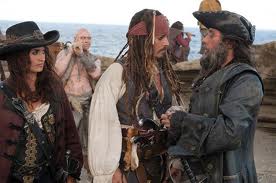

Okay, NOT from the film, but who could resist?
Speaking of his role, McShane recenly said, “It was a pleasure to shoot [On Stranger Tides]. I was only glad it finished so I could get rid of the beard! It was the heaviest thing — it was like having a dead cat around my face! It was made in three or four pieces and held on by magnets and God knows what else. It took an hour and a half to put on every day. It was sort of spectacular. He was a real biker pirate — it’s all black leather.” Aaaarrrggghhhh.

Blackbeard’s (Edward Teach’s) exploits were notorious around Nassau, in the Bahamas, which was founded around 1650 by the British as Charles Town. The town was renamed in 1695 after Fort Nassau. Due to the Bahamas’ strategic location near trade routes and its multitude of islands, Nassau soon became a popular pirates’ den, and British rule was soon challenged by the self-proclaimed “Privateers Republic” under the leadership of the infamous Blackbeard. However, the alarmed British soon tightened their grip, and by 1720 the pirates had been killed or driven out. Bah! I don’t believe it. In fact, I’m going to Nassau in three weeks time in the hopes of finding a spare pirate or two and, with luck, buried treasure.
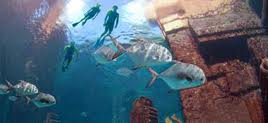
I’ll be diving the Ruins of Atlantis and exploring the Lost City alongside sharks, spotted rays and brilliantly colored tropical fish. My daughter, Brooke, and I will also take a turn swimming with the dolphins.
When not involved in aquatic activities, I hope to revisit a favorite antiques store in Nassau, run by an Englishman. Don’t laugh – last time I was there I found the edition of The London Illustrated News covering Wellington’s funeral. See? There are treasures yet to be found in Nassau.
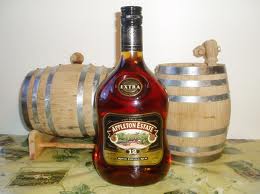
Not to mention rum.
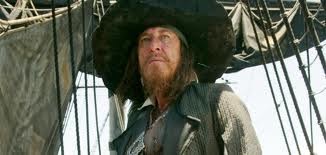
And let us not forget that OST also stars Geoffrey Rush, who reprises his role as pirate lord Barbossa who, along with Captain Jack Sparrow, searches for the Fountain of Youth. You can watch a clip of him in action here.

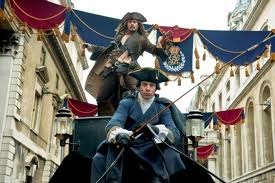
Another reason to see On Stranger Tides? With some bits filmed on location in London, this installment of POTC actually has scenes set in the City and features a carriage chase through London streets.


For a refresher course on past
POC flicks, visit the Wikipedia page here

100 bottles of rum in the hold, 100 bottles of rum,

You take one out and pass it about, 99 bottles of rum in the hold!
99 bottles of rum in the hold, 99 bottles of rum . . . .

Aristocratic Trade

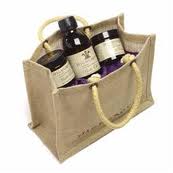
Their 19th century counterparts would no doubt be mortified to learn that today’s aristocrats have taken to trade – and are raking in the dosh. Many of England’s Stately Homes have been running farm shops for some decades and stock produce and meat sourced locally, but which are not produced by themselves. There are a few exceptions to this, most notably products produced by the Duchy of Cornwall. Recently, Prince Charles launched a five-piece organic treatment line called Highgrove, after his estate in Gloucestershire. It’s inspired by plants that grow in the garden of his country house and is already sold out at Organic Pharmacy stores and Prince Charles’s Highgrove shops.

As their copy reads, the “luxurious gift set comprising of Rosemary and Ginger Warming Bath Oil, Arnica and Wintergreen Muscle Balm and Honey and Chamomile Hand Cream. These luxurious products have been specially formulated with organic ingredients including essential oils and naturally occurring, beneficial plant extracts. For use after gardening, exercise or for a relaxing bath.”

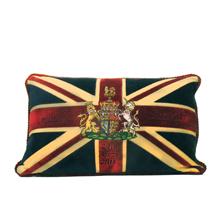
Personally, I’d much rather have this souvenier wedding cushion, also being sold in the Highgrove Shops at just £95.00. See a less expensive version in our left sidebar, under “Things We Love.”


Meanwhile, over at Belvoir Castle, the Duchess has begun selling Duchess of Rutland Botanicals –  lightly flavoured, all natural sodas available in two flavours – elderflower and rose or raspberry and lavender. The packaging features peacock feathers from the Manners family crest and Regency stripes. Unfortunately, they are not yet available in the U.S.

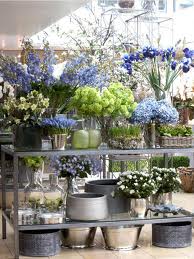
At Pulbrook and Gould Flowers, London, Lady Pulbrook didn’t let the lack of a stately home to attach her business to stop her from forming a partnership with Rosamund Gould way back in 1956. After the death of her husband, she needed something to occupy her and went into partnership with her friend, trained florist Rosamund Gould. H R H Princess Alexandra and the Duchess of Kent both chose Pulbrook & Gould to arrange memorable flowers at their weddings. As well as members of the Royal Family, they number among their illustrious list of customers aristocrats, stars from throughout the world of entertaining, designers, artists, and the great hostesses of the day, some of Britain’s major institutions and businesses and a great many discerning private people whose day is enriched by an arrangement from Pulbrook & Gould. In 1976 Rosamund Gould retired, leaving Lady Pulbrook to grow the business with her sister-in-law, Sonja Waites.

Perhaps the most successful, and the most luscious, aristocratic shop is the Chatsworth Farm Shop at Chatsworth House, which won the prestigious Farm Retailer of the Year award for the second time in 2011. Their newest range are ready meals freshly prepared by Chatsworth chefs using estate produce and local ingredients from the farm shop. You’ll find the range in the chilled section of the shop and prices start from £1.75. Meals include beef lasagne, pork & leek sausage in onion gravy, cottage pie topped with Cheddar cheese, fish pie, pork & mushroom casserole in Sheppy cider, chicken breast in tomato, mushroom & tarragon sauce, and braised steak with Gardener’s Tap ale. There is also a vegetarian choice of mixed vegetable lasagne.

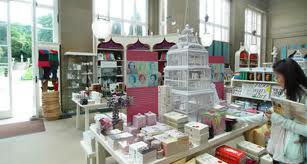
Chatsworth House itself has four further shops, including The Orangery Shop, which sells beautiful Chatsworth inspired gifts, including favourites chosen by the Duke, Duchess and Lady Burlington. Beautifully themed accessories are inspired by Chatsworth figures from the past and present and a wonderful range of gifts and homeware reflect the House, landscape and collection. I have done some serious damage in this particular shop, with my silver and bone tea spoons being well loved favorites. I don’t even mind polishing them. However, only recently I threw out the tin of Chatsworth furniture polish I’d bought there years ago believing that I would be inspired to polish my furniture with museum-like diligence. Never happened – I suppose I’m more Upstairs than Down.

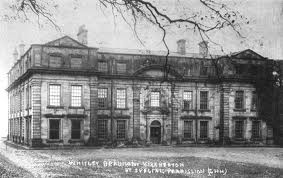
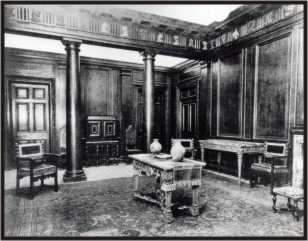
The Story of Whitley Hall


Whitley Hall


From the Letter Bag of Lady Elizabeth Stanhope

“Another Yorkshire neighbour whom the Stanhopes visited at this date was Mr Beaumont (1) of Whitley Beaumont, and although on this occasion the entry regarding their visit is scanty, a fuller description of their eccentric host, written by Marianne the following autumn, may be here inserted : —
Nov. 1808.
Last Monday we met the Mills’ at Grange, she, delightful as usual. We returned the next day, and in our road called on Mr Beaumont of Whitley. The master of Whitley is a strange creature, half mad. He leads the life of a hermit, and has not had a brush, painter or carpenter in his house since he came into possession many, many years ago.
It is more like a haunted house in a romance than anything I ever saw. He is now an old man, and has never bought a morsel of furniture; half the house never was finished; one of the staircases has got no banisters. The stables were burnt down some time ago and have never yet been rebuilt. The rooms he lives in have not been put to rights for many years—a description of the things they contain would not be easy,—hats, wigs, coats, piles of newspapers, magazines and letters, draughts, bottles, wash-hand basins, pictures without frames, apples, tallow candles and broken tea-cups.
The whole house looks like a place for lumber. There are some fine rooms, but so damp and mouldy it is quite shocking. There is a chapel completely filled with old rubbish and a plaid bed which was put up for the Pretender.
In the room Mr Beaumont sleeps in I saw his coffin made of cedar wood. He scarcely ever sees a living creature and quite dislikes the sight of a woman. He does everything in the room, which no housemaid ever enters, nor indeed any part of the house.”
(1) John Beaumont, Esquire of Whitley Beaumont, Yorkshire, born 1752, died 1831; married Sarah, daughter of Humphrey Butler, Esquire of Hereford.


The house referred to above, Whitely Beaumont Hall, was owned by the Beaumont family for some 400 years. The Hall was built by Sir Richard Beaumont and was last owned and occupied by the Sutcliffe family, the last owner being Charles Sutcliffe. His great nephew wrote in the Yorkshire Post and recalled visiting the “secret garden” and sitting on an old World War One field gun kept in the front garden.

Charles Sutcliffe was a member of the Rockwood Hunt and hunt balls were held in Whitley’s great hall. During the Second World War, Charles Sutcliffe loaned the grounds for army training manoeuvres and camps. The Sutcliffe family were the largest individual maltsters in Great Britain with kilns in many parts of northern England, many of which were in Wakefield. Charlie Sutcliffe died in 1948. 
Scouts first camped at Whitley Beaumont in 1928, Charles Sutcliffe allowed Scouts to camp in the hall’s kitchen garden. There is some question over the exact date, some locals suggest 1928, whilst Huddersfield Scout archives suggest that the first use was in 1929. By October 1935 it was recorded in the local area records that “the estate manager had allowed Scouts to camp at Whitley Hall and 102 weekend camps had been arranged.”
Peter Hinchliffe in the Examiner, June 26th 1998, referred to earlier times when his mother as a 16 year old witnessed the auction of the “fittings of the mansion” Wednesday May 16th 1917. These included an Elizabethan and a Georgian mantel piece in marble, and oil paintings by Italian masters. He notes that the Hall fell into disrepair and that Charlie Sutcliffe described it as his “shooting box.” He entertained friends by candlelight, as there was no electricity.
Peter recalls sneaking up to peer in at the windows while a military ball was in progress, during the war, and then the auction at the Three Nuns in 1950 when the Hall was bought by a Halifax demolition firm for £2500 and the woodlands and parklands sold off for some £20,000. The hall was demolished in the early 1950’s and the area surrounding the site was extensively open-cast mined.  Parts of the property remain a scout camp.

The ruins of a Summer House, or Temple, are all that remain of Whitley Hall.

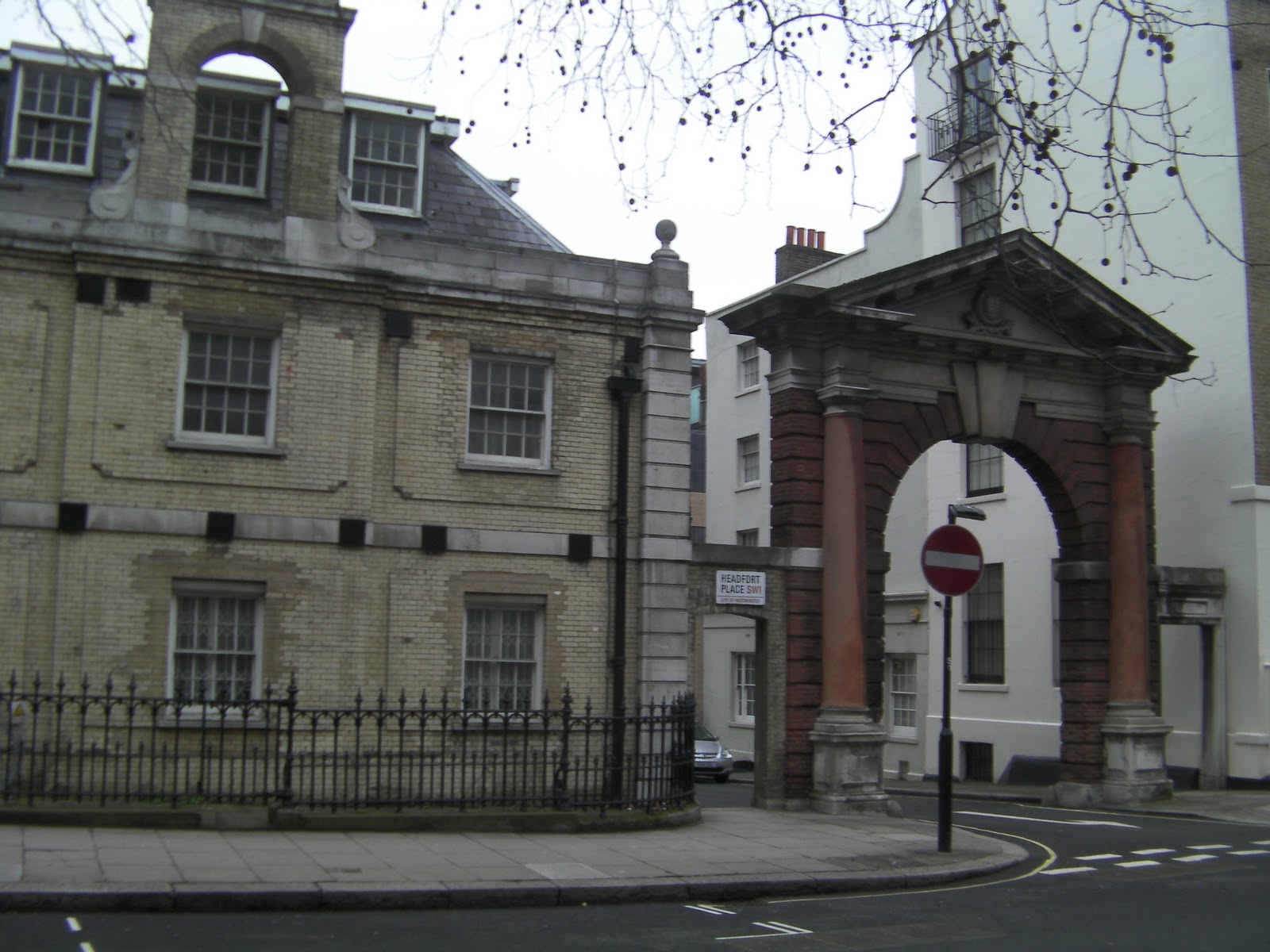
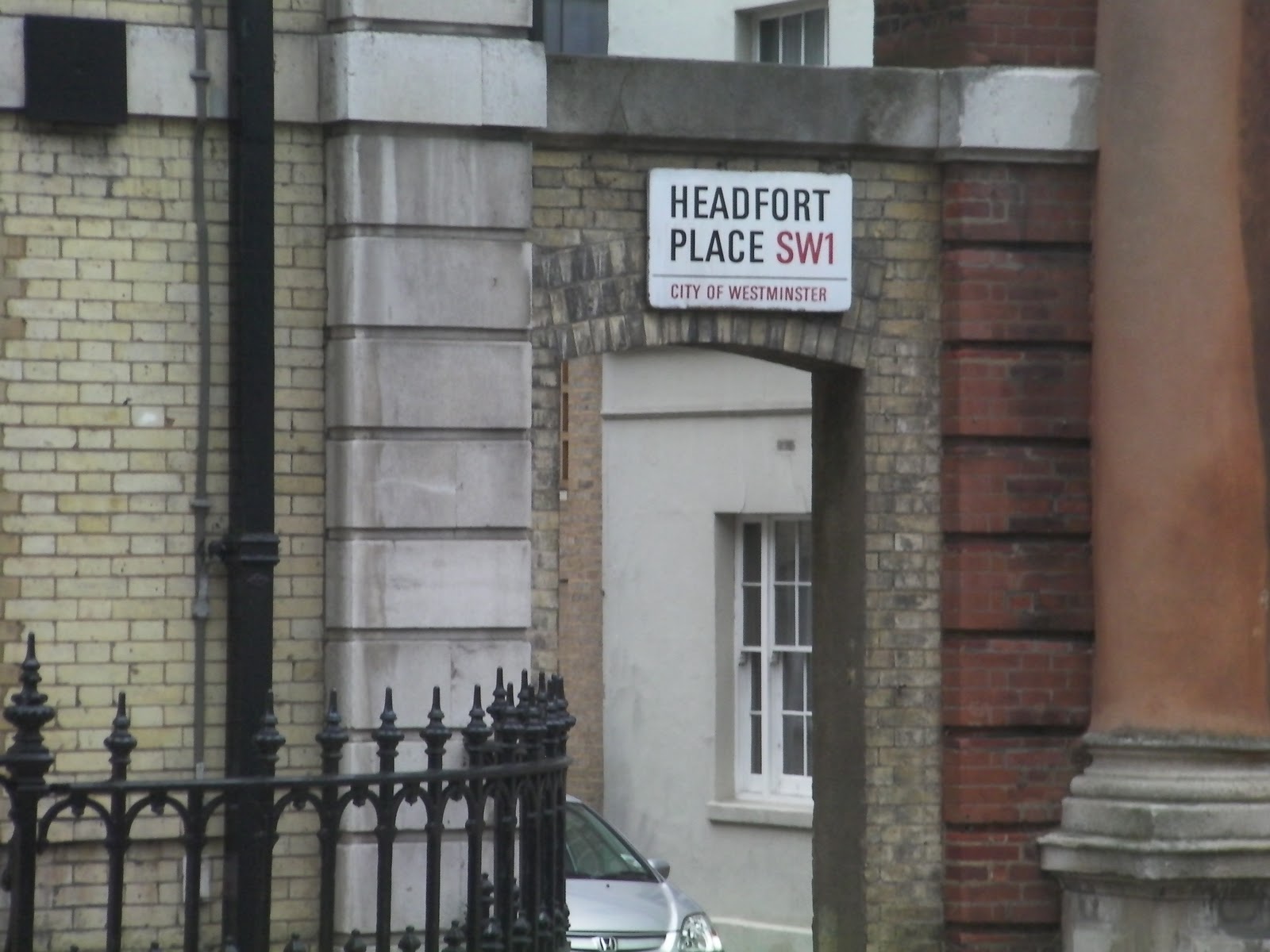
Headfort Place

Located just off Belgrave Square, I came across Headfort Place when walking back to the Rubens Hotel from Apsley House.

The title of the Marquis of Headfort was an Irish peerage conferred in 1800, which explains why I was able to find information on their Irish property – Headfort Hall estate in County Meath, now a school –  but little on Headfort Place, London.

One of the freehold houses in Headfort Place is currently on the market for four million pounds. The Railway Industry Association and Unisea Maritime have offices here.

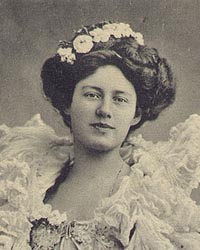
In 1901, the fourth Marquis caused quite a stir when he married Miss Rosa (Rosie) Boote, above, a Florodora dancer at the Gaiety Theatre. To read an in-depth article artice on Rosie, and for more fabulous photos, click here.  For a more in depth look at the wild lives of some of the latest title holders, click here.
You can see a property for sale by Harrod’s Estates in Headfort Place here.
Can anyone provide further details regarding Headfort Place?

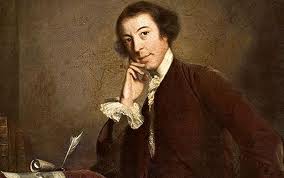
From the Pen of Horace Walpole


Horace Walpole

To George Montagu, Esquire
Arlington Street, May 11, 1769
. . . . . Strawberry (Hill) has been in great glory; I have given a festino there that will almost mortgage it. Last Tuesday all France dined there: Monsieur and Madame du Chatelet, the Due de Liancourt, three more French ladies, whose names you will find in the enclosed paper, eight other Frenchmen, the Spanish and Portuguese ministers, the Holdernesses, Fitzroys, in short we were four and twenty. They arrived at two at the gates of the castle I received them, dressed in the cravat of Gibbons’s carving, and a pair of gloves embroidered up to the elbows that had belonged to James the First. The French servants stared, and firmly believed this was the dress of English country gentlemen. After taking a survey of the apartments, we went to the printing-house, where I had prepared the enclosed verses, with translations by Monsieur de Lille, one of the company. The moment they were printed off, I gave a private signal, and French horns and clarioiets accompanied this compliment. We then went to see Pope’s grotto and garden, and returned to a magnificent dinner in the refectory. In the evening we walked, had tea, coffee,and lemonade in the gallery, which was illuminated with a thousand, or thirty candles, I forget which, and played at whist and loo till midnight. Then there was a cold supper and at one the company returned to town, saluted by fifty nightingales, who, as tenants of the manor, came to do honour to their lord.


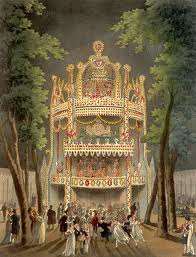
Vauxhall Gardens

I cannot say last night was equally agreeable. There was what they called a ridotto el fresco at Vauxhall, for which one paid half-a-guinea, though, except some thousand more lamps and a covered passage all round the garden, which took off from the gardenhood, there was nothing better than on a common night. Mr. Conway and I set out from his house at eight o’clock; the tide and torrent of coaches was so prodigious, that it was half-an-hour after nine before we got half way from Westminster-bridge. We then alighted; and after scrambling under bellies of horses, through wheels, and over posts and rails, we reached the gardens, where were already many thousand persons. Nothing diverted me but a man in a Turk’s dress and two nymphs in masquerade without masks, who sailed amongst the company, and, which was surprising, seemed to surprise nobody. It had been given out that people were desired to come in fancied dresses without masks. We walked twice round and were rejoiced to come away, though with the same difficulties as at our entrance; for we found three strings of coaches all along the road, who did not move half a foot in half-an-hour. There is to be a rival mob in the same way at Ranelagh to-morrow; for the greater the folly and imposition the greater is the crowd. I have suspended the vestimenta that were torn off my back to the god of repentance, and shall stay away. Adieu! I have not a word more to say to you. Yours ever.
P. S. I hope you will not regret paying a shilling for this packet.