
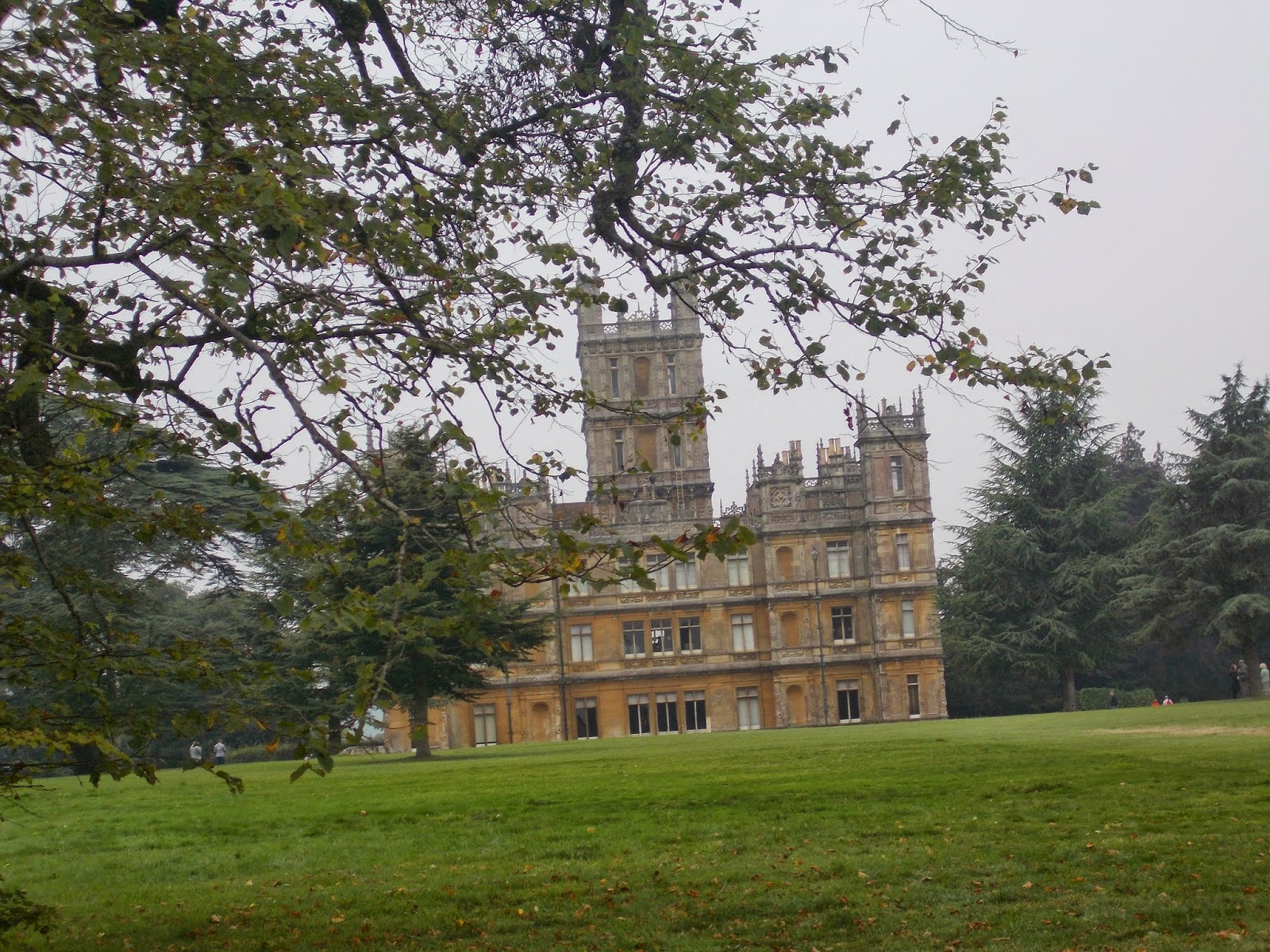
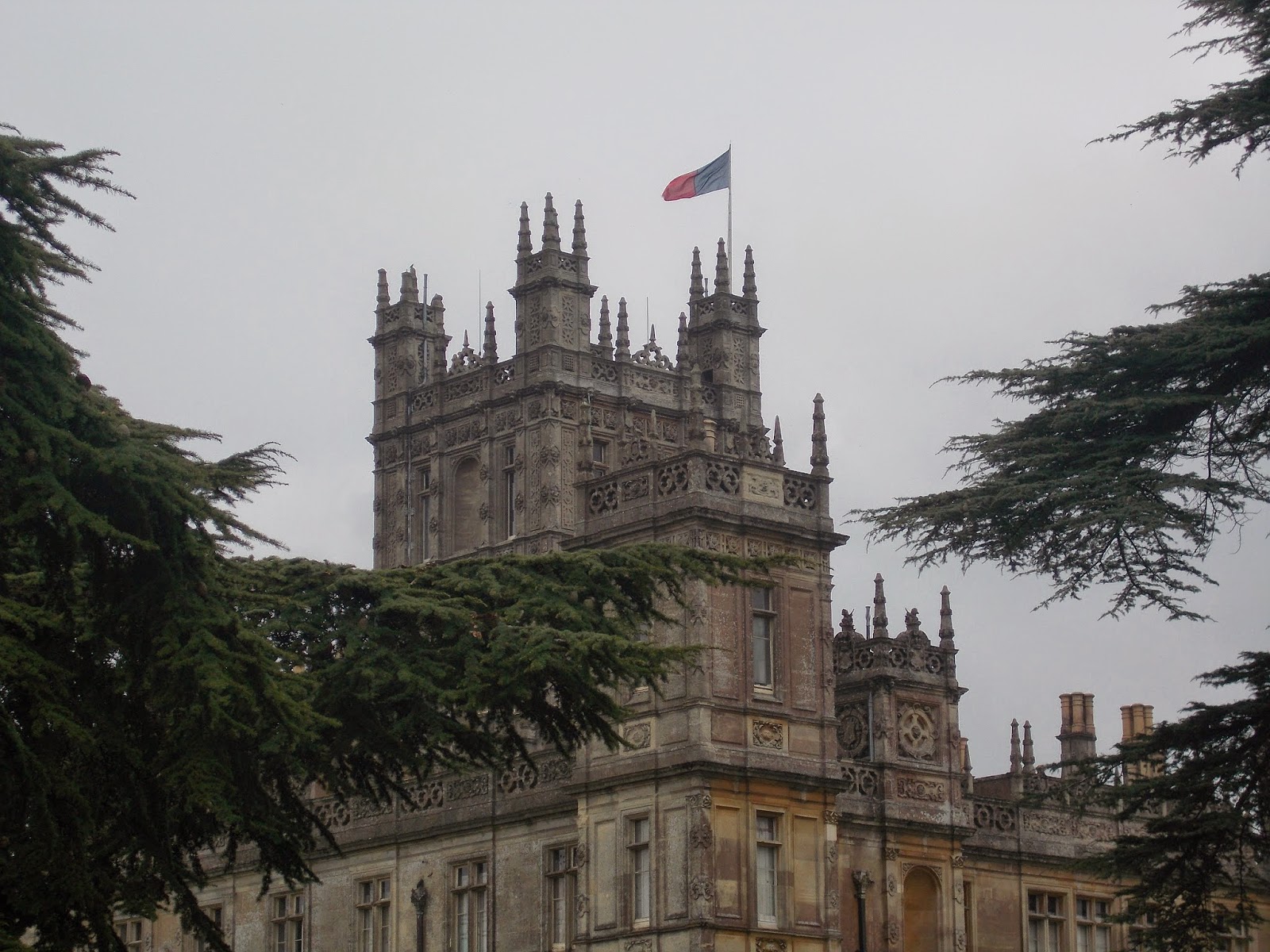
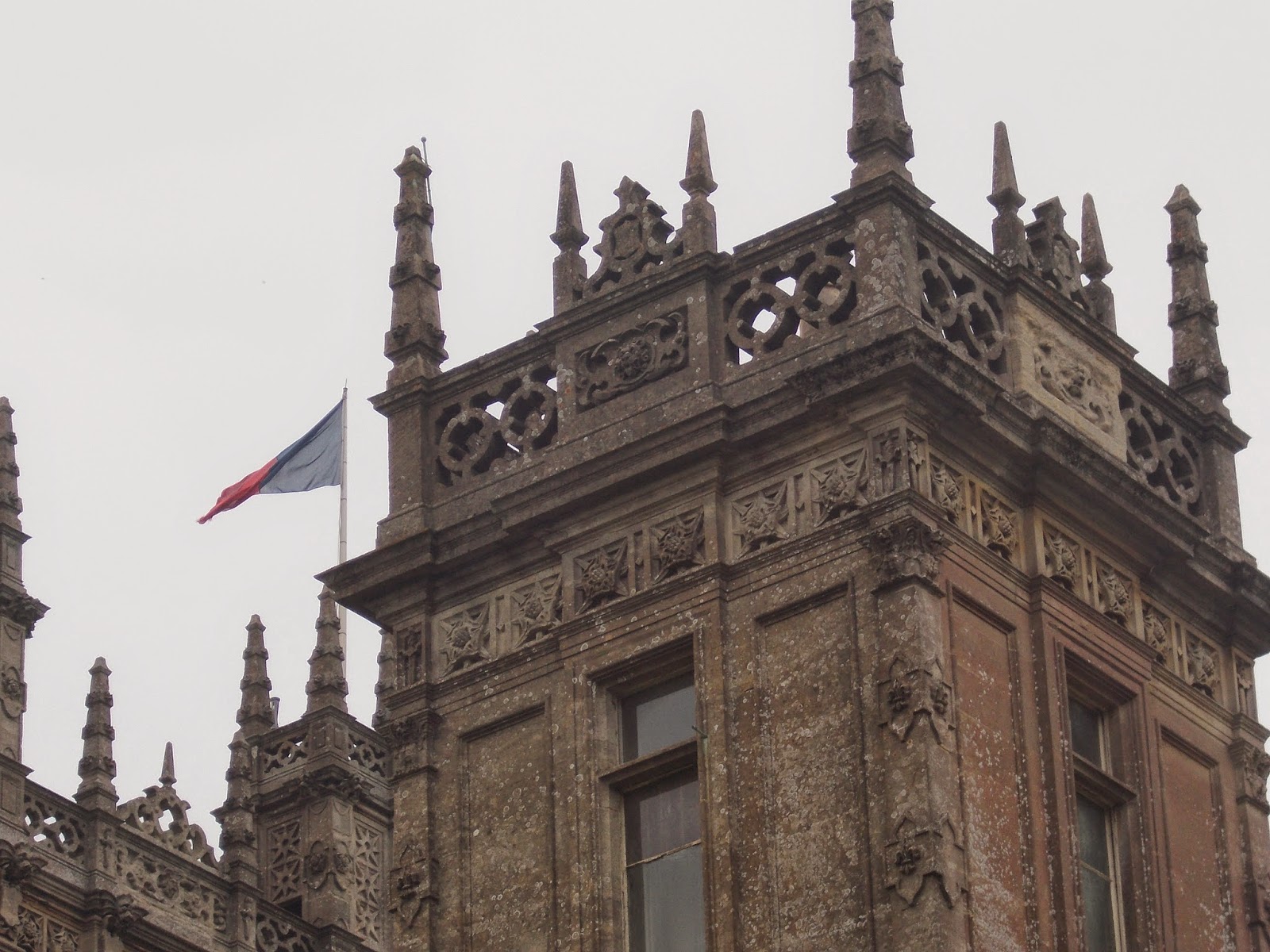
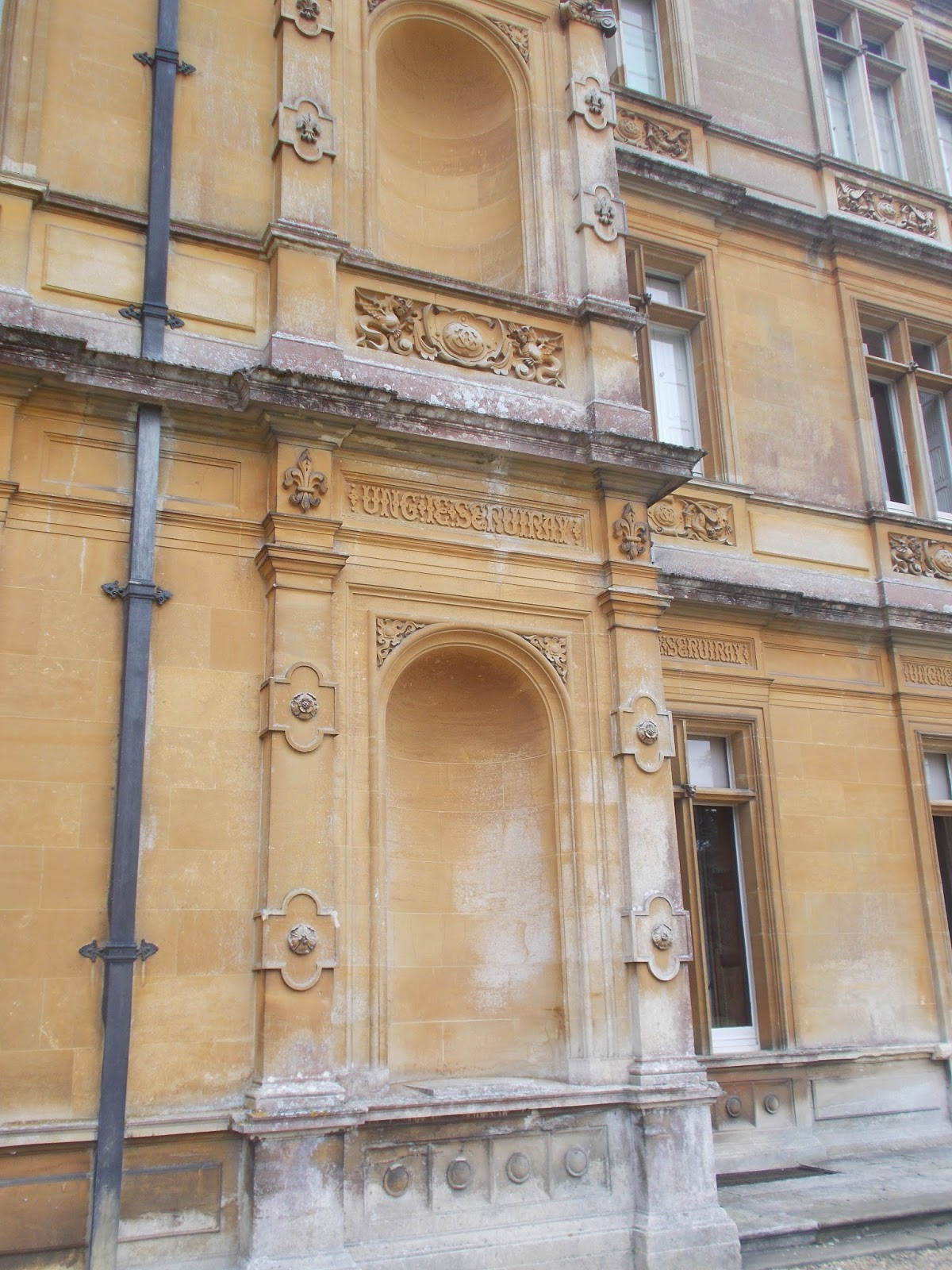

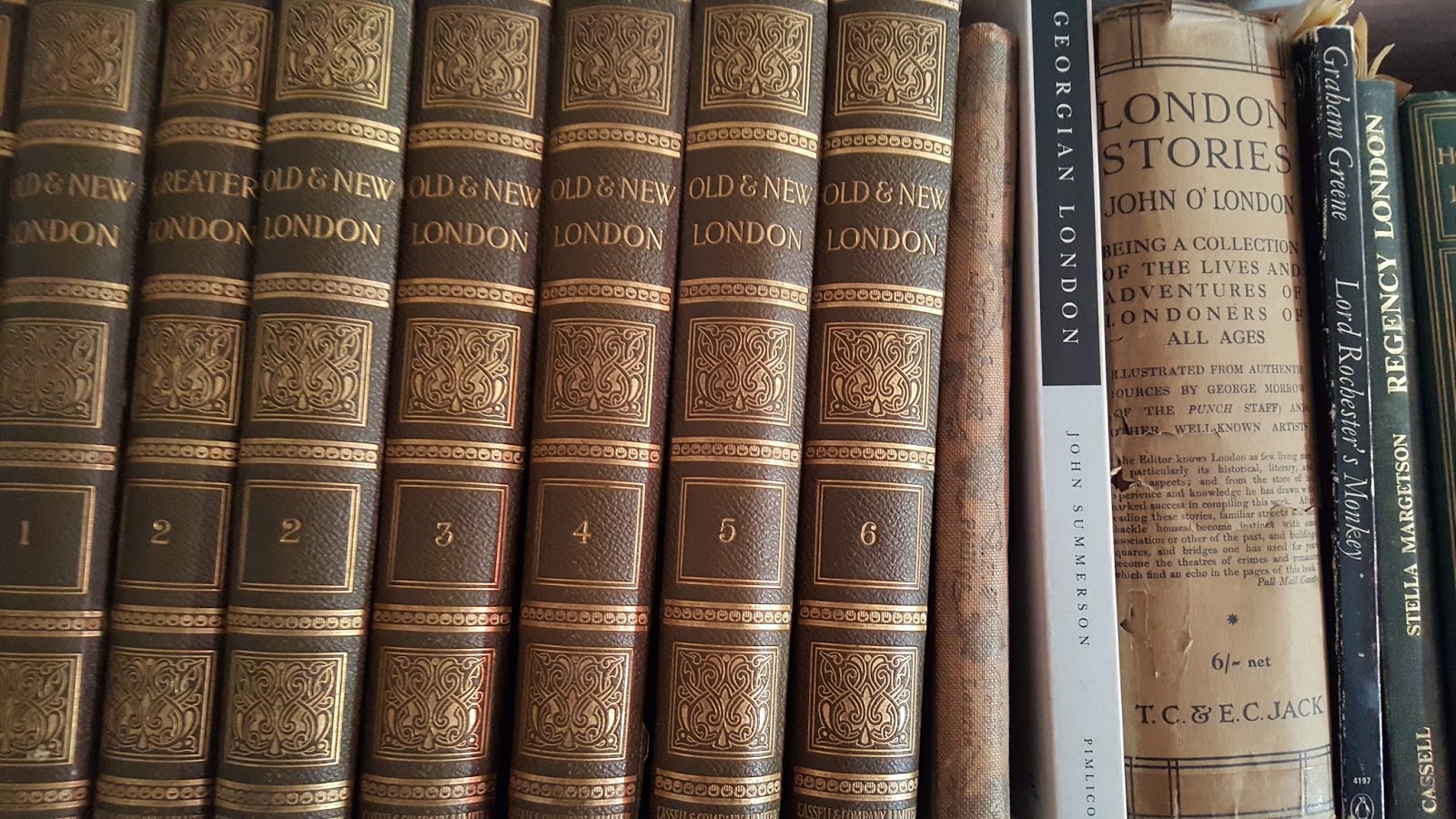
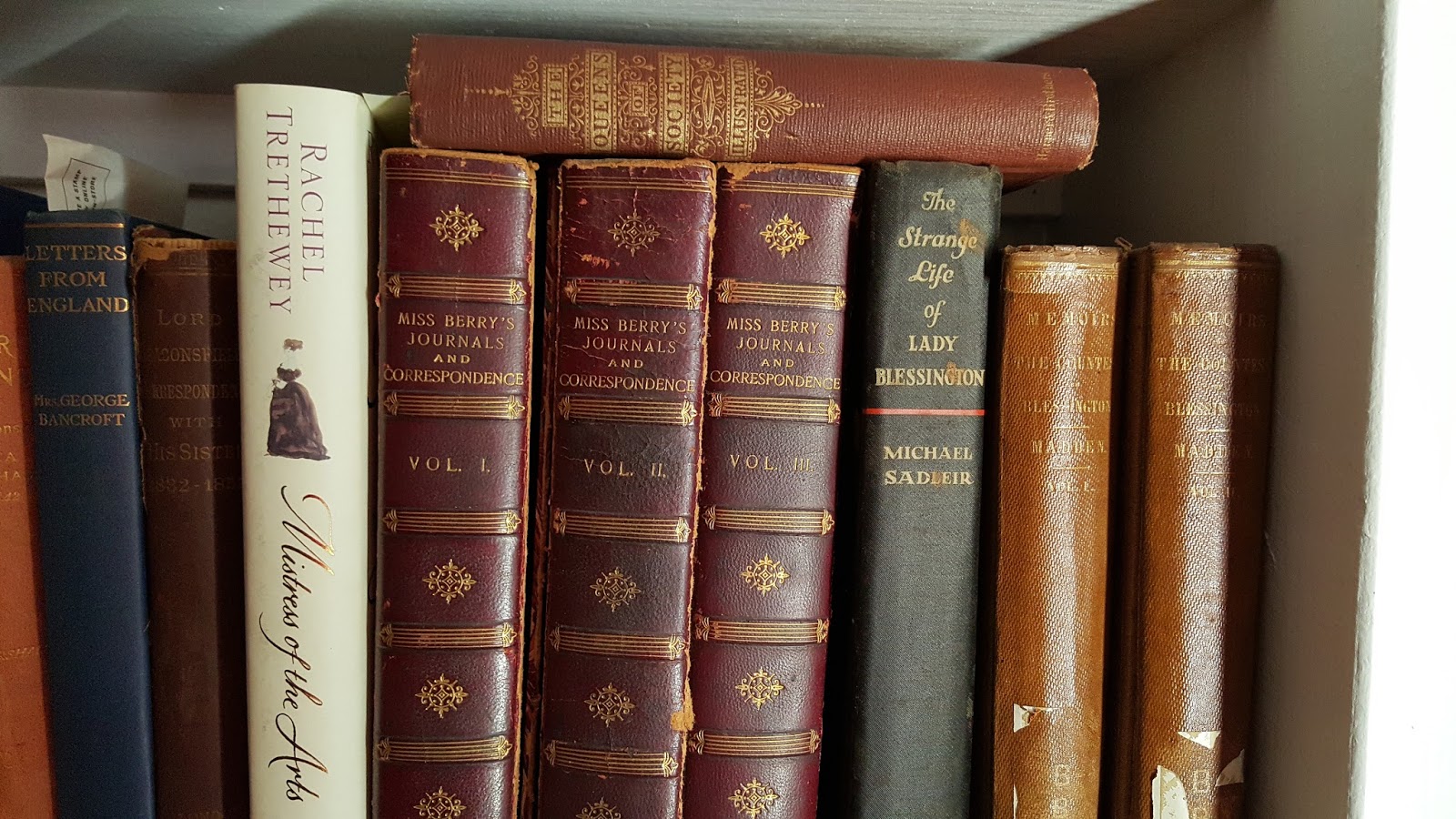
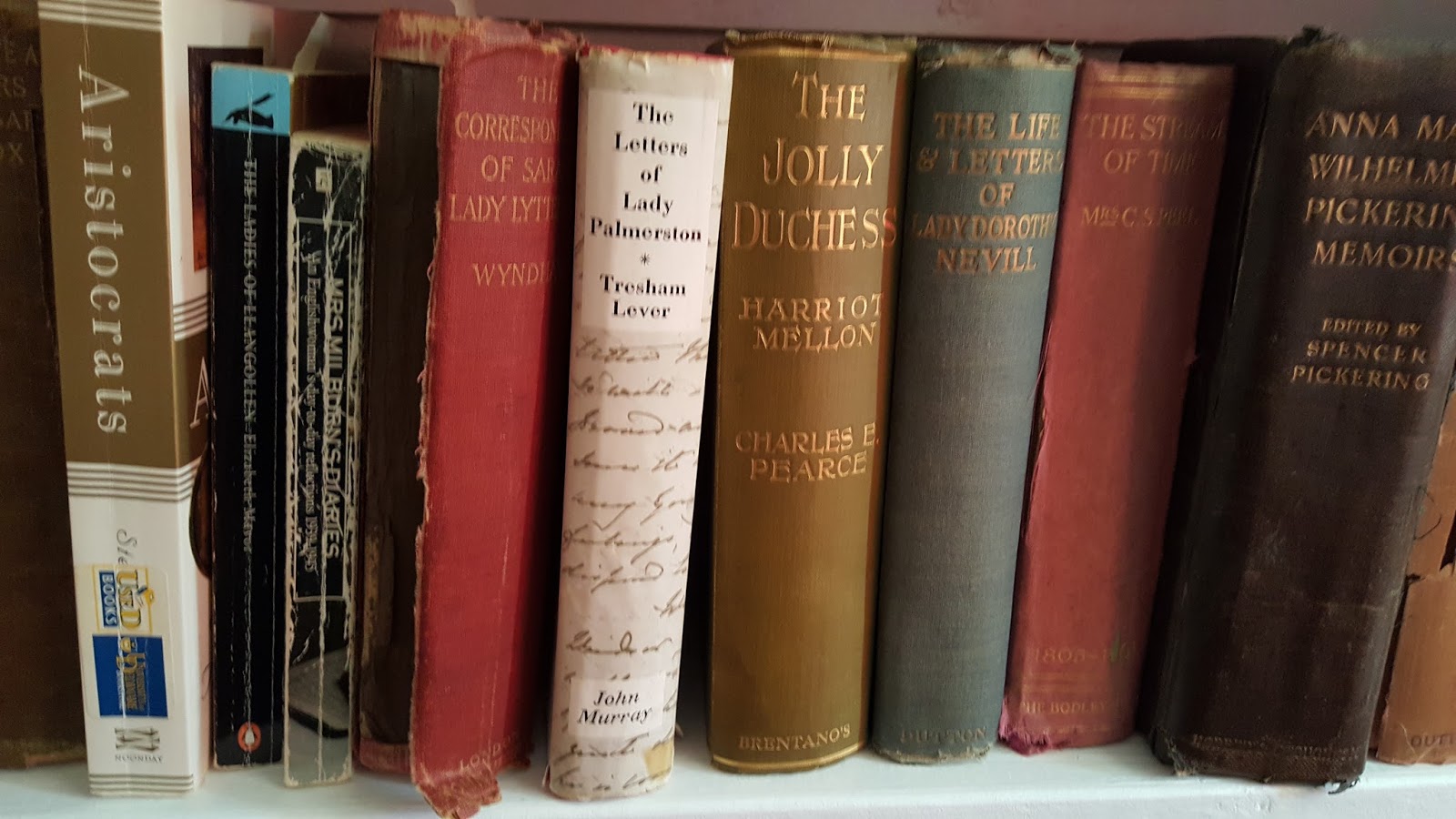
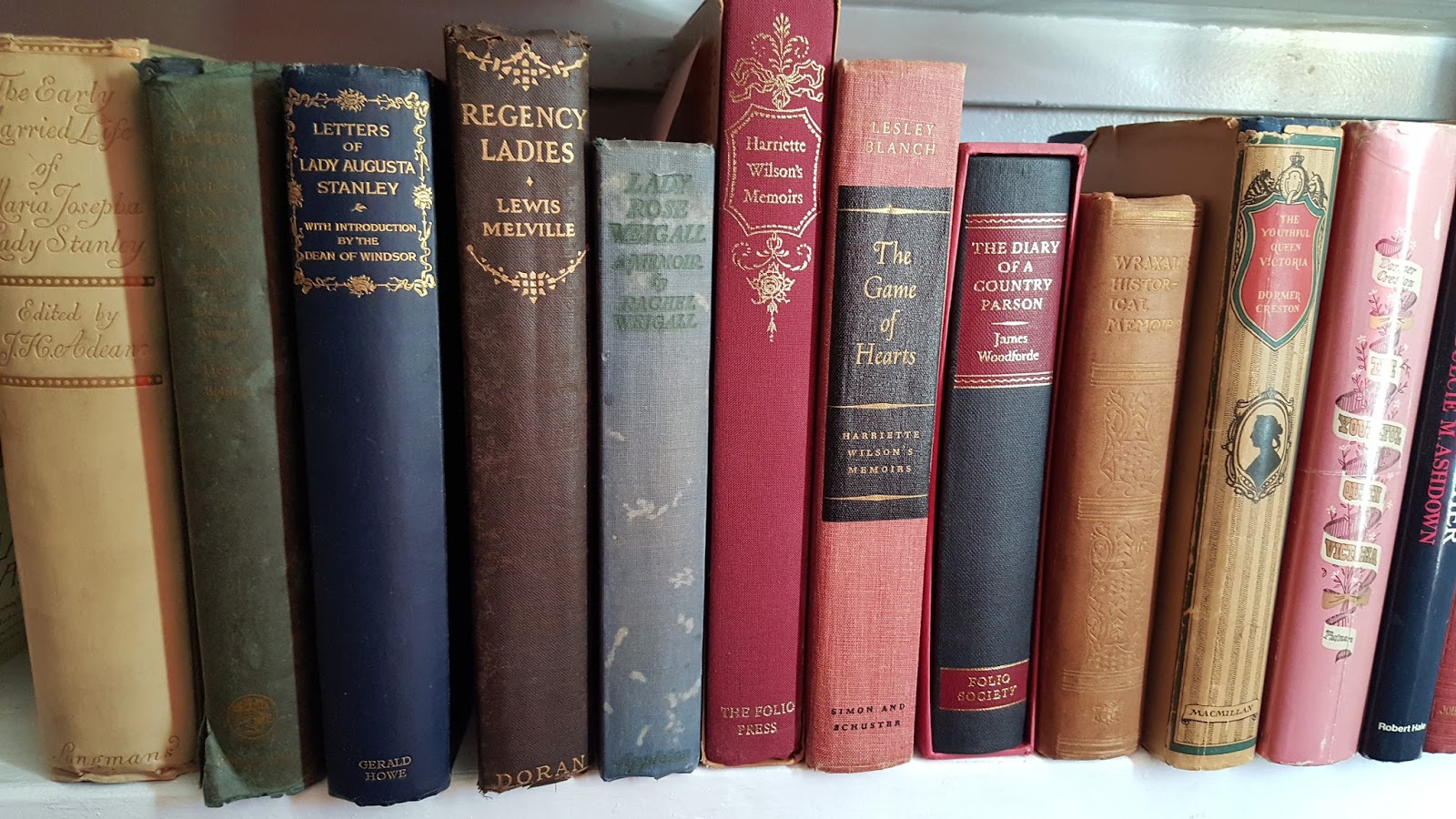
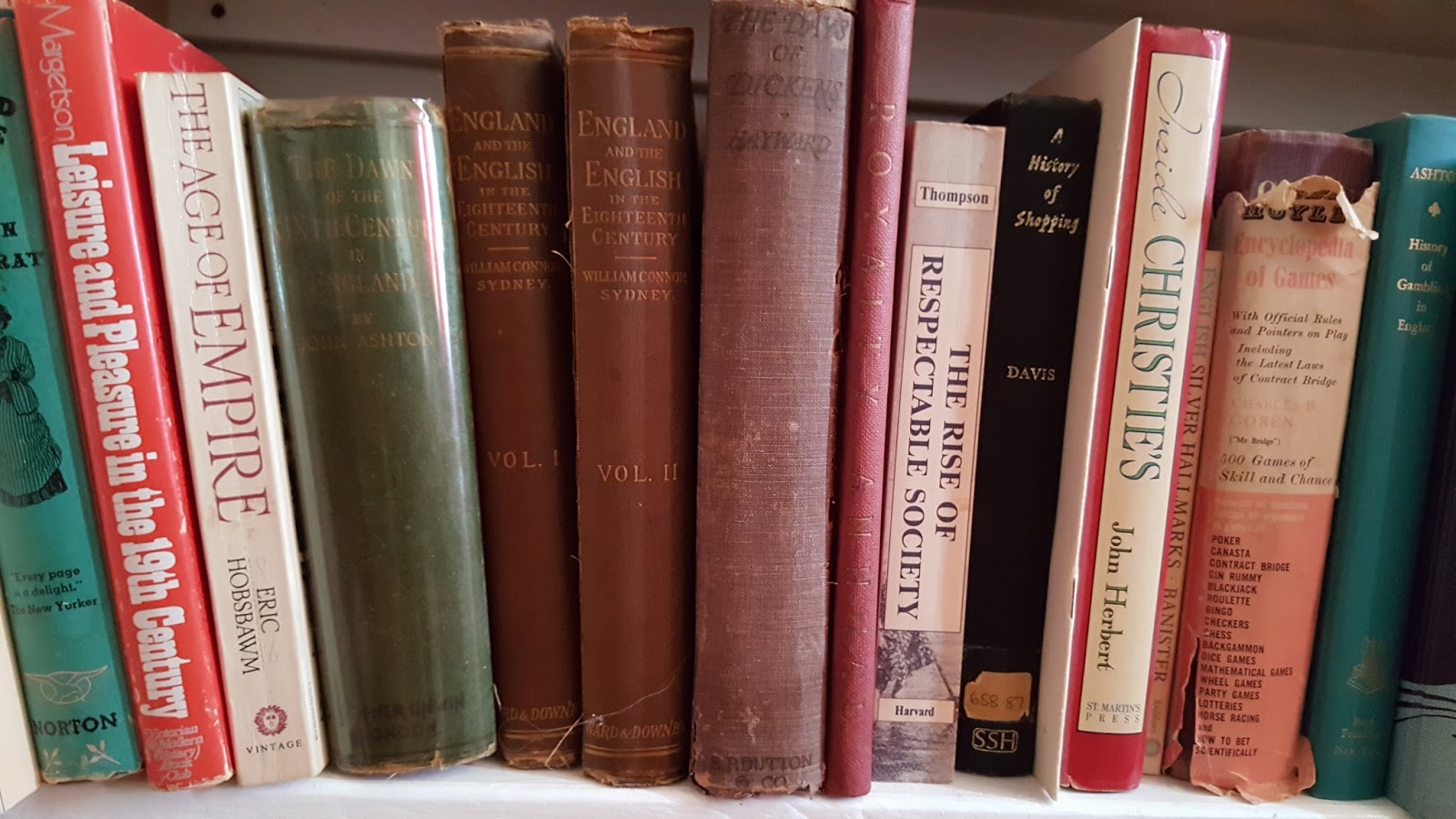
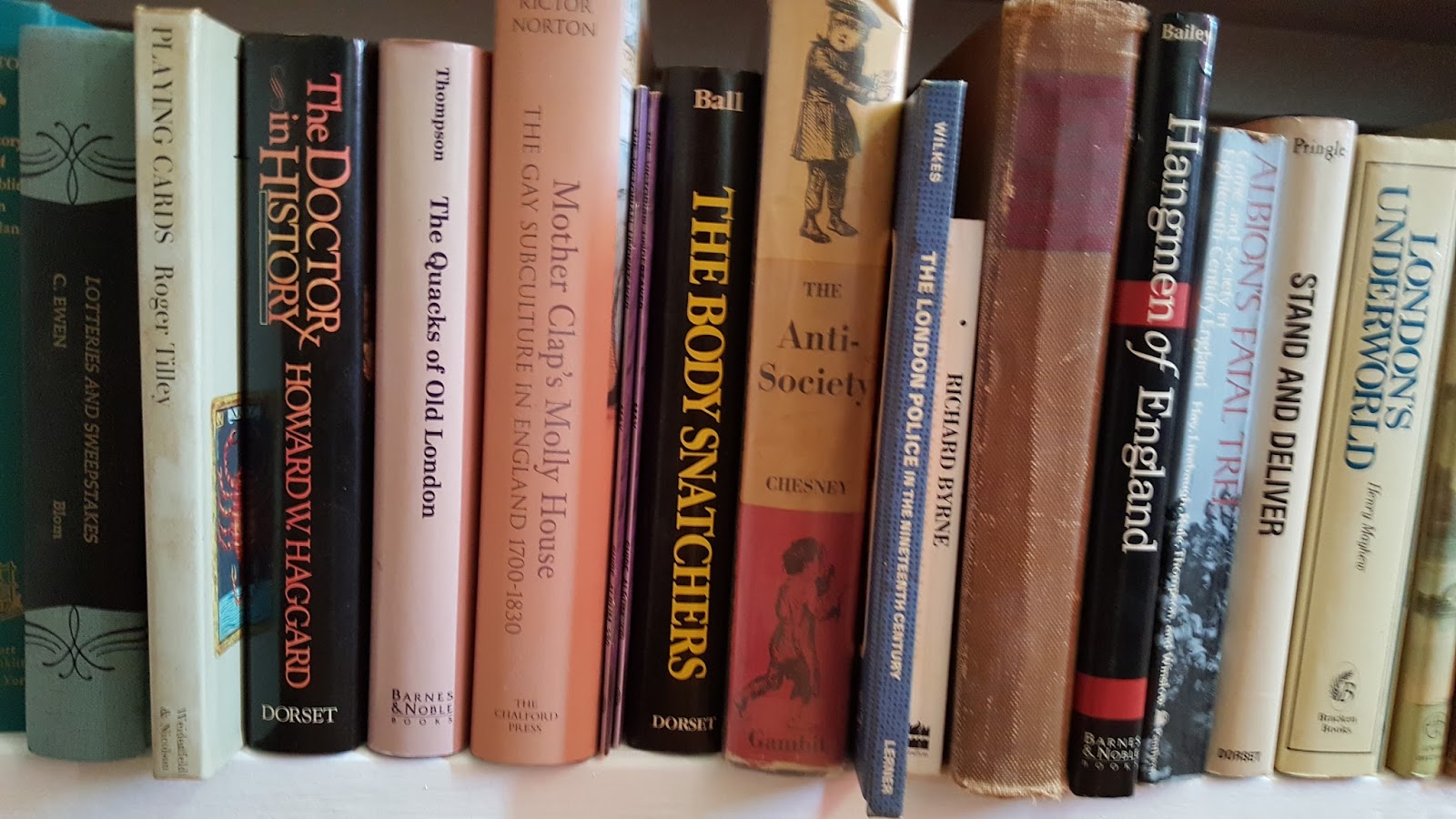
I’m happy to report that the built-in bookshelves are done and painted and my library is back where it belongs. Although most books can now be found on the internet, I’m never parting with my core library, consisting primarily of books on London, Wellington, Brummell, period diaries and letters and Queen Victoria. For those of you who have expressed an interest in browsing my bookshelves, here’s a good representation of what they hold.









Duke of Wellington showing the field of battle of his greatest victory over the French to the young Queen Victoria

“The most infamous army I ever commanded…”
-The Iron Duke on his troops at Waterloo.


This is a unique place to ponder the famous Battle of Waterloo by day and night.

Kristine here, remembering the day that I finally got the opportunity to visit Stratield Saye during the Duke of Wellington Tour. I had visited many of the other sites associated with the Duke of Wellington, most of them numerous times, but I’d never been to Stratfield Saye, as it had always been closed during my trips across the Pond. Now, I’d finally gain entry and with a wonderful group of Wellington enthusiasts, no less. I thought about all I’d read about Stratfield Saye, the house that a grateful Britain had purchased for Wellington in recognition of his victory at Waterloo. And of all the people who had passed through it’s doors – Kitty, Duchess of Wellington, Princess Lieven, the Arbuthnots, Lady Shelley, Angela Burdett-Coutts, and many others. But the one thing I was really looking forward to seeing at Stratfield Saye was the grave of Copenhagen, the horse the Duke had ridden throughout the Battle of Waterloo. As most contemporary accounts will attest, Copenhagen was not the prettiest of equine examples, with a head that some judged too small for his body. As the Duke of Wellington himself remarked, ‘There may have been many faster horses, no doubt many handsomer, but for bottom and endurance I never saw his fellow.’
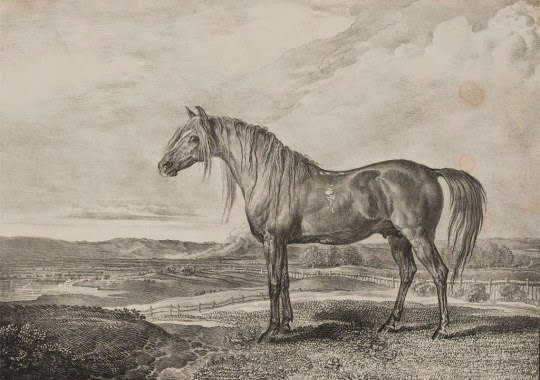 |
| Lithograph, by and after James Ward RA |
The reason the word “redux” appears in the title of this post is that we’ve written about Copenhagen before on this blog. Here’s the link to the first Wonderful, Wonderful Copenhagen post. Copenhagen, that cantankerous, feisty and sometimes ornery horse, had managed to endear himself to a whole host of people, including the Duke himself, the Duchess, who often hand fed the horse treats, and many of the ladies noted above, some of whom actually got the opportunity to ride him and all of whom counted jewelery made from or containing Copenhagen’s hair among their most treasured possessions. To Wellington enthusiasts, Copenhagen was and remains legendary. You’ll find the Wikipedia entry for Copenhagen here.
.jpg) |
| Copenhagen as painted in his retirement by Samuel Spode. |
On the morning of our visit to Strratfield Saye, our tour group waited patiently for me aboard our coach as I bought a bouquet roses at a nearby Tesco’s. It was my goal to leave the floral tribute at Copenhagen’s grave during our visit.

And then we were off on the short drive to Stratfield Saye


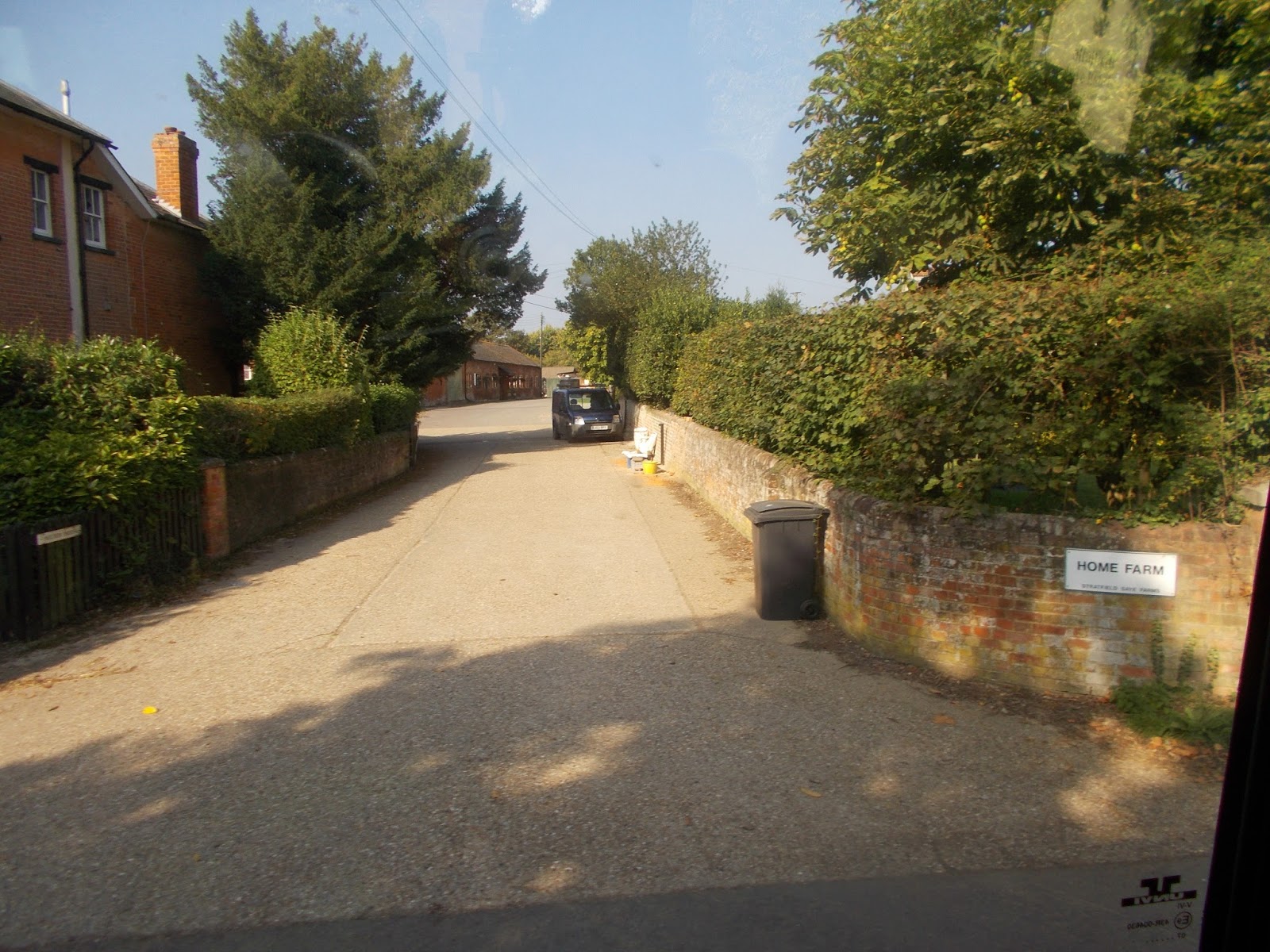
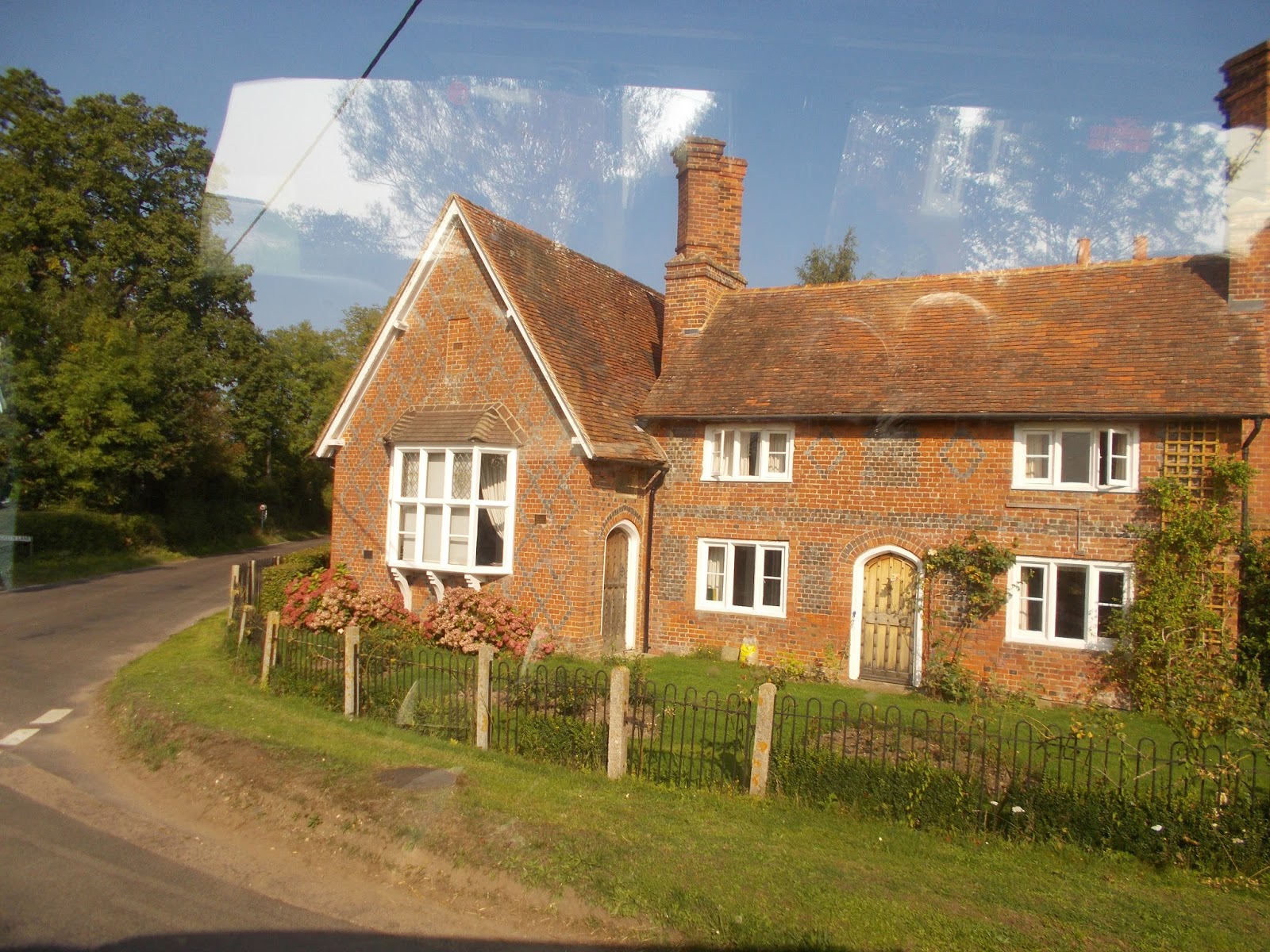
And at long last, I was at the gates to the Estate.


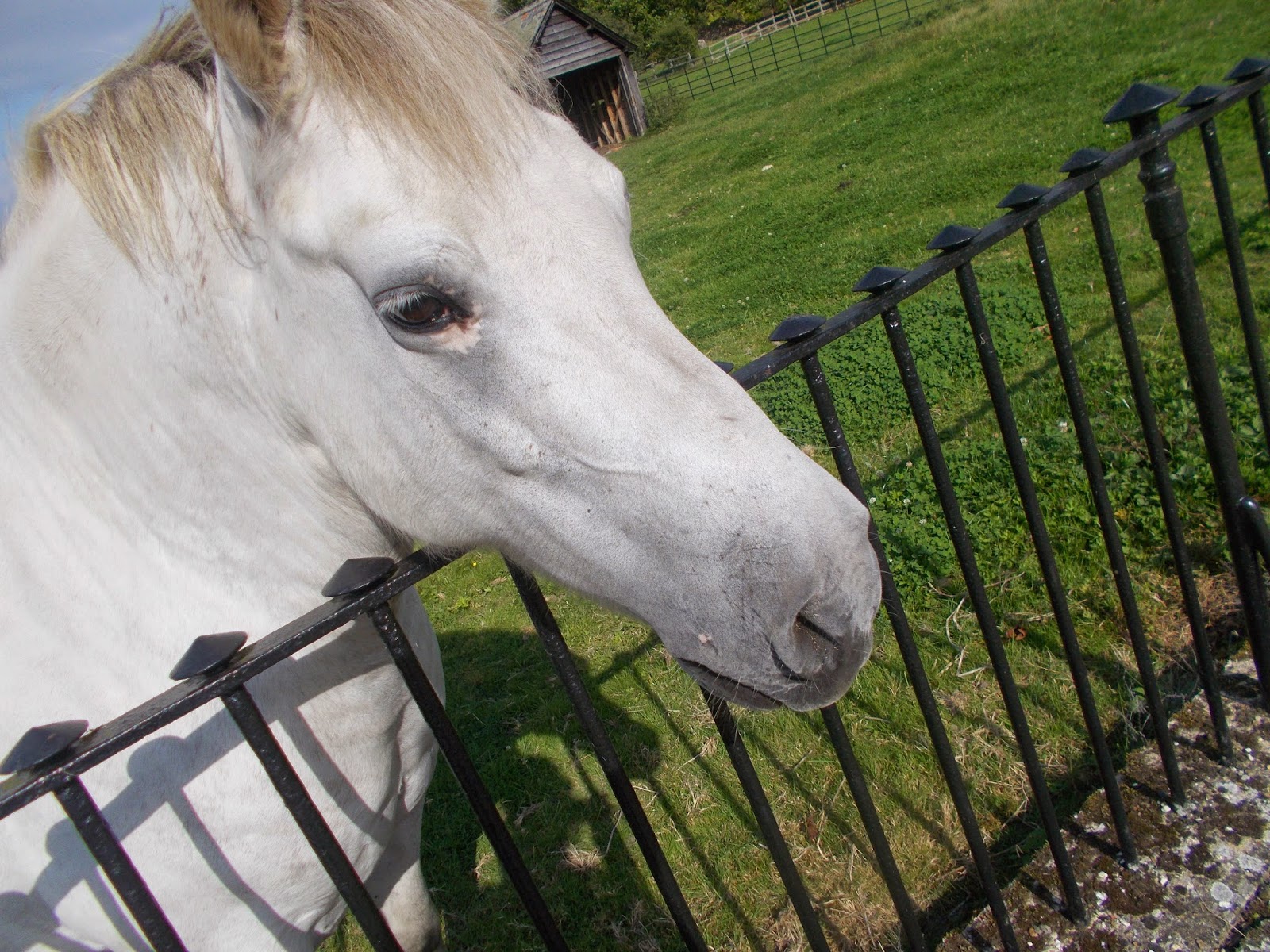
A short walk brought us to the front of the house, where we caught site of another horse.
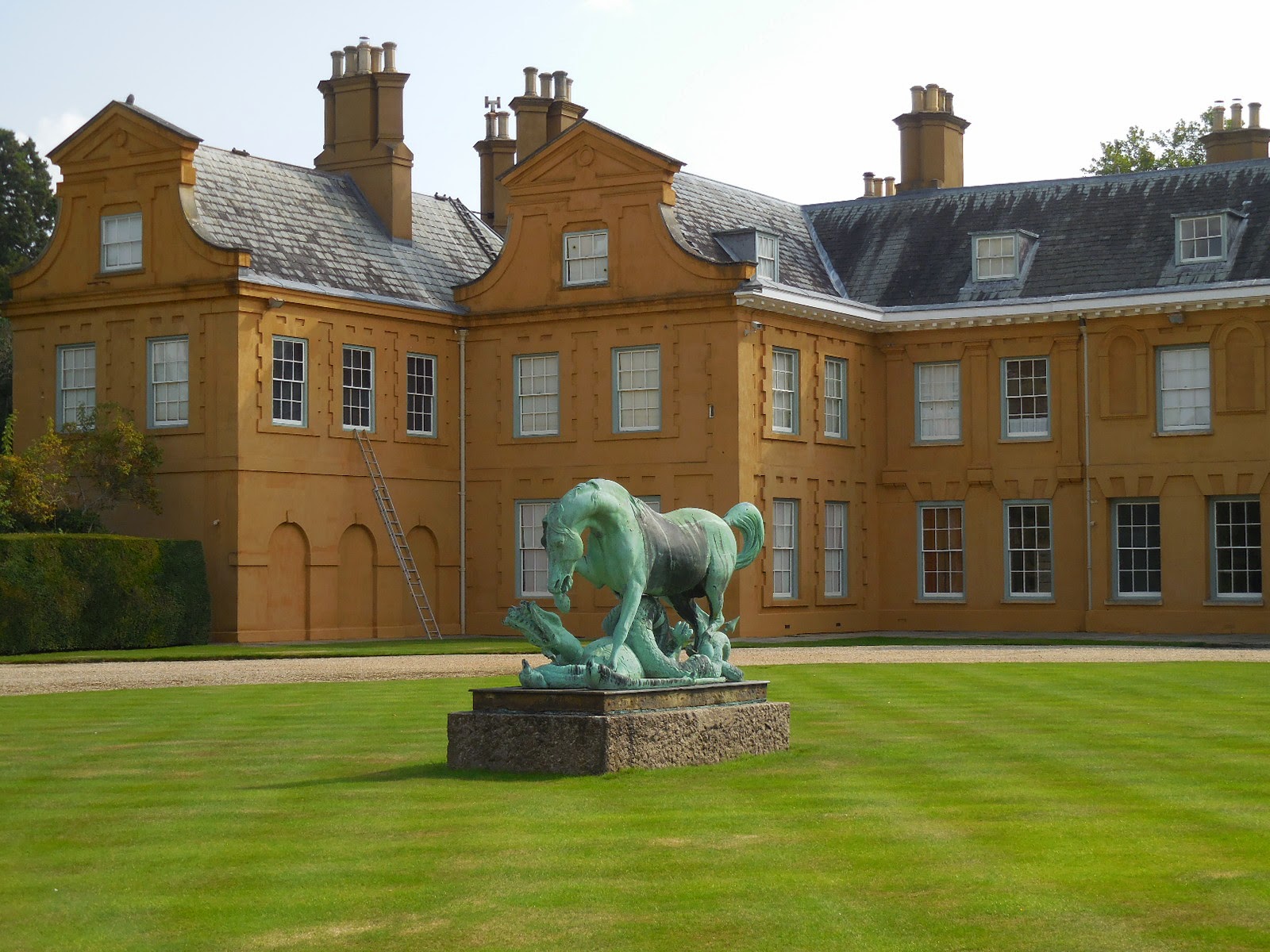
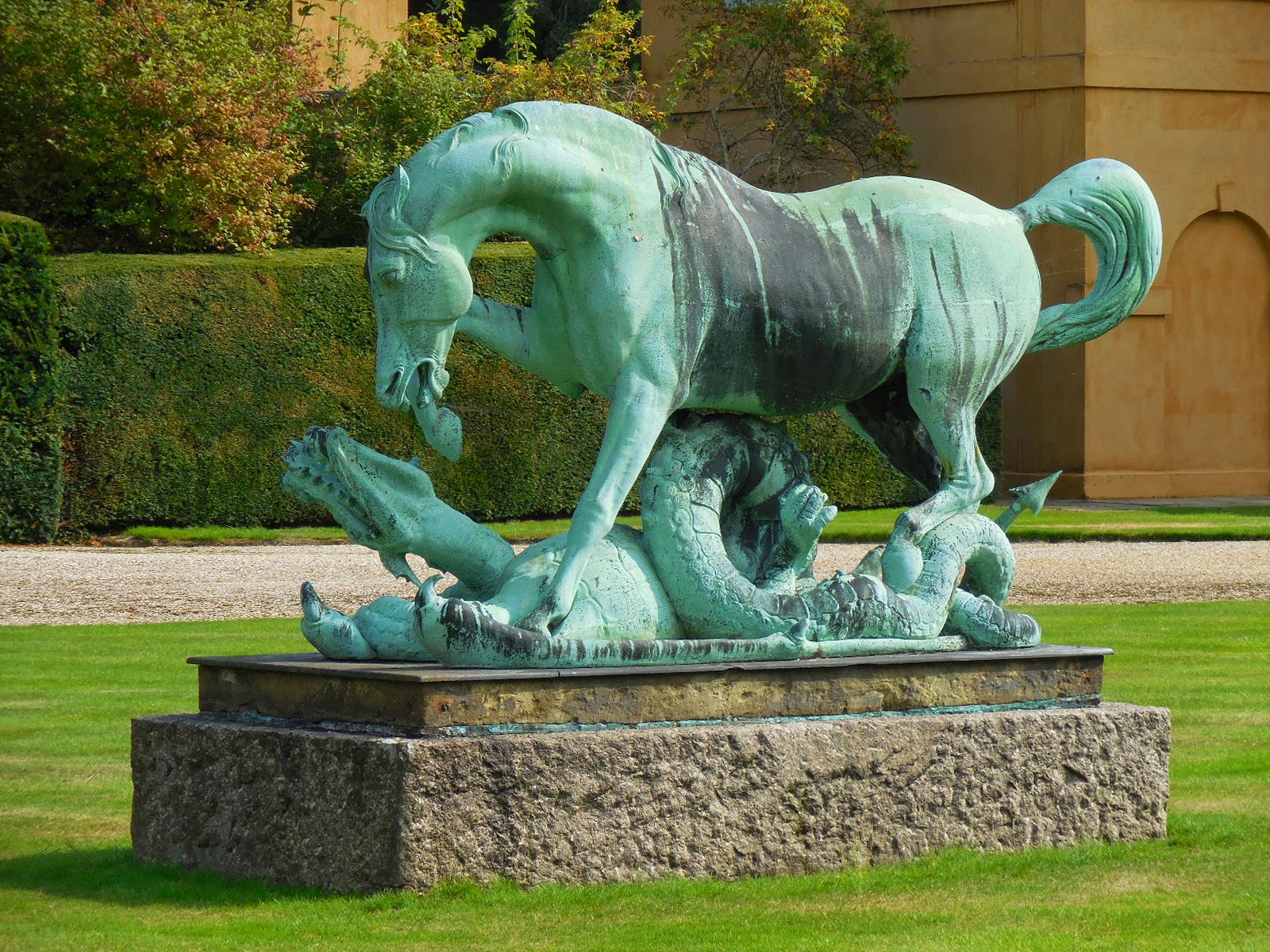
Our group was divided into two, with guide Jenny Savage leading one group through the house, whilst guides Richard and Mary showed round the second group. What can I say? It was all fabulous, especially the first Duke’s office, with the first Duke’s desk still in use and the secret staircase leading to his rooms above pointed out to us by Jenny.
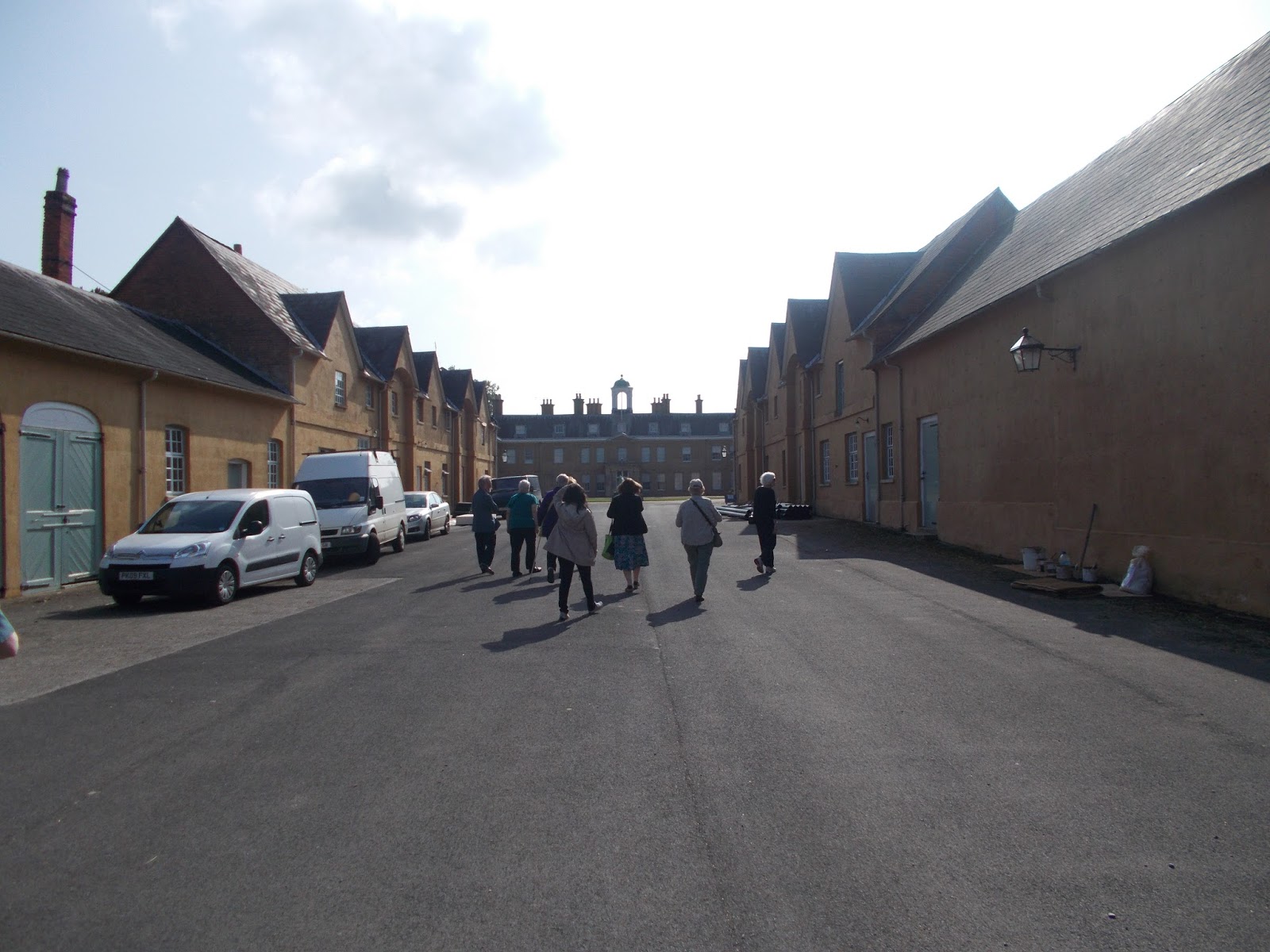

Afterwards, we were free to walk the Estate grounds and I was determined to find Copenhagen’s grave, where I meant to leave the flowers I’d been carrying round with me all day.

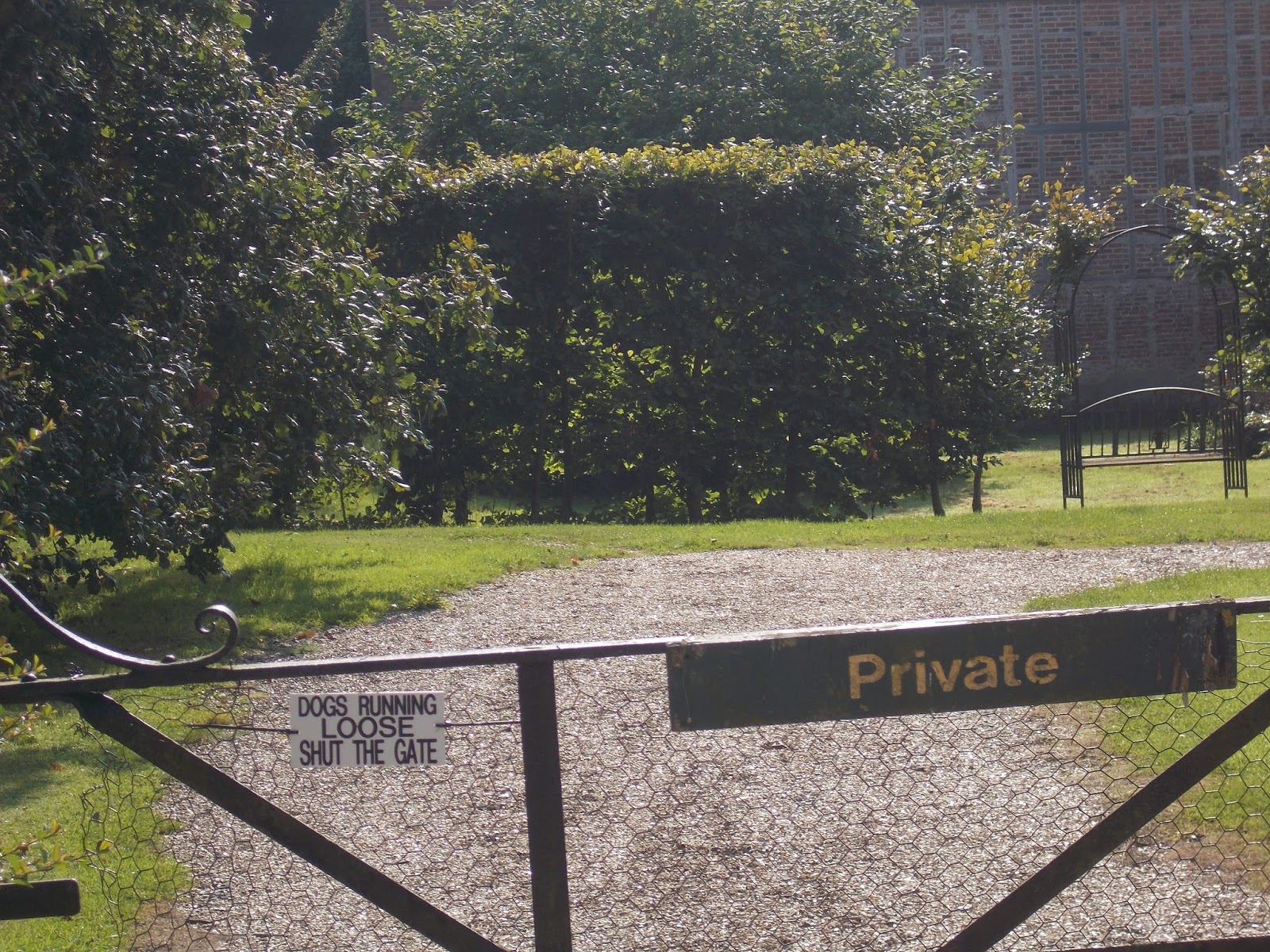
We travelled down many of the paths on the grounds, looking all the while for the route that would lead us to Copenhagen’s final resting place.


Because I knew that Victoria had been to Stratfield Saye and to Copenhagen’s grave before, I asked her where she thought the monument was. Taking me to the path she believed led to the site, we walked back and forth several times, never seeing a clue as to where the grave could be.

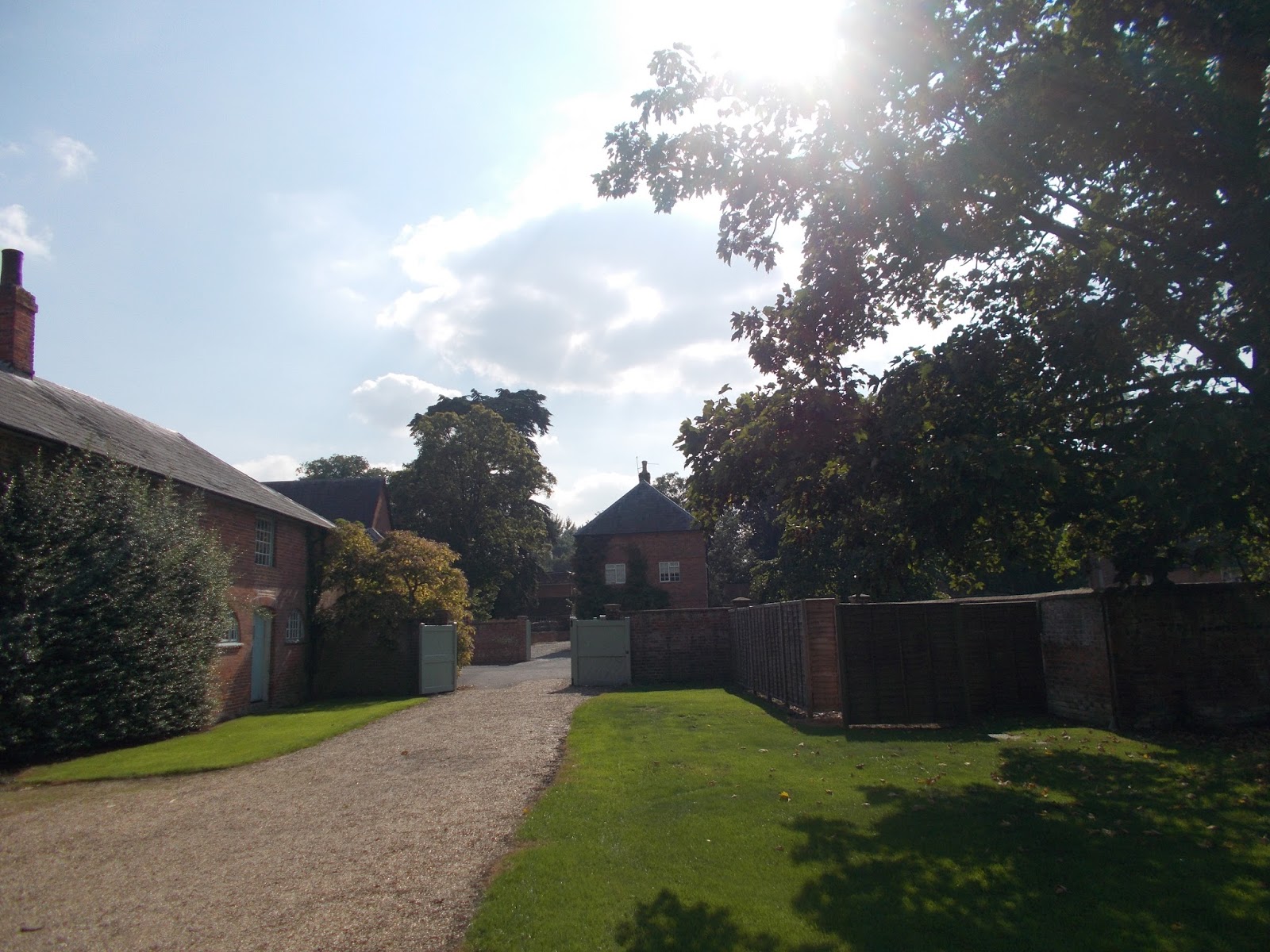
Victoria swore that she remembered the site being just here . . . but when we got there, nothing. Finally, we ran into our guide Jenny again and asked her to show us where the grave stood.
“I thought it was just off the road the last time I visited,” Vicky said.
“Oh, we’ve redone the site in the past few years. Too much foot traffic and there was the danger to the tree beside the grave. It’s quite old and suffering from disease and, unfortunately, we’ve had to take steps to protect it and the grave.”
“Is that the Turkey oak that Mrs. Apostles planted?” I asked. Jenny stopped and looked at me, “Why, yes. Yes, it is.”
Mrs. Apostles was Wellington’s housekeeper. She planted the oak at the gravesite seven years after Copenhagen’s death. For a moment, Jenny and I locked eyes and a frisson of kinship passed between us. It was uncanny.

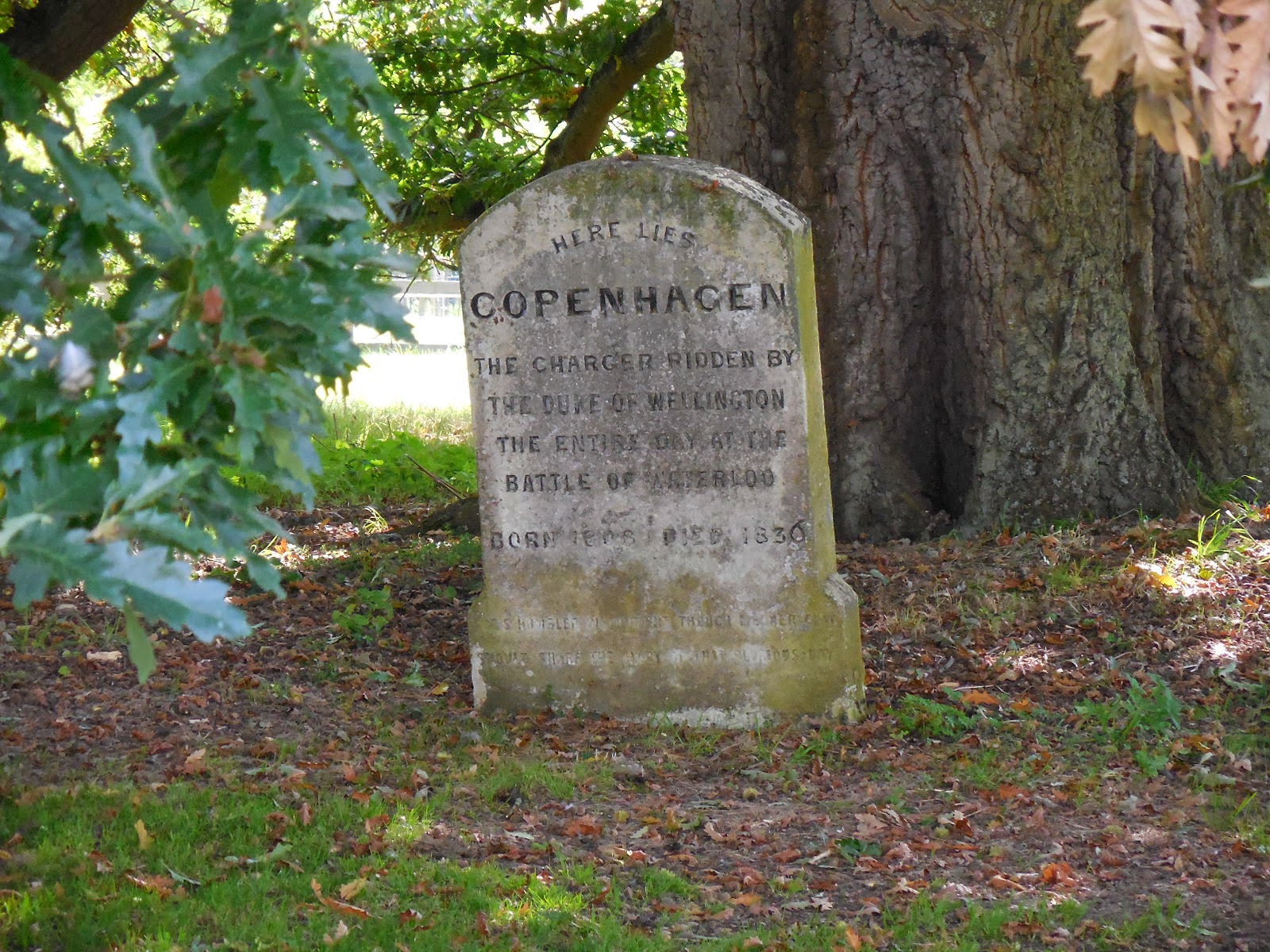
Jenny led Victoria and I into what can only be described as a secret garden. “There it is!” Victoria exclaimed. I followed where she pointed and saw the headstone, Mrs. Apostles’s oak tree . . . and the fence that surrounded both.
“Can’t we get to the grave?” I asked, disappointment no doubt evident in my voice.
“No,” Jenny said. “It’s closed to the public now.”
I took the Tesco’s bag from my arm. “I’ve carried these all day,” I said, bringing forth the bouquet of roses. “I so wanted to leave them here.”
“Have you been carrying them all this time?” Jenny asked, incredulous.
“Yes.”
“For Copenhagen?”
“Yes,” I replied with a catch in my voice. Again, Jenny and I shared a look, a silent communication.
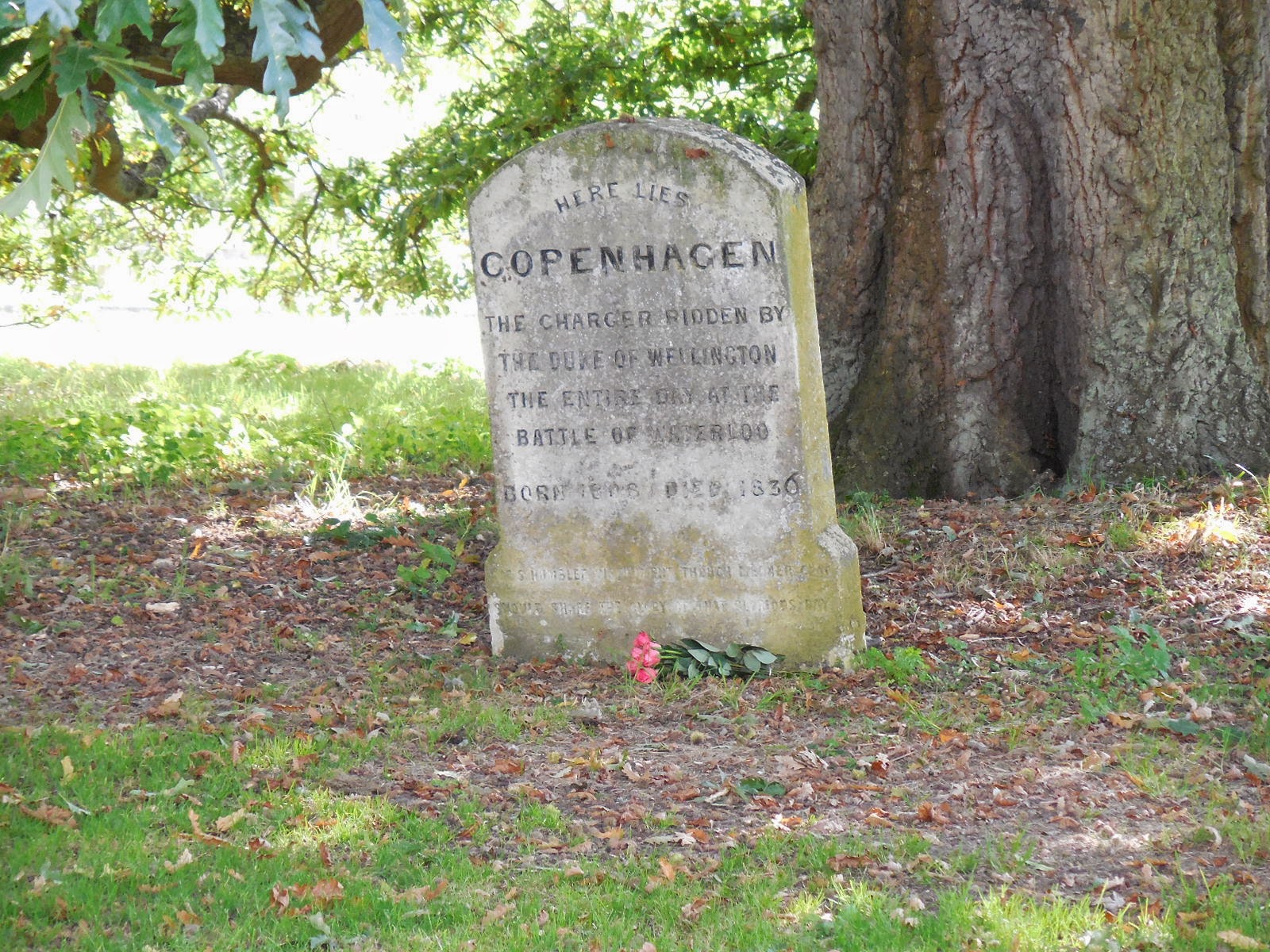
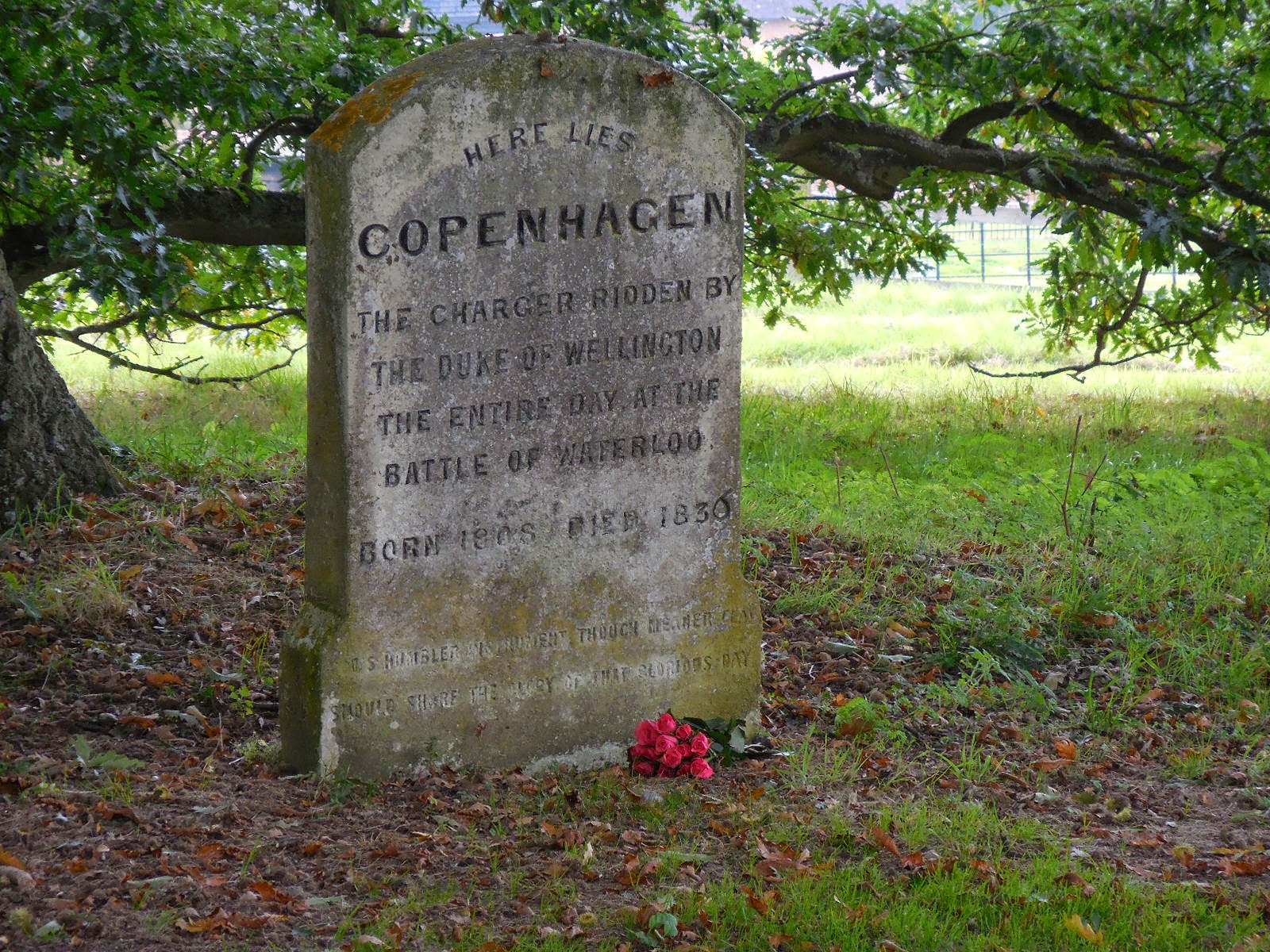
“Here, give them to me,” Jenny said, taking the bouquet from my hand. “I feel the same way about Copenhagen. I’m so happy that you’ve taken the time to honour him. Will you allow me to place them at his grave for you?”
With a silent nod, I let the bouquet go and Victoria and I watched as Jenny walked towards the gate, went through it and then stood by Copenhagen’s headstone.
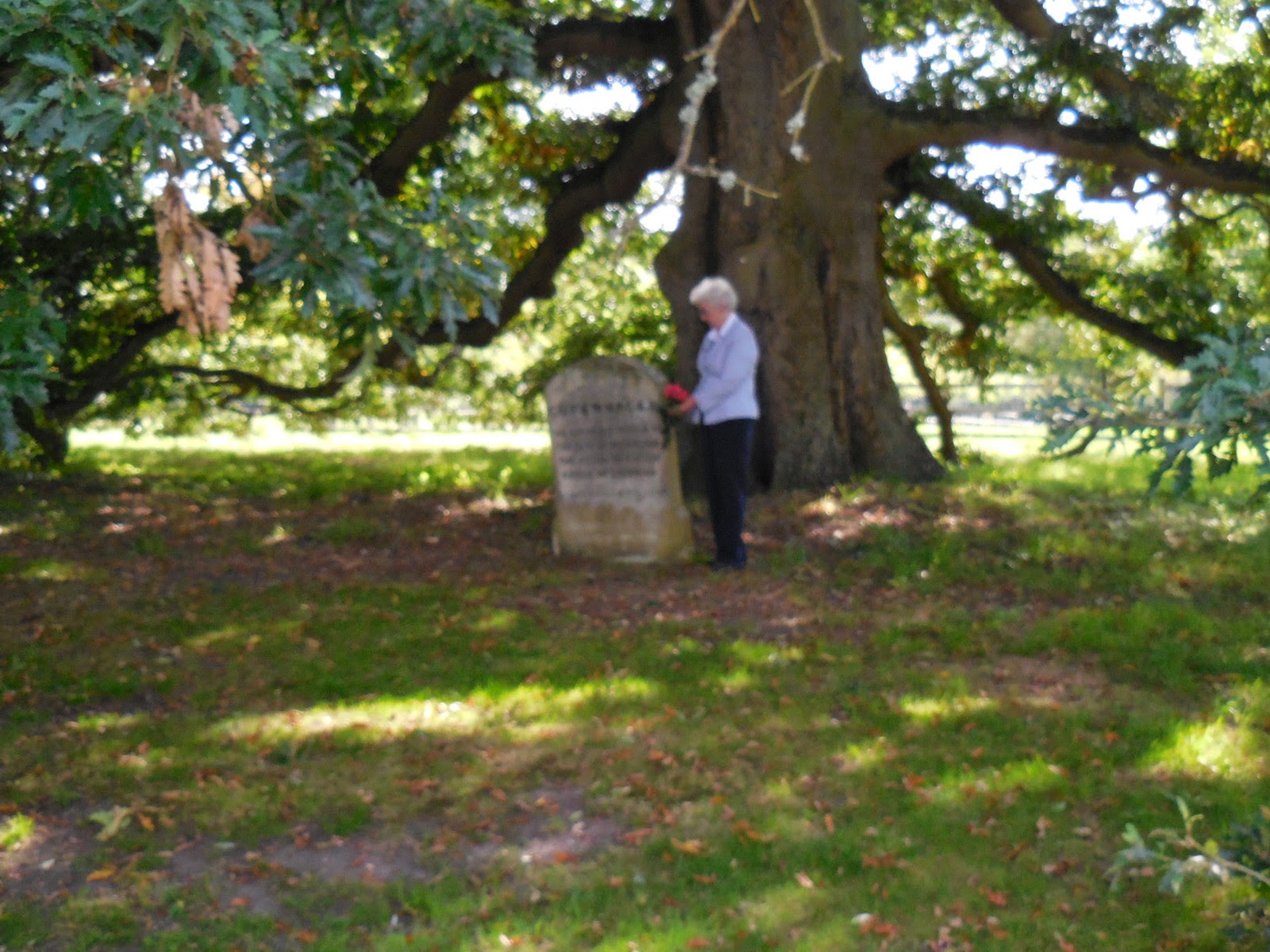
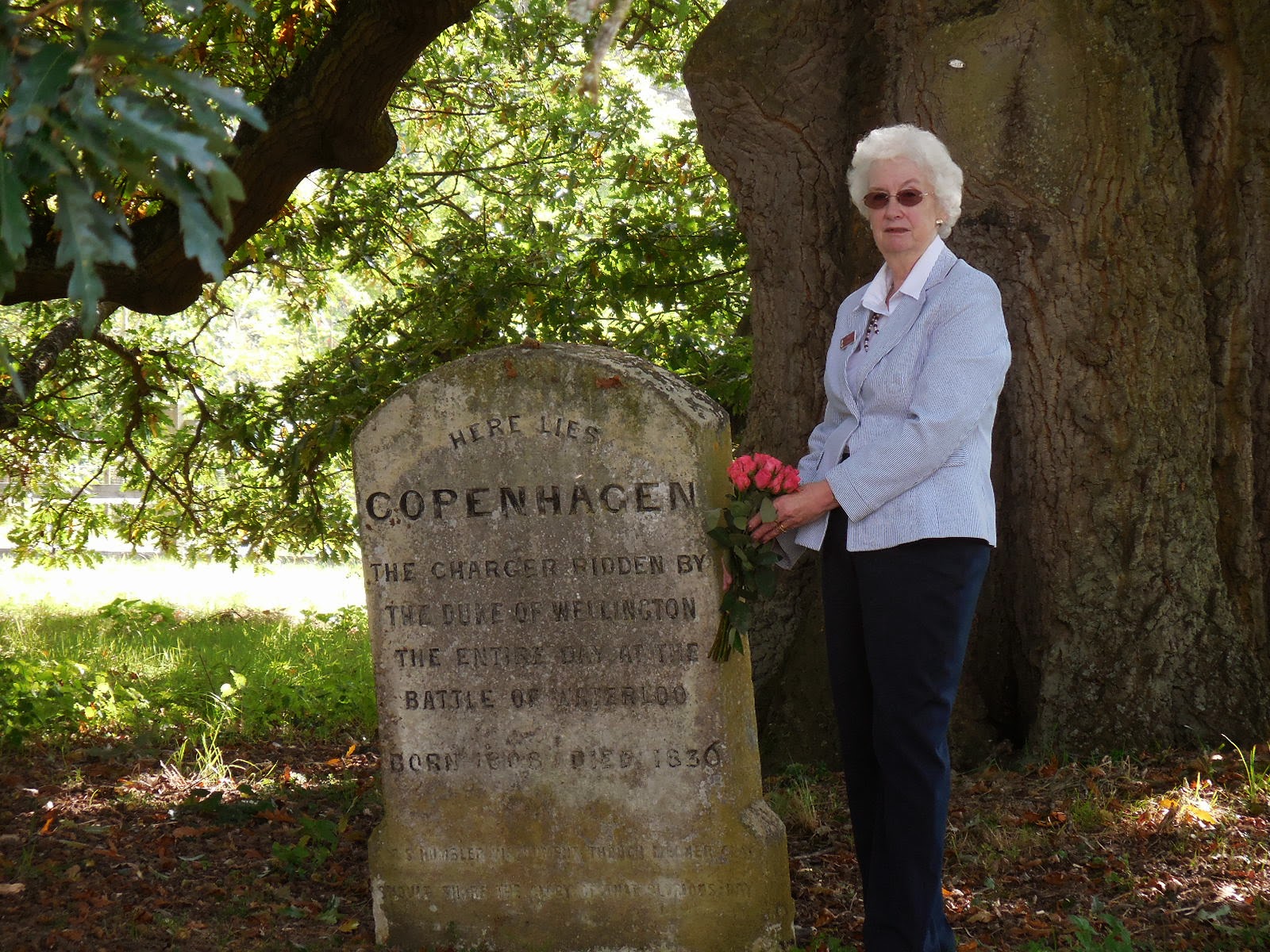

.JPG)
This portion of our visit to Stratfield Saye will live on in my momory forever. Truly, a bucket list item checked off my list. I keep a photo of our flowers placed by the grave in my bedroom, to remind me that life is sweet and sometimes filled with moments that can only be described as magical.
Thank you, Jenny.

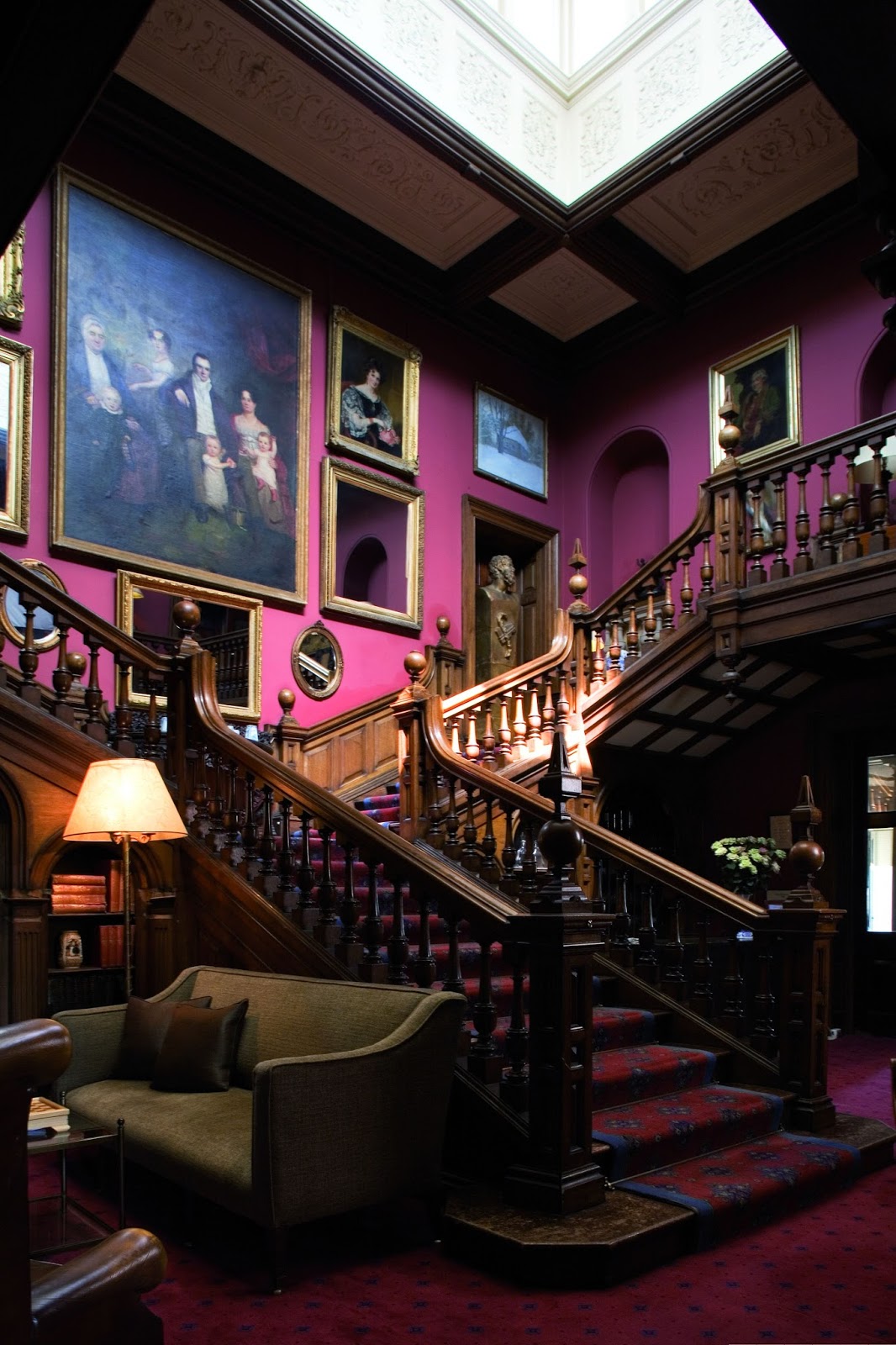
Oh, the opportunities for anecdotes British travel affords one. The stories I could tell you . . . . and I will. Now. Many moons ago, on a tour far, far away, I stayed at Chilston Park in Kent with a tour group I was leading. I was with my dear, good friend, author Sue Ellen Welfonder. She is the Bozzy to my Samuel Johnson. So, we were on a tour and arrived very late at night at Chilston Park. The tour group had dinner and then I sneaked off to have a cigarette. It was very late, it was very dark, and I stepped outside of the front door pictured above, lit my cigarette and inhaled deeply. Heaven. There I was all by lonesome, until I spied something from the corner of my eye. It was a large something, alive as it was heaving. It was moving, subtly so, but there was movement. It looked for all the world like a bear. Were there bears in England? (er, no) Must be, as there was one there, right before my eyes. I sucked in a lungful of smoke and stood as still as possible. Hopefully, the bear wouldn’t see me and I would live to see another day. And to lead another day of our tour. It was then that the “bear” separated and I made out that it was a couple in a heavy clinch, a lovers embrace, so to speak, and not a bear at all, but rather a bear hug.
And then there was the time that I was in England with my daughter, Brooke, and neither of us could figure out how the shower mechanism worked. We had to call down and have the hotel send someone up to show us how to put the water on. And off.
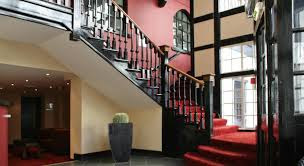
And then there was the time . . . . well, you see that I have a trove of English hotel stories. And many of them involve Victoria. And some involve the Duke of Wellington Tour. After our visit to the Royal Pavilion in Bath, our coach took us to the Mercure George Hotel in Reading in preparation for our visit to Stratfield Saye the next day ( Huzzah!).


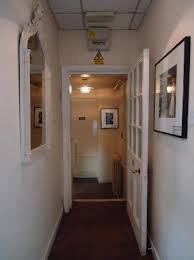

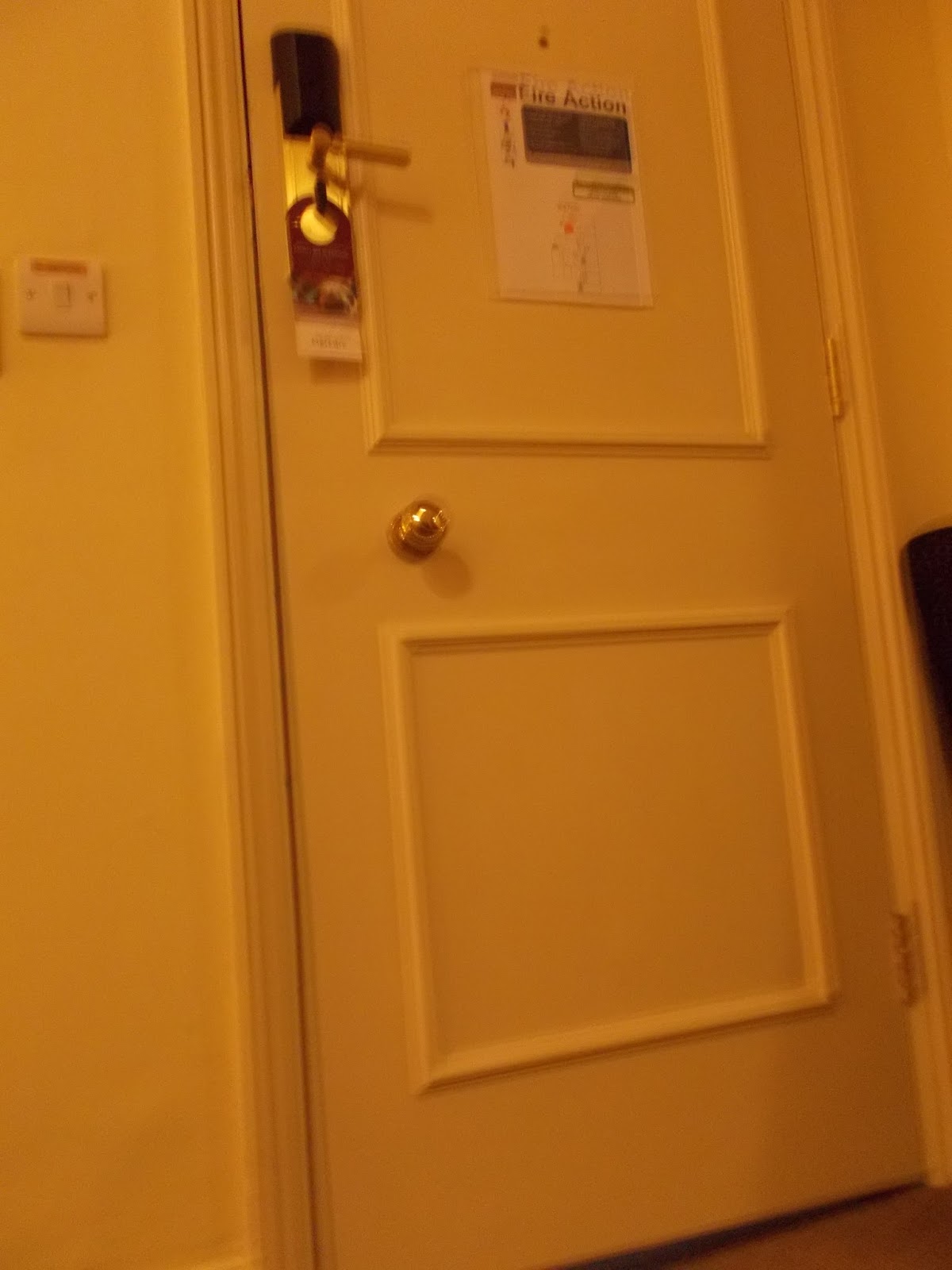


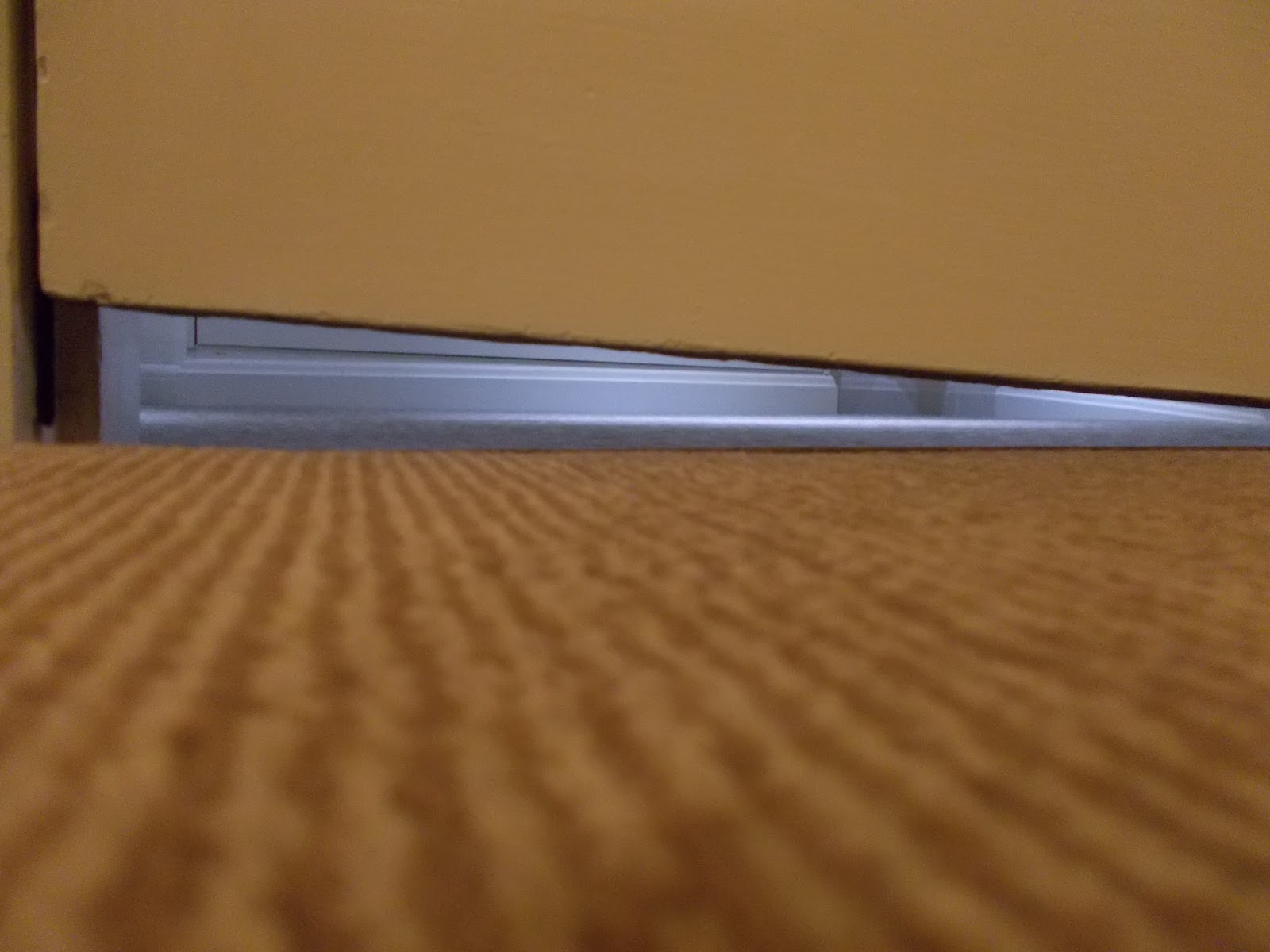
“That’s a huge gap.”
“Mmmm. Which you hadn’t noticed.”
“Well . . . . but I’m fairly sure I’d have noticed if it were a Frenchman. Especially if he were in uniform.”
“Why do you think it’s like that?”
“A crap carpenter?”
“No. It’s got to be like that for a reason.”
“A cat could get in through there. Or a ferret. Certainly a snake.”
“Lovely. Thank you for that.” Were there snakes in England?
More minutes went by as we mused on the reason for the wonky carpentry. Finally, Victoria said, “Look! Look how the floor to this room slopes down. See it. The entire room’s on a pitch. They had to cut the bottom of the door like that so that you could open the door. Cause the floor slopes up at that end. If the door weren’t cut like that, you wouldn’t be able to get into the room.”
I saw what she meant. “You’re right. But it still means that
a cat can still get in.”
“What would be worse, a cat or a Frenchman?”
“Definitely a cat,” I replied. “I’m not allergic to Frenchman. As far as I know.”
But back to our time at the George Hotel in Reading . . . . it’s the night before our visit to Stratfield Saye (Huzzah!) Stay tuned for our post covering our most momentous visit to Wellington’s country home coming soon.
 Hougoumont, the farmhouse that played a significant role
