ONCE AGAIN WEDNESDAY: MUDLARKING ON THE RIVER THAMES

Since there has been so much interest in my recent mudlarking adventures with my pal, author Sue Ellen Welfonder this past September, I thought I’d re-run my very first post on the subject, originally published July 1, 2010:

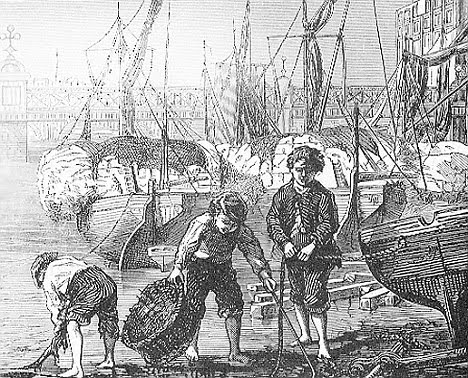
Many, many (many) years ago, when I first began doing research into London history, I was intrigued to learn about the Mudlarks of London, people from the poorer classes, typically children and the elderly, who scavenged along the banks of the River Thames at low tide looking for anything remotely valuable – clothing, coal, coins, pottery, items that had fallen off of ships and barges, etc etc. – that they could turn around and sell to the rag and bone man in order to earn enough for a meal. Mudlarking was considered to be lowest rung on the scavenger’s ladder, so it was with great surprise, and a lot of pleasure, that I found myself actually mudlarking during my jaunt in London.

Having roamed the streets and gardens of London proper and venturing as far north as Hampstead and as far west as Windsor, my daughter, Brooke, and I turned our attention one day to the area of London south of the River – to Southwark, that once desperate area known for being the den of drunken sailors, thieves, prostitutes, cut throats and the Clink Prison – now a really tacky tourist trap.

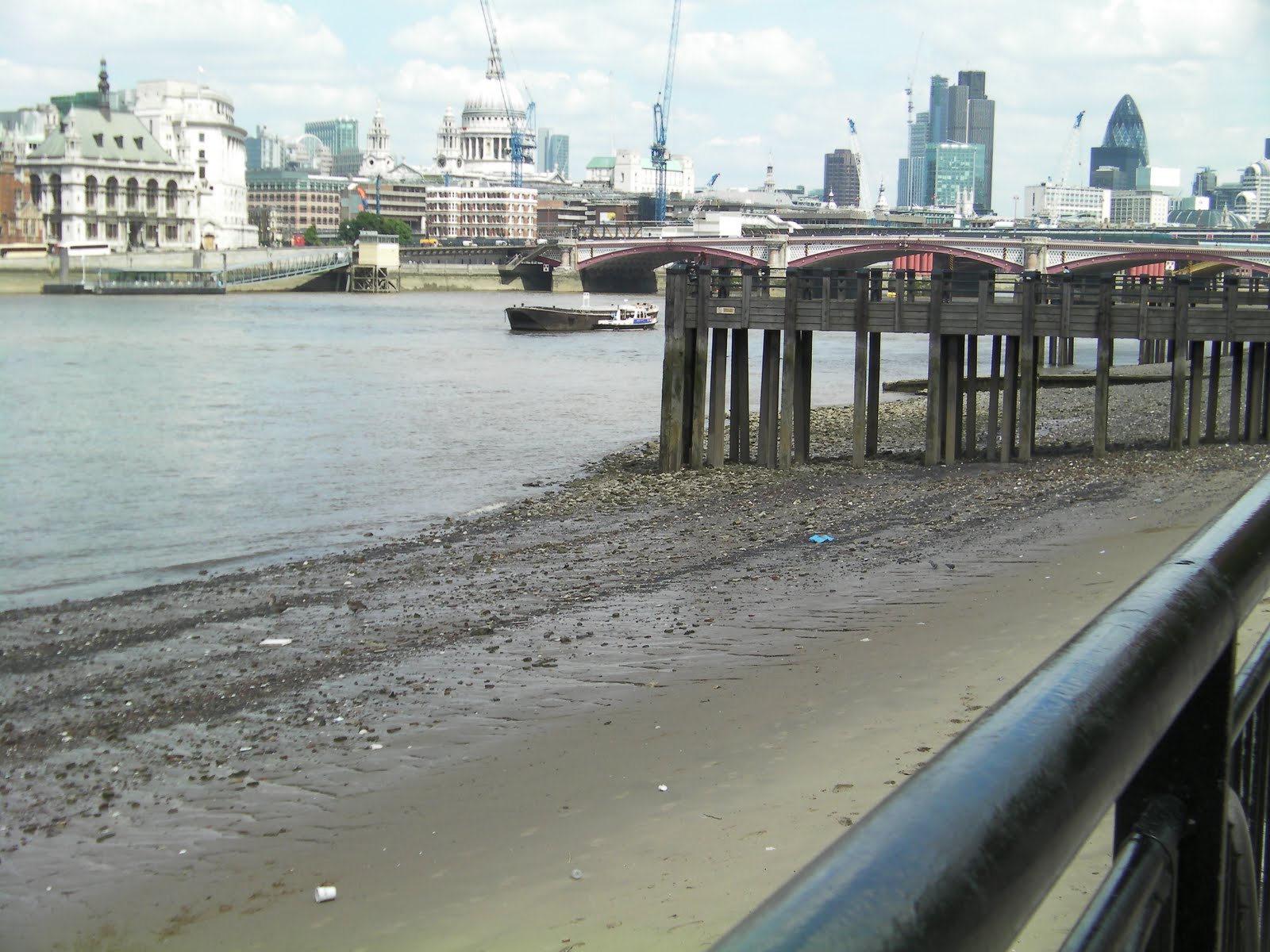
As we were walking along the River on the Queen’s Walk, a pedestrian promenade located on the South  Bank of the River between Lambeth Bridge and Tower Bridge, we came upon stone steps leading down to the River. The tide was out, exposing what appeared to be a rocky beach of sorts.  We made our way down and, uncertain as to whether or not we were actually allowed down there, tentatively began to walk towards the shore.
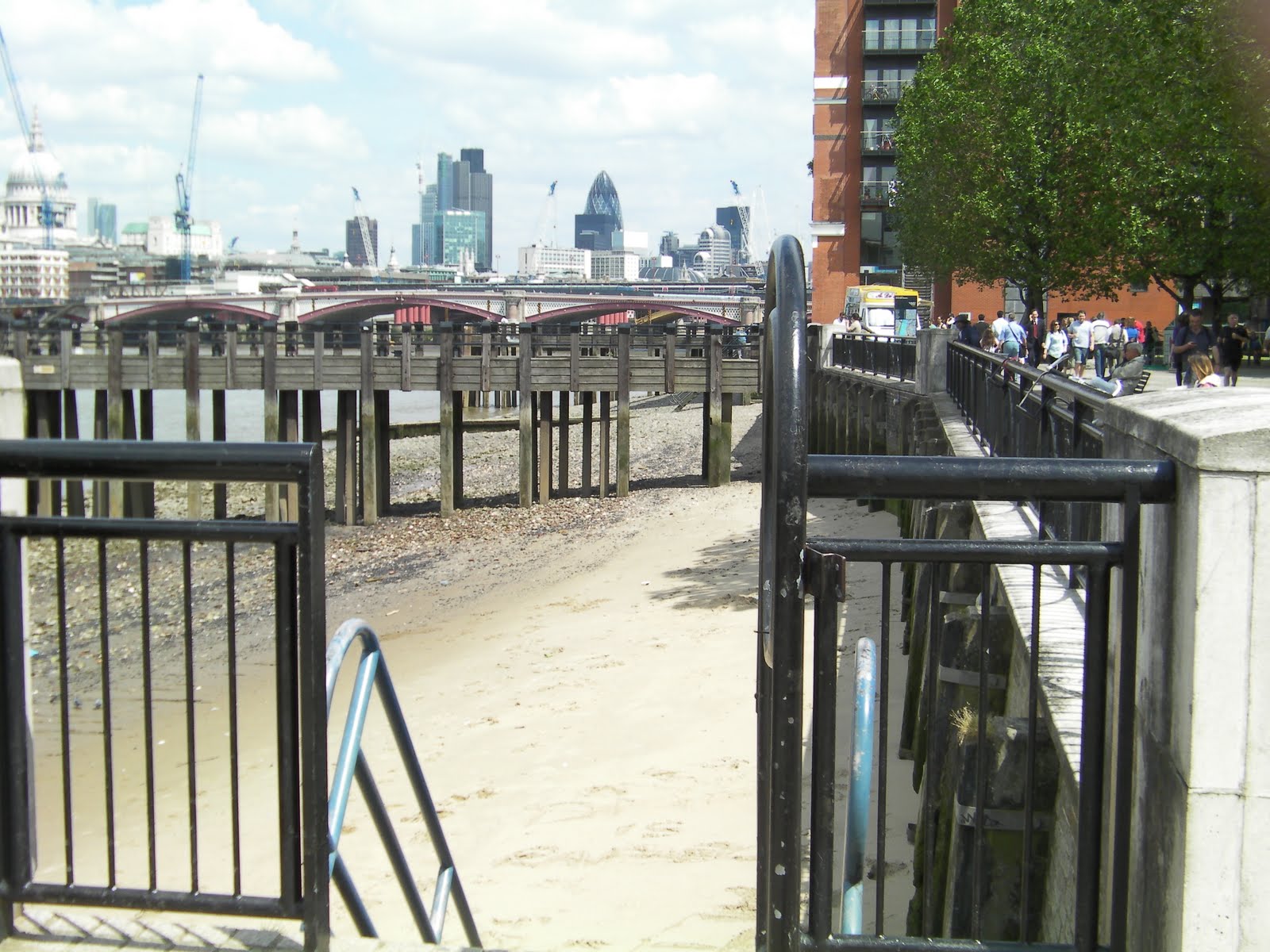
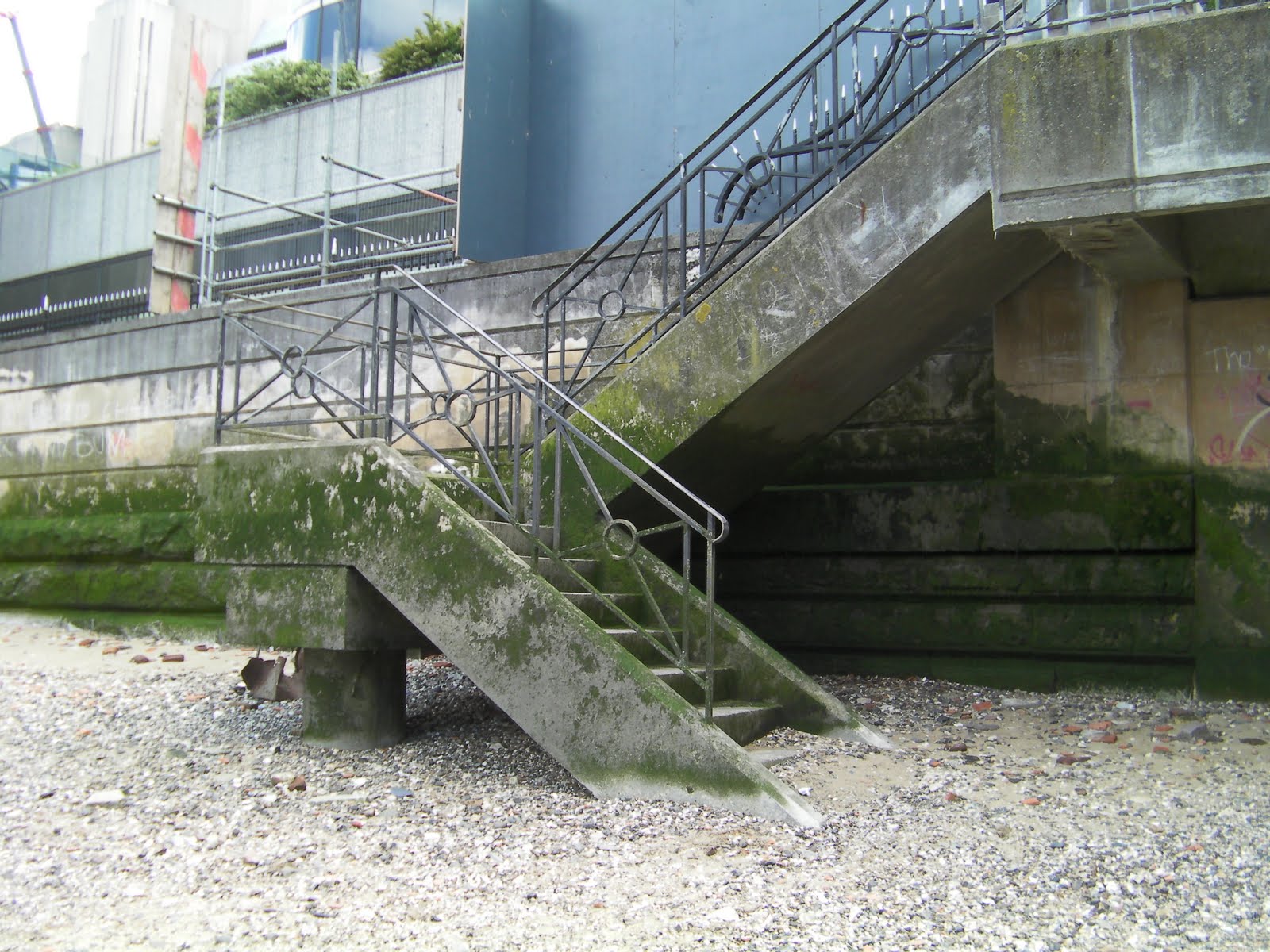
You can see the usual high water mark from the algae line in the photo above. I stood there gazing at this rare view of the River with it’s beach exposed, recalling all I’d read about the long ago mudlarks. As I looked at St. Paul’s Cathedral on the distant shoreline, my heart skipped a beat as I realized that this was one of those moments I’d remember always – to be able to, for a moment, at a distance of centuries – walk in the mudlark’s shoes, to see the River as they’d seen it, to feel, as they must have done, as though I were somewhere I shouldn’t be, doing something I shouldn’t be doing, but compelled to carry on.
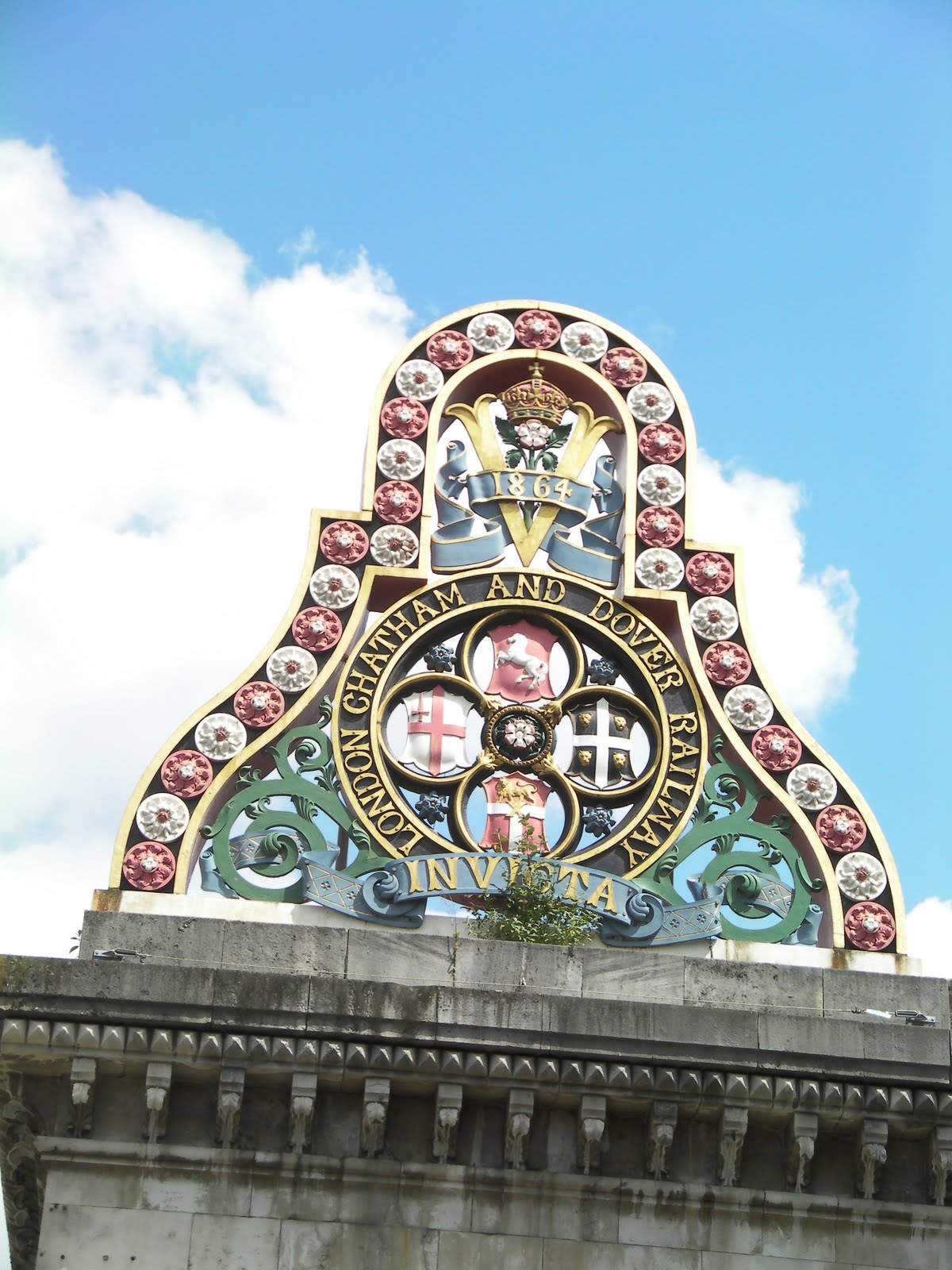
As I was telling Brooke the tale of the mudlarks, I glanced down at the sand and saw a shard of blue and white pottery. Holding it up, I showed Brooke. Where had it come from, she asked. Who knows, said I (with infinite motherly wisdom). Honestly, it could have washed up last week or last century. Or two centuries ago. Before I knew it, I’d spied another shard, and another. I was off, while my daughter rolled her eyes, telling me that she couldn’t believe I was actually garbage picking on the beach. Treasure hunting, I said, correcting her. I told her that many valuable objects were known to have washed up from the Thames – Medieval stuff,  Restoration gee gaws, Georgian trash, even. As if to prove my point, at that moment I found a bone. Really. A dried out animal bone. Maybe the leg bone of a dog. Fascinated, Brooke stepped in for a closer look. Is it new? she asked. Nah, I replied sagely, look, the bone and the marrow are all dried out. What’s it from? she asked. Some small animal, like a dog, I said as I gingerly let the bone fall to the sand. Of course, had the bone come complete with a tag that read “Authentic Leg Bone of a Regency Era Dog” I would have kept it, but the bone had done it’s trick – now Brooke had gotten scavenger fever. For about an hour we combed the beach until I noted (again with great wisdom) that the tide was beginning to turn and come back in. By this time, I’d amassed a bagful of blue and white pottery shards, one of them complete with the full figure of a robed Oriental person. I will put these shards in a bowl at home, with a note beneath them that reads “Found on banks of Thames River June 2010” and will occasionally sift through each one and remember with great fondness the day I became a mudlark. Here
‘s a photo of the sign above the bridge we were scavenging beneath –
Leaving the sand and returning to the streets of Southwark, Brooke and I came upon a pub called . . . The Mudlark (4 Montague Close, Southwark, London SE1 9DA). I later found out that today there’s a London-based Society of Thames Mudlarks, who are granted a special license by the Port of London to excavate the beach and who must turn over finds of historic importance to the Museum of London, whose holdings include the Cheapside Hoard, an eye-popping collection of 400 pieces of Elizabethan and Jacobean jewelry, dating back to between 1560 and 1630. The hoard was probably buried in the early 17th century and discovered in 1912, by workmen digging in a cellar in the neighborhood of Cheapside. Which is why there are now lots of regulations surrounding mudlarking about which Brooke and I were blissfully unaware.

It seems that journalist Nick Curtis took to the sand by the Thames himself and wrote about his own mudlarking adventure in the London Evening Standard. Here’s a portion of his article:

My day begins with the early morning low tide, in the mud of the foreshore near Custom House on the north bank near the Tower of London. Here, with commuters trudging above, I meet Ian Smith, a leading member of London’s loose community of mudlarks. Ian deals in antiques but he’s been combing the banks of the Thames for fun since the 1970s. When we meet, he’s hip deep in a muddy hole.

Anyone can wander down to the foreshore and pick up objects from the surface, but you need a licence from the Port of London Authority to dig or to sift. “Treasure” is the property of the Crown, although, as Ian says, no one would ever deliberately conceal valuables on a silty tidal foreshore. Plus, things don’t wash up from the river, they wash out from the land. Finds of historic interest are shown to the Port Antiquities Scheme’s finds liaison officer and archaeologist Kate Sumnall and, ideally, donated or sold to the collection of the Museum of London, where she works. Ian once found a hoard of counterfeit George II coins, and has donated several exquisite medieval pewter badges — lucky charms or pilgrims’ tokens — to the museum.

Even at first glance, there is tons of stuff on the shore. Victorian spikes, nails and barrel hoops, huge oyster shells and blackened animal bones and teeth. Once I’ve got my eye in, I also spot hundreds of clay pipe fragments. The smallest are the oldest, and were given away free in the 16th century with a tiny amount of the new and expensive import, tobacco. After just over an hour I’ve also found an ornate key, a stamped lead token, a pewter button and an iron flint striker for kindling fires.

Most of these are probably 17th or 18th century, but fragments of stoneware Bellarmine jars showing a bearded face — supposedly mocking an abstinent cardinal — might be from the 13th century. I’d love to search longer but time, and the Thames tide, wait for no mudlark.

Speaking of tides, Brooke and I stumbled upon the stairs at low tide, but if you want to plan your day around mudlarking, here’s a link to the Thames Tides Table.
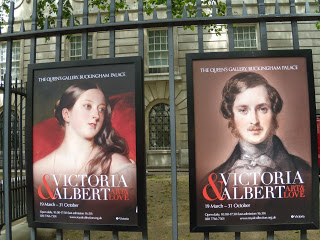
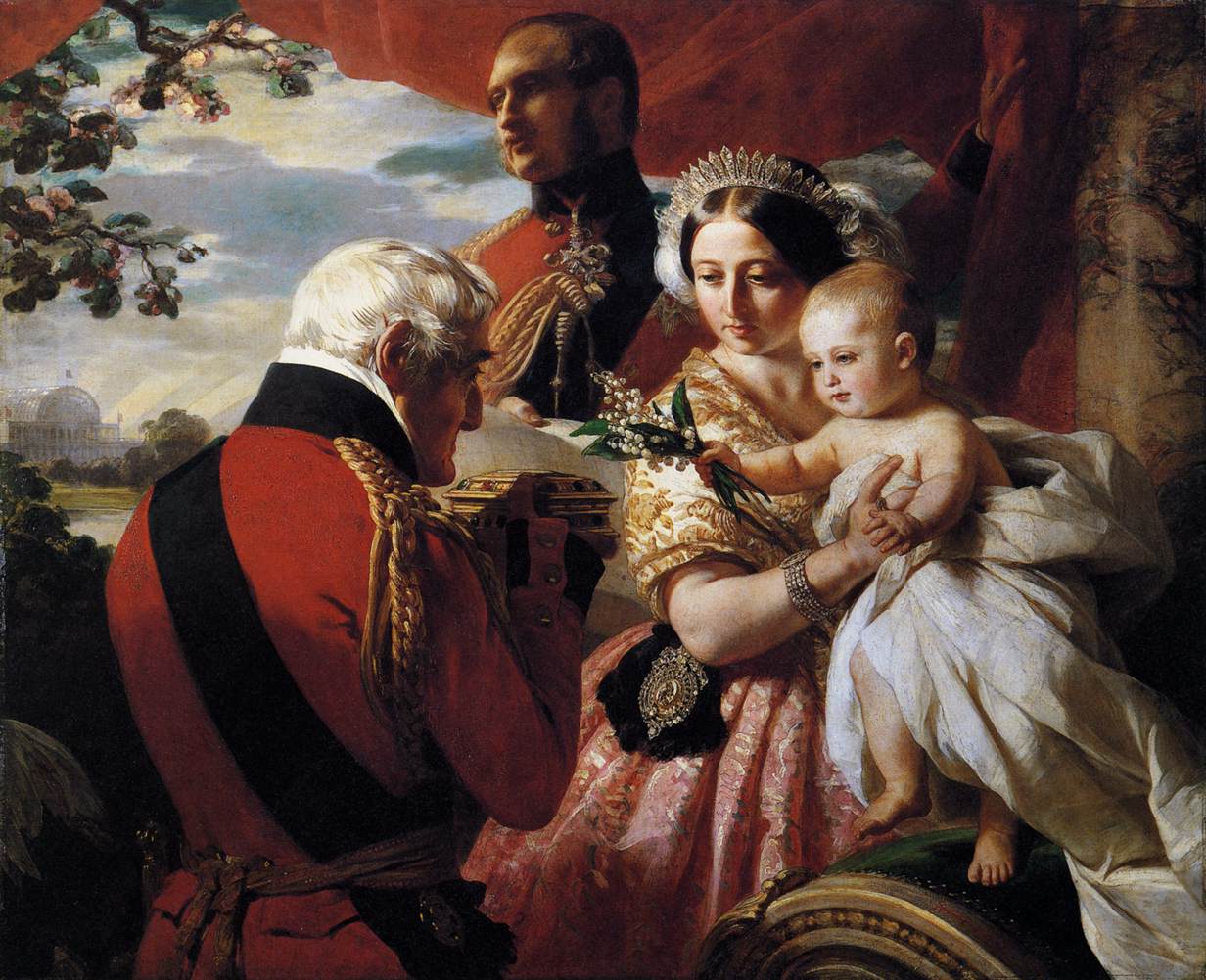
ONCE AGAIN WEDNESDAY: VICTORIA & ALBERT – ART & LOVE

Today’s Once Again Wednesday post was originally published in July, 2010 and features my visit with Victoria to see the Victoria & Albert Art & Love Exhibit at the Queen’s Gallery in London. To this day, it remains the single best exhibition I’ve ever attended. So many truly iconic pieces of art in one room, never mind one exhibition. Do click through and read our original post.

Next, follow this link to view the 19 page catalogue from the Exhibition which focused on Queen Victoria’s personal jewelry. Lot’s of historical details and little known facts, including mention of the Duke of Wellington.

THE CHATSWORTH SHEEP

Is there anything more English than sheep? I don’t think so. Diane Perkins doesn’t think so. I know that because between the two of us, she and I must have taken at least 400 photos of sheep during our two weeks in England this past May. Forget Big Ben, the Union Jack or red telephone boxes – sheep are the quintessential symbol of England.

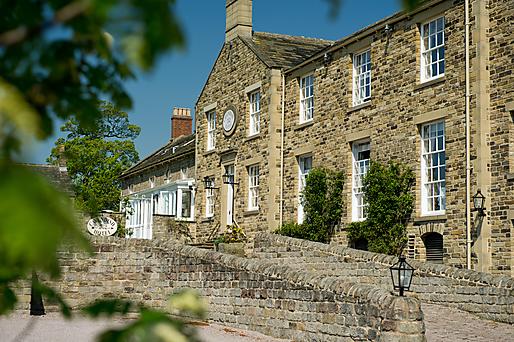
And Diane and I were lucky enough to be in England during the lambing season. We stayed at The Cavendish Hotel (above) on the Chatsworth Estate in Baslow, Derbyshire, where, it transpired happily, the window in our room looked out over the fields – fields that were chock full of sheep. 

The sheep baaahhhed, or bleated, constantly. They bleated morning, noon and night. We woke up to the sound of sheep and we fell asleep to the sound of sheep. Diane and I soon realized that our lives had not previously been complete, having lacked the sound sheep.

At first glance, you may think that the photos above and below are the same, but look again. See how the sheep at the bottom of the second photo are closer together? Which begged a second photo? Not to mention a fifth? You begin to see how it’s possible for one to take hundreds of photos of sheep. 
After a few days at Chatsworth, I became convinced that sheep were the secret to a happy life. I am seriously consdering renting one of the Chatsworth cottages for lambing season next year. They even have days when you can sign up to be driven into the fields in the hopes of witnessing a birth. Heaven!
The Russian Cottage at Chatsworth

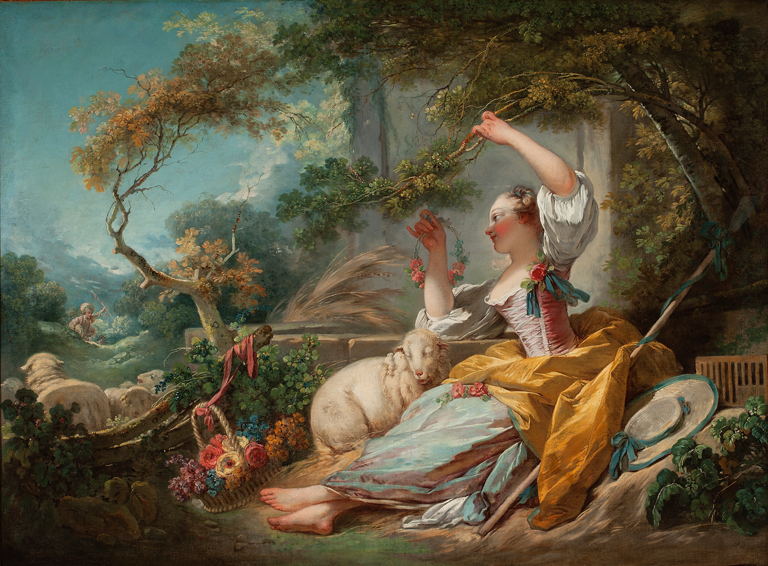
Jean-Honoré Fragonard – The Shepherdess/Milwaukee Art Museum
I begin to understand why Marie Antoinette found the idea of playing at being a shepherdess so alluring. You will find below just a few of the many sheep photos I took at Chatsworth. 
< br />
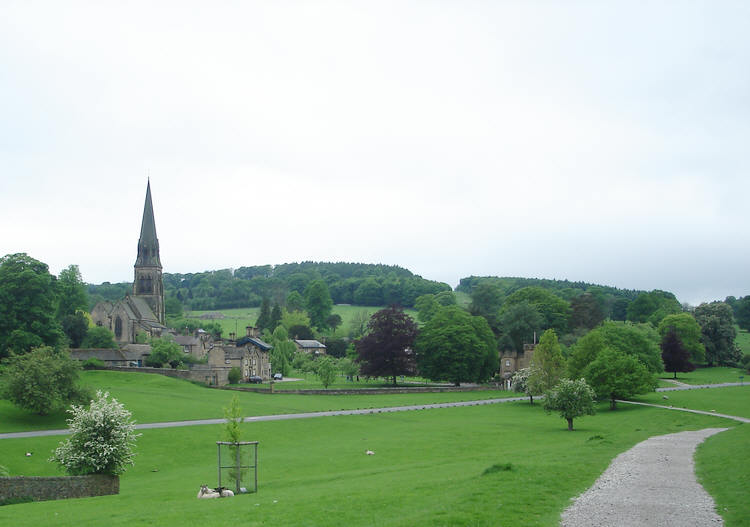
Snap, snap, snap, step, step . . . . . . snap, step, step . . . . . Diane and I walked the paths and snapped photos, each lost in our worlds, for quite some time. We were walking our way over the crest, towards Edensor, the village that the 6th Duke of Devonshire, the Bachelor Duke, had dismantled and reconstructed to his design circa 1840. Up till this point, all of the sheep we’d seen had been a fair distance from the path we were walking on. If they appear any closer, it’s because I used the zoom. 

However, as soon as we crested the slight incline, I came face to face with the sheep below. 
It was right there. A foot off the walking path. And it was big. And, in a weird way, intimidating. I stopped short and it wasn’t long before Diane, still snapping pictures, bumped into my back. She looked up and saw what I saw, the sheep pictured above and below. Big, shaggy and completely owning it’s space. 

“Don’t make eye contact!” Diane warned. 

“What?!”

“Don’t make eye contact,” Diane repeated. 

“It’s a sheep.”

“It’s a big sheep. With babies. And don’t tell me you’re not scared of it.”

“Well, I was scared of it, but on second thought, what can it do to us? I mean, it doesn’t even have horns.”

“No but it’s got hooves and teeth and it weighs almost as much as we do. And it’s got babies to protect. I don’t know what it could do to us, and I don’t want to find out. Don’t make eye contact!”
Reasoning that I had another week and a half in England still ahead of me, I decided not to take chances with my life. I looked away and we hot footed it down the lane and across the road to Edensor. 
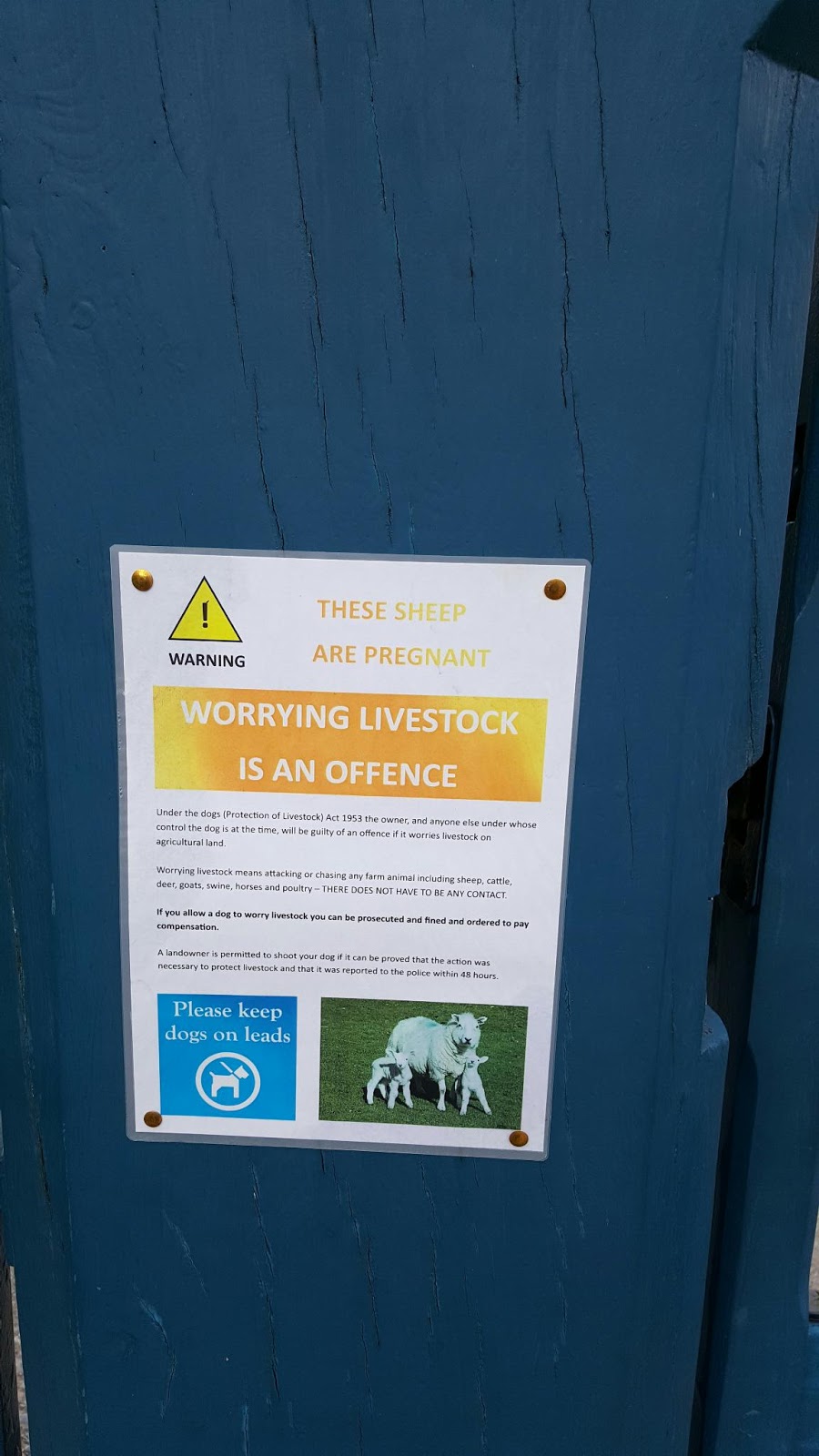
Where we found the sign below on the village gate. 
“Do you think we worried them?” Diane asked.
“More the other way round, no?” I responded. We turned away and attempted to find our objectives – the graves of Kick Kennedy and Deborah, the recently departed Duchess of Devonshire. 
As we approached the graveyard by the church, we spotted a wondrous sight – newly shorn sheep set to graze within the graveyard fence, thus keeping the cemetery all neat and tidy.
These sheep largely ignored us and kept their heads bent to the task at hand. Or hoof. When they did look our way, it was with curiosity and/or a sort of benign benevelance. Our faith in sheep was soon restored!
That night, we once again listened to the soothing sound of the sheep in the fields below our window. You’ve no idea how hard it is to fall asleep whilst counting sheep when one is actively avoiding making eye contact with them.  

You can see the Chatsworth sheep live and in person when we visit the House, gardens and Edensor during Number One London’s 2017 Country House Tour – full details can be found here

A TOUR GUIDE IN ENGLAND: DAY 6 PART THREE – WHAT WE SAW IN THE CHATSWORTH GARDENS

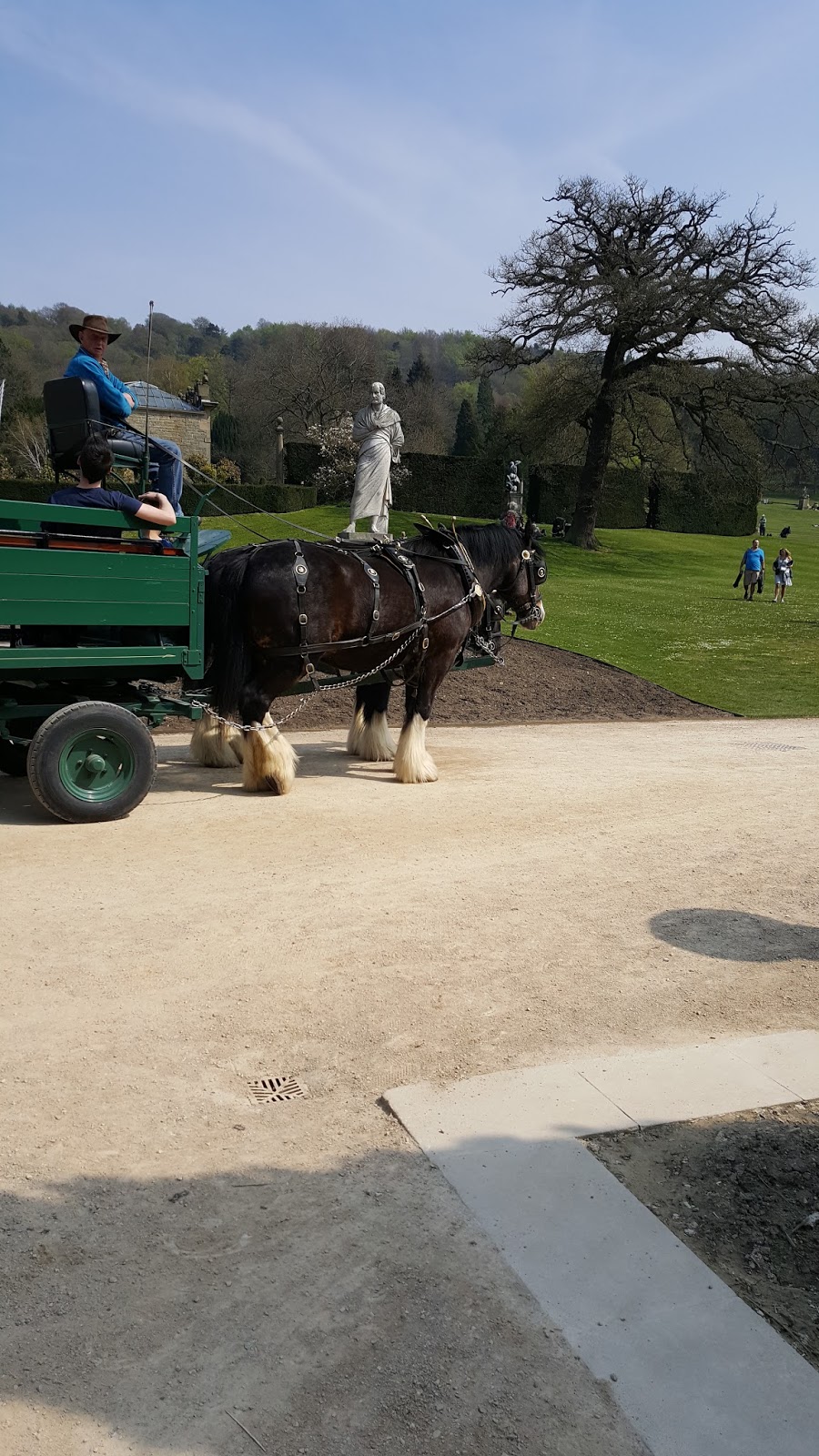
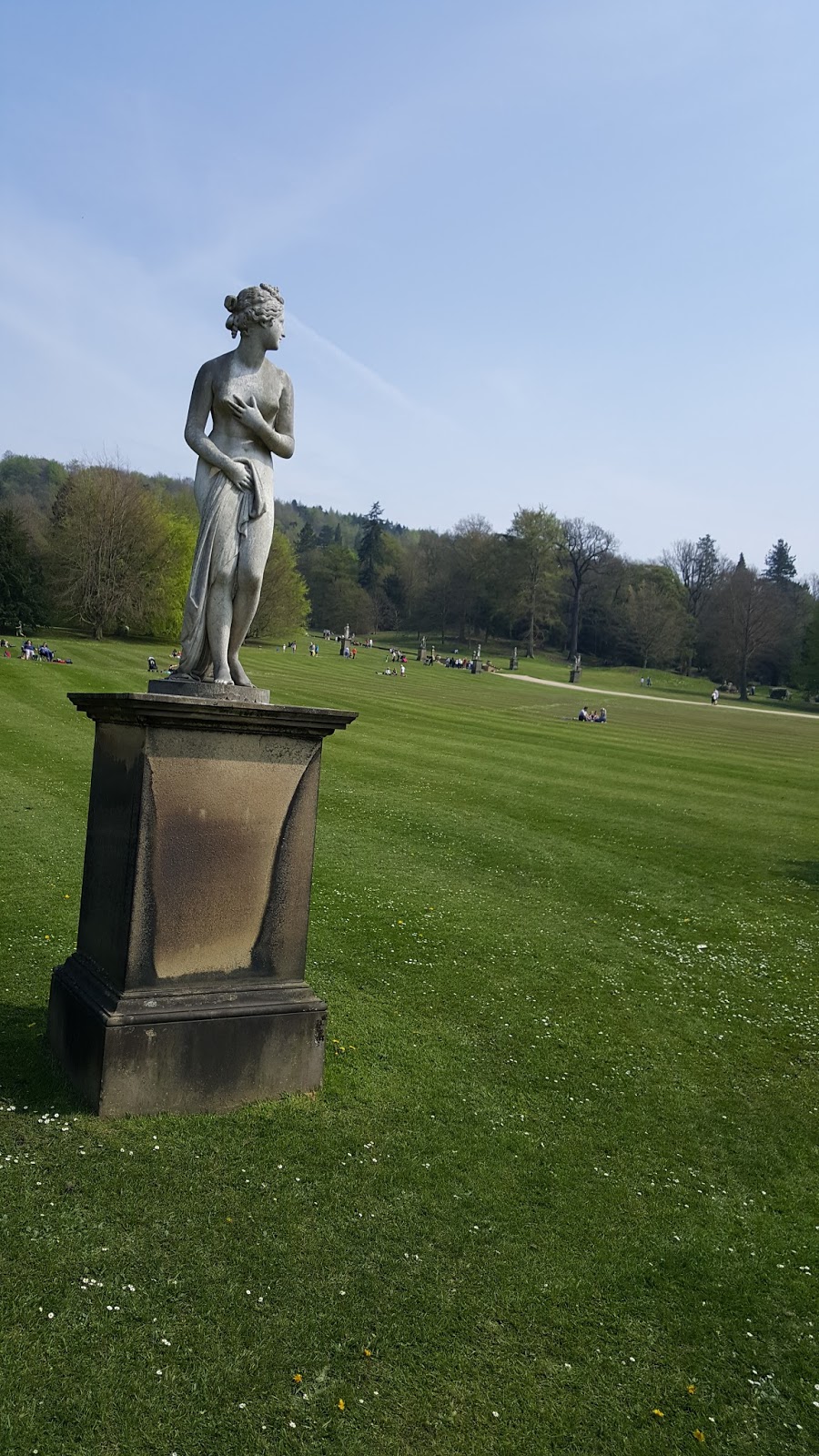
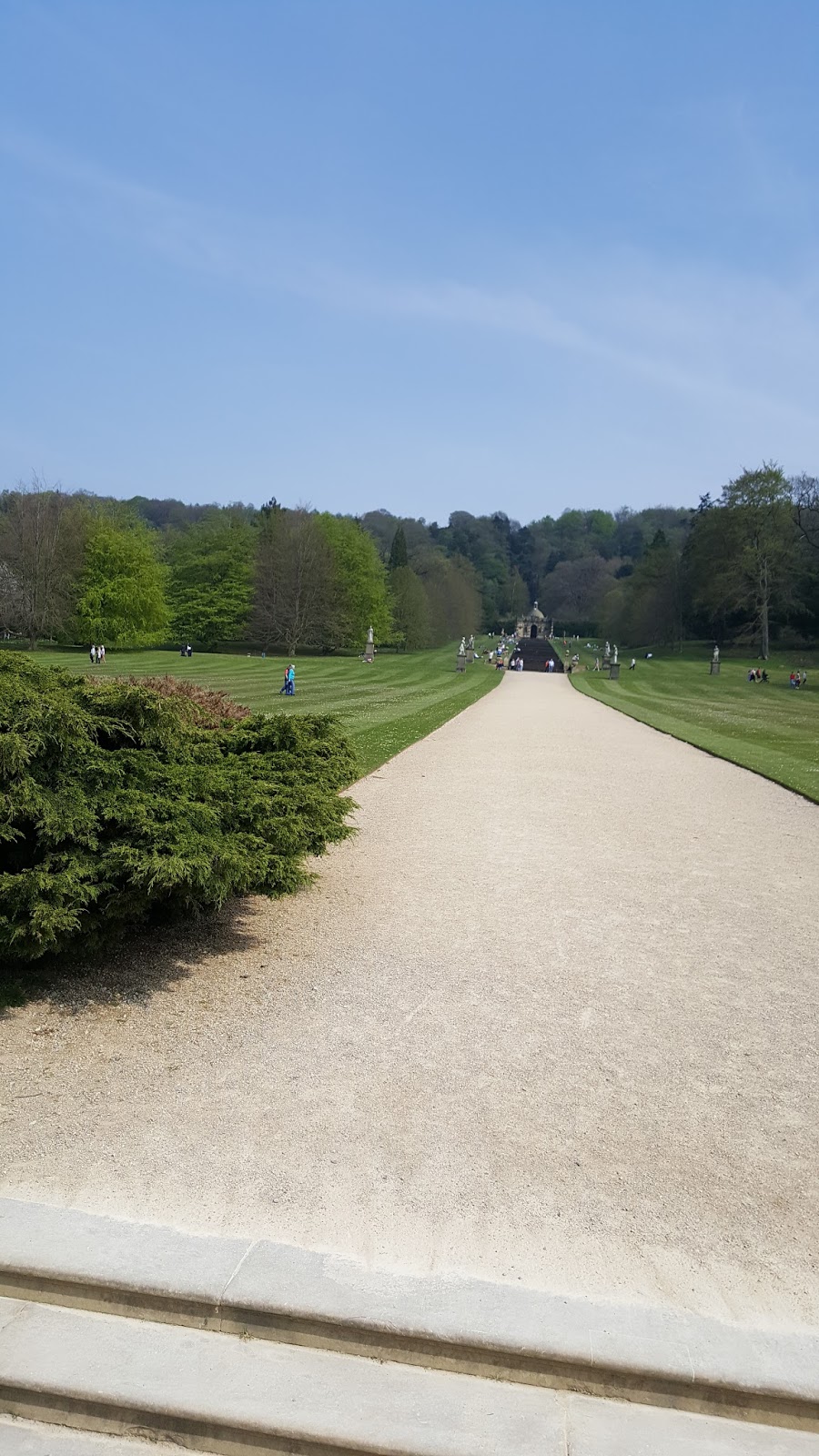
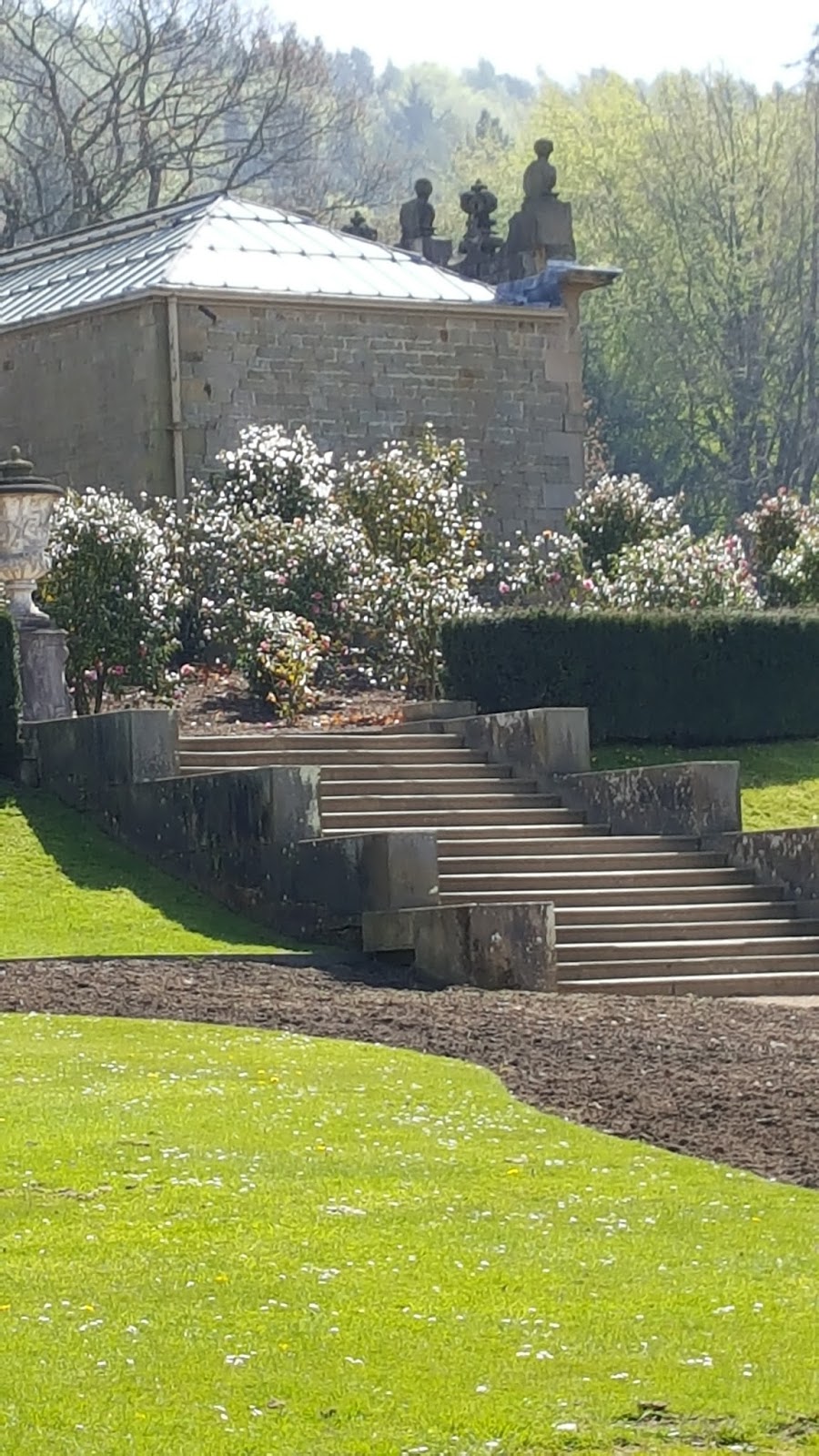
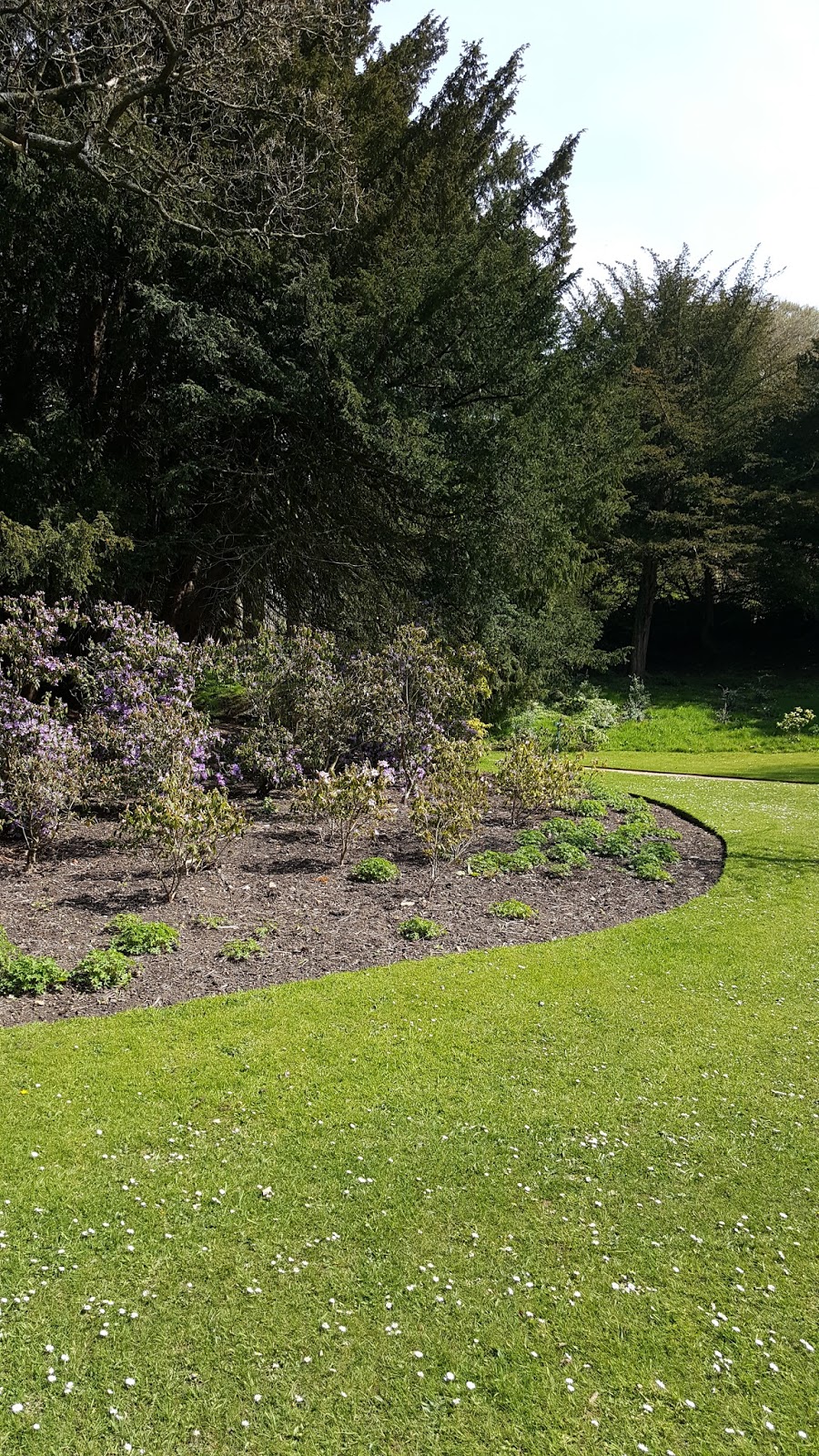
The Gardens at Chatsworth House are extensive, to say the least. There are 105 acres of gardens and they are full of surprises, with waterworks, sculptures, the maze and a wide variety of plants on show. The gardens have been evolving for the past 450 years, with the Bachelor Duke and Joseph Paxton perhaps having had the largest, surely the costliest, influence on the grounds. In 1811 the 6th Duke (known as the Bachelor Duke) inherited a neglected and fifteen years passed before Joseph Paxton was appointed as head gardener. Paxton proved to be the most innovative garden designer of his era, and remains the greatest single influence on Chatsworth’s garden. 

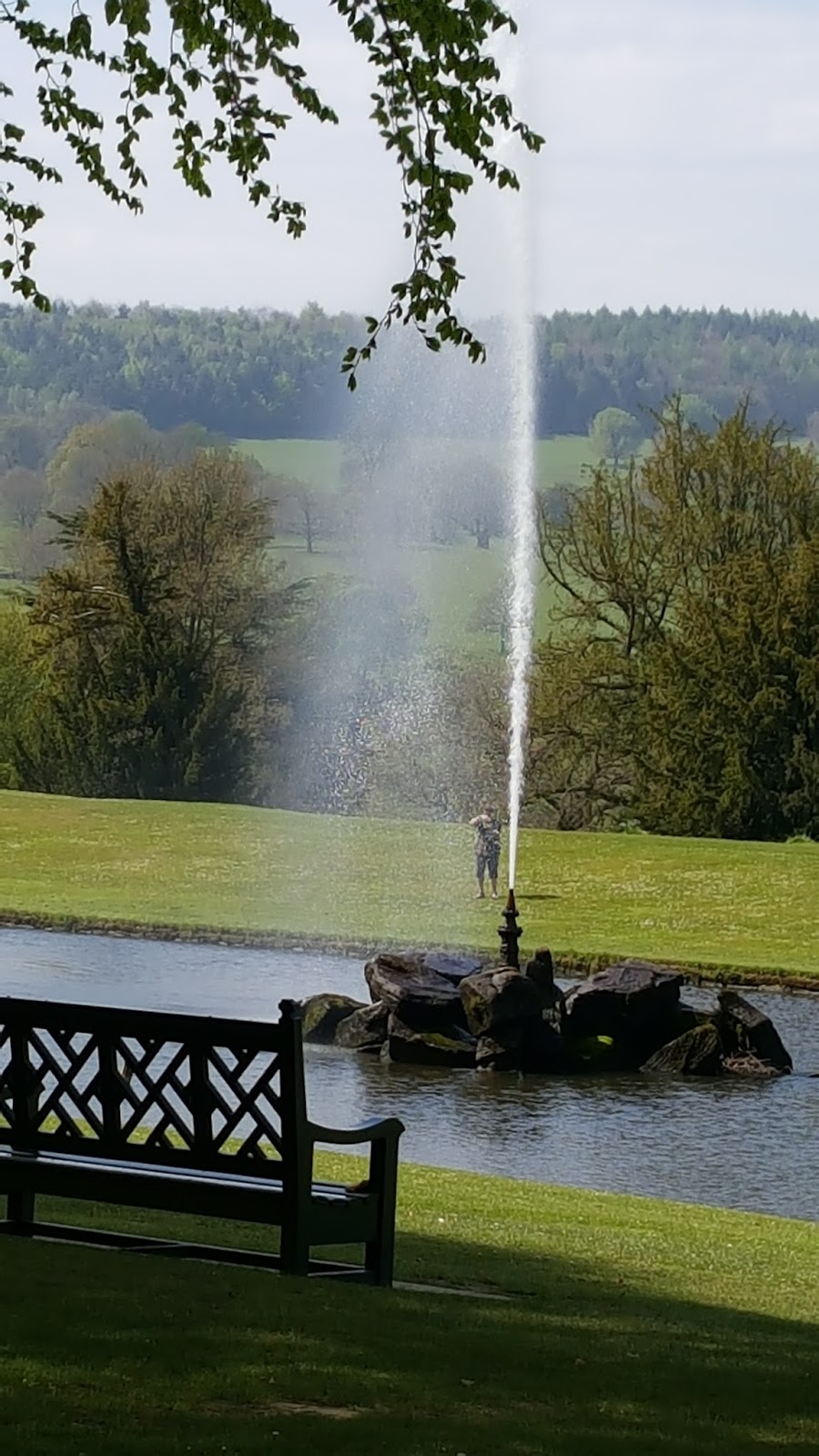
In addition to the 300 year old Cascade, the Gardens include the gravity-fed Emperor Fountain, above. In 1844, it became known that Czar Nicholas, Emperor of Russia might visit Chatsworth. The Duke thought to welcome the Czar with an even higher fountain than the one at Peterhof (the Czar’s palace in N.E. Russia), and so an existing fountain was renovated. Unfortunately, the Czar never visited Chatsworth, but the new fountain was still named after him. 

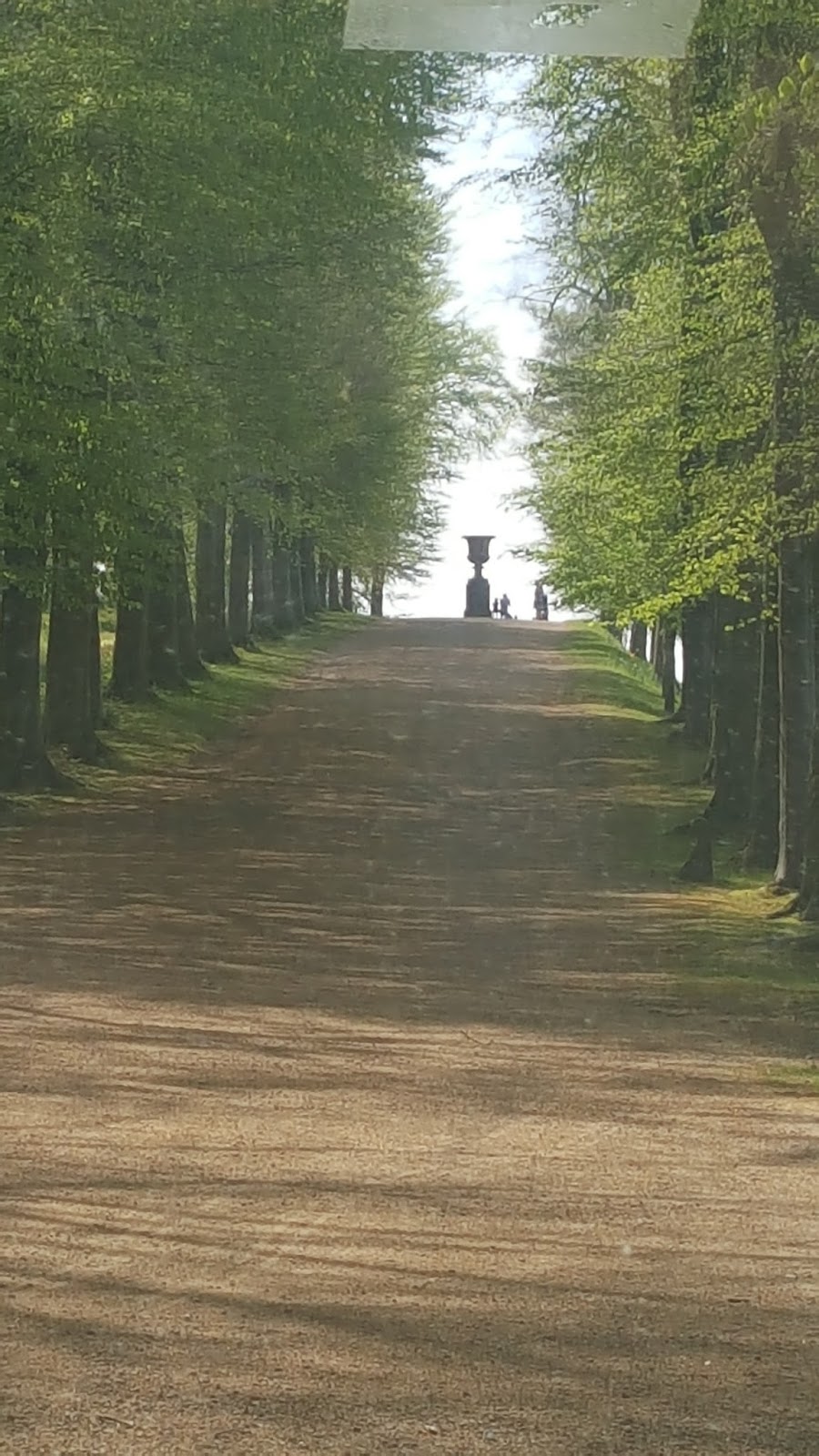
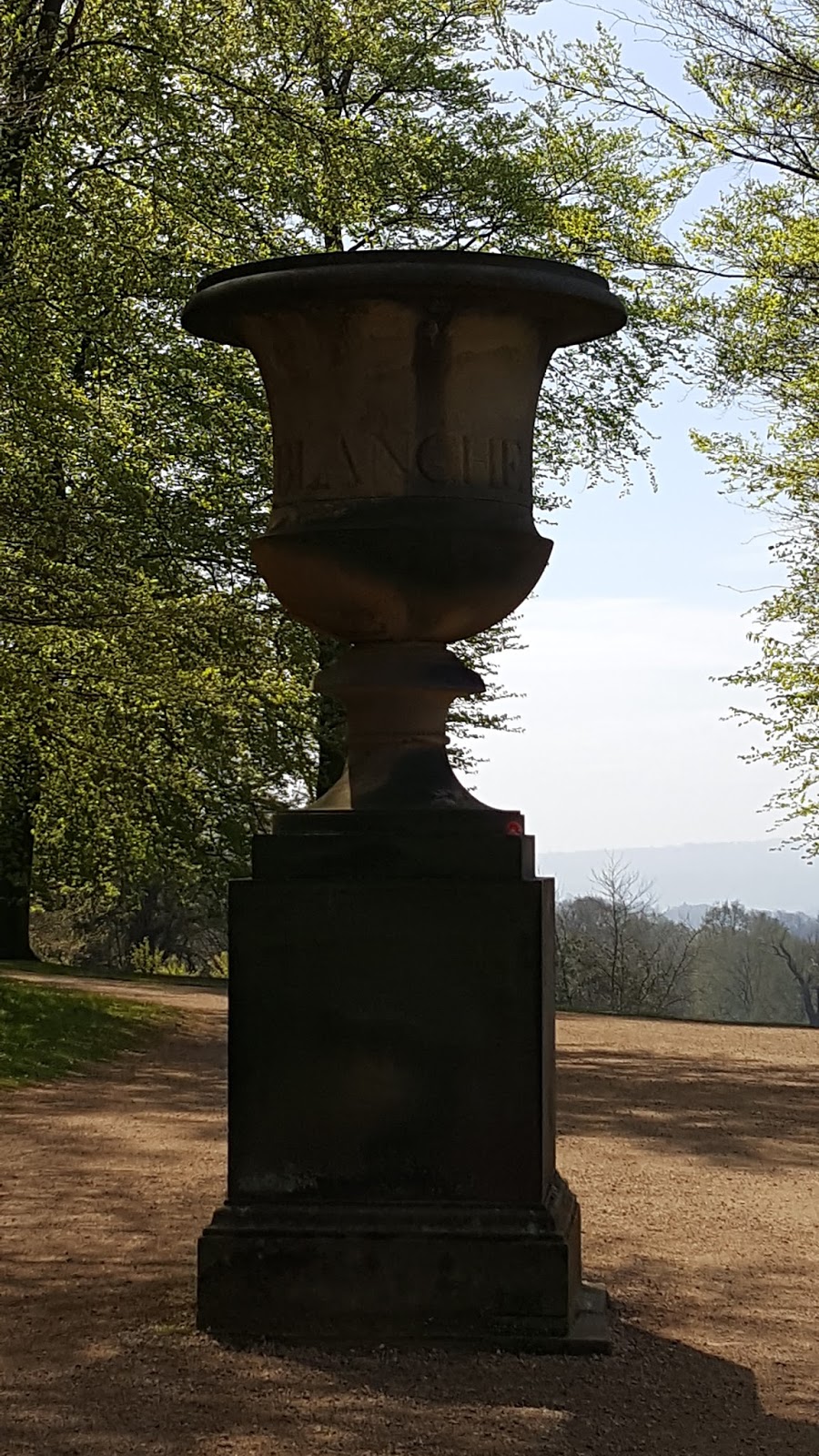
Above and below are photos of Blanche’s Vase, on the Long Walk, named for Blanche Georgiana Cavendish, nee Howard, granddaughter of Georgiana, Duchess of Devonshire. Blanche married William Cavendish, 2nd Earl of Burlington, but tragically died at the age of 28 in 1840. Her uncle, the Duke of Devonshire, was left heartbroken by the death of his favorite niece and wrote the following: “There are many things at Chatsworth that I should not have allowed myself to do had I not reposed in the thoughts of being succeeded by a person so indulgent, so much attached to me as Blanche.” (The Garden at Chatsworth‘ by Deborah, Duchess of Devonshire).

The latest restoration project at the Gardens has been conducted on the Trout Stream. You’ll find a short video on the project here.

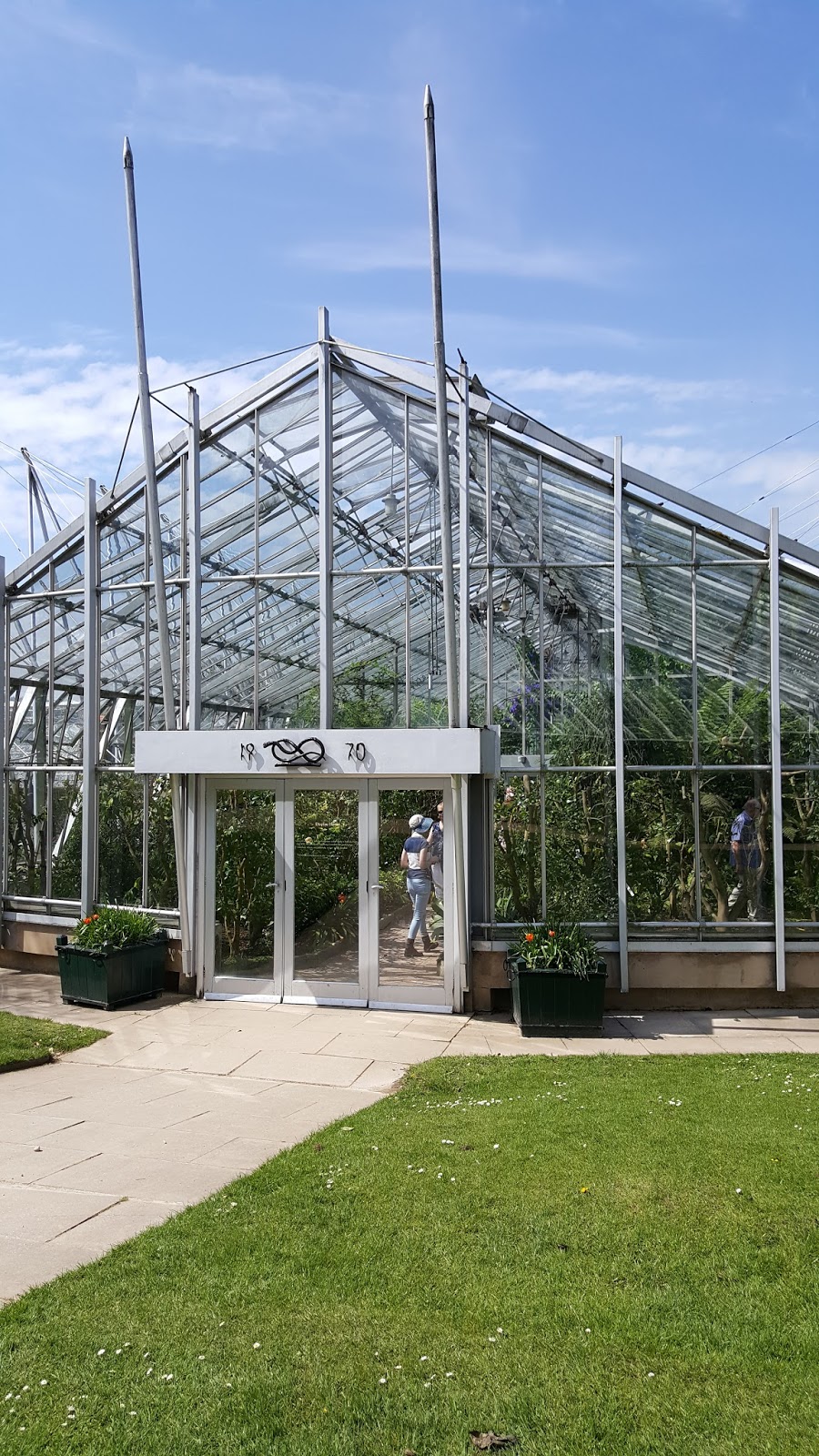
We’ll be spending an entire day exploring the Chatsworth gardens during Number One London’s 2017 Country House Tour. Our estate guide will share the hidden stories and history of the gardens, including the famed glasshouses built by Joseph Paxton, and a picnic lunch will be served in the gardens. You’ll find complete tour details here

ONCE AGAIN WEDNESDAY: DO YOU KNOW ABOUT MONARCH OF THE GLEN?

No, not that Monarch of the Glen.
This Monarch of the Glen.
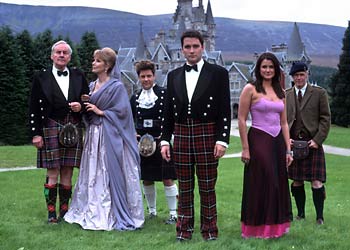
Monarch of the Glen was a BBC TV drama series featuring the exploits of an impecunious and somewhat dysfunctional Highland family in their efforts to keep the estate of Glenbogle going after Archie MacDonald, a young restaurateur, is called back to his childhood home where he must act as the new Laird. 
Adapted from the so-called “Highland” novels of Compton MacKenzie, author of Sylvia Scarlett, the series originally starred Richard Briers, Susan Hampshire, Hamish Clark, Alastair Mackenzie, Dawn Steele and Sandy Morton. The programme ran for seven series, from 2000 to 2006, becoming the longest running non-soap drama ever run by the BBC, beating Ballykissangel by one year.
In reality, Archie is not really the new Laird, as his eccentric father, Hector, is still alive, though increasingly unable, or unwilling, to fulfill the role. Archie’s mother, Molly (Susan Hampshire, right) uses this as a crafty excuse to call her son home. In the first season, Archie resents his obligations as various problems arise at Glenbogle – not the least of which is that Hector’s neglect of the estate has put it in dire financial straights. As the episodes progress, Archie finds himself increasingly attached to both the estate and it’s inhabitants, including Lexie (Dawn Steele), the estate’s sexy, street-smart cook; the shy and bumbling  kilt-wearing handyman Duncan (Hamish Clark), and a quintessentially Scots gilly named Golly (Alexander Morton). Archie is constantly tasked with making the estate profitable, or at least marginally solvent, and schemes for raising money include turning the estate into a museum, a wedding hall, a hotel and a wildlife park.  As the series goes on, we learn more about the lives of these characters, their connections to one another and their own reasons for wanting Glenbogle, and Archie, to succeed.  
Another of the stars of Monarch of the Glen is the atmospheric setting and gorgeous Highland scenery. The series was filmed around Badenoch and Strathspey – mainly in the Laggan, Newtonmore and Kingussie  area, and the fairy-tale like Ardverikie House, on the far shore of Loch Laggan, became Glenbogle Castle. Ardverikie is itself a grand Scottish estate which, through time, has faced many of the problems that underpinned the stories of the dramatized in the series.

Ardverikie was built in 1878 by local craftsmen and has been owned by the same family since then. It has had a rich history, almost chosen by Queen Victoria instead of Balmoral as her Scottish retreat and ironically used briefly in the film `Mrs Brown’ for some scenes. English painter John Millais spent many months here on the estate sketching and drawing. Landseer’s influence is also evident within the house, as well as in the adoption of his most famous stag painting for the title of the television series.

You can watch a bit of Monarch of the Glen here, but the series is widely available through Netflix and local libraries.

If you’ve always dreamed of seeing the Highlands for yourself, consider joining author and guide Sue Ellen Welfonder for Number One London’s 2017 Scottish Castles Tour – details can be found here. We’d love to share our love of Scotland with you!