THOUGHTS ON WELLINGTON BY GUEST BLOGGER DIANE PERKINS

What a delight to be a guest blogger at Number One London, one of my favorite blogs.

This piece was first written for Risky Regencies on June 28, 2009, but I could have written it after Kristine and Vicky’s Duke of Wellington Tour. It’s worth a revisit, though, (slightly edited) because, well, it’s about the Duke of Wellington!
As a certified Wellington Groupie (Kristine Hughes is the founding member) and in continuing honor of the Waterloo Anniversary, I thought I would simply share some of my Wellington-related photos and thoughts. Kristine is the real expert and I didn’t check any facts, so I might not be 100% accurate in all I say.
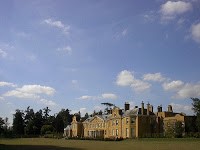
When I first fell in raptures about Wellington (or dear Artie, as Kristine and I call him), it was at Stratfield Saye, Wellington’s country house. Of all the houses we saw on that 2003 trip to England, Stratfield Saye seemed the most like it was a home. It was a home. The present duke’s son and his family live there, but you could feel the first Duke there in every room. In an outer building there house was the funeral carriage that carried the Duke’s body through London. A recording played of all his honors, as had been read out during his funeral. I realized that this had been a truly great man.
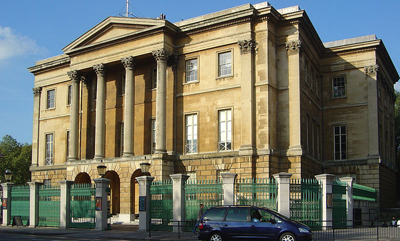
On that trip we also got to go up to the top of the Wellington Arch in London, and of course we toured Apsley House, also known as Number One London. Apsley House felt more like a museum than a house and well it should. It was filled with wonderful art and artifacts.
Also in London we visited Lock and Co, a Hatters shop that has been in Mayfair since 1676. On display there are Wellington’s and Nelson’s hats, instantly recognizable.
I don’t claim to be an expert on Wellington. I’ve just read one biography (and can’t remember which one it was), but I think of him as a man with great integrity, courage and honor. As a boy he didn’t show much promise, but his mother sent him to a military academy in Europe (near Waterloo, I think) and he found his strength. As a military man he understood how to use his resources, he was clever, and he was brave. He rode the battlefield during Waterloo, was everywhere he could be and ignored the danger to himself. He cared about his men. One of my favorite Wellington quotes is: “Nothing except a battle lost can be half so melancholy as a battle won.”
He was not a good husband, although he felt honor-bound to marry his wife, because she thought they were betrothed and had waited for him while he served in India. He had many dalliances throughout their marriage and one has to wonder how his wife felt as this man grew in greatness and increasingly left her behind. His sons could not match his success. Who could? I like this quote from his son after the Duke’s death, “Imagine what it will be when the Duke of Wellington is announced, and only I walk in the room.”
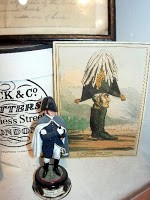
The Duke was a man who was very sure of himself and his opinions. I suspect he had a big ego, but he also had a sense of humor. In the display at Lock and Co. was a little caricature of Wellington, making fun of the term Wellington boot for the style of boot he favored. At Stratfield Saye there was a room papered with hundreds of caricatures of the Duke, which I thought was akin to a writer papering a bathroom with rejection letters. The boot one was was there, too.
What is your opinion of the Duke of Wellington? Pro and Con. Any favorite quotes or vignettes of his life?
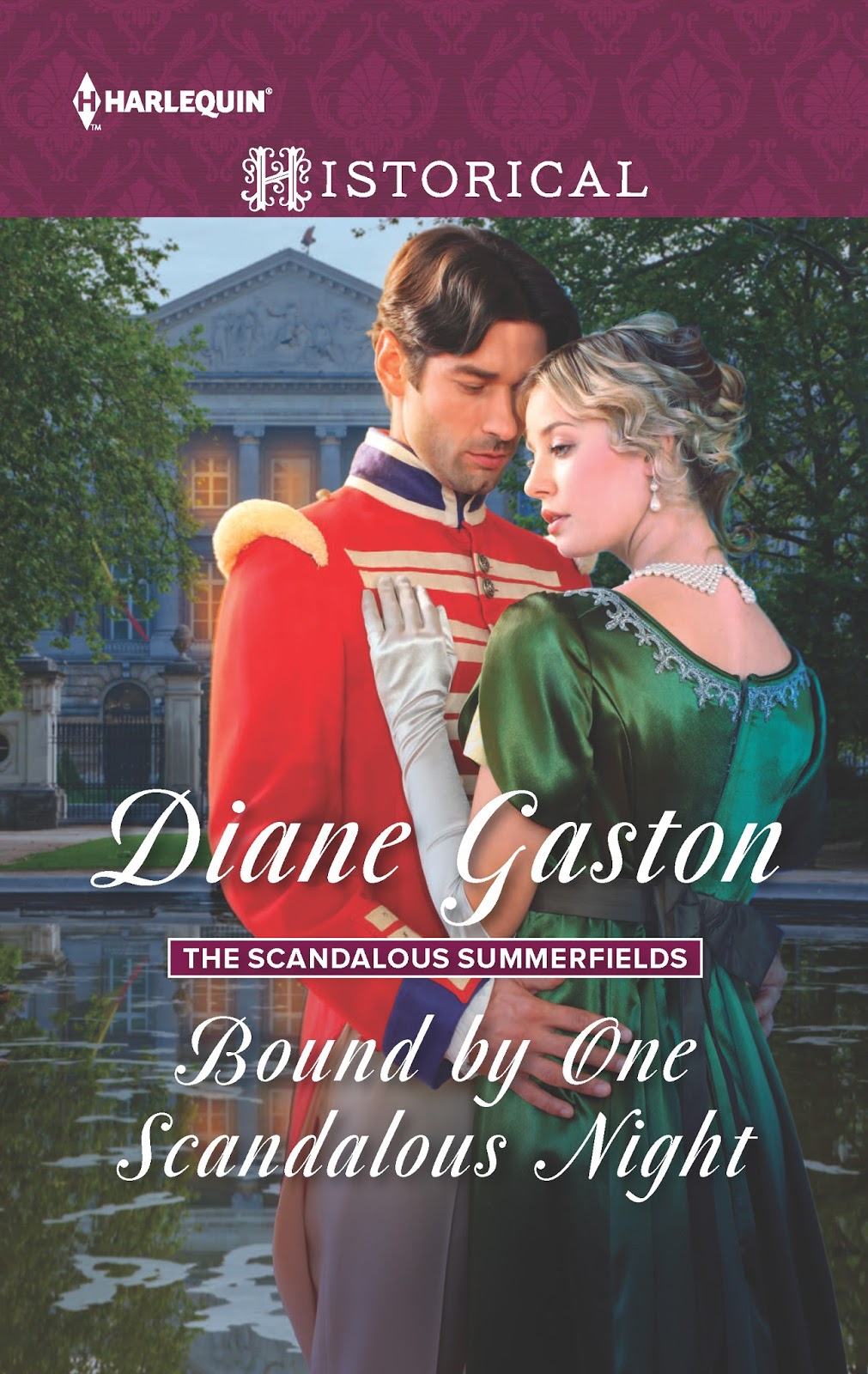
Diane Gaston is the award-winning author of Regency-set historical romances. Her next book, Bound By One Scandalous Night, Book 2 in the Scandalous Summerfields series, will be released March 22, 2016, from Harlequin Historical.
POST WELLINGTON TOUR – THE WINDSOR GREYS

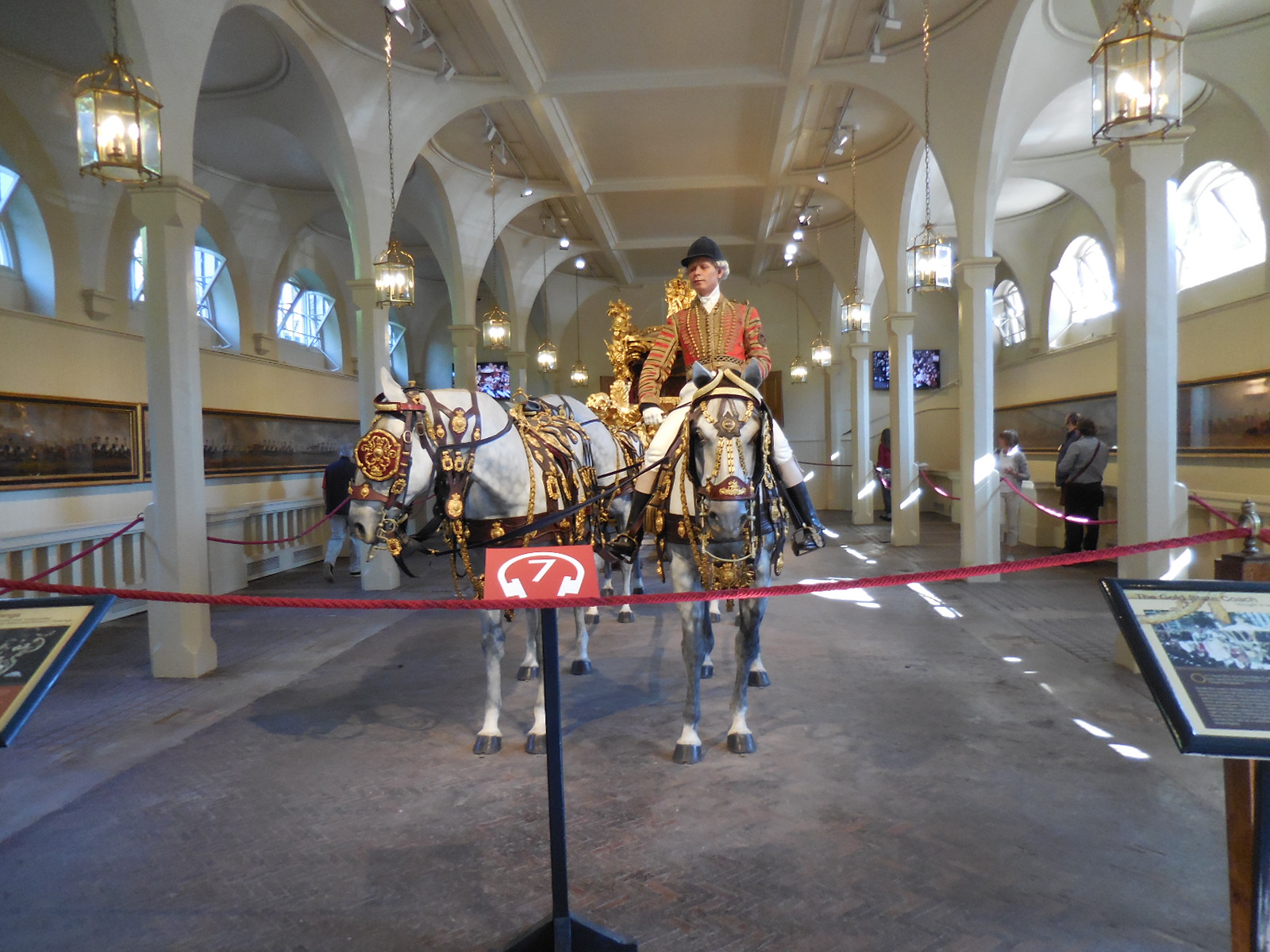
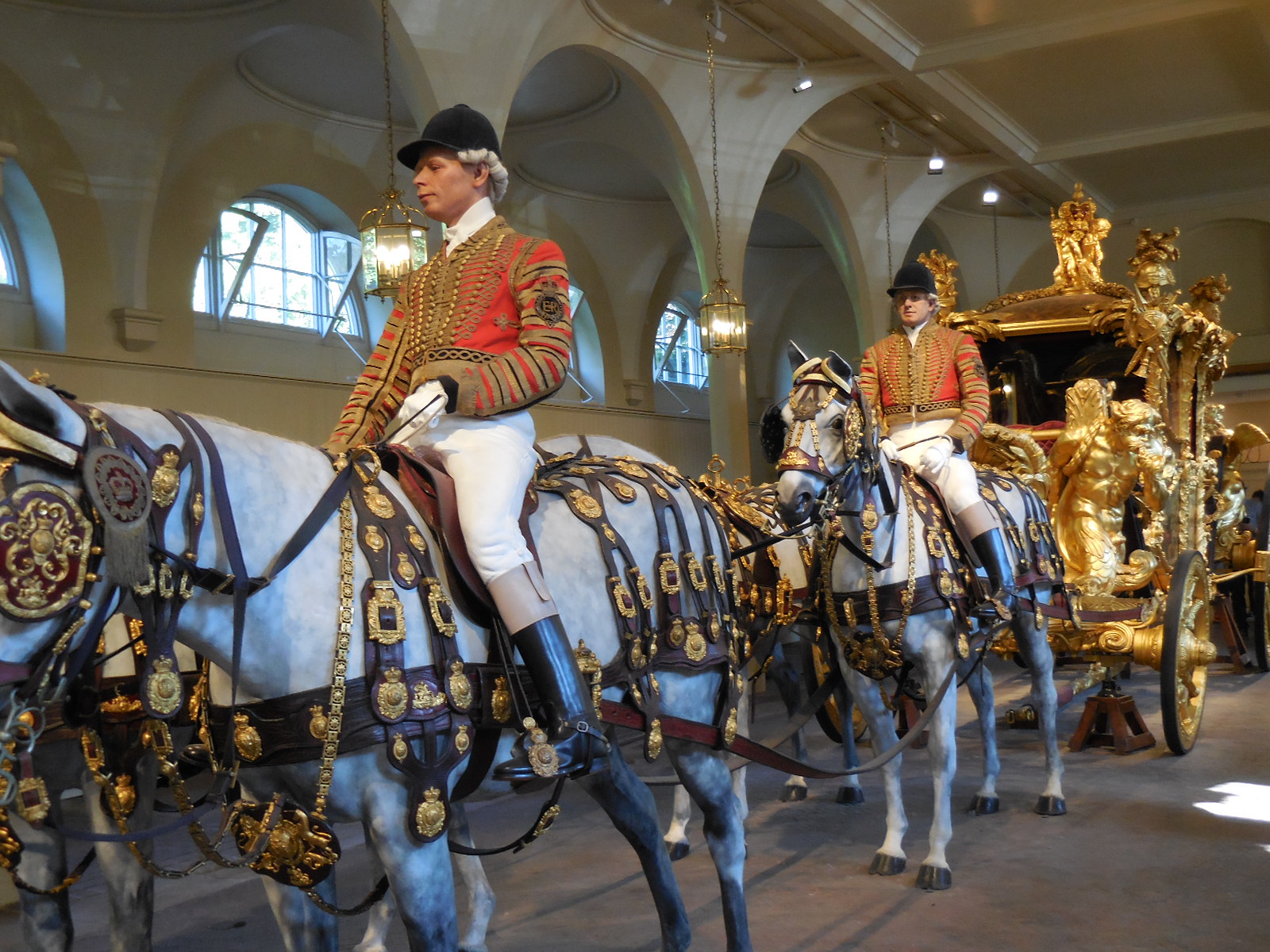
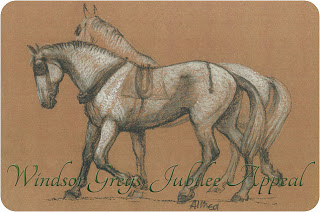
Both Victoria and I were looking forward to seeing to seeing the Windsor Greys when we were there last. The term Windsor Grey is given to grey horses used by the Royalty of the United Kingdom to draw carriages and coaches in various ceremonial processions and, since 1986, when The Queen is Trooping the Colour. They are stabled in the Royal Mews. Some have also represented the crown in various carriage combined driving competitions, at times driven by Prince Phillip, the Duke of Edinburgh.

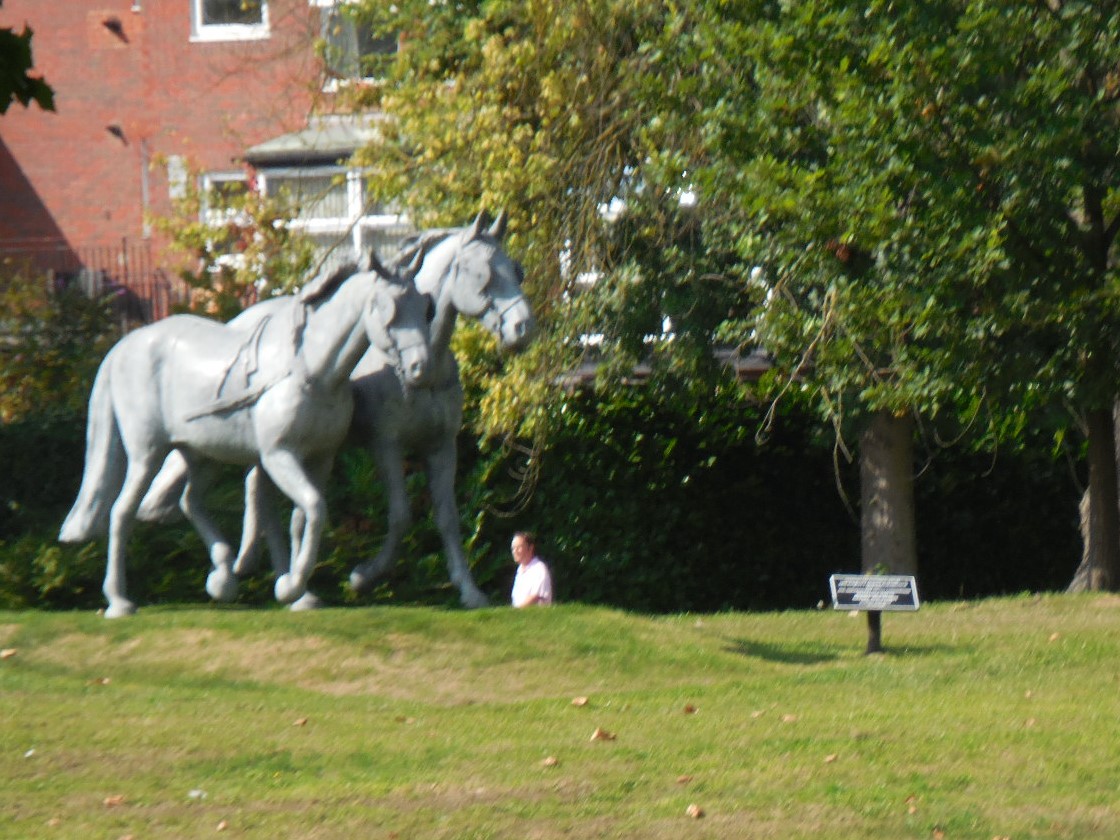
Two Windsor Grey horses, Claudia and Storm, at the Royal Mews in London are available for observation daily. Storm was featured in a statue with another of the type, David. Back in 2012, we ran a post on the drive to raise money to fund the Windsor Greys Jubilee Appeal which was the committe charged with delivering a statue of the horses in time for the Queen’s Diamond Jubilee. Really, these horses couldn’t be a more fitting symbol to honour Her Majesty, who has such an affinity for horses, and because of their link to Royal traditions.

Thankfully, and not surprisingly, the money was raised and sculptor Robert Rattray executed the statue in bronze, which took over a year to complete, and was on hand when Her Majesty unveiled the life sized piece in March of 2014.

The statue stands in the middle of the Kings Road/Osborne Road roundabout, ready to greet visitors. 

As stated above, you can see the Greys at the Royal Mews in London. Below is a display showing how the Greys look when pulling the Royal carriages.

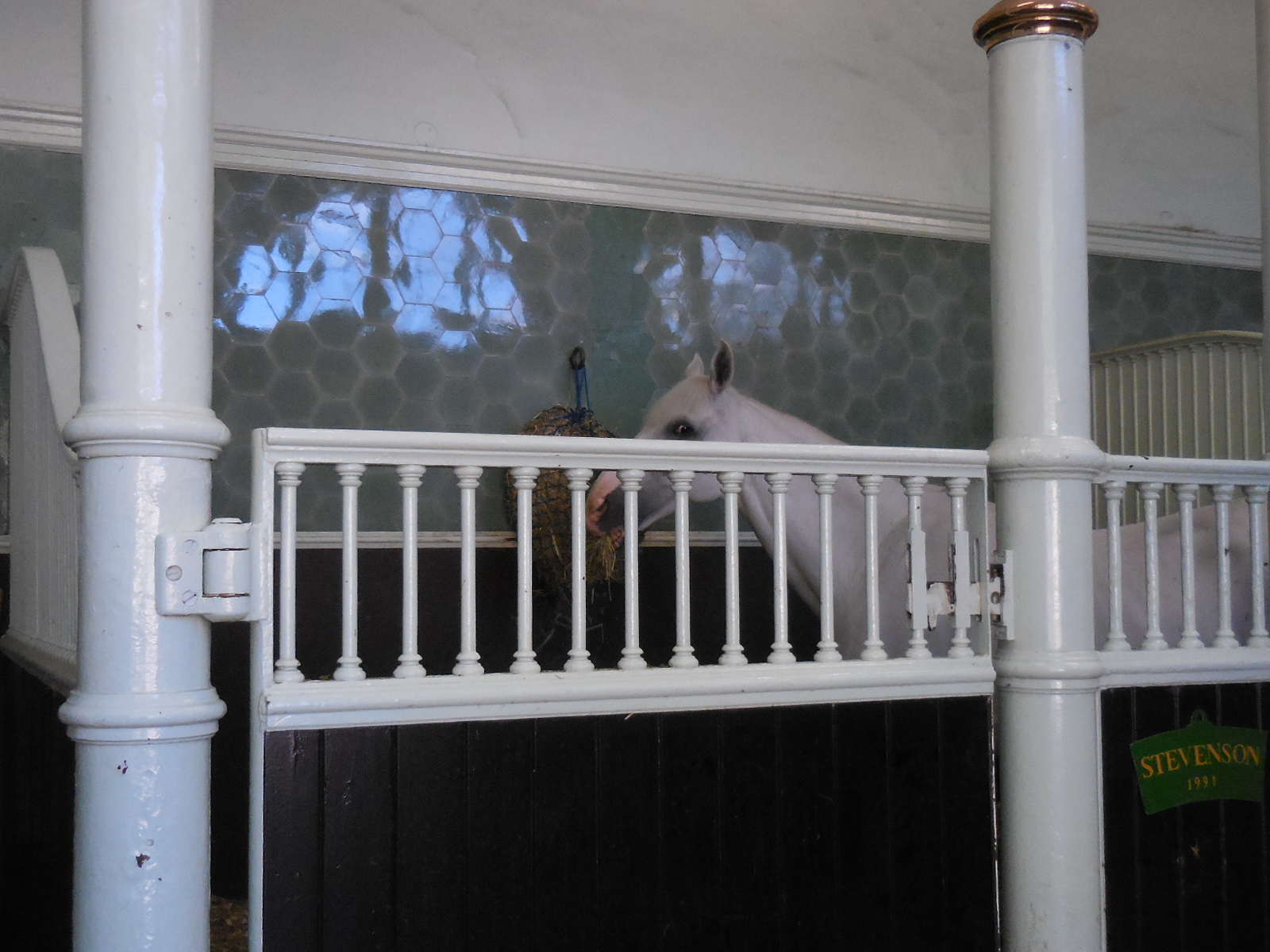
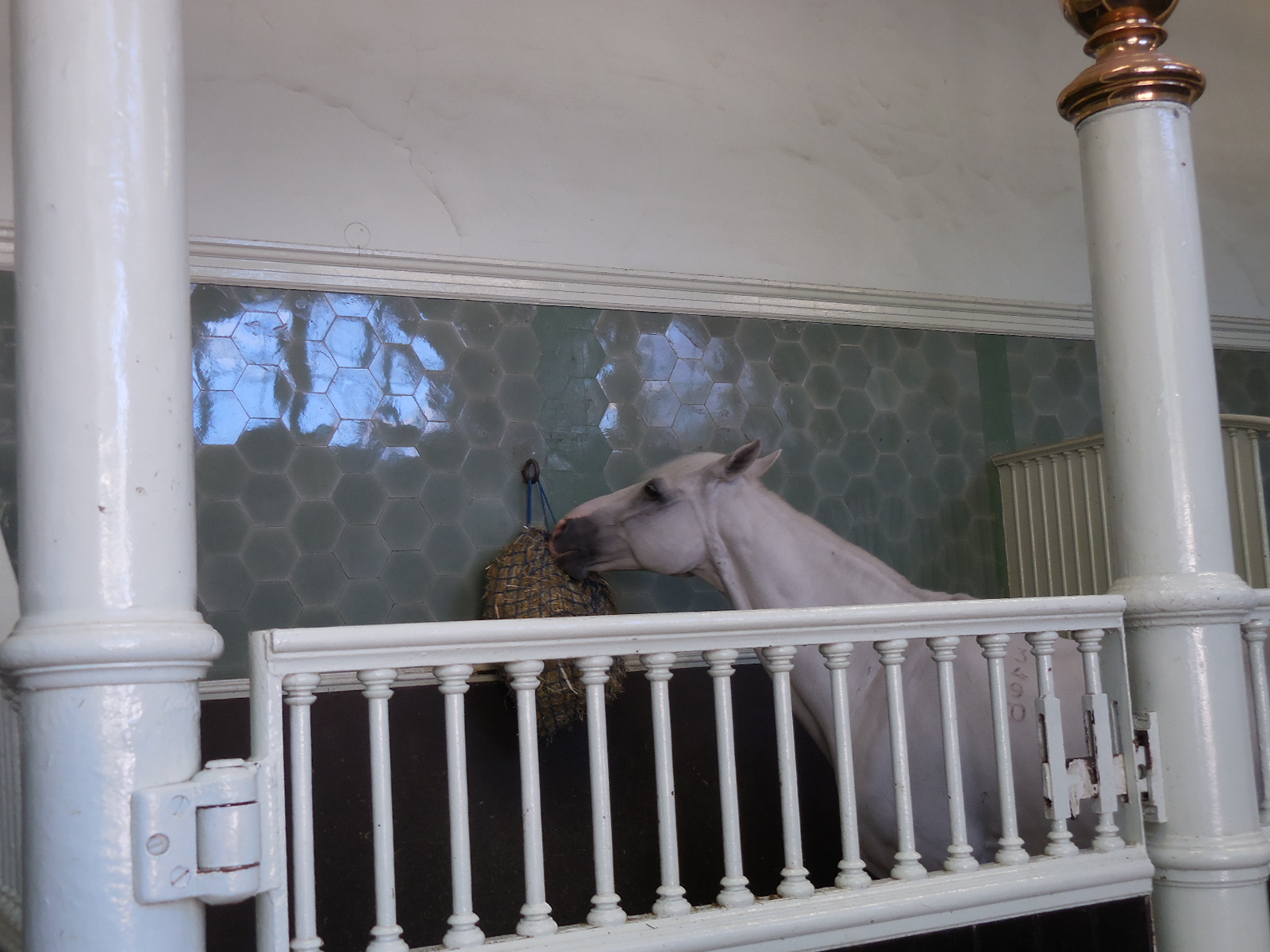
Above and below, Stevenson, one of the horses who are regularly used on the Royal carriages in his stall at the Royal Mews. Victoria snapped these photos while we were there for the Duke of Wellington Tour. 

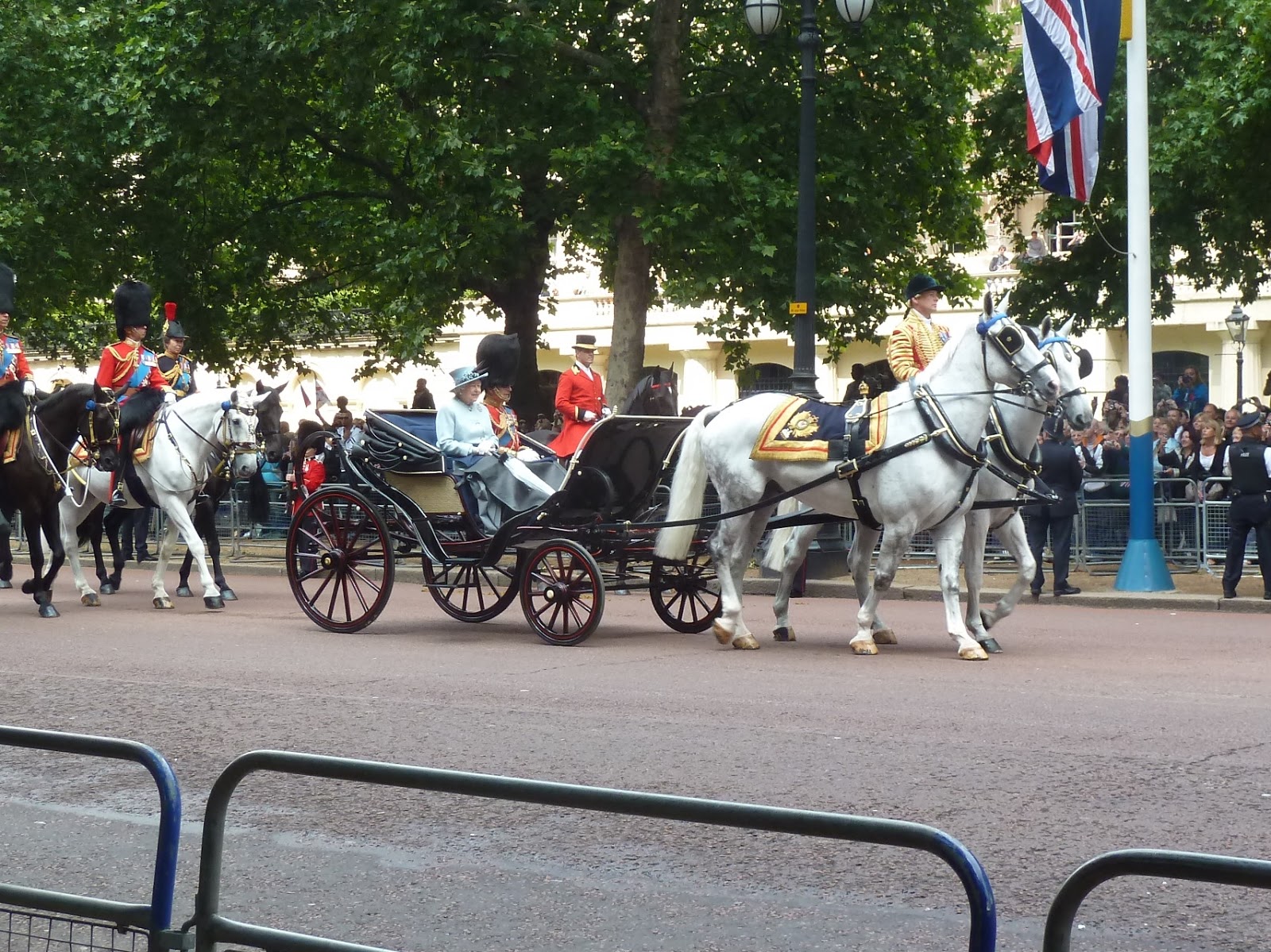
2011 Trooping the Colour


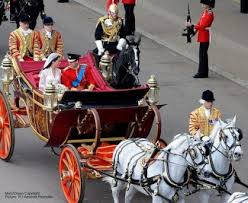
The Royal wedding.


REGENCY HEROES BY GUEST BLOGGER DIANE GASTON


Diane Gaston here, very happy to be a guest blogger on Number One London. This piece, slightly edited here, first appeared on Risky Regencies on April 24, 2006.
Let’s face it. I’m in this business, writing Regency Historical Romance, for the heroes.
What could be better than spending your days with some hunky gentleman in pantaloons, Hessians, and a coat by Weston, who says things like, “You’ve bewitched me, body and soul.”
Sigh!
The Regency gives us such wonderful heroes. Wealthy marquesses and dukes. disreputable Rakes (as opposed to my Reputable Rake, Harlequin Historical, May 2006, still available in ebook), corinthians, gamblers, impoverished vicars, and my favorite–
The soldier.

I’m with Mrs. Bennett when, in Pride and Prejudice, she says, “I remember the time when I liked a red coat myself very well—and, indeed, so I do still at my heart.”
That’s me. Show me a man in his regimentals and I’ll show you a potential hero.
Maybe I love military heroes because my father was an Army colonel. I grew up with that whole military mind-set of duty and honor and country. Woke up to reveille. Went to sleep hearing taps. Or maybe it was listening to all those Chivers audiotapes of the Sharpe series, hearing William Gaminara read, “Sharpe swore.”
Writing a soldier for a hero gives so much dramatic potential. The hero faced hardship, faced death, experienced scenes we would find horrific. He’s honed his body to be strong. When he returns to England from war, he must look on the society to which he returns in a whole new light. I think it makes for lots of interesting possibilities.
I have a brazillion books on the Napoleonic war. Three of my favorites are:
Waterloo: Day of Battle by David Armine Howarth. It tells the story of Waterloo from the soldiers point of view.
Redcoat: The British Soldier in the Age of Horse and Musket by Richard Holmes, This book covers everything about being a soldier during that time period.
Galloping at Everything: The British Cavalry in the Peninsular War and at Waterloo, 1808-15 by Ian Fletcher. This covers all the major operations engaging the cavalry
and discusses some of the controversy around them.
I have another book that makes me sad: Intelligence Officer in the Peninsula, Julia Page, editor. These are the letters and diaries of Major the Hon. Edward Charles Cocks, a man who loved soldiering with a passion that makes the journals occasionally boring. It makes me sad because the war takes his life. Even Wellington grieves his loss.


I’d love to write a series of Napoleonic war love stories, sort of Bernard Cornwell-style but with a really satisfying romance. I haven’t quite done it yet, but I did write a series of soldier books that featured part of the war. And my last book, Bound By Duty, ends with the Battle of Waterloo. My next book, Bound By One Scandalous Night, begins right before the battle.
Okay, let’s face it. I just want to spend my days with some hunky officer in regimentals.
Diane
Diane Gaston is the award-winning author of over 20 Regency Historical Romances.

CURTAIN UP: CELEBRATING 40 YEARS OF THEATRE IN LONDON AND NEW YORK


The V&A will this February celebrate the rich creative theatre talent in the West End of London and New York’s Broadway, two world class centres of theatrical excellence. Curtain Up: Celebrating 40 Years of Theatre in London and New York will explore the extraordinary range of craft and collaboration that goes into creating award-winning plays, musicals and productions. The show will be a free and immersive theatrical experience taking visitors from the stage, to the design workshops and through the history of the awards to the red carpet. 
Curated by the V&A and The New York Public Library for the Performing Arts at Lincoln Center, in partnership with the Society of London Theatre (SOLT),Curtain Up is part of a year-long programme of activity organised by SOLT to celebrate 40 years of the Olivier Awards (1976-2016), awarded annually to recognise excellence in professional theatre.
Curtain Up is designed by RFK Architects and Tom Piper, the acclaimed designer and theatre maker renowned for his Tower of London poppies installation,Blood Swept Lands And Seas of Red, a collaboration with ceramic artist Paul Cummins. Curtain Up will bring together costumes, designs, models, photographs, archival production material, film and awards, much on display for the first time.
On display will be objects drawn from the collections of the V&A and The Library for the Performing Arts supplemented with key loans from private collections. Highlights include original costume designs from The Phantom of the Opera by Maria Bjornson (1986), one of the longest running West End musicals, and the longest running Broadway production in history, shown alongside the costume worn by a recent West End Phantom; a selection of golden top hats from A Chorus Line which won both the Tony Award (1976) and the inaugural Olivier Award (1976) for Best New Musical; a tunic worn by Rudolf Nureyev in Romeo and Juliet which won the Olivier in 1977; and Dame Helen Mirren DBE’s dress designed by Bob Crowley and worn in The Audience, a role which she won both an Olivier (2013) and Tony Award (2015) for Best Actress.

Dame Helen Mirren DBE said; “Having worked on both Broadway and the West End, I am delighted that Curtain Up, marking 40 years since the Olivier Awards were inaugurated, honours the shared artistic heritage binding London and New York and showcases the wealth of creative talent that brings great productions to the stage on both sides of the Atlantic.”  

Curtain Up will consider the central role the West End and Broadway have in London and New York today as well as exploring the evolution of these two transatlantic theatre cities. A spotlight on the awards will reveal how they have developed since their inception and how an entire company – from back-of-house to centre stage – contribute to an award-winning production including such material as correspondence and production material relating to the original production of Evita. Script-writing, production, direction, design (lighting, sound, set, and costume), music, choreography and the evolution of technology will all be considered.

Plays and musicals which have performed well both in London and New York will be highlighted with costumes on display from Disney’s The Lion King, designed by Julie Taymor, costume designs by William Ivey Long for Chicago and The Producers and Christopher Oram’s costume designs for the Royal Shakespeare Company’s Wolf Hall and Bring Up the Bodies.

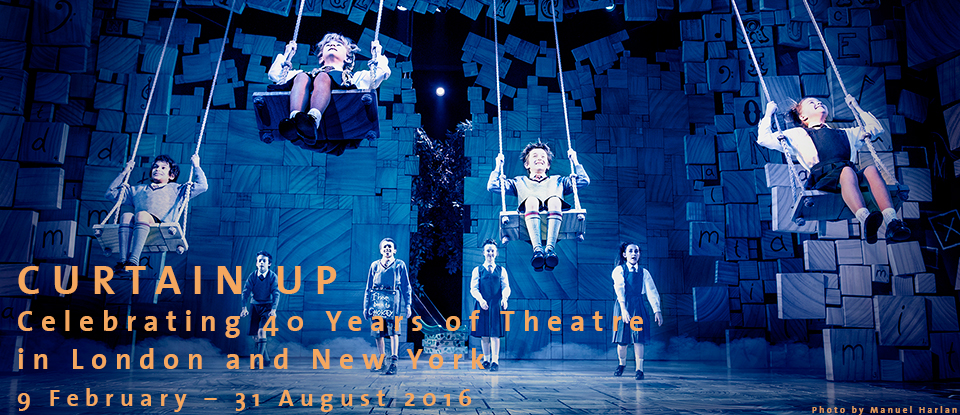
There will be the opportunity to see the set models for Matilda the Musical, an RSC musical which won seven Olivier awards and five Tony awards, designed by Rob Howell as well as models from the National Theatre’s award-winning production War Horse (2007). On display for the first time in the UK will be set models for the New York productions of Carousel (1994) and Sunday in the Park with George (1983).

Film clips from notable theatre productions from the V&A’s National Video Archive of Performance (NVAP) and the NYPL’s Theatre on Film and Tape archive (TOFT) will be embedded throughout.