DO YOU KNOW ABOUT – LADIES OF LETTERS?

by Kristine Hughes Patrone
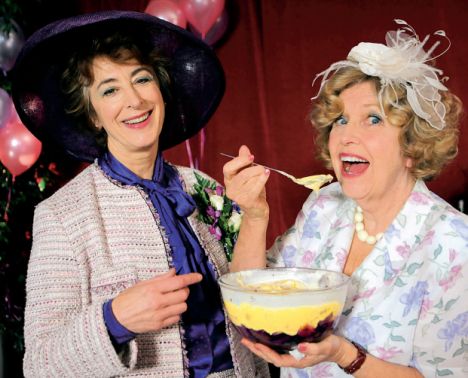
Two British widows who met at a wedding trade letters in which they attempt to one-up each other with stories and events from their lives. Based on the iconic BBC radio show, this 10-part series stars Maureen Lipman (The Pianist) and Anne Reid (Last Tango In Halifax).

The wedding of Irene’s daughter Leslie was a great success, but Irene later learns that guest Vera is not a relative at all-just helping with the catering-but she’s very nicely written to say thank you, so Irene replies to Vera, thanking her for her thank you letter.

Vera and Irene reveal their exploits and adventures to each other in their letters and e-mails, but sometimes their correspondence becomes fractious when one accuses the other of being an alcoholic or engages in too much one-upmanship. Nevertheless, when the chips are down and the going gets tough, each is instantly there for the other, like a charge of the cavalry but with a more sarcastic bugle call.

As stated above, the series was originally a BBC Radio 4 comedy starring Patricia Routledge and Prunella Scales and there’s very much a “Mapp and Lucia” quality to Vera and Irene’s relationship – with humour, pathos and a soupcon of malice occasionally thrown in for good measure. The series is lots of fun and available on Acorn TV.


A TOUR GUIDE IN ENGLAND – TOURING LEEDS CASTLE

by Kristine Hughes Patrone

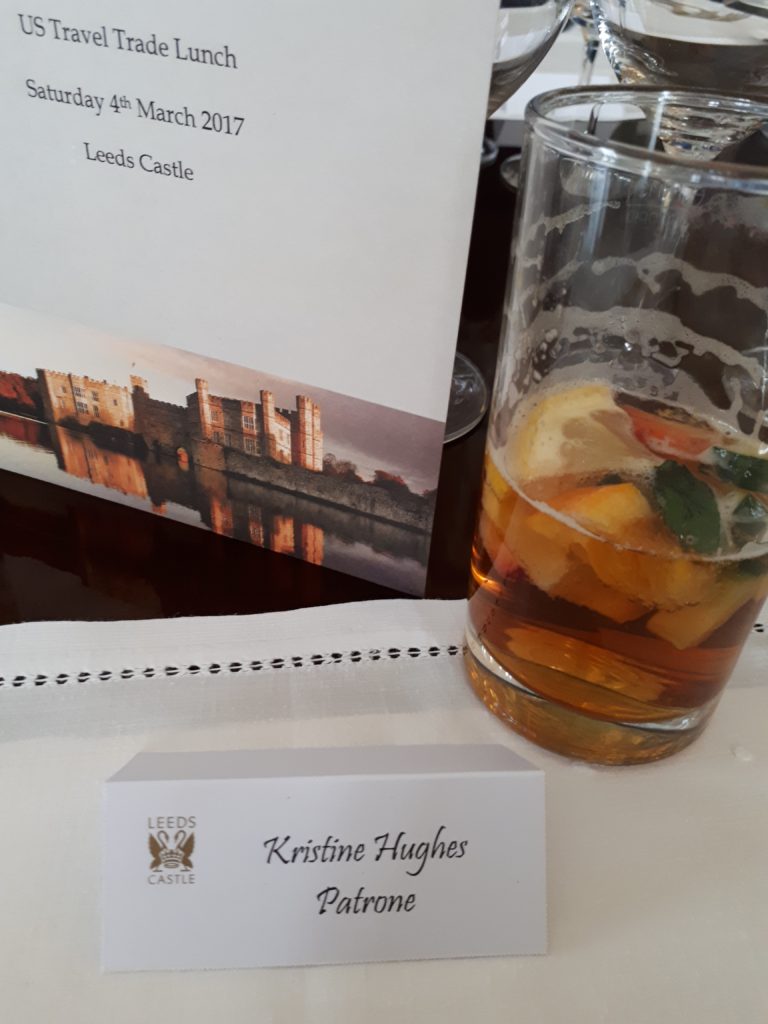
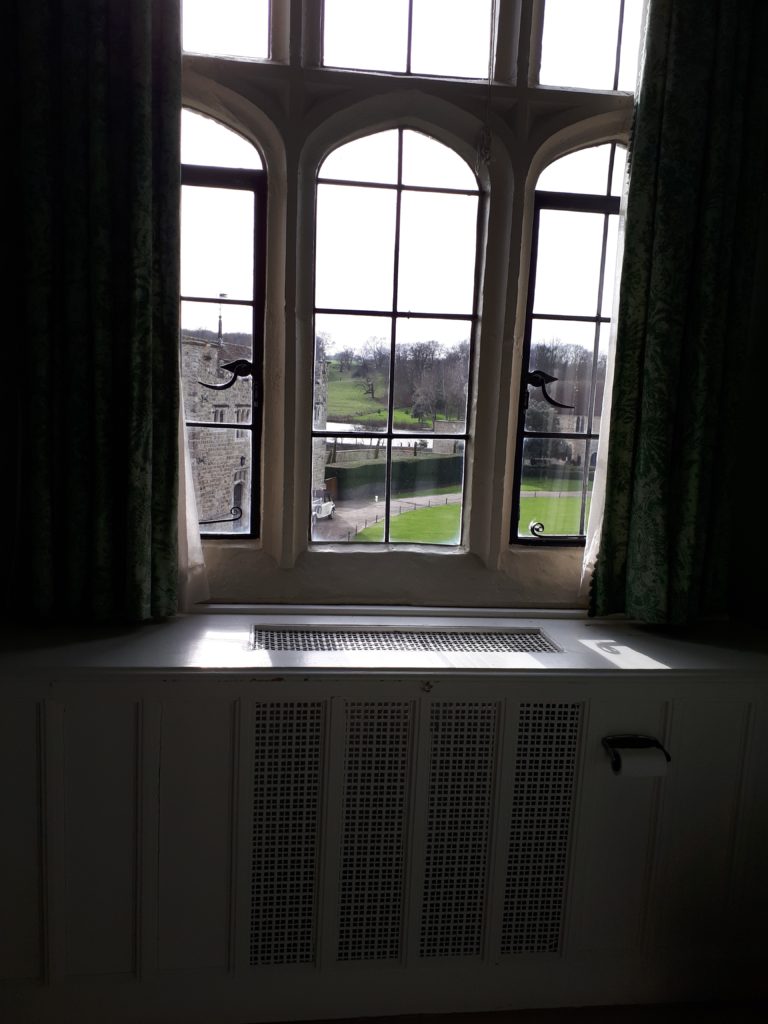
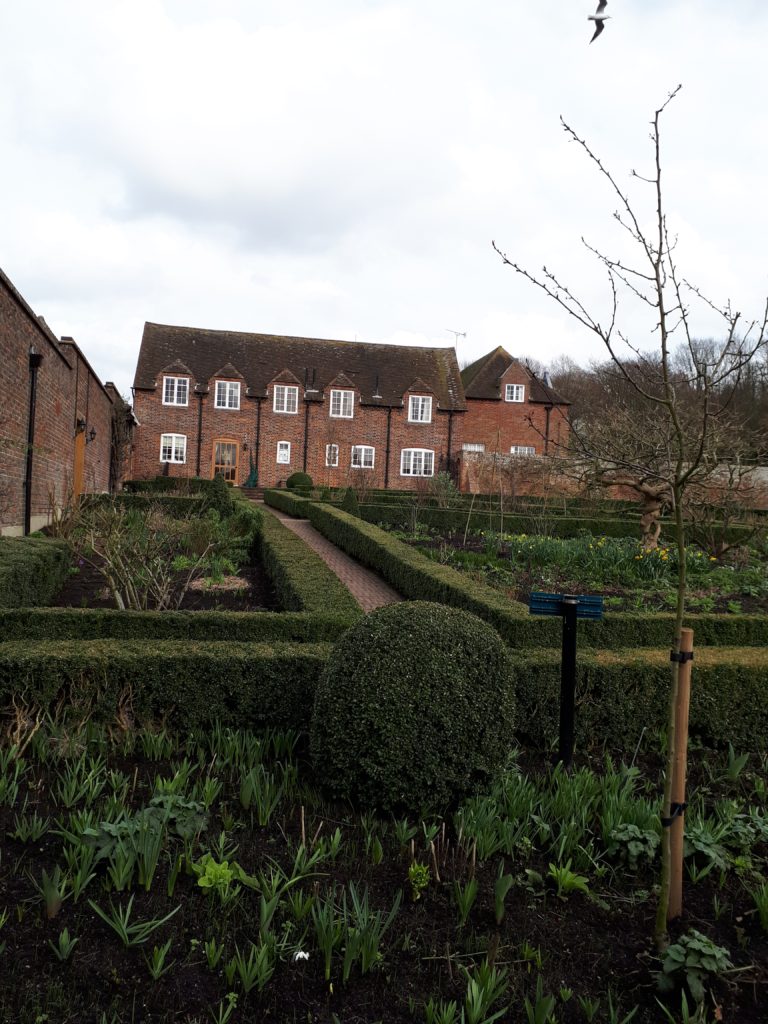
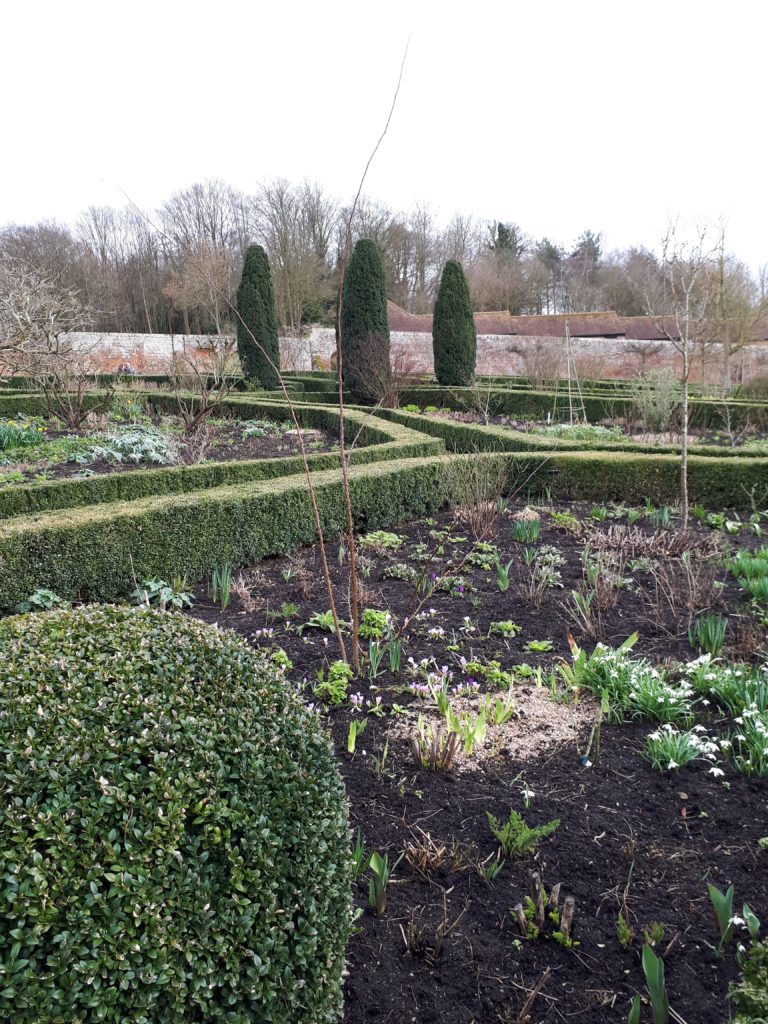
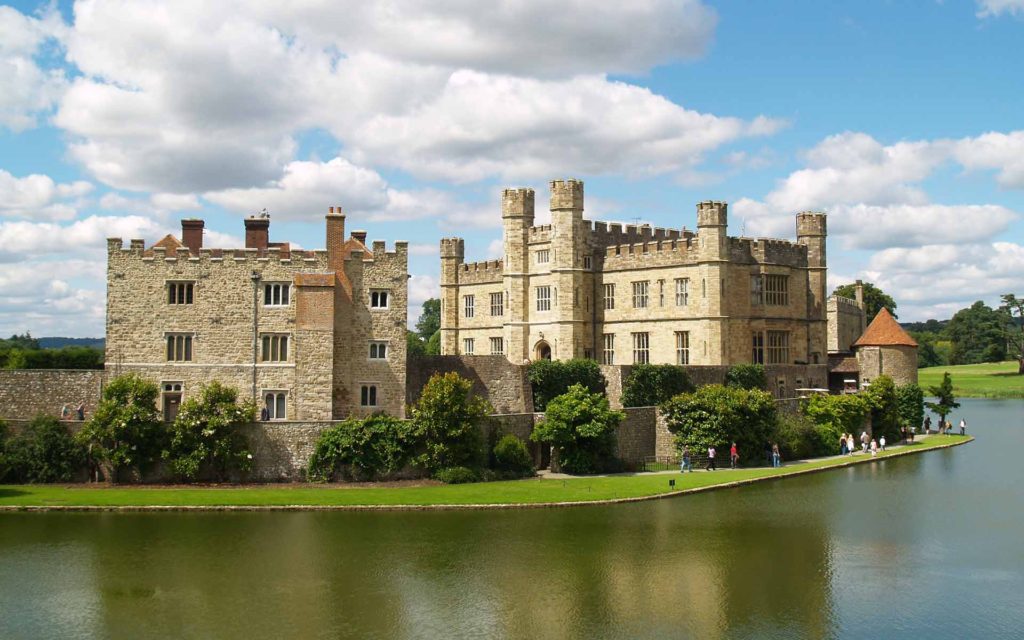
Following upon my last post, the video of our walk up to Leeds Castle and the welcome our travel trade group from Visit Britain received, this post contains photos representing just a bit of what we saw at the Castle.

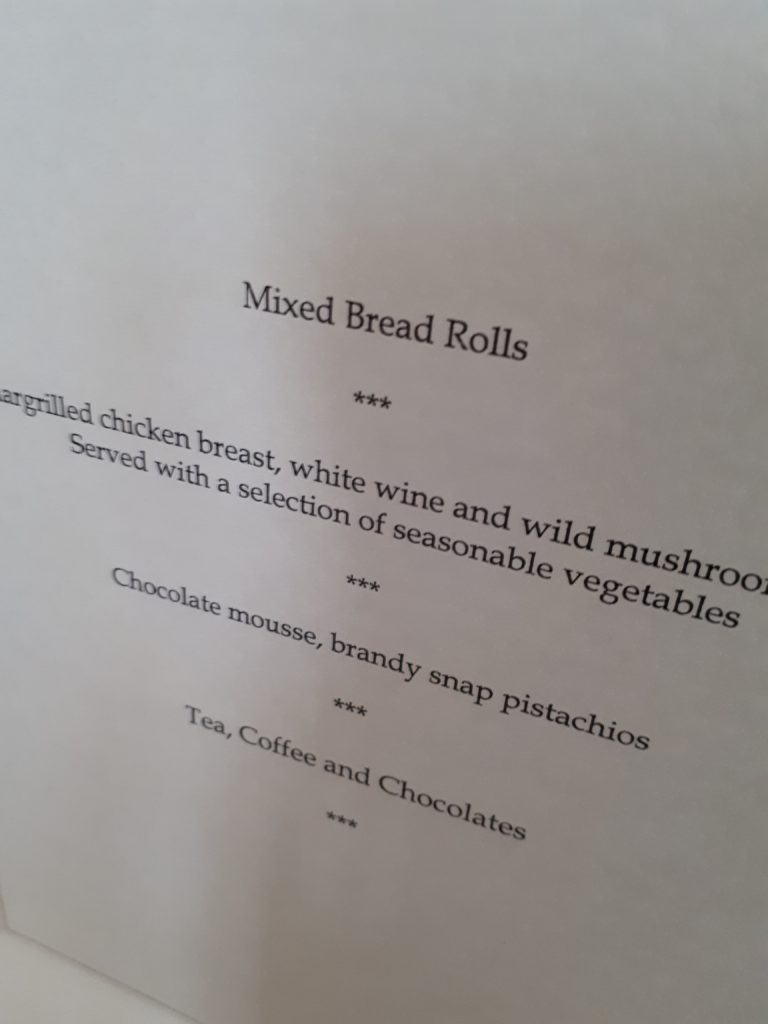
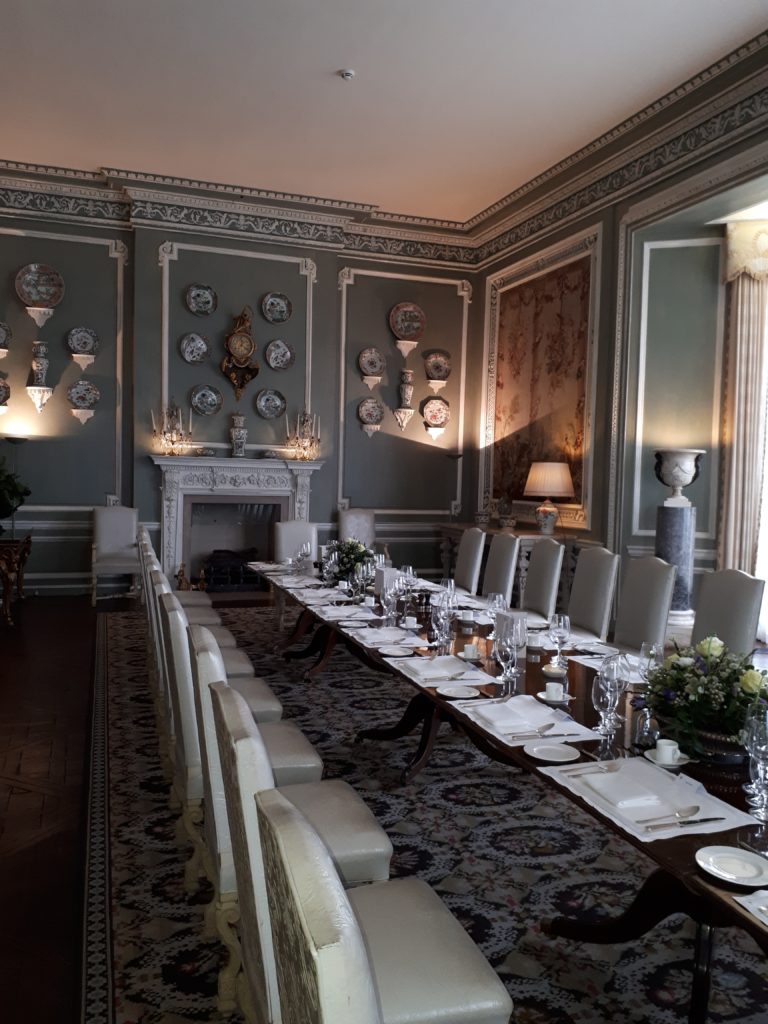
After being served Pimm’s Cups in the library upon our arrival, our group proceeded into the dining room for lunch.
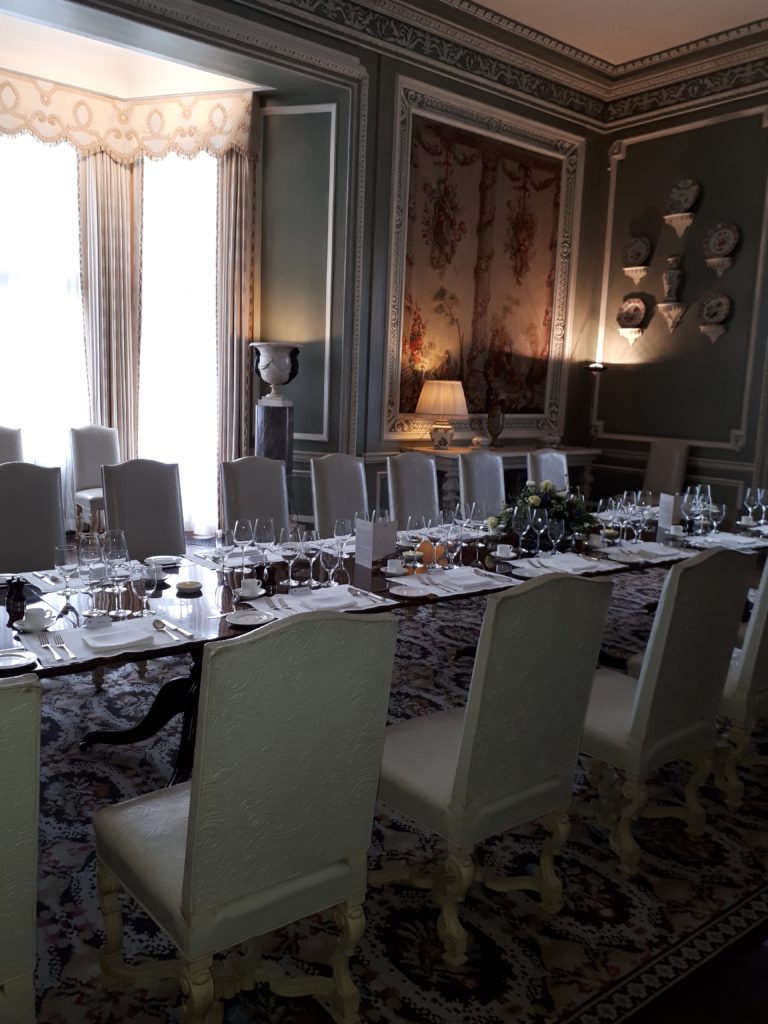
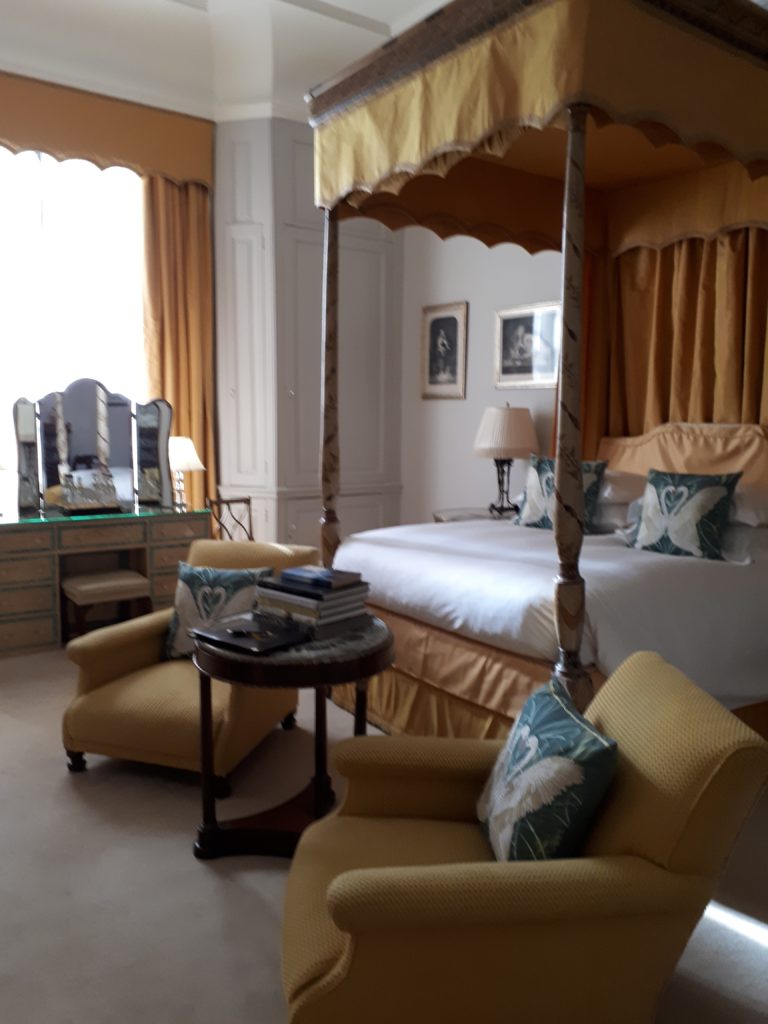
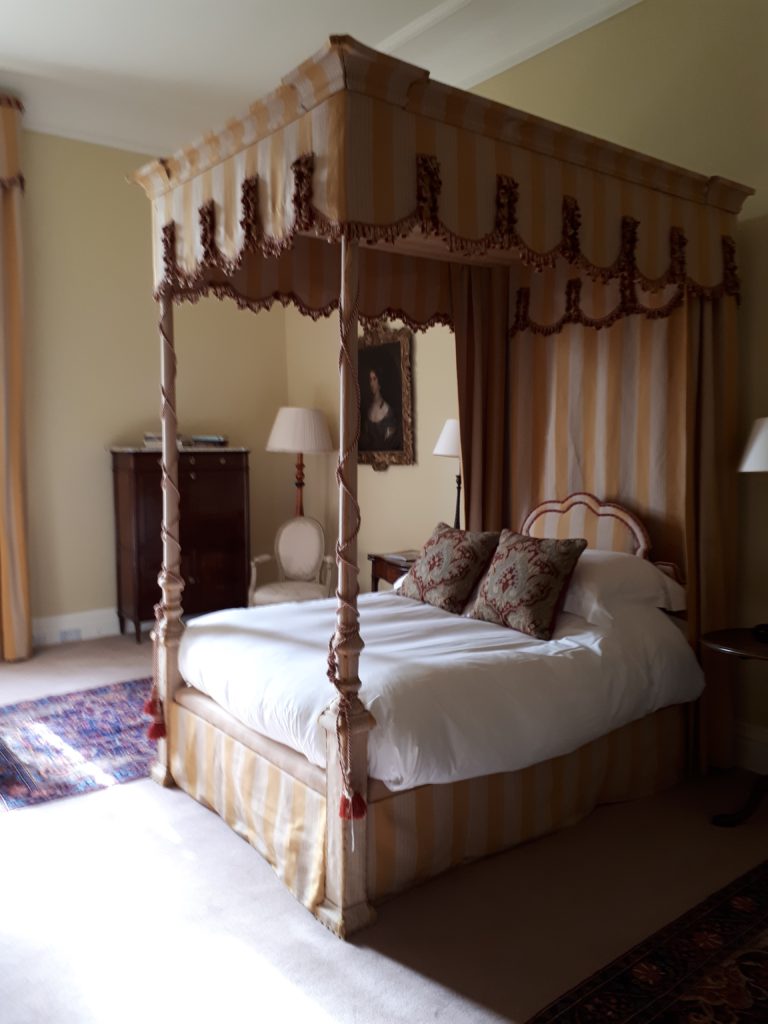
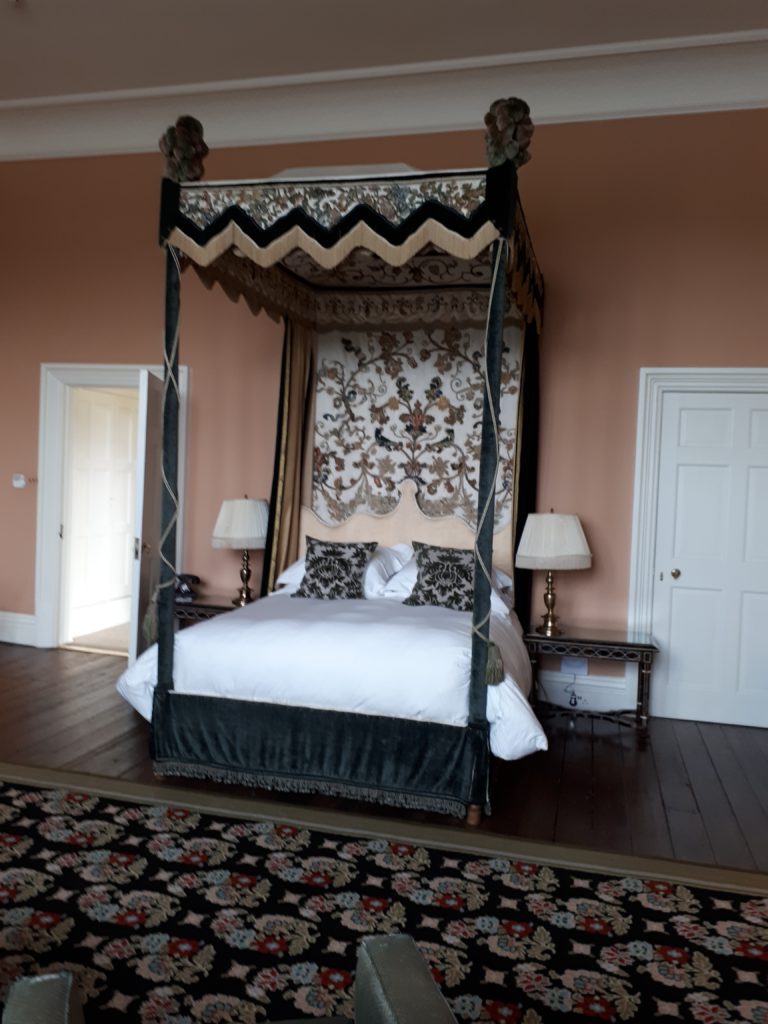
After a fabulous lunch, we were given a tour of the Castle’s bedrooms, all of which are available as guestrooms. Each room is unique and each and every room would lift the heart of even the most finicky guest. To be fair, I’ve heard comments denigrating the Castle over the years, with some people insisting that the Castle is “fake,” a modern day re-invention of what a Castle should be. That’s unfair, in my opinion, as history proves that any alterations or remodeling by subsequent owners was undertaken to save or restore the Castle. Parts of the present structure hark back to when the property was a Royal Castle, others to its time as a Tudor Palace and still others to its incarnation as a Georgian Mansion, when King George III and Queen Charlotte visited.
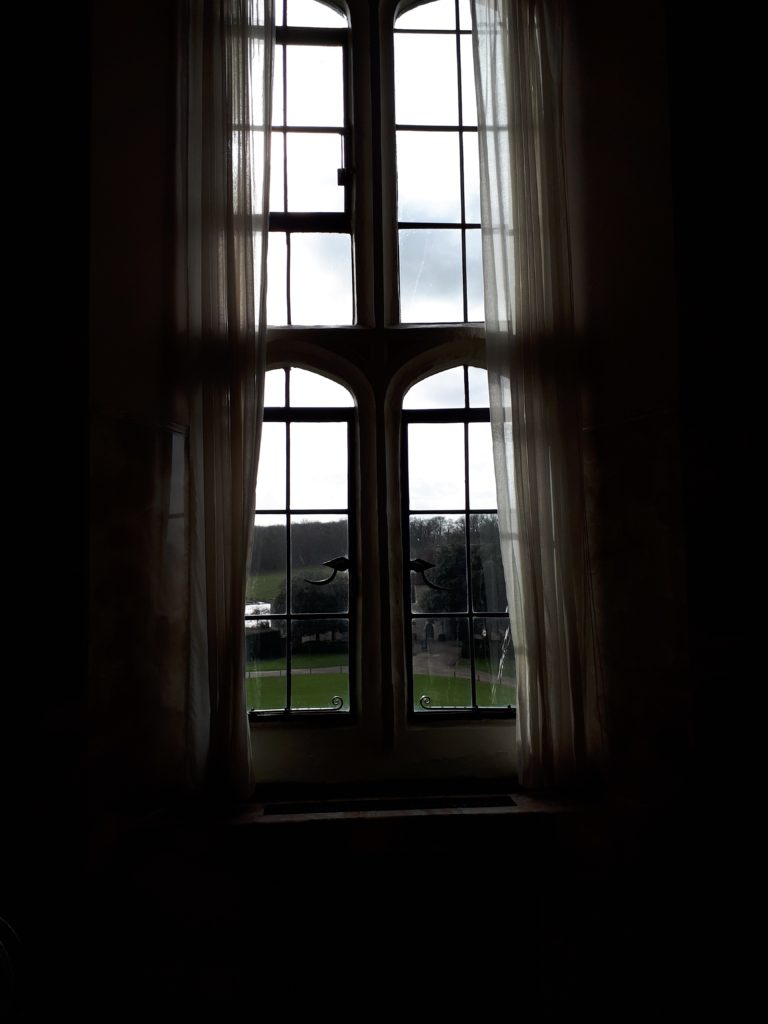
After the 7th Lord Fairfax’s death in 1793, the Castle was passed onto various distant relatives until in 1821 Fiennes Wykeham Martin inherited and commissioned architect William Baskett to survey the castle, much of which had fallen into disrepair, parts of which could not be salvaged. A new house, in the Tudor style, was erected and finished by 1823.
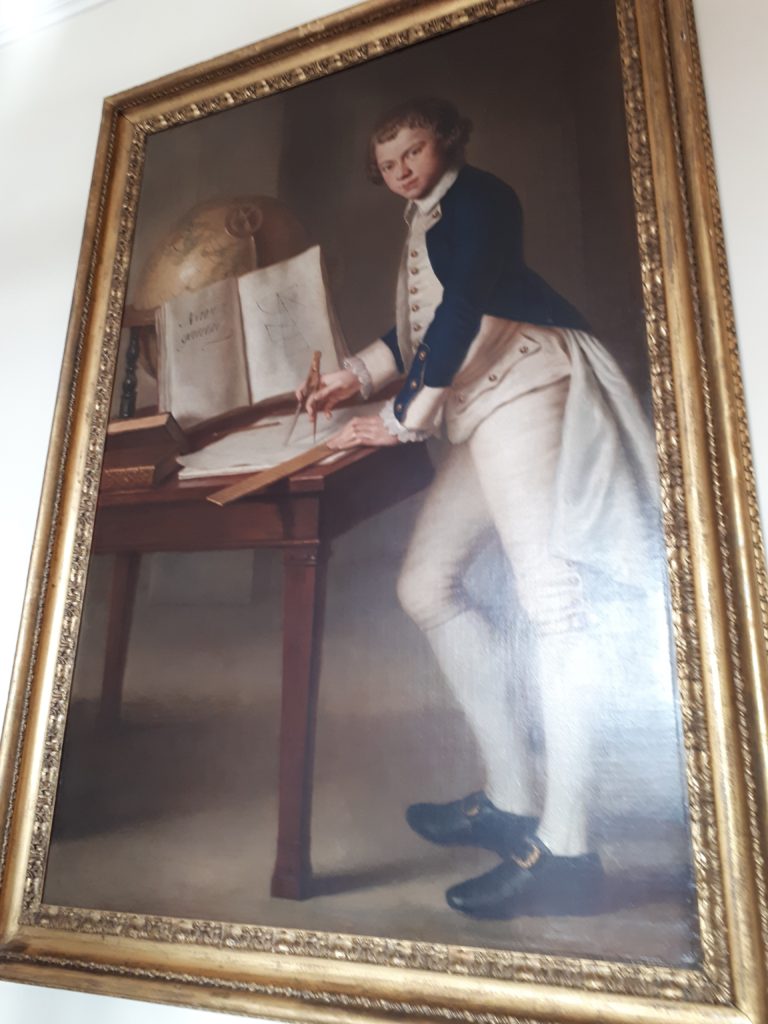
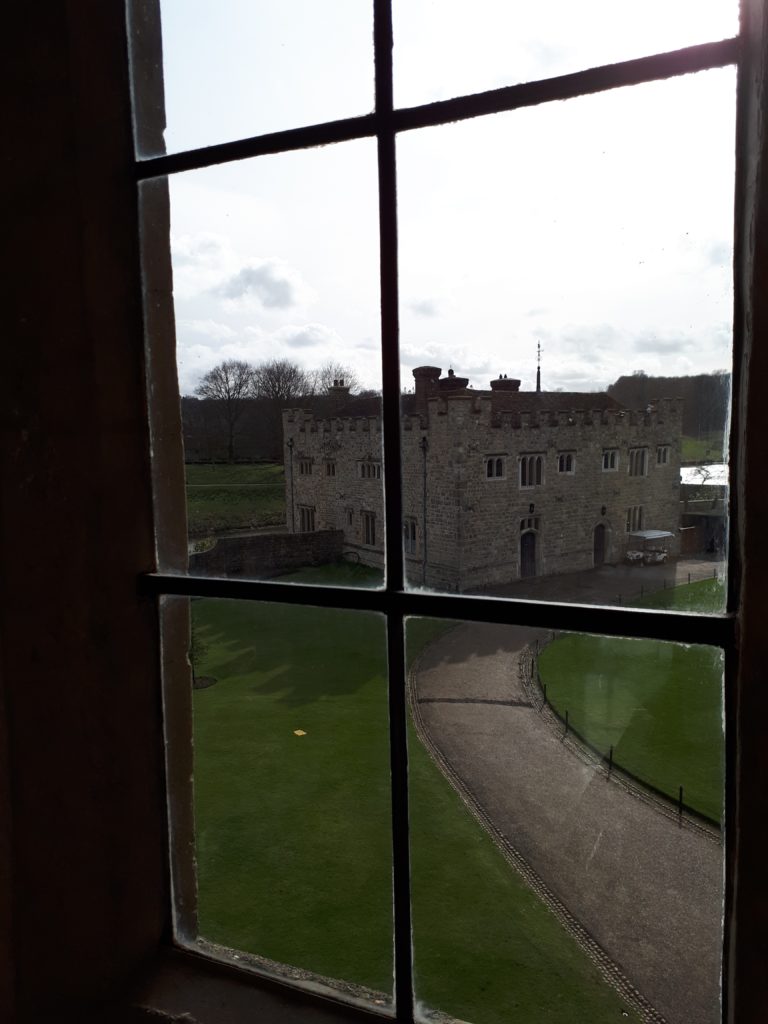
By the time Lady Baillie took up ownership of the Castle in the 1920’s, more work was required in order to transform Leeds Castle into a stately home. Working with the top architects and interior designers of the day, Lady Baillie oversaw the creation of the Castle as we see it today and I, for one, applaud her efforts. The overall effect is seamless and, after all, Leeds Castle is known as “the loveliest Castle in the world.”

Just an hour from London, a day trip to Leeds Castle is an easy outing and in addition to the Castle itself, there are over 500 acres of formal gardens and parkland to explore. You can download a map of the estate here.
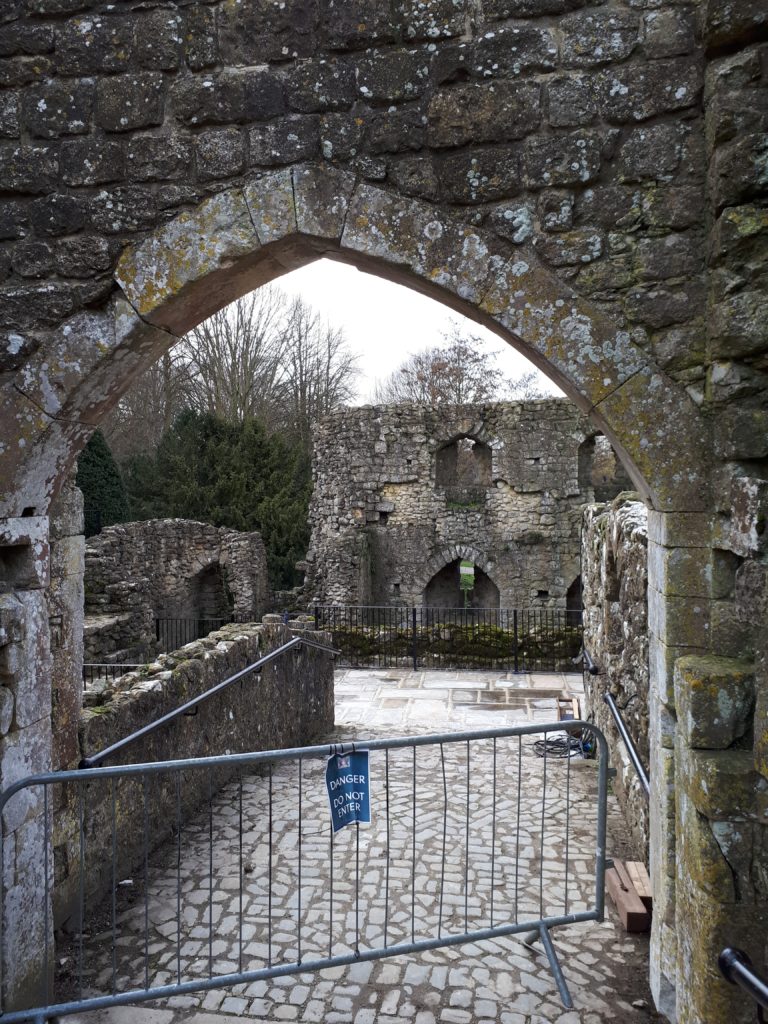
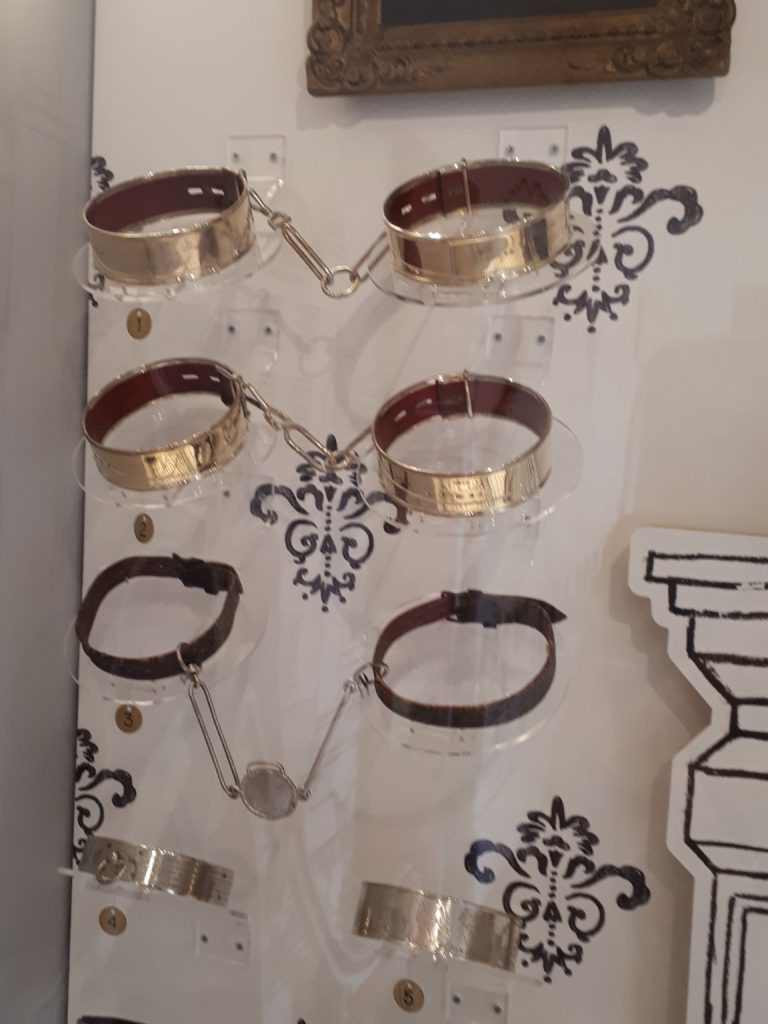
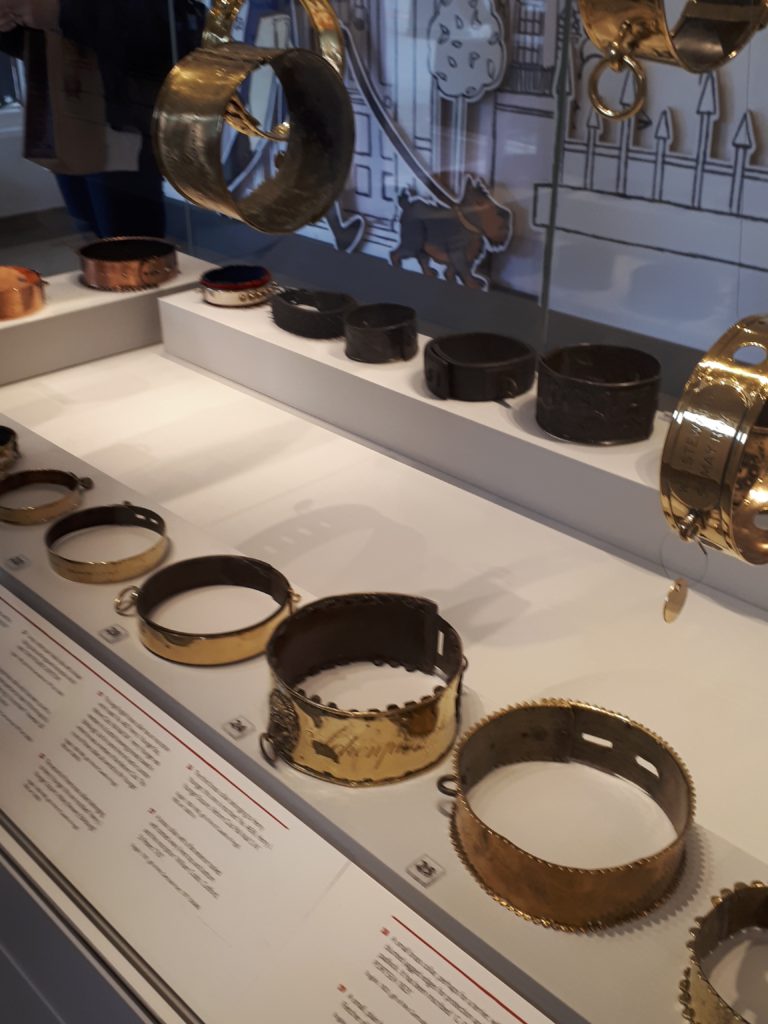
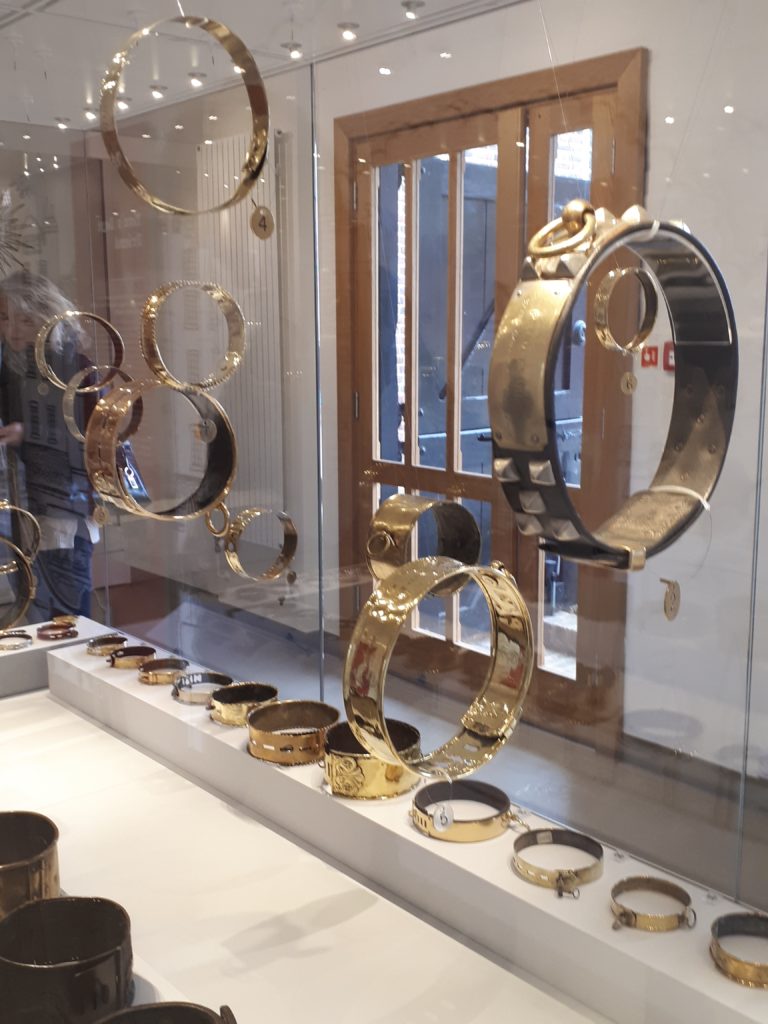
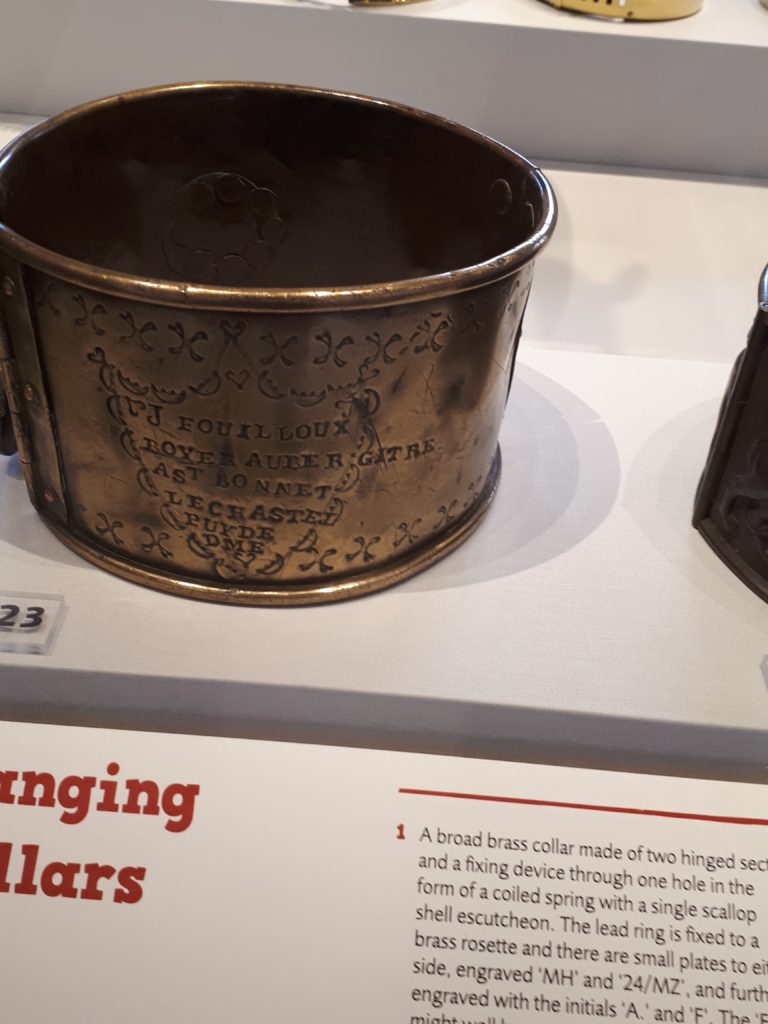
When you visit, do leave yourself time to tour the Castle’s Dog Collar Museum. In 1977 Mrs Gertrude Hunt presented the collection of dog collars to the Leeds Castle Foundation in memory of her husband, the historian John Hunt. Mr and Mrs Hunt were both avid collectors and amassed a large collection of art and antiquities, but the dog collars were Mrs Hunt’s particular passion.

There are over 130 rare and valuable collars including 30 collars, which were discovered in storage and have never been on public display before are now on show.

The earliest in the collection, dates back to the late 15th century and is a Spanish iron herd mastiff’s collar, which would have been worn for protection against wolves and bears roaming Europe at the time.

Other collars range from sixteenth-century German iron collars with fearsome spikes and ornate gilt collars of the Baroque period, through to finely-chased nineteenth century silver collars and twentieth century examples fashioned from tyres, beads and plastic.
A TOUR GUIDE IN ENGLAND – THE WALK TO LEEDS CASTLE

by Kristine Hughes Patrone

Our next stop on Visit Britain’s Familiarization Trip for members of the travel trade was Leeds Castle, which bills itself as “the loveliest Castle in the world.” There’s no denying that it answers every little girl’s requirements for a fairy tale castle, although on the day we visited Prince Charming was not in evidence. Lunch was, however, as well as a tray of very welcome Pimm’s Cups and as warm a welcome as one could wish for at a fortified castle.

Do click on this link to watch a video of our walk up to the Castle and our arrival within. There’s a bit where the video goes all green – I had to put the camera down in order to remove my coat, but do hang in there, it all gets going again before too long.


A TOUR GUIDE IN ENGLAND – PENSHURST PLACE

By Kristine Hughes Patrone

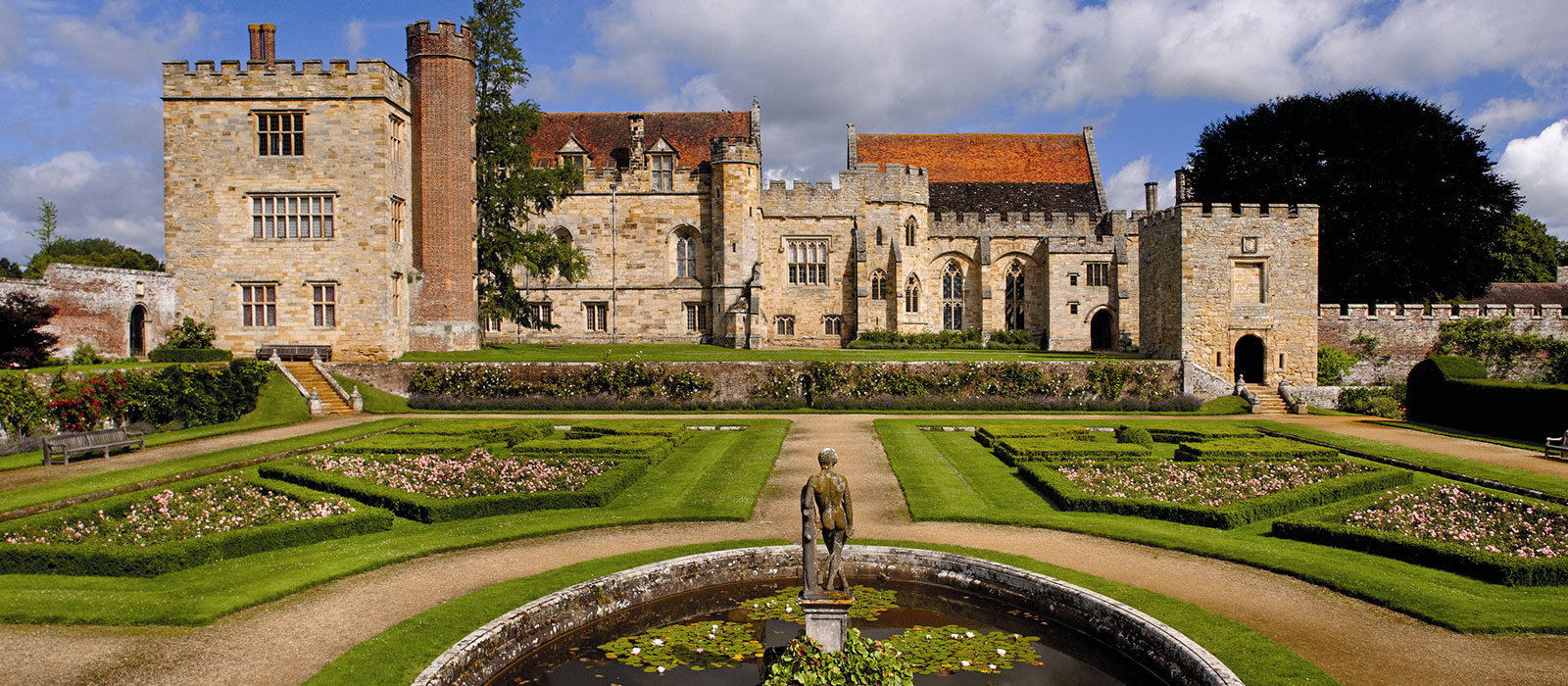
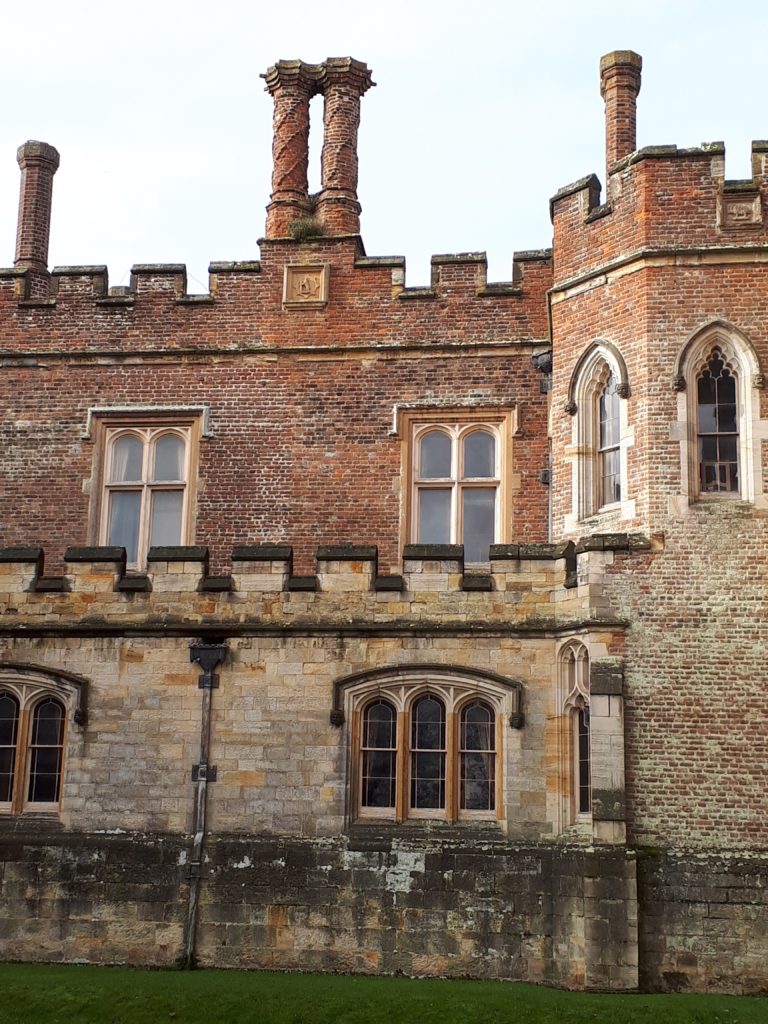
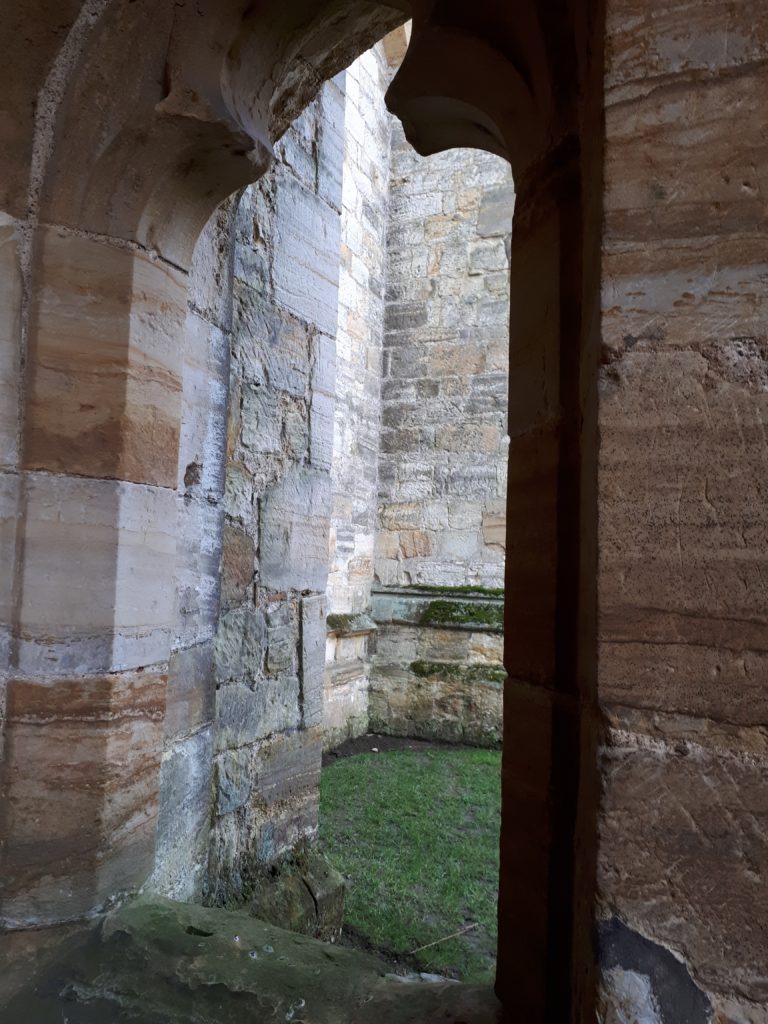
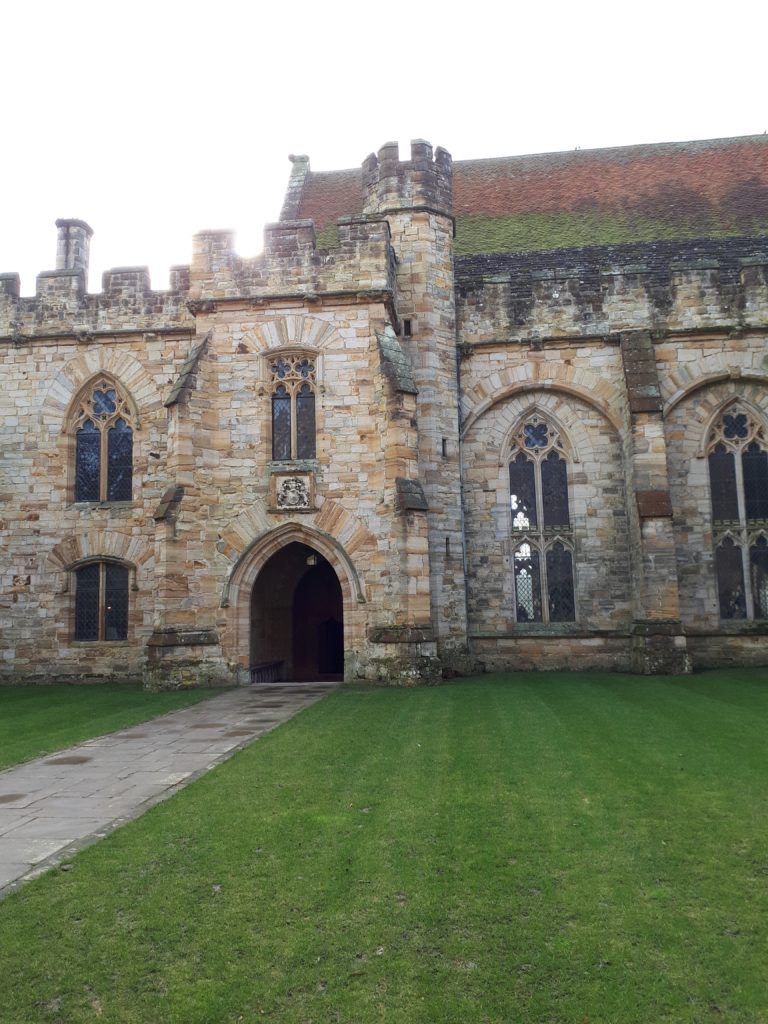
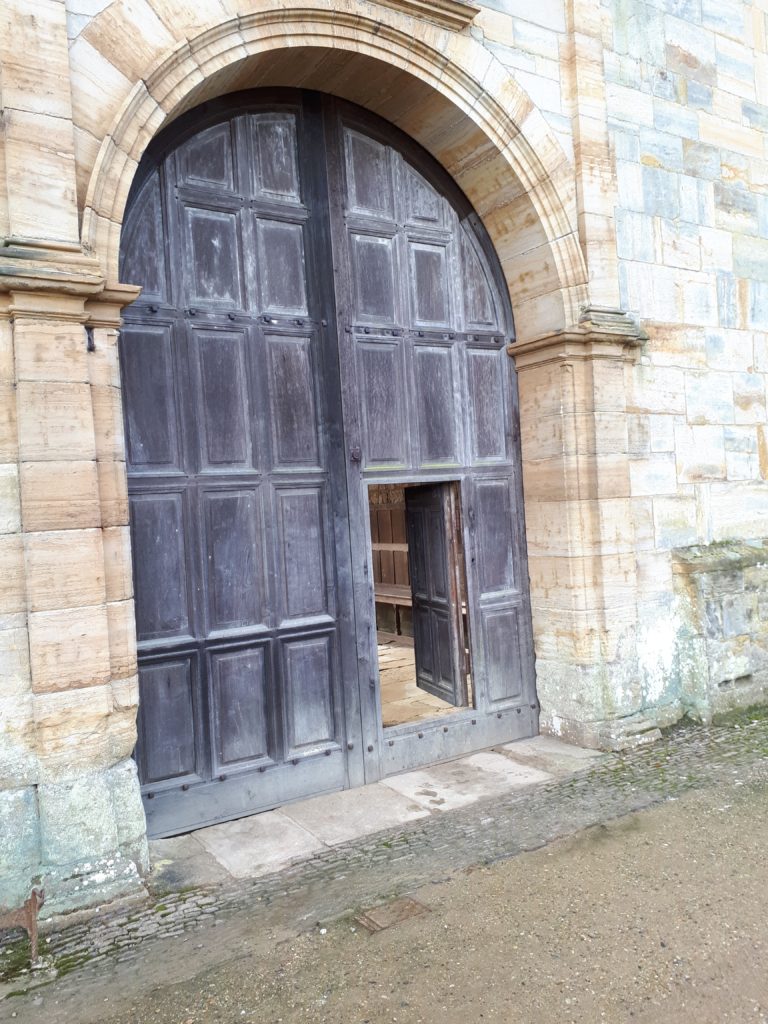
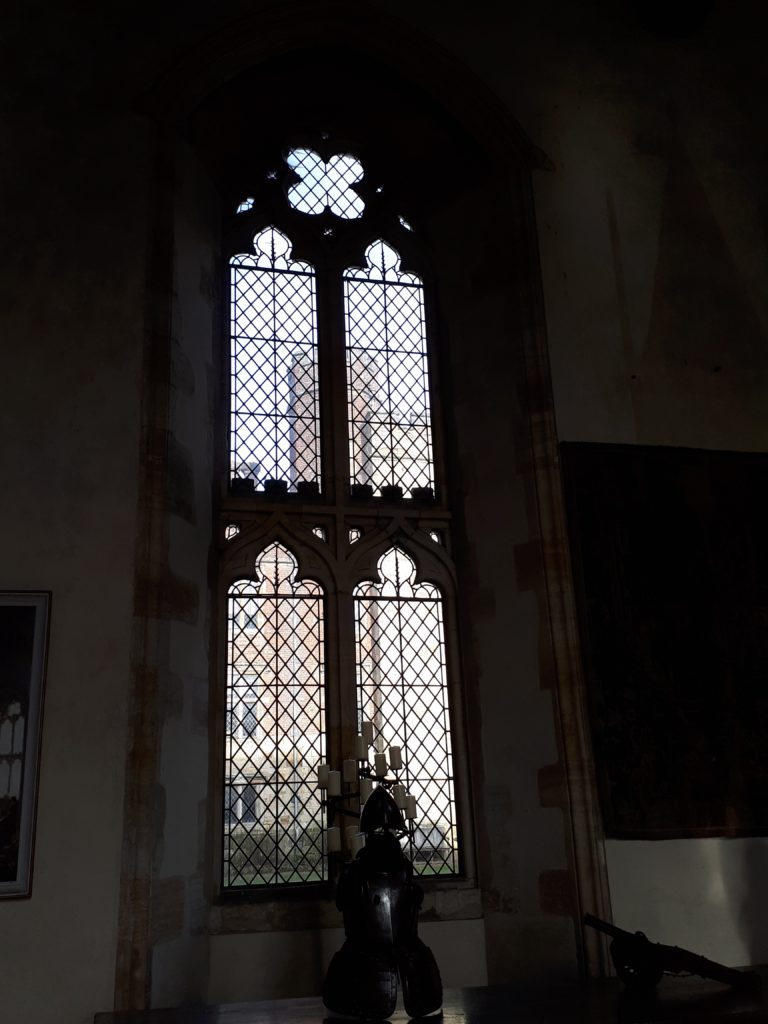
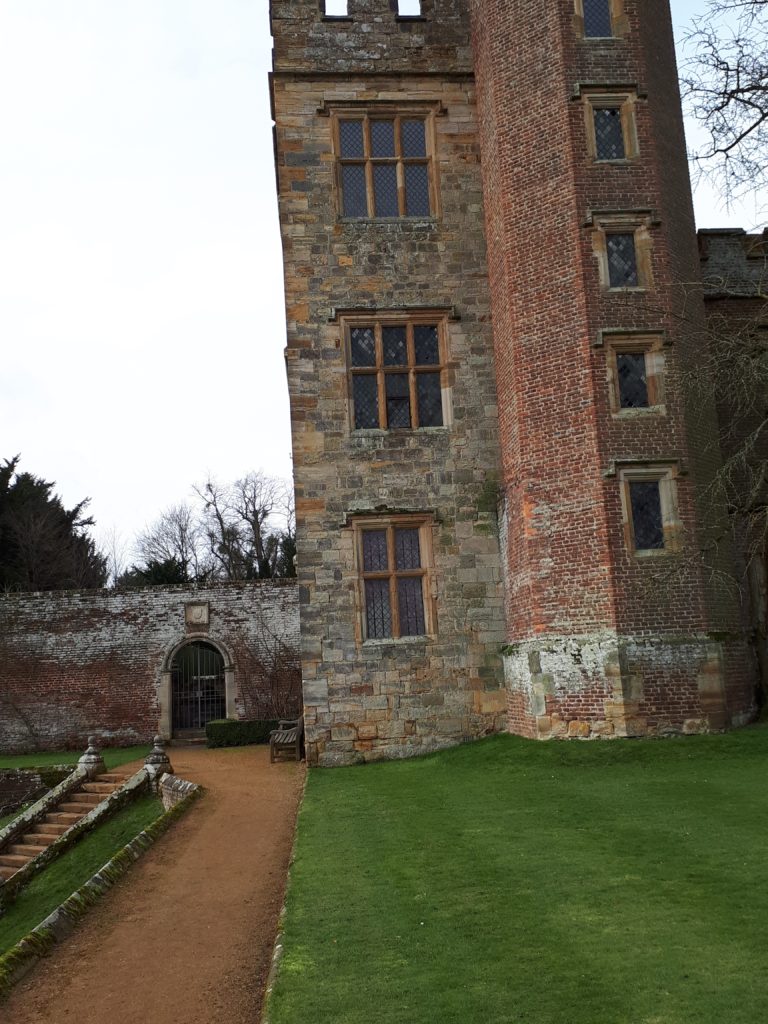
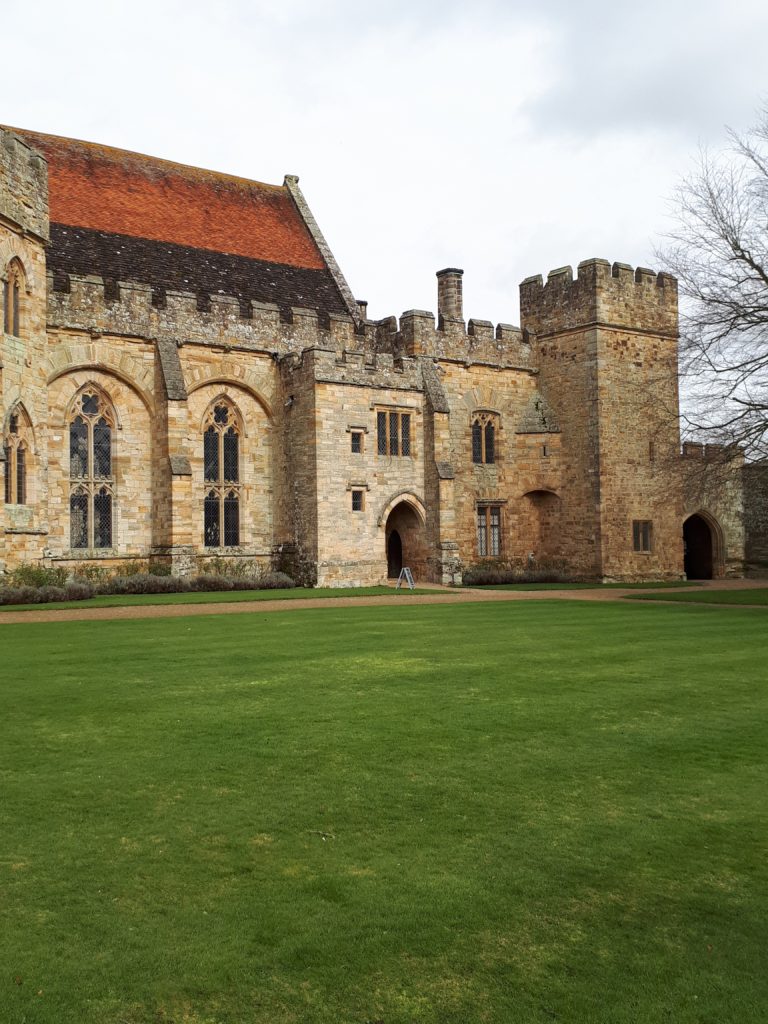
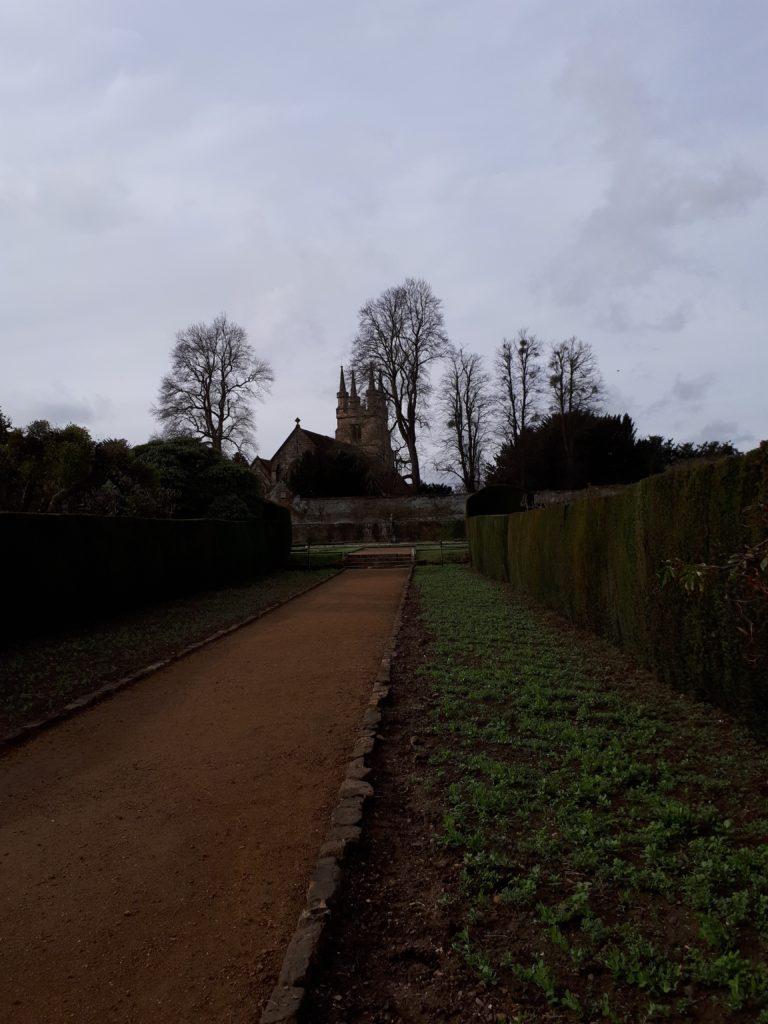
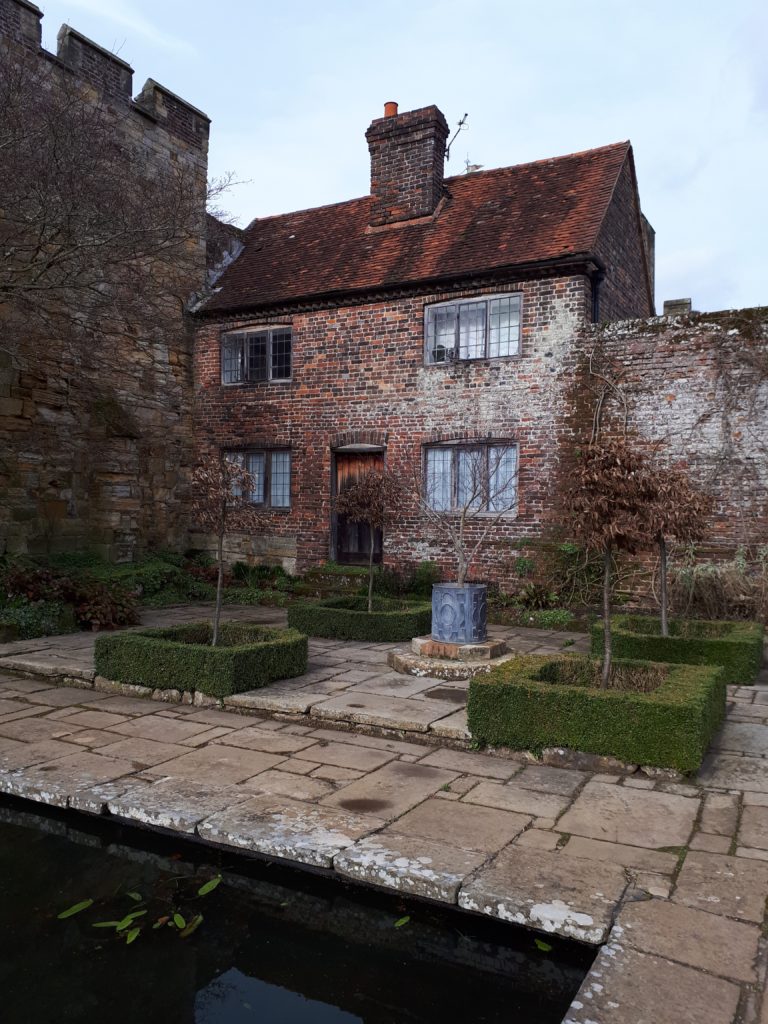
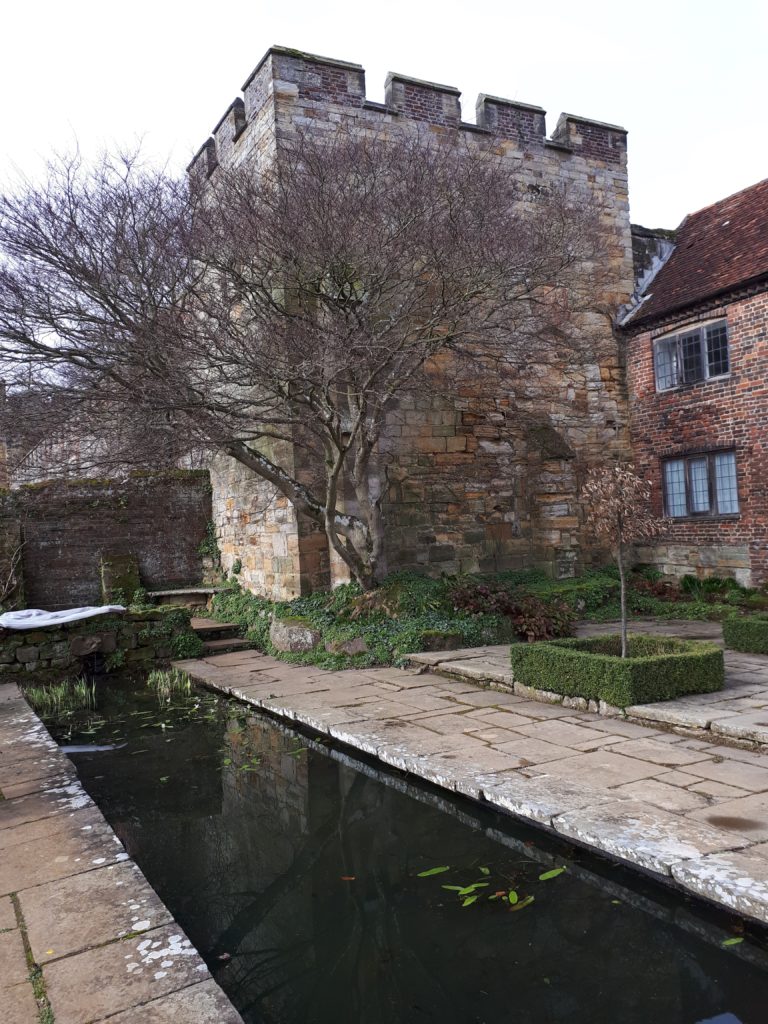
The next stately home on our Familiarization Trip hosted by Visit Britain was Penshurst Place, a 14th century manor house owned by Lord and Lady De L’Isle. Penshurst Place has been owned by the Sidney family since 1552; after passing through the hands of two of Henry IV’s sons, followed by Henry VIII who used it as a hunting lodge. Given to Anne of Cleves as part of her divorce settlement from Henry VIII, it was then briefly in the hands of Sir Ralph Fane and was finally gifted by Henry VIII’s son, Edward VI, to his loyal steward and tutor, Sir William Sidney. The Sidney family have been in continuous occupation for more than 460 years since.


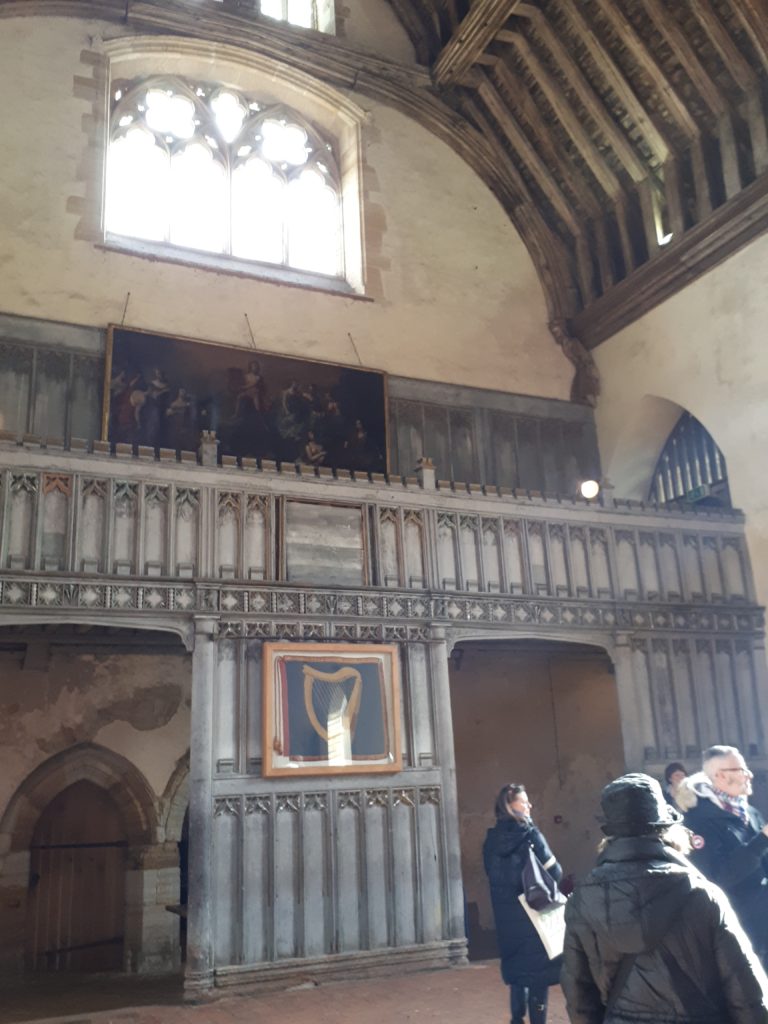
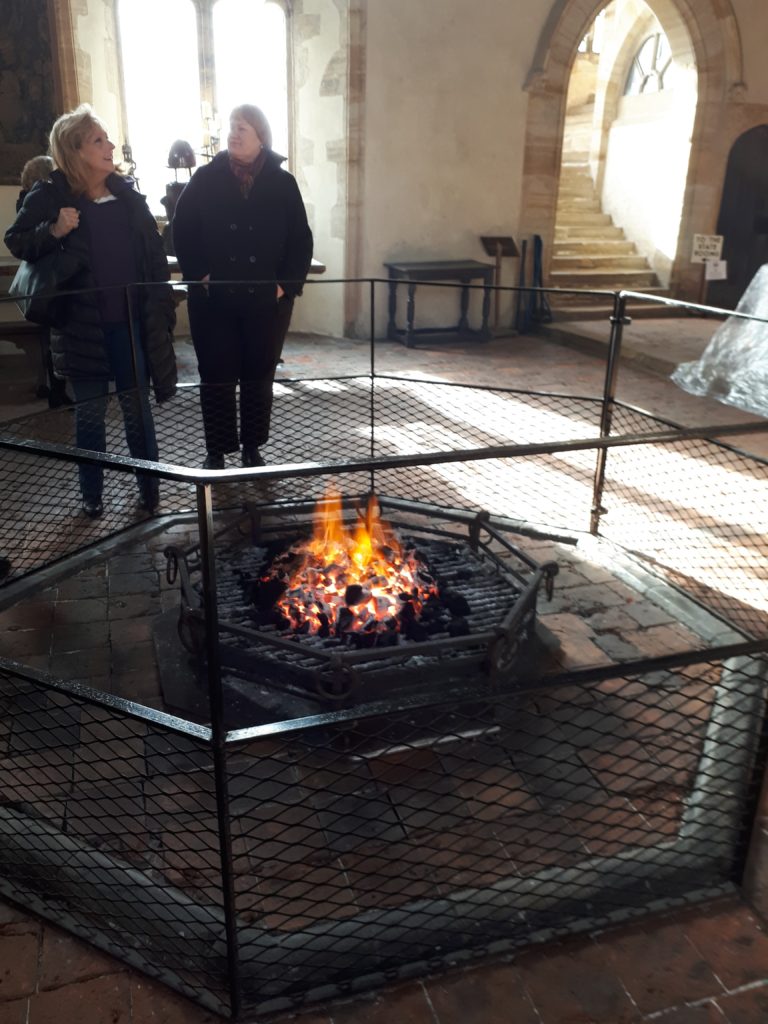
Once inside, visitors find themselves in the Baron’s Hall, used as a set in the film The Princess Bride. Described by the writer John Julius Norwich as ‘one of the grandest rooms in the world’, Baron’s Hall belongs to the original part of the house and was completed in 1341 and features a magnificent chestnut roof, arcaded windows, a 16th century Minstrel’s Gallery and unique octagonal hearth.

What we saw of the house was terribly medieval and thrilling, with the highlight of our visit being the tea and cakes, made by and served to us by Lady De L’Isle. I remember the open fire, which was welcome on a cold day, and the hot tea, equally welcome, but truthfully little else stays in my memory, as we saw three homes/castles/manors all in a single day. I suppose I could fudge things and pull photos and narratives off of the internet, but that wouldn’t be any fun. Or very honest.

We did have time for a quick tour through the grounds, some of which are Grade I listed. You’ll find an interactive map of the gardens on the Penshurst Place website.


PINTEREST BOARDS WE LOVE

Court Attire – Rachel
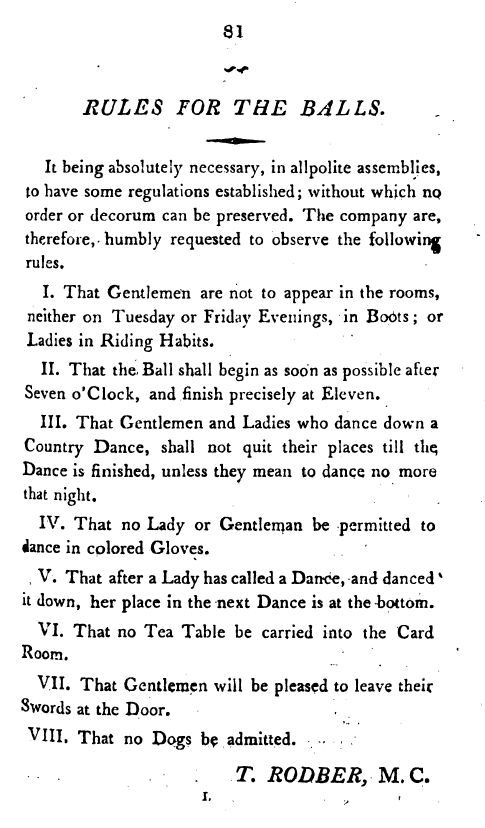
Etiquette and Manners – Joanna Waugh

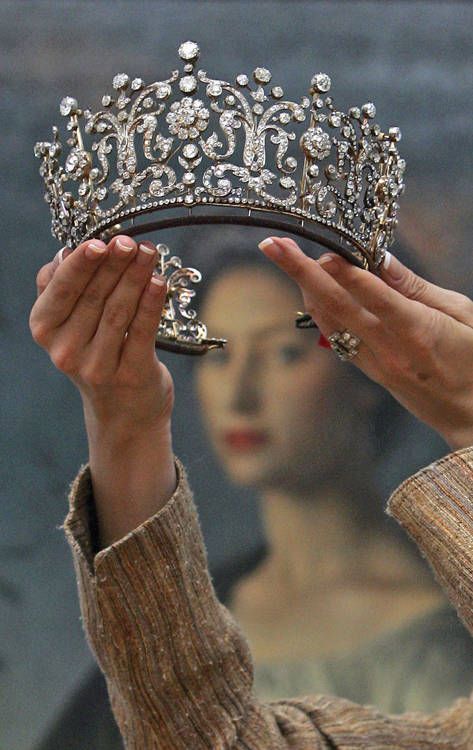
Tiaras – Amanda McCabe
Regency Hotspots – Romance Anne
Opera in Regency England – Louisa Cornell

Random Bits of Regency – Bess Gilmartin
Travel: Regency and Victorian Style -Vic (Jane Austen’s World)